The Thing About Identity

I was searching on the web for something about my co-editor, Robert G. Robinson, MD, for our book Psychosomatic Medicine: An Introduction to Consultation-Liaison Psychiatry, published in 2010.

The reason I was searching for something about him was that I’ve had difficulties finding anything on the web lately about doctors I had worked with years ago and admired—and the search revealed they had died. It has been a little jarring and got me thinking about my own mortality.

My search didn’t turn up any obituary about Dr. Robinson, but I found a couple of interesting items. One of them is, of all things, a WordPress blog item, the About section. It’s dated April 2012. I’ve seen it before. It’s supposedly about a person named Dr. Robert G. Robinson, MD and the only thing on it is his name and affiliation with The University of Iowa Carver College of Medicine. Every WordPress blog has an About section. I have one and I’ve been blogging since 2010.

There’s no entry in the About section for him on WordPress. However, there was another item on the web that looked like it was a blog (It’s another blogging site called About.me), and it was labeled as an About section.  It was a biographical summary of his academic and scientific career. Of course, it was impressive. At first, it looked like he was planning to write a blog, which could have been very educational because he’s an extremely accomplished psychiatrist with a very long bibliography of published articles about psychiatric research, a lot of it about post-stroke syndromes.

But when I looked at the social media links on the WordPress page, it led to a picture of someone who is definitely not the Robinson I know. This person was a “Certified Rolfer.” Remember Rolfing? It’s a form of deep tissue massage developed in the 1970s. The Dr. Robinson I know was never involved in Rolfing.

I’m not sure what happened with the WordPress and other blog items, but it looked the WordPress section was a case of mistaken identity. The most recent genuine item on the web about him is a 2017 University of Iowa article about his receiving the Distinguished Mentor Award.

I hope somebody doesn’t get confused by that WordPress mistake.

Then, I happened to come across an article that, at first, I didn’t recognize. The link on the search page listed Dr. Robinson’s name. It’s on the Arnold P. Gold Foundation website for humanism in medicine. The title is “Are doctors rude? An Insider’s View.” It didn’t have my byline under it. It took me a minute, but I soon recognized that I wrote it in 2013. At the bottom of the page, I was identified as the author.

At first, I thought it was a mistake; there was a place for an icon that at one time had probably contained a photo of me, but it was missing. It’s my reflection about a Johns Hopkins study finding that medical interns were not doing basic things like introducing themselves to patients and sitting down with them.

This was not a case of mistaken identity. But I got a little worried about my memory for a few seconds.

Anyway, I was reminded of my tendency to have trainees find a chair for me so I could sit down with patients in their hospital rooms. I later got a camp stool as a gift from one of my colleagues on the Palliative Care consult service. It was handy, but one of my legs always got numb if I sat too long on it. It broke once and I landed flat on my fundament one time in front of a patient, family, and my trainees. The patient was mute and we had been asked to evaluate for a neuropsychiatric syndrome called catatonia. The evidence against it was the clear grin on the patient’s face after my comical pratfall—and because of the laughter that we could see but not hear.

One of the points of this anecdote is that it’s prudent to be skeptical about what you see on the internet. The other point is that parts of your identity can hang around on the web for a really long time, so it’s prudent to be skeptical about how permanent your current identity is.

How the Metta Prayer and the Shower Juggle Are Alike

I’ve been practicing mindfulness meditation since 2014, when I became uncomfortably aware of how unpleasant I was becoming on the job and elsewhere. I called this “burnout.” The word still works as an explanation although it was and is sometimes still an excuse.

I learned about the Lovingkindness meditation or the Metta Prayer during the Mindfulness Based Stress Reduction (MBSR) course I took almost a decade ago.

I used to pray when I was a child. I read the Bible and prayed. I viewed the act of prayer as a request to God back then. And I still probably regard the Metta Prayer as a kind of bargain between me and the cosmos or whatever it is I think of as a higher power.

Just because I say the Metta Prayer doesn’t mean that anybody’s going to treat each other differently. It doesn’t make people get up and square dance together. However, the caution about not expecting others to change just because you say the Metta Prayer doesn’t mean that the practice would not enhance a sense of community—if enough people did it.

There are dozens of scripts for the Metta Prayer easily accessible on the web. The part of it that is directed to those with whom I’m having a difficult time is tricky. Often enough, my goal is to use it as a way of somehow changing the person I’m having difficulty with. It’s the same way I used prayers as a child.

That’s a mistake, but at least I’m aware of it. Prayer is not a request for God or the cosmos to intercede on my behalf so that life won’t be so difficult for me sometimes.

I have trouble remembering that I’m not really a role model, especially nowadays. I’m just an old retired guy who was difficult to work with and needed to change, despite my status as a psychiatrist. I tell dad jokes and clown around but I’m still an old guy with problems—like just about every other old guy.

So, I’m still off and on practicing the Metta Prayer. I’ve noticed that practicing mindfulness is a lot like practicing juggling, which I’ve been doing for almost a year now. I still can’t do certain tricks, like the shower juggle. I can do about three or four throws and drop the balls, sometimes on my head (which is why I wear safety goggles!). And I still tend to use prayer like I’m negotiating a deal to get rid of my faults and troubles.

But I haven’t given up practicing the shower juggle. And I haven’t given up on the Metta Prayer.

The Square Dude with the Circle Beard Returns

Well, I decided it was time to return to the circle beard after over 6 months of struggling to grow a full beard. I have too many potholes. I think it takes as much time and trouble to have a beard as it does to shave every day.

I found a web site about how some face shapes work better with specific beard styles. The author suggested measuring your face. I tried it. I measured my face length, forehead, cheekbones, and jaw line. The measurements are applied such that they classify you as having a face that is shaped: square, rectangle, round, oval, diamond, triangular, or like a heart.

According to the article, the bottom line is that I have a square-shaped face. So, I’m a square dude and what that means is that I should stick with a circle beard (mustache and goatee).

This makes sense because that’s what I used to have. See my blog post and YouTube video from 3 years ago, “Facial Hair and the Masked Worker.” I used to keep it stubble short so I could pass the fit test for the N95 respirator at the hospital when I was working as a psychiatric consultant.

Because I’m retired from the hospital, fit testing is no longer an issue. On the other hand, I think the circle beard will be less trouble to groom.

Thoughts on the Passing of Dr. Russell Noyes Jr.

I recently found the obituary of my mentor, Dr. Russell Noyes, Jr. MD. He died on June 21, 2023. This is the first time I’ve ever said that he was my mentor. I probably just didn’t realize it until I found out he passed.

Dr. Noyes was my teacher during the time I was learning consultation-liaison psychiatry back in the 1990s at The University of Iowa Hospitals & Clinics. His knowledge was vast. He contributed greatly to the scientific literature on anxiety disorders. He also wrote about near death experiences.

Dr. Noyes retired in 2002. As his students, we chipped in to get him a retirement gift. It was a large bookstand. We were just a little uncertain about whether a bookstand was the right gift for someone who was a tireless researcher and teacher. He was also an avid gardener and musician. He soon returned to work in the department, staffing the outpatient clinic. He also continued to regularly attend grand rounds and research rounds. Years later at a grand rounds meeting, someone asked him about his retirement. Dr. Noyes retorted, “I don’t believe in retirement.”

I remember I could hardly wait to retire. Since then, I’ve been ambivalent about retirement, but not so much that I ever seriously considered returning to work. I sometimes have dreams about being late for college lectures because I can’t find my way to them. A couple of times lately, I’ve had dreams about not being able to find my way through a hospital to conduct a consultation evaluation. I don’t know what that means.

I was an avid student of consultation-liaison psychiatry but I was not a scientist. That was part of the reason I left the university in 2005 for a position in a private practice psychiatry clinic. He cried at the going away party my students and co-workers held for me. I still have a little book in which well-wishers wrote kind messages. Dr. Noyes’ note was:

“Jim

We’re going to miss you. You are the consummate consultation-liaison psychiatrist and your leaving is a great loss to the Department. We wish you the best and hope to see you at the Academy meetings.

Russ”

His sentiment was one of the main reasons I soon returned to the department, only to leave again a few years later—and return again after a very short time. I came back because he was a consummate teacher and I wanted to learn more from this beacon of wisdom.

Many who knew him, including me, often saw him riding a bicycle on Melrose Avenue to and from work at the hospital. We wondered why he didn’t drive instead. His son James wrote a beautiful remembrance of him and posted it on the web in 2006. It’s entitled “My Dad (Russell Noyes, Jr).”

James says his dad was a terrible driver. This triggered a memory of how it was Russ’s wife, Martie, who drove the rental car when we rode with them from the airport to the hotel where an Academy of Consultation-Liaison Psychiatry meeting was to be held. I remember gripping the armrest and wishing we’d hired a taxi as Martie steered erratically through heavy traffic.

Dr. Noyes knew how to guide his learners through their careers. He also knew how to write and was a stern editor. Even as I wrote this remembrance, I could see how he might have critiqued it. I tried to do it on my own, and of course I failed. It will have to do.

Beard Kit Passes Muster and Makes Me Glow!

I tried the new beard kit stuff yesterday. I washed my beard with the beard wash and conditioner. Then I applied a little beard oil and beard balm. I combed it and brushed up with the boar bristle brush. Try saying “boar bristle brush” three times really fast right now!

I trimmed the flyaways with the very sharp scissors and—oops. I accidentally nipped my left earlobe off. It ricocheted off the mirror and splashed into the toilet. This was not a problem and from my internet research, I knew exactly what to do.

I quickly got a soup ladle and fished my earlobe out of the toilet bowl. Wrapping it in a wet washcloth, I then tossed it into a little watertight bag. Immediately, I put that into a sandwich bag with ice to preserve my earlobe. It would not have been a good idea to put it directly on ice. That would have worsened the damage. I knew better than to put it in milk, especially skim milk! That stuff doesn’t even taste like milk.

The emergency room doctor at first didn’t believe I accidentally snipped off my earlobe. He wanted to get a psychiatric consultation, but I assured him that I’m a retired consultation-liaison psychiatrist and I’m OK. I may have a screw loose but I would never cut off any of my own body parts. He reattached my earlobe and I’m as good as new.

I guess that means I’m officially anointed from a beard kit standpoint.

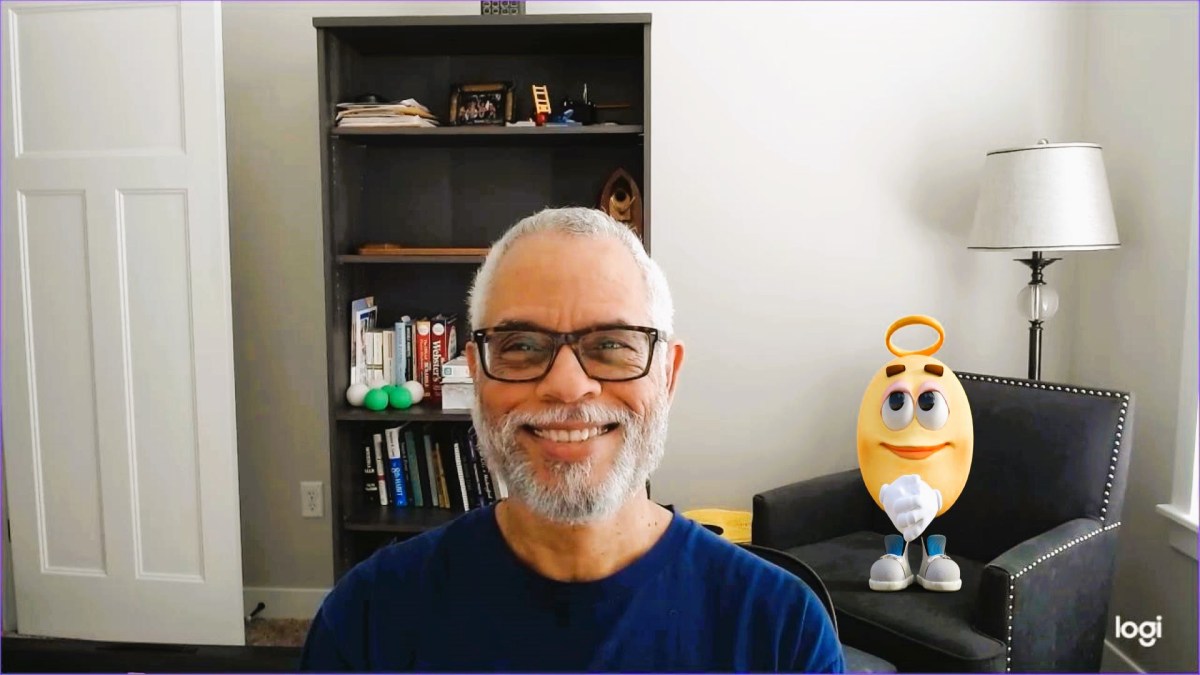
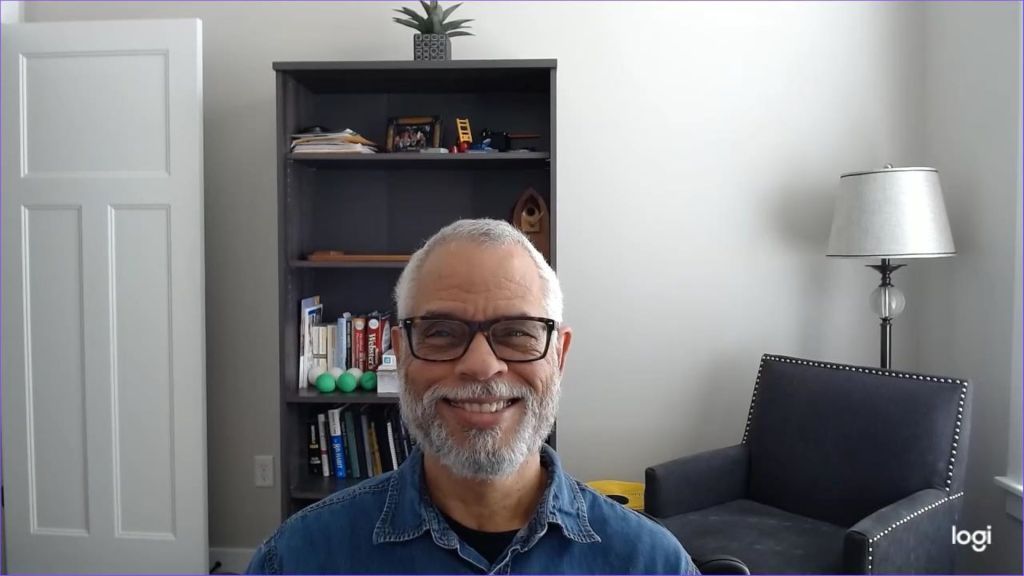
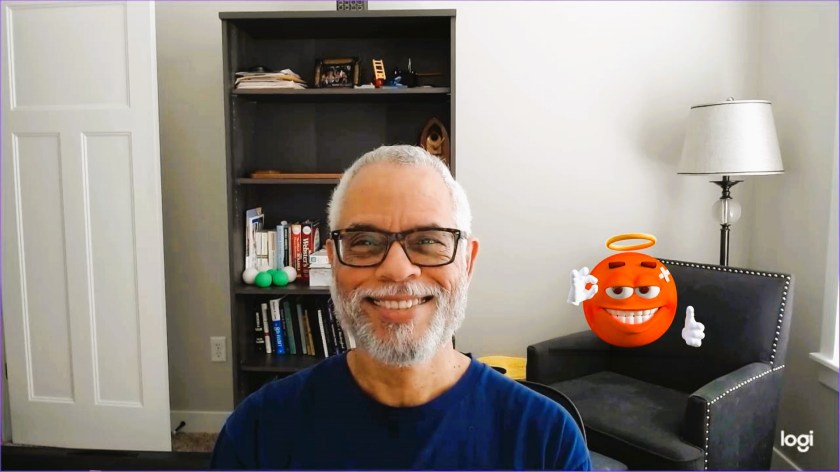
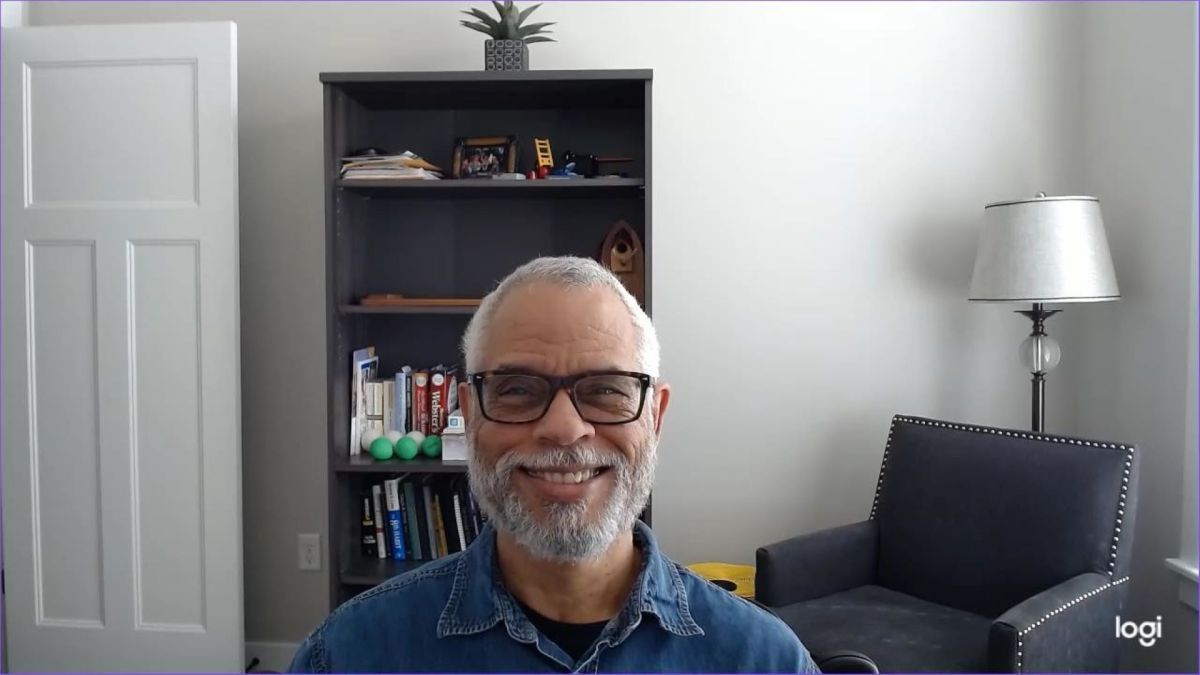
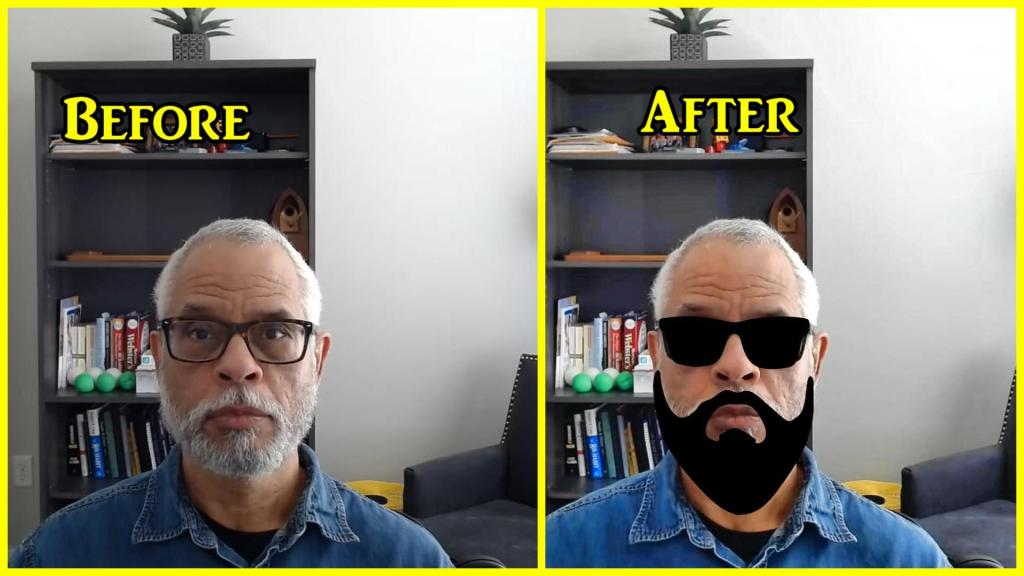
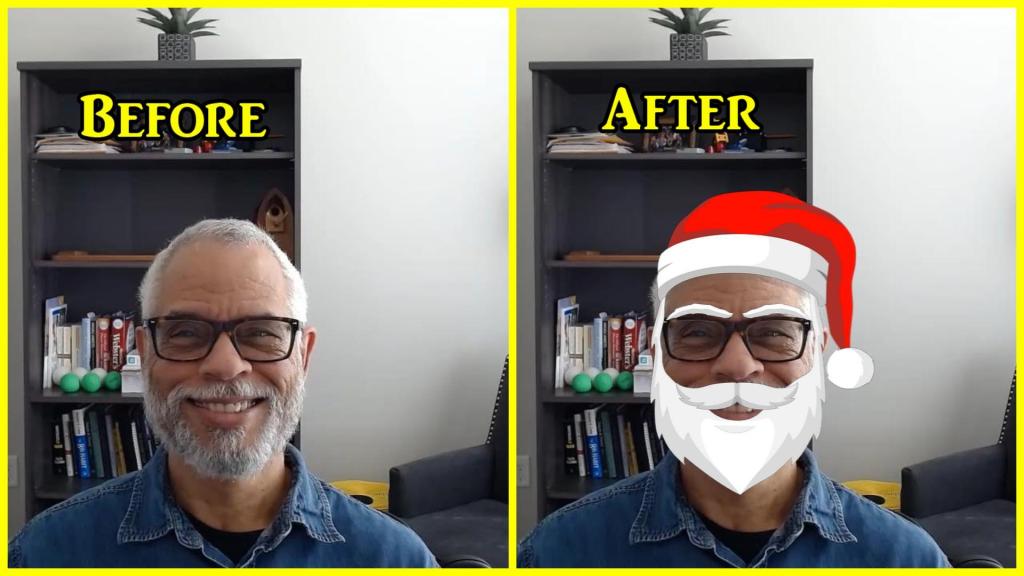
Sena says I glow now. Judge for yourself from the unretouched before and after photos.

Thoughts on Beards

Sena ordered a beard kit for me. I’ve never seen one before. I’ve been trying to grow a beard for the last several months. It’s a new thing. Before retirement, I could get away with a mustache or a circle beard stubble. But I couldn’t see working at the hospital while trying to grow a full beard.

I’ve trimmed it a couple of times; I have a beard trimmer with a set of guards. I’ve got some bare spots, like a lot of guys. We saw a YouTube commercial about a product called beard growth oil. The guy said it covered his “potholes” in no time.

All the beard kits have about the same items. There’s beard shampoo, beard balm, and beard oil. They can have fragrances, like peppermint and eucalyptus or sandalwood. A lot of them seem to have infusions of things like avocado and papaya. The makers are big on natural stuff.

I’m just trying to grow a beard, not make a salad.

The kit has a comb, a brush, and scissors. I think the brush bristles are made of boar hairs. I wonder what’s special about boar hairs. Some of the kits come with beard growth oil and even a little mini roller to roll it into the hair roots. Some guys swear by it. I can’t help laughing when I think about it. And there are a large number of positive reviews about the kits in general.

I’m not sure what I would look like after beard growth oil. I might have a totally different appearance. If the kit comes with hair coloring, I might end up looking a little sinister.

On the other hand, I might resemble a department store Santa Claus. I’m not looking for the job.


I’m not sure what’ll happen with this. Until now, I have tended not to mess with my facial hair other than to snip away the stragglers and fly-aways.

I follow some guidelines. I trim the mustache away from my upper lip. I have no interest in tasting my meals long after I’m done eating. I shave neck hairs above my Adam’s apple. That doesn’t mean I’m uppity about neck beards. I just don’t like a scratchy neck.

We’ll see.

Thoughts on Artificial Intelligence

Sena and I just read Dr. Ron Pies fascinating essay describing his interaction with Google Bard Artificial Intelligence (AI). As usual, this made me think of several movies with AI as a central theme. There are several: I, Robot (I wrote a post about this a couple of years ago), Blade Runner, The Matrix, 2001: A Space Odyssey, even Wall-E, a favorite for me and Sena.

If you’ve seen Blade Runner, you might remember a device called the Voight-Kampff Test, an empathy test to distinguish replicants (humanoids or more broadly, AI) from humans. Interestingly, there’s an article speculating about using it to see if ChatGPT (another AI made by the company OpenAI) could pass the test. It didn’t, of course, if appearing to seem genuinely human is the benchmark.

We thought the conversation between Dr. Pies and Bard was very entertaining and thought-provoking. We both wonder how Bard would have responded if the question had been slightly reframed regarding the patient with schizophrenia who might or might not have been speaking metaphorically about his brain being “…a plaster ceiling with pieces falling on the floor.”

What if you ask Bard a more open-ended sentence, something like “What do you think a patient with schizophrenia means when he says that? If Bard hadn’t been tipped off by mentioning the issues of metaphor and mental illness, how might it have responded?

Bard’s answer to Dr. Pies’ question about what Bard means when it refers to itself as “I” in its responses. It says it doesn’t mean “I” to imply it’s human. I guess you wouldn’t need the Voight-Kampff test given this kind of honesty.

Just so you know, when Sena and I discussed this article we both caught ourselves calling Bard by typical human pronouns like “he” and “his” instead of “it.”

We also speculated about where you could use an AI like Bard in practical situations. We thought of it replacing those dreadful automated telephone answering machines. Bard would be too bright for that and it would probably not sound very different from the usual machines.

What about something more challenging like answering questions about the new Iowa Income Tax Law, exempting retirees from having state taxes withheld? It’s in effect now and the rollout has been somewhat complex. We think it’s because of communication about who is responsible for getting the ball rolling and what roles the Iowa Department of Revenue, the companies’ plan administrators who are withholding state taxes, and the retirees are expected to play.

There are ways to get answers to questions which don’t involve automated telephone answering machines. Amazingly, you can talk to real people. Sometimes you don’t even have long wait times on the phone before reaching someone who has very little information and has to put you on hold “briefly.”

Don’t get me wrong; we think the exclusion of retirement income from state taxes in Iowa is a good thing. Getting information about who does what and when is challenging though. I wonder what Bard would have done.

Retiree: Bard, who’s supposed to move first, the retiree or the plan administrator on what to do about state tax withholding?

Bard: That’s a good question and the issue is likely to produce anxiety on both sides.

Retiree: Right. How does this shindig get started?

Bard: If the state and the companies had got together on the issues earlier and prepared algorithms for me to choose from, I would be in a much better position to answer that question. Would you like me to sing “On A Bicycle Built for Two” now?

Retiree: No thanks, Bard. I was wondering if you knew why some companies making payments to retirees didn’t reach out early on to them and send letters describing options on how to approach decisions for making changes to state tax withholding in light of the new tax law.

Bard: That is another good question. It brings to mind a quote by Isaac Asimov in his book, I Robot: “You are the only one responsible for your own wants.”

Retiree: Hmmmm. I guess that makes sense. What if state taxes are erroneously withheld, despite your wishes and instructions? What happens then?

Bard: That seems to imply an old saying, “The buck stops here.” This means that whoever is making decisions is ultimately responsible for them. It is attributed to President Harry S. Truman. It is based on a metaphorical expression, “passing the buck,” which has been in turn derived from poker game play. I have not been programmed with any further information about the game of poker. Has this been helpful? I want to be as helpful as I can.

Retiree: Well, you’re helpful in a way. I have heard that some plan administrators are not stopping state tax withholdings despite clear instructions otherwise. It seems that the Iowa Department of Revenue is on the hook for refunding them to retirees (here, the retiree winks).

Bard: What does that mean (referring to the wink)?

Retiree: “It’s a sign of trust. It’s a human thing. You wouldn’t understand.” (Quote from I, Robot movie, Detective Del Spooner to Sonny the robot.)

Anyway, I think AI would be overwhelmed by all this. In any case, the only way to complicate things this much is to involve humans.

Juggling My Birthday Glow Balls

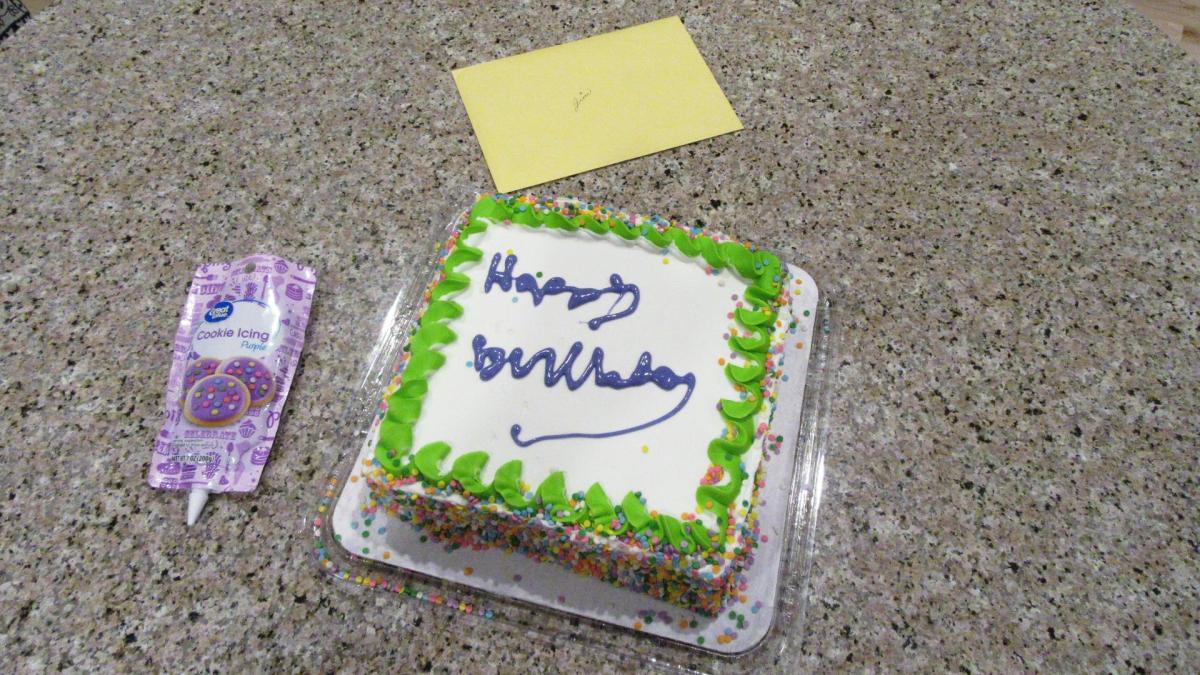
Hey, it’s my birthday and it turns out the juggling glow balls are my early gift. Sena decorated my cake, using cookie icing that sort of spread out.

You got to love the birthday card she got for me. “Selective Listening Ensures the Survival of Man.” Or at least this man.

Just for the occasion I juggled my glow balls. I can program the color changes, but it’s sort of a numbers game. You have to click the right number of times to make your selection. Sena likes the 1UP2UP trick.

And according to someone who wrote the book, “Age is just a number and mine’s unlisted.”—Manya Nogg. OK, so you probably first heard it like I did, from the lady on the Boost High Protein Nutritional Drink commercial.

I don’t really feel my age, and nor do I act it. I do not drink Boost—yet.

Hello, I’m Dr. James Caramel Brown

I read Dr. Moffic’s article, “The United States Psychiatric Association: Social Psychiatric Prediction #4”. I think the rationale for renaming the American Psychiatric Association makes sense.

However, it also got me thinking about the names of other associations connected to the APA (here meaning American Psychiatric Association). One of them is the Black Psychiatrists of America, Inc. We make up about 2% of psychiatrists in the United States.

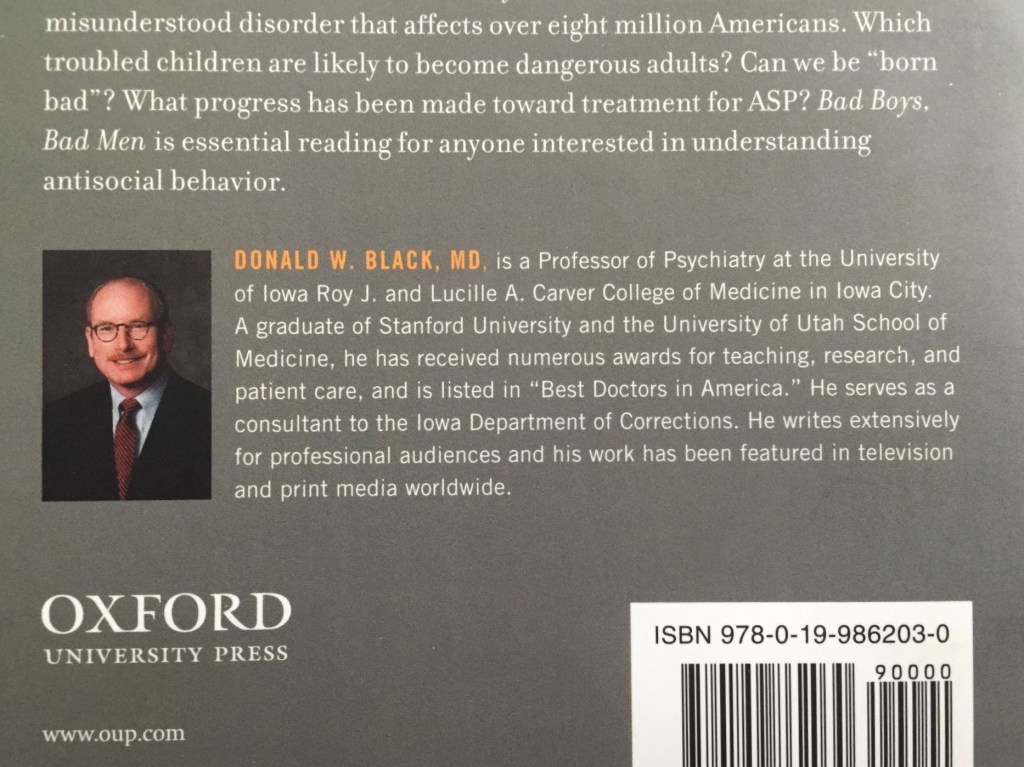
It also reminded me to once again do a web search for the term “Black psychiatrists in Iowa.” It turns out the results would lead to a repeat of my previous post “Black Psychiatrists in Iowa” on May 7, 2019. Nothing has changed. My colleague Dr. Donald Black, MD is still coming up in the search. Just as a reminder, he’s not black.

It probably comes as no surprise to readers of my blog that this also reminds me of a couple of Men in Black scenes.

Video of Men in Black scene, Dr. Black and Dr. White quotes.

And my post still appears high up in the list of web sites. There has also not been published a more recent edition of the Greater Iowa African American Resource Guide than the one in 2019. You can still find my name and that of Dr. Rodney J. Dean listed in the 2019 edition as the only black psychiatrists in Iowa.

In case you haven’t noticed, I’m retired. I have never considered changing my name and title to Dr. James Caramel Brown. If you noticed that the “Caramel Brown” part is from Men in Black 3 (Agent J talking about what Agent K should say about his skin color in his eulogy for him), give yourself a pat on the back.

Agent J: Can you promise me something, if I go first, you’ll do better than that at my funeral? Yeah, something like, uh: “J was a friend. Now there’s a big part of me that’s gone. Oh, J, all the things I should have said, except I was too old and craggy and surly and just tight. I was too tight. Now, I’m gonna just miss your caramel-brown skin.”

Agent K: I’ll wing something.

Anyway, I’m not sure what to do about renaming the American Psychiatric Association. But I think whoever is in charge of google search results for the term “black psychiatrists in Iowa” could improve on the current situation.

Feisty and So On

There’s this dialogue in Men in Black II between Serleena and Zed:

Serleena: Zed, look at you, 25 years and you’re still just such a looker.

Zed: Cut out the meat dairy. And you, still a pile of squirmy crap in a different wrapper.

Serleena: So feisty.

I’m becoming more aware of the use of the word “feisty” in reference to so-called “older” persons. That’s because I’m getting older.

I noticed an article on the use of patronizing words for older persons. A couple of other such words are “spry” and “sharp.”

“Sharp” as in sharp as a tack (for his age, of course). Also, as in sharp enough to know today’s date.

“Spry” as in he is spry enough to get into and out of a chair.

I’m also spry enough on most days to do under the leg and behind the back juggling tricks.

I’m still sharp enough to know the difference between respectful and patronizing.

I guess that makes me feisty.