In about an hour (a galactic standard week), I plan to watch yet another rerun of Men in Black. That’s the first one of the trilogy. I nearly always can find a connection with some quotes from the MIB movies and current events. I don’t care to specify the current events because they’re depressing.
The title of this post is actually part of quote from MIB 3, “…do not lie to me!” I can apply this one to just about every news story.
Another quote is often applicable in the daily news, and it’s from Men in Black:
Agent K: “We do not discharge our weapons in view of the public!”
Agent J: “We don’t got time for this cover-up bullshit! Look, I don’t know if you forgot, but there’s an Arquillian Battle…”
Agent K: “There’s always an Arquillian Battle Cruiser, or a Korilian Death Ray, or an intergalactic plague that is about to wipe out all life on this miserable planet. Agent K: “There’s always an Arquillian Battle Cruiser, or a Korilian Death Ray, or an intergalactic plague that is about to wipe out all life on this miserable planet. The only way these people can get on with their happy lives is that—they do not know about it!”
Unless there is something we can do about it, I do not want to know about the Arquillian Battle Cruiser.
I just saw a short web article about Baby Boomers and their opinion of what’s going on these days and comparing it to the “good old days.”
There were the usual complaints about bad music, lack of teamwork, no effort to maintain social bonds, and the like.
I’m not sure I can identify any such good old days. I can think of good and bad times. I tend to think of them as being a byproduct of good experiences with people you enjoy being with—which don’t always fit with the times.
I grew up in the 1960s during the Civil Rights struggle, and I would be hard-pressed to call it the good old days. I can recall my mother trying her best to straighten out the curls of the hair of my younger brother and me with a lot of hair oil. It was almost painful as she tried to press the evidence of our mixed white and black parentage out of our hair.
I think the perception of what the good old days were might depend on your place in society at the time.
There’s this old Twilight Zone episode about a guy trying to make it in the tough business world and he wasn’t doing too well.
Spoiler Alert: I reveal what happens in the ending, just in case you want to try to find a YouTube.
On the train home from the office, he would dream of a place called Willoughby. It was a place years before his time. It was sunny. People were friendly, enjoyed picnics, went fishing and it was always summertime. He longed for it. His boss was a tyrant and his wife pretty much called him a failure. He got off the train at the Willoughby stop a few times and really enjoyed the good old days feel to the place. But he always got back on the train.
One day, he had that “last straw” moment. His boss was tyrannical; his wife belittled him and called him a loser. He got off the train at Willoughby, determined to stay in the good old days.
OK, this is the spoiler:
Willoughby turns out to be the name of the undertakers who pick him up where he jumped off the train and died.
Anyway, this “train” of thought led to Sena and I reminiscing about the trip to Hawaii we made way back in the day. The flight was long and excruciating. My ears were plugged most of the way there. We were both exhausted, but the tour group we traveled with were raring to go after we got to the hotel in Waikiki. They were mostly 3 decades older than us. I can’t remember if one of them or somebody else at the airport made a disparaging comment about Waikiki, something like: “I don’t know why anybody thinks Waikiki is anything special; what the hell, it’s just like Des Moines!”
While we camped out in our hotel room, the older folks went out to see Don Ho perform. When they got back, they said Don was drunk, they had a few drinks, and we just marveled at their energy.
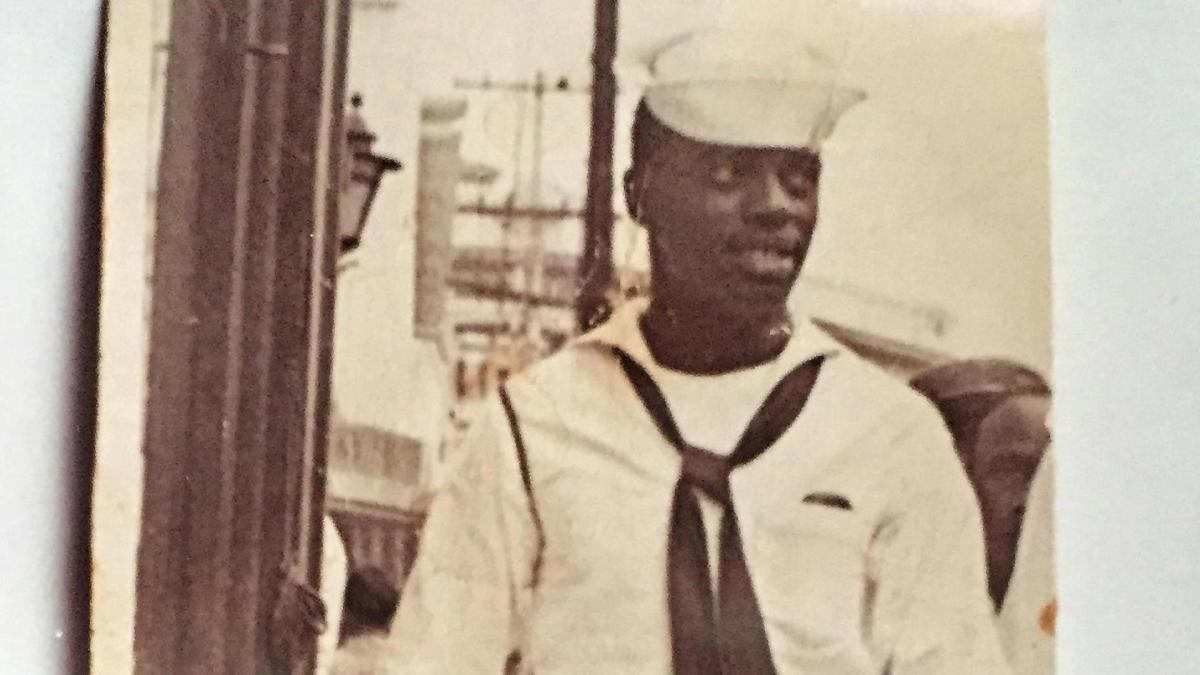
We developed a friendship with a married couple in the tour group named Leota (Lee for short) and Norman. Lee took exception to Norman having a beer with the rest of us on some outing. I think it was about a health problem he had. He grumbled a little and we toasted the event anyway. Norman, who had been in the military, shed a few tears at the Pearl Harbor monument.
We traded Christmas cards with Lee and Norman until their children sent us a card telling us that Lee had died. Norman died several years later. We still have a photo of Sena with Lee and Norman taken while we were having a great time in Hawaii.
I guess you call those the good old days. Maybe you could even find a reason to call the present times the good old days after a while—if you were as drunk as Don Ho during the whole era.
This is St. Patrick’s Day and, although I didn’t wear green today, Sena got me some Irish beer. It’s Guinness Extra Stout. The back label extols the virtues:
“Intense characterful and bold, Guinness Extra Stout is the pure expression of our brewing legacy. Bittersweet, with subtle hints of hops, dark fruits and caramel, this stout is a testament to great brewing.”
That dark fruit better not be dates or prunes. It’s brewed in Ireland.
This being Friday night, I wonder if John Heim (aka Big Mo) will mention anything about St. Patrick’s Day tonight on the KCCK Big Mo Blues Show, radio station 88.3 in Cedar Rapids or 106.9 in Iowa City.
Maybe he’ll mention May Ree and her hand-battered catfish. It’s better because it’s battered. Maybe the recipe includes a couple of bottles of Guinness Extra Stout, with notes of dark fruits and caramel. Dark fruits which are not dates, I hope. Allowable notes can be sharp or flat, blue, high, or low—but not dates.
OK, I’ve found out that there’s more than one way to hit the shower pertaining to the juggling trick called “The Shower.”
As usual, my form is ugly because I’m in the early practice phase of trying to learn the shower. But then, even when I think I’ve got a trick down—it’s always ugly.
Anyway, different experts have different instructions for the shower trick. A couple of them tell you to throw the two balls in your dominant hand one right after the other. “Go for it” the guy says, who wrote the Learn to Juggle manual I still use. A YouTuber also tells you to just throw the two balls up there. Another expert doesn’t suggest that—but I can’t do it at all unless I toss two balls up sequentially.
I keep my two hands two close together and too high for the “slap” part of the pattern, which is tossing a ball straight across from my nondominant hand to my dominant hand. I also throw a ball too far out from the pane of glass (which is a pain in the ass!).
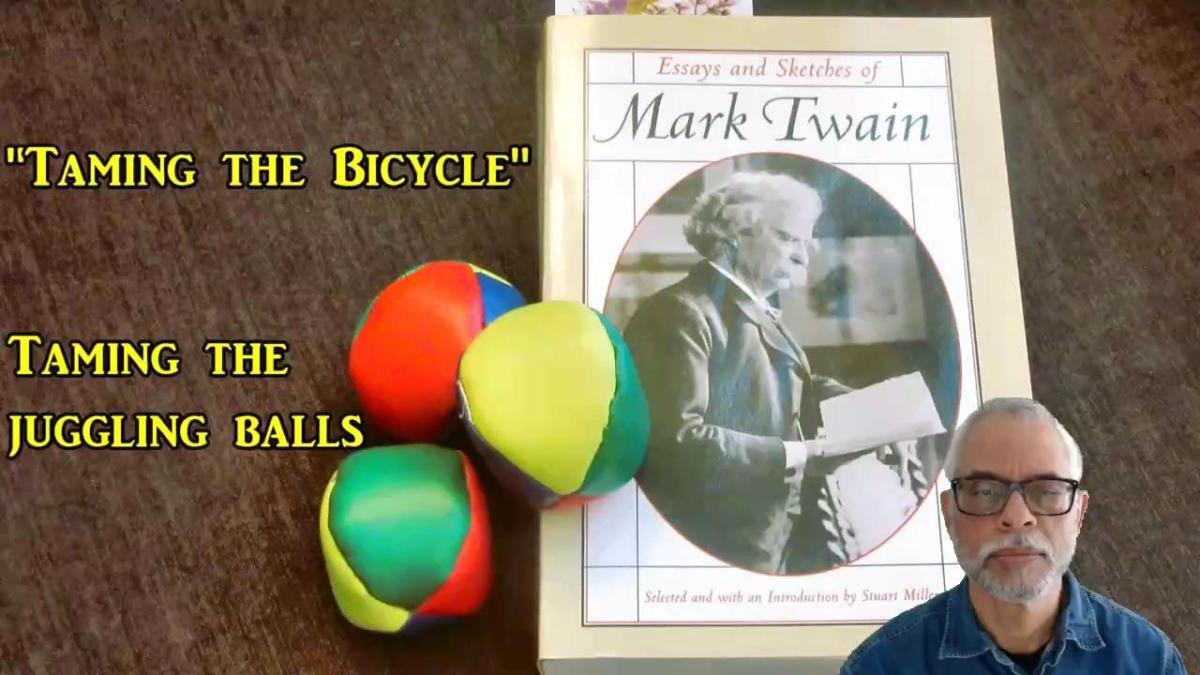
As usual, you can see all my mistakes in my ugly juggling on my own YouTube video, which you should not use as an example of anything but the wrong way to learn the shower.
By the way, Sena is making progress learning to juggle!
Big news flash—Sena is learning how to juggle. She just started doing the single and two-ball practice throws on the way to learning how to do the 3-ball cascade, just like I did about 5 months ago.
Just like she heard me dropping balls—now I hear her doing it. It’s a gas! It’s fascinating to watch her gradually improve.
On the other hand, I’m trying to learn how to do another juggling trick called the shower. If you look this up on the web, you’ll find a comical entry that reads “How do you juggle 3 balls in the shower?”
It’s not a trick you do in the shower.
The shower is what some call an intermediate level trick which, I think, historically was how everyone started learning to juggle. Instead of learning the cascade, you started by learning the shower. The way the balls fly, they sort of look like they’re raining. And it’s a lot harder than the cascade.
There’s a half shower trick that I learned pretty quickly. And I can sort of handle the two-ball practice for the shower. I’m stuck when I add the 3rd ball, sort of how I got stuck learning the behind the back throw. You have to throw two balls up from your dominant hand in perfect arcs just before throwing one ball across from your non-dominant hand to the dominant hand. Catch them all. Right.
You can find YouTube videos of this that make it look easy. But that’s only because the teachers are very well practiced!
Today is the day to move clocks forward by one hour for Daylight Saving Time. Well, technically, we’re suposed to change the clocks at 2:00 a.m. on March 12, 2023, which is Sunday.
I usually do this in the afternoon of the day before (which would be today), which drives Sena crazy.
However, today Sena changed all the clock times this morning. Payback?
See this website for more information about which states have tried legislating this time change. Iowa is on record with a bill supporting permanent DST, but it won’t go anywhere without federal approval.
I’m going to talk a little bit about fathers. Mothers are important too, but I’m a guy and I can talk about mothers another day. Because it’s a touchy subject, I’m going to begin with a Men in Black (MIB) joke, like I always do when I’m being defensive. There’s this MIB 3 scene in which Agent K and Agent J have this exchange:
Agent K: I used to play a game with my dad, what would you have for your last meal. You could do worse than this (explanation for this: they’re sitting in a restaurant and an eyeball in Agent K’s soup swivels around and stares at him).
Agent J: Oh, okay, I used to play a game with my dad called catch. Except I would throw the ball and it would just hit the wall, cause—he wasn’t there.
Agent K: Don’t bad mouth your old man.
Agent J: I’m not bad mouthing him, I just didn’t really know him.
Agent K: That’s not right.
Agent J: You’re damn right, it’s not right. A little boy needs a father.
On one level, this scene is just another way of showing the father/son, teacher/student, mentor/mentee relationship Agents K and J had with each other. By extension, their interaction says something about what happens in similar real-life relationships—in the shallow, cliché ways that movies always do.
I sometimes think about the relationship I had with learners when I was a teaching consultation-liaison (C-L) psychiatry. Often, I say to myself that I never had a mentor and I was never a mentor.
That’s not true. Although I never had a mentor who was formally assigned to me, there was more than one faculty member in the psychiatry department with whom I had an informal mentor/mentee relationship. And I was an informal mentor to at least a few trainees.
However, I was middle-aged by the time I entered medical school, which probably set the stage for awkward relationships with my fellow students and some teachers, partly because I was either the same age as or older than them.
That doesn’t mean I was wiser than them. It just means that I was conflicted about them. Later, in residency, I learned about transference and countertransference. In fact, I focused on the psychodynamic as well as the medical issues in teaching trainees. In the first C-L manual I wrote (the forerunner to the book I and my co-editor published later), I devoted a large section to psychodynamic factors relevant to doctor-patient relationships.
So, if you’re wondering when I’m going to start bad-mouthing my old man, you can stop wondering. I’m not going there. He wasn’t a hero, like Agent J’s father was (you need to see the movie to get this angle).
My dad was funny. I don’t think I got my own sense of humor from him, but it makes sense why I would have one—and just because “he wasn’t there” doesn’t explain everything. It never does.
Fathers can be a pain in the ass, not just because of dad jokes. Fathers can be a pain in the brain, too. Ask anybody who was a latchkey kid; I was one of those. We really don’t belong to any specific generation.
We also can’t just up and time travel like Agent J and find out about the father we never really knew. Mostly, it’s just bits and pieces, like a matchbook with a name and address from somebody on your paper route. The path it can lead to doesn’t always mean you find out that “Your daddy was a hero,” like a young Agent K tells young James (who becomes Agent J in the future) after he neuralyzes him to shield him from the hard truth about his father.
Tomorrow I’ll get to see how the new Covid-19 face mask policy works at the University of Iowa Hospital & Clinics. It goes into effect today. I’m going to see the dentist, as I have periodically for years, even during the Covid-19 pandemic. Of course, the idea of masked dental patients is ironic.
The rule change about masks being sort of optional is a little confusing.
It’s sort of optional because it looks like it’s not optional for unvaccinated health care employees. They still have to wear masks.
I wrote about this back in May of 2021, “Unmasked Means Fully Vaccinated?” That was back when bandanas were acceptable as face coverings.
So does being masked mean “not vaccinated?” It’s confusing because if masking is optional for patients and visitors, why are health care workers the exception? I’m not sure how anyone would enforce the policy.
If you can wear a mask just because you want to do that, how does that separate you from the unvaccinated person?
If masks are optional, then why are the entrance and exit policies not changing, including screening of patients, visitors, and staff? I didn’t see the guidance about what to do if anyone says they are symptomatic or unvaccinated and prefers not to wear a mask, other than to offer a mask (which is free!).
If it’s disrespectful to ask a patient or visitor to put on a face mask, why is it not disrespectful to require an unvaccinated health care worker to do so? There is one bullet point in the question-and-answer section about whether you can ask anyone to wear a face mask which says you can’t ask anyone, including “employee, colleague, patient, visitor, etc.” In the same section is the statement: “Whether or not to wear a mask is a personal decision that each person must make for themselves and for their own reasons.” Does that apply to getting a Covid-19 vaccine as well?
That said, I’m a staunch supporter of everyone getting a Covid-19 vaccine, if they don’t have medical or other exemptions. They don’t make you magnetic!
And I don’t think the recent Cochrane Review results on face masks really means they’re useless, which some news stories tend to convey. I think the Cochrane review does what most such reviews do, which is point out the problems with some controlled studies. And the reviews themselves may have unintended biases.
What’s the most important part of all this? Well, maybe the predicted snowstorm coming to Iowa tomorrow will prevent my dentist from getting to the clinic. And if that doesn’t work, maybe I could just exercise my right and privilege to wear my mask as a barrier to any nefarious procedures.
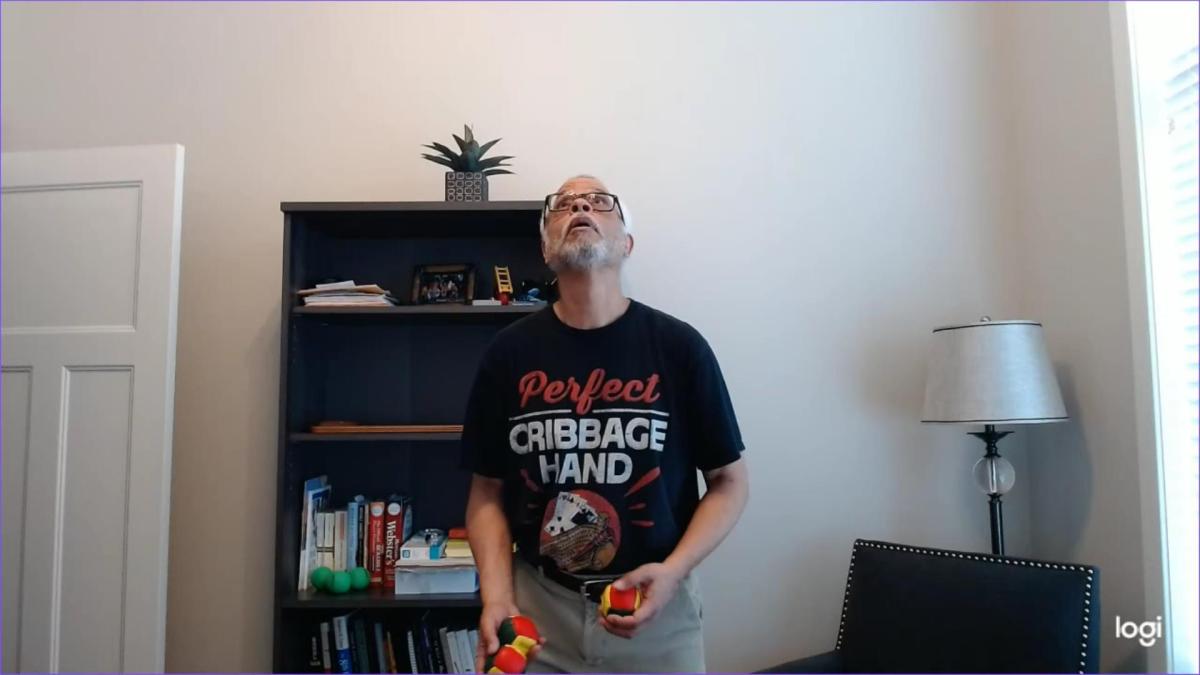
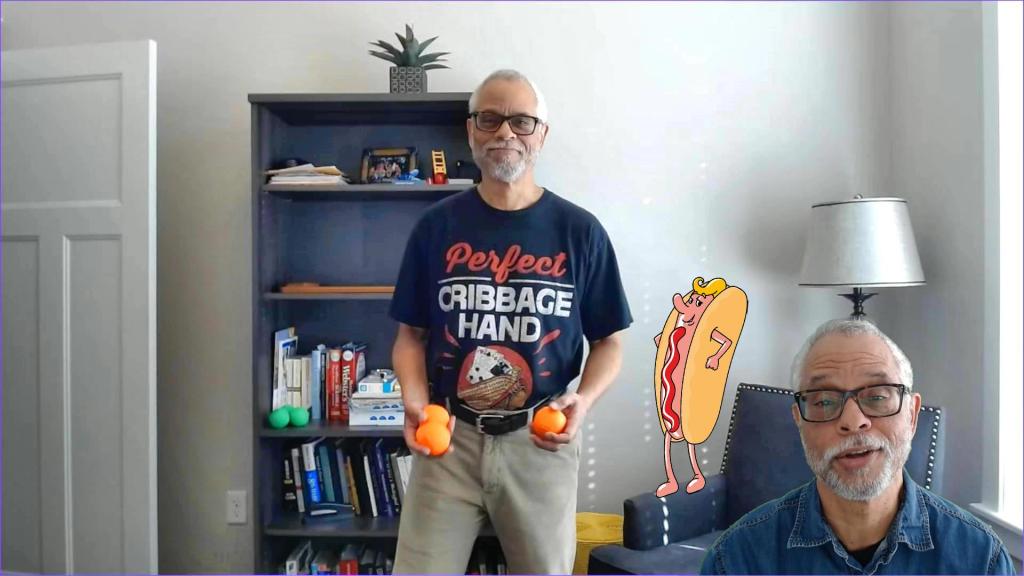
I’ve been juggling for about 5 months now and reflecting on my progress. I think I’m doing OK for a geezer. Sena would call me a hot dog although I would still call it ugly juggling by any standard.
What’s striking, at least to me, is the little bit of science I can find on the web about juggling. I hear the term “muscle memory” when it comes to learning juggling. Actually, there’s some truth to that. There are different kinds of memory. For example, most of us know about declarative memory, which about memorizing facts, because we use it to prepare for exams. Those of us who went to medical school remember the agony of taking tests for the basic sciences.
But so-called muscle memory, or the memory for learning new skills like juggling, takes place in the brain. There was a study published in 2009 which found changes in both gray and white matter of subjects before and after learning to juggle (Scholz J, Klein MC, Behrens TE, Johansen-Berg H. Training induces changes in white-matter architecture. Nat Neurosci. 2009;12(11):1370-1371. doi:10.1038/nn.2412).
The study about correlation of the inability to stand on one leg for 10 seconds with higher mortality in older patients, which I relate to the ability to do the under the leg juggling trick, was published last year (Araujo CG, de Souza e Silva CG, Laukkanen JA, et al. Successful 10-second one-legged stance performance predicts survival in middle-aged and older individuals. British Journal of Sports Medicine 2022; 56:975-980.)
I talk a lot about juggling as though I’m a teacher. I’m not a juggling instructor by any means. You can find better juggling teachers on the web. But my approach to talking about juggling in terms of it being a hobby for me is really not different from how I talked about consultation-liaison psychiatry before and after I retired. I’m still a teacher—just evolving in retirement.
However, you can find much better resources for learning how to juggle at the following websites:
This post is squarely in the “Duh” category. For the last several days now, I’ve been wondering why my iPhone doesn’t have a ring tone. Before this, I haven’t thought about it, probably for years. I’m not sure why it came up.
I looked on the web for solutions to the silent ring problem.
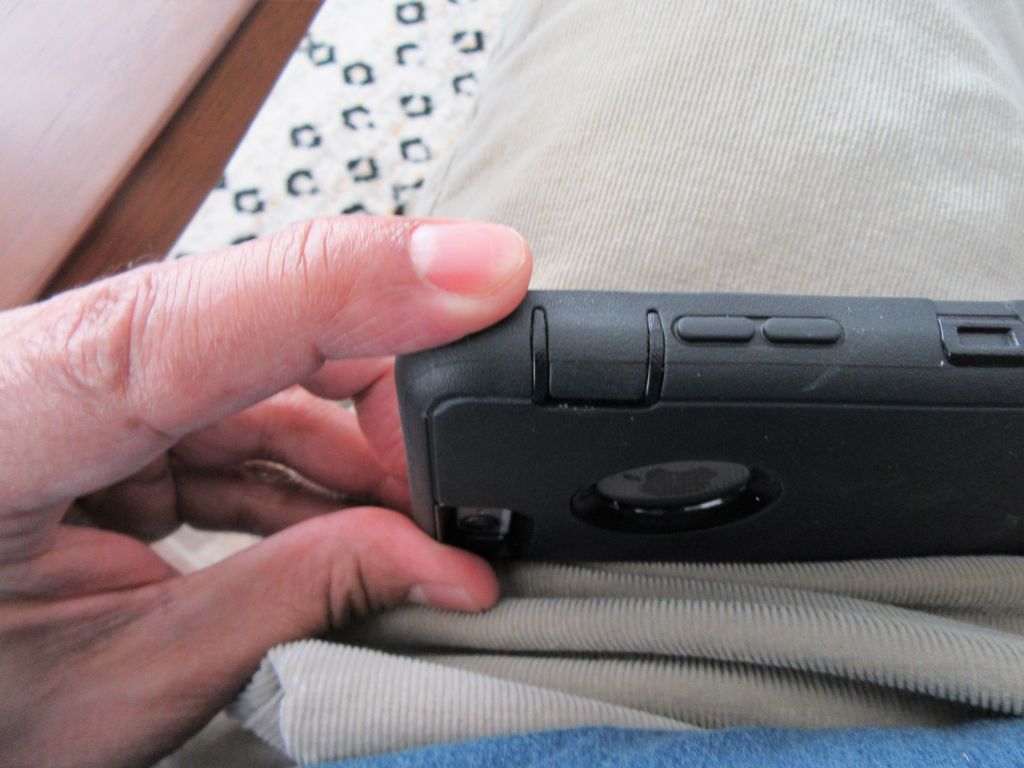
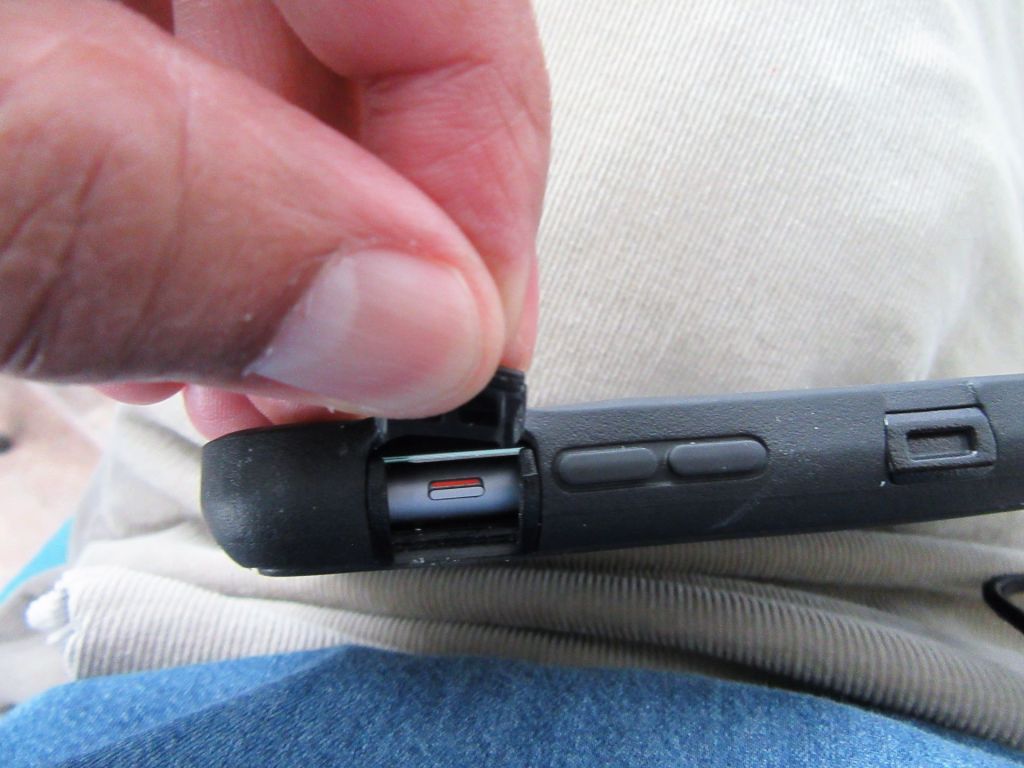
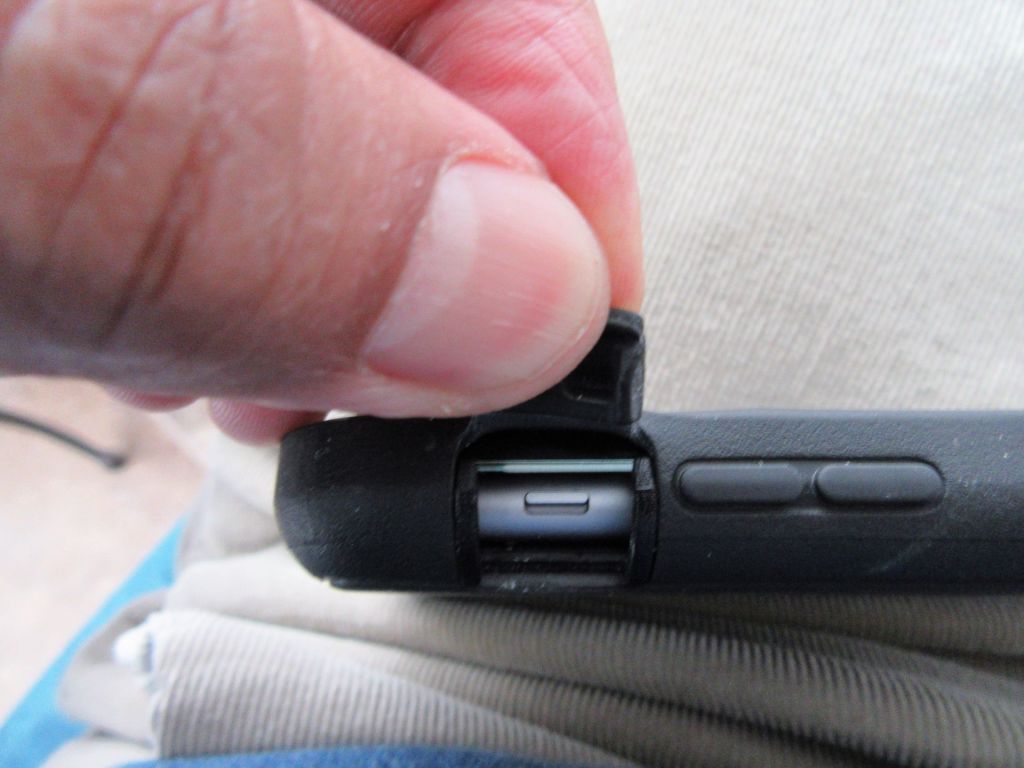
The solution is clear, which is to slide the ring/silent switch so that the orange color doesn’t show. That turns the ringer on. The switch is just above the volume up/down buttons on the side of the phone.
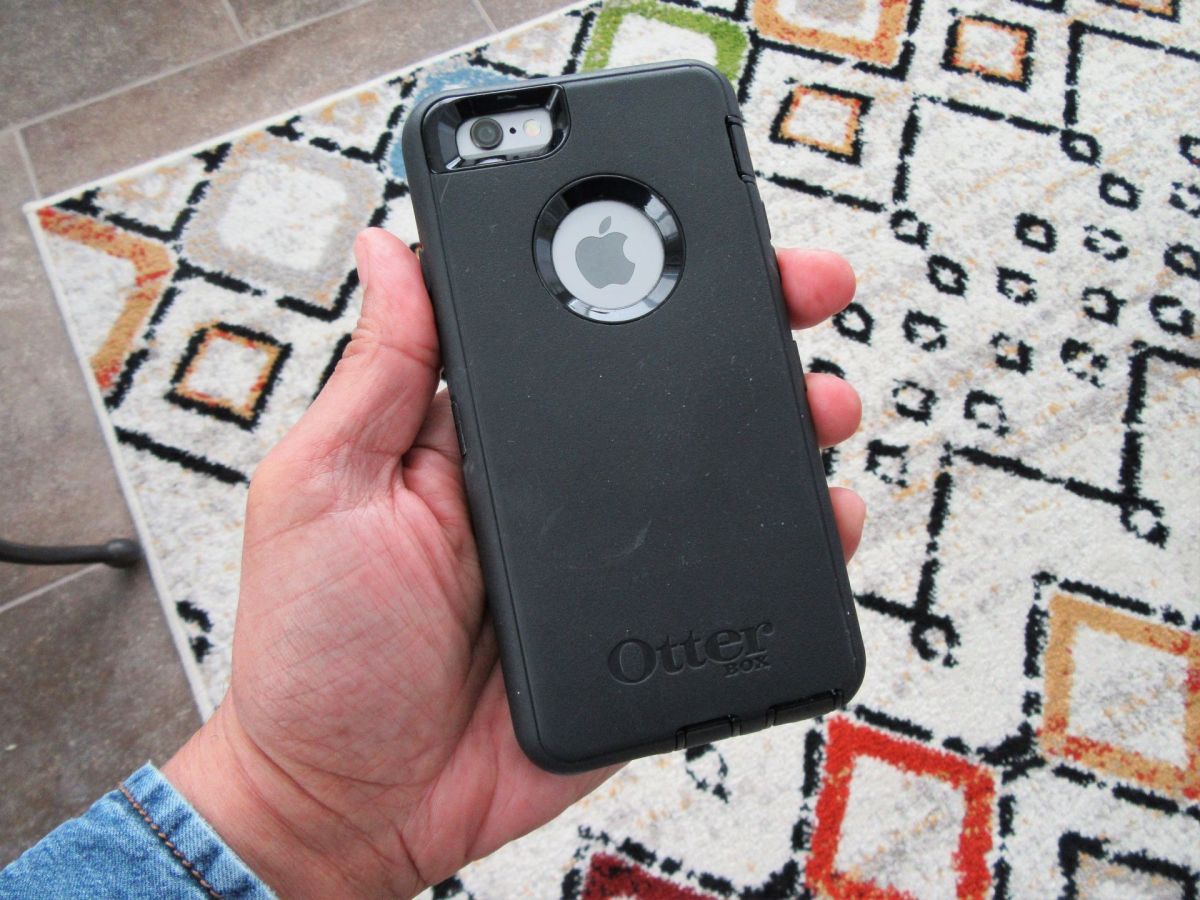
But I couldn’t see the switch. Then yesterday, for some reason I thought to look at my Otter box protector flaps. That was the “Duh” moment. It doesn’t belong in the “Eureka” category for obvious reasons. “Eureka” is for geniuses, “Duh” is for dummies.
The problem was I couldn’t see the switch because the Otter box protector tab covers it. It may have been that way for years because I’ve had my iPhone for a long time and might have switched it off so that it wouldn’t audibly ring during meetings.
The other possibility is that I might have accidentally switched it off just by wrestling with the Otter box cover to get it wrapped around the phone.
In either case, I just stopped seeing the Otter box tab which covers the ring/silent switch. It’s not an out of sight, out of mind thing. It’s more like out of mind, out of sight.
Which makes me wonder, if “pareidolia” means seeing patterns in random data including visual information (in other words seeing things that aren’t really there), then what is not seeing obvious objects in the setting of normal vision?
Could that be inattentional blindness, sort of like the invisible gorilla test, in which subjects were asked to keep track of the number of times a basketball is passed in a video of a basketball game, and then half of the subjects failing to notice a woman dressed in a gorilla suit walking on to the court and thumping her chest, then walking away?
Is that similar to the oft repeated statement, “not seeing the forest for the trees” or “missing the elephant in the room?”
Don’t mind me; I’m just trying to salvage what’s left of my ego.












 Go Retire Psychiatrist