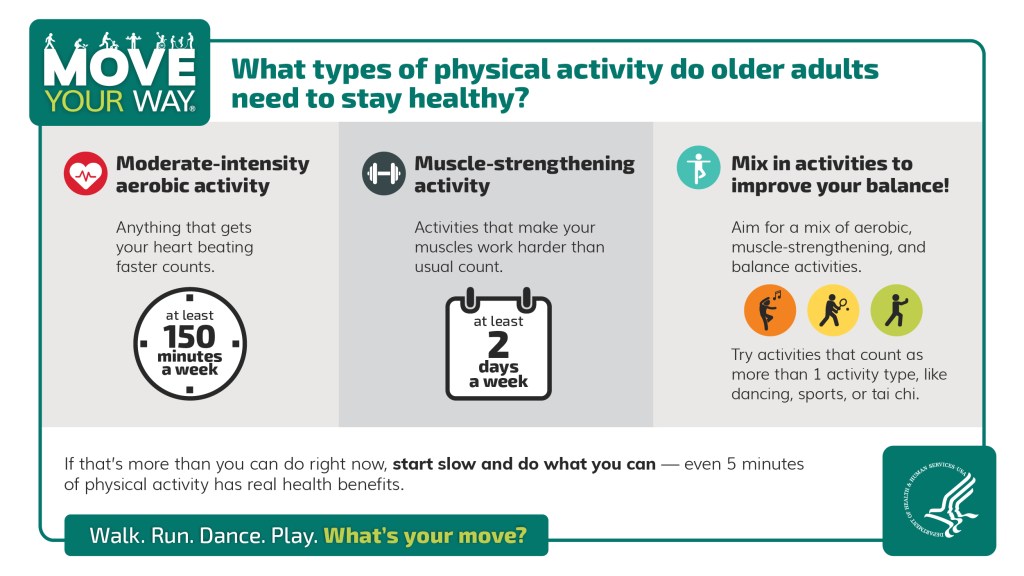
I saw the HHS Move Your Way campaign regarding the new strategy on encouraging older people to exercise, namely the Midcourse Report: Implementation Strategies for Older Adults.
There are many ways to get and stay fit. We could all do better, including me. I exercise pretty much daily for about 30 minutes. Following that, I usually sit in mindfulness meditation for 30 minutes.
The report says we should do moderate intensity aerobic activity for at least 150 minutes a week and muscle strengthening activity for at least 2 days a week.
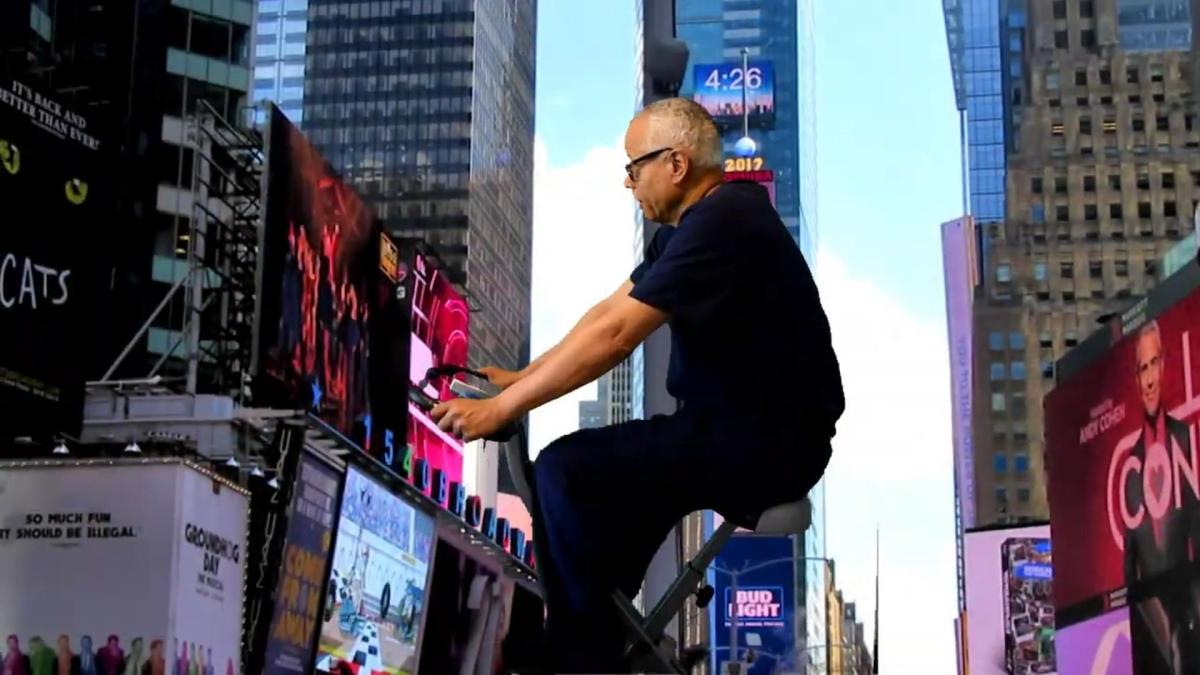
I do a combination of stationary bicycle exercise, weight exercises with dumbbells, planks, body weight squats. I also do one leg stand, one minute each leg.
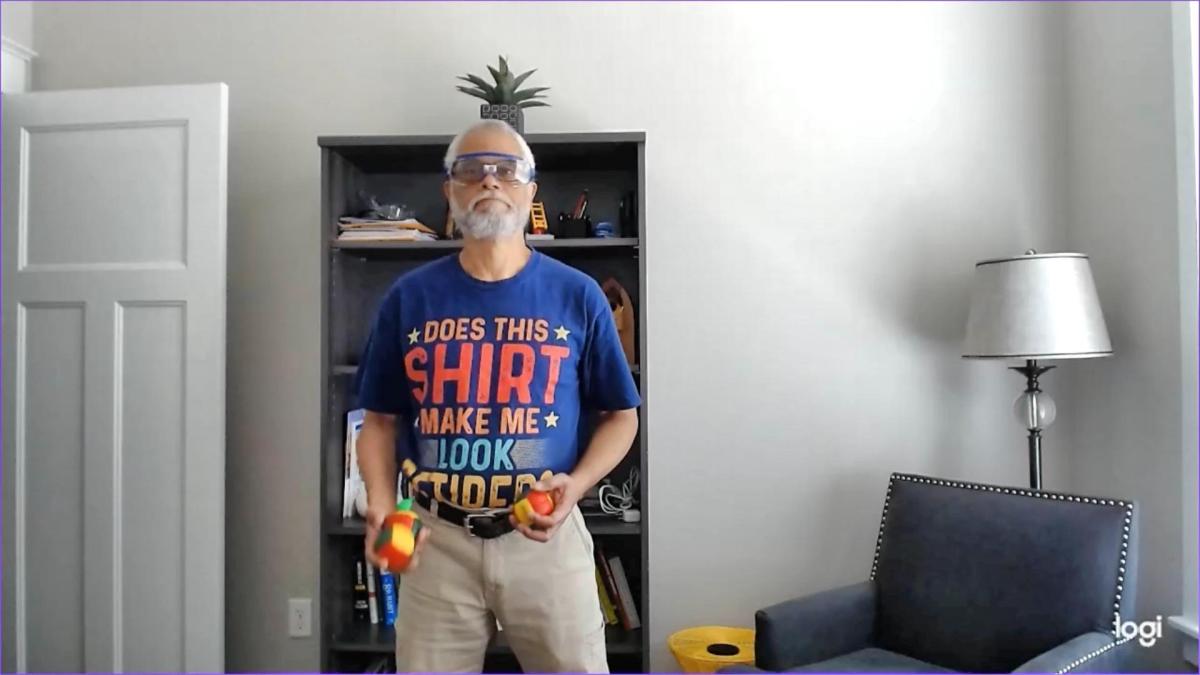
And juggling is great aerobic exercise. I struggle a bit with advanced thumb wrestling.
I was not sure what exactly I saw this between 6:30 and 7:00 this morning shaking the mulberry tree branches in our backyard. It seemed too big to be a squirrel and I dismissed the thought, telling myself that it was most likely the usual squirrel getting its mulberry breakfast.
Just prior to this incident, I had seen and heard what I thought was a blue jay in the mulberry tree. It gave a series of short whistles while bobbing up and down on the branch. I had never heard a blue jay make whistle notes, just the usual screeches. I doubted what I saw and heard. I checked my bird book, “Birds of Iowa: Field Guide” by Stan Tekiela. It didn’t mention anything about blue jays making short whistling notes and bobbing up and down as they did so. I didn’t bother to get up and try to get a video of it. It would have been through the window of our sun room and the jay didn’t sit for more than a few seconds.
So, I looked it up on the web. It turns out blue jays make a variety of noises besides the jeer. They bob up and down as a part of a courtship ritual. They make what is termed a “pump handle call” and I found a video which duplicates what I saw and heard.
Anyhow, getting back to the critter in the mulberry tree, it turned out to be a large raccoon. It was eating mulberries and I tried to take video of it as it was climbing down the tree. This reminded me of an essay by E.B. White entitled “Coon Tree.” If you’ve ever read essays by E.B. White, you probably know already that this one is about a lot more than raccoons.
It’s basically about the conflict between nature and technology. The main essay was published in 1956 and a post script was added in 1962. The coon represents nature which White idealizes and contrasts with references to new inventions, including nuclear devices which represent the destructive side of technology.
I guess we can forget for the moment that raccoons can carry diseases like rabies and roundworm. I’m also reminded of an old TV commercial in the 1970s about margarine (an alternative to butter) in which an actor says angrily, “It’s not nice to fool Mother Nature!” The idea was that margarine (which was a new invention in the late 19th century) was healthier than the natural spread, butter—although the trans fat in it makes the comparison a bit more complicated.
White also says something interesting about unsanitary homes, claiming that children who live in them become more resistant to certain diseases like polio than the kids who grow up in clean homes. The polio scourge raised its ugly head recently in New York, which renewed the recommendation by the Centers for Disease Control recently that people who didn’t get vaccinated against polio should get vaccinated—regardless of how dirty your home was.
And then there is the artificial intelligence (AI) technology. I wonder what E.B. White would say about that? AI can improve detection of some diseases and assist in medical research. On the other hand, AI can still make mistakes and it needs human surveillance.
I read you can sometimes use loud noises to keep raccoons out of your yard. For example, you could try recordings of blue jays.
Dr. George Dawson’s post “The Freak Show” reminded me of how coarse and cruel we can be to each other, even when we’re not aware of it. Maybe I should say especially when we’re not aware of it. Dr. Dawson emphasizes the importance of the empathic approach. In the same way, Dr. Moffic in the articles in his column, “Psychiatric Views on the News” draws attention to the need for a socially responsible way for us to relate to one another. The Goodenough Psychiatrist blog expresses poignantly the emotional and courageously humanistic ways we can (or could) relate to each other. Dr. Ronald Pies has highlighted the importance of how human interaction with artificial intelligence must help us find a way to treat each other with respect, and teach that to AI because AI learns from humans.
This reminds me of a character in the book “The Hitchhiker’s Guide to the Galaxy” by Douglas Adams. The character is named Gag Halfrunt who is the personal brain specialist for a couple of other characters. In fact, he’s a psychiatrist who orders the destruction of planet Earth, which is a sort of computer program designed to give us the ultimate question to the ultimate answer for life, the universe, and everything. The reason Gag Halfrunt wants to destroy Earth is, if the ultimate question is revealed, it would put psychiatrists out of work because then everyone would be happy.
Just as a personal comment, I’m pretty unhappy with the author’s position on psychiatrists in general, which tends to overemphasize our importance. And I’m pretty sure psychiatrists are not that important, having been employed as one for many years and seeing how much impact of any kind we have. We can’t make people more or less happy at all.
In fact, Adams also takes a shot at philosophers, who are also upset at being thrown out of work should the ultimate question to the ultimate answer be revealed (the ultimate answer, by the way, is 42 if you’re interested).
Giving psychiatrists and philosophers and anyone else who might have a stake in taking credit for making people happy is nonsense. We all bear responsibility for ourselves. You can argue about whether or not we have any responsibility for each other.
Rather than arguing about it, we could give something else a try. We could try a mindfulness approach like the Lovingkindness Meditation. I’m not an authority or expert on this, but you can check it out on the Palouse Mindfulness website, the link to which is in the menu on my blog. You can find the link to the Lovingkindness Meditation there.
There is no guarantee the Lovingkindness Meditation will make you or anyone else happy. But it doesn’t hurt anything to try it and, as far as I know, Gag Halfrunt is not opposed to it.
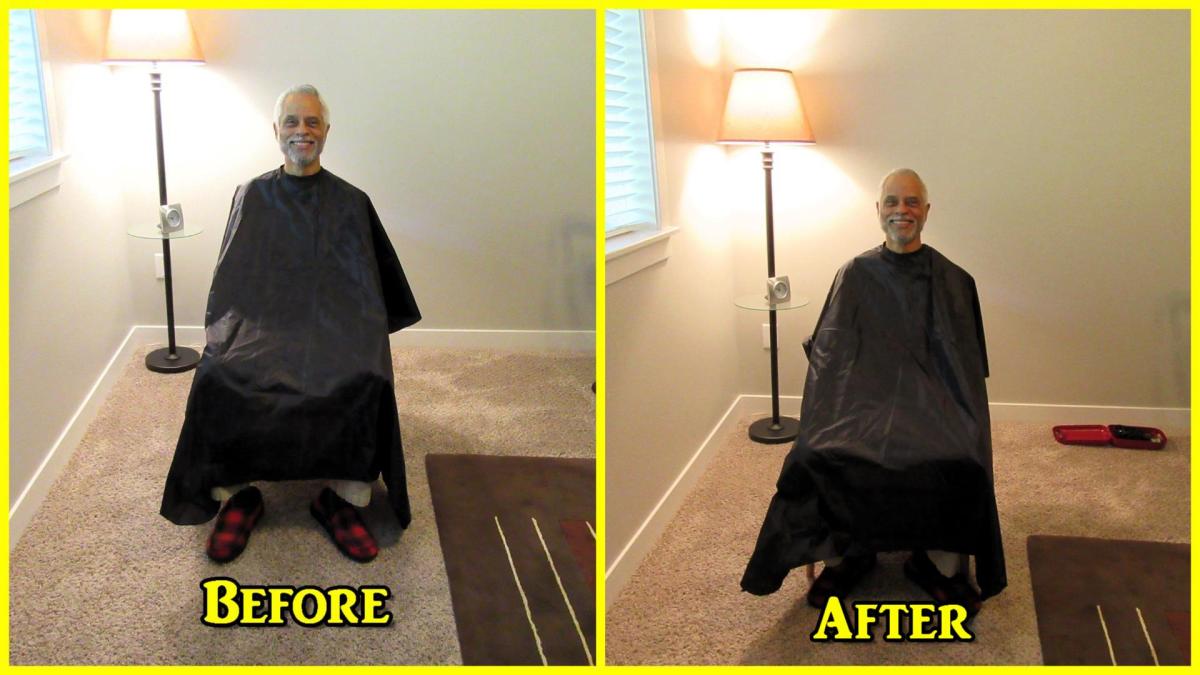
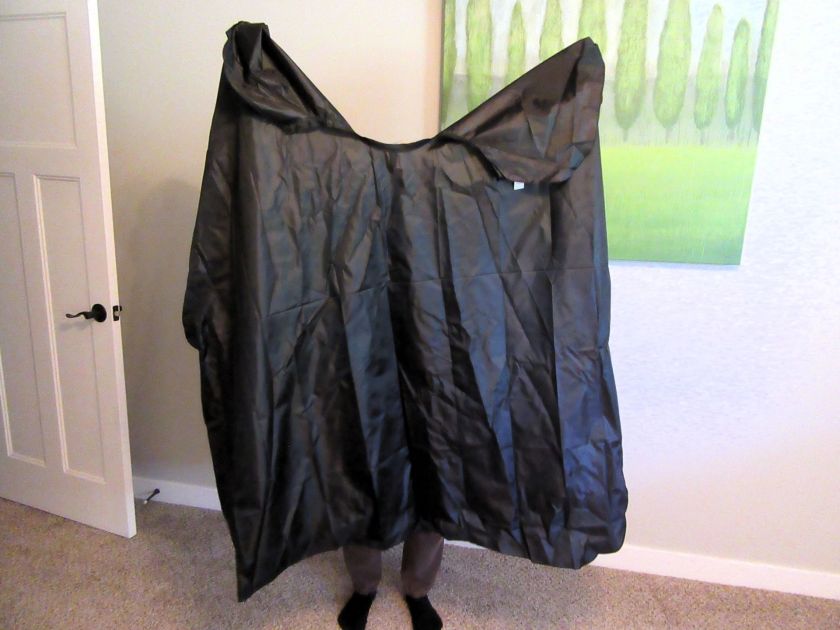
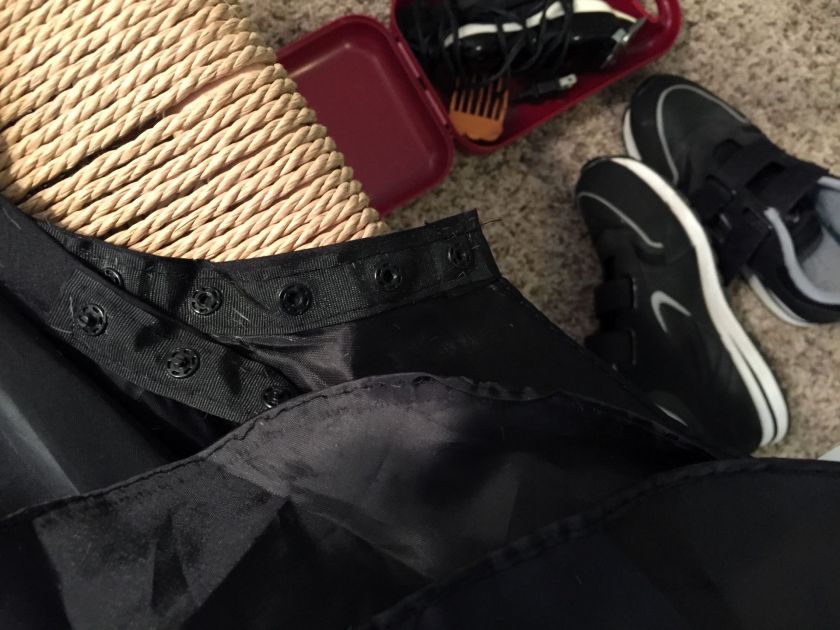
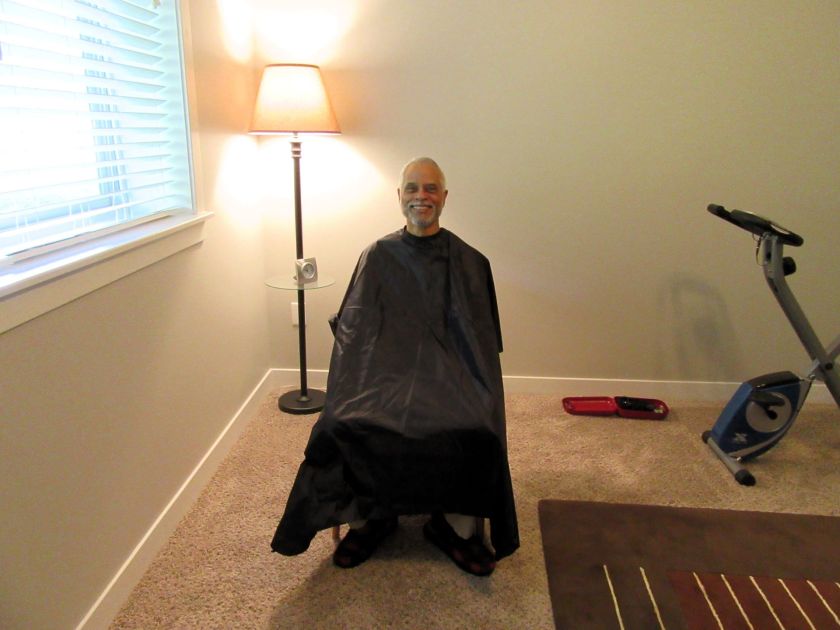
Sena gave me a haircut the other day. She’s been cutting my hair almost 30 years. She bought a new barber cape recently which has snaps instead of Velcro to hold it around my neck. I still have Velcro tennis shoes, though.
The first time Sena cut my hair she left a bald patch on the back of my head. The only way I found out about it was when somebody noticed it in the psychiatry department administration office where I hung out when I was chief resident.
Since then, she’s done an excellent job of cutting my hair. And she does a great job cutting her own hair too.
After the haircut, I had to trim my beard again because I looked a little lopsided.
I wish I could have made the title of this post “Why It’s So Hard to Be a Human.” But that would mean I know why it’s so hard to be a human.
The reason this comes up is because of a song I heard last Friday night on the Big Mo Blues Show on KCCK radio in Iowa. The title is “Hard To Be A Human.” I’ve never heard of the vocalist, Bettye LaVette, who has been around a long time. A musician named Randall Bramblett wrote the song and he’s been around forever too, although I just learned of him as well.
I’m going to connect this song with the paranormal show I usually watch on Friday nights, “The Proof is Out There,” which I watch after I listen to the Friday Night Blues with Big Mo.
The show lives on videos from people who report seeing and hearing things like UFOs and Bigfoot or whatever that’s paranormal. There are a lot of fakes and conventional explanations uncovered on “The Proof is Out There,” including UFO videos sent in by contributors.
The reason I’m connecting the song “Hard To Be A Human,” to the paranormal is the letter “A” in the title. There’s another song with a similar title, but without the “A.” In my mind, leaving out the article “A” makes it clear that song is about humans for humans.
By contrast, the song with the article “A” makes me think of extraterrestrials. “A human” could imply that there might be some other life form aside from humans. Of course, there’s no such song as “Hard To Be An Extraterrestrial” (or, if you’ve read Douglas Adams’ book, “The Hitchhiker’s Guide to the Galaxy,” maybe “Hard To Be A Vogon”). Insert “Martian” if that makes thinking about this any easier, which it probably won’t.
There is a song entitled “Hard To Be Human,” which I think is really about how difficult it is to be human, without considering whether there could be any other beings besides the human ones.
Just adding the specific article “A” in front of the word “human” led me to wonder if you could interpret the song in a galactic sense. Now, I have no problem admitting that all this is probably just because of the temporal juxtaposition of the song and the paranormal TV show.
On the other hand, I have this thought. While I couldn’t find the full lyrics to “Hard To Be A Human,” I could understand some of them. I could discern underlying themes suggestive of Christianity. There are definite references to the Bible, such as walking in the garden “apple in my hand”, the lyric “I’m just another life form,” and “First He made the mountains, then He filled up the sea; but He lost his concentration when he started working on you and me.”
I’m willing to concede that the “just another life form” phrase might have been restricted to just the life forms on planet Earth. However, might it suggest that God made beings (and mistakes) on other planets and their inhabitants?
I hope these references are familiar to at least some readers, because I think the point of the song might go beyond the everyday struggle of being human. I think there might be an attempt to raise the notion of trying to compare the sense of being a human with that of some other kind of being not from this planet.
The older I get, the less sure I am that a human is the only kind of being in the universe. It’s a big universe. If we’re not the only life form in the universe, could life be harder for other life forms?
Probably the answer is no. I don’t see extraterrestrials in millions of flying saucers blotting out the sun in a desperate attempt to move here. Inflation is outrageous. And, after all, it’s pretty hard to be a human.
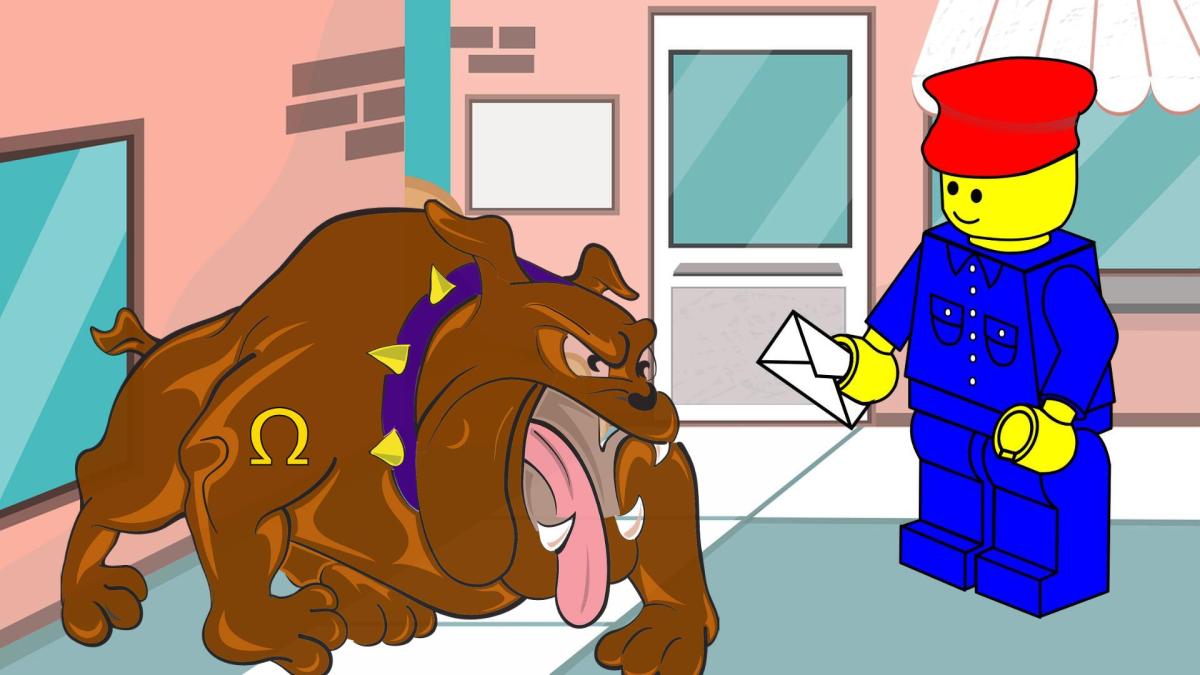
I just found out that last week was National Dog Bite Awareness Week. It was from June 6-10 but we didn’t get a notice about it until a few days ago. This is the first time we were made aware of this.
It turns out that letter carriers can stop delivering to a house or an entire neighborhood if he or she is a victim of a dog attack. They can also sue.
Some letter carriers will mark mailboxes with a special sticker that looks like a dog’s paw if there’s a dog on the property.
I wondered if cluster mailboxes (like you see in a lot of HOA neighborhoods) are safer by cutting down on dog attacks. My internet search revealed no information about that, but I did see that armed thieves stealing from cluster mailboxes can assault and rob letter carriers. So, I guess there should also be a National Criminal Awareness Week for letter carriers and postal customers.
Sena and I grew up in an era when most letter carriers walked their delivery routes. That’s less common nowadays, but some still do it. I used to deliver newspapers when I was a kid. I was pretty scared of most dogs on my route. I never got bit, but a few of them acted like they would as they charged full tilt at me. I also had to deliver to a guy who for some reason liked to grow flowers which attracted the biggest yellow jacket bees from hell. They were all around his front door.
What if we all just paid a fee and picked up our mail at the post office? We might not get the wrong mail as often because you could just drop it front of a postal employee and say on the way out, “Here you go, you put this in the wrong box–again.” Wouldn’t that feel good? I bet you’d get some other person’s mail a lot less often. On the other hand, postal employees might go on strike because of the extra work.
I watched one of the new episodes of The Secret of skinwalker Ranch the other night. The use of special imaging techniques led to finding what looked like little tunnels running underground in one area of the property.
That led to trotting out the little excavator and digging up the ground. They found some light-colored veins of dirt, which they analyzed. They contained elements, things like sodium, potassium and whatnot. I couldn’t understand why they didn’t compare that to the surrounding normal-looking dirt, because I think dirt everywhere has those elements in it.
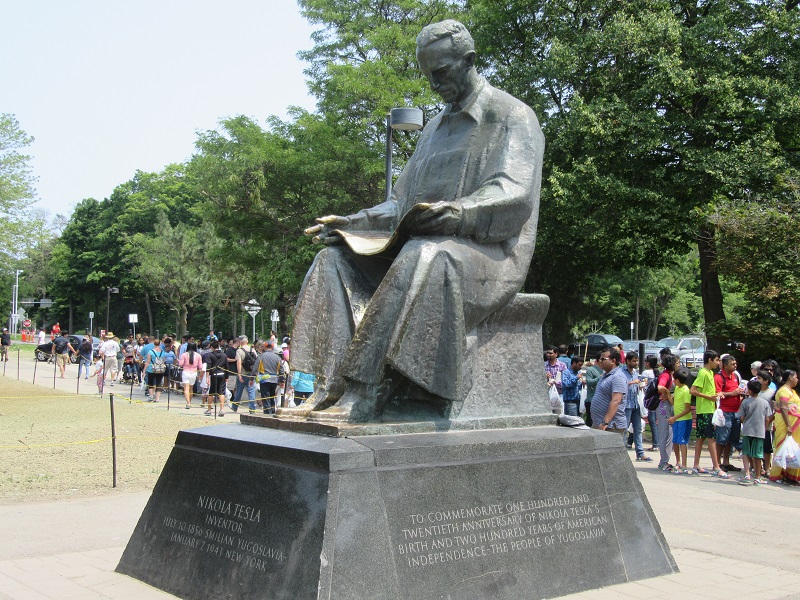
I think one of the scientists/actors, Dr. Travis Taylor, mentioned that this kind of dirt might be able to transmit electricity. That got me thinking about Nikola Tesla and his fascinating experiments with electricity. I’m probably all mixed up about his theories but I think he tried to send electricity through the earth in an effort to show it could be transmitted without wires.
In fact, that led me on my usual wild goose chasing through the internet. I didn’t know Tesla almost died from cholera when he was much younger. I also found out he suffered from obsessive-compulsive disorder (OCD). That led me to a paper that was published in a neuroscience journal in 1999 showing that an intracellular form of cholera toxin was associated with OCD-like behaviors in mice.
Tesla also became friends with Mark Twain, one of my favorite humorists. Tesla used his “earthquake machine” to cure Twain’s constipation—by causing diarrhea.
You can learn a lot about science by watching the skinwalker ranch show. On the History Channel website, it’s subtitled as “science fiction.”
Campbell KM, de Lecea L, Severynse DM, Caron MG, McGrath MJ, Sparber SB, Sun LY, Burton FH. OCD-Like behaviors caused by a neuropotentiating transgene targeted to cortical and limbic D1+ neurons. J Neurosci. 1999 Jun 15;19(12):5044-53. doi: 10.1523/JNEUROSCI.19-12-05044.1999. PMID: 10366637; PMCID: PMC6782675.
We took the picture of the Nikola Tesla sculpture at Niagara Falls in 2015.
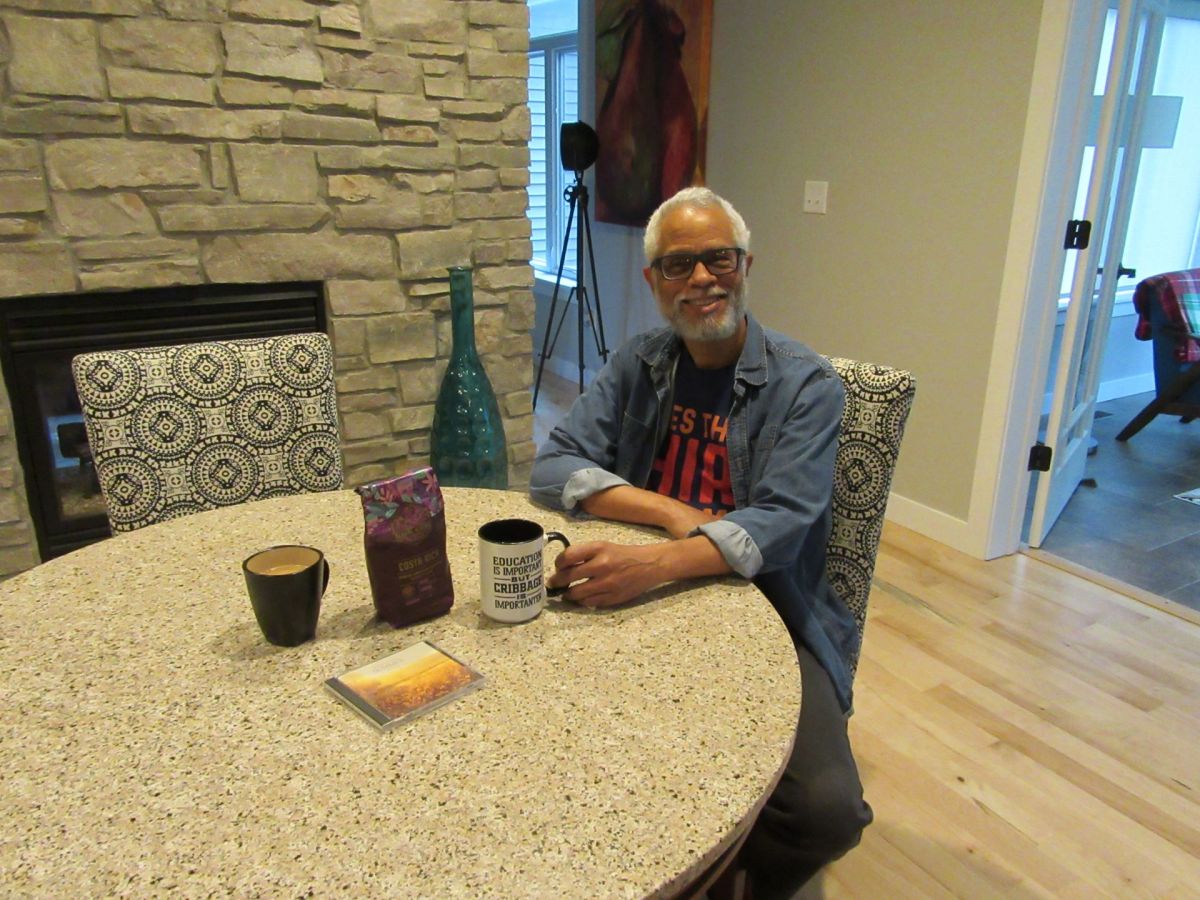
I finally trimmed my beard the other day. I can’t just let it go forever, even if I don’t have much. I was starting to look like an old prospector.
I looked at a YouTube video of a guy who had a huge beard and he used a hair clipper without a guard and a tiny, gold-plated razor. He demonstrated a 4-step procedure starting with trimming the flyaways from the sides of his beard, which he called the “walls.”
That’s for guys with walls. I have something more like café curtains.
I used a regular beard trimmer with guards, a pair of scissors—and trepidation. I trimmed with downstrokes, not up which would lop the length I need to help hide the potholes. Sena told me to trim it some more after I thought I did an OK job. She offered to trim it for me. I ran away.
After I came back, I trimmed a lot more. Sena said it looked “100%” better. I think that depends heavily on the room lighting and how I hold my head. I exposed my turkey neck, which I forgot about because it was hidden. Oh well, it grows back.
Sena bought a bag of ground Costa Rica Tarrazu coffee the other day. It brings back memories. We savored it along with some piano music from George Winston, may he rest in peace.
You can gas about coffees a lot. You can call Tarrazu a thing which has a certain complexity of notes, a balanced flavor, a spicy character and whatnot. I guess appraising coffee can be similar to judging wines. I don’t like wine and know nothing about it. I don’t know much about coffee, either.
But there’s a coffee connoisseur who made a YouTube video evaluating the Tarrazu we have. He said it has “coffee notes.” I should hope so. He gave it a so-so rating, 6.1. I guess there’s a 10-point rating scale. I think he takes subtle sarcasm to a new level. He had some kind of fancy coffee filter I’ve never seen before. He compared Tarrazu to coffee you get from Denny’s restaurant—as though Denny’s is a highbrow establishment. He also said it has chocolate notes. I actually noticed that years ago.
We first tasted Tarrazu at the World Market in Madison, Wisconsin many years ago. The drive from Iowa City to Madison was a pleasure. We took the more scenic route, which was Highway 151. Just in case you read this and make the trip yourself, I’ll say this: what is scenic to one is boring to another.
I remember we sampled Tarrazu from those little white Styrofoam cups in the World Market store. It was the smoothest coffee we ever tasted. We were hooked and bought a bag.
There’s a lot to do in Madison, which is not to say there’s not much to do in Iowa City. There’s just more of everything in Madison. Every day there was some new attraction to explore. Tarrazu was also a new experience.
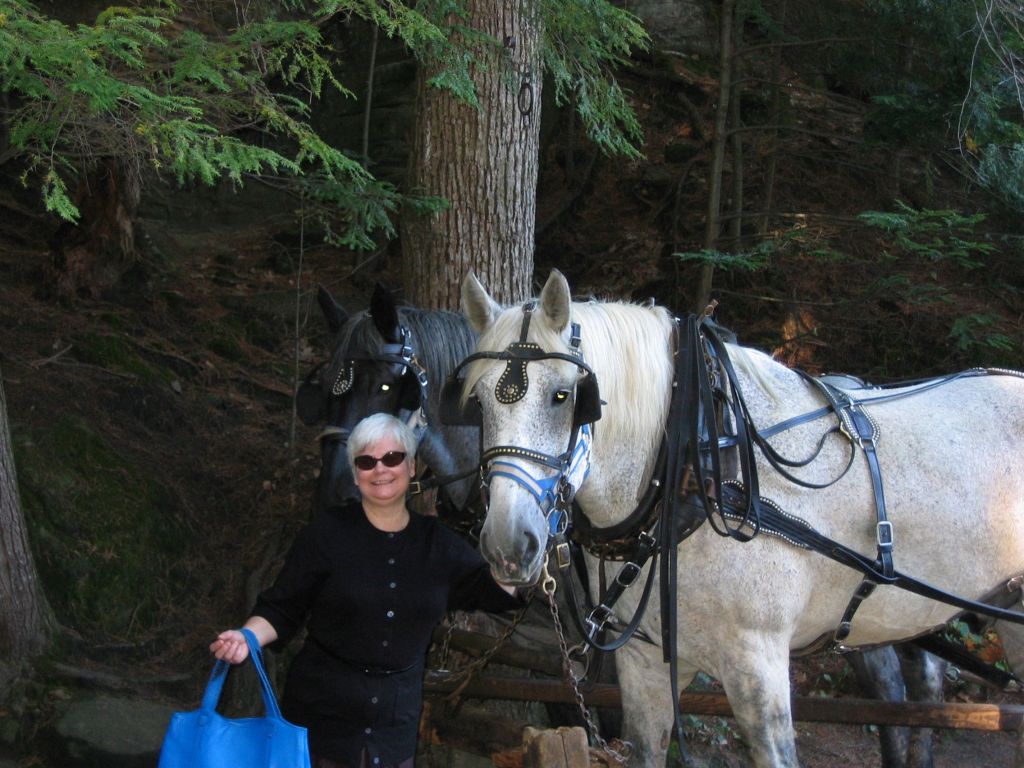
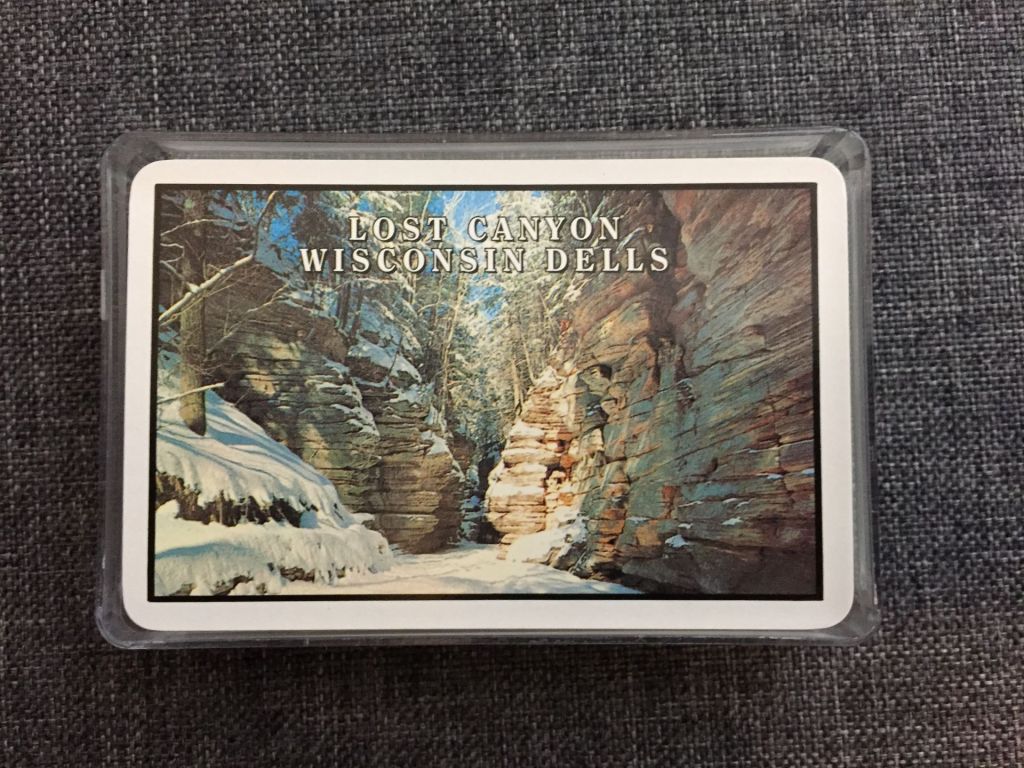
We had a lot of fun in Madison. We went up to Wisconsin Dells and darn near froze to death on an open boat ride in the early fall. Part of the “fun” of the ride was mainly for the driver, I think. He would rev the boat at rocket speed and splash us with water, which could have had a thin skin of ice notes over it, judging from the shock. We saw the House on the Rock in Spring Green. We relaxed at the Sundara spa. We rode the horse-drawn wagon on the Lost Canyon tour and still have a deck of playing cards from the gift shop.
We’ve bought Tarrazu a couple of times since our adventure in Madison and found that, somehow, the flavor wasn’t quite as bright, not as smooth. On one bag, the name was spelled “Terrazu” rather than “Tarrazu. Sure, it had “coffee notes,” but not the chocolate notes. And it didn’t evoke memories of Wisconsin.
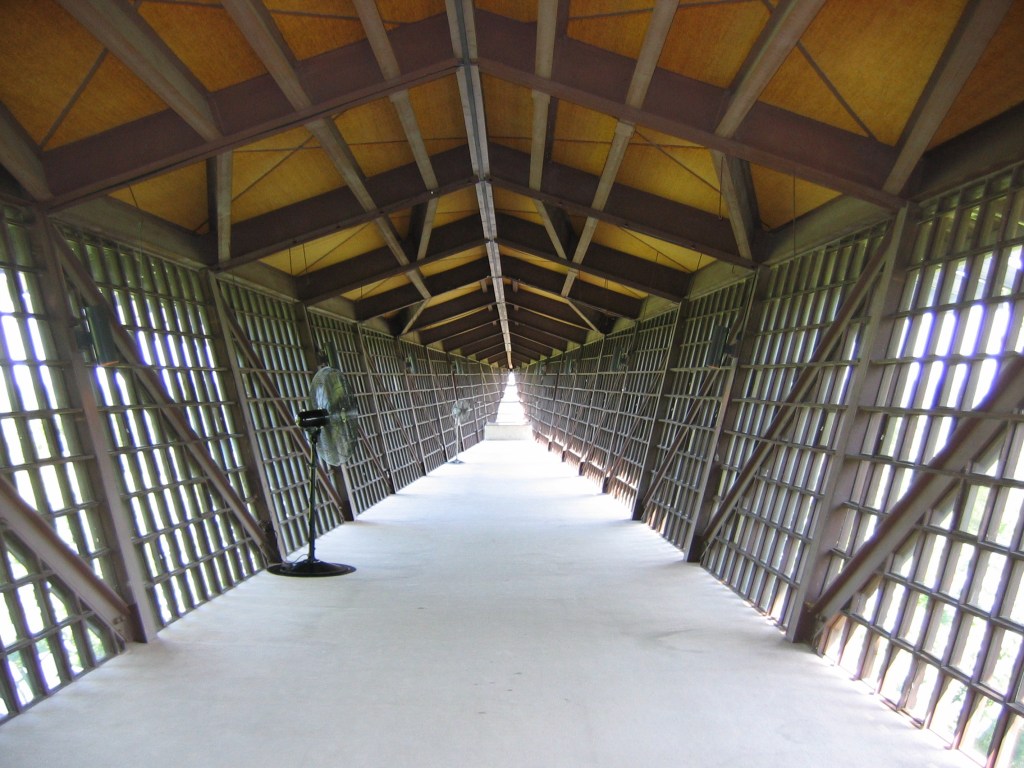
Finally, getting back to the Tarrazu we have now. The taste is miraculous, just like it was so many years ago. It takes me back to the Styrofoam cups at World Market, the speedboat in the frigid water, the Sundara bedsheets stained by previous guests with mud notes from the spa, the Infinity Room in Spring Green, cheese curds and chili.
I got new safety goggles the other day. They’re to protect me when I juggle. They’re made by Sattron and Sena got them on Amazon at a good price for 3 pairs. They fit over my eyeglasses. These were my old eyeglasses, which I’ve since replaced with brand new ones. I’m still a little nervous about wearing the goggles over those.
The goggles come with a cleaning cloth and the bows are adjustable. They adjust at the temples up and down through 15 degrees (up, intermediate, and down). It’s hard to move them. You have to really crank them. I don’t think they make that much difference. The length adjustment is a little quirky. You pull them out or push them back in. It’s a ratchet setting adjustment. The soft silicone nose pads will leave smudges on your glasses.
They’re anti-fog, anti-UV, but unfortunately not anti-drop. On the other hand, when a juggling ball drops on my head, I’ll be protected because they’re impact resistant.








 Go Retire Psychiatrist