


How about some good news? The CDC Respiratory Virus Data Channel reports decreasing respiratory virus activity as of January 26, 2024.
Tag: health
What The Heck, Let’s Talk About Butter

I’ve been pretty serious the last few blogs. Let’s lighten up and talk about butter. Is it bad for your health?
Not necessarily, according to a WebMD article. In fact, butter has health benefits:
- It’s rich in nutrients like calcium and vitamin E
- It may help lower your chances of cancer
- It could slow down age-related macular degeneration
- If you swab it all over you it’ll make you so slippery extraterrestrials will have trouble abducting you
There are risks, of course, including the risk of heart disease because butter has a lot of calories and saturated fat.
Sena puts butter on everything. She puts butter on butter. She bought a new kind of butter called Dinner Bell Creamery Salted Butter. Sounds like something the devil made, doesn’t it?
On the contrary, you can even learn a thing or two about life from reading the labels on the sticks.



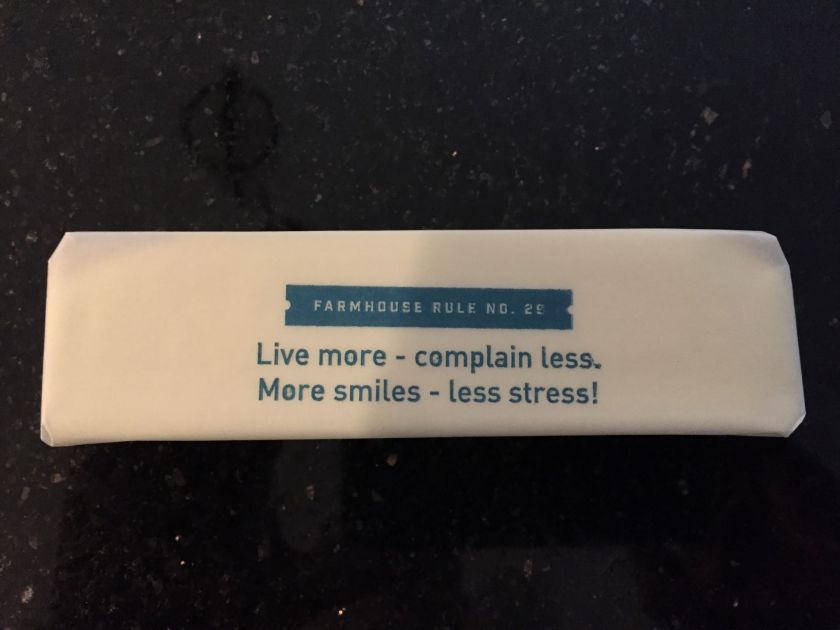

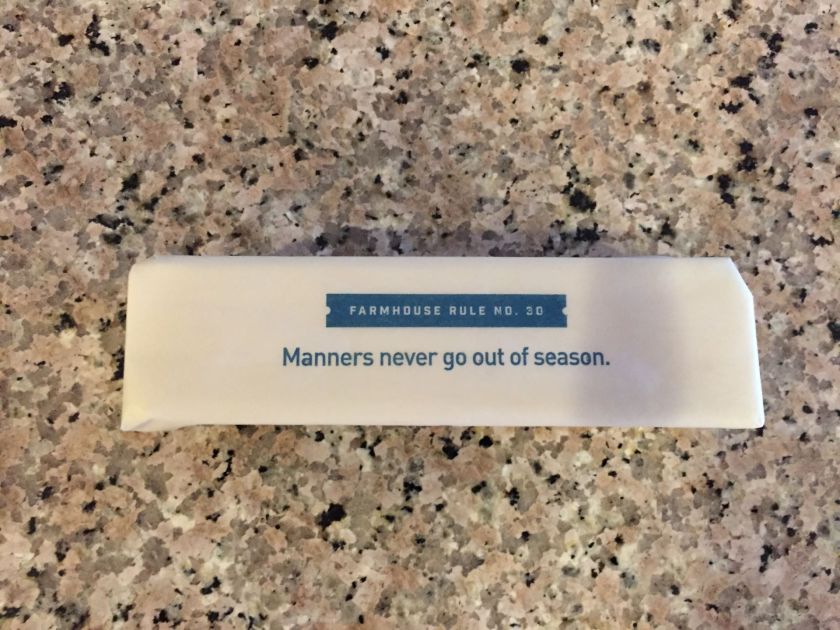

Darned Rhinorrhea Interrupting People

I’ve been having a runny nose recently that is intermittent and often related to eating hot foods. I have to get up from the dinner table and blow my nose, especially if we’re having hot soups or chili. I’ve been making fun of it, saying it’s caused by the nasal hair condensation index. You could also refer to it as Darned Rhinorrhea Interrupting People (DRIP). I looked it up on the internet and getting a runny nose is pretty common when eating and after other activities. It can happen just from getting older.
It turns out that there is a connection to eating certain kinds of hot and spicy foods called gustatory rhinitis. I never had this problem until the past month or so.
Recently, I get this even while juggling. And there is something called exercise induced rhinitis. It’s been known for over a hundred years.
I always notice I have a drippy nose when I come in the house after shoveling snow. It’s just snow melting from my nose hairs.
But I never got a runny nose from eating chili until a month or so ago.
And I found out there’s this thing called geriatric rhinitis. It can be caused by a number of things like (hold on to your tissue!) gustatory rhinitis. There are a number of other common causes including allergies, certain medications, and extraterrestrial abduction. Those darned ETs are forever sticking implants in peoples’ noses. There is a tendency to believe geriatric rhinitis needs some kind of specific treatment, such as anticholinergic sprays, immunotherapy, and a nasal cork stopper implantation procedure under general anesthesia in the outpatient Ear, Nose, and Throat surgery center. It costs only $50,000 per nostril (not covered by most insurance). ENT surgeons use a device with an Artificial Intelligence module, which can detect the difference between your nose and your eye with 50% accuracy.
Jokes aside (for a fraction of a second), I’ll admit a thought crossed my mind (an infrequent event) that I might have a cerebrospinal fluid leak, which is caused by a tear in the meninges into the sinuses and nasal passages. The fluid is thin and clear. Nasal sprays don’t stop it and you should seek medical attention if you can’t remember your name or find chunks of cerebral cortex in your Kleenex.
This blog post does not constitute medical advice and if you have DRIP, you should contact your nearest Voodoo practitioner.
Climbing Stairs May Be Good for Your Health

Stairmaster joke from Men in Black
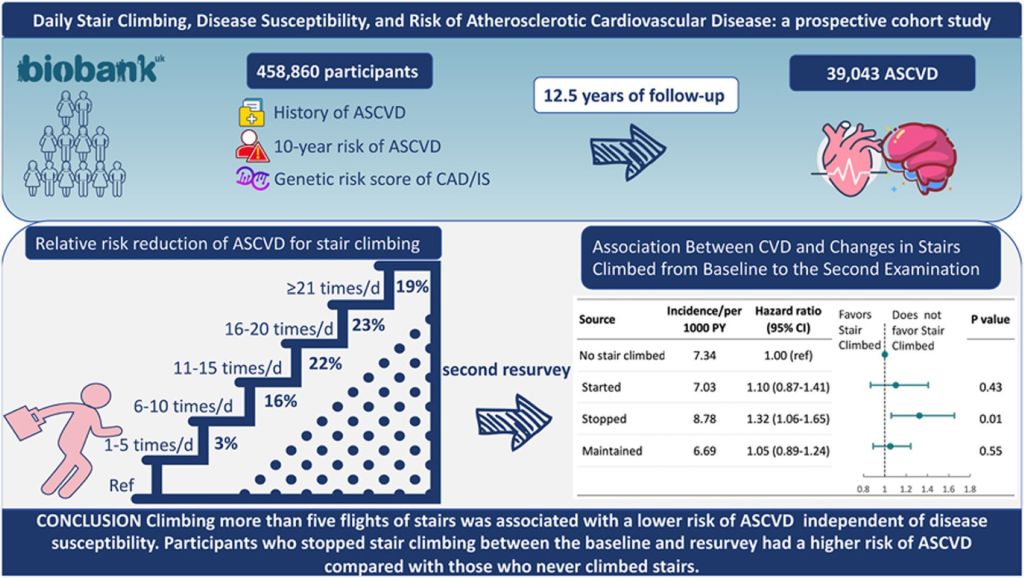
I ran across this article (reference below) on the potential benefit of climbing stairs for cardiovascular health. The highlights and abstract are below:
“Highlights
This large cohort of UK adults demonstrated that climbing more than five flights of stairs daily was associated with over a 20% lower risk of ASCVD.
The associations were broadly concordant in populations with varying susceptibilities to ASCVD.
Participants who discontinued stair climbing between the baseline and resurvey exhibited a higher risk of ASCVD in comparison to those who never engaged in stair climbing.
Abstract
Background and aims
The associations between the intensity of stair climbing and atherosclerotic cardiovascular disease (ASCVD) and how these vary by underlying disease susceptibility are not fully understood. We aim to evaluate the intensity of stair climbing and risk of ASCVD types and whether these vary by the presence of ASCVD risk factors.
Methods
This prospective study used data on 458,860 adult participants from the UK Biobank. Information about stair climbing, sociodemographic, and lifestyle factors was collected at baseline and a resurvey 5 years after baseline. ASCVD was defined as coronary artery disease (CAD), ischemic stroke (IS), or acute complications. Associations between flights of stair climbing and ASCVD were examined as hazard ratios (HRs) from Cox proportional hazards models. The modification role of disease susceptibility on such associations was assessed by analyses stratified by levels of genetic risk score (GRS), 10-year risks of ASCVD, and self-reported family history of ASCVD.
Results
During a median of 12.5 years of follow-up, 39,043 ASCVD, 30,718 CAD, and 10,521 IS cases were recorded. Compared with the reference group (reported climbing stairs 0 times/day at baseline), the multivariable-adjusted HRs for ASCVD were 0.97 (95% CI, 0.93–1.01), 0.84 (0.82–0.87), 0.78 (0.75–0.81), 0.77 (0.73–0.80) and 0.81 (0.77–0.85) for stair climbing of 1–5, 6–10, 11–15, 16–20 and ≥21 times/day, respectively. Comparable results were obtained for CAD and IS. When stratified by different disease susceptibility based on the GRS for CAD/IS, 10-year risk, and family history of ASCVD, the protection association of stair climbing was attenuated by increasing levels of disease susceptibility. Furthermore, compared with people who reported no stair climbing (<5 times/d) at two examinations, those who climbed stairs at baseline and then stopped at resurvey experienced a 32% higher risk of ASCVD (HR 1.32, 95% CI:1.06–1.65).
Conclusions
Climbing more than five flights of stairs (approx 50 steps) daily was associated with a lower risk of ASCVD types independent of disease susceptibility. Participants who stopped stair climbing between the baseline and resurvey had a higher risk of ASCVD compared with those who never climbed stairs.”
This interests me because I climbed well over 20 flights of stairs pretty much every day when I was a consultation-liaison psychiatrist. Occasionally, I logged over 40 flights. The hospital had 8 floors and I was often repeatedly hiking up the stairs. I avoided using elevators because they slowed me down too much.
There was a threshold effect of stair climbing in the study, meaning the benefit was lost if you went over a certain number of “floors.” Going over 15 or 20 didn’t gain much for subjects. A flight was 10 stair steps.
I think the idea is that in those who live in homes with the right number of stair steps, you’ve got a no cost, low tech form of cardiovascular exercise. You might exert a little more stress on the carpet.
On the other hand, you could save wear and tear on the carpet (if you’re worried about it) by spending some money on stair stepping exercise equipment. You can buy a Stairmaster model for about $2.000-3,000. There are cheaper stair stepper models, which look a little flimsy and even unstable enough to raise the risk for falls, in my view.
But I would never go back to work just to climb the stairs again.
Reference:
Song Z, Wan L, Wang W, Li Y, Zhao Y, Zhuang Z, Dong X, Xiao W, Huang N, Xu M, Clarke R, Qi L, Huang T, Daily stair climbing, disease susceptibility, and risk of atherosclerotic cardiovascular disease: A prospective cohort study, Atherosclerosis (2023)
Gardening Works as Mindfulness Meditation
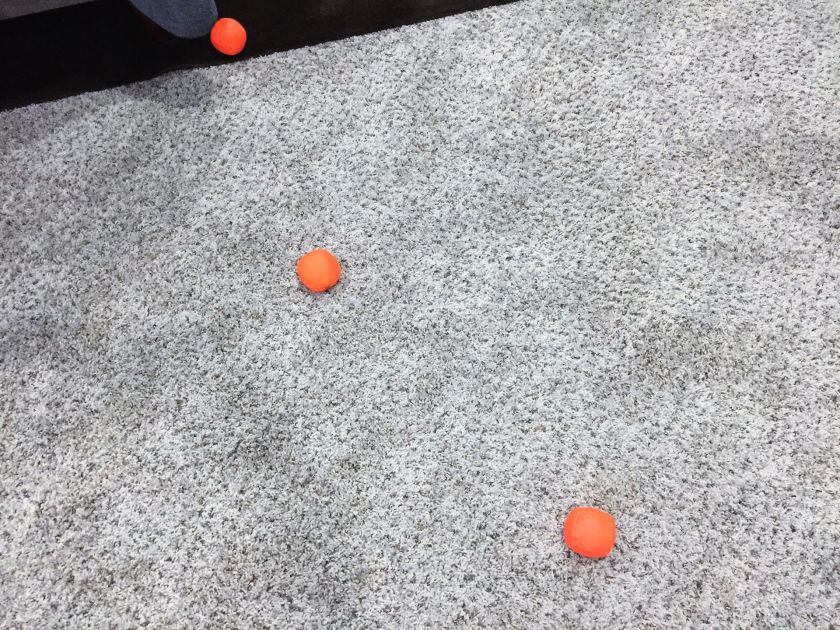
When I think of Sena learning to juggle and find her juggling balls on the floor where she drops them after a 2- or 3-minute practice, I now think of her gardening.
I wondered if gardening could be a form of meditation and did a web search like I did yesterday for juggling. It turns out many people think of gardening as a kind of mindfulness meditation. It’s another one of those moving meditations, kind of like the walking dead meditation as I and some of my peers described it at a mindfulness retreat 9 years ago.
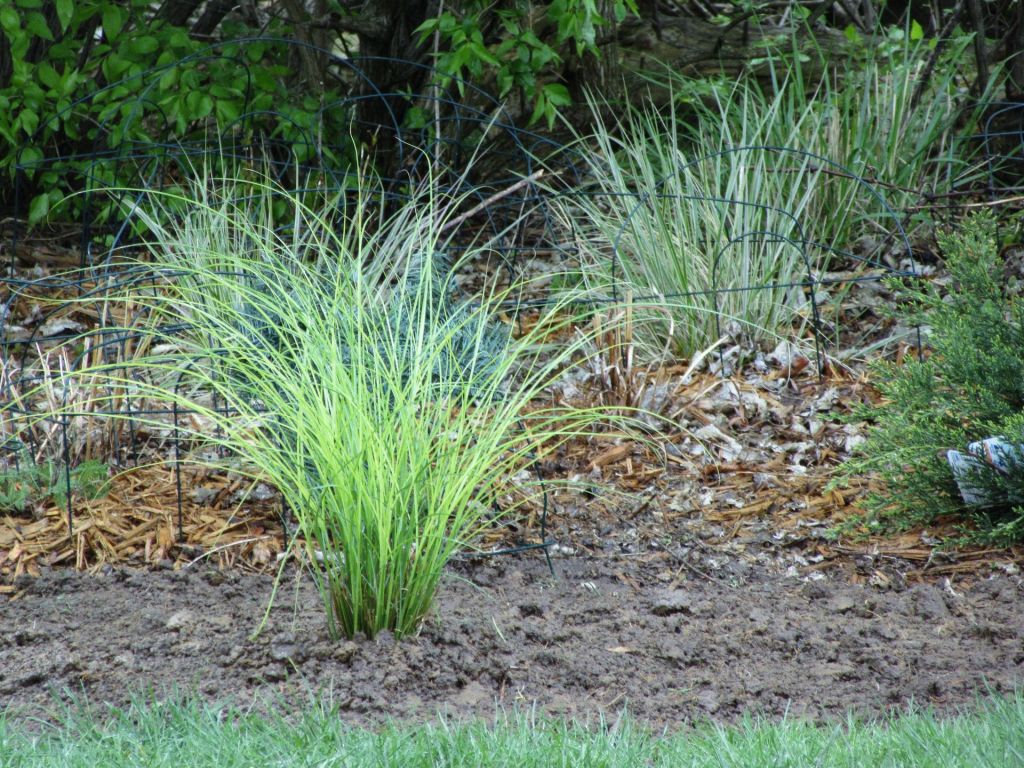
Sena has been gardening for a long time. I remember she turned our back yard into a park many years ago.
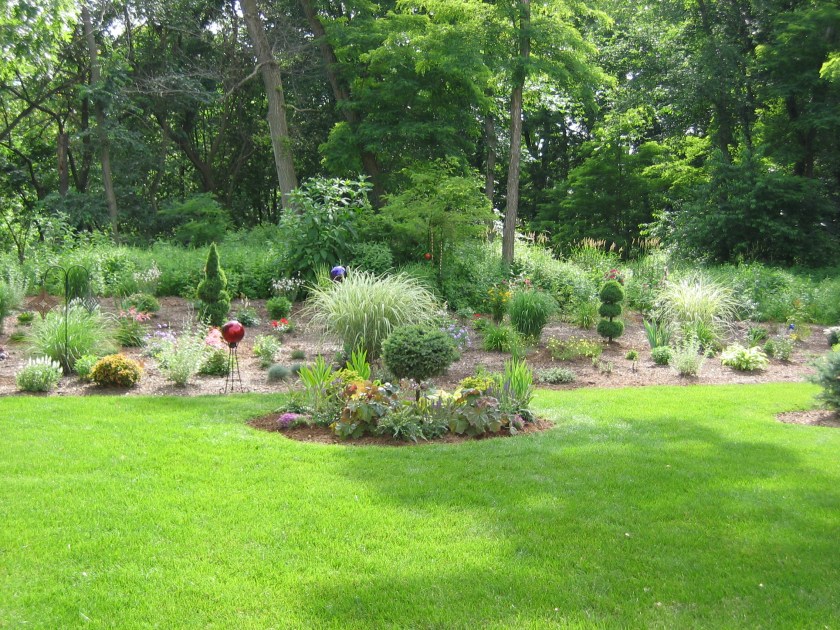
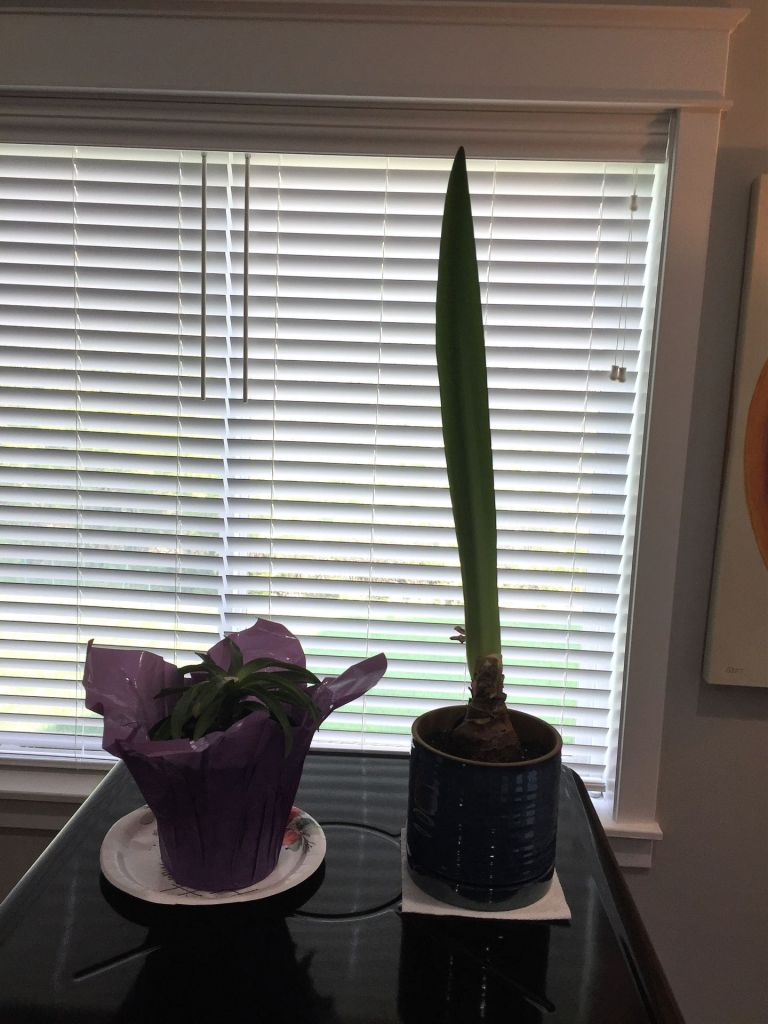
She is always on the lookout for something new to plant. I don’t always remember the exact names of them, but they’re very pretty. And the Amaryllis house plant stem is 22 inches tall!
I found one article on Headspace, “How to practice mindful gardening” which laid it all out about the subject. The key takeaways about mindful gardening:
- Being fully present in the garden can help improve mood
- In this setting, we might also become more aware and accepting of change
- Check in with your senses before getting your hands dirty
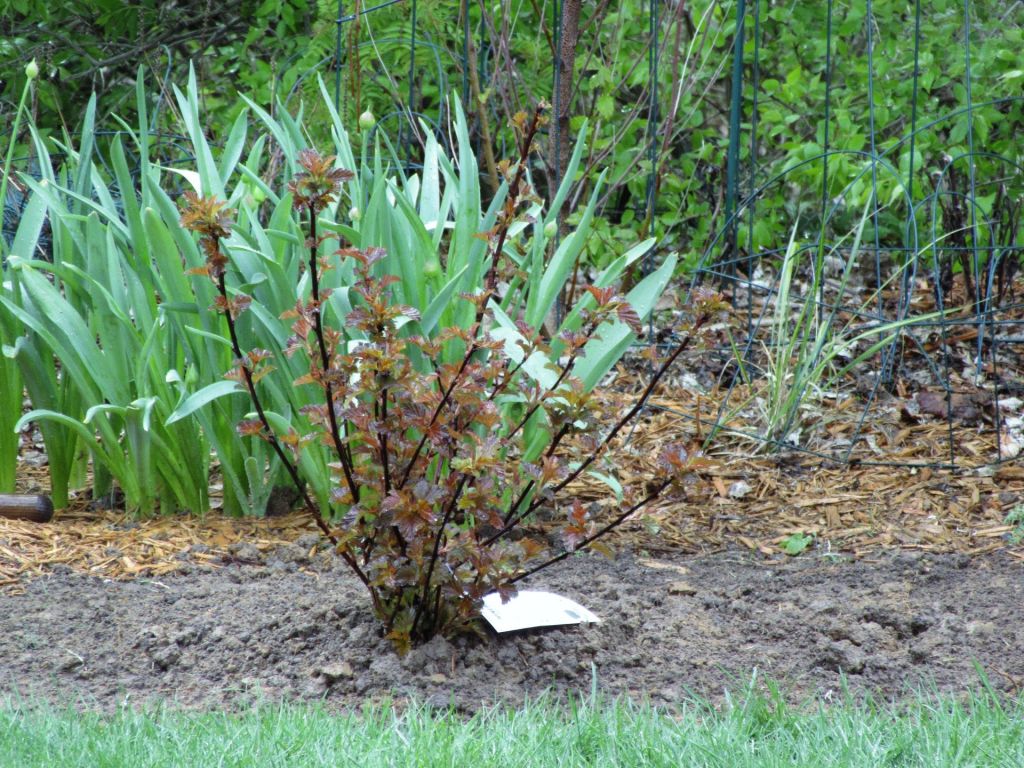
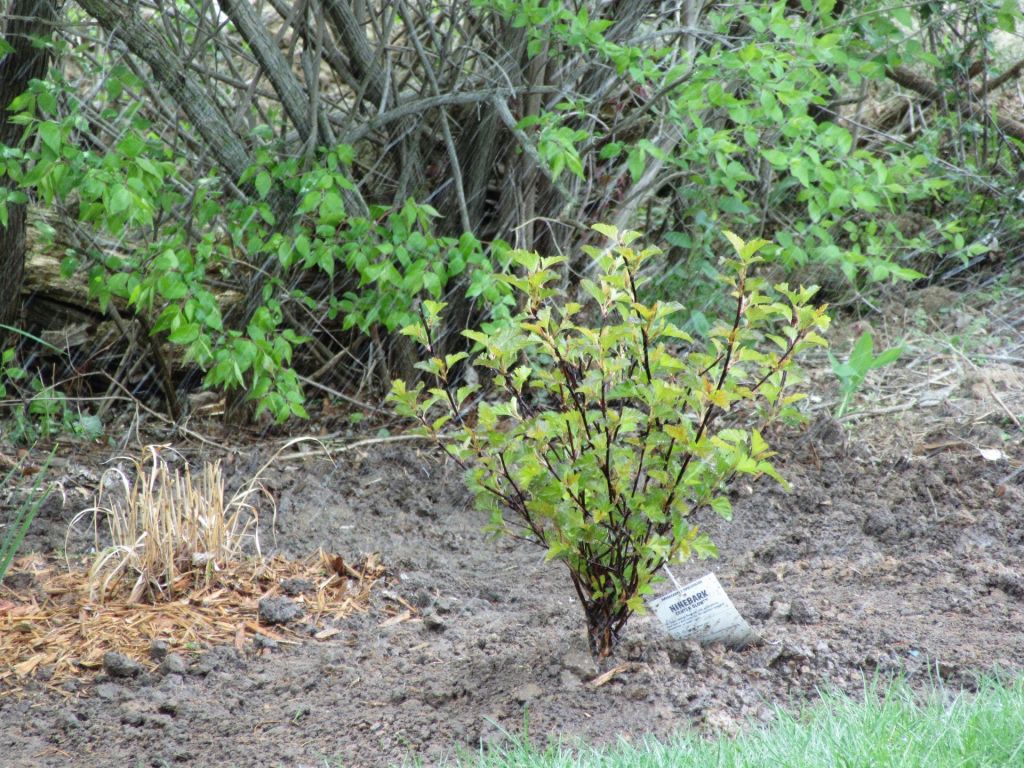
Sena can work in the garden all day, sometimes in 100 degree plus heat—which I don’t recommend. On the other hand, she really gets a charge out of digging holes in the yard, pulling up turn to make room for more flowers and shrubs, and tilling the soil. She has kept the Amaryllis stalk thriving; it’s 22 inches tall! She’s not sure what to do yet with the Easter Lily plant, but she’ll figure something out.

I still do sitting meditation, which is what I learned from the Mindfulness Based Stress Reduction (MBSR) class. And I now have begun to think of juggling as a kind of moving mindfulness meditation.
On the other hand, I’m not keen on gardening in any sense, including mindfulness. Partly, it’s because a fair amount of dirt is involved.
I think it would be difficult for me to do gardening all day like Sena does. I could stick it out for about as long as she practices juggling—about two or three minutes. I would put my tools away, though.
I’m beginning to think of juggling practice as a kind of meditation, especially since I started to learn the shower juggling pattern. Doing that for more than 15-20 minutes at a time usually doesn’t result in much improvement—at the time. But I think I sprout more brain connections as I’m doing it because I notice gradually smoother timing and coordination.
In sitting meditation, counting your breaths is generally frowned upon. On the other hand, counting my throws (especially out loud) during juggling actually helps me focus my attention. I see each throw as sort of like a single breath. I still have to consciously adjust my posture so that the “horizontal” pass doesn’t end up being more like an underhand throw. And when I modify the throws so they stay in the so-called jugglespace (not so close the balls bounce off my head, not so far out front I have to lunge for them), and space the balls out just right, I find it’s easier to get more throws in.
I don’t think Sena counts the number of dirt clods she tosses aside.
 Go Retire Psychiatrist