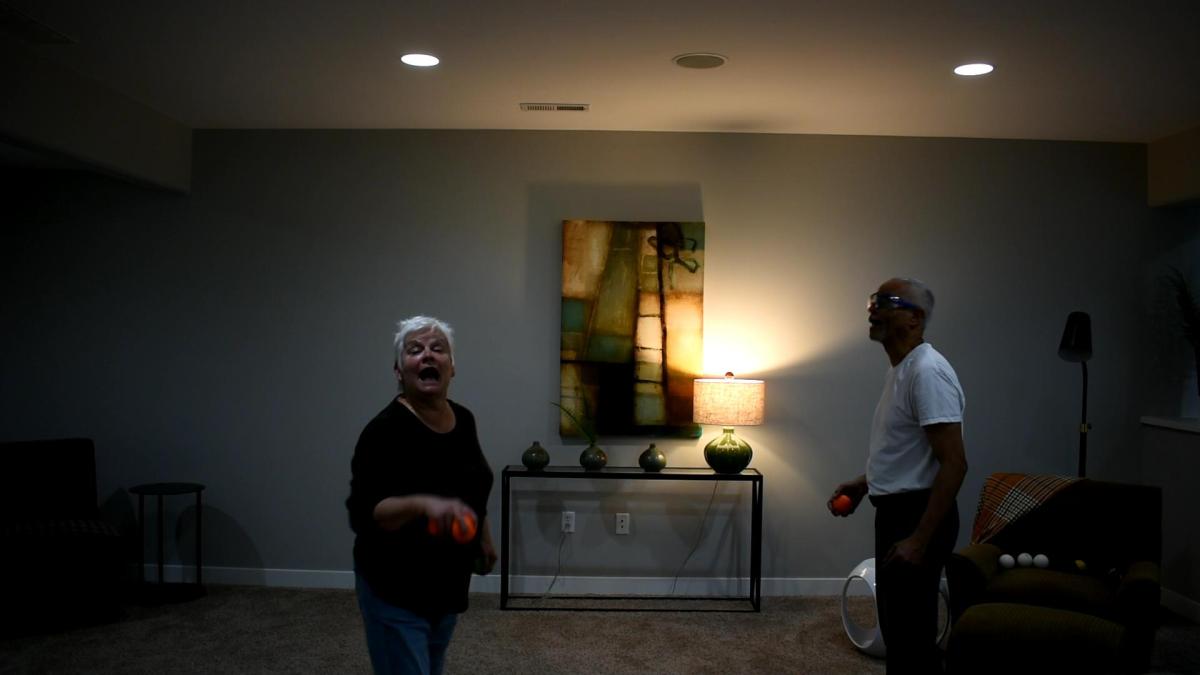
Against all odds, Sena and I did what looked impossible the other day—Two Person 5 ball 2 Count Asynchronous Juggling. For some reason that was harder to learn than the first two person juggling trick we learned.
You can find only a stick figure GIF of how the trick is done on the web. It’s harder than it looks. It took us about 3 hours to get it right. It’s hard to appreciate how it’s done in a YouTube when the jugglers are shown from a side view. On the other hand, the balls fly in every direction and moving the camera closer might have resulted in knocking over the tripod.
It’s not a competition, even thought it reminds you of a table tennis match. You have to put the ball where you partner can catch it. The pattern is similar to the cascade in that on count 1 you throw a ball from one hand to the other and on the two count you pass a ball to your partner. The count is very important.
It’s very important to lob the balls up fairly high. This gives you enough time to catch what’s flying at you.
It’s great exercise. You can see why I wear safety goggles.
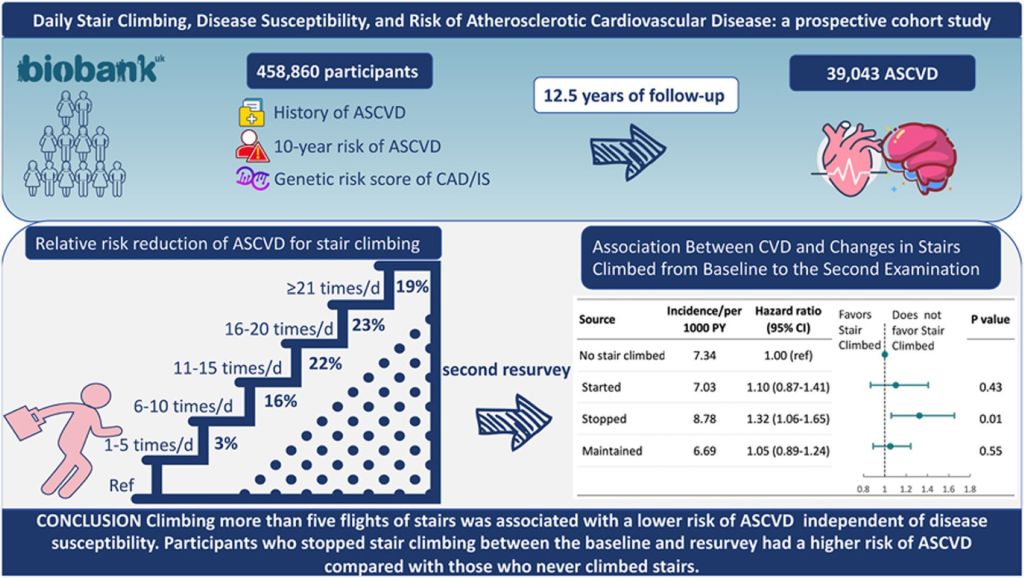
I ran across this article (reference below) on the potential benefit of climbing stairs for cardiovascular health. The highlights and abstract are below:
“Highlights
This large cohort of UK adults demonstrated that climbing more than five flights of stairs daily was associated with over a 20% lower risk of ASCVD.
The associations were broadly concordant in populations with varying susceptibilities to ASCVD.
Participants who discontinued stair climbing between the baseline and resurvey exhibited a higher risk of ASCVD in comparison to those who never engaged in stair climbing.
Abstract
Background and aims
The associations between the intensity of stair climbing and atherosclerotic cardiovascular disease (ASCVD) and how these vary by underlying disease susceptibility are not fully understood. We aim to evaluate the intensity of stair climbing and risk of ASCVD types and whether these vary by the presence of ASCVD risk factors.
Methods
This prospective study used data on 458,860 adult participants from the UK Biobank. Information about stair climbing, sociodemographic, and lifestyle factors was collected at baseline and a resurvey 5 years after baseline. ASCVD was defined as coronary artery disease (CAD), ischemic stroke (IS), or acute complications. Associations between flights of stair climbing and ASCVD were examined as hazard ratios (HRs) from Cox proportional hazards models. The modification role of disease susceptibility on such associations was assessed by analyses stratified by levels of genetic risk score (GRS), 10-year risks of ASCVD, and self-reported family history of ASCVD.
Results
During a median of 12.5 years of follow-up, 39,043 ASCVD, 30,718 CAD, and 10,521 IS cases were recorded. Compared with the reference group (reported climbing stairs 0 times/day at baseline), the multivariable-adjusted HRs for ASCVD were 0.97 (95% CI, 0.93–1.01), 0.84 (0.82–0.87), 0.78 (0.75–0.81), 0.77 (0.73–0.80) and 0.81 (0.77–0.85) for stair climbing of 1–5, 6–10, 11–15, 16–20 and ≥21 times/day, respectively. Comparable results were obtained for CAD and IS. When stratified by different disease susceptibility based on the GRS for CAD/IS, 10-year risk, and family history of ASCVD, the protection association of stair climbing was attenuated by increasing levels of disease susceptibility. Furthermore, compared with people who reported no stair climbing (<5 times/d) at two examinations, those who climbed stairs at baseline and then stopped at resurvey experienced a 32% higher risk of ASCVD (HR 1.32, 95% CI:1.06–1.65).
Conclusions
Climbing more than five flights of stairs (approx 50 steps) daily was associated with a lower risk of ASCVD types independent of disease susceptibility. Participants who stopped stair climbing between the baseline and resurvey had a higher risk of ASCVD compared with those who never climbed stairs.”
This interests me because I climbed well over 20 flights of stairs pretty much every day when I was a consultation-liaison psychiatrist. Occasionally, I logged over 40 flights. The hospital had 8 floors and I was often repeatedly hiking up the stairs. I avoided using elevators because they slowed me down too much.
There was a threshold effect of stair climbing in the study, meaning the benefit was lost if you went over a certain number of “floors.” Going over 15 or 20 didn’t gain much for subjects. A flight was 10 stair steps.
I think the idea is that in those who live in homes with the right number of stair steps, you’ve got a no cost, low tech form of cardiovascular exercise. You might exert a little more stress on the carpet.
On the other hand, you could save wear and tear on the carpet (if you’re worried about it) by spending some money on stair stepping exercise equipment. You can buy a Stairmaster model for about $2.000-3,000. There are cheaper stair stepper models, which look a little flimsy and even unstable enough to raise the risk for falls, in my view.
But I would never go back to work just to climb the stairs again.
Reference:
Song Z, Wan L, Wang W, Li Y, Zhao Y, Zhuang Z, Dong X, Xiao W, Huang N, Xu M, Clarke R, Qi L, Huang T, Daily stair climbing, disease susceptibility, and risk of atherosclerotic cardiovascular disease: A prospective cohort study, Atherosclerosis (2023)
If you want a quick read for how every minute counts in physical activity for your health, see the JAMA article “Physical Activity for Health—Every Minute Counts” (Katzmarzyk PT, Jakicic JM. Physical Activity for Health—Every Minute Counts. JAMA. 2023;330(3):213–214. doi:10.1001/jama.2023.11014).
Just for fun, I tried to see if about 5 minutes of juggling would result in a change in the step counter on my cell phone. Unfortunately, it didn’t but I sure could feel the effort!
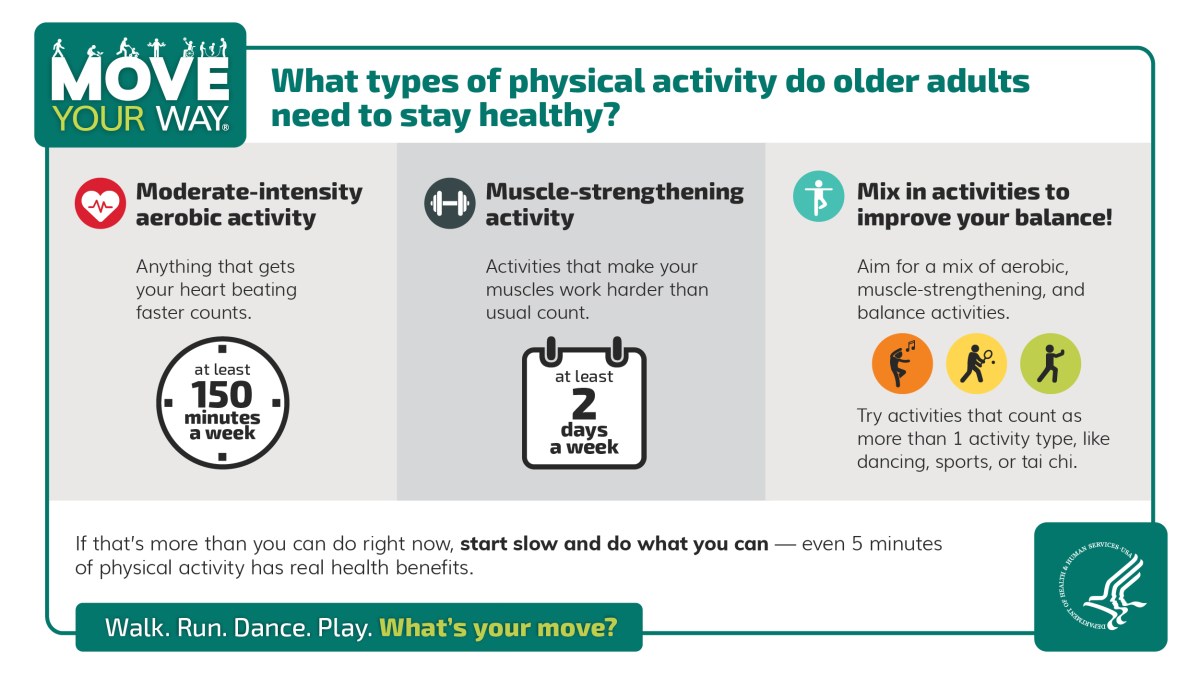
As the authors state, public health recommendations for physical activity set a bar of 150-300 minutes a week of moderate intensity aerobic activity to get substantial health benefit.
But you benefit from just about any increment below that level. Your step counter probably won’t register it, but you can feel it.
I made a short demo video to show what good exercise juggling is. I didn’t cut any mistakes (and obviously increased the speed on it because 5 minutes is a bit long). Anybody can tell I’m pretty puffed out at the end.
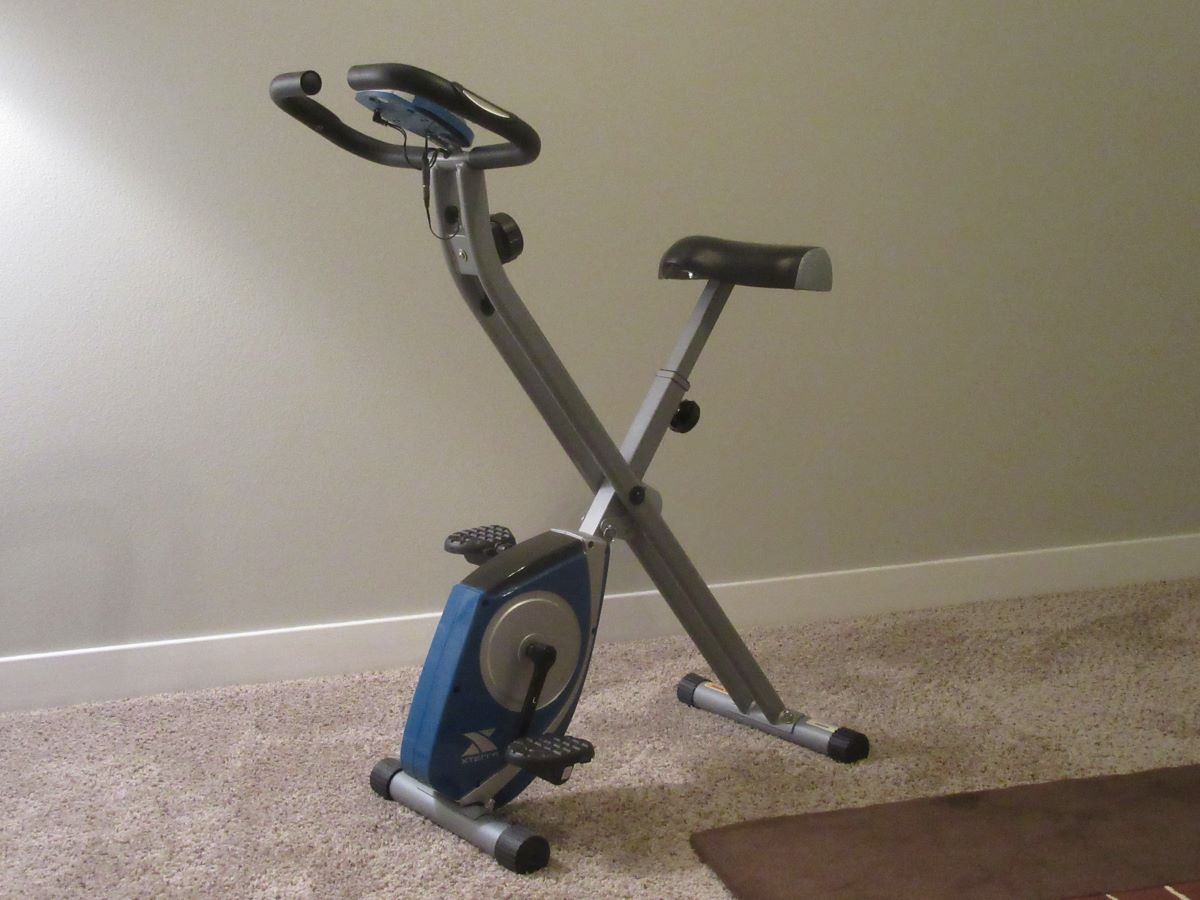
Sena bought me an exercise bicycle about 3 years ago. I use it nearly every day as part of my fitness routine. Yesterday, I thought it needed a little squirt of oil for a squeaking noise I thought was around the pedal crank.
We both looked it over carefully. She suggested I readjust the seat, which I did. That took care of the noise and prevented an oil spill on the carpet.
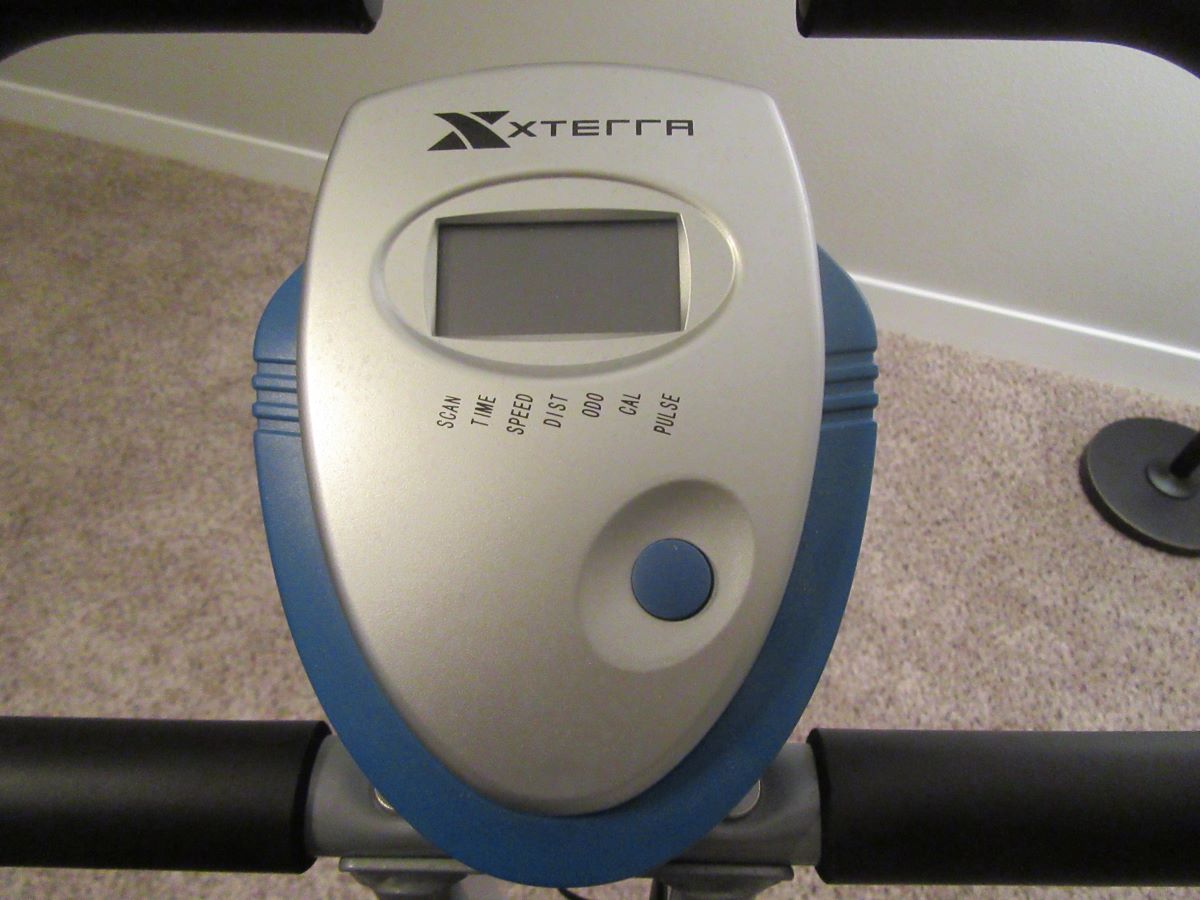
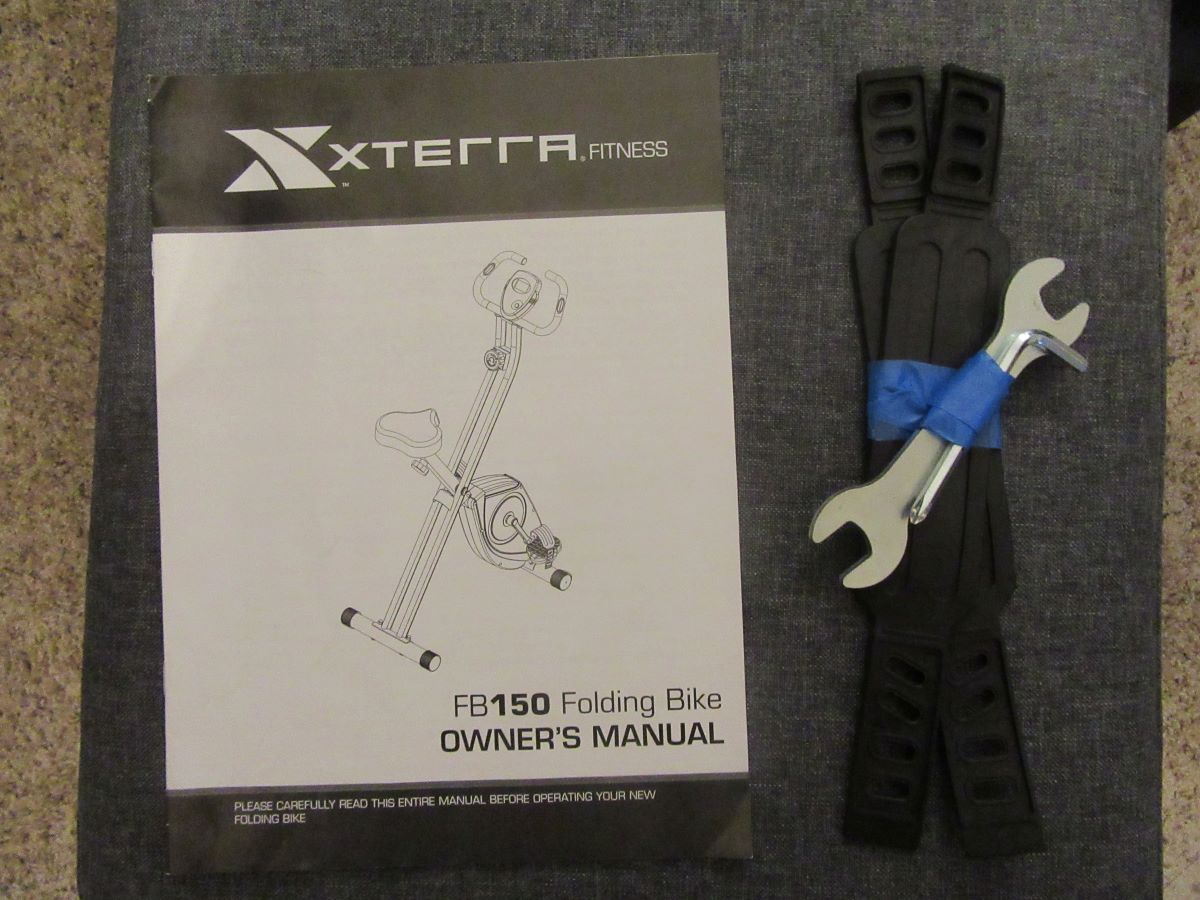
The bicycle is made by Xterra. It is the FB150 model. I call it the Anti-Peloton for obvious reasons. It cost a little over $100. It weighs about 30 pounds. The digital “computer” for monitoring my performance and fitness level never worked. I inquired about it, but I think the support agent was an extraterrestrial. He threatened to abduct me and perform various examinations involving probes if I escalated the matter to management. I didn’t return the bike.
There are a few differences between the Xterra FB150 Anti-Peloton and the Peloton. According to a recent review, the Peloton price will set you back $2,000—for the first year. After that, it’ll cost you $500 every year before you finally decide to return it because you have to hock all your possessions to keep it.
The Peloton has a Wi-Fi-enabled 21.5-inch touchscreen tablet that “live-screams” fitness classes led by instructors who are drill sergeants and scream at you and other hapless unfit persons as a side hustle.
The Anti-Peloton has a “computer” which is nonfunctional and is used just for decoration.
The Peloton weighs approximately 5 tons and is assembled in your home by 5 computer technology experts who will require the use of your kitchen to prepare their gourmet luncheons using whatever is in your pantry plus the items you’ll need to purchase from specialty delicacy shops. The set up takes about 3 weeks and the technicians will need you to move into a hotel while they rebuild your house or apartment so that it will meet the exacting standards you will need to rent the product for the rest of your natural life, according to the contract you must sign in blood. This will, of course, also entail daily worship rituals involving small animal sacrifices at the cultured marble alter that is custom designed for your special Peloton. It’s a little like a wedding.
The Xterra FB150 Anti-Peloton, as noted above, weighs approximately 30 pounds, folds easily for moving it to a comfortable viewing position in front of the TV to watch your favorite shows while you munch on snack bars, cycling slowly so as not to raise blisters on your feet from the straps fitted to the pedals.
The Peloton saddle is small and is just the right size for skinny extraterrestrials who were probably involved in the manufacture of the product.
The Xterra FB150 Anti-Peloton has a very large padded oversize seat which can accommodate the butt of any creature including a bull elephant.
You can choose the Peloton or the Anti-Peloton. The choice is yours, and it depends only on whether or not you are independently wealthy enough to employ Elon Musk to replace urinal deodorant cakes in any of the bathrooms of your umpteen mansions.
I read the CDC web page on what kind of exercises are best for those over the age of 65. It mentioned that the one leg balance should be part of the routine.
I also read the article about what it means if you flunk the one leg balance test. If you can’t balance for 10 seconds, it means there’s a chance your mortality might be significantly higher. According to the recent study about it, it doesn’t prove cause and effect, but it’s a marker about our overall health we should pay attention to.
I exercise most days and I was reasonably confident I could ace the one leg balance test.
Much to my surprise, I was pretty unsteady and even after several tries, I often came close to falling over. I was a little embarrassed and wondered if I had one foot in the grave. Sena tried and fell over.
But then I searched the web and found a number of articles suggesting that having trouble with the one leg balance task might be due to weak ankles.
In fact, my ankles wobble quite a bit when I try to balance on one leg. My wobble is worse on my left ankle. That can happen, according to one writer. Just like you can be right-handed and clumsy with your left and vice versa, that can happen with your legs.
There are all sorts of web articles with advice on helping you strengthen feet and ankles. I saw one on a site called Eldergym in which the author made a suggestion that rang a bell. Try sticking a post it note on the wall in front of you and focus your gaze on it while standing on one leg.
And that reminded me of a Judo class I took when I was a boy. Warm-up exercises included balancing on one leg while grabbing your other foot and rolling it around to work some flexibility into your ankle. Many of us in the class fell over a lot while trying to do this. That improved after the instructor told us to fix our gaze on a single point while balancing. It magically got a lot easier to do.
I can still put on a sock while balancing on one leg, just by focusing on one spot on the floor. I didn’t think I would find anything on the web about that, but there is a web page about it. The language gets a little technical about the explanation on how this trick works, but it has a lot to do with things like the vestibulo-ocular reflex.
I notice I can stand on one leg a little longer when I stare fixedly at a clock’s sweep second hand. But I still wobble. I guess I’ll be adding the one leg balance to my exercise regimen.
I think the argument that the inability to stand on one leg can mean more than one problem might be causing it. It’s associated with a number of issues including brain, heart, and other systemic diseases, and even higher mortality. But it can also mean that you have weak ankles from making a habit of sitting at a desk writing blog posts over a long period of time.
Maybe that gives us a more balanced view of the one leg balancing act.
This video plays pretty well with Sly and the Family Stone song “Stand!”
University of Iowa research shows that exercise could help for protecting us against Alzheimer’s disease. After age 65, our risk for this category of dementia doubles every 5 years.
Even if scientists develop effective and safe senolytic compounds that could allow us to live to be 200 years old, that won’t be happening in the near future. There’s another way to help prevent Alzheimer’s disease.
Exercise can lower the risk for Alzheimer’s disease, especially some form of aerobic exercise.
When it comes to exercise, any exercise is better than none.
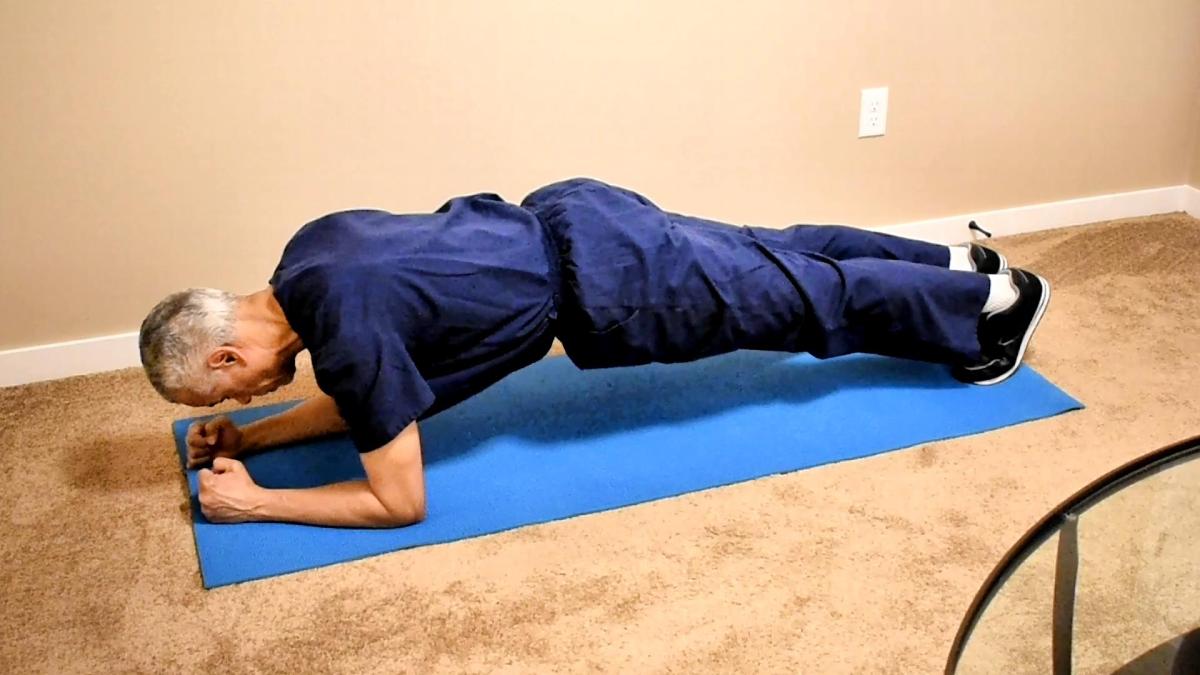
Okay, so I’m nobody’s personal trainer, but I have an update on my exercise routine, which I’m doing daily for the most part. I spend about a half hour on the “workout” which starts with a floor yoga warm up. I get on the exercise bike for 5 minutes. Then I do 3 sets of body weight squats, dumbbells, and planks. I finish off with another 5 minutes on the bike.
Obviously, my goal is not to be ripped. I just want to keep my bowels moving, to sleep OK, and stay reasonably fit for a geezer. I also do daily mindfulness meditation.
I still have a lot of work to do on being more well-rounded. And I mean a lot.
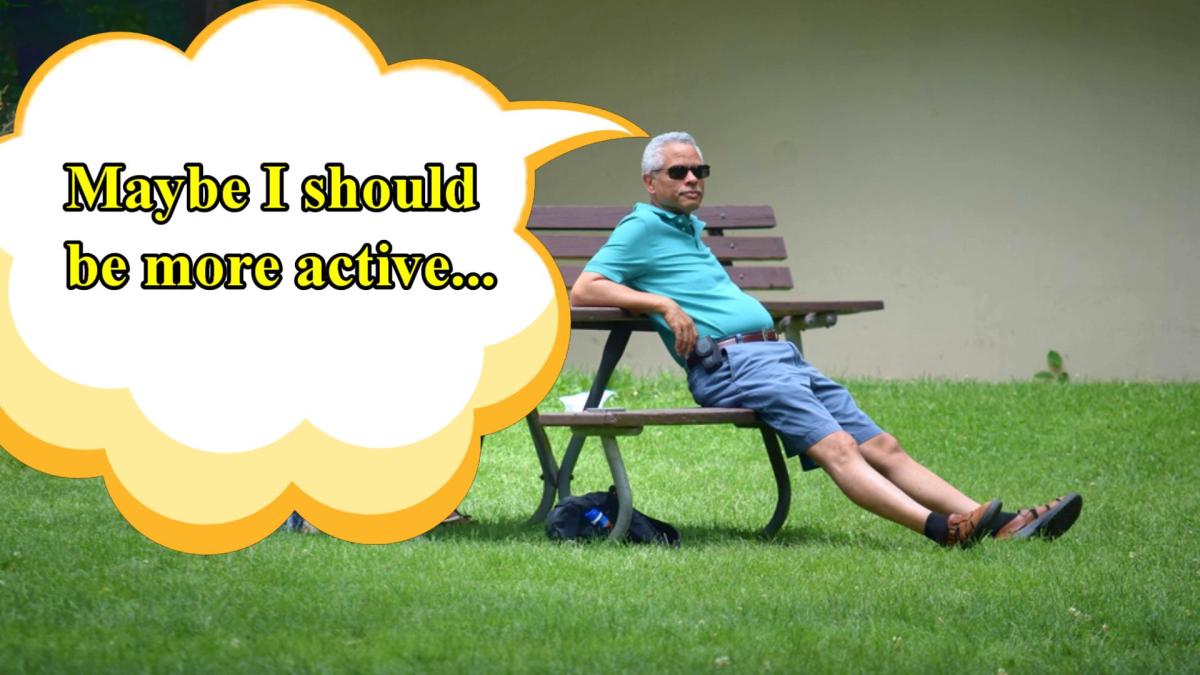
I’ve thought about my weight over the past few days and decided to look at a few pictures. I had not realized that I had lost about 20 pounds over the last several years. This was all intentional and I’ve shed about 7 of those in the last six months—due mainly to daily exercise including planks.
Planks are good
As a consulting psychiatrist, I thought I was getting plenty
of exercise running all over the hospital, up and down stairs and whatnot. The
trouble is that it’s stop and go, fireman-type activity that often isn’t
sustained over much time.
I’ve got a few pictures of me before I lost my paunch. It’s
funny that I’m not climbing 20 or 30 steps and getting a couple of miles or so
on my smartphone step counter—yet I’m probably a lot more fit off the job than when
I was on. That could also partly be from not eating quite as much for lunch
when I’m not working.
Retiring has overall been better for my health.
It just occurred to me while writing this post that a couple of the pictures might not make much sense. They were taken during a Psychiatry Department Residents vs Faculty matball match and picnic several years ago. If you don’t know what matball is, you can find out more about it here.
I didn’t play, but I suppose that’s obvious. Maybe it’s also why Faculty lost.
In my off-service time, I discovered that you need to exercise
150 minutes a week or a little over 20 minutes a day. Exercise guidelines come from
the Department of Health and Human Services and the World Health Organization
who are behind this conspiracy, I mean this recommendation.
I’ve adopted this to some extent, at least what I consider reasonable for a geezer in his mid-60s. I even added something for speed and dexterity. The video shows an abbreviated version of my routine as a demo.
I divide up my mindfulness and sitting meditation with the exercise when I’m on service. I do floor yoga and sitting meditation on alternate mornings and exercise in the evening after I get home from work.
You’ll notice I don’t have a fancy exercise machine. My
exercise equipment is simple. I’m an older guy and I’ve got other stuff I need
to spend my money on—health insurance, muscle cream, beef jerky.
I realize my plank is not absolutely the best form, but I’m
working on it.
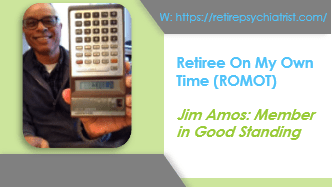
I would not make this regimen a requirement for membership in a new retirement club I’m considering. I think a good name might be Retiree On My Own Time (ROMOT). There would be no membership dues. You could make your own card, similar to the one I made. Meetings would be optional because many retirees are actually pretty busy, believe it or not.













 Go Retire Psychiatrist