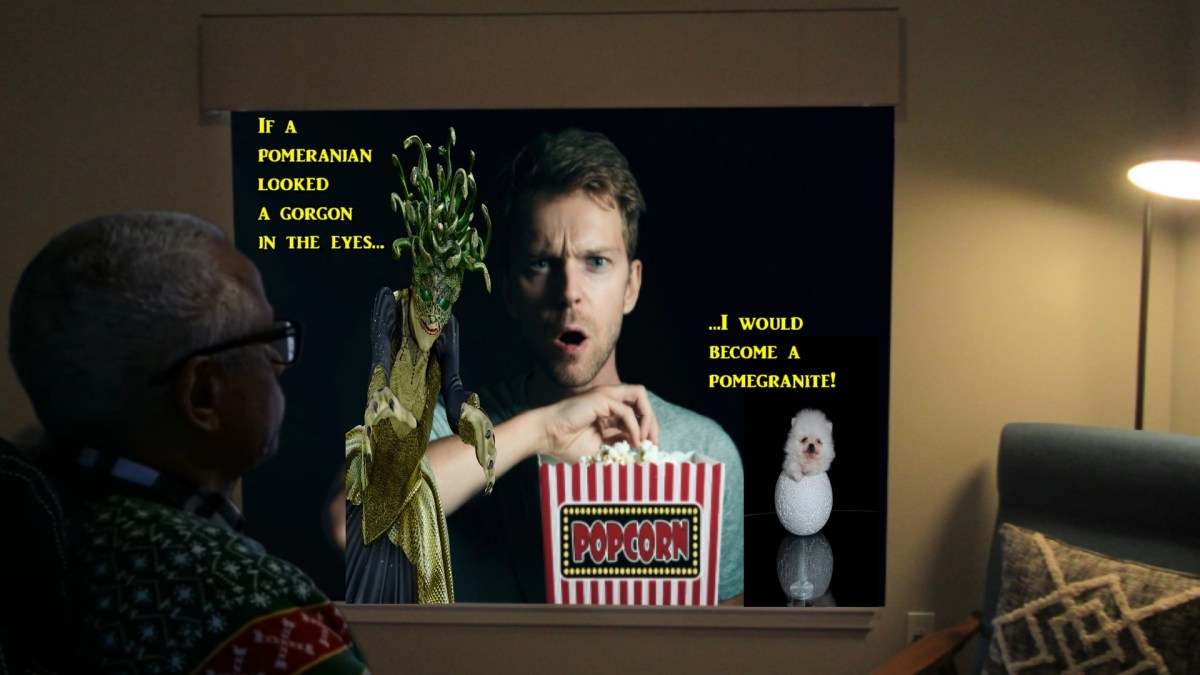
Cannabinoid Hyperemesis Syndrome in the News

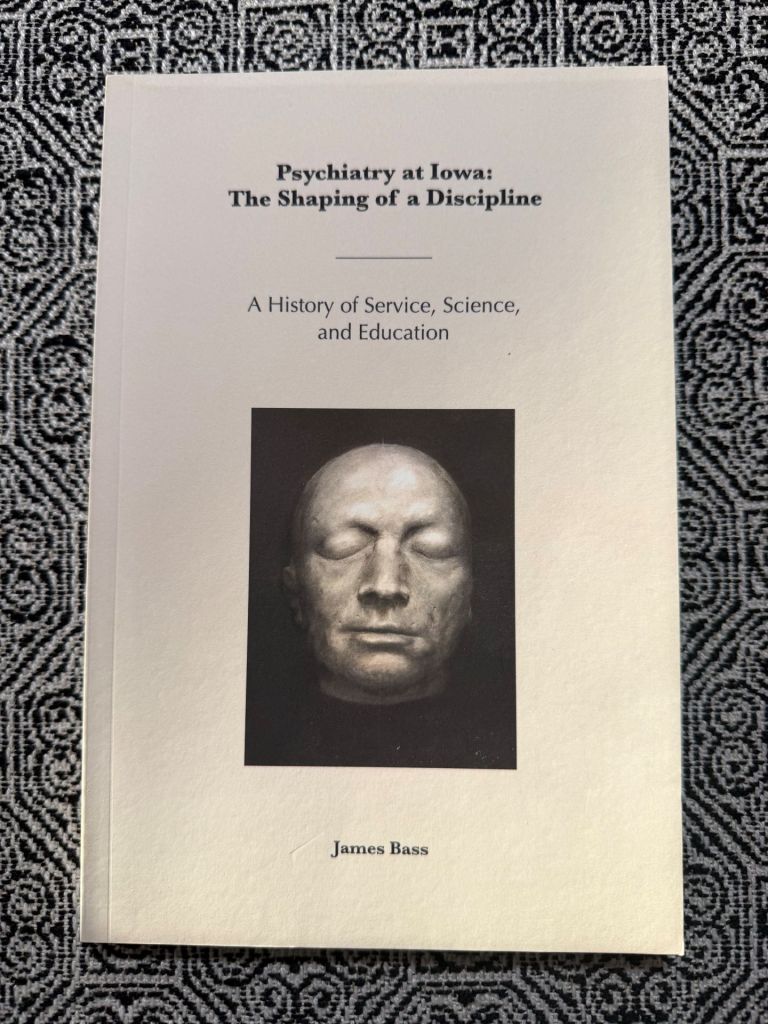
I just saw a news item today that is interesting for two reasons, at least to me. It’s about people who have Cannabinoid Hyperemesis Syndrome. The physician interviewed for comments about it is Dr. Chris Buresh who used to be an emergency department physician at the University of Iowa. He’s now at the University of Washington UW Medicine and Seattle Children’s Hospital.

His comment was published in a couple of local newspapers and he pointed out that even small amounts of marijuana can make people start throwing up.

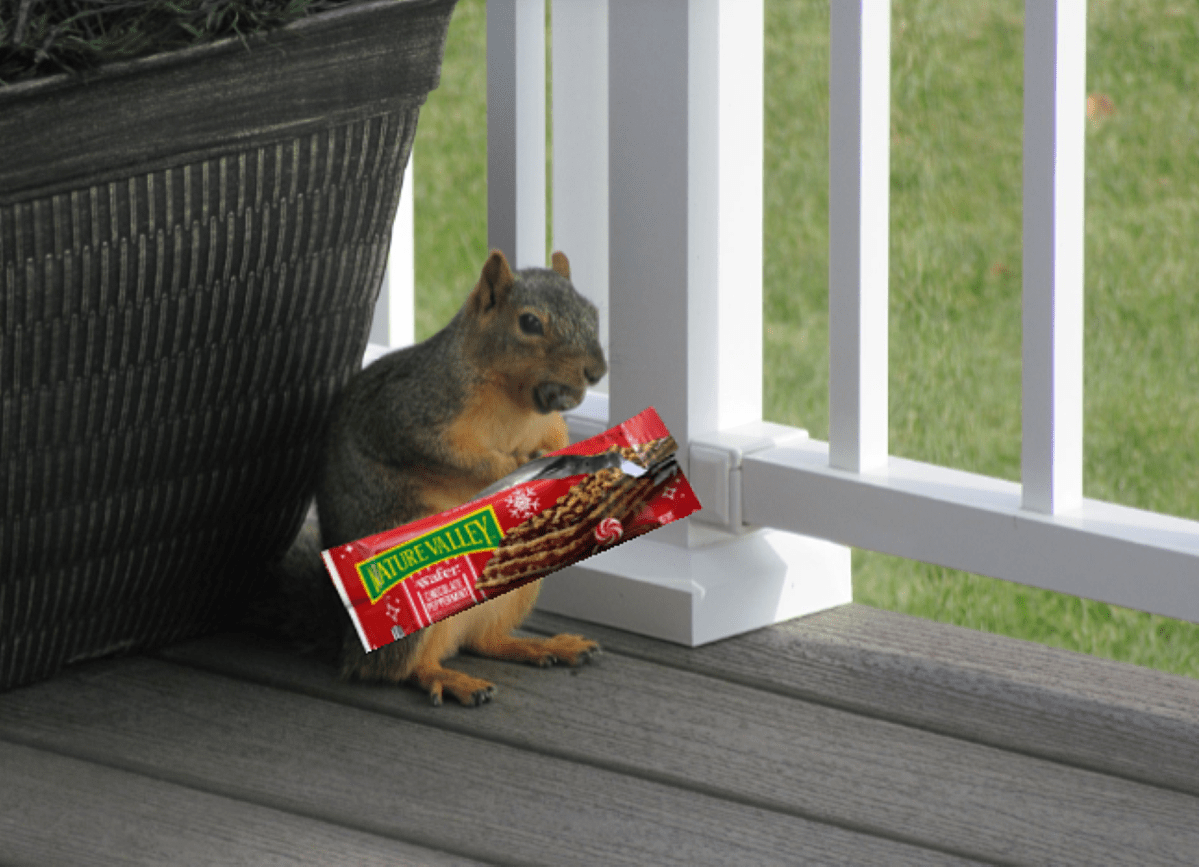
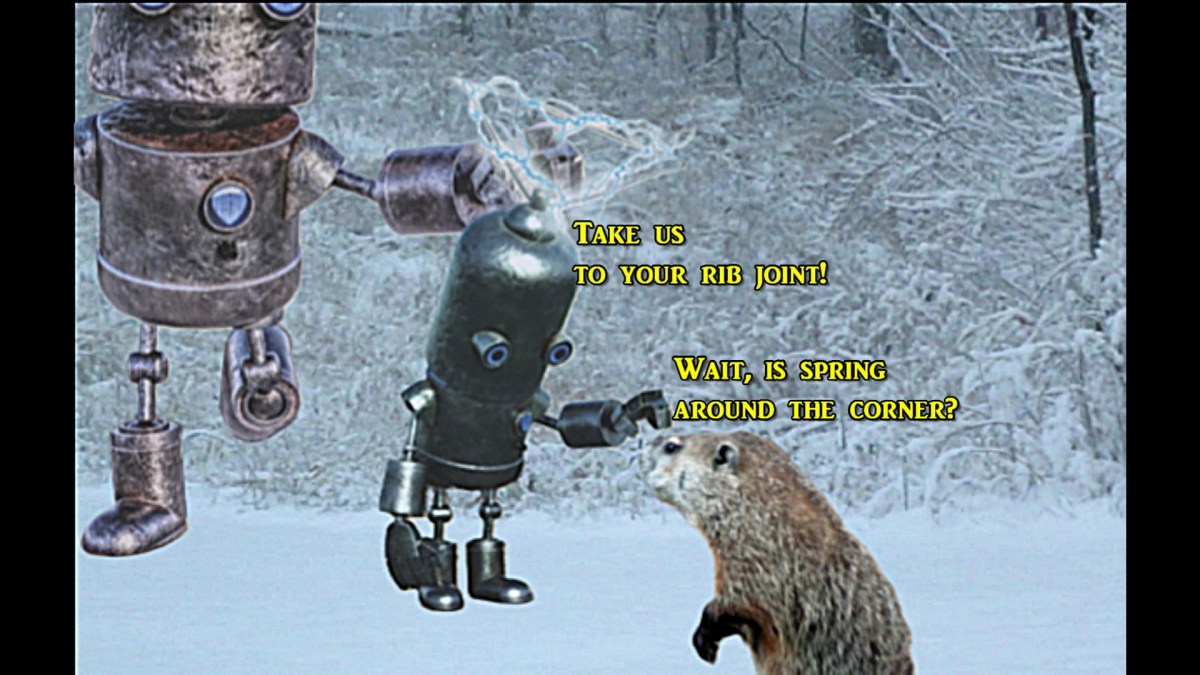
The other reason it’s interesting to me is that I gave a grand rounds on eating disorders back in 2016. I had a slide on Cannabinoid Hyperemesis Syndrome (see featured image above). There’s a reference from 2016 that probably is still useful.

  • Brewerton, T. D. and O. Anderson (2016). “Cannabinoid hyperemesis syndrome masquerading as an eating disorder.” International Journal of Eating Disorders.

Svengoolie Show Movie: “Curse of the Undead”

Svengoolie Intro: “Calling all stations! Clear the air lanes! Clear all air lanes for the big broadcast!”

I watched the Svengoolie show “Curse of the Undead” last night. Sena watched some of it. I guess I had more stamina. This is a 1959 vampire cowboy flick directed by Edward Dein and starred Eric Fleming as Preacher Dan (if you’re old enough you might remember him as Gil Favor in Rawhide in the 1960s) and Michael Pate as the vampire Drake Robey who could withstand full daylight without turning to mush. Kathleen Crowley plays Dolores Carter, the woman who owns the ranch where Robey does a lot of the biting.

My favorite line from the movie was Drake Robey’s comment about the dead When Dolores Carter asks him if living near a cemetery would bother him: “The dead don’t bother me; it’s the living who give me trouble.”

Once I got past the idea of the vampire not immediately bursting into flames in the daytime, I was pretty much OK with Robey, a man in black gun for hire whose attire reminded me of Johnny Cash. I half expected him to whip out a guitar and start singing “The Ring of Fire, “only Robey didn’t sing because this movie was not a musical.

The action starts in a small western town where everyone smokes cheroots, so popular in Spaghetti Westerns where all the cowpokes eat Italian cuisine lightly seasoned with cigar ash. Young females are dying off from anemia and nobody notices the two small puncture wounds in their necks except Preacher Dan, who wears a lapel pin festooned with a tiny cross made of the wood from the original cross. Something really special happens to this little cross.

One of the major conflicts in the film involves a guy named Buffer (played by Bruce Gordon) who is giving the Carter family a hard time by squatting on hundreds of acres of their land and planting  marijuana on it, which his henchmen (yes, the stooges of the boss evil guy are always called henchmen) steal to stuff their bongs, homemade from cattle horns and then try to play poker but can’t win even a single hand because they forget how to play and get the munchies just looking at the chips (“Wow, man, I didn’t know they made potato chips different colors!). Buffer eventually kills two members of the Carter family.

After that, Dolores makes a bunch of help wanted signs advertising her need for a hired killer in order to get revenge on Buffer. The Sheriff (played by Edward Binns) just tears up all the signs citing her for spelling errors and tries to team up with Preacher Dan to strong arm Buffer into a scheme to make a new headache medicine they promised would be named after him if he would just cool his jets.

About this time, the man in black, Drake Robey, arrives in an exquisitely tailored outfit of slim fitting jeans with matching leather vest who evidently has no aversion to sunlight but takes exception to Preacher Dan’s assertion that suicide is a sin punishable by God, which you’ll have to figure out by watching the movie. Obviously, there’s more to Robey than meets the eye because he’s a killer for hire who always seems to win every gunfight even though his opponents always swear they shot first and hit him—just before they die.

Robey’s lack of sensitivity to light can also be inferred from one of the first scenes in which he appears. He “sleeps” during the daytime but with the coffin lid open. Claustrophobia comes to mind.

The big battle between Preacher Dan and Robey begins with a preliminary 2 out 3 fall hybrid chess boxing match in which Preacher Dan gets knocked out despite winning the chess match. The final struggle takes place in the street and you’ll just have to watch the movie because there are no spoilers here on that. However, several members of the cast had roles on episodes of a popular TV show, which is a longstanding joke on the Svengoolie show.

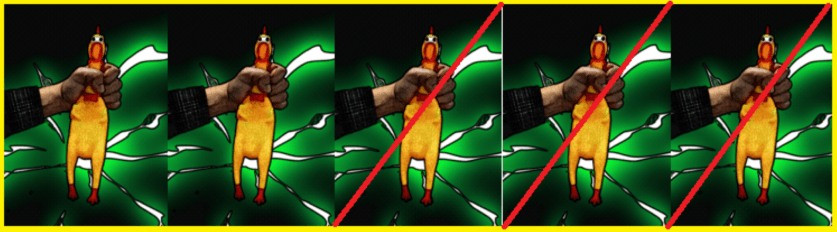
I think this movie is OK and I give it a 3/5 shrilling chicken rating.

Shrilling Chicken Rating 3/5

Big Mo Pod Show: “Garage Blues”

I heard the Big Mo Blues Show last night and the Big Mo Pod Show today. I can say that the Garage Show title refers to a get together during the Covid pandemic that Big Mo threw and held in his garage and featured local Blues artists including Bryce Janey, who is number 5 on the list of songs with “Down Home Blues.”

Anyway, the most interesting part of the podcast was the 3rd song, “Coal Black Mare” (misspelled as “Cold Black Mare”) which was produced by Bob Corritore and released as part of historical album released October 17, 2025 entitled “Bob Corritore and Friends—Early Blues Sessions.” It includes songs recorded between 1984 and 2007. Corritore was on harmonica and blues artist Clarence Edwards sang the song (he died in 1993).

I looked up Clarence Edwards on Wikipedia and he was born in Louisiana in 1933 and became more widely known in the 1980s when he performed on a national blues festival circuit. I found a version of Coal Black Mare recorded in 1961 by Edwards.

The song “Coal Black Mare” has a very interesting history all by itself. Most internet articles say Arthur “Big Boy” Crudup, was probably best known for writing the song “That’s All Right” in 1946 which Elvis Presley make famous later. Some say “That’s All Right” was the first rock and roll song. The Blues Hall of Fame says that Crudup was the “The Father of Rock ‘n’ Roll.”

I found references that say Crudup wrote “Coal Black Mare” and released it in 1962 or 1965 (the Fire Sessions) depending on which web site you read. I also found a song entitled “Black Pony Blues” which on most web sites is the same as “Coal Black Mare” and was recorded in 1941 under Crudup’s name. They both sound like the same song.

Opinions differ about the meaning of the song “Coal Black Mare.” While I think most would say that it’s about a black race horse that won a lot of races, I think the “gold earrings” and “gold teeth” lyrics could make some people wonder if this is a metaphor for a woman. I found a web reference hinting at this, speculating that Charley Patton’s 1929 “Pony Blues” might have inspired the song and say that in all versions, including Crudup’s, the black mare stands for “…a black lover.”

I got lost in the internet forest on this one and I’ll be the first to admit I don’t have the first idea of whether or not “Coal Black Mare” was inspired by Charley Patton’s “Pony Blues.” And while I think gold earrings and teeth would look odd on a horse; I also suspect Crudup was probably singing about a race horse.

Your thoughts?

Pennies from Heaven to Coin Rolls

We recently found out that pennies are being take out of circulation. In fact, the last day they stopped minting them was on our 48th wedding Anniversary this month, November 12, 2025! There may be a reason to save the 2025 pennies, according to some folks.

We have a piggy bank and I rolled up our saved coins last year. We had $55 worth. It feels fairly heavy now and we wondered if we had any 2025 pennies.

I wasn’t eager for the task, but there was another reason to tackle it again—we wondered if we had any pennies from 1977.

I forgot how tedious this chore was. I spent a long time peering at the pennies with a magnifying glass hunting for any minted in 2025 before I ever got busy rolling the coins into those pesky little sleeves.

I found one from 1969 which reminded me of the Men in Black 3 movie (what doesn’t remind me of MIB movies?). The scene is Agent J and Jeffrey Price on top of the Chrysler building when Agent J is about to do the time jump thing:

Jeffrey Price: Do not lose that time device or you will be stuck in 1969! It wasn’t the best time for your people. I’m just saying; it’s like a lot cooler now.

As if in confirmation, I found a few from the mid-late 20th century and beyond as well as a few marking other important historical events:

Source: Historydotcom; A Year in History series

1959: Alaska becomes the 49th state; Hawaii becomes the 50th state

1960: Greensboro sit-in by 4 black college students at a whites-only lunch counter in Greensboro, North Carolina, starting a nationwide civil rights movement

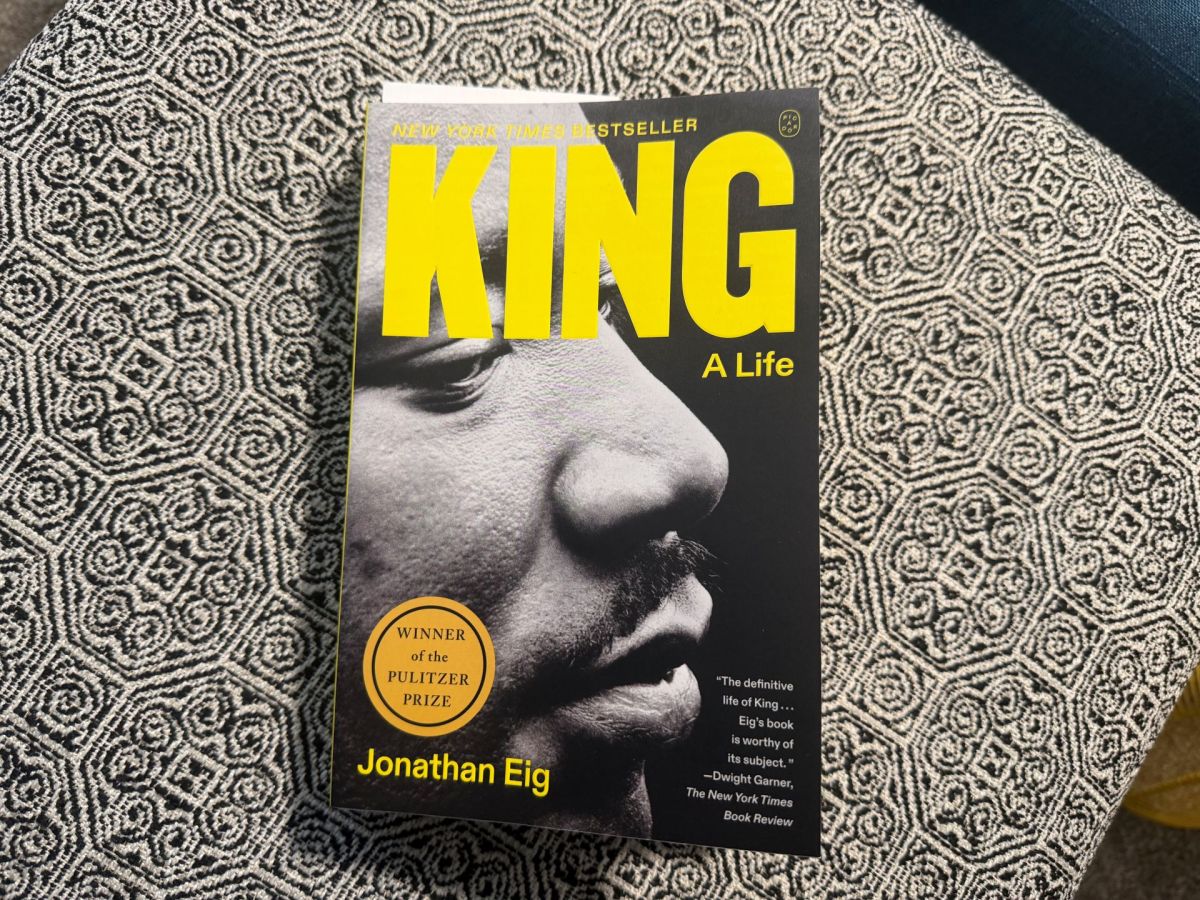
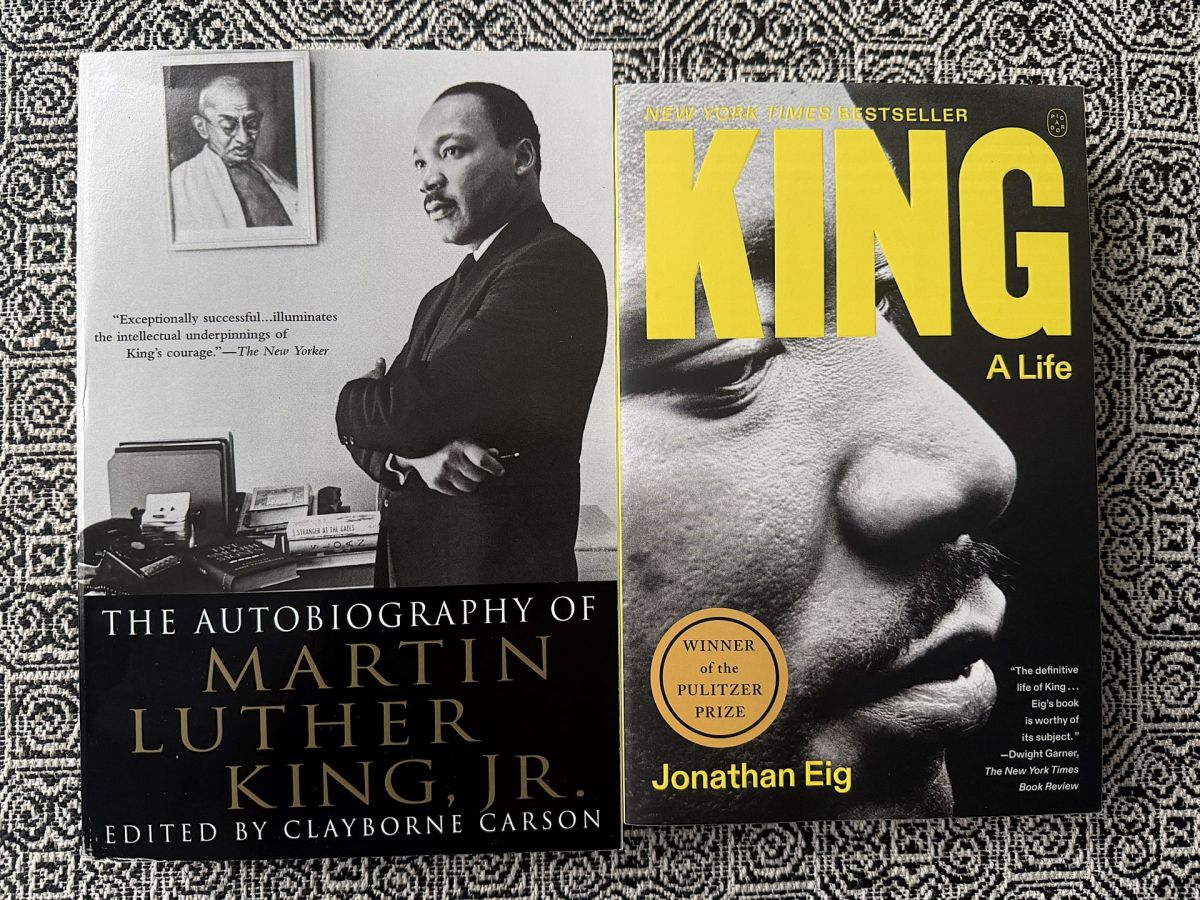
1964: President Johnson signs Civil Rights Act; Martin Luther King Jr. wins the Nobel Peace Prize

1975: Microsoft founded by Bill Gates and Paul Allen; Arthur Ashe becomes the first black man to win at Wimbledon tennis championship

1976: First women inducted into the United States Naval Academy at Annapolis and at the U.S. Military Academy at West Point

2001: 9/11 attack on America

I found one from 1985 when I graduated from Iowa State University with a Bachelor’s Degree in 1985. I found another from 1988; the year I started medical school in Iowa City. I accidentally broke the arm of our cadaver in gross anatomy. I also found one from 1996, when I graduated from the psychiatry residency program at University of Iowa. Dr. George Winokur had just stepped down from being department of psychiatry chair and he encouraged me to apply for a position at Iowa.

But the best penny find was the one from 1977, when Sena and I got married. What a coincidence that the U.S. Mint stopped making pennies on November 12, 1977—the anniversary day of our wedding.

I rolled $16.50 in coins this time, but there was plenty left over (including pennies) that wouldn’t fill the sleeves.

Penny for your thoughts?

Jim Finally Wins a Cribbage Game!

The Wicked Cribbage Lugger card gave us the idea of trying a hybrid game of 10-card cribbage and Crib Wars today. I can’t contain myself; I finally won!

The rules for 10-card cribbage are on the Lugger card from the Wicked Cribbage game although we’ve played it before. We finished the game in 1 hour and 15 minutes. This is despite the confusion from having 3 piles of cards in front of you when you’re the dealer (your regular 4-card hand, the other 4-card hand, and your crib).

It actually plays pretty well, and the scores are easier to count than the 9-card variant because there are only 4 cards to count at a time. I managed to skip all the Red Skip Zones, all the Blue Time Traps, and all the Blue Penalty Zones, but also missed out on the Green Advance Zones. Sena cycled through one of the Blue Time Traps three times.

Sena relies on strategy in card play for Crib Wars and it doesn’t always work. I think luck is the biggest factor, but that doesn’t mean I relax. Sorting through my cards to pick out the best two 4-card hands was tough. We both agree that picking out the two cards to throw to the dealer’s crib was the easy part. Counting holes on the board was a chore because they’re very small. The number of holes in a group can vary a lot. Standard cribbage board holes are always 5 in a group.

I’m still leery of trying to film us playing a game of Crib Wars. The time to play is still way too long for that, mostly because of all the water hazards and sand traps. By the way, why do I not see comparisons of Crib Wars to golf (which I don’t play)?

Some people say that Crib Wars reminds them of Chutes and Ladders. I had to look this up on the web (despite having played this as a kid), but in Chutes and Ladders, chutes slow you down and ladders speed you up. So, it isn’t just the board layout alone of Crib Wars that reminds people of Chutes and Ladders.

Sena and I talked about what cribbage game variant we like best so far as a hybrid with Crib Wars. She kind of likes 9-card but settled on 7-card. I tend to agree with her because, while I think 6-card cribbage might tend to make the game seem too slow after a while, the 7-card might better rather than trying to manage too many cards, even though you can get some pretty high scores in 7-card.

Overall, we both like Crib Wars. It’s fun and absorbing and we’ll probably keep playing. At between $25-30, the price is right.

What About Wicked Cribbage?

We’ve played Wicked Cribbage twice so far—and yes, Sena won both games, but here’s the thing: it’s fun to play. I think this is called a cribbage overlay in that you need to know how to play standard cribbage and already have the equipment for that.

Then Wicked Cribbage adds special cards with wonky and eyebrow-raising instructions that makes cribbage a weird experience.

There are two decks of cards with special instructions: one called Twinklers and you draw one card immediately each time you peg 15 or 31 and do what it says; another is called Luggers, and you draw one of those and play it later during the show when you land on a hole which is a multiple of 5 (5, 15, 20, 25, etc.).

One of the Lugger cards has you switch to, wait for it—10-card cribbage! We already know how to play that, but if you didn’t the card gives you the rules.

I wonder how 10-card cribbage would work with Crib Wars? Something tells me I don’t want to know.

You want to be careful how much you reveal what’s on any card to your opponent. If you say, “point to any face-up card,” you probably don’t want to say why right away. Sometimes, timing is everything.

One of the Twinkler cards tells you to play rock, paper, scissors to see which player draws an extra card to add a fifth card to the hand.

That reminds me of a scene from the Svengoolie TV show comedy spots, which are little breaks from the schlocky horror movies—which I often watch. This often features a group of three goofy monsters called the Sven Squad and two of them, Nostalgiaferatoo and Ignatius Malvolio Prankenstein (IMP for short) are playing rock, paper, scissors. The third one, Gwengoolie, happens to catch them on maybe the 30,000th try!

That would make for a wickedly long cribbage game.

Sena Wins Hybrid 9 Card Cribbage and Crib Wars Today!

Here we go again! Hybrid competitions are the rule around here lately and the news flash today is that Sena won the hybrid 9 card cribbage and crib wars game today, which took an hour and a half to play.

Just as an aside, I used the word “hybrid” because yesterday I just found out about the hybrid Chess Boxing sport in which opponents box for 3 minutes alternating with 3 minutes of blitz chess (fast paced chess game you have to finish in 10 minutes). Figure that one out; I would think that repeated blows to the head would do something not so good for your chess playing skills, but whatever.

So, the assumption here with hybrid 9-card cribbage and crib wars is that the higher than usual cribbage hand and crib scores you get help speed you past the crib wars obstacles like the Blue Time Traps and the Blue Penalty Boxes. However, by the same token you’d probably miss out on the Green Advance zones too—but would that even matter?

Briefly, the rules of 9 card cribbage are that each player is dealt 9 cards, both toss 3 cards to the dealer’s crib, and then you sweat the scoring of both. We tried scoring by hand first, and if we got stuck, we used the scoring program I found on a Reddit thread. We didn’t do too badly and sometimes we didn’t need the scorer. We got scores as high as 38, 28, and 26. If nothing else, the 9-card cribbage variant helps your ability to hand count your scores, something I think computer cribbage apps might not be helpful for.

Anyway, I thought the 9-card game might take even longer than the 3-hour game we had yesterday with the 7-card cribbage and crib wars game. But for some reason it didn’t, even with the running back and forth to run the scoring program. I suspect that’s largely from practice effect although we’ve played crib wars only 3 times (played 6-card, 7-card, and now 9-card variants).

While we did speed past the crib wars board hazards, we also missed the reward zones (Green Advance) as well. It felt more like a long regular cribbage game. And it could turn out the opposite way although you’d probably get out of the hazard zones more quickly. But I think that would tend to make crib wars less fun, because it’s a hybrid game. It’s both a board game and a cribbage game. Some people classify cribbage itself as a board game, but that’s a misnomer because the board is just for keeping score.

You have to use a different strategy in crib wars than you’d use in a straight-up cribbage game. Maybe that’s part of the reason why I’ve lost all 3 crib wars games so far. Nah, Sena is just good.

Mashup of 7 Card Cribbage and Cribbage Wars with 46 Point Hand for Sena!

I just had to get this post out this morning after a 3-hour game of Crib Wars playing 7-card cribbage because Sena won with the highest hand point total of 46! Some say this is analogous to getting a 29 hand in 6-card cribbage. See below for details on the rules, about which opinions differ due to the high point totals players can get.

While the game took 3 hours to finish, it didn’t feel that long because we got pretty absorbed in it.

Recall we just recently learned the 7-card cribbage variant rules and I planned to try it during a Crib Wars game, which we are also just learning. I wondered if it would shorten the game, which it obviously didn’t. We travel farther along the board, but we also take longer to count the often-complicated scores—like 46. There are 8 three-card runs for 24 points; 3 pairs for 6 points; and 8 fifteens for 2 for 16 points.

We didn’t film this game because it took 3 hours to finish. We started at 8:00 a.m. and finished at 11:00 a.m. when Sena got the 46-point hand count. This has been reported to be the highest count in 7-card cribbage according to the web site Masters Traditional Games.

There are other ways to play this game mainly by changing how many cards are dealt to the crib. Some say you should toss 2 cards to the crib as usual, which differs from what Masters Traditional Games says, which is to toss one right after the deal and then 2 more by each player after looking at the hands dealt. This means you get a 5-card crib instead of a 4-card crib. When you end up with a 6-card hand (plus the starter) and a 5-card crib (plus the starter), scoring gets higher and takes longer to count, at least for us.

Now Sena wants to play a mashup of 9-card cribbage and Crib Wars!

Sena Wins Our First Crib Wars Game Today!

Hey, we played our first Crib Wars game today and, wouldn’t you know it, Sena won! We played six card cribbage. We ignored Muggers Alley.

I spent a fair amount of time in two of the Blue Time Traps. She got caught in a couple of cycles around the last Blue Time Trap, but scored big coming out of it. I had red pegs and she had the green. I think we spent about 2 hours playing.

Playing the low cards usually was the big reason why we got caught in the time traps. And despite Sena landing in the Blue Penalty Box at the beginning, she ended up winning! The Red Skip areas helped us both make better progress than we would have otherwise. The Green Advance zone helped Sena. I had to take the main track route and ended up in the Blue Time Trap in the left lower quadrant.

Maybe next time we’ll see if 7-card cribbage makes the game go faster.

Crib Wars and Wicked Cribbage: Calvinball Cribbage Alley!

We just got two new cribbage games: Crib Wars and Wicked Cribbage. We’ve been looking over the rules for both. We haven’t played either yet. I’ll talk about Crib Wars here.

Crib Wars is the most challenging to tackle, mainly because the rules and the board are open to interpretation.

Crib Wars came with a 363-hole board and a set of rules. It was made in China and I have no idea what “skdp” means but it’s stamped on the board at the top. I haven’t seen this on any other similar-looking Crib Wars boards. The first 121 holes is the regular number of holes you’d play in the usual game of cribbage. There is a Muggers Alley in which you can play the Muggins Rule against your opponent. In general, if your opponent miscounts a score, you can call Muggins and take the points they missed. Does that mean we have to play Muggins Rule in that part of the board? I’m not sure how to get around this since you can’t just omit any other part of the game—can you? Judges are not involved. What if you and your opponent don’t agree? Do you play Rock Paper Scissors (you can do that in Wicked Cribbage, by the way, just not for Muggins Rule!). If I can say the quiet part out loud here, Sena and I tried to play Muggins rule once, messed it up and haven’t played since.

The American Cribbage Congress (ACC) rulebook has rules for Muggins Rule:

“Rule 10. Muggins 10.1. When in Effect a. Muggins is the only optional rule (see definition in rule 1.6). b. Officials in charge of tournaments, Grass Roots, or other forms of organized play must announce in their flyers and prior to beginning of play that muggins is in effect. c. When muggins is in effect, pegging out (reaching the game hole) is mandatory. d. When muggins is in effect, it cannot be optional between two players. It is played by all players. 10.2. Situations That Apply Except for the situations listed in rule 10.3, muggins is applied to the underpegging of the full value of any points during the play or scoring of the points in the hand or crib.

10.3. Situations That Do Not Apply a. The omission or underpegging of a penalty. b. The omission or underpegging of a muggins score. c. The dealer’s failure to peg two points for turning a Jack as a starter card. d. Points lost by a player by pegging backward.

10.4. Calling Muggins a. The caller shall state, “Muggins for X points.” During the play of the cards, the score(s) not pegged or underpegged shall be identified. Muggins may not be pegged until both players agree. If the opponent does not agree, judges shall be summoned. If the judges determine that the play was not a muggins, the opponent will be awarded the points taken as a penalty. If the true amount of underpegging is determined to be other than the amount originally claimed, the caller is entitled only to the lesser of the claimed or true amounts. In no case shall the amount of points awarded for muggins exceed the actual number of holes that could have been pegged had the scoring been correctly done. The muggins points shall be scored after the judges render a decision. b. For points missed during the play of the cards, a muggins call must be made: (1) After the player finishes underpegging the score or, if no score is pegged, after the player forfeits the score (see rule 7.2).

(2) Before the scoring player pegs a subsequent score or the pone’s hand is pegged. c. For points missed in a hand or crib: (1) The dealer must call muggins after the pone finishes pegging the score or states there is no score and before the pone’s hand is mixed with other cards or the total count of the dealer’s hand is announced. (2) The pone must call muggins after the dealer completes pegging the hand (or crib) score or states there is no score and before the pone mixes the hand (or crib) with other cards. d. The zero-count hand or crib: once a player claims no count in a hand or crib, muggins may be called immediately. After the player’s opponent says the word “muggins,” the player may not correct his or her count.”—American Cribbage Congress Cribbage Tournament Rules 2025 edition, Rule 10 Muggins Sec 10.1-10.4, pp 44-46   https://www.cribbage.org/NewSite/rules/rulebook_2025.pdf

There are other versions of the boards:

Michaud Toys makes a game called Cribbage Rumble. They called it Cribbage Wars about 7 months ago in a Facebook post. It looks different mainly because the design of the track and other markings are on an elongated board typical for most cribbage boards. That’s to make it easier for two players to see because they usually sit opposite each other with the board in between them. Despite the distortion, the design is very similar to the Crib Wars board that typically is made on a rectangular board. There is no Muggers Alley. The Crib Wars game we got was shipped with a one-page sheet with description and rules. I don’t know if Michaud Toys includes the rules. For U.S. customers, it costs $89.95 plus a 35% tariff and an extra $25 UPS brokerage fee paid before delivery.

Ebonwood is a company located in Appleton Wisconsin and they make a variety of wood objects including cribbage boards including a Cribbage Wars game. It’s rectangular and similar to what we got. However, it lacks directional arrows on the track in the lower left quadrant. There is no Muggers Alley. The rules for Cribbage Wars are on the Ebonwood web site. I don’t know if the board ships with rules. Ebonwood charges $210 for it.

If you already know how to play basic cribbage, you can ignore most of what’s on the rules sheet because there’s only a short section for the Crib Wars rules. It describes the colored areas and what the players are supposed to do with them. There are only a couple of YouTube videos demonstrating how to play the game and I’ve not been able to sit through them because they’re both over an hour and half long. There’s a shorter separate video of an explanation of just the rules as they pertain to the colored areas. It’s mostly helpful, although I think there’s room for interpretation.

I have just a few comments and questions so far about our Crib Wars board:

Red Skips: There are 3 of these. The rule says if you land on the first red box you should “slide” to the next red box which gets you 20 holes further along the board. The red box just means the set of 3 holes highlighted with a red color. You get from the first one to the next one by just moving it 20 holes. You’ll land in the 2nd set of holes marked in red. This is a boon in the first Red Skip area. However, if you pay attention to the directional arrows (two skinny green arrows in the middle of the track) guiding you, it looks like they accelerate you toward two of the Blue Time Traps.

Blue Time Traps: There are 4 of these and there will be three blue lines, meaning the blue color covers all three holes and all three peg tracks (3 holes along the track and 3 holes across the track). If you land in a set of three holes highlighted in blue, you end up moving to a blue area of holes that actually set you behind several holes. You have to play your way out of them. Players note that you can end up in repetitious cycling back to the traps largely because of how often you can get one or two points at a time while scoring. In fact, some say that if their opponent gets close to a Blue Time Trap they may purposely lead with a five card (something you would rarely if ever do in a standard cribbage game). That could trap the opponent into playing a ten card or a 5 card, which might risk them moving only a couple of holes right back into the Blue Time Trap. The same thing could happen with falling into the Blue Penalty Boxes.

Blue Penalty Boxes: There are three of them. This one is also open to interpretation. You fall into one of these by moving your peg into one of the single blue hole lines, meaning one blue track across the three peg tracks. This is a disaster because you immediately have to fold your hand and your crib while your opponent plays through, so to speak. And the one who pegs into the Blue Penalty Box has to move back 20 holes while the opponent pegs forward by 20 holes. But the other thing is that the person who incurs the penalty also has to “sit in the box.” There are 3 holes next to the track and this is where you put your peg. At first, I didn’t understand the need for a box to sit in if you’re also supposed to move backwards 20 holes. After I thought about it, it made sense that while you’re sitting out the hand, you have to wait for your opponent to play their hand and crib first and move forward. After that is done is when the respective 20-point loss and gain are taken. Anyway, that’s why you sit in the box.

Green Advances: There are two of them. I think they’re tricky. If you land in a green hole, you take a short cut path. The long one ends in what looks to me like an arrow pointing at the hole you should go to next on the main track. That puts you on the track which allows you to avoid the lower left quadrant Blue Time Trap. You don’t avoid the potential other trap above. If you take the normal track instead you end up moving toward the lower left quadrant Blue Time Trap—but you have a chance at getting into the short Green Advance track before you get there which loops back away from it and you end up going in the direction of the upper Blue Time Trap. Fun, huh?

You think you’re in the clear after that? You’re not because there is a sadistically placed Blue Penalty Box in the next to the last hole before the Finish Line!

Now I see why there are so few YouTube videos. Incidentally, Crib Wars came with a small yellow packet with Chinese lettering on it and the name Osmanthus printed on it. I found out that Osmanthus is a flower and it can have a variety of meanings including love, prosperity, optimism, luck, or good fortune. Sena cut the packet open because she thought it might contain flower seeds (she’s a gardener) but it just contained a square piece of white felt.

I wonder about trying to play a mashup of 7-card cribbage on the Crib Wars board. That might be the ultimate Calvinball cribbage game.