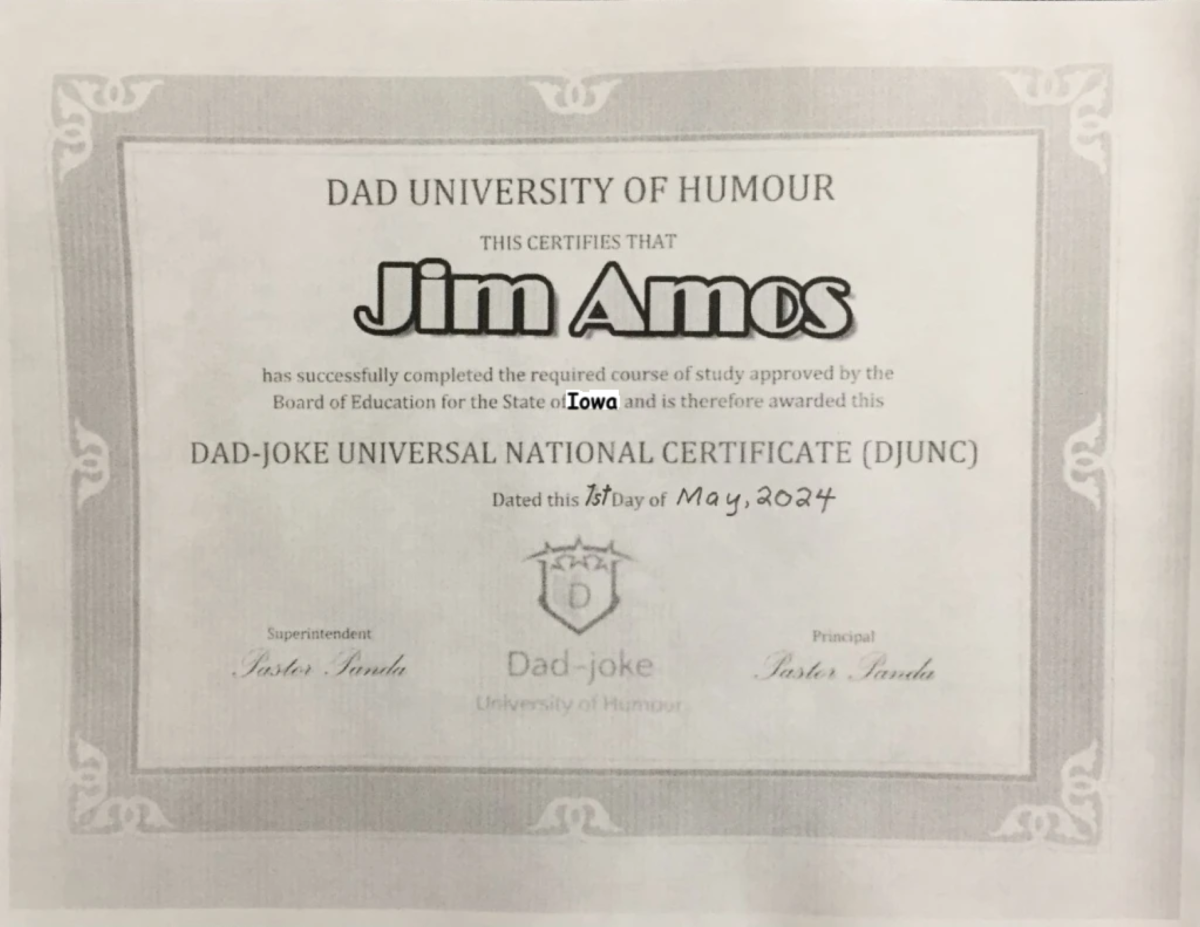
Jim Learns About Induction Cooktops

I’m learning about induction cooktops. I know I’m way late in the game. The house we bought a little over two and a half years ago came with an induction cooktop. It’s the first one we ever had; we always used gas or electric stoves.

The main topic here are the noises including clicking noises we heard when using the induction cooktop. I say “we” but I should say Sena because I am allergic to kitchens.

I had to search the internet about induction cooktops. I found out way more than I wanted to know about them. I guess I can summarize that in a few lines:

Induction cooktops:

  • They work using electricity, not gas. They generate energy from an electromagnetic field below the glass cooktop surface which transfers energy to the magnetic cookware, which causes them to heat up.
  • They’re more energy efficient than gas.
  • The electro magnetic field (EMF) they emit have not been shown to increase the risk for cancer.
  • Although some chefs say hard anodized cookware won’t work on induction cooktops, they will if the bottom of the cookware has a ferromagnetic surface (meaning it has iron in it).
  • You can tell most of the time if a pan will work on induction cookware by holding a magnet up to the bottom of it and checking to see if the magnet sticks. If the magnet sticks, you’re good to go.

I finally checked that last point about magnetism by suddenly realizing that we had a magnet. It happens to be the magnetized lid for the space holding a deck of cards and pegs on our large cribbage board. It stuck to the bottom of one of our new KitchenAid hard anodized pans.

The old pans we had clicked a lot and there are reasons for the variety of noises you can hear. Most of the websites I noticed which describe this problem also have videos about which don’t have audio. Many of the websites say that some clicking is normal. Others will make an effort to identify the cause for the noises.

Our new cookware doesn’t make any noise at all. And they heat up very quickly. You don’t need to crank up the heat and can keep the power level pretty low.

The sound of screaming is probably from the extraterrestrial you’re trying to fry. Don’t do that.

FDA VRBPAC Discussion Topics Today

The FDA VRBPAC 178th annual meeting on future Covid-19 vaccine regimens includes two main discussion topics:

“Future periodic vaccination campaigns:
Simplification of COVID-19 vaccine use:

  • Immunization schedule: Please discuss and provide input on simplifying
    the immunization schedule to authorize or approve a two-dose series in
    certain young children, and in older adults and persons with compromised
    immunity, and only one dose in all other individuals.
    Periodic update to COVID-19 vaccines:
  • Vaccine composition: Please discuss and provide input on the
    consideration of periodic updates to COVID-19 vaccine composition,
    including to the currently authorized or approved vaccines to be available
    for use in the U.S. in the fall of 2023.”

Among the members attending the web conference is University of Iowa Professor Stanley Perlman, MD, PhD, Departments of Microbiology and
Immunology, Professor of Pediatrics, Mark Stinski Chair in Virology.

The meeting is today from 8:30 AM to 5:30 PM ET.

Update: Dr. Stanley Perlman MD, PhD from the University of Iowa will be the acting voting chairman of today’s meeting.

Update: Dr. Jerry Weir gave a clarifying and practical bird’s eye view of the issue at hand which began at 2:30 PM on the live play today (the meeting is being recorded). The questions and comments for Dr. Weir by Offit, Levy, and Chatterjee were also helpful to hear.

Update: Voting Question is:

“VRBPAC Voting question
Simplification of current COVID-19 vaccine use:

  • Vaccine composition: Does the committee recommend harmonizing the
    vaccine strain composition of primary series and booster doses in the U.S.
    to a single composition, e.g., the composition for all vaccines administered
    currently would be a bivalent vaccine (Original plus Omicron BA.4/BA.5)?”

Voting Result: Unanimously upvoted.

Reminder: FDA Advisory Committee Meeting Thursday January 26, 2023 on Future of Covid-19 Vaccination Regimens

Remember, the 178th Annual Meeting of the FDA Advisory Committee on the future of Covid-19 Vaccination Regimens is this Thursday from 8:30 AM-5:30 ET.

The details so far include the voting question:

“Simplification of current COVID-19 vaccine use:

  • Vaccine composition: Does the committee recommend harmonizing the
    vaccine strain composition of primary series and booster doses in the U.S.
    to a single composition, e.g., the composition for all vaccines administered
    currently would be a bivalent vaccine (Original plus Omicron BA.4/BA.5)?”

FDA Advisory Committee Meeting to Discuss Future Covid-19 Vaccine Regimens

The FDA 178th Meeting of the Vaccine and Related Biological Products Advisory Committee will meet in open session January 26, 2023 to discuss future Covid-19 vaccination regimens. The meeting will run between 8:30 AM-5:30 PM ET.

CDC Identifies Preliminary Covid-19 Vaccine Safety Signal

The CDC announced that a prelimary Covid-19 Vaccine Safety signal has been identified in a recent update on their website:

“Following the availability and use of the updated (bivalent) COVID-19 vaccines, CDC’s Vaccine Safety Datalink (VSD), a near real-time surveillance system, met the statistical criteria to prompt additional investigation into whether there was a safety concern for ischemic stroke in people ages 65 and older who received the Pfizer-BioNTech COVID-19 Vaccine, Bivalent. Rapid-response investigation of the signal in the VSD raised a question of whether people 65 and older who have received the Pfizer-BioNTech COVID-19 Vaccine, Bivalent were more likely to have an ischemic stroke in the 21 days following vaccination compared with days 22-42 following vaccination.

This preliminary signal has not been identified with the Moderna COVID-19 Vaccine, Bivalent. There also may be other confounding factors contributing to the signal identified in the VSD that merit further investigation. Furthermore, it is important to note that, to date, no other safety systems have shown a similar signal and multiple subsequent analyses have not validated this signal:

  • A large study of updated (bivalent) vaccines (from Pfizer-BioNTech and Moderna) using the Centers for Medicare and Medicaid Services database revealed no increased risk of ischemic stroke
  • A preliminary study using the Veterans Affairs database did not indicate an increased risk of ischemic stroke following an updated (bivalent) vaccine
  • The Vaccine Adverse Event Reporting System (VAERS) managed by CDC and FDA has not seen an increase in reporting of ischemic strokes following the updated (bivalent) vaccine
  • Pfizer-BioNTech’s global safety database has not indicated a signal for ischemic stroke with the updated (bivalent) vaccine
  • Other countries have not observed an increased risk for ischemic stroke with updated (bivalent) vaccines”

The CDC says it’s “very unlikely  that the signal in VSD represents a true clinical risk…” The data and additional analyses will be discussed at the January 26, 2023 meeting of the FDA’s Vaccines and Related Biological Products Advisory Committee.

No changes are recommended to the current Covid-19 vaccination practice:

“CDC continues to recommend that everyone ages 6 months of age and older stay up-to-date with COVID-19 vaccination; this includes individuals who are currently eligible to receive an updated (bivalent) vaccine. Staying up-to-date with vaccines is the most effective tool we have for reducing death, hospitalization, and severe disease from COVID-19, as has now been demonstrated in multiple studies conducted in the United States and other countries:

  • Data have shown an updated COVID-19 vaccine reduces the risk of hospitalization from COVID-19 by nearly 3-fold compared to those who were previously vaccinated but have not yet received the updated vaccine.
  • Data have shown that the updated COVID-19 vaccine also reduces the risk of death from COVID-19 by nearly 19-fold compared to those who are unvaccinated.
  • Other preliminary data from outside the U.S. have demonstrated more than 80% protection against severe disease and death from the bivalent vaccine compared to those who have not received the bivalent vaccine.

Overall safety data for the bivalent COVID-19 vaccines are available here.

Once again, no change is recommended in COVID-19 vaccination practice, which can be found here.”

Bivalent Covid-19 Booster Protects Us

University of Iowa Health Care participated in research which demonstrates that people over age 65 who got the updated bivalent Covid-19 vaccine booster:

  • “84% less likely to be hospitalized with COVID-19 compared with unvaccinated people 
  • 73% less likely to be hospitalized with COVID-19 compared with people who received monovalent mRNA vaccination alone but had not received the bivalent booster dose.”

Catatonia: A Special Case in Civil Commitment for Psychiatric Disorders

Dr. George Dawson had an outstanding blog post on New Year’s Eve, “The Rights Versus Treatment Debate.”

It reminded me of a special case of medical/psychiatric illness: Catatonia. Catatonia can lead to deadly consequences, which can lead to conflicts between psychiatrists and lawyers. Moreover, it can also affect insurance reimbursement, although I usually didn’t have to haggle with managed care entities about it.

For a brief, informal review of catatonia, refer to my post “Delirium and Catatonia: Medical Emergencies.”

It’s a complex neuromotor disorder that often comes on abruptly, often as a complication of a mental disorder such as major depression or bipolar disorder (manic-depressive illness). It can also appear in the context of medical illness as well, or as an adverse event linked to a certain class of medications known as antipsychotics. The latter is called Neuroleptic Malignant Syndrome (NMS). The syndrome is marked by a number of behavioral abnormalities, including but not limited to the following:

  • Being mute or simply repeating what is said
  • Being immobile or displaying purposeless agitation
  • Displaying motor abnormalities that include the tendency to maintain very uncomfortable postures for long periods of times, called “waxy flexibility”.

Among the medical complications of the disorder are deep vein thromboses (blood clots which can travel to the lungs), dehydration due to inability to eat or drink, kidney failure from the breakdown of muscle tissue in the body, and respiratory failure requiring ventilator support and tracheostomy. Morbidity and mortality are high, especially if the preferred treatment is not administered quickly.

The point is that patients with catatonia can be a danger to themselves and trigger requests by psychiatrists for involuntary orders for psychiatric hospitalization to ensure their safety. Because the behavior of such patients is often bizarre, abrupt, and fluctuating, it can lead to hesitation by lawyers and judges to seek commitments to locked psychiatric units. There is often disagreement about how to treat them.

As a consultation-liaison psychiatrist (CL-P) I often encountered catatonia in the general hospital. I was often called urgently because patients stopped talking, eating, and moving. Sometimes they assumed bizarre postures. One is the pillow effect. The patient lies in bed with his head just above the pillow, often for long periods of time—which looks strange and uncomfortable.

While benzodiazepines (often injectable) can “break” the catatonic spell, the effect can be transitory despite initially looking like a miraculous cure. Often the treatment of choice is electroconvulsive therapy (ECT). There can be resistance to applying this treatment because of stigma around the intervention itself and concern that an underlying medical condition might be the cause of catatonia. It might not make sense to some lawyers that a “psychiatric treatment” could stop the manifestation of a medical illness. Another complication is that some of these patients need a combination of medical support and psychiatric treatment which in some cases might best be carried out in a medical-psychiatry unit. This is a specialized ward which is not available in many hospitals, but offers both acute medical and acute psychiatric care.

Catatonia, whether it’s because of psychiatric or medical causes is an emergency, and a potentially life-threatening condition. As I mentioned, the treatment of choice happens to be electroconvulsive therapy (ECT). Depending on the state code, physicians are often faced with navigating a confusing set of legal opinions about how ECT can be applied in order to satisfy the legal requirements of the mental health code. This can prolong the time it takes to apply ECT and often time is of the essence. The longer it takes to satisfy the legal requirement (civil commitment or establishment of legal guardianship), the higher the risk for medical complications or death from catatonia.

A typical case representative of the issue starts with a patient who presents to physicians with the catatonic syndrome. Because the medical complications can be a compelling simultaneous comorbid factor along with the psychiatric antecedents, or because they can be the major presenting problem in the case of NMS, attention is often drawn to those initially.

What seems to follow is an effort to conceptualize the syndrome as being a consequence of either a medical or a psychiatric disorder. This may be the source of the differing legal interpretations of how to apply ECT. In both cases, the patient is unable to consent for the procedure. Some attorneys and judges, dependent on the jurisdiction, will tell psychiatrists and other physicians that they can proceed with ECT without a commitment order, and that all that is really needed is next-of-kin consent.

Other legal authorities may restrict this permission to situations in which NMS occurs, mainly because it has all the attributes of a serious medical illness which requires emergency treatment. Other authorities extend permission to treat catatonia on an involuntary basis when the syndrome is not due to medications or medical illness but due to psychiatric illness if a commitment process is in progress, but no order for commitment is yet rendered.

Still other authorities insist that both next-of-kin consent and a commitment order are necessary. Add to this the alternative requirement that permission for ECT could be granted by someone with legal guardianship (or in some cases, Durable Power of Attorney for Health Care Decisions), either given by an emergency legal process for the express purpose of getting permission to apply ECT or previously ordered by the court—and the procedural requirements could then become a paralyzing morass of restrictions that delays emergency care of the patient.

The differences in interpretation of some state codes regarding mental health commitments and the dualistic way in which physicians and legal professionals tend to think about catatonia, i.e., “is it medical or is it psychiatric?”, may be two factors that contribute to the logistical difficulties we often encounter trying to treat the condition. The stigma surrounding mental illness and ECT is probably another factor.

When emergency treatment requiring a medical procedure for a more typical medical illness (such as acute coronary syndrome or ACS) is needed, the treatment would typically be done immediately. When emergency treatment for catatonia is requested, legal procedures can go on for many days—while the patient and family suffer. Yet the risk for harm from some invasive emergency treatments for ACS may be significantly higher than the risk for harm from ECT for catatonia. The risk of dying from the complications of catatonia can be very high when ECT is delayed by only a few days. But delays longer than that are not unusual. Many would be outraged at a two-week delay in performing a cardiac catheterization.

If we avoid dichotomizing catatonia as either medical or psychiatric, and instead think of it as a life-threatening emergency for which an effective treatment is available, would that help patients get more prompt access to the intervention? And if that were done, could some state mental health codes change in any way to reflect the change in our conceptualization?

The argument probably is not that simple. The issue of what to do if the patient refuses treatment after treatments have begun once she is able to express a choice remains. Administering ECT for a patient who is unresponsive and who may die without it is not as problematic as deciding how to continue the treatments once the patient begins responding to ECT. Based on the respect for the principle of autonomy, in some jurisdictions current practice and statute prohibit continuing ECT without a court order or court-appointed guardian’s permission if the patient becomes alert during the course of ECT and states a preference not to undergo further treatments. Under some laws, if the patient simply states this preference, she is presumed to retain decisional capacity.

The clinician has few choices: find an alternative treatment the patient will accept voluntarily, seek court commitment, or have a guardian appointed who can decide on the patient’s behalf. The patient’s clinical condition will, in some cases, guide the decision. If the catatonia has completely resolved, meaning a sustained recovery has occurred (although the definition of “sustained” can certainly be debated), it may not be necessary to insist on further ECT. If the catatonia has not resolved, the clinician will need to demonstrate that a decisional capacity assessment reveals that the patient, in fact, lacks capacity regarding the issue of the need for continuing treatment of catatonia.

The aforementioned factor of how to address the change in the patient’s willingness to continue ECT may be one of the reasons why some jurisdictions insist on having a commitment in place prior to starting the treatments in the first place. It may ensure the ability to continue the treatments when needed without a gap in time that may lead to deterioration in the patient’s condition—at the expense of up-front delays in order to get the legal groundwork laid.

Ironically, the up-front delays may in fact lead to the very deterioration in the patient’s condition all stakeholders wish to avoid. Current treatment guidelines indicate early intervention with ECT is recommended for malignant or excited-delirious forms of catatonia. They also point out that those with chronic catatonia usually fail to respond as quickly or as completely to ECT, arguing for “early diagnosis and appropriate intervention” (Bhati, Datto et al. 2007).

If physicians and attorneys could agree on the principle above, then a mechanism for allowing emergency ECT for these patients may be conceivable. It could combine the strategies that authorities may disagree on. One scenario might be permitting emergency ECT on the authority of next-of-kin (NOK) decision alone initially, arguably when it would matter the most regarding the timing of the intervention. This strategy would allow for emergency ECT without making a distinction between medical or psychiatric causes of catatonia, since the morbidity and mortality often are virtually the same regardless of etiology. If the patient recovers completely after one or two treatments, and refuses further ECT, there may not be a reason to file for commitment since catatonia can resolve after very few treatments.

If the patient recovers full ability to respond and chooses to refuse further ECT, but there is reason to doubt she retains full decisional capacity to make rational choices about the treatment, it may be advisable to file for commitment. This would be more likely when the catatonia is due to a severe mood episode, which typically takes more than one or two ECT treatments to effect full resolution of symptoms.

These examples represent only a point of departure in the discussion. The “devil is in the details” to be sure. However, at the very least, these suggestions might allow enough of an intervention to “break” the catatonia early enough and long enough to interrupt what could be a relentless spiral into the life-threatening complications of catatonia.

Bhati MT, Datto CJ, O’Reardon JP. Clinical manifestations, diagnosis, and empirical treatments for catatonia. Psychiatry (Edgmont). 2007 Mar;4(3):46-52. PMID: 20805910; PMCID: PMC2922358.

Sasquatch Playing Cards Arrive!

We got our Sasquatch playing card deck! The images of Bigfoot are strikingly similar to the carved image on our new Sasquatch cribbage board. And they both resemble the image of Patty, the female Bigfoot supposedly captured on 16mm film back in 1967 by Bob Gimlin.

That’s the legendary Patterson-Gimlin video of Bigfoot. There are two opposing views on the existence of Bigfoot which I think are probably influenced by Patty.

The TV show, The Proof Is Out There, aired an episode of experts who talked a lot about evidence for Bigfoot. I watched the show, which ran on December 3, 2021. The Daily Mail UK ran a big story about it. I honestly can’t remember what they decided.

On the other hand, there are a few people who claim to know for a fact that a guy has admitted that he put on a stinky monkey suit and played the part of Patty—and said he’s blowing up the whole thing because he never got paid for doing it. That was way back in 2004, and the story is all over the internet.

I tend to be skeptical about most things like Bigfoot and extraterrestrials. I’m not exactly saying they don’t exist.

But why can’t anyone find a corpse, roadkill, or a definite fossil of Sasquatch? Is that why people are starting to call Bigfoot an interdimensional being, coming and going through a wormhole vortex? And why does everybody still pay attention to the tale?

I think it’s because just about everybody likes a good story—which is what Bigfoot has always been.

The Proof Is Out There Airs Debunked Rerun of Simulated Reality

I watched one of my favorite TV shows last night, The Proof Is Out There, and I was surprised to see the rerun of a debunked segment from last year. It was the simulated reality spot in which a photo of a girl showing her reflection in a mirror with apparently two different facial expressions was determined to be an “unexplained phenomenon.” Even the forensic video expert was fooled.

It was the same photo that was debunked on the show last September because an alert viewer notified the show it was a smartphone camera trick which was done in panorama mode. The effect had been known for years. I duplicated the trick and published a post about it, entitled “Proof of Simulated Reality—Or Cool Camera Trick?”

I sent an email to the show this morning and got an automated reply indicating the Proof Team received it, and indicating they might reply.

We’ll see. Anyway, Sena and I made updated weird pictures. I think motion creates artifact—which itself can look pretty cool (see the featured juggling photo in which we minimized it).

Listen to Dr. Wes Ely, MD on Talk Radio Europe Discuss His Book: Every Deep-Drawn Breath

Listen to Dr. Wes Ely on the show Talk Radio Europe as he talks about the devastating consequences of severe disease that results in admission to critical care units, specifically in the context of the Covid-19 Pandemic.

The title of the presentation is “Understanding the Long Shadow of COVID and ICU Care.”