I'm a retired consult-liaison psychiatrist. I navigated the path in a phased retirement program through the hospital where I was employed. I was fully retired as of June 30, 2020. This blog chronicles my journey.
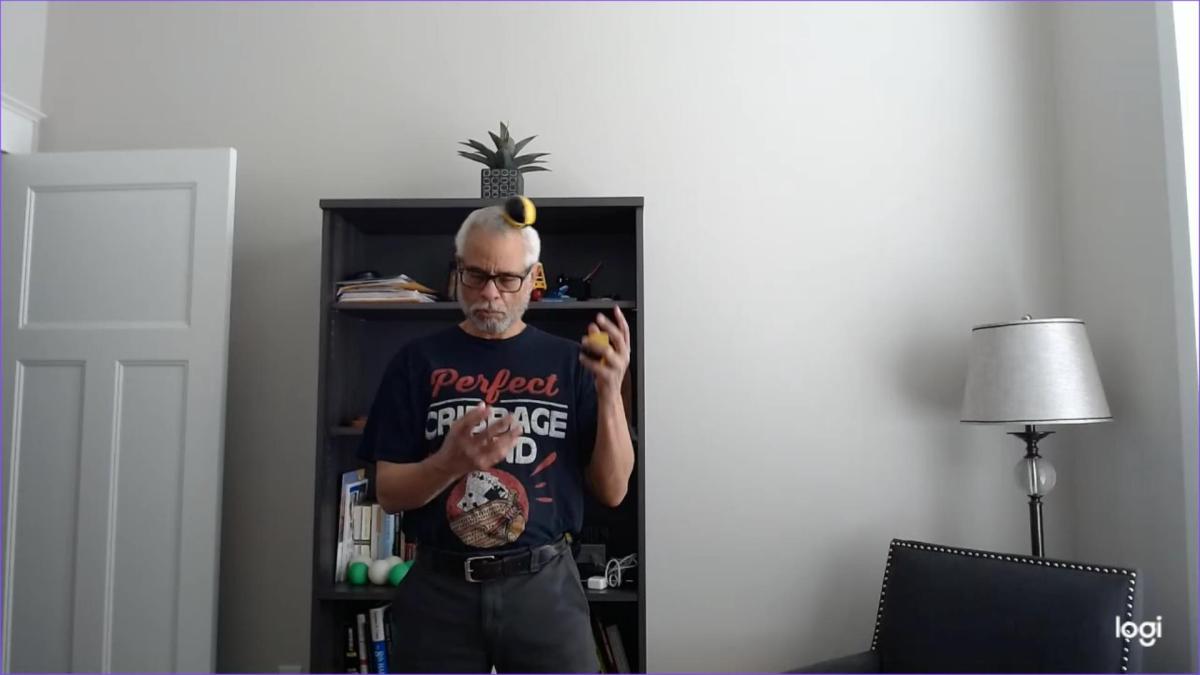
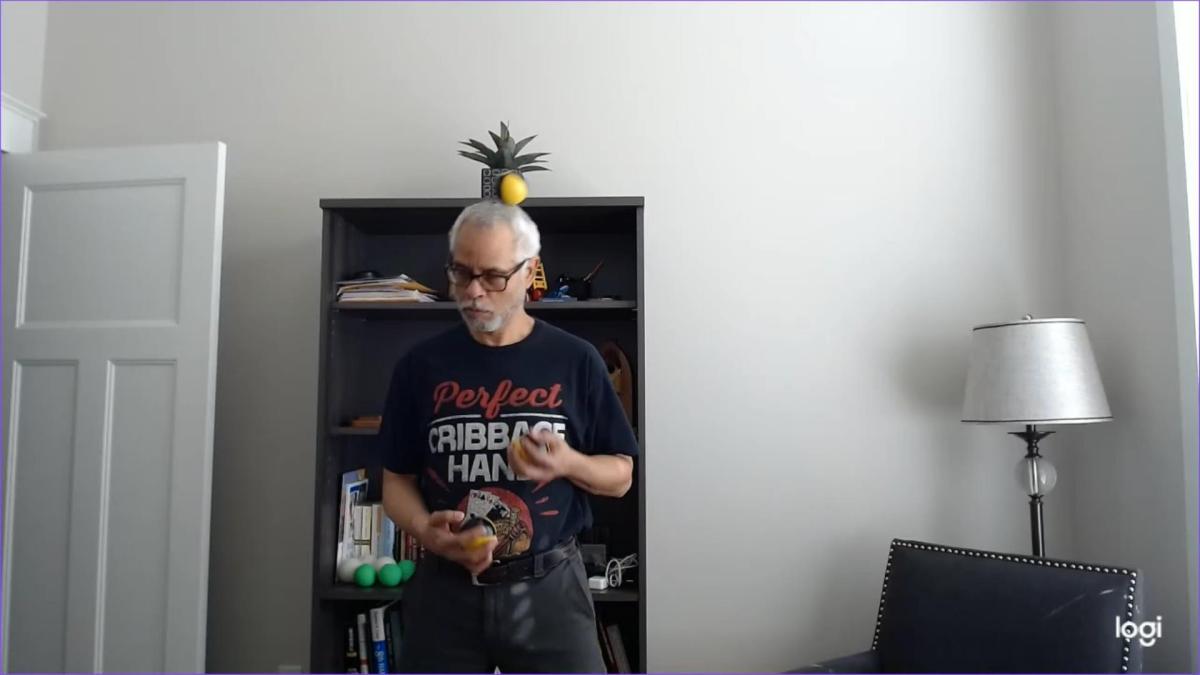
Today, I spent a lot of time practicing the shower juggling pattern. I didn’t know it at the time, but I invented a new variation of the shower: the hula. I made a video of it and about a minute and a half into it, I noticed I was doing the pattern wrong.
It looked like I was doing the hula! I was trying to get the horizontal pass across at first and was doing OK—until I wasn’t.
I think part of the reason was that I was tired of making only a couple of throws at a time. Doing the hula seemed to raise my average.
I’ve been practicing the shower juggling pattern. I’m combining at least a couple of different methods, which may or may not be helping me improve.
I’m using JuggleMan’s advice about trying to get some extra space in between the balls so I feel less rushed. I’m also trying to use Taylor Glenn’s method of combining the vertical and horizontal tosses.
Using both looks pretty ugly. So, what else is new? My horizontal transfers look snappier but are lopsided according to some experts. I consciously try to hold my dominant slapping hand up higher to avoid the gradual sloping up to a half shower flip up. That up slope often causes mid-air collisions between balls on one side. And I’m getting a little extra space in between the throws, so I’m starting to get one or two extra throws.
I’ve been learning to juggle since last October. It’s fun but definitely not easy. All the stuff about machine learning and artificial intelligence in the news lately got me wondering whether AI can learn to juggle.
It turns out that people have been working on this for years. I gather it takes a while to teach a robot how to juggle. Making a robot able to teach juggling would probably take a very long time. I don’t think it’s as fun to watch a robot juggle as it is watching a person juggle.
Juggling isn’t a very practical skill, although if you’re a really talented juggler you can make a little spare change busking with juggling. A machine doesn’t need spare change and doesn’t appreciate admiration.
By the way; John Henry was a steel-driving man. He beat the steam powered drill, a machine—and sacrificed his own life doing it. Machines don’t understand sacrifice.
I saw an interesting article published in Nature about the homunculus being outdated because of a new brain MRI study indicating that there’s a mind-body connection between the motor cortex and neural networks controlling planning and thought. There’s a mouthful for you.
It makes me wonder about a few things. For example, can I improve my juggling skills simply by thinking about it? Actually, I spend quite a bit of time both practicing juggling and thinking about it.
Sena has recently started thinking about and practicing juggling. And I made a little video about the cascade practice in an effort to help her get unstuck from the 3-ball toss and catch at the 1-2-3 and catch stage. It’s a slow-motion video of me demonstrating the 1-2-3-4 and catch stage. It’s intended to help her visualize how to let go of that pesky ball in her non-dominant hand after the third toss.
The implications of the new brain study for helping patients recover from the effects of stroke are fascinating.
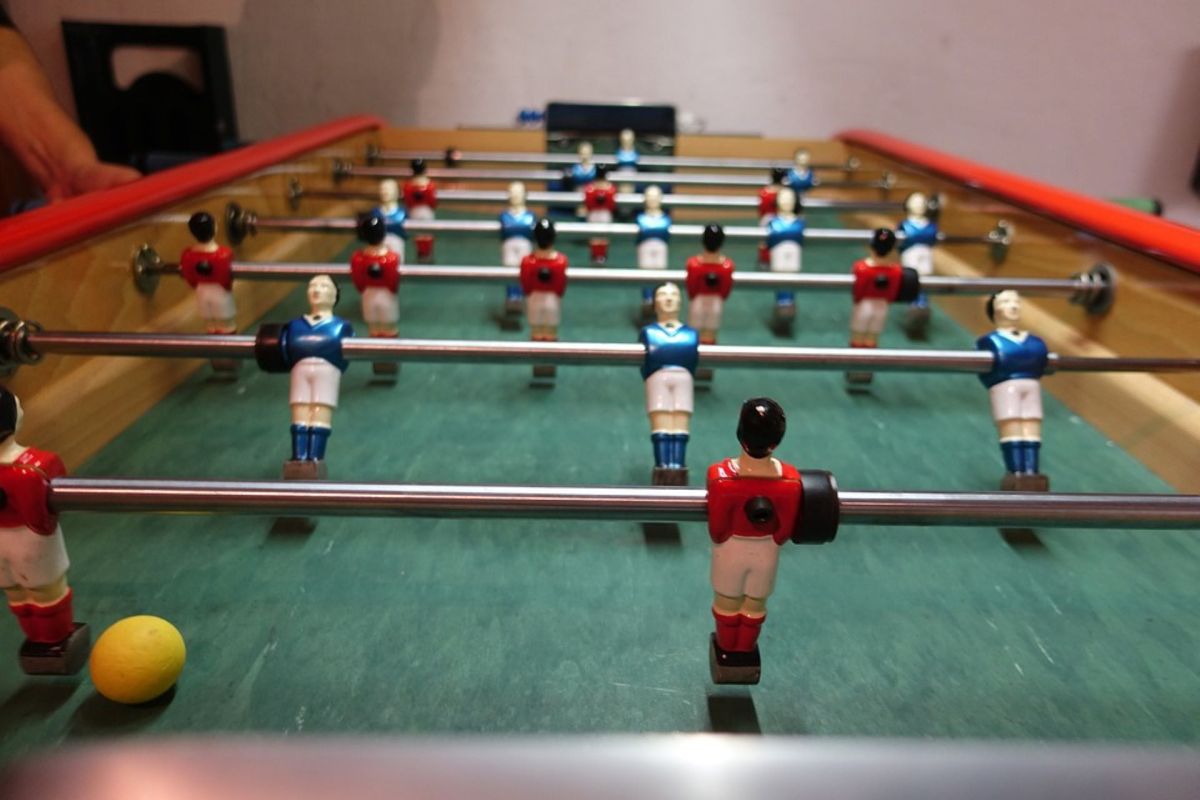
It reminded me of the game foosball. What do you mean you never heard of foosball? It’s a table football game which was enormously popular in the 1970s. You could probably find one in any bar, along with pong, a sort of electronic table tennis game that was also popular in the ‘70s.
The foosball table was usually located at the back of the bar, across the mandatory squishy carpet and kitty corner from the bathroom.
You could never get on the foosball table at one of the local bars in my hometown. It was always monopolized by a gang of local tough guys who would slam the ball so hard into the goal slot you’d swear it would burst through the end of the table.
In a way, it was a good thing foosball occupied those guys. It distracted them from what they liked to do most of the time, which was to bash anyone who got in their way. I think foosball might have cut down on the number of bar fights in small towns.
There was this guy I used to work with who told me stories about bar fights, some of which he enthusiastically got involved in—when he was younger, of course. Somebody named Stumpy (or maybe Stubby?) was a friend of his who had a wooden leg and never missed a chance to mix it up despite his prosthesis. When a fight broke out in a bar, Stumpy would just back into a corner, brace the wooden leg against a wall and whale away at anyone dumb enough to throw a punch at him.
But when foosball tables got installed, the tough guys tended to take out their aggression by slamming balls. You could always spot a foosball gang. They braced themselves, one leg back and one knee sort of braced against the table. They could twirl the little men with great skill and could fake, pass, and finally kick the ball like a rocket into the goal. It was often sort of a grim spectacle. They didn’t look like they were enjoying themselves so much as making believe they were tearing people apart limb from limb.
I’m not sure where the foosball neural network is in the brain, but I’m pretty sure it’s on the hands of the homunculus in the motor cortex.
That’s also probably where the juggling network is.
I’ve been practicing the shower juggling pattern and progress has been slow. Part of the problem is that it’s a difficult pattern and very fast. I have trouble getting elements of it solid.
For example, I tend to make the horizontal transfer from my non-dominant hand more of a toss-up. That makes it look more like a shallow half-shower.
I tried to compensate today by trying to hold my left hand a little higher. That helps a little. But then I have to toss the balls higher, which is difficult to get just right. I drop a lot of balls. But then I usually do. I’ll have to work pretty hard to get more than just a couple of throws in.
It’s pretty ugly, but that’s the name of my YouTube section—Ugly Juggling.
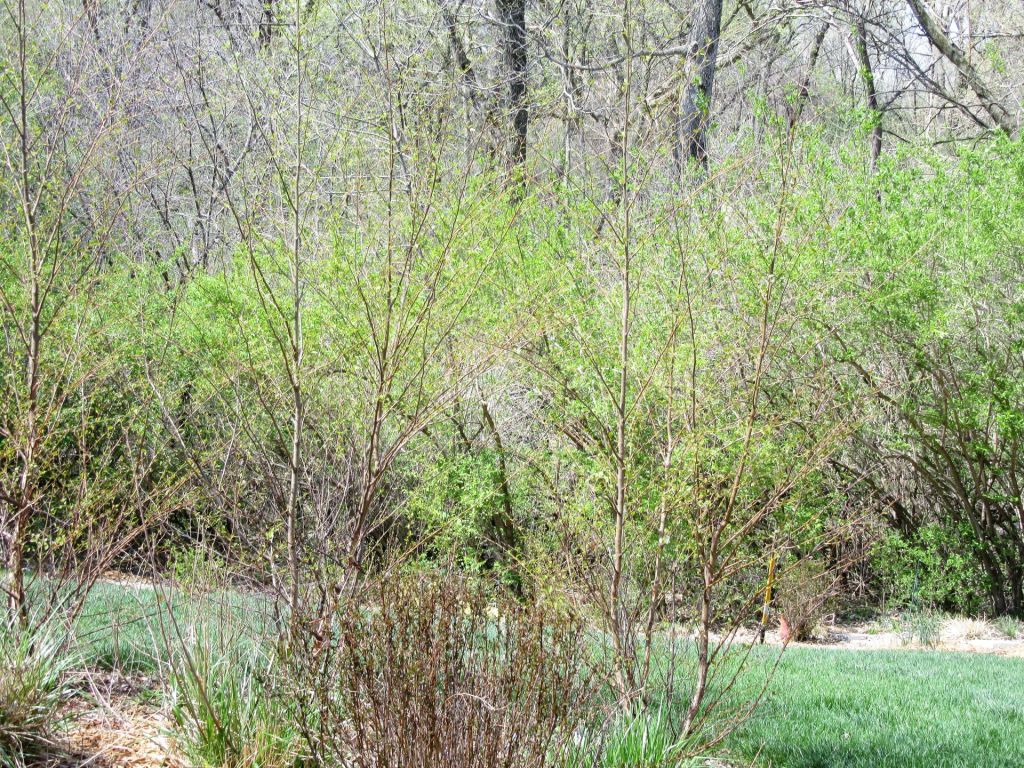
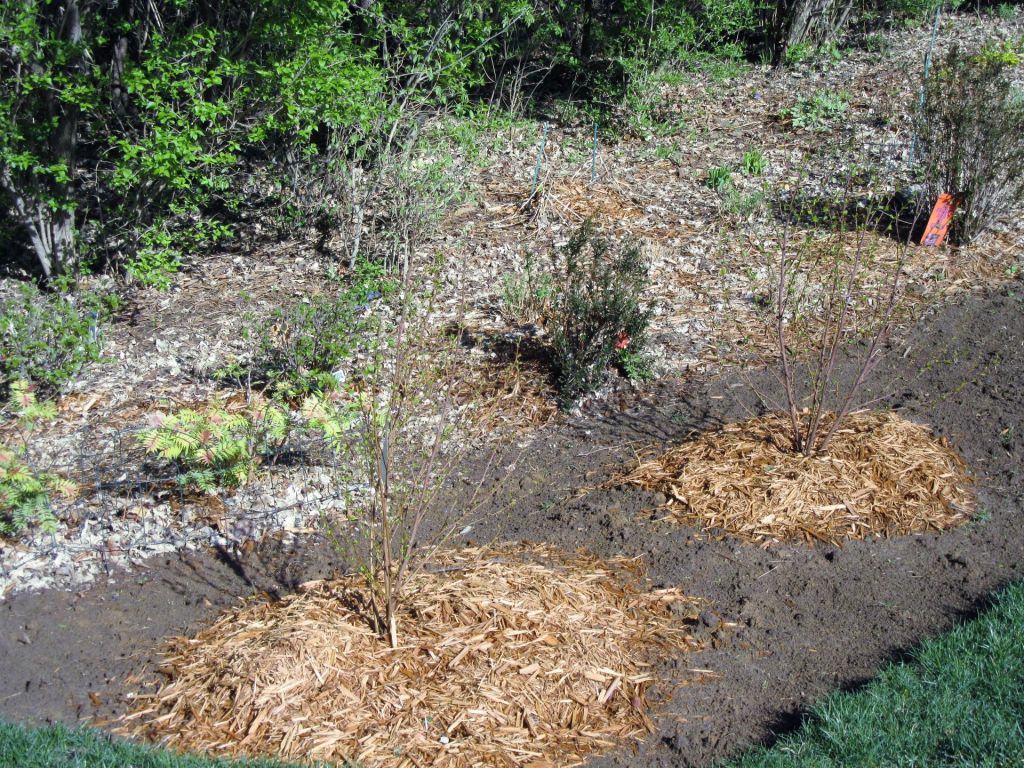
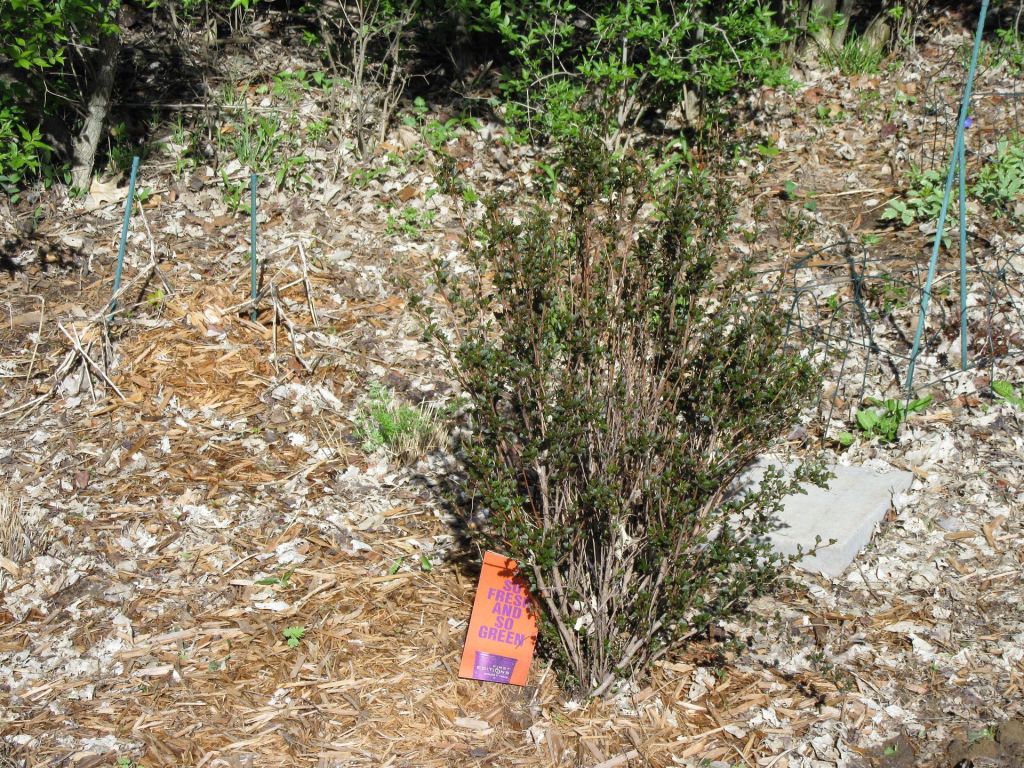
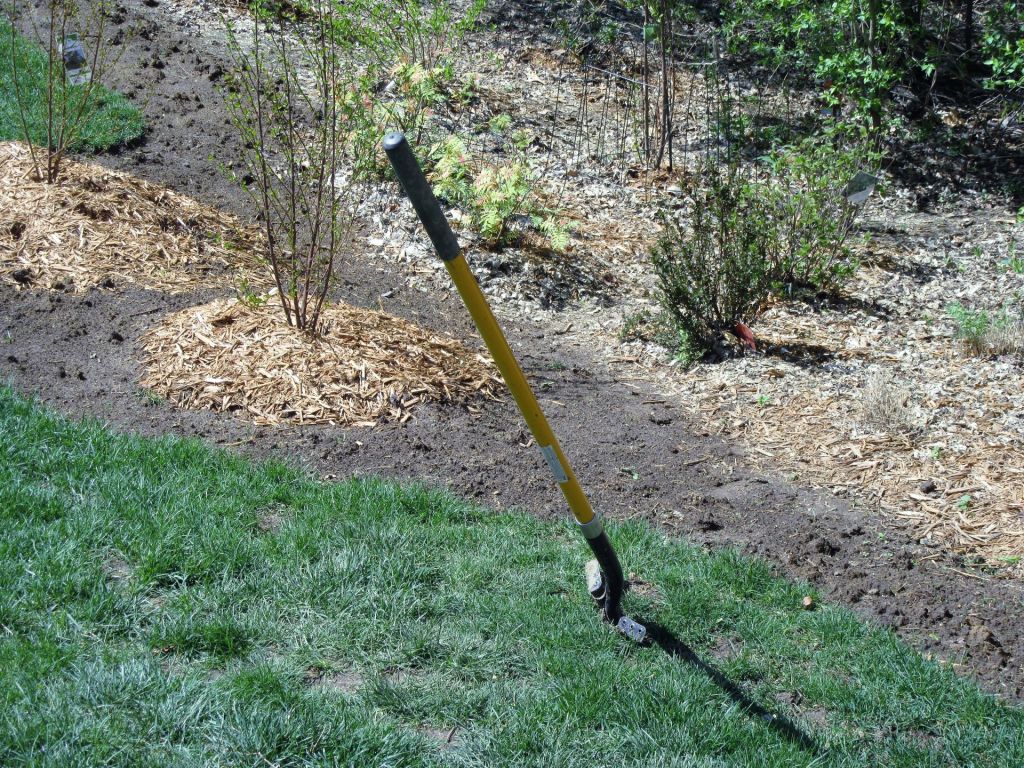
Happy Earth Day! Yesterday, Sena worked pretty hard out in the garden spaces. She has planted ten river birch trees. I did my usual spring lawn edging, which followed the first mow of the season a couple of days before by the lawn mowing service.
The vinca is coming up in the garden circle in our back yard. It reminds me of a time many years ago when I chopped a bunch of vinca out of a substantial portion of the back yard of a previous house. This became Sena’s first big garden. We’ve moved several times since then and there have been a number of other gardens.
True, vinca is invasive and I think it’s also called creeping myrtle or periwinkle. I found out later after I chopped out a few bushels of it that the plant has organic compounds called alkaloids which inhibit the growth of certain cancers. Vincristine and vinblastine are approved for use in the United States.
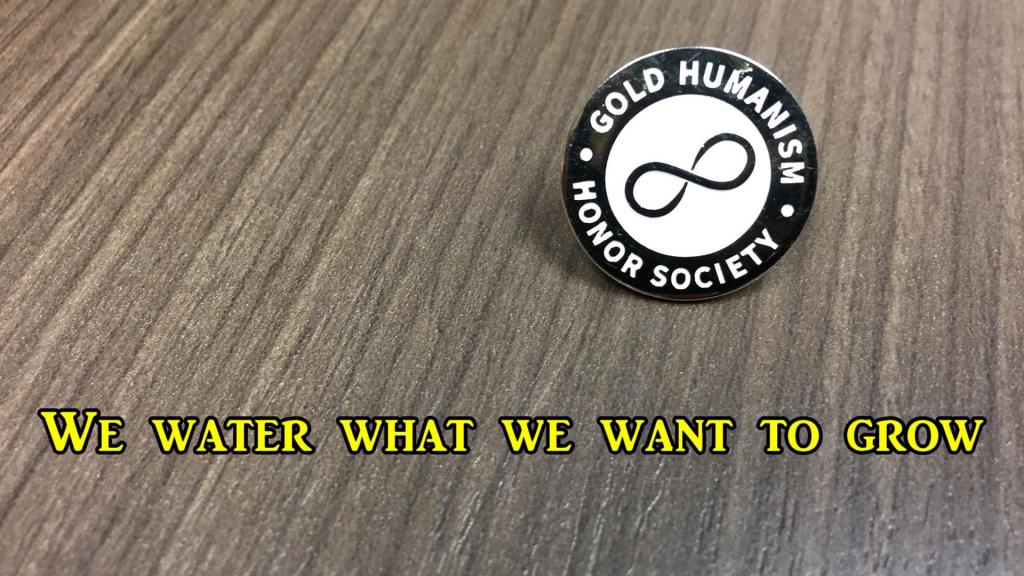
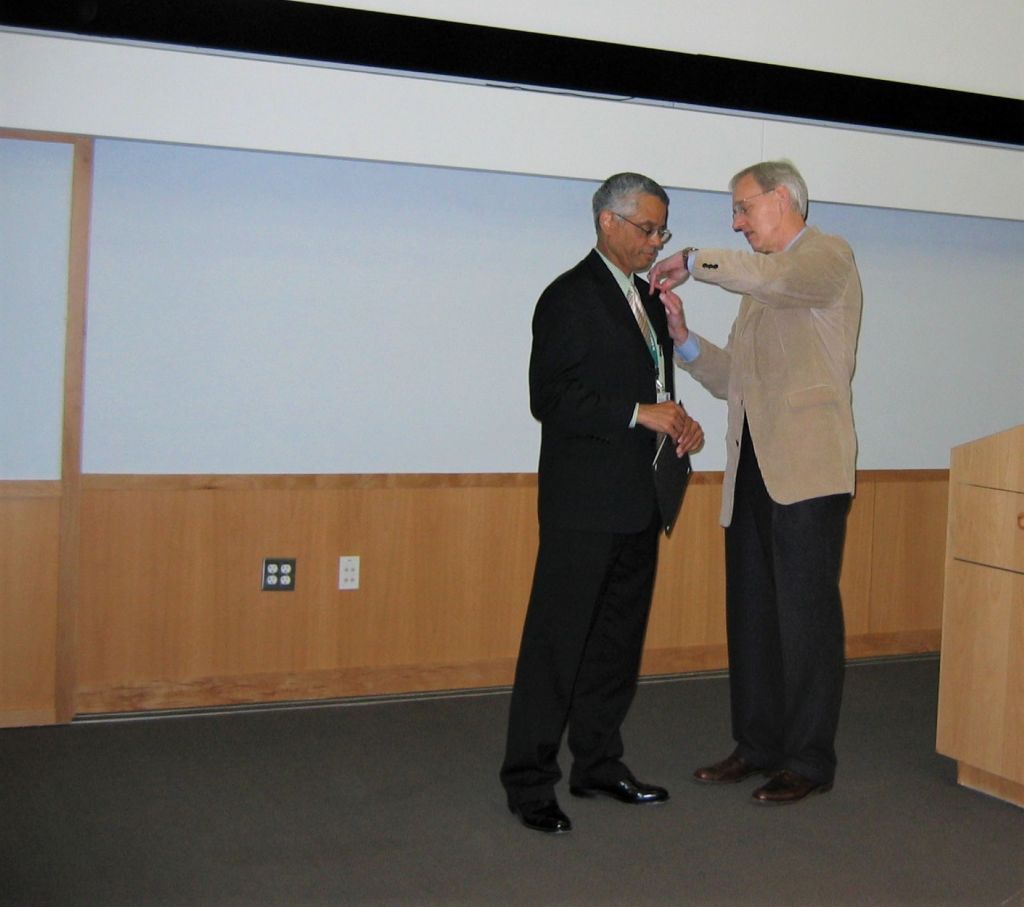
The reason I’m mentioning vinca is that way back early in my career as a consultation-liaison (C-L) psychiatrist at The University of Iowa Hospitals & Clinics, I dimly recall giving a short acceptance speech for winning a Leonard Tow Humanism in Medicine award from the Arnold P. Gold Foundation in 2006. I was nominated for it by one of the psychiatry residents and another faculty member.
Getting the Leonard Tow Humanism in Medicine pin
In my speech I mentioned cutting out all of the vinca (which I thought was a weed) in the back yard. I was pretty proud of getting that job done—until Sena got home and found out. She was less than thrilled about my accomplishment and explained that vinca was not a weed. In fact, she wanted it to grow.
Vinca
I still have the speech and one of the points I made was, “…we water what we want to grow.” The speech is below:
Good morning distinguished guests including graduating medical students, Dean______.
Today we gather to reward a sort of irony. We reward this quality of humanism by giving special recognition to those who might wonder why we make this special effort. Those we honor in this fashion are often abashed and puzzled. They often don’t appear to be making any special effort at being compassionate, respectful, honest, and empathic. And rewards in society are frequently reserved for those who appear to be intensely competitive, even driven.
There is an irony inherent in giving special recognition to those who are not seeking self-aggrandizement. For these, altruism is its own reward. This is often learned only after many years—but our honorees are young. They learned the reward of giving, of service, of sacrifice. The irony is that after one has given up the self in order to give back to others (family, patients, society), after all the ultimate reward—some duty for one to accept thanks in a tangible way remains.
One may ask, why do this? One answer might be that we water what we want to grow. We say to the honorees that we know that what we cherish and respect here today—was not natural for you. You are always giving up something to gain and regain this measure of equanimity, altruism, trust. You mourn the loss privately and no one can deny that to grieve is to suffer.
But what others see is how well you choose.
I didn’t write down the anecdote about the vinca. I think I was also trying to make the point that vinca can be thought of as an invasive “weed” as well as a pretty garden plant. Furthermore, while the vinca alkaloid (for example, vinblastine) can be an effective treatment for some cancers, it can also cause neuropsychiatric side effects, which can mimic depression. That’s where a C-L psychiatrist could be helpful, showing how medicine and psychiatry can integrate to move humanism in medicine forward.
Anyway, ever since then, vinca has often been a part of Sena’s garden, including the one where we live now. And, whenever we walk on any of the trails in Iowa City or Coralville, we always notice it carpeting the woods.
We can probably apply the little law “we water what we want to grow” to many things in life. We can choose to apply it to the world in which we live by creating a safe home to shelter a happy family, doing useful work in the garden while practicing kindness, gratitude, and patience.
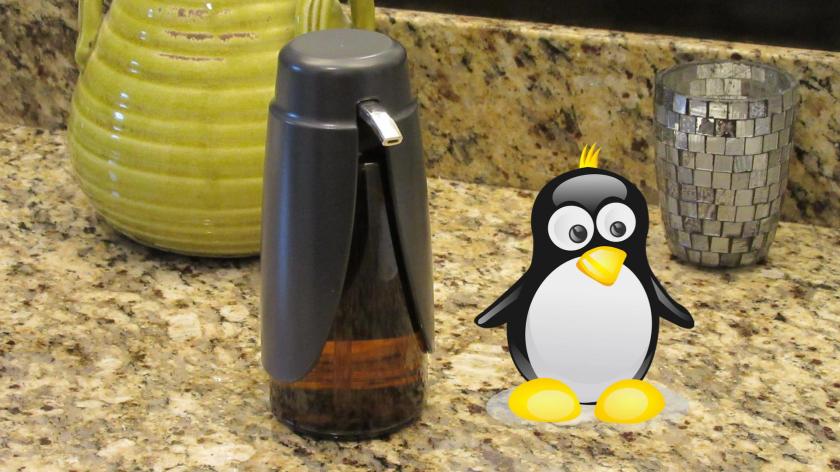
We got a few new items lately. One of them is an AIKE Touch-Free Automatic Soap Dispenser. It’s rechargeable and has 5 settings for how much soap to dispense. The two setting is plenty good, especially for a sudsy dishwashing liquid like Dawn.
I don’t think AIKE is an acronym. I looked up AIKE and it has a number of meanings. One of them is “a hooked or crooked person” derived from the Viking settlers of ancient Scotland. One way to pronounce it (British) rhymes with the word “ache.” It can also mean “sword.” If you’re looking for a good first name for a baby boy, I suggest you look for something other than AIKE. Maybe Jim.
You should avoid waving anything other than a sponge or your hand under AIKE. It’s not fussy about who or what it squirts on.
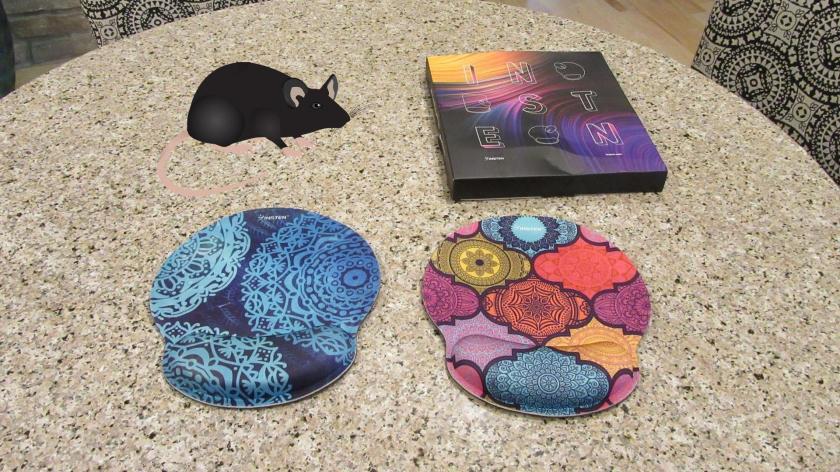
We got a couple of new mouse pads. The old ones were looking ancient. These are snazzy and have bright colors. They’re made by Insten. Their website doesn’t say much about the company other than it has been around since 2014 and they make “top-of-the-line accessories for the hottest electronic devices.”
Their mouse pads are pretty hot. They are quite psychedelic, and you could get dizzy if you look at them too long.
We also got a hand soap pump dispenser which one reviewer said reminded her of a penguin. It only sort of reminds me of a penguin. You can buy a hand soap dispenser that more realistically resembles a penguin, but I’m not sure why you would do that. Penguins are filthy creatures, even when they are babies. The parents regurgitate fish into their mouths and that’s sort of what the dispensers mimic.
Yesterday morning we saw a big wild tom turkey decked out in all his feathered glory strut his stuff in front of a likely hen. He was regal. He was graceful. He was proud.
He was rejected.
I read a little bit on the web about what happens when the tom scores. The tom and the hen sort of dance around each other in a circle. That would have been dandy.
I watched an episode of Mysteries at the Museum the other night and attributed a clever prank that fooled thousands of people to a comedian named Buck Henry who persuaded thousands of people into believing that naked animals were destroying the morality of Americans. The show’s host rightly claimed that Buck Henry posed as a man named G. Clifford Prout, a man on a mission to save morality by creating a bogus identity and organization called The Society for Indecency to Naked Animals (SINA). In 1959, Buck Henry fooled about 50,000 people into joining the organization.
However, last night I found out that the real mastermind of the ruse was a guy named Alan Abel, a genius prankster and satirist whose complicated and hilarious hoaxes were so outlandish, I can’t imagine why I had never heard of him.
Abel was brilliant at skewering the gullibility of people. This is where I reveal my own opinion of the passing off of Artificial Intelligence (AI) as the solution to all of society’s problems. I have seen for myself that the Google Bard AI is not even very smart, failing basic geography. I pointed out its errors in a few posts earlier this month. Then, I read a news item in which a prominent tech company CEO mentioned that Bard is a simple version of AI and that waiting in the wings is a much more powerful model. Did the CEO write this because many users are finding out that Bard is dumb?
Or is the situation more complicated than that? Is the incompetent and comical Bard being passed off to the general public in an effort to throw business competitors off the scent? Are there powerful organizations manipulating our gullibility—and not for laughs?
My wife, Sena, and I are both skeptical about what to believe in the news. In fact, I think many of the news stories might even be made by AI writers. I didn’t suspect this when I wrote the post “Viral Story Rabbit Holes on the Web” in December of 2022. After trying to converse with Bard, it makes more sense that some of the news stories on the web may be written by AI. In fact, when I googled the idea, several articles popped up which seemed to verify that it has been going on, probably for a long time.
All of this reminds me of an X-Files episode, “Ghost in the Machine” The main idea is that an evil AI has started killing humans in order to protect itself from being shut down. The AI is called the Central Operating System. The episode got poor reviews, partly because it wasn’t funny and partly because it too closely resembled 2001: A Space Odyssey.
But the fear of AI is obvious. The idea of weaponizing it in a drive to rule the world probably underlies the anxiety expressed by many.
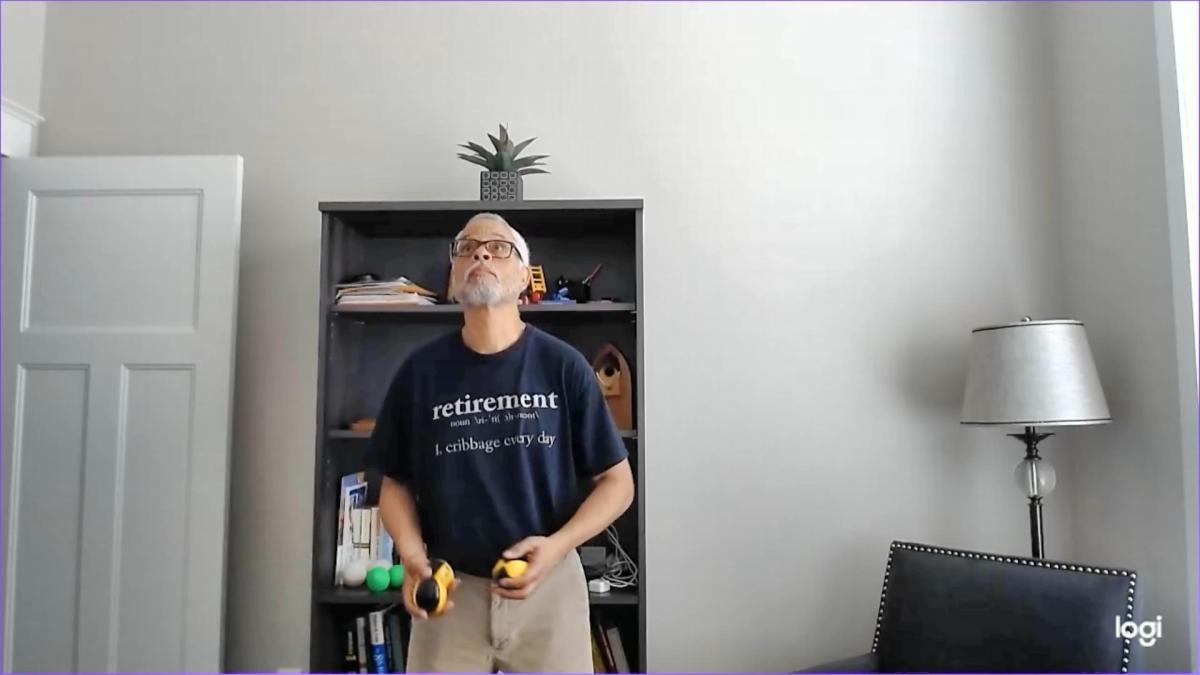
Sena is a flashy juggler now, OK! She is now able to do the 3-ball throw and catch (for the cascade eventually), and in my Learn to Juggle manual, that means she is now juggling.
She counts the throws, pays attention to the juggler’s pane of glass (the juggle space) and just generally has a good time.
She has been diligently practicing and is now wondering the same thing I wondered (as I am wondering now about the shower pattern).
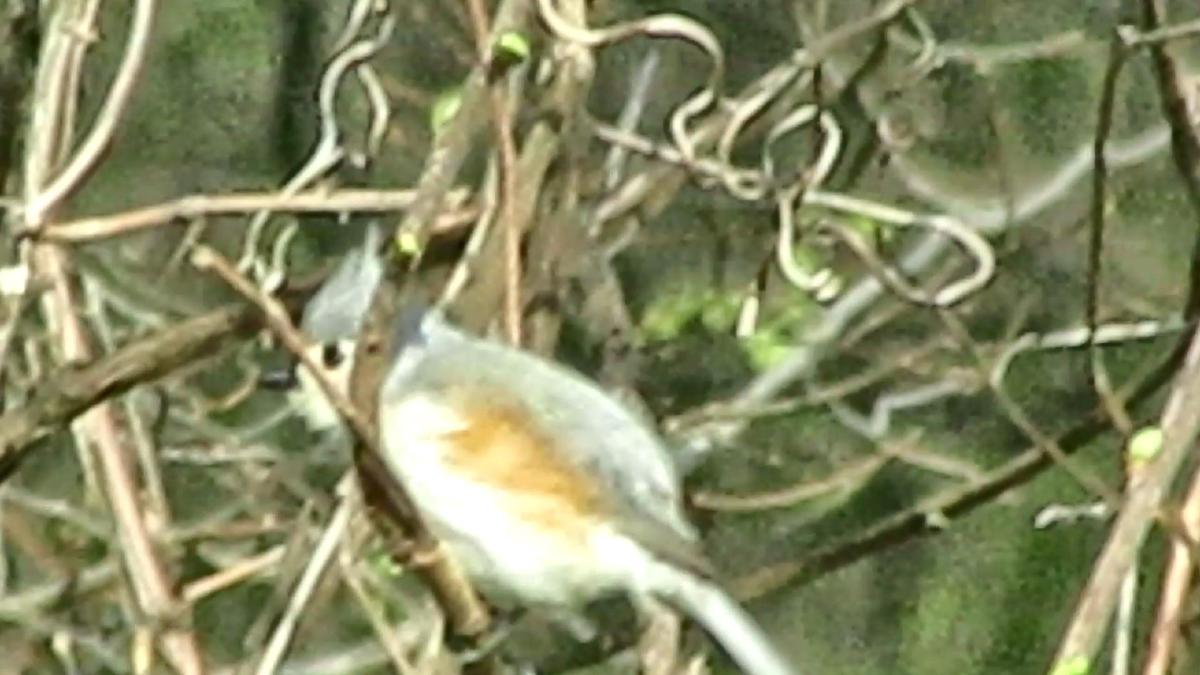
Once in a while when I’m filming wildlife, I get an odd feeling that the animal somehow knows it’s being watched. It looks up and seemingly right at the camera.
I got that feeling while making a short video of a Tufted Titmouse the other day. It seemed to stare at me while I filmed it through the window. A tree branch was in front of it and it was really tough to get a clear shot of its face. It looked like it was playing a peekaboo.
Some people say the bird has a friendly face. It also appears to be coy. The name titmouse just means “a small bird.” They’ll pull hairs from sleeping dogs, cats, and squirrels to line their nests.











 Go Retire Psychiatrist