
Getting Enough Sleep for the Most Important Person in the World: You

So, what’s on the menu for Mental Health Awareness today? It’s what some experts call sleep hygiene and there are all kinds of lists on the internet telling you how to get enough sleep.

I think you’re OK with focusing on helpful tips that seem right for your age, your temperament, and your life and work setup. I’m going to focus on my age group. I’m a retired psychiatrist in my 70s and maybe AARP is a good place to start for me.

This reminds me. I’ve looked at several lists of sleep aids on the web. Everybody has a list. You know what I notice? Nobody has a list including what to do about a snoring bed partner. We’re on our own here and I don’t have a one size fits all solution. I’ve even blogged about how this is a challenge in our life. Eventually we opted for separate bedrooms. I don’t think it helps to keep this topic taboo and not being able to find solutions for snoring on a list of options for dealing with insomnia is too bad. Psychiatrists have a word for this—denial.

OK, so AARP’s list is otherwise reasonable. Oh, the other thing I need to mention which many people younger than I am might not think of is some kids couldn’t take a nap during rest time in kindergarten. I guess kindergarten still exists as a grade level prior to first grade. It was the only one in which nap time was compulsory. I flunked it. My teachers could not understand that. So, I started out being an insomniac early in life.

Anyway, AARP has 8 tips on the list for sleeping better:

  1. Fret strategically: OK, I admit I’ve been a worrier ever since kindergarten when I could not take a nap when the teachers demanded it. I seemed to get into situations that increased the risk for worrying and insomnia, like going to medical school, residency, and beyond. Actually, because I was born an insomniac, I did OK on call in the hospital—except on slow nights. I was always vigilant for the pager to go off. The first night I was on call on the medical-psychiatry inpatient unit, I didn’t sleep a wink all night. My problem was I fretted non-strategically. I was always worrying about what I was going to do when (not if) a patient with serious acute medical problem and delirium hit the unit. But now that I’ve been retired and I’m never on call—I still have trouble sleeping.
  2. Wind down together: Sena and I do something a little like that although we like to watch different kinds of TV programs in the evening. That’s why we have two TVs. She tends to flip channels a lot, while I tend to stick to one or two channels. We’re not necessarily on the same page when it comes to what to watch either. I watch Svengoolie movies which comes on MeTV (short for Memorable Entertainment Television), which is a network for older folks. Don’t you hate that word “folks”? No? You must be younger than me. It hardly makes a difference what you watch on TV. In a typical hour-long show, after every 10 minutes of program, you get interrupted by about 5 minutes of 8-15 inane commercials. Sometimes the volume of the commercials gets a lot louder. Bottom line here is that I think the suggestion of complimenting each other in the evening is a great idea. It’s better than watching anything on TV.
  3. RISE and shine: The acronym RISE stands for: R to refrain from hitting the snooze button; I means to increase your physical activity level; S to splash your face with cold water, and E to expose yourself (Hmmm, no, wait that’s wrong; that could get you arrested). It’s actually E to expose yourself to sunlight. At first glance, this seems counterintuitive for helping you sleep, but the idea is to get energized right away in the morning and to stay that way until you drop from sheer exhaustion.
  4. Here comes the sun: Trying to get enough natural sunlight can be challenging but it’s important to get you set in the cicadian rhythm. Oops, that would be the rhythm of the cicada, which is a bug that spends most of its life underground and comes up every 13 years or so to drive people nuts with an incessant buzzing noise that keeps you awake. What I mean is the circadian rhythm, the 24-hour cycle which keeps you awake during the day and asleep at night.
  5. Appreciate yourself: Try to focus on who appreciated you and expressed gratitude to you. Forget this if you live in New York City. You need to stay alert because any second someone could try to shove you into the path of an oncoming subway car. Actually, gratitude is a real thing and letting yourself welcome this gift could help you sleep better at night. It could also make you happier during the day.
  6. Can’t sleep? Get out of bed: It’s really common to just lie in bed and maybe try counting sheep or Meerkat turds, but that won’t help you sleep. You need to leap out of bed and do some powerlifting! No, don’t do that. Try sitting up and reading for a while, something that will be dead certain to put you to sleep in seconds, like Robbins Pathologic Basis of Disease textbook, preferably the 7-pound 3rd edition with 1,467 pages, which I had to slog through in medical school. No one should go unpunished.
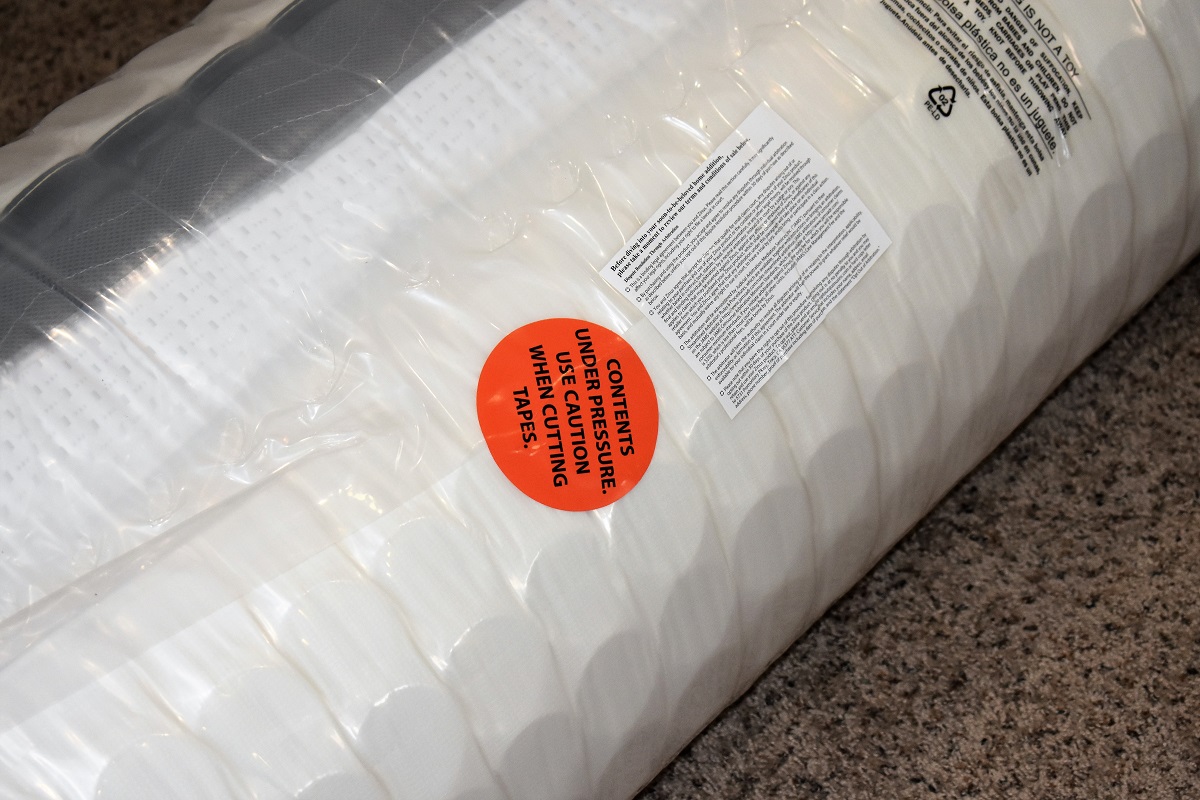
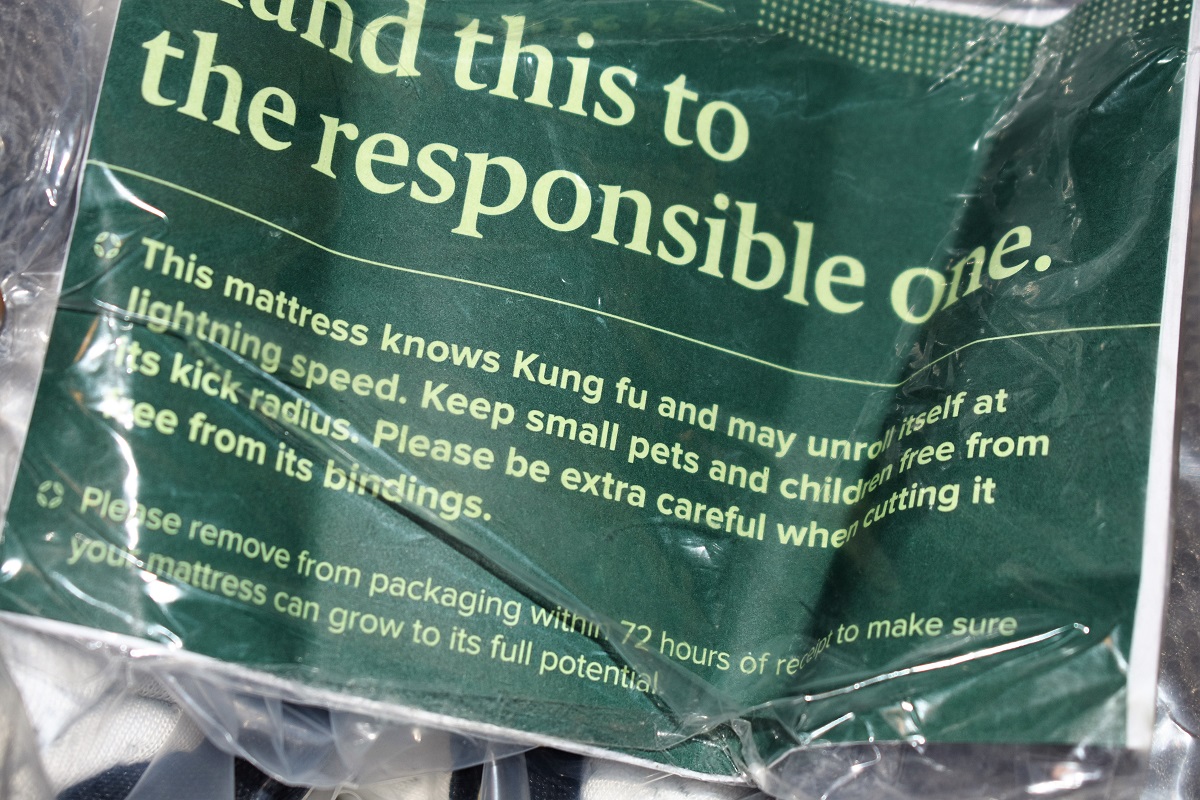
  7. Consider your mattress: if your mattress is too soft or too hard it can interfere with sleep. On the other hand, there’s one more hazard. If you get a mattress in a box, and you don’t follow directions about unpacking it, that thing might just snap open and give you a concussion. The one we got for the snoring problem came with a warning note (and I am not making this up): “This mattress knows Kung fu and may unroll itself at lightning speed. Keep small pets and children free from its kick radius. Please be extra careful when cutting it free from its bindings.”
  8. Take baby steps: Don’t expect too much of yourself in changing your old habits too fast just to get a good night’s sleep, especially if you’re an old person. Remember what Benjamin Franklin said: “Sleep is overrated.”

Thank you for your time.
All I Want is a “Big-Ass Neuralyzer”

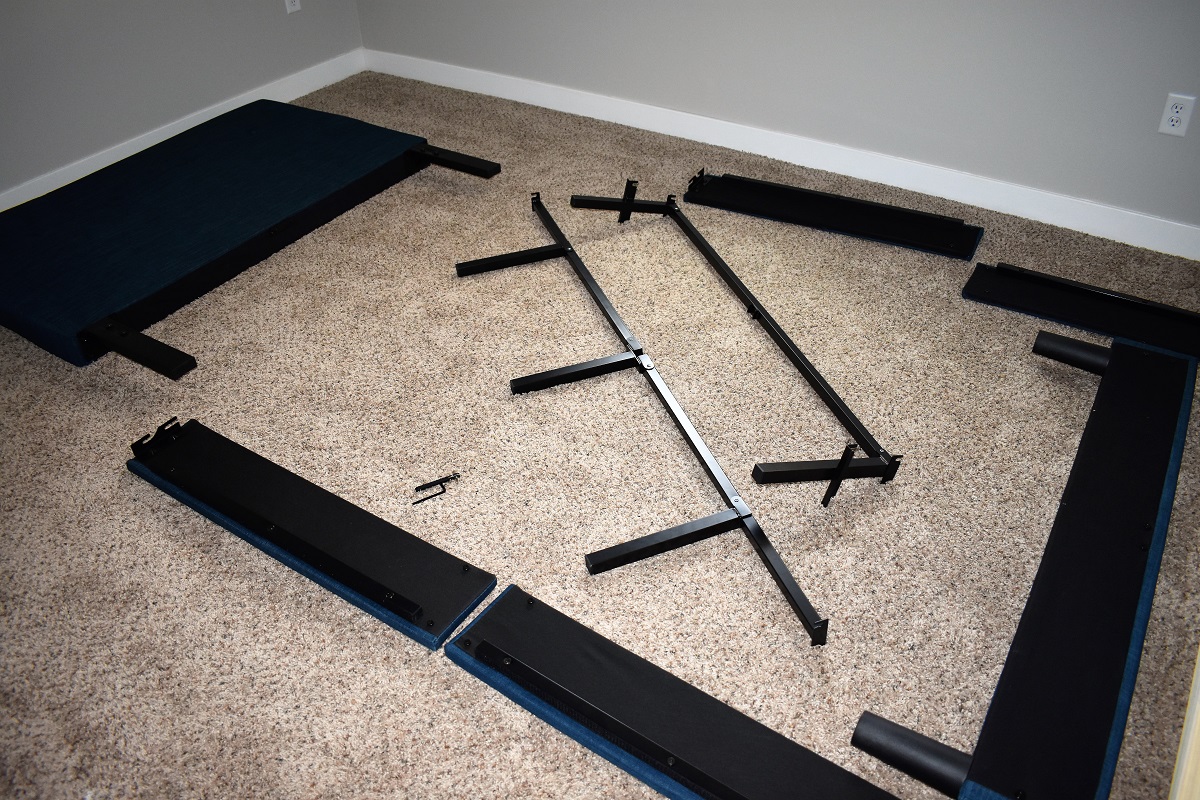
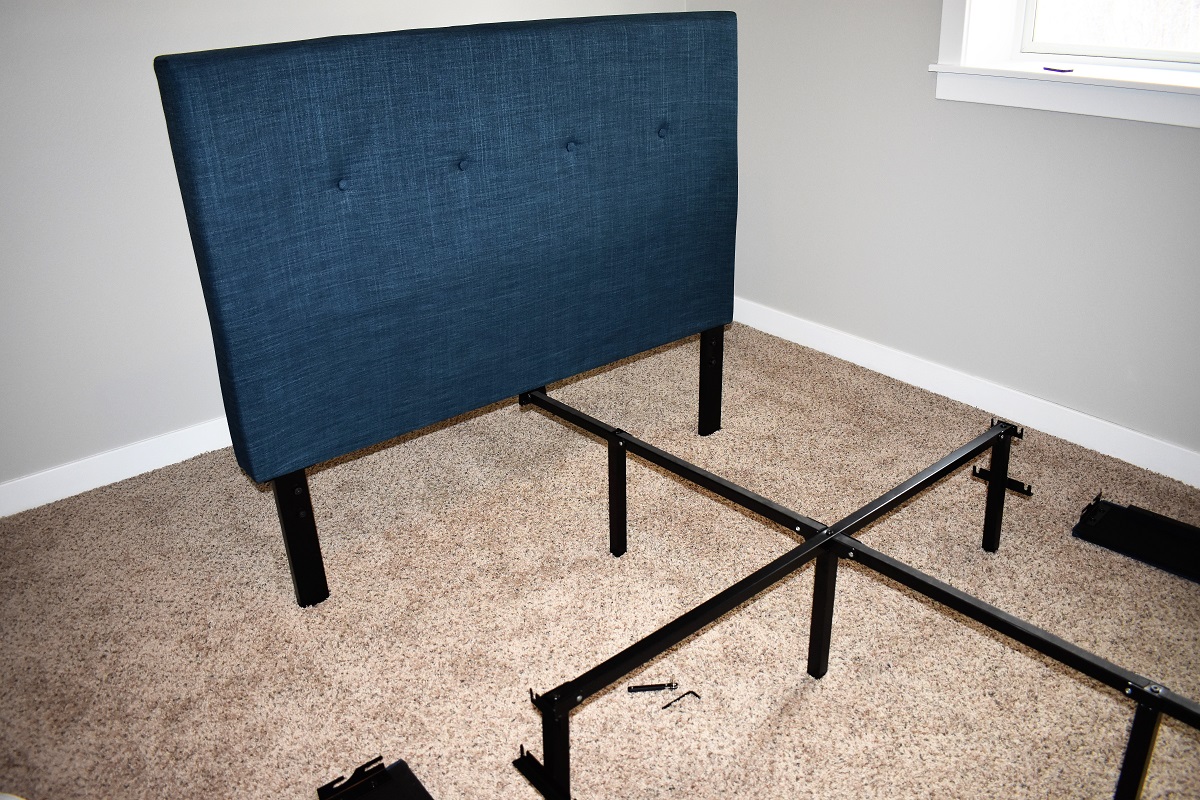
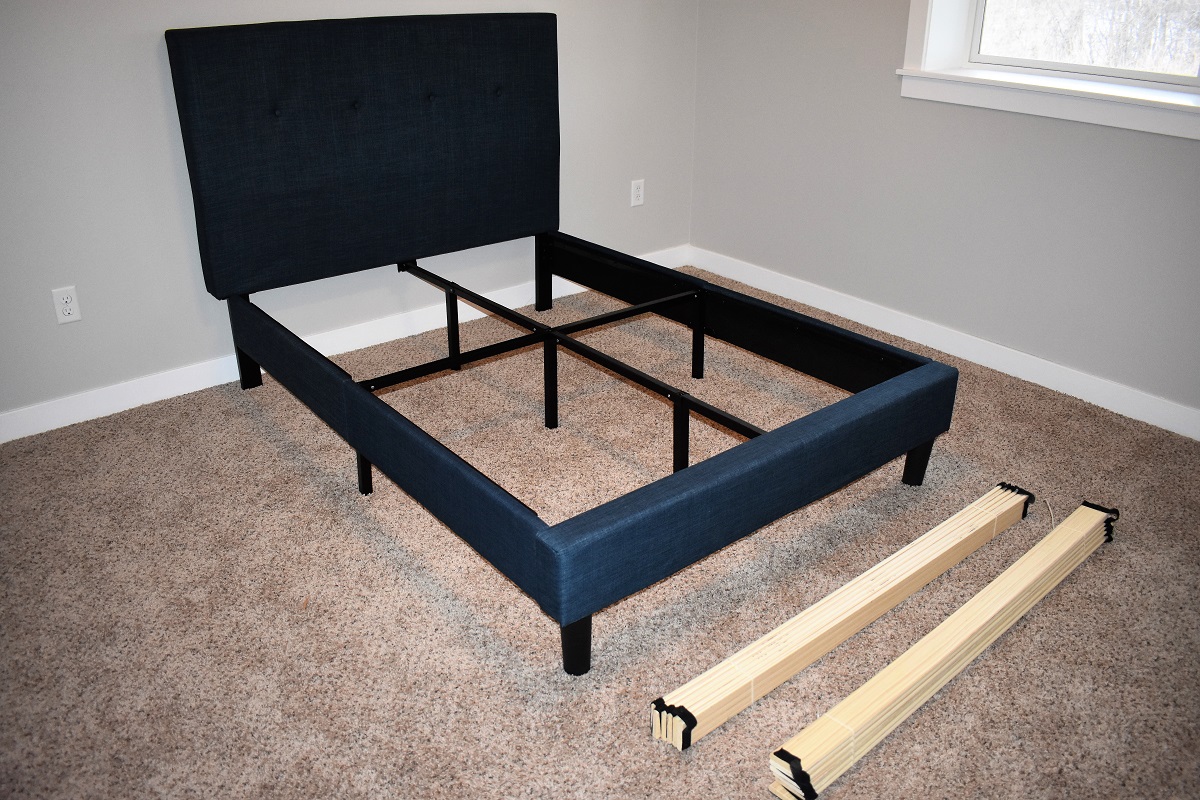
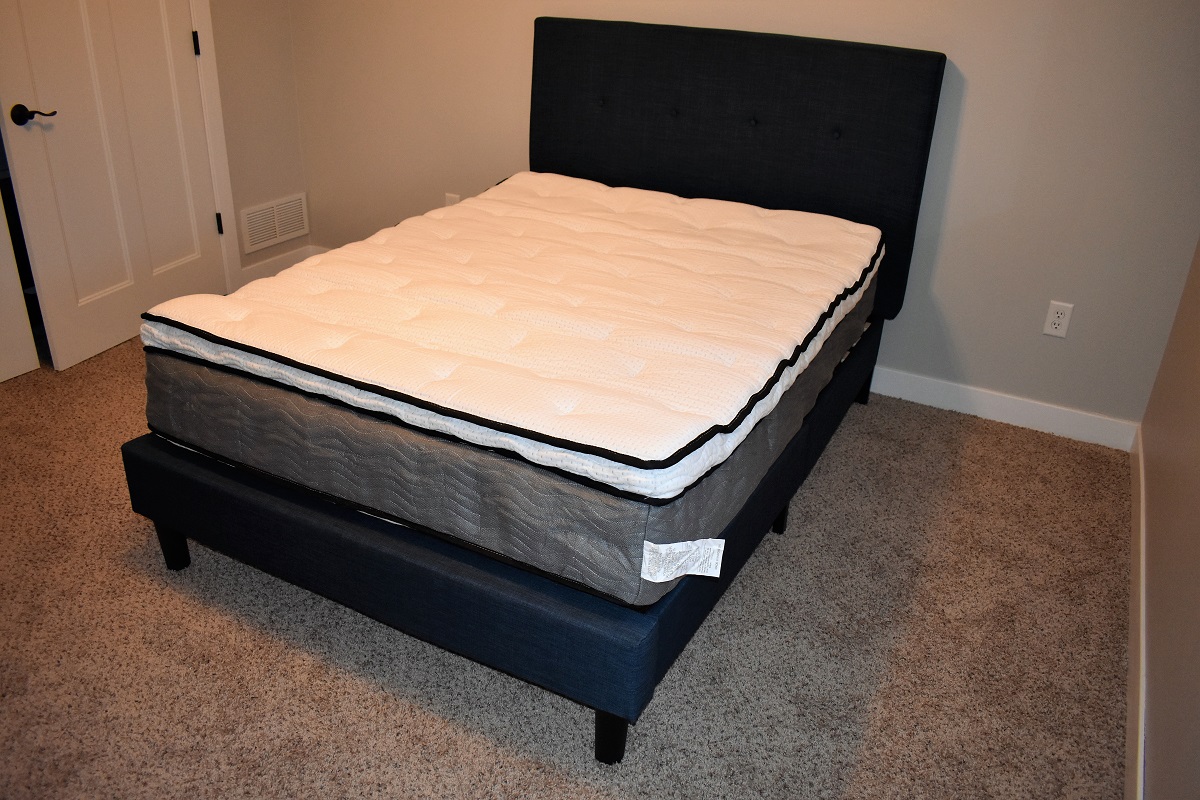
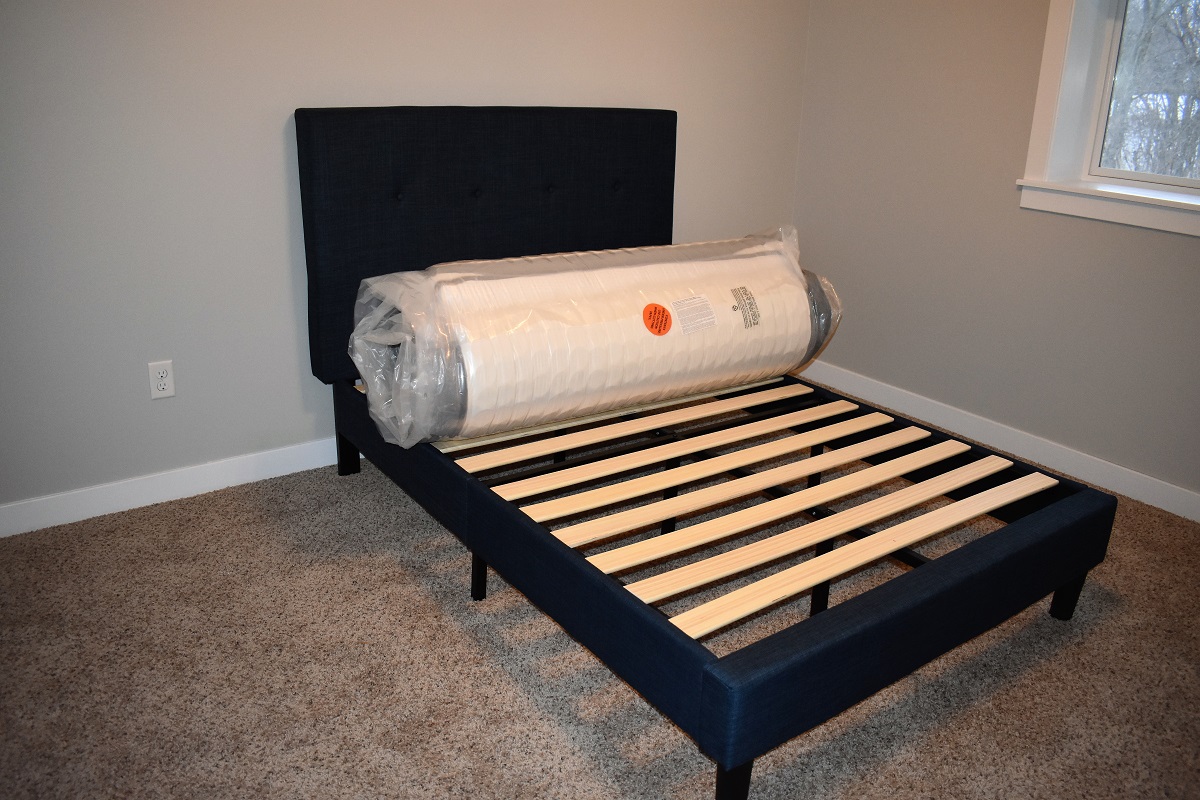
OK, we gave up on the wedge concept for eliminating or even mitigating the snoring problem. We bought an “extra bed” for those nights when sawing logs gets above the decibel level gets above pain level. We didn’t have to spend thousands of dollars because we got a DIY project. We figure it’ll be far better than trying to get by with the air mattress.

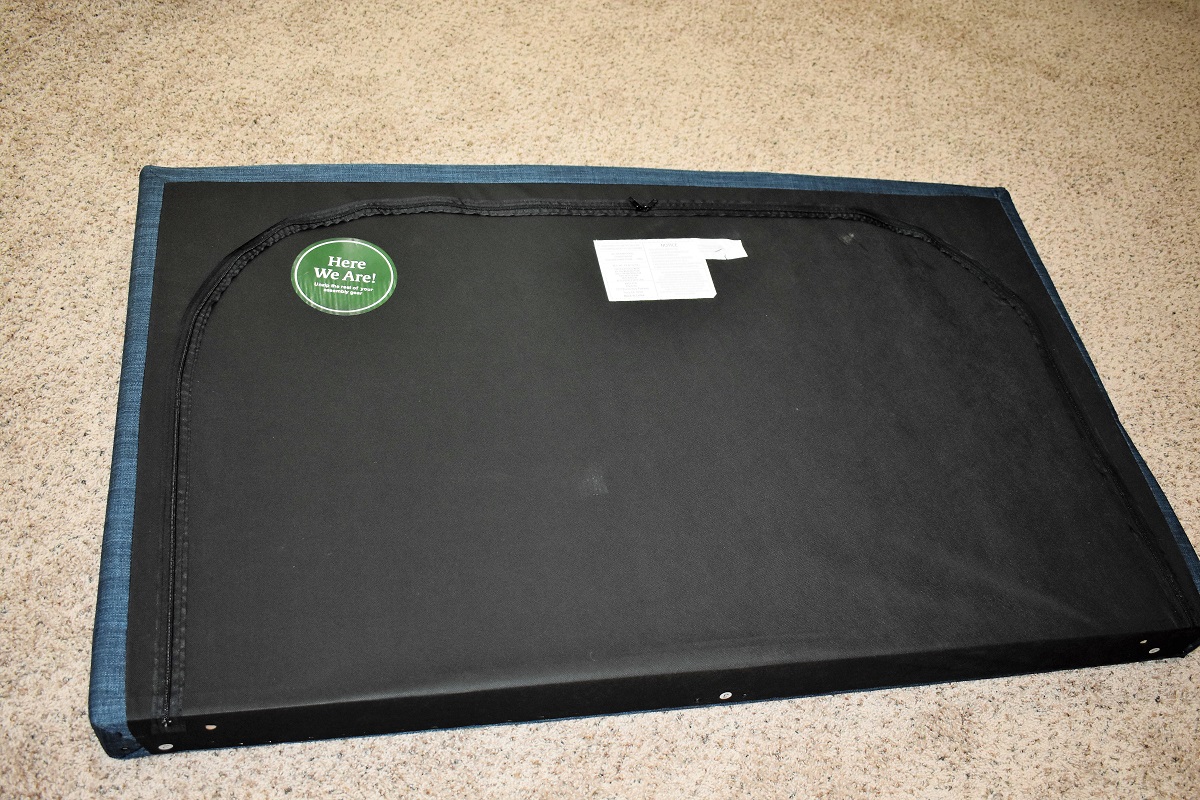
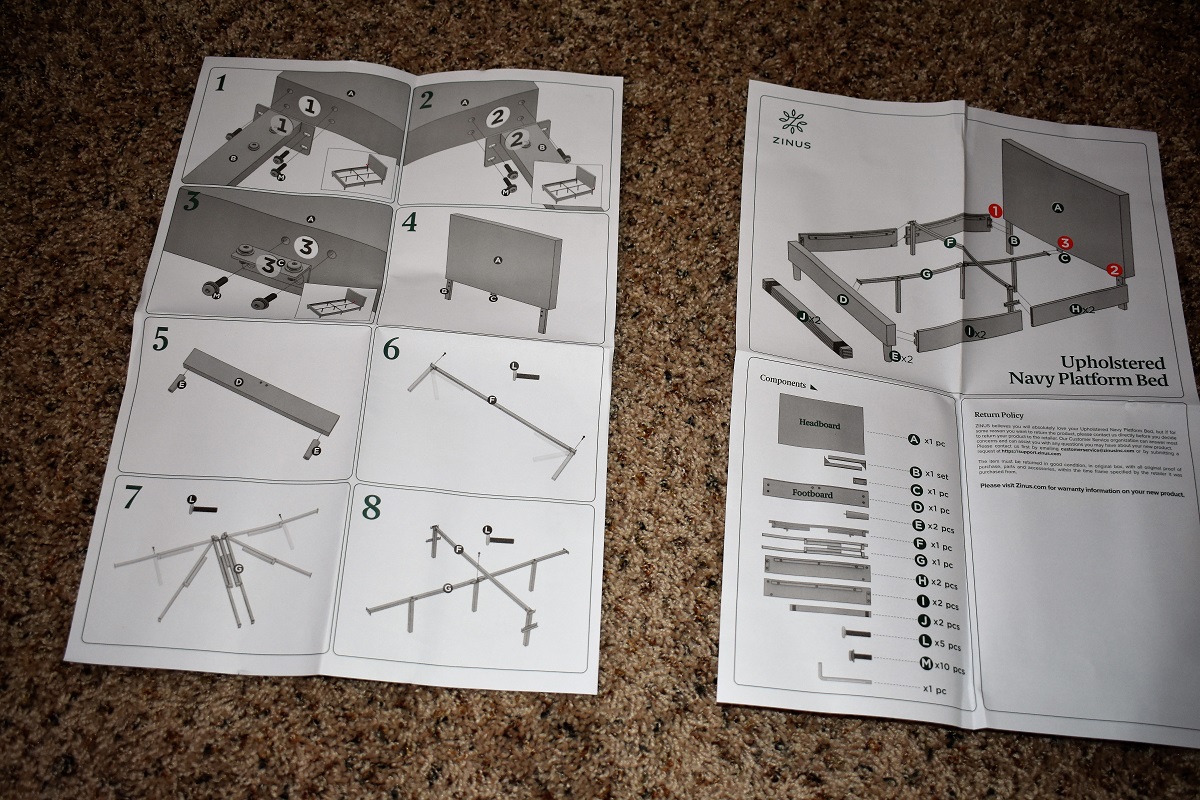
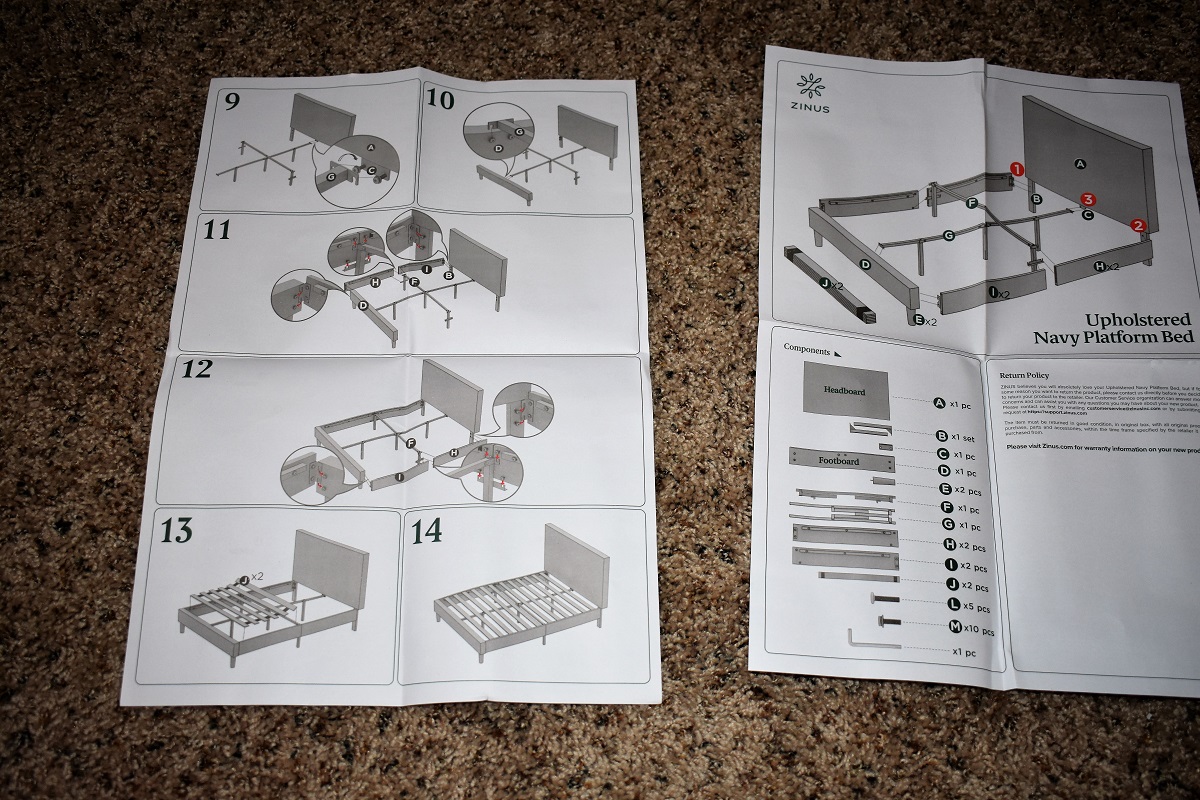
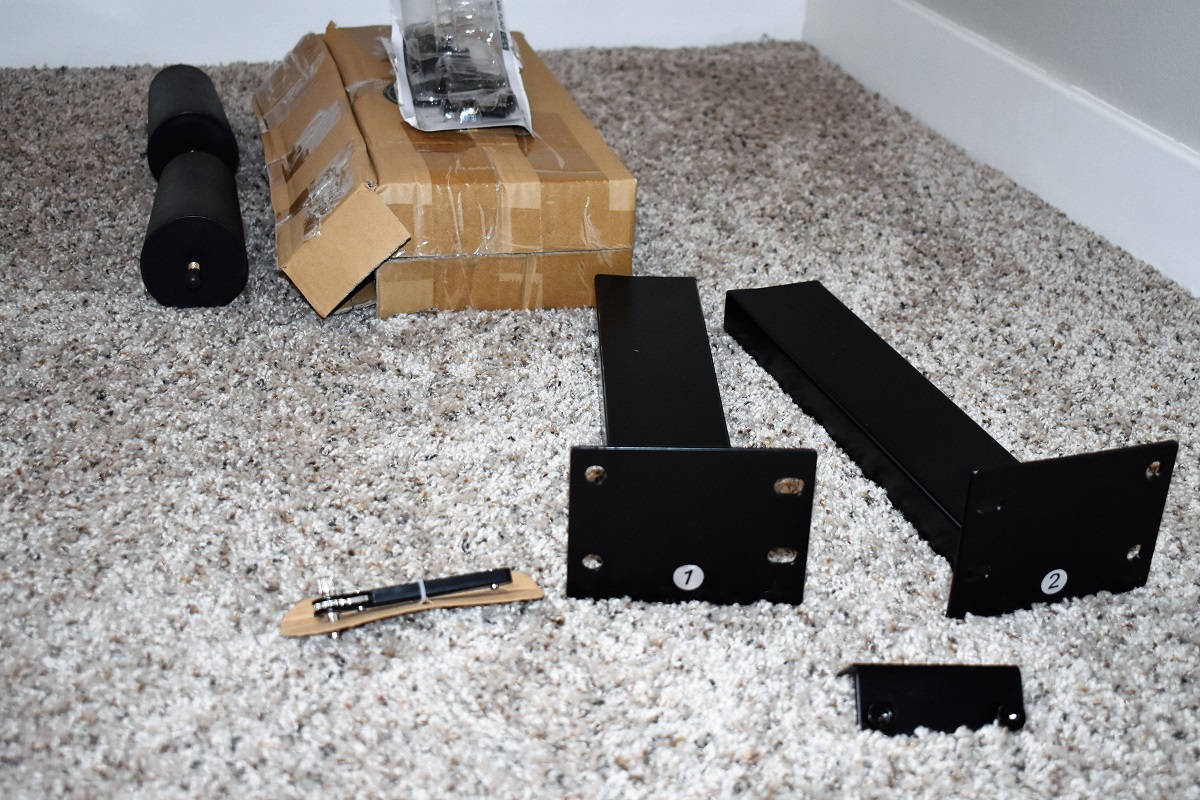
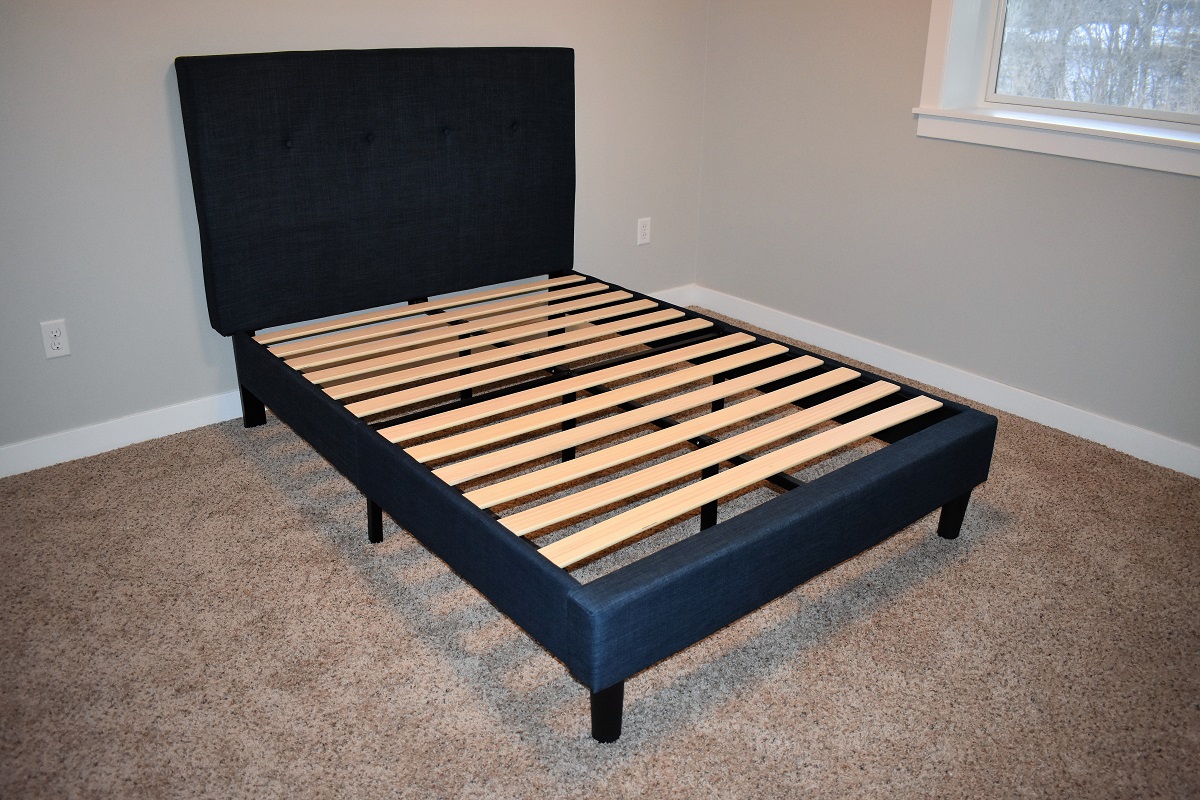
We ordered a Zinus platform bed and mattress and assembled it yesterday. We don’t believe the one reviewer who claimed he finished it in a half hour. It took us all day and I would just as soon forget at least certain parts of that ordeal, including the reason for it. So, the next thing I’m ordering is a “big-ass neuralyzer” from Walmart.

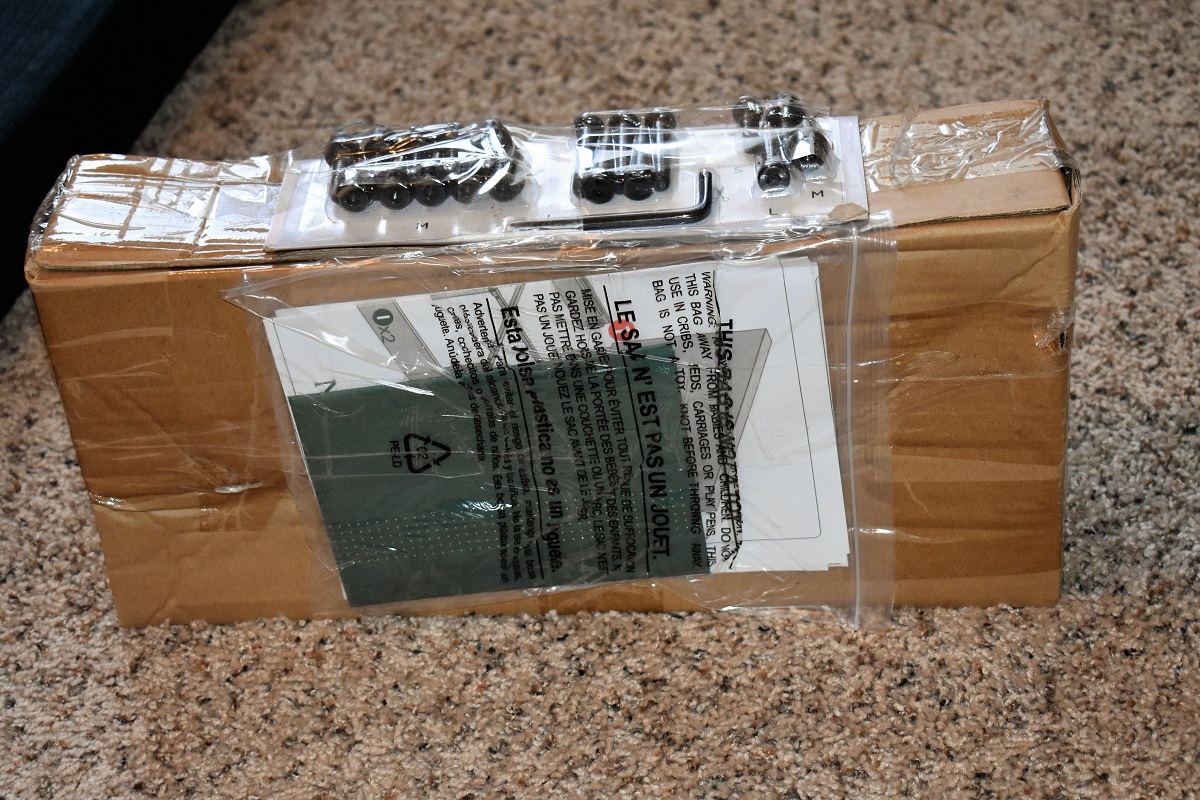
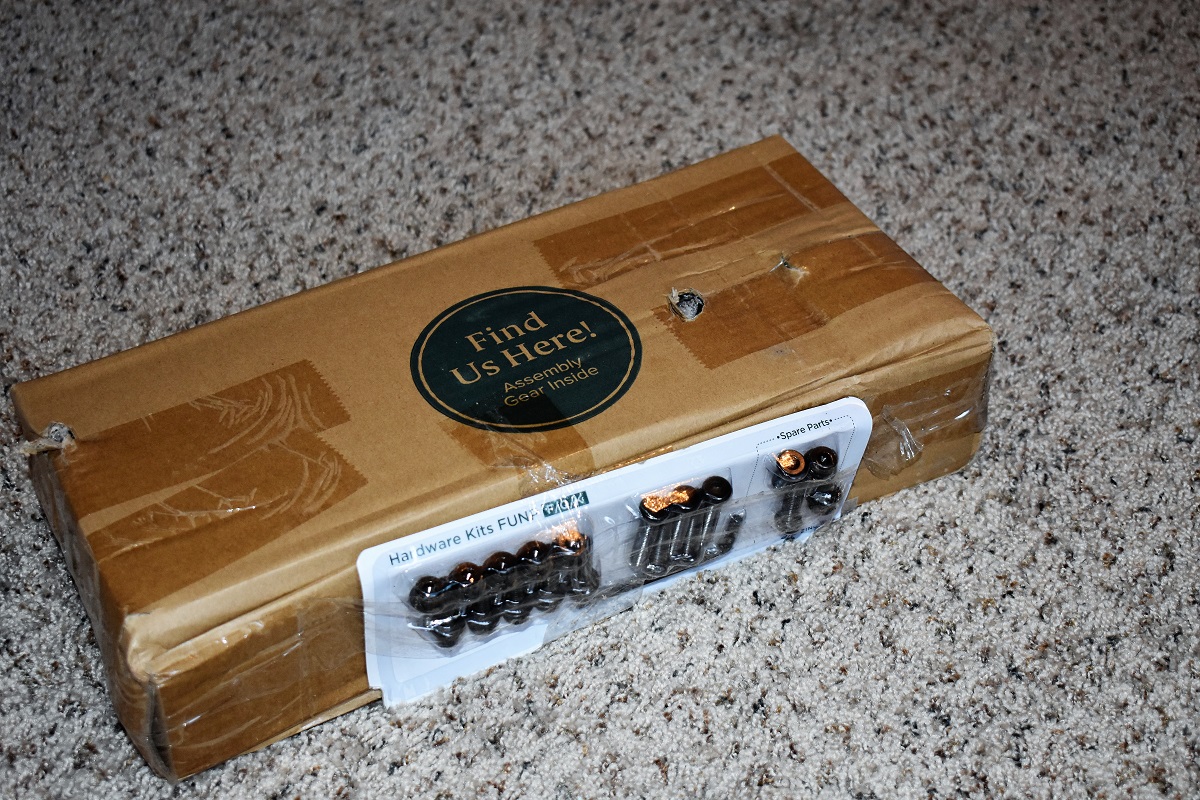
I’ve included a slide show below, and I’m considering a YouTube production about it as well. It was literally a bed in a box—boxes actually; the mattress was sent separate from the platform bed.

Zinus sent the tools—all but one smaller size allen wrench than the 3/16 inch included. It’s a good thing I’ve got a couple of sets. One of the side rails came with the part with the Velcro that holds the wood slats upside down. If you’re interested, have a 5/32 inch on hand, just in case. Sena noticed it first. Lucky all I had to do was flip it around.

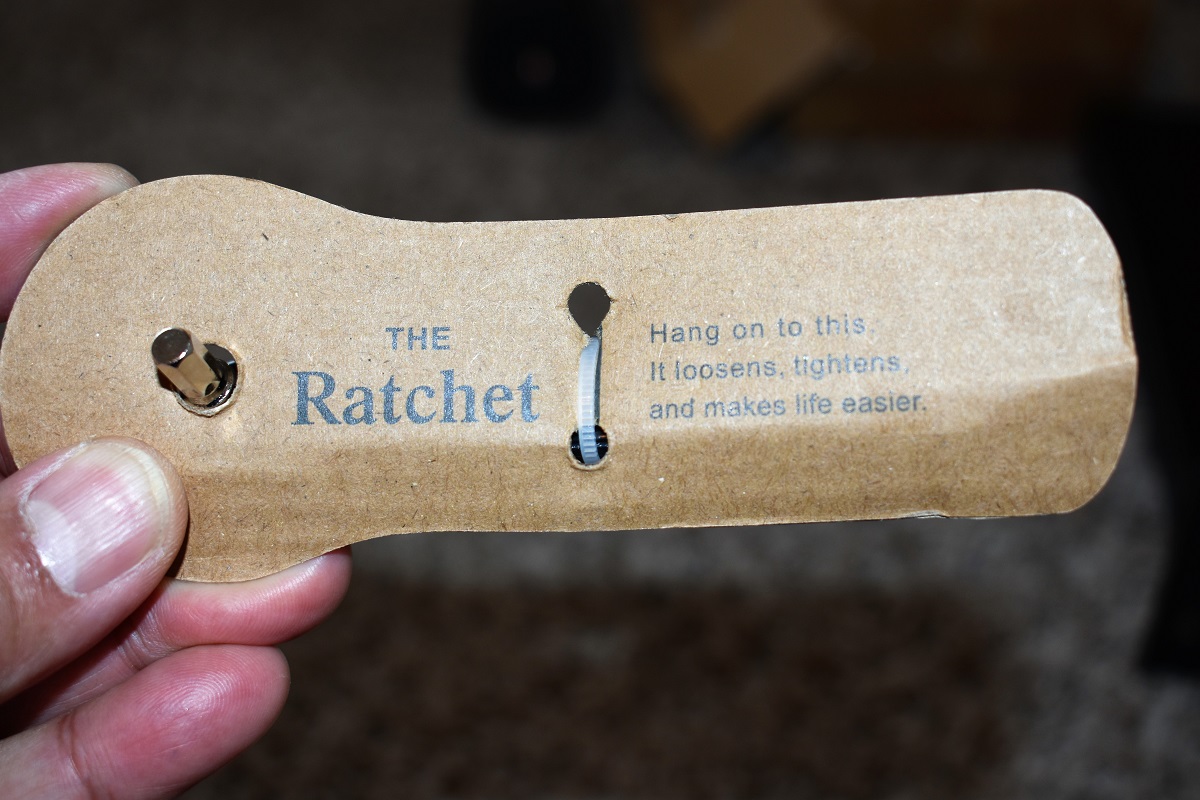
Zinus sent a cute little ratchet allen wrench. It’s about as long as your middle finger. It slips a little so snugging the screw finger tight is a good idea before trying the ratchet. Sometimes it’s better to use the regular allen wrench.

If you’re thinking about getting something like this, it might be a good idea to wait before you tighten everything down. There are some pretty skinny tolerances between the side rails and the slats were kind of a tight fit, too.

The mattress came with a warning:

“This mattress knows Kung fu and may unroll itself at lightning speed. Keep small pets and children free from its kick radius. Please be extra careful when cutting it free from its bindings.”

No problem. I got my nosebleed stopped in just minutes. Remember, never tip your head back, pinch your nose, and be patient.

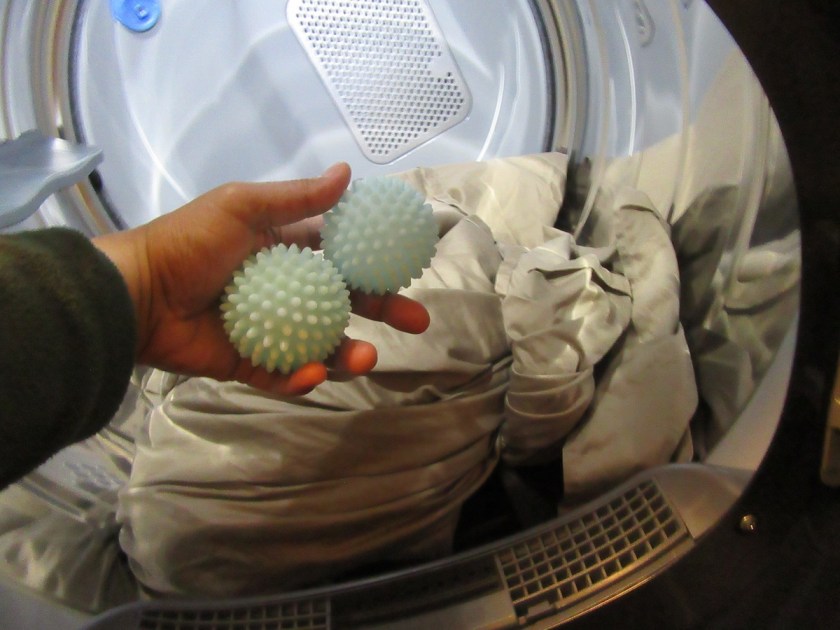
It looks like it’ll be more comfortable than the air mattress. We’re not thrilled about separate beds. The next home improvement project will be working on the laundry.

Journey to the Center of the Snore

Sena and I snore. There, I said it. We’ve been snoring for years. It’s been getting a little worse for a while now and we’re finally exploring ways to deal with it. I snore by puffing out my cheeks and blowing, and Sena snores by blowing the pictures off the walls.

The separate bedrooms option was a bust after a few days. We missed each other. We have a couple of air mattresses left over from last year when we had our wood floors refinished and had to camp out in our basement. We tried taking turns on it.

It’s very cold in the basement. We have this old space heater which heats for about 10 minutes, then shuts down and buzzes for an hour or so—very hypnotic.

There’s a trick to getting into and out of an air mattress that sits only a few inches off the floor. If you don’t roll off the mattress onto your hands and knees and then push yourself up to a stand, you end up trying to do extreme deep squats and tip over a few dozen times before giving up and rolling over to the space heater to grab onto for leverage, which then rolls away on its casters.

We’ve tried those polyurethane foam wedge pillows, the kind that make you feel like you’re sliding into your belly. That’s fun. We also have some memory foam pillows. Those who have been there know where we’ve been.

We keep finding out about new advances in the world of snore relief. There are thousands of brick-and-mortar mattress stores where you can find people who can tell you with straight faces there is a ton of research out there showing this or that arcane method has scientific evidence supporting the opportunity for you to shell out thousands of dollars for this or that sure fire method for eliminating snoring in seconds or your money back when hell freezes over—and those are just the other customers.

There are motorized, voice-controlled adjustable beds which cost only millions of dollars if you have the right coupons. You can try any of the several dozen on line stores where you buy a bed in a box, which a guy started back in 2007 and which has since mushroomed into a giant industry. You get this memory foam or hybrid memory foam and spring mattress which has been packed under very high pressure into a cabinet-size box and delivered to your doorstep. The minute you open it, the bed explodes into your face, knocking you unconscious, which temporarily cures the snoring problem by putting you into a coma for weeks.

The adjustable beds are very expensive and will set you back several thousands, especially if you buy the option allowing the manufacturer to track your sleep data and send it to aliens throughout the galaxy and beyond who are working out new ways to control the human race.

The wedge concept is huge in the snore relief mattress industry. There is a thing called the Mattress Genie. It’s an inflatable bag which you stick under your mattress and inflate with the touch of a button on a remote control. It reminds me of those airbags I see on shows like Highway Thru Hell, which the heavy wrecker crews use to raise semi-truck trailers off the ground in the ditch where the drivers have jack-knifed their vehicles because they were too busy on their cell phones to watch the road. They tend to pop out at speeds which could probably knock out your average heavy wrecker guy.

The mattress industry says “snoring is prevalent in 45% of normal adults.” They’re really big on the wedge concept and how raising the head of the bed is the way to go. We’ve read a lot of reviews by customers about the various products. Usually, there are many people who rave about how good the wedges are. There a few who just rave.

I was able to find one scientific study, Wilhelm, E., Crivelli, F., Gerig, N. et al. The anti-snoring bed – a pilot study. Sleep Science Practice 4, 14 (2020). https://doi.org/10.1186/s41606-020-00050-2. The conclusion in the abstract says “The anti-snoring bed is able to stop individual episodes of habitual snoring without reducing the subjective sleep quality.” However, the authors hedge on the wedge several times in the discussion section of the article and finally end up saying “Further studies are needed to investigate whether Anti-snoring beds are a valuable alternative to conventional positional therapy.” I don’t know if they’ve been done, but many people swear by the wedge concept.

In fact, we’ve been experimenting with our wedge pillows by placing them between the mattress and foundation. Last night was a good night. No snoring, although we tended to slide downhill. We’re shopping for a mattress elevator wedge, which slopes gradually from head to foot.  

We just have to keep trying.