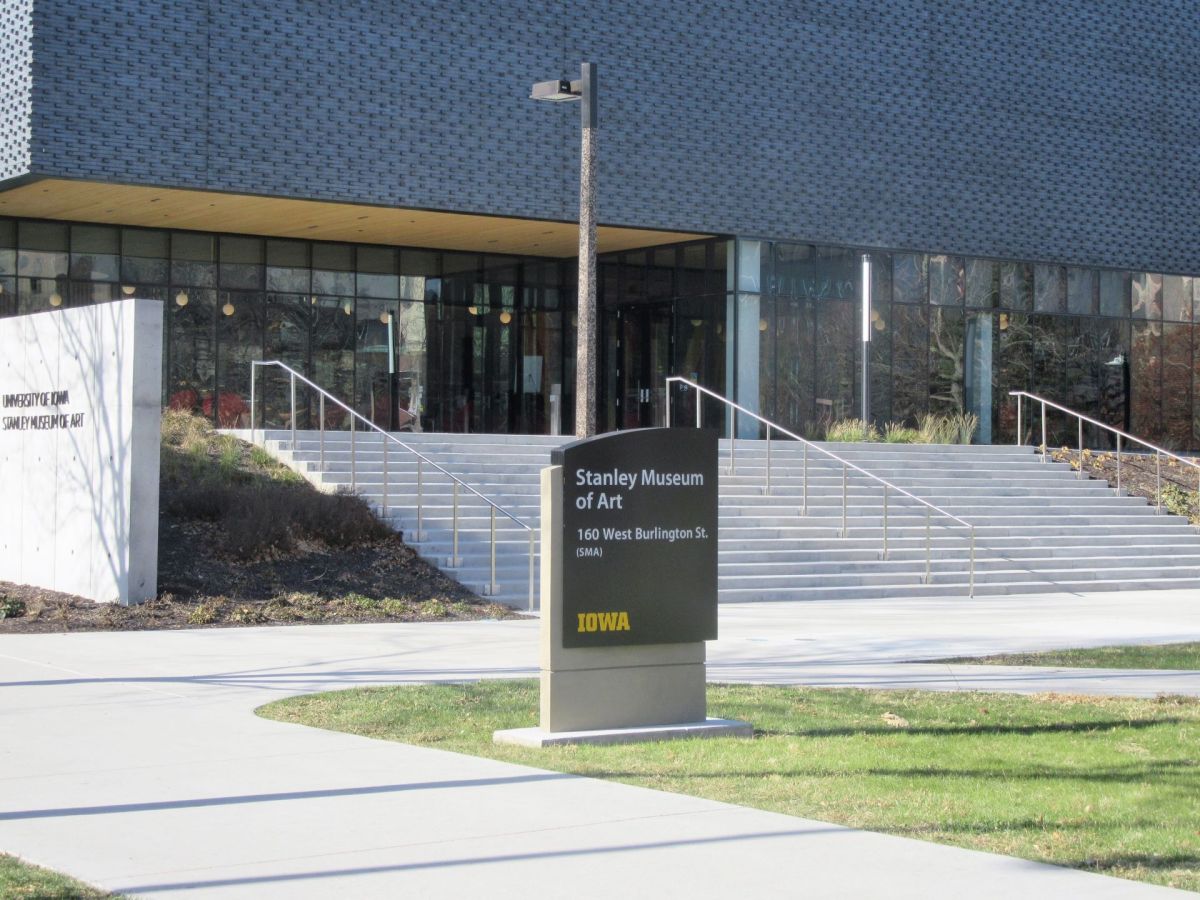
The University of Iowa Stanley Museum of Art, won the highest Master Builders of Iowa Award. See the Russell Group Inc. website for more details about the award.
It’s a very impressive space and a must-see marvel when you visit Iowa City.
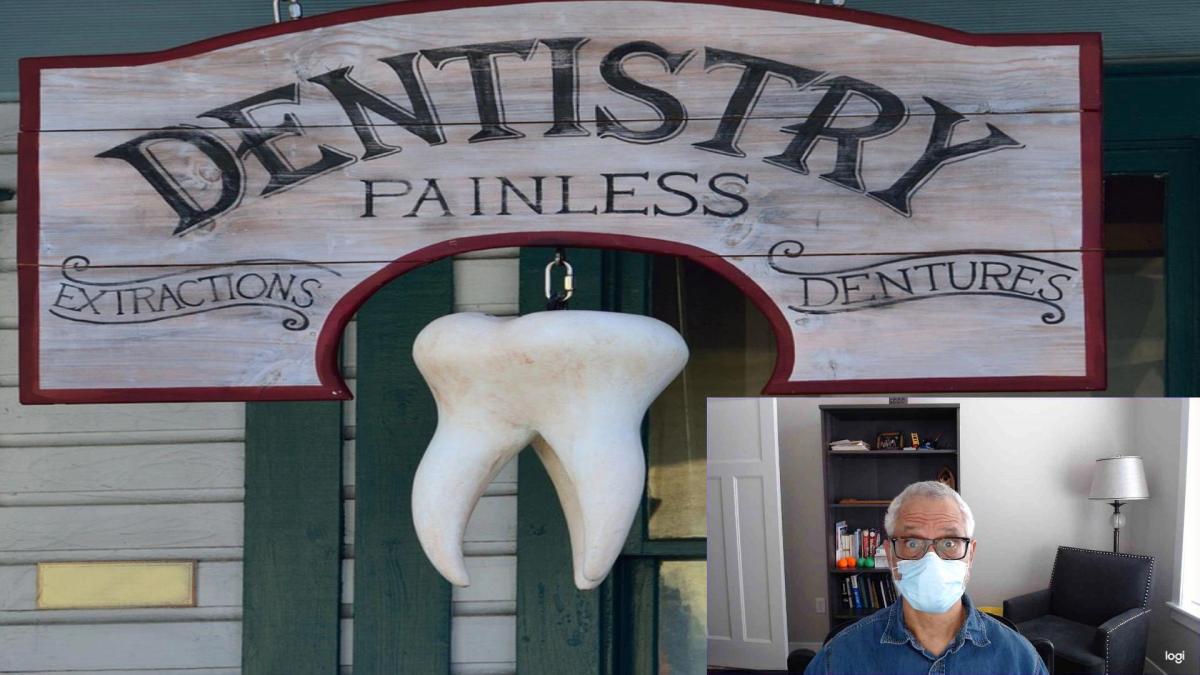
Tomorrow I’ll get to see how the new Covid-19 face mask policy works at the University of Iowa Hospital & Clinics. It goes into effect today. I’m going to see the dentist, as I have periodically for years, even during the Covid-19 pandemic. Of course, the idea of masked dental patients is ironic.
The rule change about masks being sort of optional is a little confusing.
It’s sort of optional because it looks like it’s not optional for unvaccinated health care employees. They still have to wear masks.
I wrote about this back in May of 2021, “Unmasked Means Fully Vaccinated?” That was back when bandanas were acceptable as face coverings.
So does being masked mean “not vaccinated?” It’s confusing because if masking is optional for patients and visitors, why are health care workers the exception? I’m not sure how anyone would enforce the policy.
If you can wear a mask just because you want to do that, how does that separate you from the unvaccinated person?
If masks are optional, then why are the entrance and exit policies not changing, including screening of patients, visitors, and staff? I didn’t see the guidance about what to do if anyone says they are symptomatic or unvaccinated and prefers not to wear a mask, other than to offer a mask (which is free!).
If it’s disrespectful to ask a patient or visitor to put on a face mask, why is it not disrespectful to require an unvaccinated health care worker to do so? There is one bullet point in the question-and-answer section about whether you can ask anyone to wear a face mask which says you can’t ask anyone, including “employee, colleague, patient, visitor, etc.” In the same section is the statement: “Whether or not to wear a mask is a personal decision that each person must make for themselves and for their own reasons.” Does that apply to getting a Covid-19 vaccine as well?
That said, I’m a staunch supporter of everyone getting a Covid-19 vaccine, if they don’t have medical or other exemptions. They don’t make you magnetic!
And I don’t think the recent Cochrane Review results on face masks really means they’re useless, which some news stories tend to convey. I think the Cochrane review does what most such reviews do, which is point out the problems with some controlled studies. And the reviews themselves may have unintended biases.
What’s the most important part of all this? Well, maybe the predicted snowstorm coming to Iowa tomorrow will prevent my dentist from getting to the clinic. And if that doesn’t work, maybe I could just exercise my right and privilege to wear my mask as a barrier to any nefarious procedures.
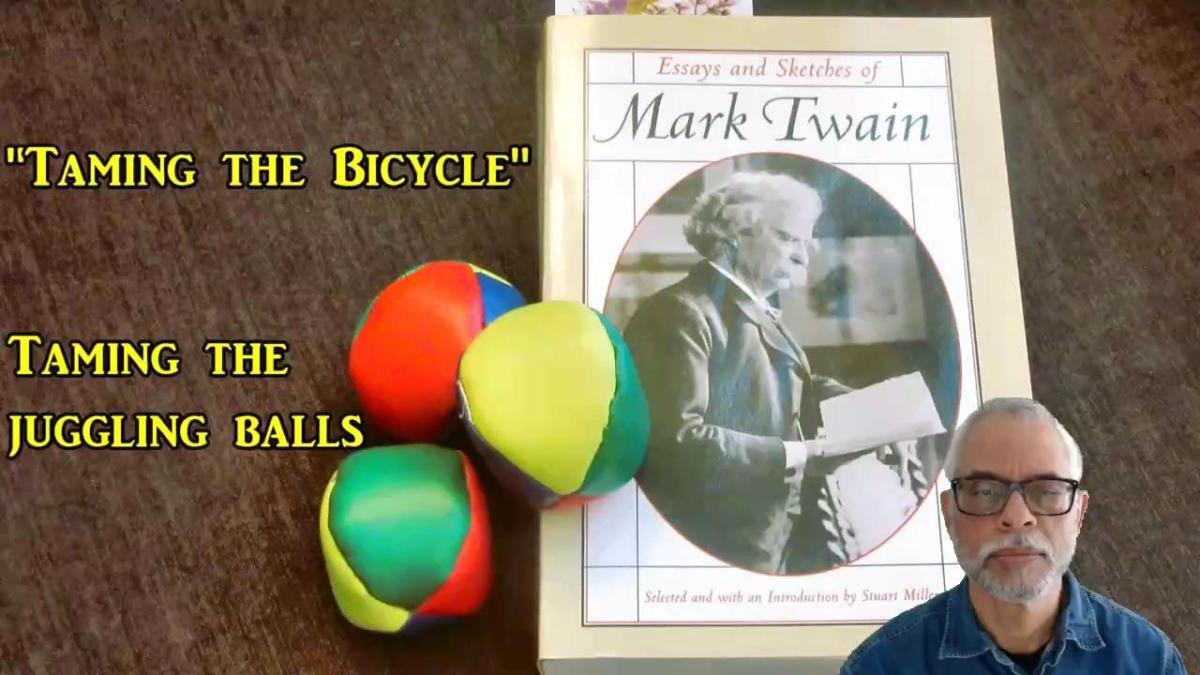
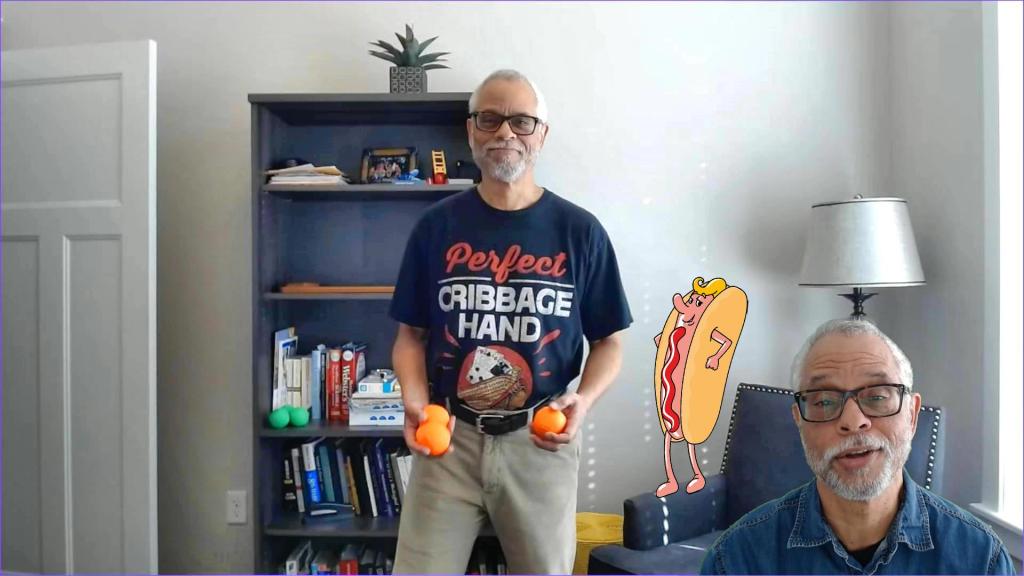
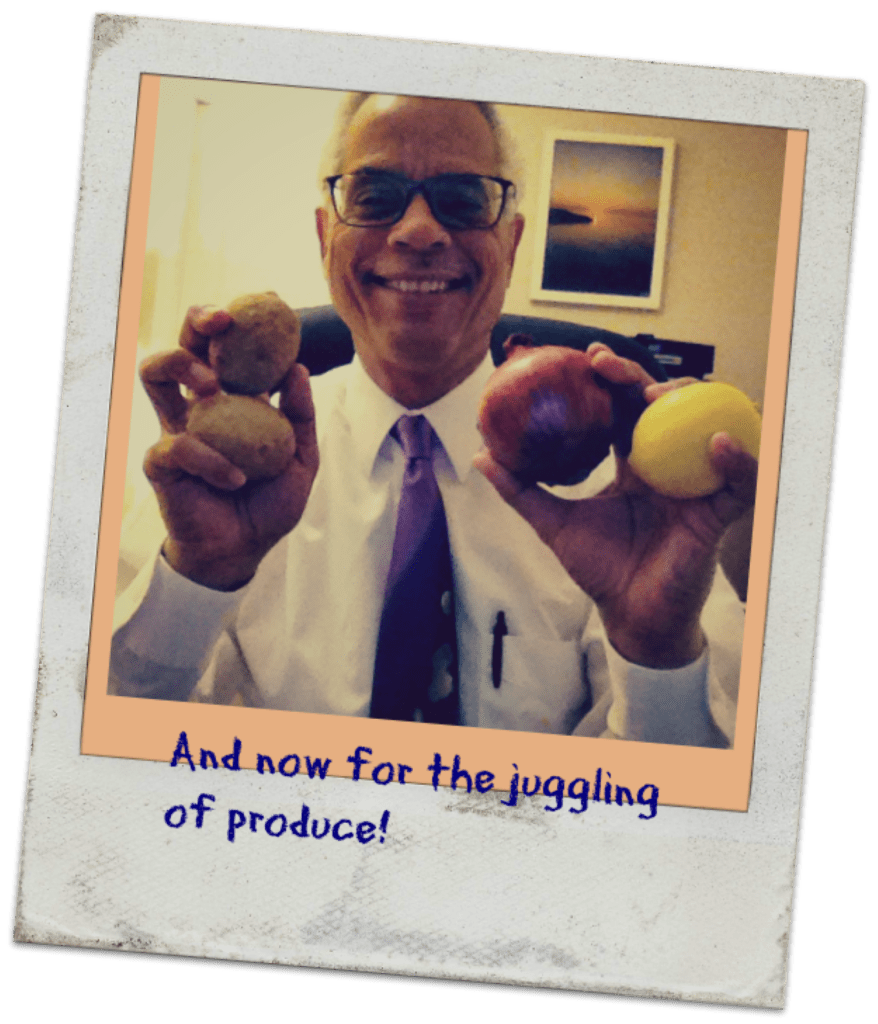
I’ve been juggling for about 5 months now and reflecting on my progress. I think I’m doing OK for a geezer. Sena would call me a hot dog although I would still call it ugly juggling by any standard.

What’s striking, at least to me, is the little bit of science I can find on the web about juggling. I hear the term “muscle memory” when it comes to learning juggling. Actually, there’s some truth to that. There are different kinds of memory. For example, most of us know about declarative memory, which about memorizing facts, because we use it to prepare for exams. Those of us who went to medical school remember the agony of taking tests for the basic sciences.
But so-called muscle memory, or the memory for learning new skills like juggling, takes place in the brain. There was a study published in 2009 which found changes in both gray and white matter of subjects before and after learning to juggle (Scholz J, Klein MC, Behrens TE, Johansen-Berg H. Training induces changes in white-matter architecture. Nat Neurosci. 2009;12(11):1370-1371. doi:10.1038/nn.2412).
The study about correlation of the inability to stand on one leg for 10 seconds with higher mortality in older patients, which I relate to the ability to do the under the leg juggling trick, was published last year (Araujo CG, de Souza e Silva CG, Laukkanen JA, et al. Successful 10-second one-legged stance performance predicts survival in middle-aged and older individuals. British Journal of Sports Medicine 2022; 56:975-980.)
I talk a lot about juggling as though I’m a teacher. I’m not a juggling instructor by any means. You can find better juggling teachers on the web. But my approach to talking about juggling in terms of it being a hobby for me is really not different from how I talked about consultation-liaison psychiatry before and after I retired. I’m still a teacher—just evolving in retirement.


However, you can find much better resources for learning how to juggle at the following websites:
https://www.renegadejuggling.com/
Have fun!
I just got the greatest shout out from one of my heroes, Dr. H. Steven Moffic, MD. The link to one of his regular Psychiatric Times web (PT) articles, mainly on what’s in the daily news that impacts psychiatry or vice versa, is on the menu of my home page.
The title of the PT article in which I get a shout out is “A Tale of 3 Retirements: Football Star Tom Brady, Black Psychiatrist James Amos, and Me.” He got my retirement date wrong by 20 years, but what the heck; no big deal. He did his homework otherwise just fine.
In fact, I didn’t know that Dr. Moffic even noticed that I had a blog. I have written articles for PT in the past. You can still find them by searching my name on the web site. One was on stress and the psychiatrist and another was on how consulting psychiatrists can be helpful in recognizing and managing delirium.
And today, Psychiatric Times (PT) contacted me to make a video about my juggling hobby. I gather it’s a regular series about what psychiatrists do outside of their work/practice. Imagine that; PT wants to see ugly juggling! How did PT know about that? Dr. Moffic mentioned my name.
In return, I’d like to give a big shout out right back to Dr. Moffic and also to other psychiatrists. One is Dr. George Dawson, who writes the blog Real Psychiatry. Another is TheGoodEnough Psychiatrist. These are featured on the main menu on my blog. I can name another who also writes for PT and this is Dr. Ronald Pies.
I was thinking about what to write for the first day of Black History Month, which starts today on February 1, 2023.
As usual, I started to reminisce about my time at Iowa State University (ISU) in Ames, Iowa. I usually don’t talk about my undergraduate days. In fact, I had a little trouble finding my diploma. It was in storage in the first place I should have looked. I graduated from ISU in 1985.
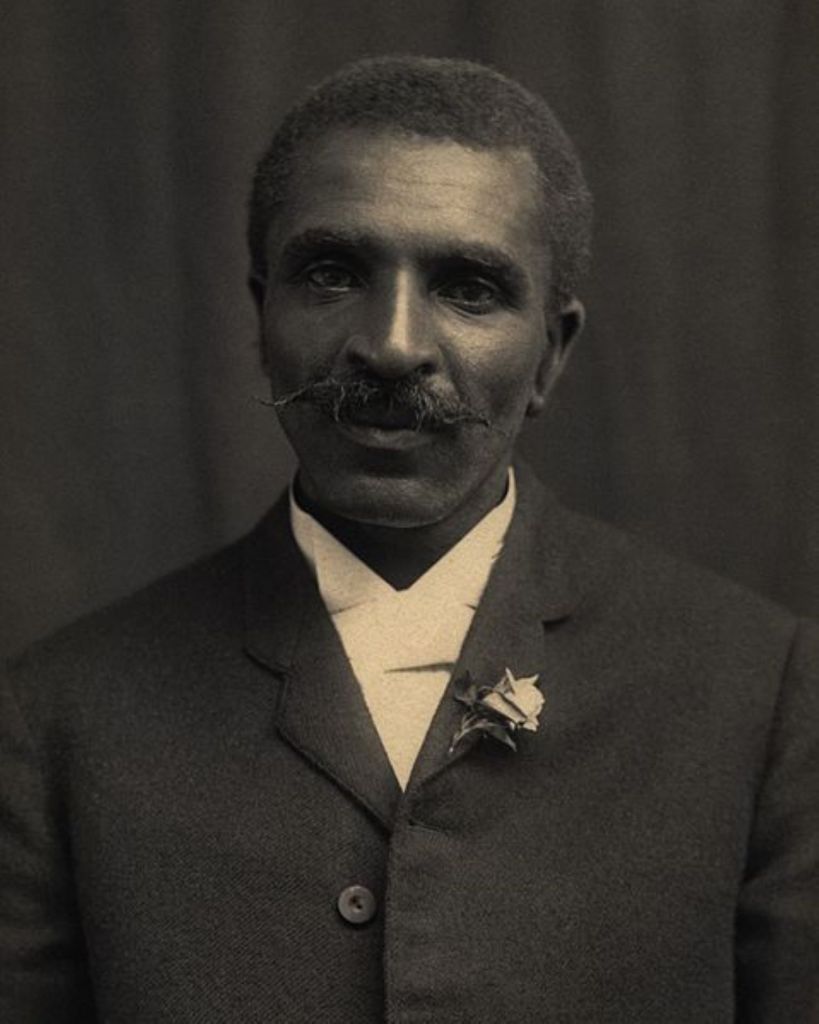
The Iowa State Daily ran a story, “Black scientists from Iowa State,” published on February 4, 2021, obviously in honor of Black History Month. Of course, it featured ISU’s most illustrious graduate, George Washington Carver, who earned his graduate degree in 1894. Carver also loved poetry and painting, which I didn’t know.

This work is in the public domain in the United States because it was published (or registered with the U.S. Copyright Office) before January 1, 1928
Carver was a scientist and put it to practical use. It fits with the ISU motto, which was short and to the point: “Science with Practice.”
I transferred credit to ISU in the mid-1970s from one of the country’s Historically Black Colleges and Universities (HBCUs), Huston-Tillotson College (now Huston-Tillotson University). I submitted a poem to the college’s annual student poetry contest sponsored by one of the English Professors, Dr. Jenny Lind Porter-Scott. My poem didn’t make the cut, but many students got their work published in the little book, Habari Gani (Swahili for “What’s Going On”), which published the best poems.
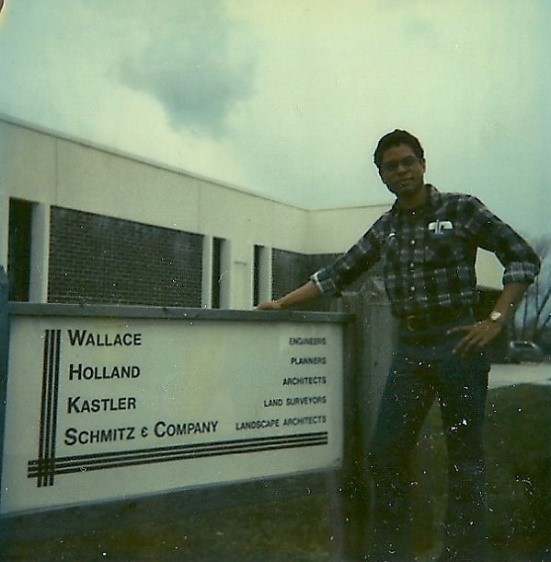
Part of the reason I went to ISU was the encouragement I got from my bosses at WHKS &Co, consulting engineers. I was a surveyor’s assistant and drafter. I was the only African-American employee working there.

The idea behind going to ISU initially was to pursue a degree in engineering. That didn’t happen because frankly, I didn’t have a head for the mathematics. On the other hand, I got interested in biology, chemistry, and zoology and finally ended up in medical school at The University of Iowa in Iowa City. The rest is history, as they say, which allows the usual cover up of a multitude of sins.
At the time Sena and moved to Ames in the early 1980s, it was a quiet little town, except during VEISHEA, an annual spring celebration on campus. The event got out of hand many times and it was finally banned in 2014.
Back in the days of George Washington Carver, African American students were not allowed to room with other students who did not have black skin on campus. By the time we moved to Ames, the most uncomfortable racial incident I can recall personally was being the butt of a “nigger” joke at a barbershop. I had to find another place to get my hair cut.
I still had a lot of science to digest at ISU after switching my major from engineering to the life sciences. I remember a chemistry professor who looked like the typical hippie who demonstrated how electrons get excited by stacking chairs on top of the counter in front of the chalkboard (which teachers were still using) and climbing to the top and nervously doing a shaky little dance showing what an excited electron he was. I think all of us collectively held our breath, waiting for him to tumble to the floor.
I really had a tough time learning organic chemistry. You had to draw diagrams showing how the molecules and atoms connected after each reaction. I will never forget an Asian Teacher’s Assistant who patiently tutored me, despite my having a very bad cold and a bad attitude to boot.
I graduated and then returned to get more credits to try getting into medical school after finding it very difficult to find employment with my Bachelor of Science degree. It took about 9 months before I finally landed a job in the clinical lab at one of the hospitals in Des Moines. The lab director worked there for a very short time while I was there, and then left to go to medical school.
That was my cue. I think it worked out for the best. By the way, the engraved crystal in the featured image is an appreciation gift from The University of Iowa for my years of service.
And I guess that’s about enough reminiscence for now.
Back in November 2022, while on our way to the Stanley Museum of Art, we saw the two murals on the East Burlington Street Parking Ramp. It was the first time we saw them in person although photos were available last fall. The Little Village article published an article about them on September 30, 2021. It’s the Oracles of Iowa mural project, conceived by Public Space and the Center for Afrofuturist Studies partnered with the artists, Antoine Williams and Donte K. Hayes. The artists sought to stimulate a conversation in the community about how black and white people relate to each other.
The murals are painted on parking ramp at two locations along East Burlington Street. One says “Black Joy Needs No Permission” and the other says “Weaponize Your Privilege to Save Black Bodies.”
The Little Village article points out that a survey of public perception of the murals revealed that 64 percent of white respondents supported the murals while only 40-50 percent of minority respondents supported them. The stickler for minorities was the use of the word “weaponize” and the phrase “Black bodies,” which were thought to raise impressions of “violence” and dehumanization.
Because I’m a writer, retired psychiatrist, and a writer, the word “weaponize” made me wonder what other word might have been chosen in this context. The only definition of “weaponize” that I can find which makes sense to me is from Merriam-Webster: “to adapt for use as a weapon of war.”
I’m a retired physician, so I have a perspective on the “privilege” to “save” lives, and by extension to enhance health and well-being. I’m also Black. I grew up in Iowa and I can recall getting bullied and being called a “nigger.” I can remember my psychiatry residency days, which includes a memory of a patient saying “I don’t want no nigger doctor.” I didn’t have the option to switch patients with another resident. When I saw the patient on rounds, I did my best and every time the “nigger” word erupted, I left the room. It was one of a few episodes which were marked by frank racist attitudes.
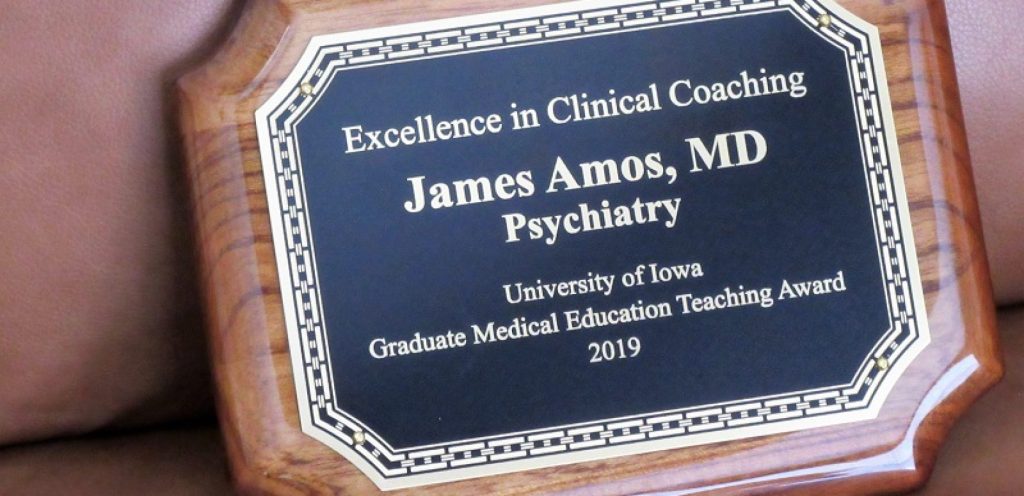
I was given the University of Iowa Graduate Medical Education Excellence in Clinical Coaching Award in 2019, one of several esteemed colleagues to be honored in this way. Many of those who nominated me were white. It was one of many joyful experiences I had before my retirement in 2020, when the pandemic and other upheavals in society occurred, including the murder of Black persons, resulting in many consequences prompting the creation of the murals.

I have other memories. I was privileged to be given a scholarship to attend one of the Historically Black Colleges and Universities (HBCU) in this country, Huston-Tillotson College (now Huston-Tillotson University). It’s one of the oldest schools and is the oldest in Austin, Texas. The scholarship was supported by one of the local churches in my home town of Mason City. I don’t think it had any black members. Although I didn’t take my undergraduate degree from H-TU, it was one of the most valuable learning experiences in my life. It was the first time I was ever not the only Black student in the class. It was marked by both joy and a struggle to learn where I belonged.

The murals did for me what the artists hoped it would do. It stimulated me to reflect on the meaning of racializing life. They stir me to seek perspective on whether joy has any color and why anyone needs permission for it. And I believe I would rather exercise my privilege to respect and care for others than to weaponize anything, including my sense of humor.