Earth Day 2023: Water What We Want to Grow

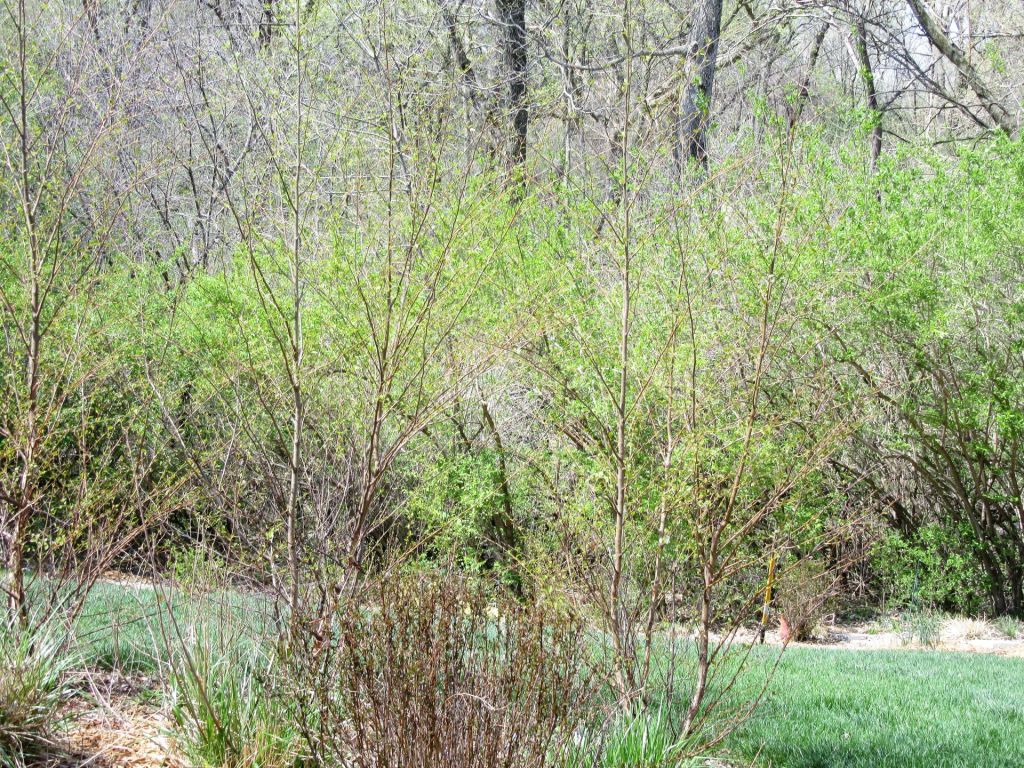
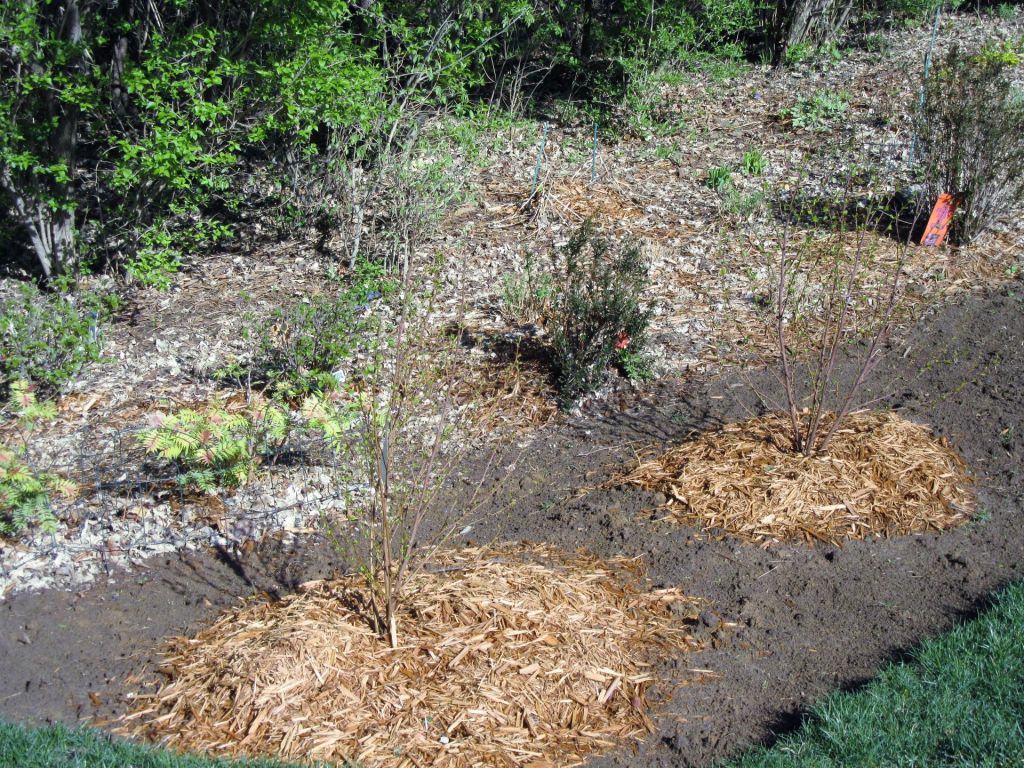
Happy Earth Day! Yesterday, Sena worked pretty hard out in the garden spaces. She has planted ten river birch trees. I did my usual spring lawn edging, which followed the first mow of the season a couple of days before by the lawn mowing service.

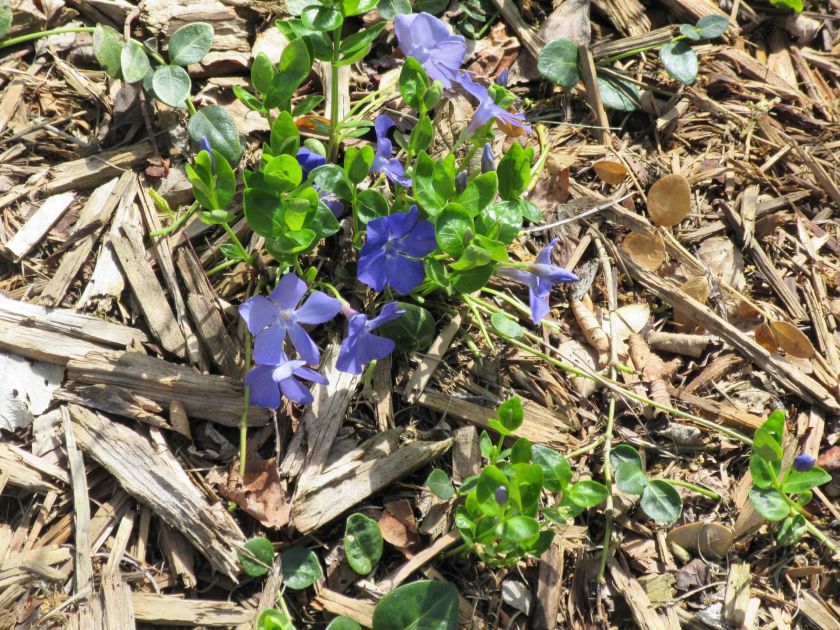
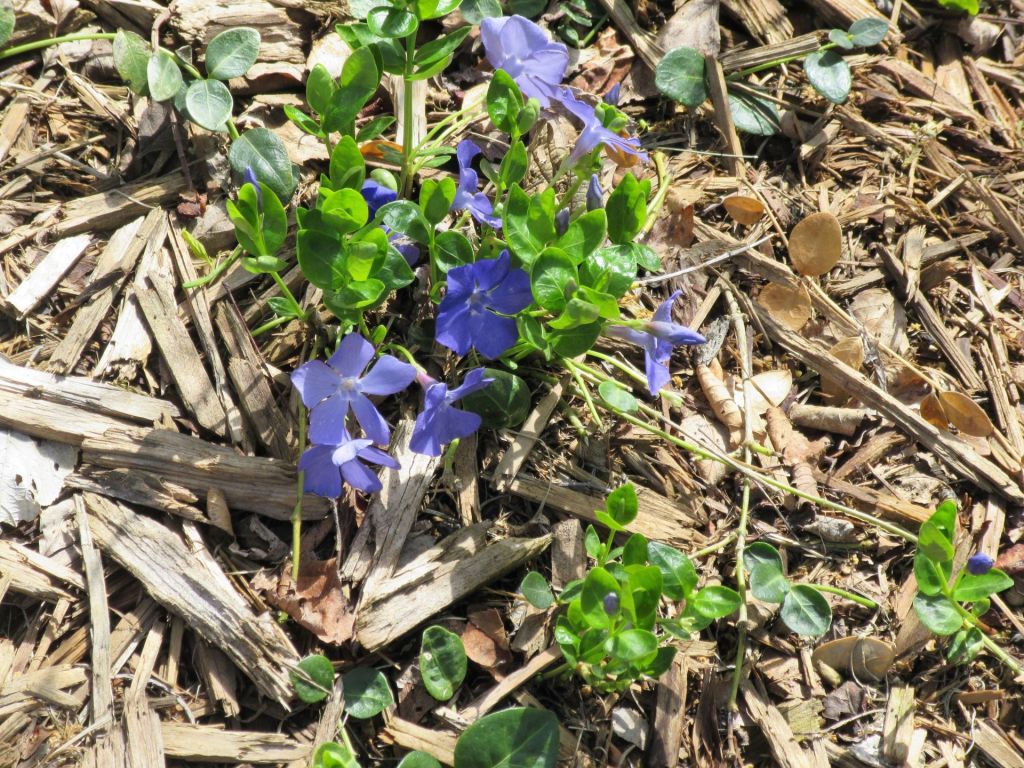
The vinca is coming up in the garden circle in our back yard. It reminds me of a time many years ago when I chopped a bunch of vinca out of a substantial portion of the back yard of a previous house. This became Sena’s first big garden. We’ve moved several times since then and there have been a number of other gardens.

True, vinca is invasive and I think it’s also called creeping myrtle or periwinkle. I found out later after I chopped out a few bushels of it that the plant has organic compounds called alkaloids which inhibit the growth of certain cancers. Vincristine and vinblastine are approved for use in the United States.

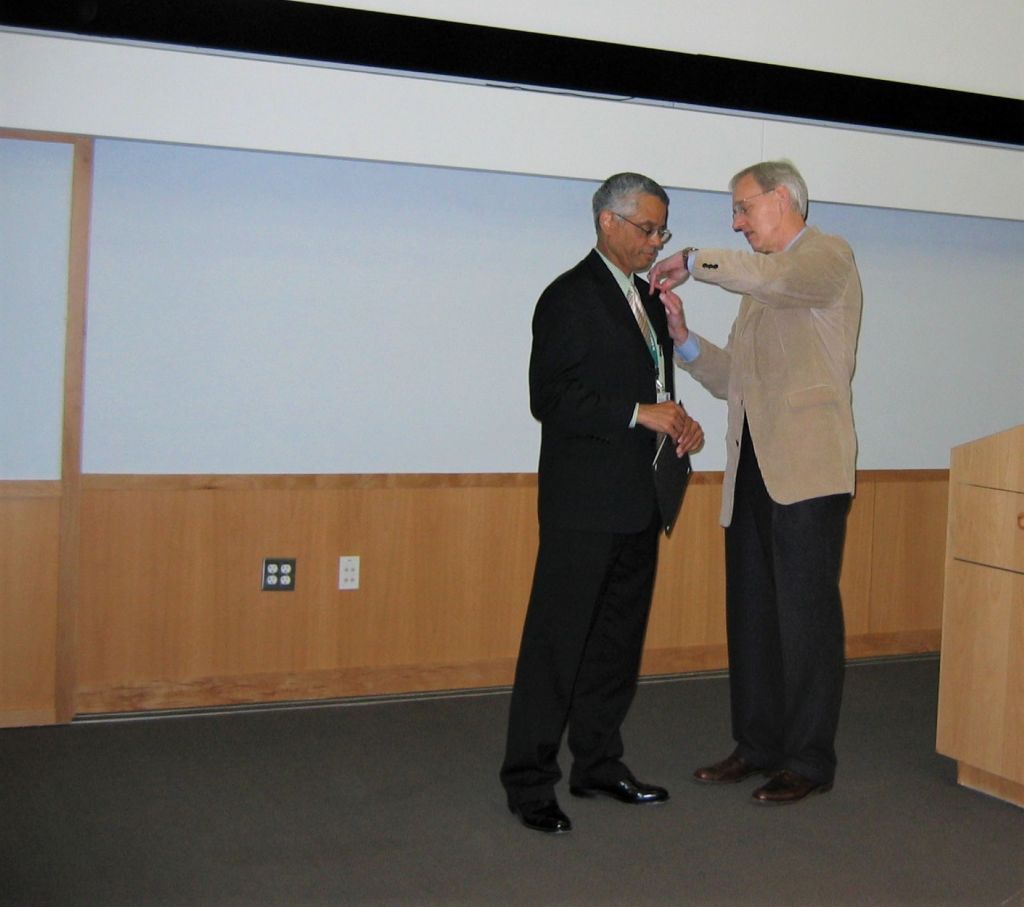
The reason I’m mentioning vinca is that way back early in my career as a consultation-liaison (C-L) psychiatrist at The University of Iowa Hospitals & Clinics, I dimly recall giving a short acceptance speech for winning a Leonard Tow Humanism in Medicine award from the Arnold P. Gold Foundation in 2006. I was nominated for it by one of the psychiatry residents and another faculty member.

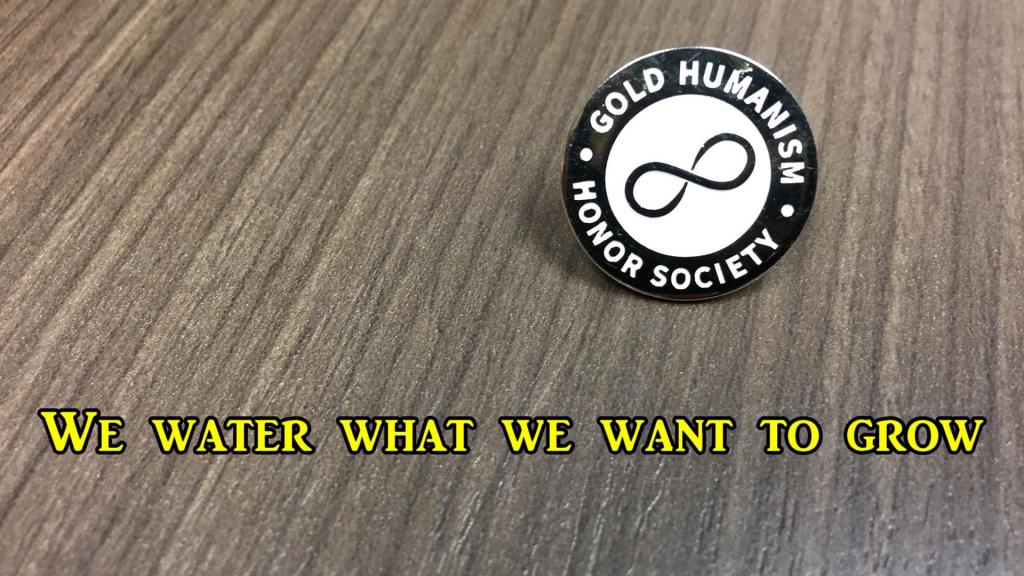
Getting the Leonard Tow Humanism in Medicine pin

In my speech I mentioned cutting out all of the vinca (which I thought was a weed) in the back yard. I was pretty proud of getting that job done—until Sena got home and found out. She was less than thrilled about my accomplishment and explained that vinca was not a weed. In fact, she wanted it to grow.

Vinca

I still have the speech and one of the points I made was, “…we water what we want to grow.” The speech is below:

Good morning distinguished guests including graduating medical students, Dean______.

Today we gather to reward a sort of irony.  We reward this quality of humanism by giving special recognition to those who might wonder why we make this special effort. Those we honor in this fashion are often abashed and puzzled. They often don’t appear to be making any special effort at being compassionate, respectful, honest, and empathic. And rewards in society are frequently reserved for those who appear to be intensely competitive, even driven.

There is an irony inherent in giving special recognition to those who are not seeking self-aggrandizement. For these, altruism is its own reward. This is often learned only after many years—but our honorees are young. They learned the reward of giving, of service, of sacrifice. The irony is that after one has given up the self in order to give back to others (family, patients, society), after all the ultimate reward—some duty for one to accept thanks in a tangible way remains.

One may ask, why do this? One answer might be that we water what we want to grow. We say to the honorees that we know that what we cherish and respect here today—was not natural for you. You are always giving up something to gain and regain this measure of equanimity, altruism, trust. You mourn the loss privately and no one can deny that to grieve is to suffer.

But what others see is how well you choose.

I didn’t write down the anecdote about the vinca. I think I was also trying to make the point that vinca can be thought of as an invasive “weed” as well as a pretty garden plant. Furthermore, while the vinca alkaloid (for example, vinblastine) can be an effective treatment for some cancers, it can also cause neuropsychiatric side effects, which can mimic depression. That’s where a C-L psychiatrist could be helpful, showing how medicine and psychiatry can integrate to move humanism in medicine forward.

Anyway, ever since then, vinca has often been a part of Sena’s garden, including the one where we live now. And, whenever we walk on any of the trails in Iowa City or Coralville, we always notice it carpeting the woods.

We can probably apply the little law “we water what we want to grow” to many things in life. We can choose to apply it to the world in which we live by creating a safe home to shelter a happy family, doing useful work in the garden while practicing kindness, gratitude, and patience.

We can start by planting an idea like a tree.

Palm Sunday

Today is Palm Sunday, the beginning of Jesus’ last week on earth. The palm tree reminds me of the time we spent in Hawaii. We saw a lot of coconut palms. The featured image is from 1997, when we were there.

I remember seeing a picture in a storybook of Jesus riding into Jerusalem on a donkey. The road was strewn with palm leaves. I was just a child.

Palm Sunday is a day to get along with others.

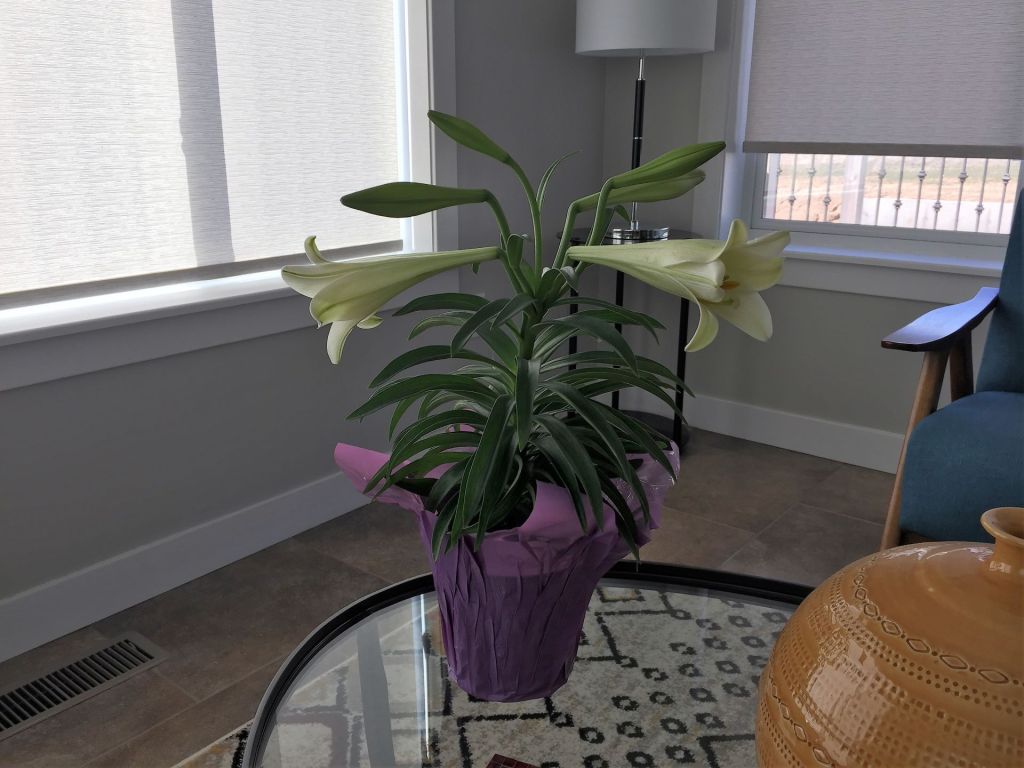
The Easter Lily is already beginning to open.

Whitetail Deer Think Your Lawn is a Salad Bar

We have a small herd of whitetail deer who regularly visit our lawn because they think it’s a salad bar. They’re all over the neighborhood because the city apparently doesn’t have a consistent deer population management plan. I don’t know anything about the animals, other than what I care to look up on the internet.

We saw several bucks the yesterday. One of them was missing an antler. It might have been lost in a fight with another buck.

As far as we could tell, most of the deer seemed pretty healthy, although I guess you can’t really tell which ones might have chronic wasting disease just by looking at them.

One animal looked like it might have suffered an injury, possibly from a buck. The lesions looked like they might be healing.

I guess this time of year, they would be molting. That probably explains why some of them look scraggly.

Sena taps on the windows and orders them off the property. That doesn’t work. Sometimes they look up at you like they know you’re staring at them—but they usually ignore you and go back to munching on your lawn.

I wonder if I’d feel differently about culling the whitetail deer if I watched hunters actually cull them—or kill them. The word “culling” actually sounds like a nicer version of “killing.” The definition of culling is the reduction in the population of wild animals by “selective slaughtering.”

The origin of the word “cull” is interesting. It comes from the Latin verb colligere, meaning “to gather.” In general, it means to collect a group of animals into separate groups: one to keep and one to kill. Usually, it’s about killing the weak and sick ones.

On the other hand, the origin of the word “kill” seems to be obscure. Of course, it means to strike, hit, put to death. It might derive from an Old English word, “cwellan,” which means to murder, or execute.
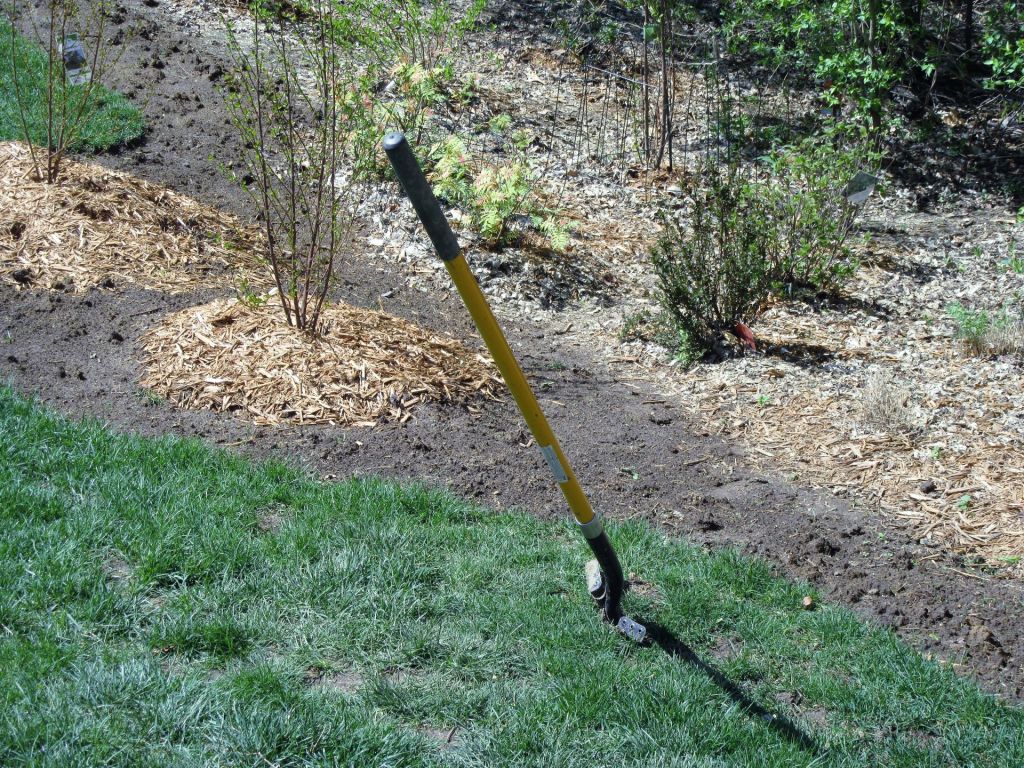
Cwellan, cull, kill. I think it’s a coincidence they sound similar. None of them sound like “Bambi.” When me and my brother were little, we had a toy record player that played a simplified version of the Disney classic movie, Bambi. It had either a little storybook that came with it or a little slide show. It got a lot of use. One slide showed a shadowy image of a big stag. Eventually the record got stuck on a place that cried over and over, “Man!”
Maybe that’s why the city doesn’t have a whitetail deer culling plan.

Random Connections

Today, I read Dr. George Dawson’s blog post, “How I ended up in a high-risk pancreatic cancer risk screening clinic.” As usual I was impressed with his erudition, scientific literacy, and rigorous objectivity, even as it pertained to a deadly disease which runs in his family genetic history. I couldn’t help admiring his courage.

And, whether this is a random connection or not, this somehow led to my remembering Dr. George Winokur, a giant in the scientific study (including genetics) of psychiatric diseases, especially mood disorders. He died of pancreatic cancer shortly after he was diagnosed with it in the spring of 1996.

Dr. Winokur was chair of the University of Iowa Department of Psychiatry from 1971 to 1990. He remained on faculty, actively involved in research and teaching up until the day of his death in October of 1996.

I was a resident in psychiatry at University of Iowa from 1992-1996 and I have a clear recollection of meeting with Dr. Winokur in his office during my last year, when I was preparing for job interviews. I knew he had been diagnosed with pancreatic cancer.

He had been actively recruiting me to accept a position in the department and did so even as we spoke briefly. I remember noticing that he gripped an electrical conduit on the wall next to his desk so tightly that I wondered if he were in pain.

He was the main reason I stayed in Iowa. He had a great sense of humor. All of us residents loved him. There was even a list of his “commandments” all new residents received when they began their residencies at Iowa.

Winokur’s 10 Commandments

  1. Thou shalt not sleep with any UI Psychiatry Hospital patient unless it be thy spouse.
  2. Thou shalt not accept recompense for patient care in this center outside thy salary.
  3. Thou shalt be on time for conferences and meetings.
  4. Thou shalt act toward the staff attending with courtesy.
  5. Thou shalt write progress notes even if no progress has been made.
  6. Thou shalt be prompt and on time with thy letters, admissions and discharge notes.
  7. Thou shalt not moonlight without permission under threat of excommunication.
  8. Data is thy God. No graven images will be accepted in its place.
  9. Thou shalt speak thy mind.
  10. Thou shalt comport thyself with modesty, not omniscience.

I never got the impression that George Winokur recruited me because I was black, although it was pretty obvious to me that I would be the first black University of Iowa psychiatry department faculty member. He had too much class to make that an issue.

I’ve known a few classy psychiatrists. Maybe the connection is not so random.

Exactly When Were the Good Old Days?

I just saw a short web article about Baby Boomers and their opinion of what’s going on these days and comparing it to the “good old days.”

There were the usual complaints about bad music, lack of teamwork, no effort to maintain social bonds, and the like.

I’m not sure I can identify any such good old days. I can think of good and bad times. I tend to think of them as being a byproduct of good experiences with people you enjoy being with—which don’t always fit with the times.

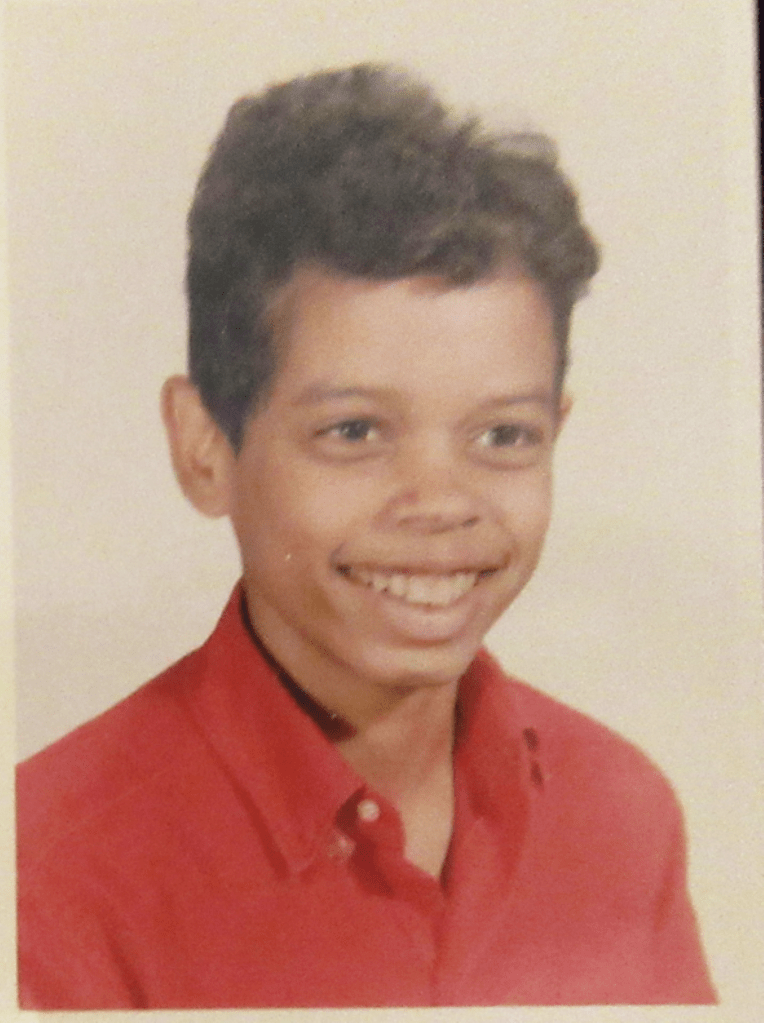
I grew up in the 1960s during the Civil Rights struggle, and I would be hard-pressed to call it the good old days. I can recall my mother trying her best to straighten out the curls of the hair of my younger brother and me with a lot of hair oil. It was almost painful as she tried to press the evidence of our mixed white and black parentage out of our hair.

I think the perception of what the good old days were might depend on your place in society at the time.

There’s this old Twilight Zone episode about a guy trying to make it in the tough business world and he wasn’t doing too well.

Spoiler Alert: I reveal what happens in the ending, just in case you want to try to find a YouTube.

On the train home from the office, he would dream of a place called Willoughby. It was a place years before his time. It was sunny. People were friendly, enjoyed picnics, went fishing and it was always summertime. He longed for it. His boss was a tyrant and his wife pretty much called him a failure. He got off the train at the Willoughby stop a few times and really enjoyed the good old days feel to the place. But he always got back on the train.

One day, he had that “last straw” moment. His boss was tyrannical; his wife belittled him and called him a loser. He got off the train at Willoughby, determined to stay in the good old days.

OK, this is the spoiler:

Willoughby turns out to be the name of the undertakers who pick him up where he jumped off the train and died.

Anyway, this “train” of thought led to Sena and I reminiscing about the trip to Hawaii we made way back in the day. The flight was long and excruciating. My ears were plugged most of the way there. We were both exhausted, but the tour group we traveled with were raring to go after we got to the hotel in Waikiki. They were mostly 3 decades older than us. I can’t remember if one of them or somebody else at the airport made a disparaging comment about Waikiki, something like: “I don’t know why anybody thinks Waikiki is anything special; what the hell, it’s just like Des Moines!”

While we camped out in our hotel room, the older folks went out to see Don Ho perform. When they got back, they said Don was drunk, they had a few drinks, and we just marveled at their energy.

We developed a friendship with a married couple in the tour group named Leota (Lee for short) and Norman. Lee took exception to Norman having a beer with the rest of us on some outing. I think it was about a health problem he had. He grumbled a little and we toasted the event anyway. Norman, who had been in the military, shed a few tears at the Pearl Harbor monument.

We traded Christmas cards with Lee and Norman until their children sent us a card telling us that Lee had died. Norman died several years later. We still have a photo of Sena with Lee and Norman taken while we were having a great time in Hawaii.

I guess you call those the good old days. Maybe you could even find a reason to call the present times the good old days after a while—if you were as drunk as Don Ho during the whole era.

Fathers Can Be a Pain in the Ass

I’m going to talk a little bit about fathers. Mothers are important too, but I’m a guy and I can talk about mothers another day. Because it’s a touchy subject, I’m going to begin with a Men in Black (MIB) joke, like I always do when I’m being defensive. There’s this MIB 3 scene in which Agent K and Agent J have this exchange:

Agent K: I used to play a game with my dad, what would you have for your last meal. You could do worse than this (explanation for this: they’re sitting in a restaurant and an eyeball in Agent K’s soup swivels around and stares at him).

Agent J: Oh, okay, I used to play a game with my dad called catch. Except I would throw the ball and it would just hit the wall, cause—he wasn’t there.

Agent K: Don’t bad mouth your old man.

Agent J: I’m not bad mouthing him, I just didn’t really know him.

Agent K: That’s not right.

Agent J: You’re damn right, it’s not right. A little boy needs a father.

On one level, this scene is just another way of showing the father/son, teacher/student, mentor/mentee relationship Agents K and J had with each other. By extension, their interaction says something about what happens in similar real-life relationships—in the shallow, cliché ways that movies always do.

I sometimes think about the relationship I had with learners when I was a teaching consultation-liaison (C-L) psychiatry. Often, I say to myself that I never had a mentor and I was never a mentor.

That’s not true. Although I never had a mentor who was formally assigned to me, there was more than one faculty member in the psychiatry department with whom I had an informal mentor/mentee relationship. And I was an informal mentor to at least a few trainees.

However, I was middle-aged by the time I entered medical school, which probably set the stage for awkward relationships with my fellow students and some teachers, partly because I was either the same age as or older than them.

That doesn’t mean I was wiser than them. It just means that I was conflicted about them. Later, in residency, I learned about transference and countertransference. In fact, I focused on the psychodynamic as well as the medical issues in teaching trainees. In the first C-L manual I wrote (the forerunner to the book I and my co-editor published later), I devoted a large section to psychodynamic factors relevant to doctor-patient relationships.

So, if you’re wondering when I’m going to start bad-mouthing my old man, you can stop wondering. I’m not going there. He wasn’t a hero, like Agent J’s father was (you need to see the movie to get this angle).

My dad was funny. I don’t think I got my own sense of humor from him, but it makes sense why I would have one—and just because “he wasn’t there” doesn’t explain everything. It never does.

Fathers can be a pain in the ass, not just because of dad jokes. Fathers can be a pain in the brain, too. Ask anybody who was a latchkey kid; I was one of those. We really don’t belong to any specific generation.

We also can’t just up and time travel like Agent J and find out about the father we never really knew. Mostly, it’s just bits and pieces, like a matchbook with a name and address from somebody on your paper route. The path it can lead to doesn’t always mean you find out that “Your daddy was a hero,” like a young Agent K tells young James (who becomes Agent J in the future) after he neuralyzes him to shield him from the hard truth about his father.

You’ll have to watch the movie to get that one.

More On Taming the Juggling Balls

I’ve been juggling for about 5 months now and reflecting on my progress. I think I’m doing OK for a geezer. Sena would call me a hot dog although I would still call it ugly juggling by any standard.

What’s striking, at least to me, is the little bit of science I can find on the web about juggling. I hear the term “muscle memory” when it comes to learning juggling. Actually, there’s some truth to that. There are different kinds of memory. For example, most of us know about declarative memory, which about memorizing facts, because we use it to prepare for exams. Those of us who went to medical school remember the agony of taking tests for the basic sciences.

But so-called muscle memory, or the memory for learning new skills like juggling, takes place in the brain. There was a study published in 2009 which found changes in both gray and white matter of subjects before and after learning to juggle (Scholz J, Klein MC, Behrens TE, Johansen-Berg H. Training induces changes in white-matter architecture. Nat Neurosci. 2009;12(11):1370-1371. doi:10.1038/nn.2412).

The study about correlation of the inability to stand on one leg for 10 seconds with higher mortality in older patients, which I relate to the ability to do the under the leg juggling trick, was published last year (Araujo CG, de Souza e Silva CG, Laukkanen JA, et al. Successful 10-second one-legged stance performance predicts survival in middle-aged and older individuals. British Journal of Sports Medicine 2022; 56:975-980.)

I talk a lot about juggling as though I’m a teacher. I’m not a juggling instructor by any means. You can find better juggling teachers on the web. But my approach to talking about juggling in terms of it being a hobby for me is really not different from how I talked about consultation-liaison psychiatry before and after I retired. I’m still a teacher—just evolving in retirement.

However, you can find much better resources for learning how to juggle at the following websites:

https://www.renegadejuggling.com/

Have fun!

In Search of Al Martin

Today, I was thinking of a guy named Al Martin, who was one of the few African American role models for me when I was a teenager in Mason City, Iowa. I thought of him a couple of years ago, googled his name and couldn’t find him. I mentioned him anyway in a blog post at that time, “Snow Moon Reflections.” A major topic was black male role models.

Today, for some reason I thought of him again. I googled his name once more and found an obituary for a man named Allen Henry Martin. This particular Martin was a black man who was 83 years old when he died just this last November of 2022. The obituary stated that he was a talented artist, just as I recall. Despite the many decades gone by, his photograph looked familiar to me.

He was a sculptor and photographer as well as a painter. He worked several different jobs. He had a great sense of humor. He worked as a land surveyor for several years, which I connect with because I did that for a while when I was young.

I’m not absolutely certain that Allen Henry Martin is the same Al Martin who I looked up to when I was at a tender age. But for now, I’m going to assume they were one and the same.

One time, Al Martin took me to an art show where he set up many of his pictures. It was a brisk autumn day. We drank a lot of coffee, partly to keep warm. I remember how uncomfortable I felt because of my full bladder. The wind was cold.

I don’t know why I remember this, but Al one time spoke of his children and he happened to mention what he did when they felt sick to the stomach. It sounds gross, but he made the story comical and said something like, “Many a time I caught vomit in my hands!” It was disgusting—but funny at the same time, the way he told that little story. You really had to be there to get it.

As I read this, I catch myself thinking I should have something more solemn and dignified to say about Al.

But this is not an obituary. These are just my memories of Al Martin which are fading the older I get, and I’m entitled to them. Al Martin was a great guy.

Iowa State University African American Science Graduates

I was thinking about what to write for the first day of Black History Month, which starts today on February 1, 2023.

As usual, I started to reminisce about my time at Iowa State University (ISU) in Ames, Iowa. I usually don’t talk about my undergraduate days. In fact, I had a little trouble finding my diploma. It was in storage in the first place I should have looked. I graduated from ISU in 1985.

The Iowa State Daily ran a story, “Black scientists from Iowa State,” published on February 4, 2021, obviously in honor of Black History Month. Of course, it featured ISU’s most illustrious graduate, George Washington Carver, who earned his graduate degree in 1894. Carver also loved poetry and painting, which I didn’t know.

This work is in the public domain in the United States because it was published (or registered with the U.S. Copyright Office) before January 1, 1928

Carver was a scientist and put it to practical use. It fits with the ISU motto, which was short and to the point: “Science with Practice.”

I transferred credit to ISU in the mid-1970s from one of the country’s Historically Black Colleges and Universities (HBCUs), Huston-Tillotson College (now Huston-Tillotson University). I submitted a poem to the college’s annual student poetry contest sponsored by one of the English Professors, Dr. Jenny Lind Porter-Scott. My poem didn’t make the cut, but many students got their work published in the little book, Habari Gani (Swahili for “What’s Going On”), which published the best poems.

Part of the reason I went to ISU was the encouragement I got from my bosses at WHKS &Co, consulting engineers. I was a surveyor’s assistant and drafter. I was the only African-American employee working there.

The idea behind going to ISU initially was to pursue a degree in engineering. That didn’t happen because frankly, I didn’t have a head for the mathematics. On the other hand, I got interested in biology, chemistry, and zoology and finally ended up in medical school at The University of Iowa in Iowa City. The rest is history, as they say, which allows the usual cover up of a multitude of sins.

At the time Sena and moved to Ames in the early 1980s, it was a quiet little town, except during VEISHEA, an annual spring celebration on campus. The event got out of hand many times and it was finally banned in 2014.

Back in the days of George Washington Carver, African American students were not allowed to room with other students who did not have black skin on campus. By the time we moved to Ames, the most uncomfortable racial incident I can recall personally was being the butt of a “nigger” joke at a barbershop. I had to find another place to get my hair cut.

I still had a lot of science to digest at ISU after switching my major from engineering to the life sciences. I remember a chemistry professor who looked like the typical hippie who demonstrated how electrons get excited by stacking chairs on top of the counter in front of the chalkboard (which teachers were still using) and climbing to the top and nervously doing a shaky little dance showing what an excited electron he was. I think all of us collectively held our breath, waiting for him to tumble to the floor.

I really had a tough time learning organic chemistry. You had to draw diagrams showing how the molecules and atoms connected after each reaction. I will never forget an Asian Teacher’s Assistant who patiently tutored me, despite my having a very bad cold and a bad attitude to boot.

I graduated and then returned to get more credits to try getting into medical school after finding it very difficult to find employment with my Bachelor of Science degree. It took about 9 months before I finally landed a job in the clinical lab at one of the hospitals in Des Moines. The lab director worked there for a very short time while I was there, and then left to go to medical school.

That was my cue. I think it worked out for the best. By the way, the engraved crystal in the featured image is an appreciation gift from The University of Iowa for my years of service.

And I guess that’s about enough reminiscence for now.

KCCK Big Mo Blues Show Brings Back Memories

Last night on the KCCK Big Mo Blues Show I listened to something I haven’t heard since the mid-1970s. It was a radio commercial for the Green Beetle and Frank’s Liquor Store. It ran right after the song, “Memphis Women and Fried Chicken.”

I think I first heard this radio ad while I was a student at Huston-Tillotson College (now Huston-Tillotson University) in Austin, Texas in the mid-1970s.

I heard it early on in the evening in my sweltering college dorm room. Later on, I heard a stirring rendition of the opening song, “Lift Every Voice and Sing,” for another radio program, the name of which I can’t recall. I don’t know who sang it, but her voice was breathtaking. I have not heard a better version of it since.

The contrast between the “Old Crow Boogie” and “Lift Every Voice and Sing” was striking. No matter what race, culture, gender we are, we struggle to reconcile these opposites.