Thoughts on Martin Luther King, Jr. Day

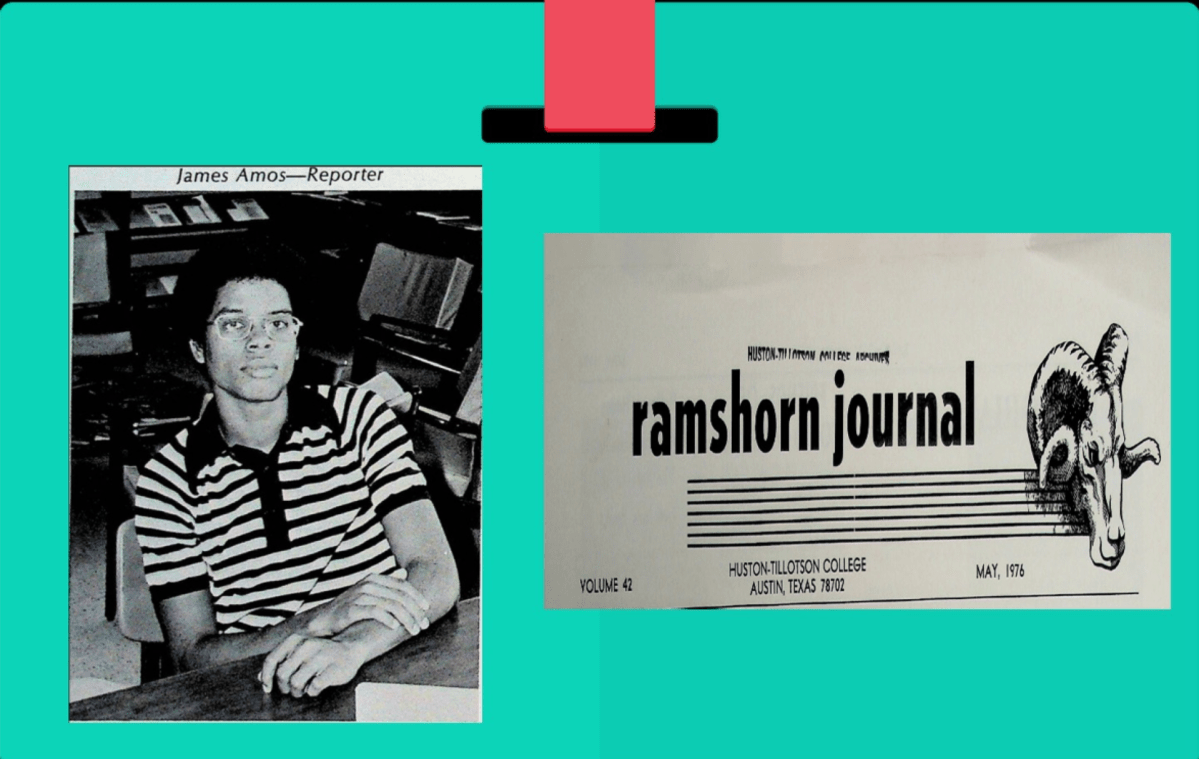
Today being Martin Luther King Day, I’m reminiscing a little about my short time as a student at Huston-Tillotson College (one of this country’s HBCUs, Huston-Tillotson University since 2005) in Austin, Texas. It’s always a good idea to thank your teachers. I never took a degree there, choosing to transfer credit to Iowa State University toward my Bachelor’s, later earning my medical degree at The University of Iowa.

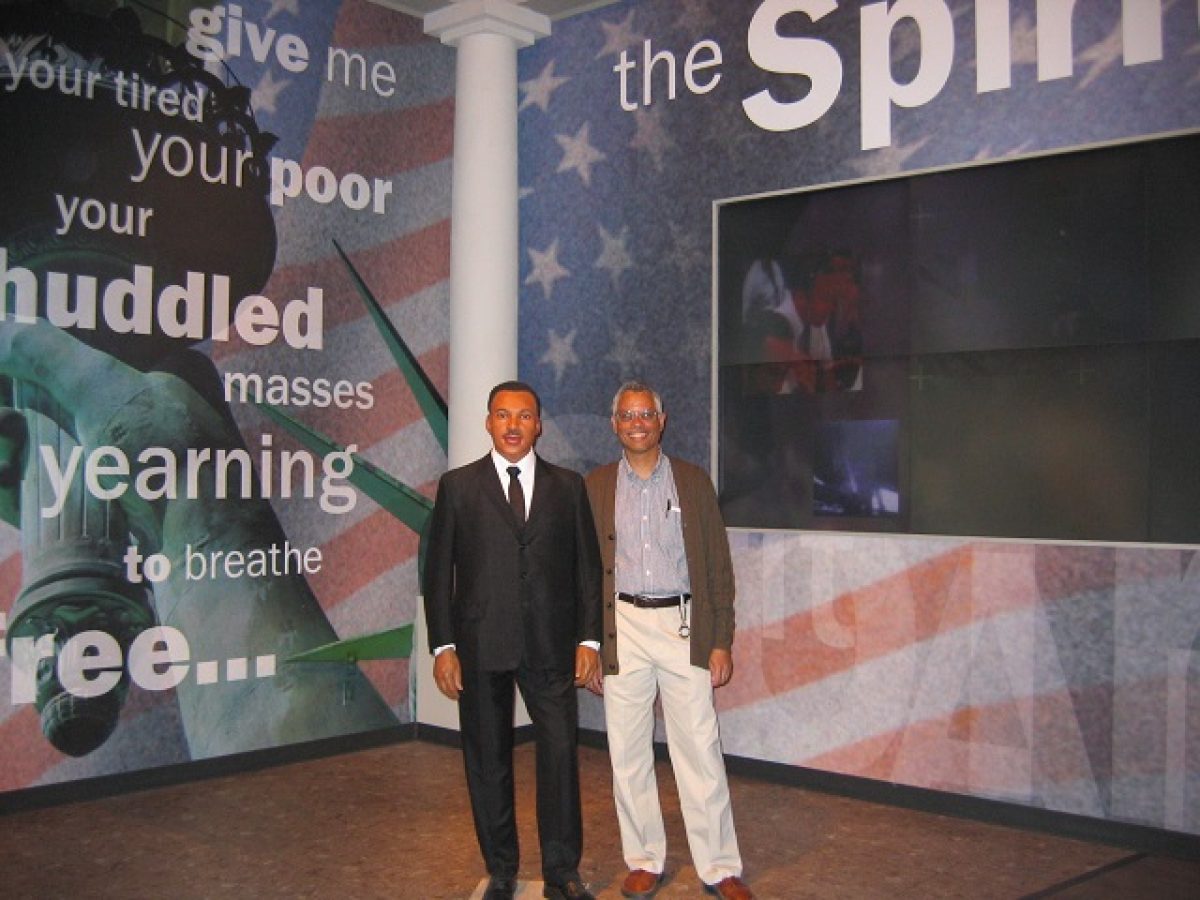
However, I was a reporter for the college newspaper, The Ramshorn Journal. That’s where the featured image comes from.

Although I didn’t come of age at HT, I can see that a few of my most enduring habits of thought and my goals spring from those two years at this small, mostly African-American enrollment college. I learned about tenacity to principle and practice from a visiting professor, Dr Melvin P. Sikes, in Sociology (from the University of Texas) who paced back and forth across the Agard-Lovinggood auditorium stage in a lemon-yellow leisure suit as he ranted about the importance of bringing about change.

He was a scholar yet decried the pursuit of the mere trappings of scholarship, exhorting us to work directly for change where it was needed most. He didn’t assign term papers, but sent me and another freshman to the Austin Police Department. The goal evidently was to make them nervous by our requests for the uniform police report, which our professor suspected might reveal a tendency to arrest blacks more frequently than whites.

He wasn’t satisfied with merely studying society’s institutions; he worked to change them for the better. Although I was probably just as nervous as the cops were, the lesson about the importance of applying principles of change directly to society eventually stuck. I remembered it every time I encountered push-back from change-resistant hospital administrations.

As a clinician-educator I have a passion for both science and humanistic approaches in the practice of psychiatry. Dr. James Means struggled to teach us mathematics, the language of science. He was a dyspeptic man, who once observed that he treated us better than we treated ourselves. Looking back on it, I can see he was right.


Dr. Lamar Kirven (or Major Kirven because he was in the military) also modeled passion. He taught black history and he was always excited about it. When he scrawled something on the blackboard, you couldn’t read it but you knew what he meant.

And there was Dr. Hector Grant, chaplain and professor of religious studies, and devoted to his native Jamaica. He once said to me, “Not everyone can be a Baptist preacher.” He tried to explain that my loss of a debate to someone who won simply by not allowing me a word in edgewise was sometimes an unavoidable result of competing with an opponent who is simply bombastic.

Dr. Porter taught English Literature and writing. She also tried to teach me about Rosicrucian philosophy for which she held a singular passion. Not everyone can be a Rosicrucian philosopher. But it prepared the way for me to accept the importance of spirituality in medicine.

I didn’t know it back in the seventies, but my teachers at HT would be my heroes. We need heroes like that in our medical schools, guiding the next generation of doctors. We need them in a variety of leadership roles in our society. Most of my former HT heroes are not living in the world now. But I can still hear their voices.

What Questions Should We Ask on MLK Day?

I ran across this quote from Dr. Martin Luther King, Jr. in my notes:

“Human progress is neither automatic nor inevitable… Every step toward the goal of justice requires sacrifice, suffering, and struggle; the tireless exertions and passionate concern of dedicated individuals.”

― Martin Luther King Jr.

This week we’ll be getting the two biographies of Martin Luther King, Jr. One of them is a biography published a couple of years ago by Jonathan Eig, titled “King: A Life.” The other is an autobiography, “The Autobiography of Martin Luther King, Jr.”

This morning, I was focused on puzzling over Eig’s book, in which there is a focus of how depression affected Dr. King. Gradually, I found out more about his struggles with mental health than I ever knew, and people were aware of them many years before Eig.

Dr. King never shared his emotional problems with anyone while he was alive in order to avoid the stigma in those times. Initially I asked “Why?” type questions. Why does anyone dig into a person’s private health information? That’s called PHI for short and it’s not supposed to be readily available to just anybody. Health professionals know that.

And then I remembered something I learned gradually over the course of my career as a psychiatrist. It’s hard to frame useful answers to “Why?” questions. It’s often more helpful to ask “What?” questions, mainly because they lead to actionable replies about things we might need to change.

What did I do as a teacher before I retired from consultation-liaison psychiatry in order to train those who would improve on what I did?

I shared with my students what I thought would be most helpful to them in their careers going forward:

The shortage of psychiatrists in general, and of C-L psychiatrists specifically, still leads me to believe that George Henry was right when he said:

“Relegating this work entirely to specialists is futile for it is doubtful whether there will ever be a sufficient number of psychiatrists to respond to all the requests for consultations. There is, therefore, no alternative to educating other physicians in the elements of psychiatric methods.”– George W. Henry, MD, 1929 (Henry, G.W., SOME MODERN ASPECTS OF PSYCHIATRY IN GENERAL HOSPITAL PRACTICE. Am J Psychiatry, 1929. 86(3): p.481-499.)

There was so much in Henry’s paper published in 1929 that still sounds current today. I can paraphrase the high points:

  • Practice humility and patience
  • Avoid psychiatric jargon
  • Stick close to facts; don’t get bogged down in theories
  • Prevent harm to patients from unnecessary medical and surgical treatment, e.g. somatization
  • “The psychiatrist deals with a larger field of medical practice and he must consider all of the facts.”
  • The psychiatrist should “…make regular visits to the wards…continue the instruction and organize the psychiatric work of internes…attend staff conferences so that there might be a mutual exchange of medical experience”
  • Focus on “…the less obvious disorders which so frequently complicate general medical and surgical practice…” rather than chronic, severe mental illness

The advantages of an integrated C-L Psychiatrist service (here I mean integrating medicine and psychiatry; mind and body) are that it increases detection of all mental disorders although that requires increasing the manpower on the service because of the consequent higher volume demand in addition to other requests, including but not limited to unnecessary consultation requests.

Further, what still astonishes me is the study which found that among consultee top priorities was an understanding of the core question (Lavakumar, M. et al Parameters of Consultee Satisfaction With Inpatient Academic Psychiatric Consultation Services: A Multicenter Study. Psychosomatics (2015). The irony is that the consultees frequently do not frame specific questions (Zigun, J.R. The psychiatric consultation checklist: A structured form to improve the clarity of psychiatric consultation requests. General Hospital Psychiatry 12(1), 36-44; (1990).

Moreover, it is sometimes necessary to give consultees bad news. A consultant should be able to tell a colleague what he or she may not what to hear. This principle is applicable across many disciplines and contexts. And it is best delivered with civility.

A former president of the ACLP said:

“A consultation service is a rescue squad.  At worst, consultation work is nothing more than a brief foray into the territory of another service…the actual intervention is left to the consultee.  Like a volunteer firefighter, a consultant puts out the blaze and then returns home… (However), a liaison service requires manpower, money, and motivation.  Sufficient personnel are necessary to allow the psychiatric consultant time to perform services other than simply interviewing troublesome patients in the area assigned to him.”—Dr. Thomas Hackett.

I don’t think it’s too much to expect things to improve. Speaking of improvement, Stephen Covey called it “sharpening the saw,” one of the 7 habits of highly effective people. For this, The University of Iowa Hospitals and Clinics C-L Psychiatry has the Clinical Problems in Consultation Psychiatry or CPCP. This was started by Dr. Bill Yates in the 1990s, and it was originally called Problem-based Learning. “PBL…emphasis on the development of problem-solving skills, small group dynamics, and self-directed methods of education…most common types of problem categories identified for the conference were pharmacology of psychiatric and medical drugs (28%), mental status effects of medical illnesses (28%), consultation psychiatry process issues (20%), and diagnostic issues (13%) …PBL conference was ranked the highest of all the psychiatry resident educational formats.”

  • Yates, W. R. and T. T. Gerdes (1996). “Problem-based learning in consultation psychiatry.” Gen Hosp Psychiatry 18(3): 139-144.Yates, W. R. and T. T. Gerdes (1996). “Problem-based learning in consultation psychiatry.” Gen Hosp Psychiatry 18(3): 139-144.
    • Covey, S. R. (1990). The seven habits of highly effective people: restoring the character ethic. New York, Simon and Schuster.         

What did I do when burnout made me a less effective teacher? In 2012 I started getting feedback from colleagues and trainees indicating they noticed I was edgy, even angry, and it was time for a change.

After reflecting on the feedback from my colleagues and students, I enrolled in our university’s 8 week group Mindfulness-Based Stress Reduction (MBSR) program. Our teacher debunked myths about mindfulness, one of which is that it involves tuning out stress by relaxing. In reality, mindfulness actually entails tuning in to what hurts as well as what soothes.

Maybe we should ask what helped Dr. Martin Luther King, Jr. persevere in spite of the inner turmoil and external pressure.

Connections Between Psychiatry, Artificiality and Blues Music?

I heard a song on the KCCK Big Mo Blues Show that I first heard in June of 2025. The song is “Artificial” by Walter Trout.

At first blush, I agree with what I think is the point of the song, which is basically a protest against artificiality which could manifest in a range of ways from superficiality and dishonesty in communications, attitudes, style of clothing, relationships, and all the way to Artificial Intelligence (AI).

The other connection I make is to the artist himself. Walter Trout developed Hepatitis C (eventually leading to liver transplant) according to a Wikipedia article which connected his lifestyle to contracting the disease. In my role as a consultation-liaison psychiatrist, I saw many patients with Hepatitis C who were referred to psychiatry from gastroenterology.

I was the main psychiatrist who evaluated them for treatment with Interferon-alpha. At the time it was the only treatment for Hepatitis C and was frequently associated with many side effects including depression. I was also one of the psychiatrists consulted as part of liver transplant evaluations.

Trout got very sick from Hepatitis C and made a remarkable (even miraculous) recovery after his liver transplant. Interferon is no longer used to treat Hepatitis C. It has been replaced by direct-acting antiviral (DAA) agents. They’re much better-tolerated and more effective.

The other aspect relevant to Trout’s song is ironic. The newest scientific literature supports the idea that AI can be helpful for diagnosing Hepatitis C, predicting its progression and response to treatment.

That doesn’t mean I’m completely sold on AI.

Aside from that, there’s interesting research suggesting that there may be a link between schizophrenia and bipolar disorder and Hepatitis C infection (which could be hiding deep in the brain’s choroid plexus lining the cerebral ventricles). In other words, some people might have mental illness because of the liver disease itself.

If you think about the dictionary definition of the word “artificial,” you can hardly dismiss this kind of research as insincere.

Glue Myself to My Biography

There’s a reason for why I so often tell Dad jokes. In keeping with my post from yesterday about Dr. Martin Luther King, Jr’s biographies:

I glued myself to my autobiography. You may not believe it, but that’s my story and I’m sticking to it.

We’ve ordered a couple of biographies about Dr. King. One of them is his autobiography and the other is Jonathan Eig’s book, “King: A Life.”

I’m getting to be too old to write my own autobiography—guess it’ll have to be done by autopen. Sorry about that one (no I’m not).

I’m a psychiatrist so I know when I’m using humor as a defense mechanism. A lot of good that does.

I’ve never seriously considered writing my autobiography. I could have it tattooed on my back—it would be my backstory.

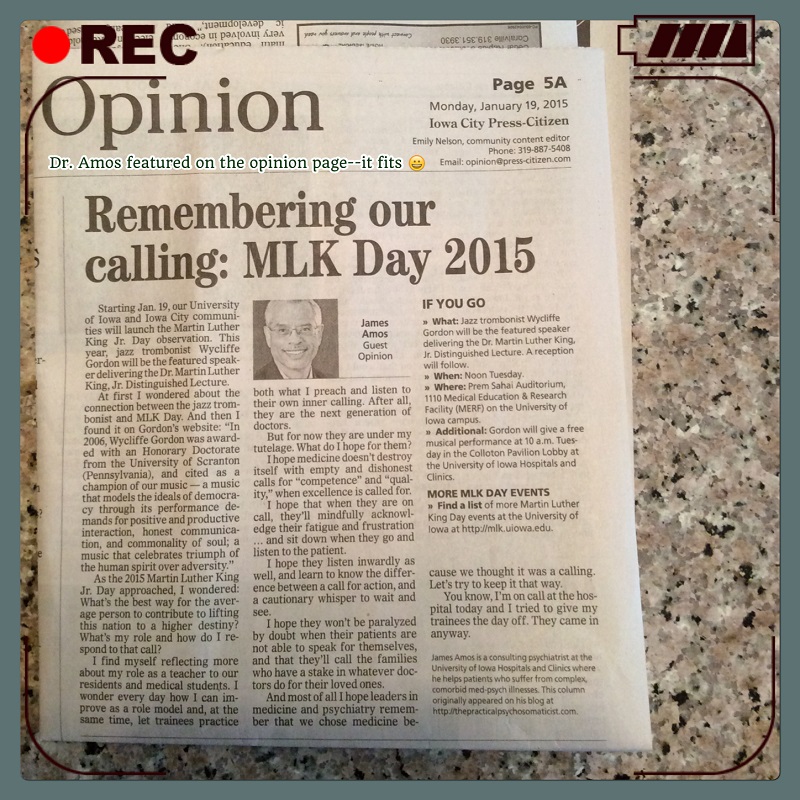
Seriously—no, I guess that’s impossible. On the other hand, every year about MLK Day, I think about the blog I wrote that the Iowa City Press Citizen published in 2015 on January 19th. It’s becoming almost something like a tradition. I think I need to repost it annually around this time. The title is “Remembering our calling: MLK Day 2015.” 

“Faith is taking the first step, even when you don’t see the whole staircase.”

-Martin Luther King, Jr.

That quote is interesting because Jonathan Eig’s biography of MLK can be said to reveal more of the staircase, so to speak, at least from the standpoint of his flaws as well as his strengths. But I stray from the tradition:

As the 2015 Martin Luther King Jr. Day approached, I wondered: What’s the best way for the average person to contribute to lifting this nation to a higher destiny? What’s my role and how do I respond to that call?

I find myself reflecting more about my role as a teacher to our residents and medical students. I wonder every day how I can improve as a role model and, at the same time, let trainees practice both what I preach and listen to their own inner calling. After all, they are the next generation of doctors.

But for now, they are under my tutelage. What do I hope for them?

I hope medicine doesn’t destroy itself with empty and dishonest calls for “competence” and “quality,” when excellence is called for.

I hope that when they are on call, they’ll mindfully acknowledge their fatigue and frustration…and sit down when they go and listen to the patient.

I hope they listen inwardly as well, and learn to know the difference between a call for action, and a cautionary whisper to wait and see.

I hope they won’t be paralyzed by doubt when their patients are not able to speak for themselves, and that they’ll call the families who have a stake in whatever doctors do for their loved ones.

And most of all I hope leaders in medicine and psychiatry remember that we chose medicine because we thought it was a calling. Let’s try to keep it that way.

You know, I’m on call at the hospital today and I tried to give my trainees the day off. They came in anyway.

I used to joke that they would erect a playdoh statue of me in the Quad (Quadrangle Hall was there) on the University of Iowa campus someday. Unfortunately, the Quad was demolished in 2016, so I guess I can’t put that in my autobiography.

Since I retired in 2020, I keep meaning to write my memoirs, but I never get around to it. I guess that makes it my oughta biography.

Kudos to Dr. George Dawson on Today’s Blog Post!

I want to give a shout-out to Dr. George Dawson on his post today, “Enthusiasm is a plus…” It’s right on the mark.

Having a zest for medicine is the reason why many physicians undertook the rigorous training in medical school, residency, and beyond. A sense of humor is evident in George’s essay—and he doesn’t need to be comedian.

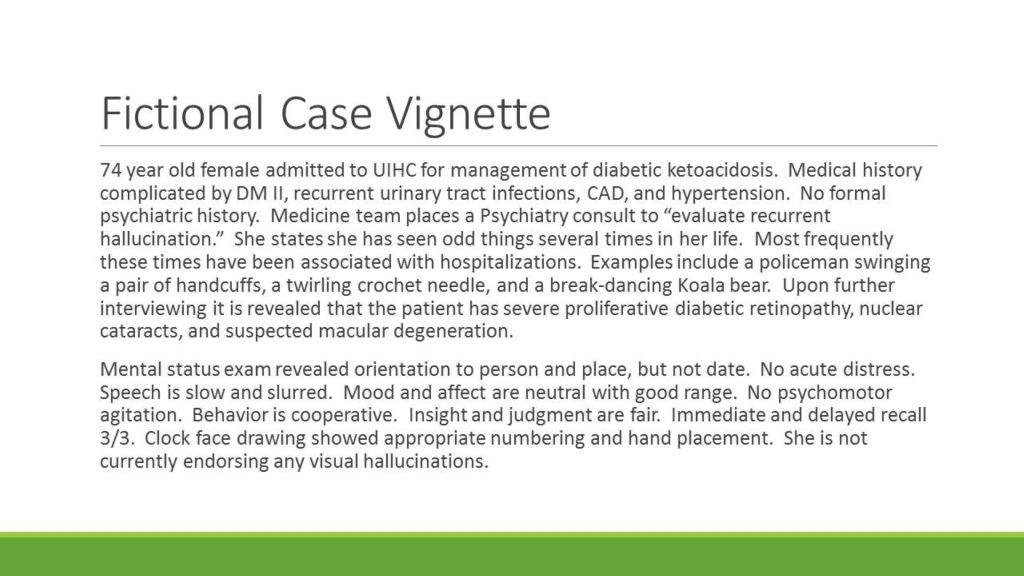
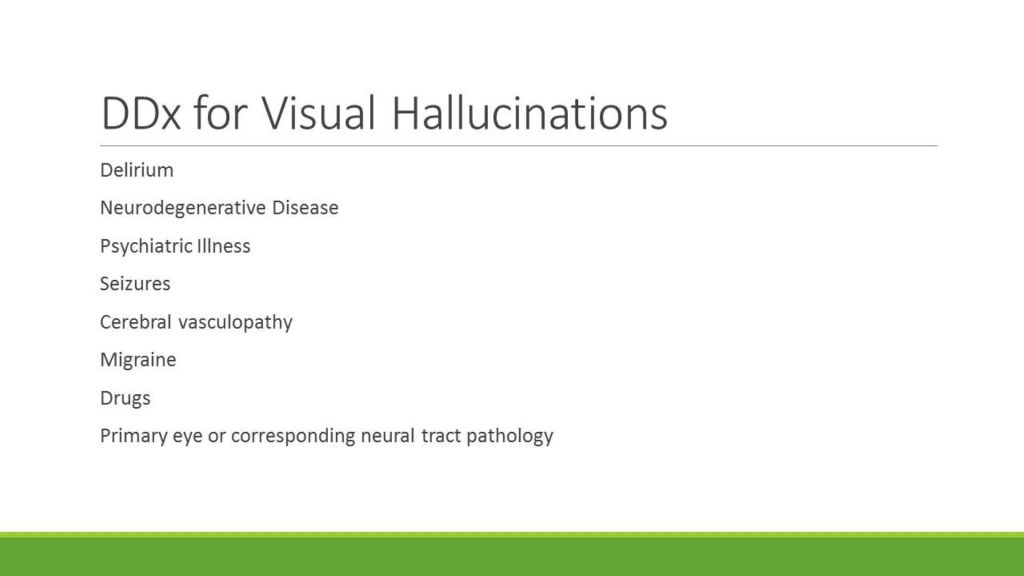
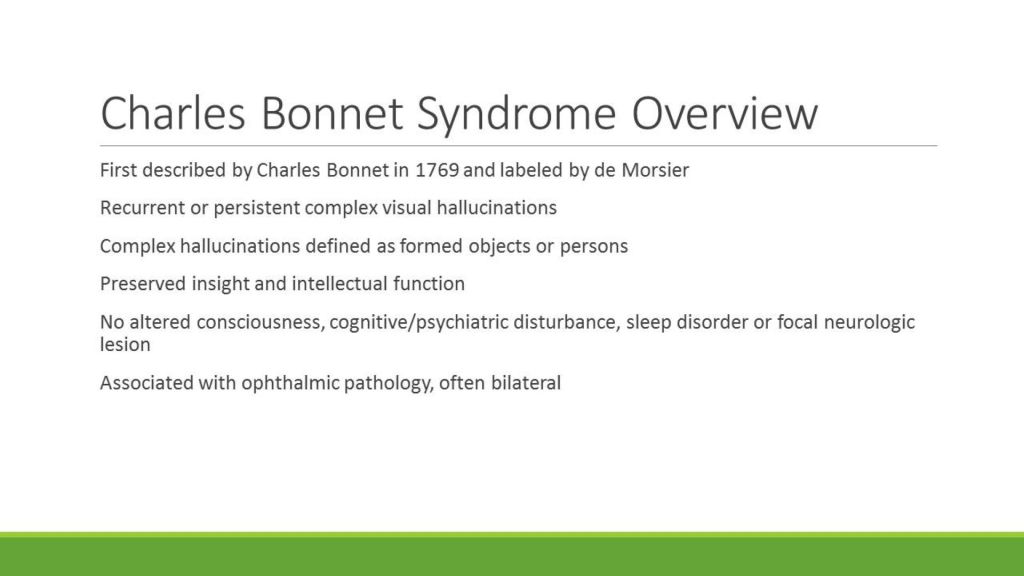
His essay reminded me of the many trainees who took their rotation through the psychiatry consultation service when I was running it (or tried to, anyway!). Many deserve a shout out as well for not only working hard on the service but teaching as well. I prevailed on them to make a short presentation during the rotation. I called it the Dirty Dozen.

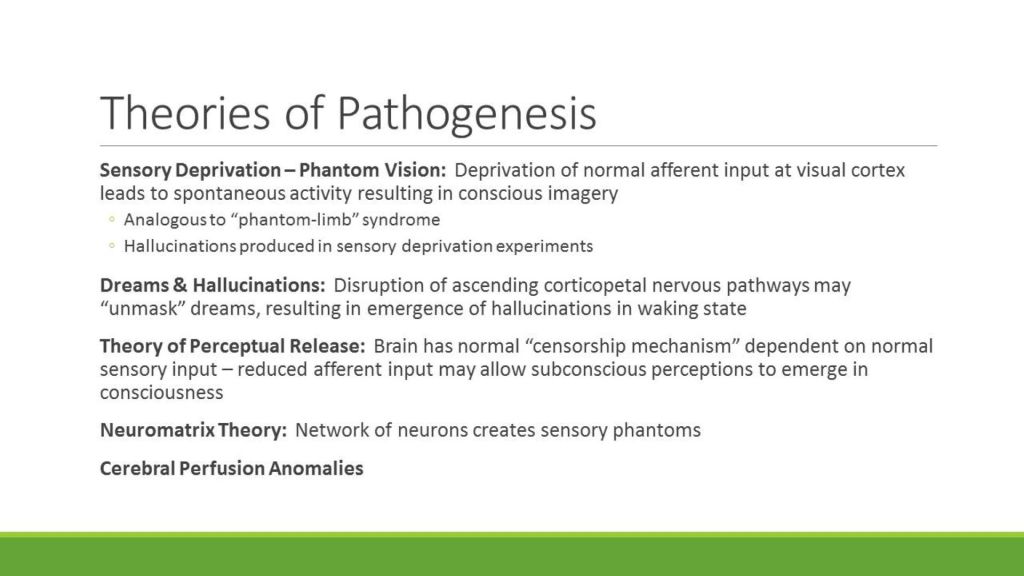
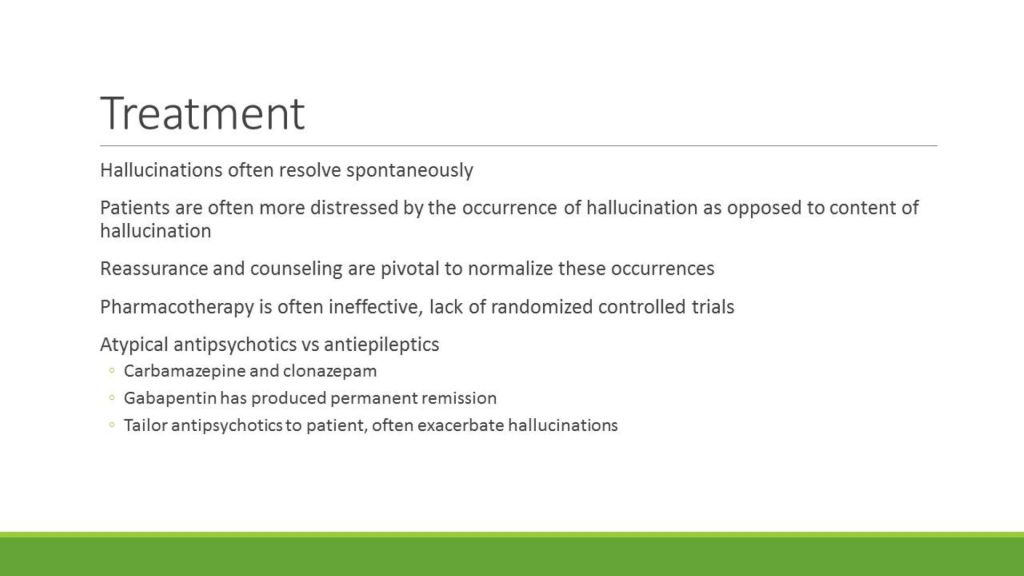
They picked a topic often about an interesting consultation case we had seen and put together a talk with a dozen slides. They gave a Dirty Dozen called: “Neurology and Psychiatry: Divided or United?” It included some of Dr. Ron Pies ideas on a subtopic of whether psychiatry and neurology can ever be combined as a discipline (three diagrams of his are in the slides). You can also see a sense of humor, especially in the first slide.

Note: Because I couldn’t locate all of the trainees to get their permission to leave their names on the title slide, I chose to identify them as “Trainees.” I’m still very proud of all of them.

Slides from trainees on Neurology and Psychiatry: Divided or United? from UIHC Psychiatry Consultation Service, 2017. Figures included from Dr. Pies’ article in Psychiatric Times (see below):

Citations:

Arzy, S. Danziger, S. (2014).. “The Science of Neuropsychiatry: Past, Present, and Future.” The Journal of neuropsychiatry and clinical neurosciences 26.4 2014): 392-395.  

Daly, R. Pies, R. (2010). Should Psychiatry and Neurology Merge as a Single Discipline? Psychiatric Times.

Fitzgerald, M. (2015). Do psychiatry and neurology need a close partnership or a merger? BJPsych Bulletin, 39(3), 105–107.

Pies, R. (2005). Why psychiatry and neurology cannot simply merge. J Neuropsychiatry Clin Neurosci; 17: 304-309.

Schildkrout, B., Frankel, M. (2016). Neuropsychiatry: Toward Solving the Mysteries That Animate Psychiatry. Psychiatric Times.

Price, BH., Adams RD., Coyle, JT. (2000). Neurology and psychiatry, closing the great divide. Neurology January 11, 2000 vol. 54 no. 18         

Ronald W. Pies, M., & Robert Daly, M. (2026, January 5). Should psychiatry and neurology merge as a single discipline?. Psychiatric Times. https://www.psychiatrictimes.com/view/should-psychiatry-and-neurology-merge-single-discipline?

Big Mo Blues Show and The Elvis Connection

The Big Mo Blues Show was really interesting last night. I’m just going to highlight a number done by John Hiatt called “Riding with the King.” The lore about this that I picked up from the internet is that Hiatt originally wrote and sang the song for the 1983 album Riding with the King. It was a tribute to a king known as Elvis Presley. The short story is that the song was inspired by a weird dream that the album’s producer, Scott Matthews, had about flying with Elvis Presley.

Years later, in 2000, the song was covered in an album by Eric Clapton, and the other king, B.B. King. The album was also called Riding with the King. Some reviewers thought the product was too slick, although to be frank about it, Hiatt’s production didn’t chart in the U.S.

The first time I heard Hiatt, I think it was on the Big Mo Blues Show. He sang “Gone,” which was on the album Crossing Muddy Waters, produced in 2000, the same year Clapton and King made the album which had the cover of Hiatt’s original song “Riding with the King.” I liked “Gone” because it was funny. I’m partial to humor in just about any context.

That reminds me of the Elvis Presley connection here about “Riding with the King.” About 8 years ago Sena and I made peanut butter and banana sandwiches, which Presley made famous. I blogged about it but I can’t find that post anymore. We didn’t really like the sandwich, although I wonder if the guy who had the dream that inspired the song “Riding with the King” had a PB & Banana sandwich just before bedtime. I kept the pictures but the post is—Gone!

Shoveling Through Retirement Thoughts

I was just musing on Philip Rivers. You know about him. I blogged recently about his coming out of retirement to play quarterback for the Indianapolis Colts. I guess you already know this, but he retired again.

Unlike Philip Rivers, I’ve not even considered coming out of retirement since I left my position at The University of Iowa Health Care (UIHC) over 5 years ago. I never looked back.

But that doesn’t mean I never think about looking back. I look back a lot and that’s mostly because I’m an old guy. I was a consulting psychiatrist in the general hospital.

Anyway, occasionally I search my name on the web and laugh at what comes up. I never went to Baylor College of Medicine, much less graduated from there.

I did a few things when I was a doctor. Not all of them were about work, but most of them were.

Those who know me know that I always hated Maintenance of Certification (MOC). I checked the American Board of Psychiatry & Neurology website and my MOC contribution to continuing education is still there. It’s a clinical module on Delirium, which a lot of doctors and other health care practitioners see every day in the hospital. Dr. Emily Morse worked on it as well. She’s still working at UIHC.

I co-edited a book about consultation-liaison psychiatry with my former chair of the Psychiatry Dept, Dr. Robert G. Robinson, may he rest in peace. It’s “Psychosomatic Medicine: An Introduction to Consultation-Liaison Psychiatry.” You can buy it on Amazon—please.

I wrote a case report on catatonia caused by withdrawal from lorazepam (a benzodiazepine), and it’s still available. It was first published in Annals of Psychiatry.

But one of the things I’m proudest of doing was writing a short article for the University of Iowa Library for Open Access Week.

In it, I tell a short anecdote about my lofty (OK, a better word is “greedy”) thoughts about how much money I could make shoveling snow. I was just a kid and I never made it outside to shovel anybody’s walk because I was too busy calculating my income. I wrote that way back when I had another blog, The Practical Psychosomaticist. The photo of me shows my Leonard Tow Humanism in Medicine pin fixed to my lapel—another thing I’m proud of. By the way “Tow” rhymes with “Wow.”

Libraries have always been my one of my favorite places to hang out. Anyway, I’ve got more time to do things like hang out in general. I think Philip Rivers will adjust.

The Missing 29 Cribbage Board and a Little History

We’ve been searching around for our 29 Cribbage Board. It’s in the shape of 29 which is the highest score you can get in cribbage. The hand is typically shown with three 5’s and the nob Jack and the cut card is the other 5. This is usually a diamond 5, but the heart or the spade 5 is also shown on some boards. The odds of getting this hand are 1 in 216,580.

Sena didn’t find it after a thorough search top to bottom of our house, so it must have gotten lost in the move last year. One of the reasons why this suddenly became an issue of national importance is that I read another one of those long historic articles on the American Cribbage Congress (ACC) website—which never lists the bylines of the persons writing them.

It turns out that a guy named Edward M. Hirst in Canada who first designed and started making the 29 board by himself back in the early 1950s. Customers would wait months for them. They weren’t mass-produced until two years after he died. Crisloid, Inc. (based in Rhode Island) made them for a while and this name is familiar to me because I shopped for a giant cribbage board from them a few years ago. They had stopped making the 29 board long before then. Interestingly, they made one of those very complicated continuous 3 track cribbage boards with complicated scoring for things like “Legs” and other features that eventually were more of a hallmark with another famous cribbage board maker–Drueke Co. And then Drueke Co. started making the 29 boards.

Eventually manufacturing of the 29 boards moved to Taiwan because they could be made more cheaply there. Nowadays, America’s role in sales has moved to vendors, such as Hoyle, Bicycle, Walmart, etc. There’s a reddit thread which shows a picture of a 29 board which contains a short history of the board.

Anyway, by way of personal history, we started playing cribbage again in 2019 after a 20-year hiatus. I have a dim memory of us experimenting with several card games back then, including cribbage. And then we dropped card games for a long time. And about 5 or 6 years ago we got a 29 board, because it was interesting and cheap.

I made a YouTube video of the game. It got about 1,800 views. It had some of the features discussed in the ACC history, which we think is really interesting. The nob Jack and 5 cut card were diamonds. There was a 121 hole (which some boards don’t have, believe it or not!).

And there’s also a Cribbage Board Collector’s Society (CBCS). The interesting thing they point out is that no one has ever reported to them about finding a 29 board with the Jack and the 5 cut card in the club suit. I couldn’t find one on the web, even on Ebay.

We immediately shopped for another 29 board but the one we want is sold out. Until then, we can reminisce.

Re-introducing The Good Enough Psychiatrist, Dr. Jenna Cheng

Sena just found a blogger psychiatrist who wrote the blog “The Good Enough Psychiatrist,” and her former blog link is still on my blog site. Dr. Jenna Cheng has a new blog and podcast, and it’s called “Attached and Enlivened Psychiatry.” The link is on the menu.

The featured image for this post is the Kintsugi pottery picture, which I first learned about from her blog and later blathered about back in September this year some more, relating to my link between it and blues music. She actually hit the like button on it.

When you get a chance, by all means check out the podcast that Dr. Cheng and Dr. Patrick Kelly run. “It’s called Good Enough Shrink, which rings a bell. I listened to “Münchausen and Münchausen by Proxy: Harming Self and Others to Play the Sick Role.” They did a great job!

Special Mention on Dr. George Dawson’s Post Today

I just want to send a link to Dr. George Dawson’s post The Phenomenological Suicide Assessment – The Legacy of Dr. H. It’s a great Christmas gift to teachers and learners everywhere. Happy holidays to George and everyone else.