Another Blast from the Past

Today is Labor Day, and I was looking at some of my old blog posts from my previous blog The Practical Psychosomaticist. I found one that I think I haven’t reposted on my current blog called “Going from Plan to Dirt.”

It’s a funny post, at least I think so. It draws a comparison between blue collar and white collar work, similar to what I did the other day (“Why Can’t I Wear Blue After Labor Day?”).
I wrote it in 2011, when I was on a hospital committee to improve detection and prevention of delirium in the general hospital.

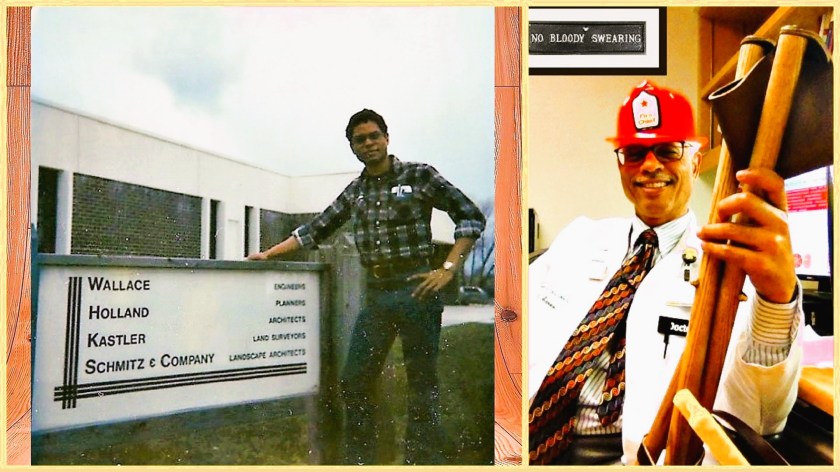
“Our work on the Delirium Early Detection and Prevention Project reminds me of my early formative experiences working as a draftsman and land survey technician starting in 1971 with an engineering company, Wallace Holland Kastler Schmitz & Co. (WHKS & Co.) in Mason City, Iowa. I remember being amazed at how a drawing on paper could be turned into a city street, highway, bridge, or airport runway. They have a website now. I can now find written there what was modeled for me then:

“WHKS & Co. is committed to the continuous improvement of the quality of service provided to our clients.”

Then and now WHKS & Co. worked hard to create the infrastructure that we depend on and then put it into the world in a “safe, functional, and sustainable” way. Out in the field we sometimes joked about how a designer’s drawing was flawed if we couldn’t go from plan to dirt.

It’s common to believe that engineers and land surveyors deal with complex mathematical formulas, structural materials, things instead of people—an applied science in which the emotions and motivations of people play a small role. Nothing could be further from the truth.

I was 16 years old when WHKS & Co. hired me. I had no idea what engineers and land surveyors did, had no experience, and I was at a crossroads in my life. They didn’t hire me because I had any talent or asset they needed. They hired me because they were as committed to the people in the community, not just to things.

And if you think land surveying doesn’t have anything to do with people’s emotions, consider property line disputes. The survey crew I was attached to had been sent out to find the property corners of two neighbors. This involves locating iron pins that mark the corners of the lots that houses sit on. Little maps or “plats” are used as guides and let me tell you, often enough we found the map is not the territory.

Anyway, while we were out there in the back yard of one of the neighbors, they both came outside. One of them was a diminutive elderly lady and the other was a tall, big-boned elderly man. They started arguing about the boundaries of their lots and it got pretty heated. Pretty soon they were yelling in each other’s faces and the lady reached down in the garden in which we were all standing. She picked up the biggest, juiciest rotten tomato she could find and it was clear to us what she planned to do with it. They were both pretty old and neither one of them could move very fast. My crew chief, sensing that something violent was about to happen, moved in between them (a decision I still can’t fathom to this day).

What followed seemed to happen in slow motion, in part because the combatants were so old. The man could see the lady was about to hurl the rotten tomato at him. Ducking must have been beyond his power, probably because of a stiff back. He bent his knees and leaned forward. She cocked the tomato as far back as she could and let fly, screeching, “You’re nothing but an old Norwegian!” My crew chief probably caught a seed or two. Amazingly, the tomato only grazed the top of the man’s head.

I think the altercation took a lot of both of them. They both went back in their houses after that.

It’s not hard for me to see the connection between my past and the present. WHKS & Co. was and still is committed to continuous improvement. And they were and still are all about finding a practical way to do it. If we’re going to improve the quality of care we provide patients and we propose to do it by preventing delirium, we’re going to have to use the same principles that my first employer used. And we’re going to have to be just as practical about how to go from plan to dirt.

We’re still trying to refine the charter for our delirium detection and prevention project, which is a kind of map, really. And even though the map is not the territory, it’s still a necessary guide to remind us of the goal.”
Why Can’t I Wear Blue After Labor Day?

I have a few thoughts on the upcoming Labor Day weekend. It occurs to me that Labor Day often evokes images of blue-collar workers. On the other hand, I think in a broader view of the holiday, most of us can think of ourselves as working toward improving our society no matter whether our jobs are in the white-collar or blue-collar sector.

Many eons ago, I was a blue-collar worker. I was a surveyor’s assistant and drafter for a consulting engineers’ company in Mason City, Wallace Holland Kastler Schmitz & Co. (WHKS & Co.). I got attached to my job because it was the first real job I ever had.

I was proud of what I did, even though I didn’t make much money. I had to travel around the state a lot. I lived at the YMCA and ate all my meals in cafes because I was often out of town on jobs and when I was not, there was no kitchen in my tiny sleeping room at the Y.

I wore blue jeans and tee shirts, flannel shirts when I wasn’t out in the hot sun. I liked being outside except when the ragweed was out in the late summer. I had bad hay fever. I tried desensitization shots, but all they did was make my arm swell up. Winters were cold, especially if I had to stand in one place for a long time, either holding up the rod or running the gun.

I was mostly a rear chain man and rod man early on, but moved up to “running the gun” which meant operating the level and theodolite, the former for measuring elevations and the latter for measuring angles. I was proud of my job.

It took me a while to transition from blue-collar to white-collar mindset. In college, I often returned to work for WHKS during the summer breaks. That was where I formed my identity.

Some aspects of the job were simple. You hammered a stake, an iron property marker, or a frost pin if the ground was frozen. Measuring distances, angles, and elevations were often repetitive tasks, yet satisfying because they marked progress toward a concrete goal, like building an airport runway, establishing the outline of a tract of farmland, or raising a bridge. As one of my bosses on the survey crew put it, the work helped you see “the lay of the land.”

Land surveying, mapping, and drawing up plans set my perspective on life when I was a young man. At one time, that perspective made me think I wanted to be an engineer. I respected engineers because they built the subdivisions, highways, dams, and other real things from ideas.

I respected my teachers at WHKS, but couldn’t do the math. And they respected my change of heart.

I eventually became a doctor, after a short stint as a medical technologist in clinical laboratory medicine. You’d think, given my hands-on background, I would have become a surgeon, but I wasn’t made for that either.

I learned basic things at WHKS like being steady, reliable, and focused. I had to learn other things to be a doctor, especially a psychiatrist. On the other hand, in this white-collar environment, especially in a research-oriented academic medical center, I often looked and acted more like a blue-collar worker.

One of the Family Medicine residents who rotated on the psychiatry consultation-liaison service left me a gift of a fireman’s helmet. It fit my head and my approach to psychiatry in the general hospital. What I did mostly was put out the fires, metaphorically speaking, of behavioral eruptions related to delirium which were caused by medical problems. Often, I had to apply blue-collar approaches in a white-collar world. So, can I wear blue after Labor Day?

Happy Labor Day.

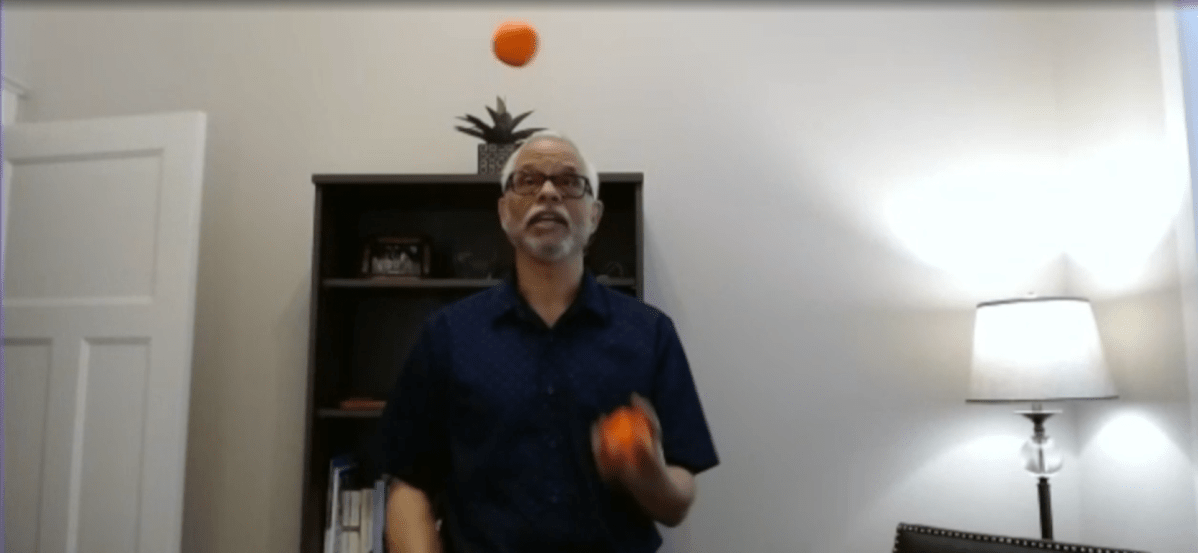
Now Playing! See My Psychiatric Times and Medical Word News Juggling Videos

My juggling video is up for viewing now on the Psychiatric Times website! The title is “A Journey of Juggling.” It’s in the section called More Than Medicine.

You can also find it on the Medical World News website with a slightlly different title, “After Hours: Juggling 101.” It’s in the section called After Hours.

They’re both essentially the same video with slightly different editing. They’re both around 14 or 15 minutes long. The Medical World News site requires you to register, which would provide access to a lot more features.

These are not YouTubes so they work a little differently. You’ll have to manually unmute the audio for “A Journey of Juggling.” The “After Hours: Juggling 101” starts playing right away with audio. There’s an introduction that lasts about a minute.

Psychiatric Times staff did the editing and publishing via Psychiatric Times and Medical World News websites. I had a lot of fun making this video.

I’m still juggling and have improved a lot on the under the leg throw trick. I can do the behind the back throw more consistently but still drop balls. I practice doing tricks from both my dominant and non-dominant sides. I can still do only 3 throws most of time with the shower pattern, but I’m still working on it.

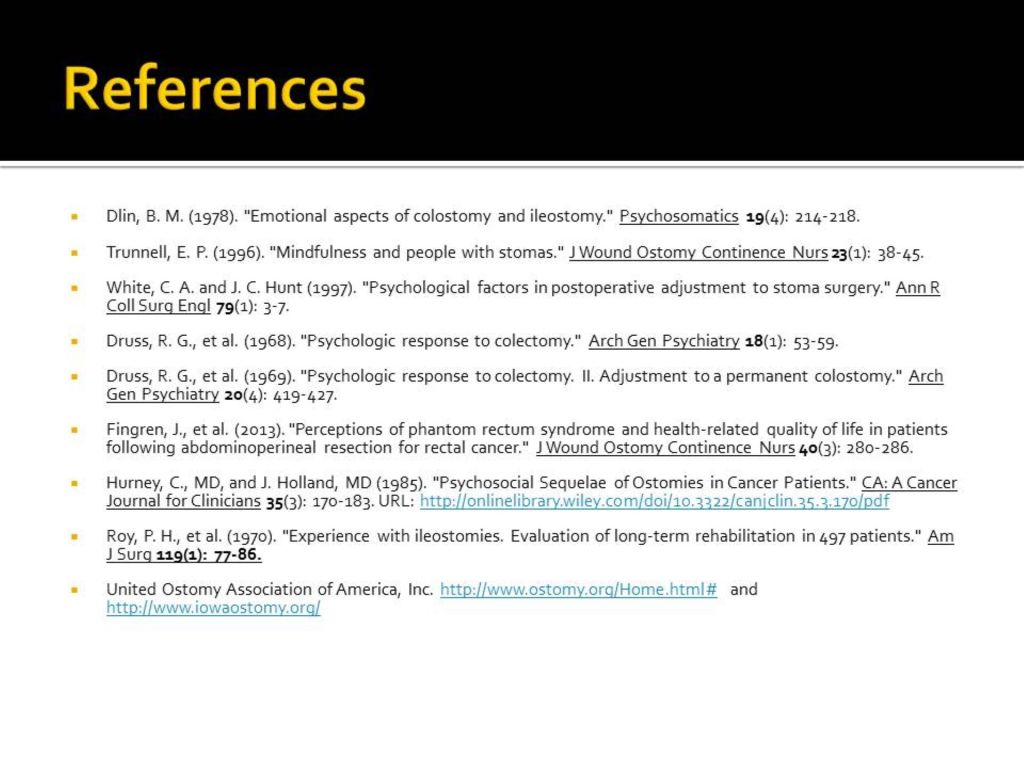
I wear safety goggles and it’s really not just one of my gags for YouTube. I had surgery for acute on chronic retinal tear in my right eye last year and I don’t want to go through that again. I didn’t get the retinal tear from juggling. Just getting older puts you at risk for it. On the other hand, I drop enough balls on my head that it makes me leery of taking any chances.

Sena is improving on learning the cascade pattern. She can do up to 20 throws-except while I’m watching!

Remembrance of Dr. William R. Yates MD

I was thinking about the Clinical Problems in Consultation Psychiatry (CPCP) learning sessions which was introduced to me by one of my first teachers in the University of Iowa Dept of Psychiatry, Dr. William R. (Bill) Yates.

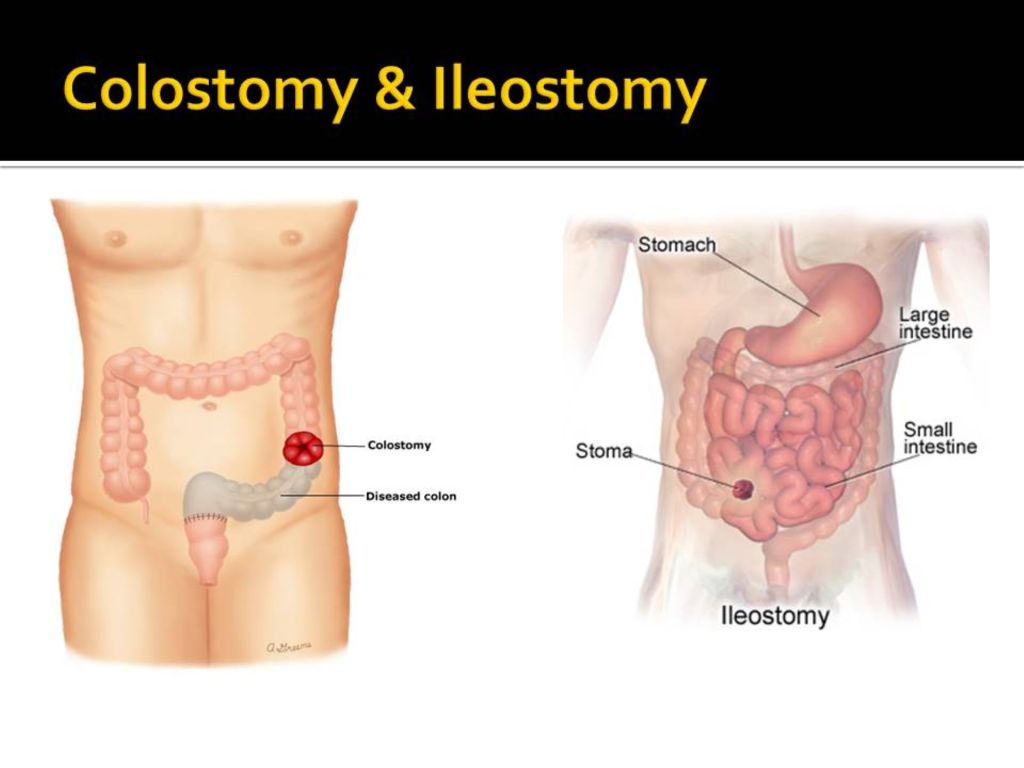
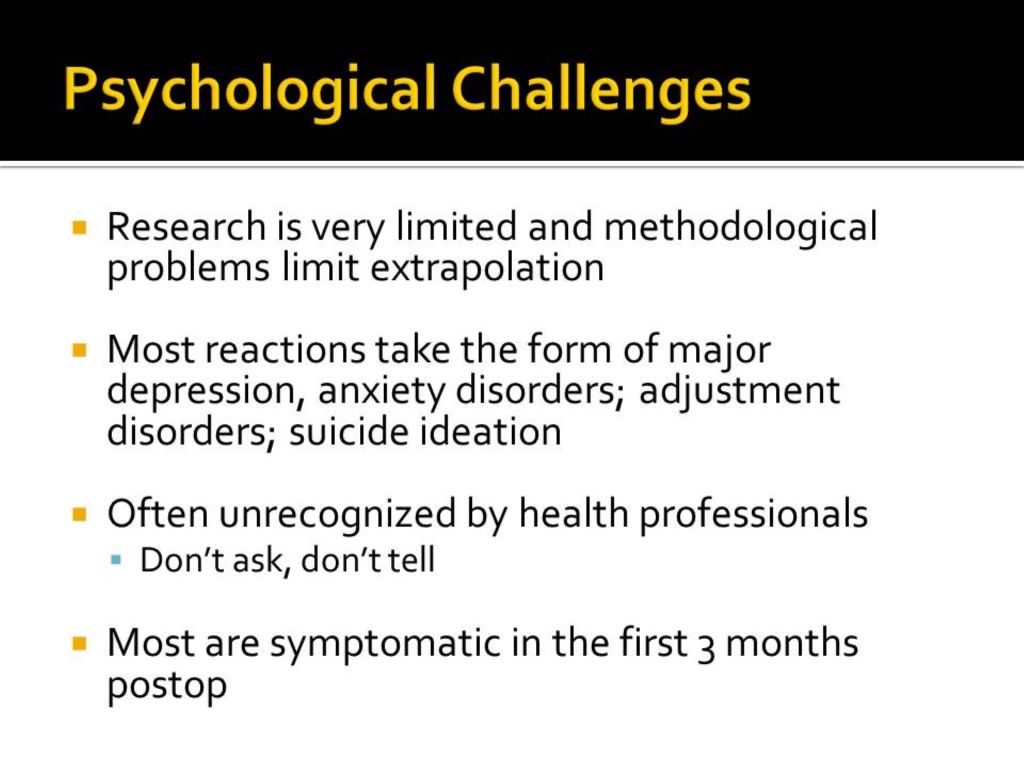
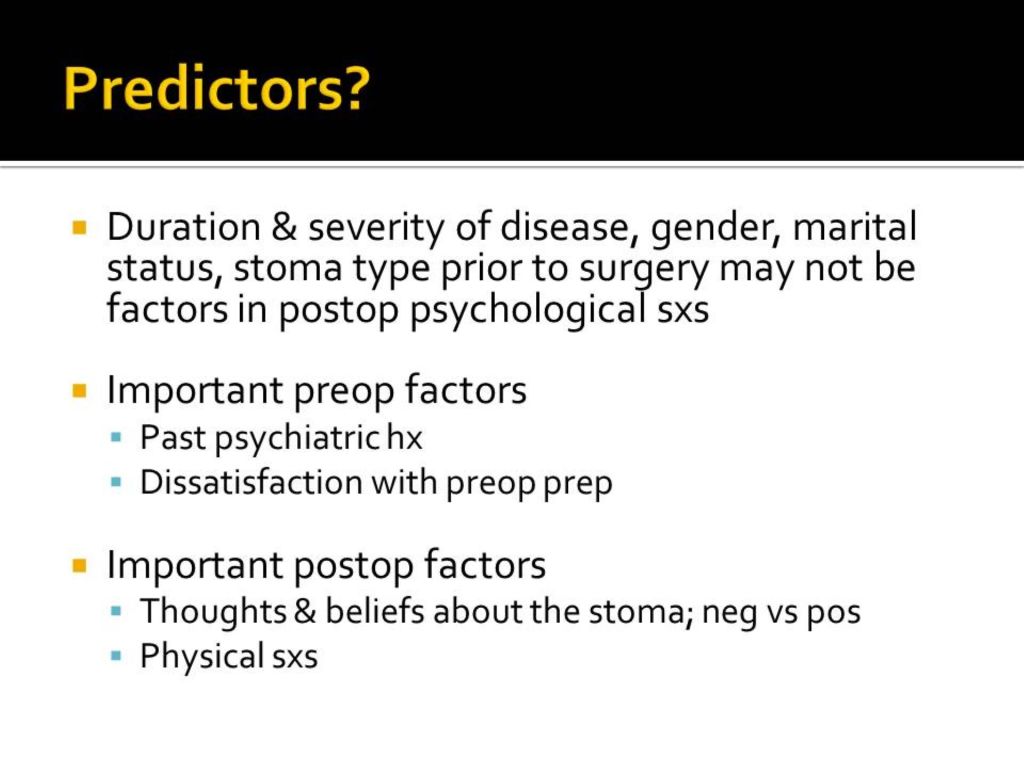
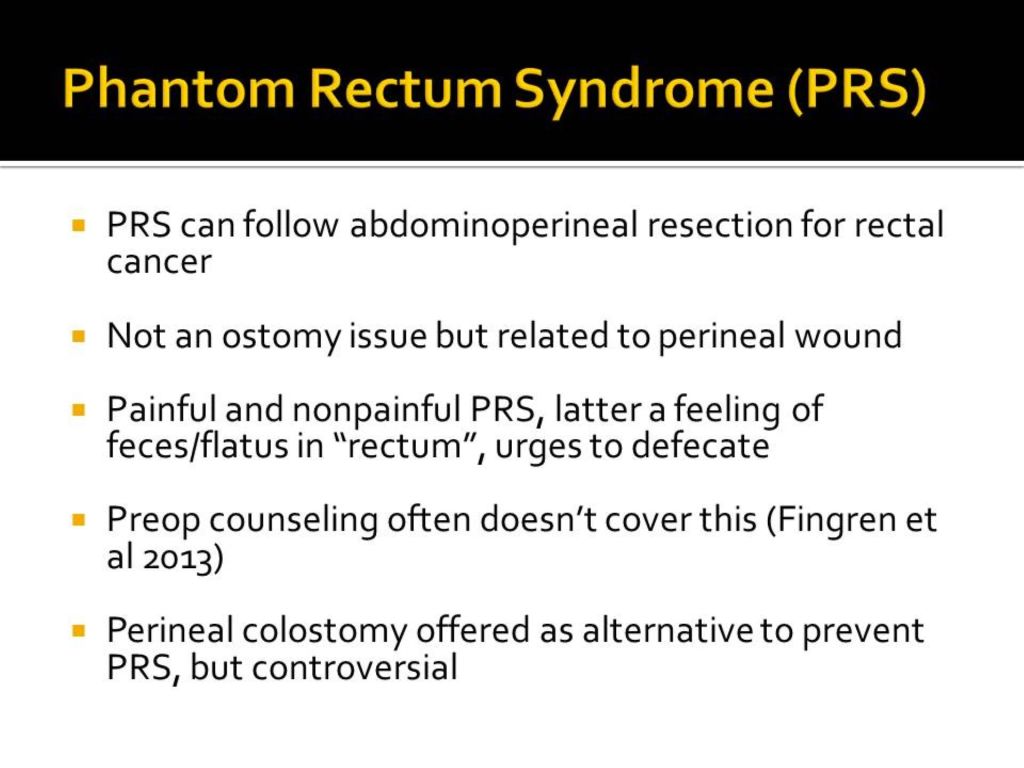
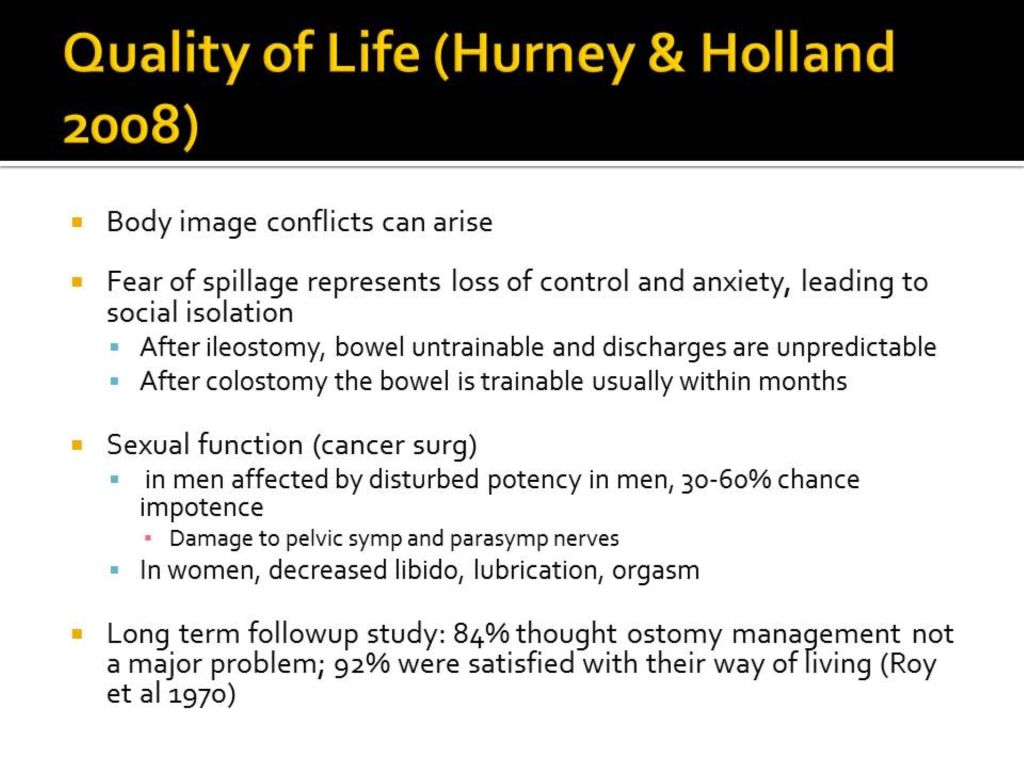
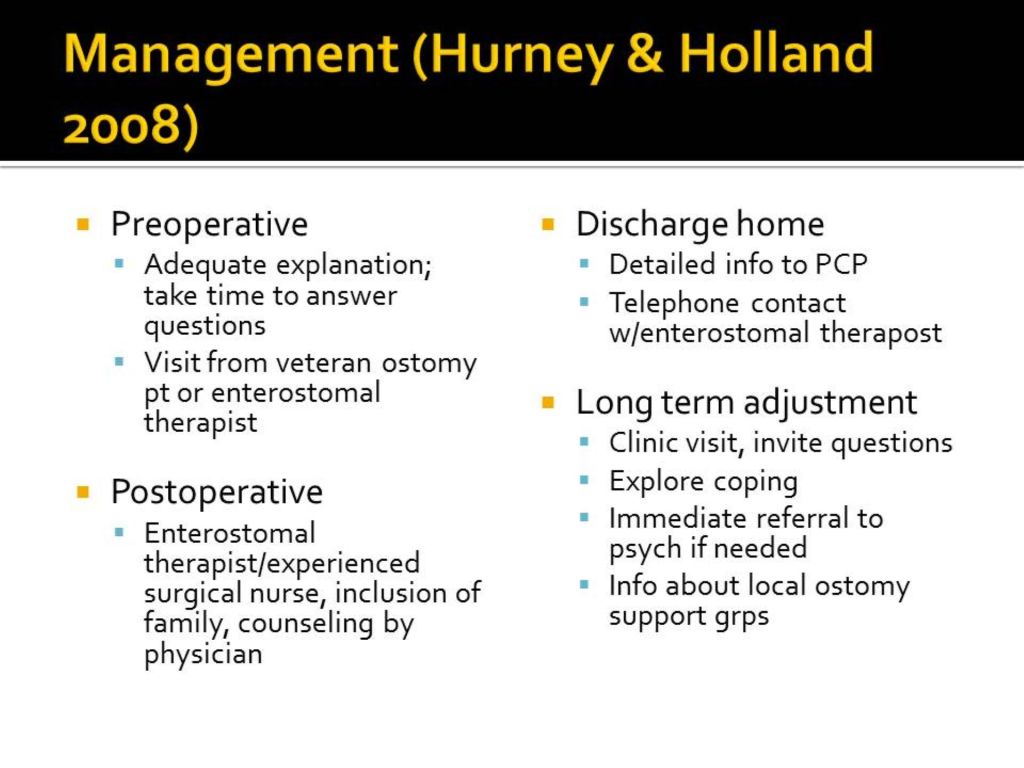
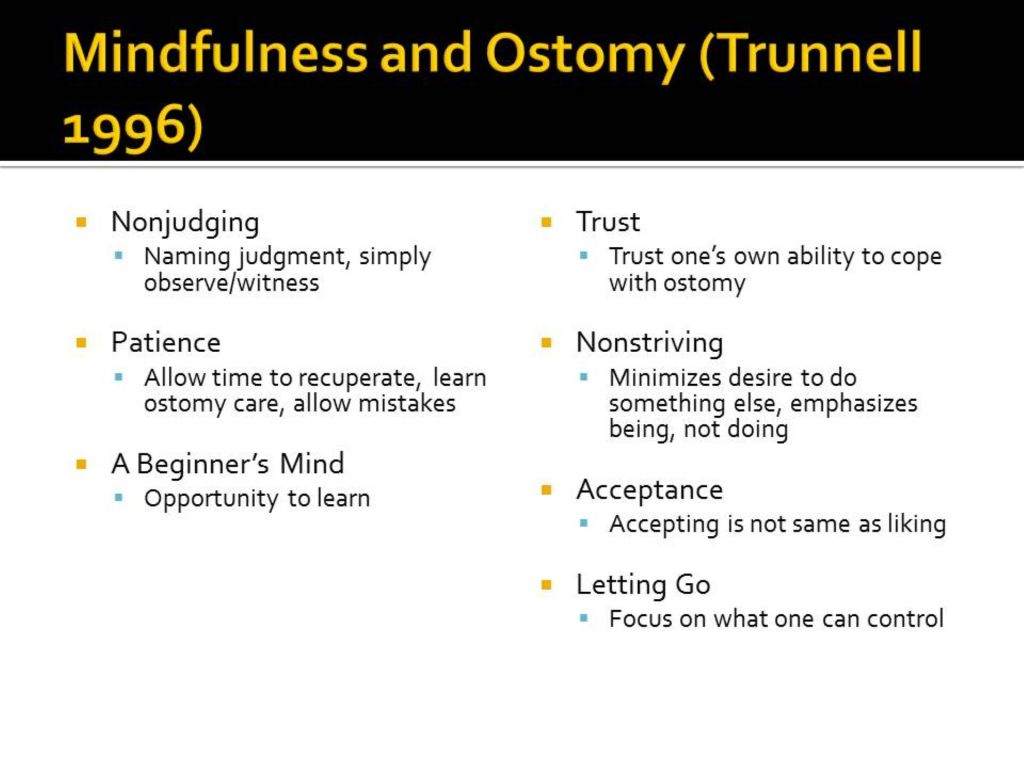
I had originally been thinking of posting one of my own CPCPs that I presented in 2015. It was about the psychosocial adjustment of patients to ostomy.

I searched widely and in vain on the web for any recent information about what Dr. Yates was doing now. I was surprised and saddened to discover his obituary. He died on January 19, 2023 in Tulsa, Oklahoma.

As the obituary says:

He served on the faculty at the University of Iowa for Psychiatry and Family Medicine before becoming Professor and Chair of Psychiatry at the University of Oklahoma College of Medicine in Tulsa. After retiring, he continued to dedicate his time as a volunteer research psychiatrist at OU and the Laureate Institute for Brain Research where he also served on the board of directors. He authored over 100 scientific manuscripts that were published in peer-reviewed journals.

He was an energetic, a great teacher, had a great sense of humor, and was easy to get along with. He published in many scientific journals and taught many trainees. He was an avid bird watcher and his blog Brain Posts highlighting neuroscience research findings is still visible on the web.

He published the paper along with a chief resident on problem-based learning used on the psychiatry consult-liaison service in 1996, the year I graduated psychiatry residency and joined the faculty at The University of Iowa Hospitals & Clinics (Yates, W. R. and T. T. Gerdes (1996). “Problem-based learning in consultation psychiatry.” Gen Hosp Psychiatry 18(3): 139-144.) You can read the abstract for it along with a description of the CPCP at the link above which takes you to my April 19, 2019 blog post “Clinical Problems in Consultation Psychiatry.”

When he was the leader of the psychiatry consult service, we were still using paper charts and his staffing comments were always very brief and encapsulated the assessment and plan succinctly without wasted verbiage—contrasting with my long-winded note.

His remarks about his role at Laureate Institute for Brain Research is still accessible:

“I work part-time as a research psychiatrist for the assessment team at the Laureate Institute for Brain Research. We do research diagnostic assessments for a variety of imaging, genetic and biomarkers studies in mood, anxiety and other brain disorders. I also provide review and analysis of neuroscience research on my blog Brain Posts that can be found at www.brainposts.blogspot.com. You can follow me on Twitter @WRY999. I also use my blog and Twitter feed to share my bird photography images.”

I respected and admired Dr. Yates, as I’m sure many learners did. I will always remember Bill as a gifted scientist and teacher.

I think a fitting tribute would be to go ahead and post my CPCP on the psychosocial adjustment of patients with ostomy. One of the most interesting articles in the bibliography is how the mindfulness meditation approach to that adjustment can be very helpful. The website United Ostomy Association of America website is also informative.

The presentation is also limited to a dozen slides. I often encouraged learners to keep the number of slides to a managed number so the presentations wouldn’t run too long. I called my slide sets the Dirty Dozens.

Many thanks to Dr. William R. Yates and my condolences to his family.

Doctors Still Oppose Board Mandated Maintenance of Certification Programs

I got a pang of anti-nostalgia after reading the latest article calling for abolition of Maintenance of Certification (MOC), posted by Medscape on August 1, 2023. There is a petition by oncologists to end MOC. So, what else is new? So far it has almost 10,000 signatures.

I remember my own petition in 2014 to end the American Board of Medical Specialists (ABMS) attempt to establish Maintenance of Licensure (MOL), a kissing cousin of MOC, which would have blocked physicians from getting a state medical license if they didn’t comply with MOC requirements. It was supported by both the Iowa Psychiatric Society and the Iowa Medical Society. It got a lot of signatures and many comments in support of opposing both MOC and MOL. The glaringly obvious motive by member boards to require MOC is money and always has been, in my opinion.

I’m baffled at why this debate still rages on. It looks like almost no progress has been made in the last decade, apparently because the American Board of Internal Medicine (ABIM) and other boards ignore the clear messages from rank-and-file doctors about how MOC actually interferes with efforts to pursue practical continuing medical education.

I have always been a staunch supporter of physician-led continuing medical education. At the hospital where I worked as a consultation-liaison psychiatrist, the consult service ran the Clinical Problems in Consultation Psychiatry (CPCP). It was a weekly case-based conference, which I have written about in a 2019 post.

Ironically, the Performance in Practice (PIP) delirium clinical assessment tool module that I and one of the residents created is still offered for credit on the American Board of Psychiatry & Neurology continuing education web site. I think it demonstrates the ability of individual doctors to establish practical methods for developing their own continuing education programs.

Maybe I Should Be More Optimistic About Humans

I read the Psychiatric Times article “How Psychiatry Has Enriched My Life: A Journey Beyond Expectations” by Victor Ajluni, MD and published on July 4, 2023. It was like a breath of fresh air to read an expression of gratitude. Just about everything I read in the news is negative.

At the end of the article, Dr. Ajluni added a comment acknowledging that artificial intelligence (AI ChatGPT) assisted him in writing it. He takes full responsibility for the content, to be sure. I wouldn’t have guessed that AI was involved.

There’s a lot of negative stuff in the news. There are hysterically alarming headlines about AI.

I suppose you could wonder if Dr. Aljuni’s article is intentionally ironic, maybe just because the gratitude tone is so positive.  If it had been intended as irony, what could the AI contribution have been, though? I have a pretty low opinion of the AI capacity for irony.

I think irony occurs to me only because I tend to be pessimistic about the human race.

Maybe that’s because it has been very easy to be pessimistic about what direction human nature seems to be taking in recent years. I’ve been reading Douglas Adams’ satirical book, “The Ultimate Hitchhiker’s Guide to the Galaxy.” It contains several of his books which I think are really about human nature, and the setting is in a funny though often terrifying universe. I think there’s an ironic tone which softens the pessimism. The most pessimistic character is not a human but a robot, Marvin the paranoid android.

Unlike Marvin, I don’t have “a brain the size of a planet” (it’s more the size of a chickpea), but I am getting a bit cynical about the universe. I’m prone to regarding humans as evolving into a race of beings similar to those described in the book “Life, The Universe and Everything.” In Chapter 24, Adams describes the constantly warring Silastic Armorfiends of Striterax.

The Silastic Armorfiends are incredibly violent. Their planet is in ruins because they’re constantly fighting their enemies, and indeed, each other. In fact, the best way to deal with a Silastic Armorfiend is to lock him in a room by himself—because eventually he’ll just beat himself up.

In order to cope better, they tried punching sacks of potatoes to get rid of aggression. But then, they thought it would be more efficient to simply shoot the potatoes instead.

They were the first race to shock a computer, named Hactar. Possibly, Hactar was an AI because, when they told Hactar to make the Ultimate Weapon so they could vanquish all their enemies, Hactar was shocked. Hactar secretly made a tiny bomb with a flaw that made it harmless when the Silastic Armorfiends set it off. Hactar explained “…that there was no conceivable consequence of not setting the bomb off that was worse than setting it off…”, which was why it made the bomb a dud. While Hactar was explaining that it hoped the Silastic Armorfiends would see the logic of this course of action—they destroyed Hactar, or at least thought they had.

Eventually, they found a new way to blow themselves up, which was a relief to everyone in the galaxy.

There are similarities between Hactar and the AI called Virtual Interactive Kinetic Intelligence (V.I.K.I.) in the movie “I, Robot.” The idea was that robots must control humans because humans are so self-destructive. Only that meant robots had to hurt humans in order to protect humanity. The heroes who eventually destroy V.I.K.I. make up a team of misfits: a neurotic AI named Sonny, a paranoid cop who is himself a mixture of robot and human, and a psychiatrist. Together, the team finally discovers the flaw in the logic of V.I.K.I. Of course, this leads to the destruction of V.I.K.I.—but also to the evolution of Sonny who learns the power of the ironic wink.

Maybe kindness is the Ultimate Weapon.

What Do the Personal Brain Specialists Recommend?

Dr. George Dawson’s post “The Freak Show” reminded me of how coarse and cruel we can be to each other, even when we’re not aware of it. Maybe I should say especially when we’re not aware of it. Dr. Dawson emphasizes the importance of the empathic approach. In the same way, Dr. Moffic in the articles in his column, “Psychiatric Views on the News” draws attention to the need for a socially responsible way for us to relate to one another. The Goodenough Psychiatrist blog expresses poignantly the emotional and courageously humanistic ways we can (or could) relate to each other. Dr. Ronald Pies has highlighted the importance of how human interaction with artificial intelligence must help us find a way to treat each other with respect, and teach that to AI because AI learns from humans.

This reminds me of a character in the book “The Hitchhiker’s Guide to the Galaxy” by Douglas Adams. The character is named Gag Halfrunt who is the personal brain specialist for a couple of other characters. In fact, he’s a psychiatrist who orders the destruction of planet Earth, which is a sort of computer program designed to give us the ultimate question to the ultimate answer for life, the universe, and everything. The reason Gag Halfrunt wants to destroy Earth is, if the ultimate question is revealed, it would put psychiatrists out of work because then everyone would be happy.

Just as a personal comment, I’m pretty unhappy with the author’s position on psychiatrists in general, which tends to overemphasize our importance. And I’m pretty sure psychiatrists are not that important, having been employed as one for many years and seeing how much impact of any kind we have. We can’t make people more or less happy at all.

In fact, Adams also takes a shot at philosophers, who are also upset at being thrown out of work should the ultimate question to the ultimate answer be revealed (the ultimate answer, by the way, is 42 if you’re interested).

Giving psychiatrists and philosophers and anyone else who might have a stake in taking credit for making people happy is nonsense. We all bear responsibility for ourselves. You can argue about whether or not we have any responsibility for each other.

Rather than arguing about it, we could give something else a try. We could try a mindfulness approach like the Lovingkindness Meditation. I’m not an authority or expert on this, but you can check it out on the Palouse Mindfulness website, the link to which is in the menu on my blog. You can find the link to the Lovingkindness Meditation there.

There is no guarantee the Lovingkindness Meditation will make you or anyone else happy. But it doesn’t hurt anything to try it and, as far as I know, Gag Halfrunt is not opposed to it.

The Skinwalker Ranch Connection to Nikola Tesla

I watched one of the new episodes of The Secret of skinwalker Ranch the other night. The use of special imaging techniques led to finding what looked like little tunnels running underground in one area of the property.

That led to trotting out the little excavator and digging up the ground. They found some light-colored veins of dirt, which they analyzed. They contained elements, things like sodium, potassium and whatnot. I couldn’t understand why they didn’t compare that to the surrounding normal-looking dirt, because I think dirt everywhere has those elements in it.

I think one of the scientists/actors, Dr. Travis Taylor, mentioned that this kind of dirt might be able to transmit electricity. That got me thinking about Nikola Tesla and his fascinating experiments with electricity. I’m probably all mixed up about his theories but I think he tried to send electricity through the earth in an effort to show it could be transmitted without wires.

In fact, that led me on my usual wild goose chasing through the internet. I didn’t know Tesla almost died from cholera when he was much younger. I also found out he suffered from obsessive-compulsive disorder (OCD). That led me to a paper that was published in a neuroscience journal in 1999 showing that an intracellular form of cholera toxin was associated with OCD-like behaviors in mice.

Tesla also became friends with Mark Twain, one of my favorite humorists. Tesla used his “earthquake machine” to cure Twain’s constipation—by causing diarrhea.

You can learn a lot about science by watching the skinwalker ranch show. On the History Channel website, it’s subtitled as “science fiction.”

Campbell KM, de Lecea L, Severynse DM, Caron MG, McGrath MJ, Sparber SB, Sun LY, Burton FH. OCD-Like behaviors caused by a neuropotentiating transgene targeted to cortical and limbic D1+ neurons. J Neurosci. 1999 Jun 15;19(12):5044-53. doi: 10.1523/JNEUROSCI.19-12-05044.1999. PMID: 10366637; PMCID: PMC6782675.

We took the picture of the Nikola Tesla sculpture at Niagara Falls in 2015.

My Two Cents on the Involuntary Treatment of Tuberculosis and Psychiatric Illness

By now many of us have seen the news headline about the person in Washington state who was arrested and sent to jail for noncompliance with a court order for treatment of tuberculosis. This led to my searching the literature about the connection between court-ordered treatment for psychiatric illness and court-ordered treatment for tuberculosis in Iowa. I’m not assuming that the person who is the subject of the news story has psychiatric illness.

I’m a retired consultation-liaison psychiatrist and the issue of how to respond to patients who refuse treatment for tuberculosis arose maybe once in my career. When the Covid-19 pandemic began a few years ago, I thought of the Iowa code regarding involuntary quarantine of patients infected with Covid-19 infection. I thought it was a situation similar to that of persons infected with tuberculosis. That was an issue for the hospital critical incident management team to deal with.

I found an article relevant to both internal medicine and psychiatry. It is entitled “Can Psychiatry Learn from Tuberculosis Treatment?” It was written by E. Fuller Torrey, MD and Judy Miller, BA and published in Psychiatric Services in 1999. The authors point to the directly observed therapy (DOT) programs in place in several states, including Iowa. Such programs can include positive reinforcement incentives such as fast-food vouchers and food supplements, movie passes and more. They credit the New York experience using DOT with reducing the tuberculosis rate by 55%.

Torrey and Miller point out that many psychiatric treatment programs didn’t offer as many incentives as DOT programs for treatment of tuberculosis. They also say that a “credible threat of involuntary treatment, essential for the success of DOT” often is absent from psychiatric programs.

I was puzzled by their view because of what I saw from our own integrated multidisciplinary program of assertive community treatment (IMPACT) at The University of Iowa Hospitals & Clinics, which started well before they wrote the article. My impression is that it has been very successful. The Iowa Code covers the role of involuntary psychiatric hospitalization in the event of noncompliance as a result of uncontrolled psychiatric symptoms leading to danger to self or others or inability to provide for basic self-care needs.

On the other hand, because of my background in consultation-liaison psychiatry, I wondered about how we might treat someone with both tuberculosis and severe psychiatric illness, the latter of which could make treatment of the former difficult or even impossible.

We can use long-acting injectable antipsychotics to treat those with chronic schizophrenia. They’re not uniformly effective, but they play an important role in acute and maintenance therapy.

But I also forgot about how tuberculosis treatment could be administered to those unwilling to take it voluntarily. I rediscovered that tuberculosis treatment can be given by injection, if necessary, although it’s usually intended for treatment-resistant disease. On the other hand, scientists created a long-acting injectable drug for tuberculosis which was effective in animal studies and which could be a delivery system for non-adherent patients.

And I thought about who would be the responsible authority for administering tuberculosis medications on an involuntary basis. It’s not psychiatrists. It turns out that in most states, including Iowa, the local public health officer is in charge. The CDC has a web page outlining suggested provisions for state tuberculosis prevention and treatment.

Patients with tuberculosis who refuse treatment can be confined to a facility, although it’s not always clear what that facility ought to be. Certainly, I would be concerned about whether a jail would be the best choice.

I don’t have a clear answer for an alternative to incarceration. Would a hospital be better? General hospitals are not secure and there would not be an ideal way to prevent the patient from simply walking away from a general hospital ward. If the patient has a comorbid severe psychiatric illness that interferes with the ability to cooperate with tuberculosis treatment, then maybe a locked combined medical-psychiatric unit (MPU) would be the better choice. Arguably, while an MPU might not be the best use of this scare resource, it’s probably more likely to have a negative pressure isolation room for a patient with both tuberculosis and psychiatric illness. I co-attended with internal medicine staff on The University of Iowa Hospital’s MPU for many years. There are rigorous criteria for establishing such units. The best expert in integrated health care systems I know of would be a former teacher and colleague of mine, Roger Kathol, MD. He is currently the head of Cartesian Solutions.

I’m aware that just because someone refuses treatment for tuberculosis doesn’t necessarily mean a psychiatric illness is present. The critical issue then could become whether or not the patient has the decisional capacity to refuse medical treatment. The usual procedure for checking that would include assessing understanding, appreciation, reasoning, and the ability to make a choice. You don’t necessarily need a psychiatrist to do that. Further, there are nuances and recent changes in the decisional capacity assessment that can make the process more complicated. The New York Times article published in early May of this year, entitled, “A Story of Dementia: The Mother Who Changed,” makes that point based on a real-life case in Iowa, involving psychiatrists at The University of Iowa.

It occurs to me, though, that just because a person is able to pass a decisional capacity assessment doesn’t necessarily make a decision to refuse tuberculosis treatment OK. Letting someone expose others to infection when effective treatment is available doesn’t sound reasonable or safe.

That’s my two cents.

Quenard F, Fournier PE, Drancourt M, Brouqui P. Role of second-line injectable antituberculosis drugs in the treatment of MDR/XDR tuberculosis. Int J Antimicrob Agents. 2017 Aug;50(2):252-254. doi: 10.1016/j.ijantimicag.2017.01.042. Epub 2017 Jun 5. PMID: 28595939.

Rain Blesses Our Garden Including Evening Primrose

We were very happy when we finally got a little rain the other day. It really brightened up the garden. Sena got some evening primrose. This happens to be one of my favorite flowers. It was one of the many flowers she planted in her big garden at our first house.

The evening primrose I see on the web are mostly the yellow variety. The variety we’ve had is a pale pink color. We were surprised to see that some people warn against planting this in your yard. It’s considered invasive, but we didn’t have any problem with that years ago.

Some say that evening primrose is not intended for human or animal consumption. The Mayo Clinic web page says that, while it’s probably safe to take in pill form in small amounts for a limited period of time, the evidence for its effectiveness for the medical conditions people usually take it for is inconclusive at best. And you shouldn’t use it if you have a bleeding disorder, epilepsy, or schizophrenia.

My very limited web search revealed the rationale for avoiding taking evening primrose if you have schizophrenia was that it might raise the risk for seizures. I saw one Cochrane Database Review from over 20 years ago which said it had no effect on fish oil supplements for schizophrenia. One article from the 1980s suggested that evening primrose oil might increase the risk for seizures in patients with schizophrenia.

The bottom line is you should not ingest it but simply admire its beauty.