I remember getting a trephination of my fingernail a long time ago when I was working as a surveyor’s assistant. We were out taking elevation shots with a level and a rod measuring the depth of sewer pipes.
This required us to remove the manhole covers, which are very heavy. I got one of my fingers pinched and man that hurt. My crew drove me to the emergency room where an ER doctor drilled a tiny hole in my fingernail. The immediate pain relief resulting from the release of the subungual hematoma pressure felt miraculous.
That was trephination of the fingernail. I’ll bet some of you thought of my skull when you read the word in my first sentence, though.
Trephination is just the word for the medical procedure of making a hole in the body for some reason. In order to relieve pressure and severe pain from getting your finger mashed, a doctor can make a hole in your fingernail.
Trephination can also mean making a hole in your skull to treat brain injuries or to let the evil spirits out. That was done thousands of years ago, but making burr holes in the skull for other medical reasons is still being performed, including to relieve pressure.
It’s the origin of the old saying, “Well, I’ll be bored for the simples,” where the term “simples” means feeble-mindedness and “bored” refers to the obvious treatment.
Anyway, boring holes in either your mashed finger or your head can relieve certain kinds of pressure and pain.
Figuratively speaking, we can feel under pressure in our heads for all kinds of reasons. In fact, we’re born with several kinds of holes in our heads that can lead to the pressures of anger, anxiety, sorrow and fear.
Our eyes can fool us, even to the point of making us believe we see Bigfoot when all we’re really seeing are pictures or videos that are very blurred and pixelated. I didn’t say nobody ever sees Bigfoot. I’m saying that there’s a term for some forms of visual misperception, one of them being pareidolia—the tendency to perceive meaningful images in random or ambiguous visual patterns.
Our ears can also fool us. Mondegreens are misperceived song lyrics. One of the most common mondegreens is a line I was very embarrassed by for years, “Wrapped up like a douche, another runner in the night” from the song Blinded by the Light by Manfred Mann’s Earth Band. It’s actually “Revved up like a deuce, another runner in the night.” A deuce is a kind of automobile that was often converted into a hotrod in the 1930s, usually a Ford.
Those are just a couple of examples of how holes in our heads can sometimes lead to trouble getting along with each other. All you have to do to prove this is to look at news headlines. Everybody’s slamming each other.
There’s no magic cure for interpersonal conflict, although there have been plenty of efforts to help us understand how it may arise from misperceptions and misunderstandings, often arising from missteps in communication. I doubt making more holes in our heads would be helpful.
For example, I could have chosen to show you a picture of which one of my fingers got pinched in a manhole cover. How I might have done that could have been unnecessarily provocative and even offensive—even if I only meant it as a joke. A prominent scientist recently published a picture on social media of what he called a new star he said was taken by the Webb telescope. It later came out it was actually a picture of a slice of chorizo, which is a sausage. Many people didn’t think it was funny, but that was his explanation for the post.
I don’t have to say anything more to convey the message that being mindful of what and how we are communicating is vital to making ourselves understood while remaining respectful and kind.
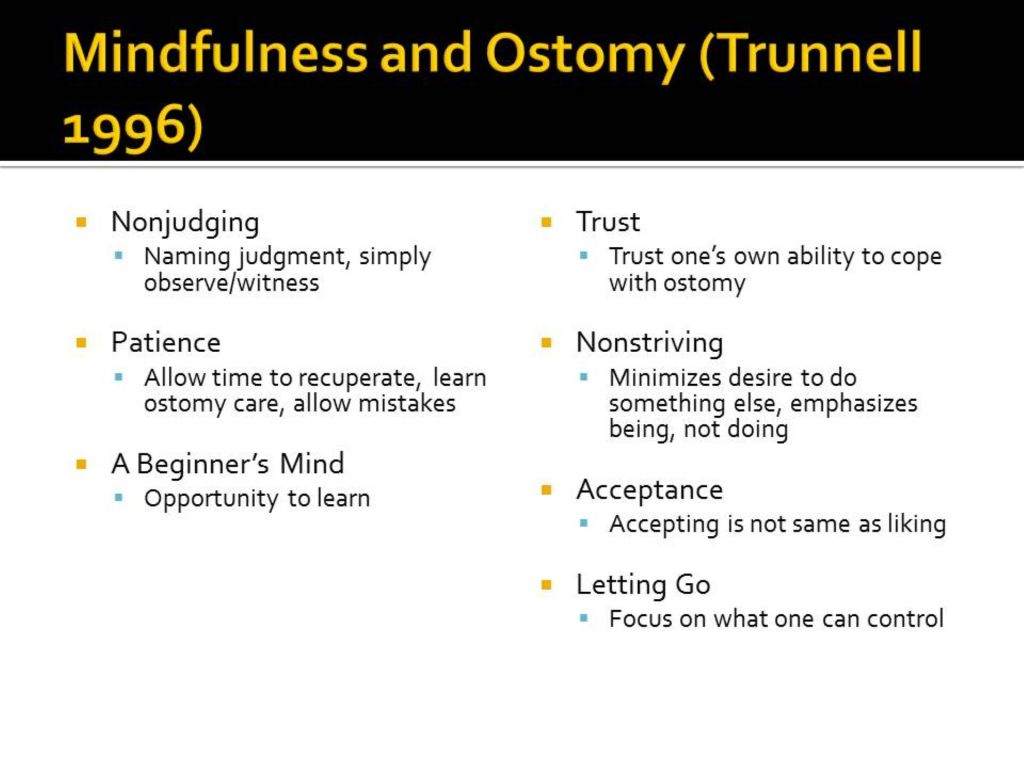
Practicing mindfulness is one way to facilitate clear communication that can help solve problems without hurting the feelings of others and triggering vengeful counterattacks. We’ve all been there.
Not everybody gets the idea about mindfulness. I think the blogger thegoodenoughpsychiatrist does a great job discussing it in the post “Reflecting on DBT and Mindfulness.”
As the blogger says, “Sometimes, you just need to be brought back down to earth.”
And if that doesn’t work, we can always try trephination.
















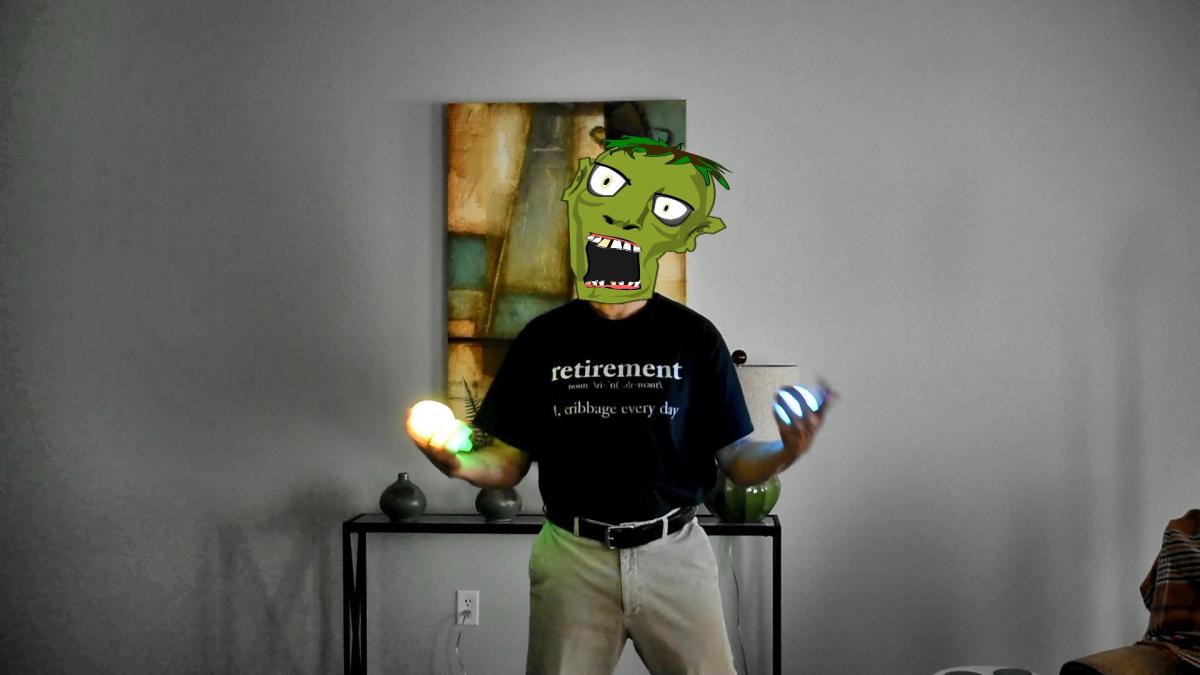



 Go Retire Psychiatrist