Rounding At Iowa Podcast: “The Promises of Artificial Intelligence in Medicine”

I listened to the recent Rounding@Iowa podcast “The Promises of Artificial Intelligence in Medicine.” You can listen to it below. Those who read my blog already know I’m cautious and probably prejudiced against it, especially if you’ve read any of my posts about AI.

I was a little surprised at how enthusiastic Dr. Gerry Clancy sounded about AI. I expected his guest, Dr. Jason Misurac, to sound that way. I waited for Gerry to mention the hallucinations that AI can sometimes produce. Neither he nor Dr. Misurac said anything about them.

Dr. Misurac mentioned what I think is the Ambient AI tools that clinicians can use to make clinic note writing and chart reviews easier. I think he was referring to the company called Ambience.

I remember using the Dragon Naturally Speaking (which was not using AI technology at the time; see my post “The Dragon Breathes Fire Again”) speech to text disaster I tried to use years ago to write clinical notes when I was practicing consultation-liaison psychiatry. It was a disaster and I realize I’m prejudiced against any technology that would make the kind of mistakes that technology was prone to.

But more importantly, I’m concerned about the kind of mistakes AI made when I experimented with Google Bard on my blog (see posts entitled “How’s It Hanging Bard?” and “Update to Chat with Bard” in April of 2023.

That reminds me that I’ve seen the icon for AI assistant lurking around my blog recently. I’ve tried to ignore it but I can’t unsee it. I was planning to let the AI assistant have a stab at editing this post so you and I can see what happens. However, I just read the AI Guidelines (which everyone should do), and it contains one warning which concerned me:

We don’t claim any ownership over the content you generate with our AI features. Please note that you might not have complete ownership over the generated content either! For example, the content generated by AI may be similar to others’ content, including content that may be protected by trademark or copyright; and copyright ownership of generative AI outputs may vary around the world.”

That is yet another reason why I’m cautious about using AI.

86: Cancer Rates in Iowa Rounding@IOWA

Iowa's cancer rates are among the highest in the country, and they are rising. In this episode of Rounding@Iowa, Dr. Gerry Clancy and guest experts Dr. Mary Charlton and Dr. Mark Burkard discuss the data, risk factors, and prevention strategies clinicians can use to make a difference. CME Credit Available:  https://uiowa.cloud-cme.com/course/courseoverview?P=0&EID=81274  Host: Gerard Clancy, MD Senior Associate Dean for External Affairs Professor of Psychiatry and Emergency Medicine University of Iowa Carver College of Medicine Guests: Mark E. Burkard, MD, PhD Professor of Internal Medicine-Hematology, Oncology, and Blood and Marrow Transplantation University of Iowa Carver College of Medicine Director, University of Iowa Health Care Holden Comprehensive Cancer Center Mary Charlton, PhD Professor of Epidemiology Director, Iowa Cancer Registry Iowa College of Public Health Financial Disclosures:  Dr. Clancy, Dr. Burkard, Dr. Charlton, and Rounding@IOWA planning committee members have disclosed no relevant financial relationships. Nurse: The University of Iowa Roy J. and Lucille A. Carver College of Medicine designates this activity for a maximum of 0.75 ANCC contact hour. Pharmacist and Pharmacy Tech: The University of Iowa Roy J. and Lucille A. Carver College of Medicine designates this knowledge-based activity for a maximum of 0.75 ACPE contact hours. Credit will be uploaded to the NABP CPE Monitor within 60 days after the activity completion. Pharmacists must provide their NABP ID and DOB (MMDD) to receive credit. UAN: JA0000310-0000-25-090-H99 Physician: The University of Iowa Roy J. and Lucille A. Carver College of Medicine designates this enduring material for a maximum of 0.75 AMA PRA Category 1 CreditTM. Physicians should claim only the credit commensurate with the extent of their participation in the activity. Other Health Care Providers: A certificate of completion will be available after successful completion of the course. (It is the responsibility of licensees to determine if this continuing education activity meets the requirements of their professional licensure board.) References/Resources:  Iowa Cancer Plan  
  1. 86: Cancer Rates in Iowa
  2. 85: Solutions for Rural Health Workforce Shortages
  3. 84: When to Suspect Atypical Recreational Substances
  4. 83: Hidradenitis Suppurativa
  5. 82: End-of-Life Doulas

Dirty Deepfakes

I saw an article about the unreliable ability of humans to detect digital deepfakes in audio and video productions (Mai KT, Bray S, Davies T, Griffin LD. Warning: Humans cannot reliably detect speech deepfakes. PLoS One. 2023 Aug 2;18(8):e0285333. doi: 10.1371/journal.pone.0285333. PMID: 37531336; PMCID: PMC10395974.).

I was a little surprised. I thought I was pretty good at detecting the weird cadence of Artificial Intelligence (AI) speech patterns, which I think I can distinguish pretty well. Maybe not.

And there are some experts who are concerned about AI’s ability to mimic written and spoken grammar—but it continues to make stuff up (called “hallucinations”). In fact, some research shows that AI can display great language skills but can’t form a true model of the world.

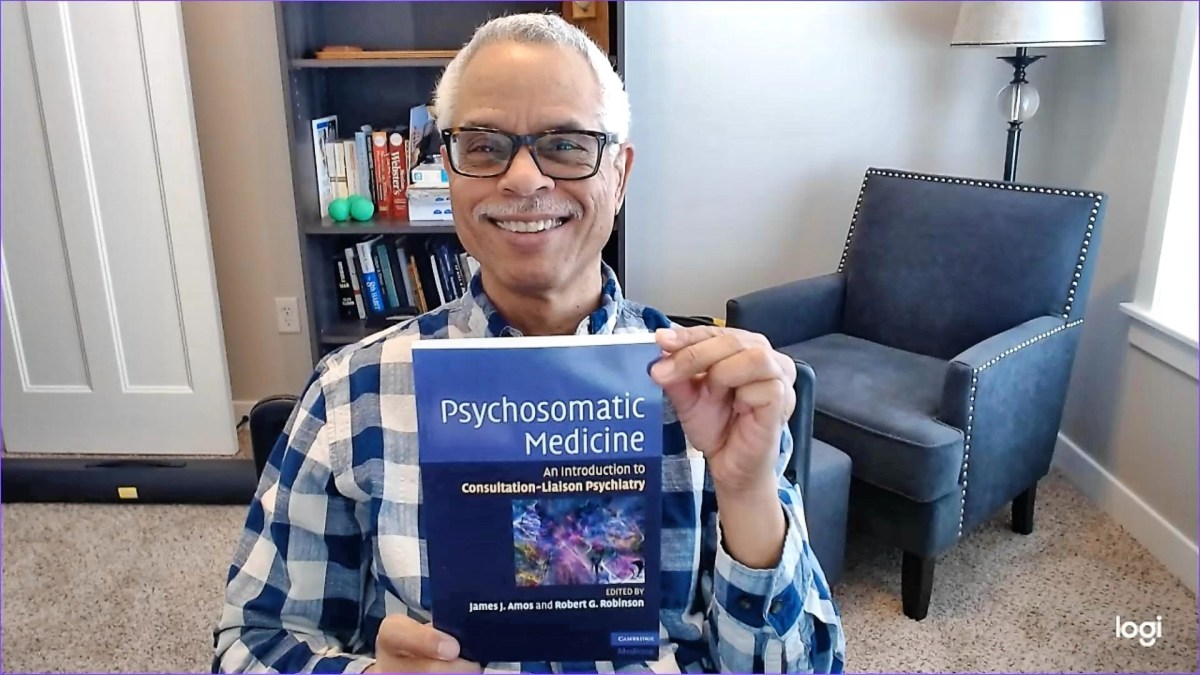
And the publisher of the book (“Psychosomatic Medicine: An Introduction to Consultation-Liaison Psychiatry”) that I and my co-editor, Dr. Robert G. Robinson, MD wrote 14 years ago is still sending me requests to sign a contract addendum that would allow the text to be used by AI organizations. I think I’m the only who gets the messages because they’re always sent to me and Bob—as though Bob lives with me or something.

Sometimes my publisher’s messages sound like they’re written by AI. Maybe I’m just paranoid.

Anyway, this reminds me of a blog post I wrote in 2011, “Going from Plan to Dirt,” which I re-posted last year under the title “Another Blast from the Past.” Currently, this post is slightly different although it still applies. I don’t think AI can distinguish plan from dirt and sometimes makes up dirt, simply put.

And if humans can’t distinguish the productions by AI from those of humans, where does that leave us?

AI Does Your Laundry

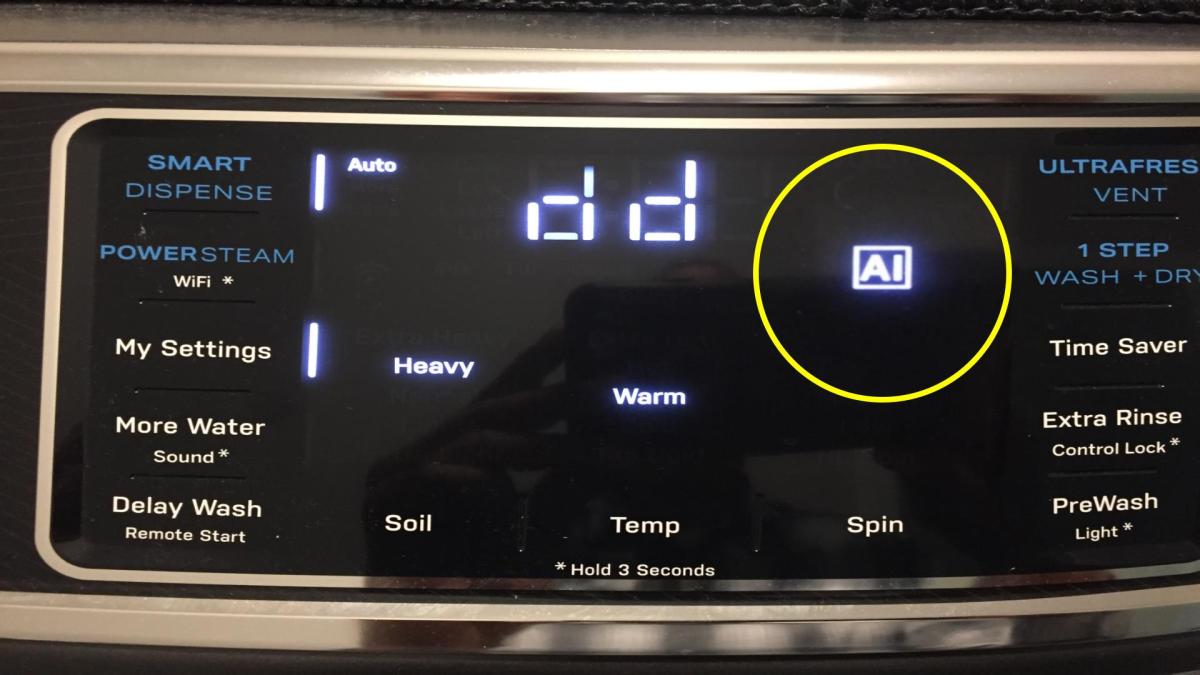
Recently we had somebody from the appliance store check our brand-new washing machine. The tech said “the noises are normal”—and then told us that many of the functions of the washer are run by Artificial Intelligence (AI). That was a new one on us.

Don’t get me wrong. The washer works. What sticks in the craw a little is that many of the settings we took for granted as being under our control are basically run by AI nowadays. I guess that means you can override some of the AI assist settings (which may be adjusted based on grime level, type of fabrics and the relative humidity in Botswana)—at least the ones not mandated by the EPA.

Incidentally, I tried to find some free images to use as featured images for this post. The problem is, many free pictures on the web are generated by AI these days, which is why I used the non-AI part of the Microsoft Paint app to make a crude drawing of an AI controlled washing machine.

I realize I’ll have to give up and accept the inevitable takeover of much of human society by AI. On the other hand, the prospect reminds me of the scene in an X-Files episode, “Ghost in the Machine.” A guy gets exterminated by something called the Central Operating System (COS).

Use extra detergent and add more water at your own risk.

Should Everyone Download and Install the Windows Preview Updates?

The short answer to the question above is “No, especially if you’re not tech savvy.”

I’m not tech savvy by any means and I quit downloading Windows preview updates long ago when I read web articles saying they could be buggy and lead to a lot of frustrating computer problems.

The latest Windows preview update has caused computer woes again for many people, enough to make it the subject of news reports.

You’ll find some experts saying you can hide the preview updates by pressing some buttons. And the Artificial Intelligence (AI) response to a web search about the issue suggests you should download and install any and all updates without discriminating whether or not they are previews.

In my opinion, I think the safest response to the Windows update preview download announcement is to ignore it and wait for the actual finished update, which usually shows up during the second week of the month.

Can Artificial Intelligence Learn from My Book?

Recently the publisher of a book co-edited by me and my former psychiatry chair Dr. Robert G. Robinson asked me to sign off on a proposal to involve Artificial Intelligence (AI) in using the work.

The book, “Psychosomatic Medicine: An Introduction to Consultation-Liaison Psychiatry,” is 14 years old now, but is still a practical tool for learners, at least in my opinion.

Interestingly, it looks like the publisher is also trying to contact Dr. Robinson about the proposal through me. I wonder if that means they’re having as much trouble finding him as I have.

I’ve made it clear that I have misgivings about AI, as I’ve indicated in at least one blog post about Google’s AI, which used to be called, Bard which I think has been renamed Gemini. I think AI is prone to spreading misinformation, which has been called “hallucinations” by some writers.

The publisher makes it clear that this proposal regarding AI involvement in our book is an “opt in” choice. I gather that means if I don’t opt in, they’ll continue to bug me about it until I do.

That’s unlikely to happen.

The Hotel Gets Busy Handing Out Faux Cufflinks!

Several days ago, a large wedding guest caravan arrived at the hotel. Fascinating group. The line of people checking in could have stretched outside beyond the front door.

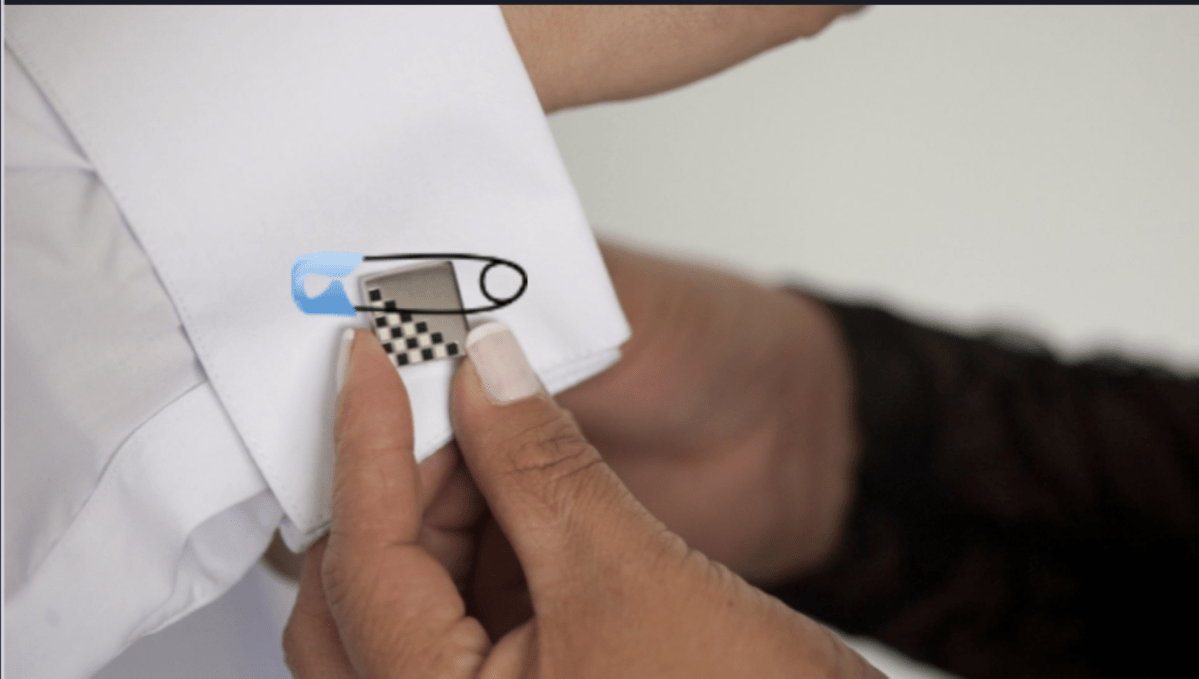
 There was this guy who was there for the wedding, but arrived without cufflinks. So, he asked the front desk to help him out. They gave him what might have fooled some people some of the time—big safety pins. They didn’t work out. A couple of women guests also got safety pins, for what I couldn’t guess.

He left and came back later with a Dillard’s shopping bag. He got some smart looking brand new cufflinks! I think the last time I wore cufflinks was in the 1970s in Austin, Texas. They came with a suit that the husband of my English Literature professor, Dr. Jenny Lind Porter, bought for me. They didn’t resemble safety pins.

The hotel staff were pretty busy because the place got hit by the CrowdStrike Outage. The inconveniences included a little more work with programming room keys. One guy asked for a room on the second floor, but it was booked up with extraterrestrials. I doubt they were with the wedding group. And they couldn’t fix the outage-so much for the advancements of those from other galaxies. They probably don’t even know what cufflinks are.

There was a couple of guys (also not with the wedding crowd) who were in town for a disc (what we would call frisbee) golf tournament. It was near the Clear Creek Trail. They were solid in the standings so far.

I don’t think first prize was a pair of cufflinks.

Learning to Use ClipChamp While Recording Cribbage Game on Cribbage Pro

I’m learning how to use the video editor ClipChamp, the free version on the new laptop. So, I muddled through a screen recording of playing what’s called the Daily Cribbage Scrimmage on Cribbage Pro, a feature-rich computer Cribbage game on which you can different skill levels of computer players from easy to impossible as well as online with other live players.

I’m used to using an old version of PowerDirector for my video editing. I would have to expend a fair amount of energy and a little more money to install it on the laptop. I can deal with the webcam on the laptop, but using ClipChamp takes some getting used to.

Thoughts On Laptop Computers

We bought a laptop computer. It has been years since I’ve used one. I forgot how exasperating a touchpad is. Luckily, we have a spare wireless mouse and a USB port. The laptop is slim and very light, like most laptops these days.

I remember the first “laptop” I had early in my career as a consulting psychiatrist. I think it weighed about 2-3 times what the modern ones weigh nowadays. I think I could have stopped a thief from taking it from me by whacking him over the head with it.

If I remember correctly, it had a slot for floppy discs and another for disc media. It developed a hardware problem which forced me to box it up and send it back to the manufacturer for repairs. I don’t remember how long I kept it after that.

The new laptops don’t have any internal optical drives built into them.

I read a tech article in which the author’s opinion about the gradual disappearance of internal optical drives and other physical media for laptops was probably the result of large companies finding out they could make more money by charging subscription fees for digital media.

Microsoft comes to mind.

About That Artificial Intelligence…

I’ve got a couple of things to get off my chest about Artificial Intelligence (AI). By now, everyone knows about AI telling people to put hot glue on pizza and whatnot. Sena and I talked to a guy at an electronics store who had nothing but good things to say about AI. I mentioned the hot glue thing and pizza and it didn’t faze him.

I noticed the Psychiatric Times article, “AI in Psychiatry: Things Are Moving Fast.” They mention the tendency for AI to hallucinate and expressed appropriate reservations about its limitations.

And then I found something very interesting about AI and Cribbage. How much does AI know about the game? Turns out not much. Any questions? Don’t expect AI to answer them accurately.