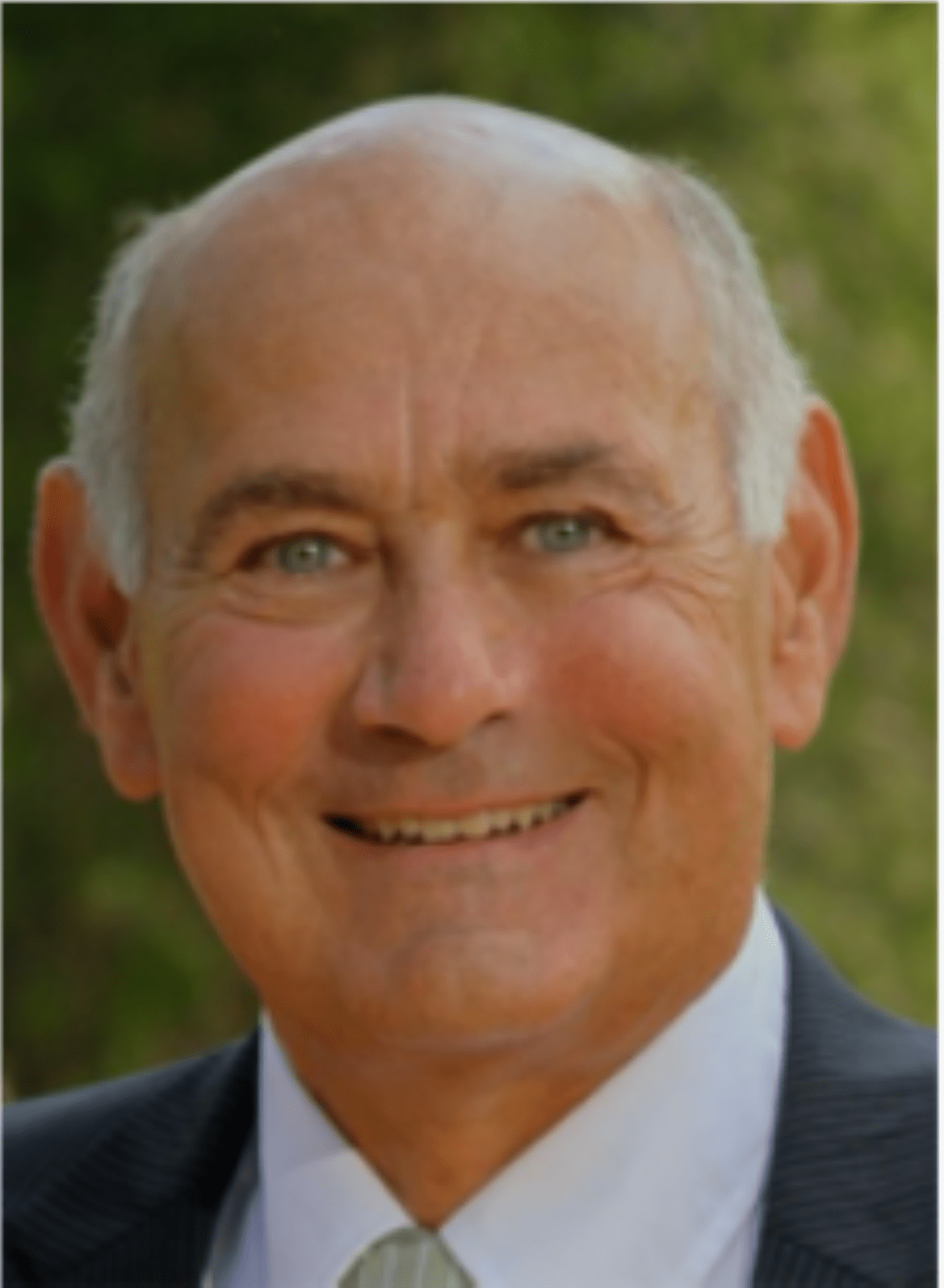
Remembrance of Dr. William R. Yates MD

I was thinking about the Clinical Problems in Consultation Psychiatry (CPCP) learning sessions which was introduced to me by one of my first teachers in the University of Iowa Dept of Psychiatry, Dr. William R. (Bill) Yates.

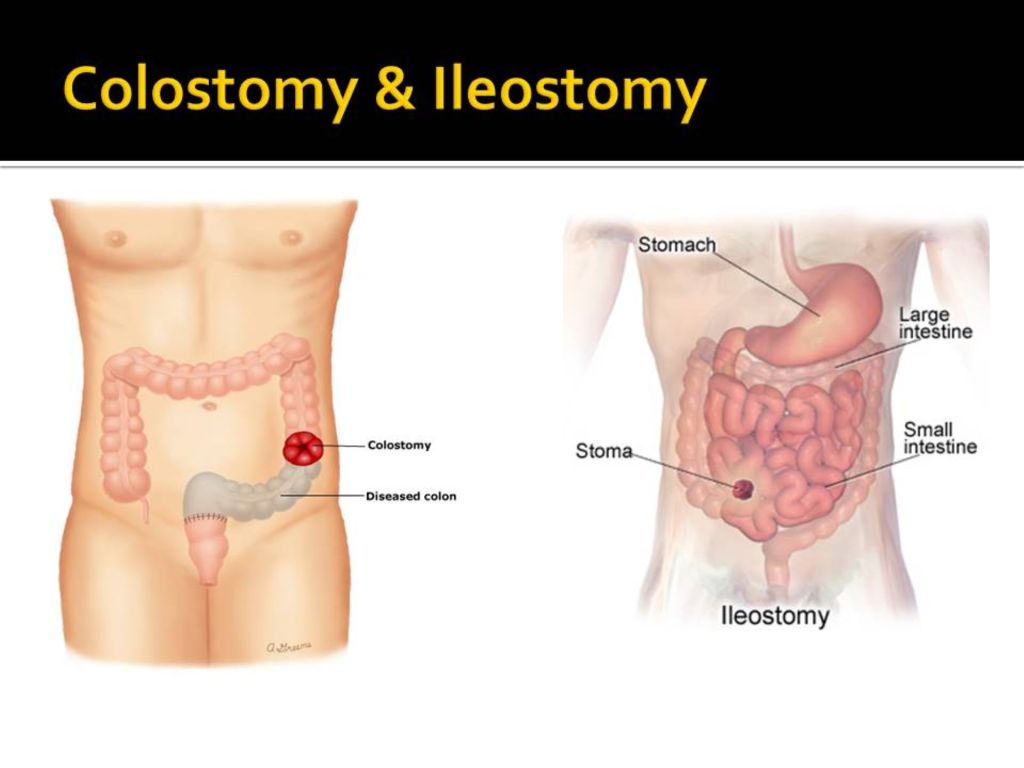
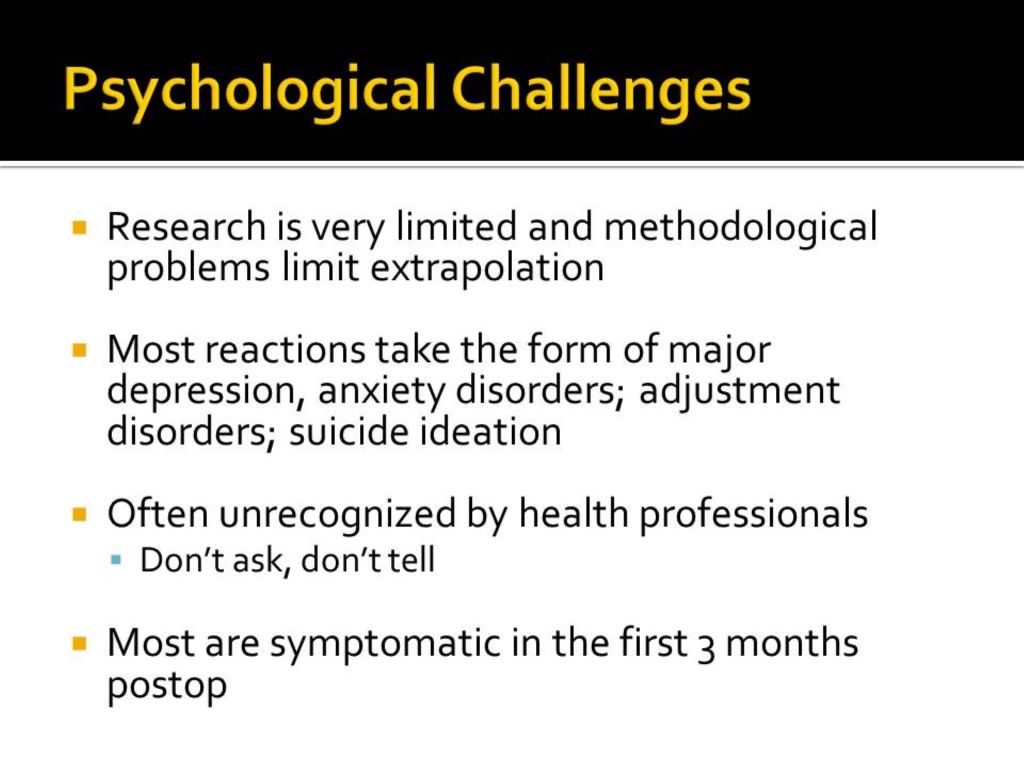
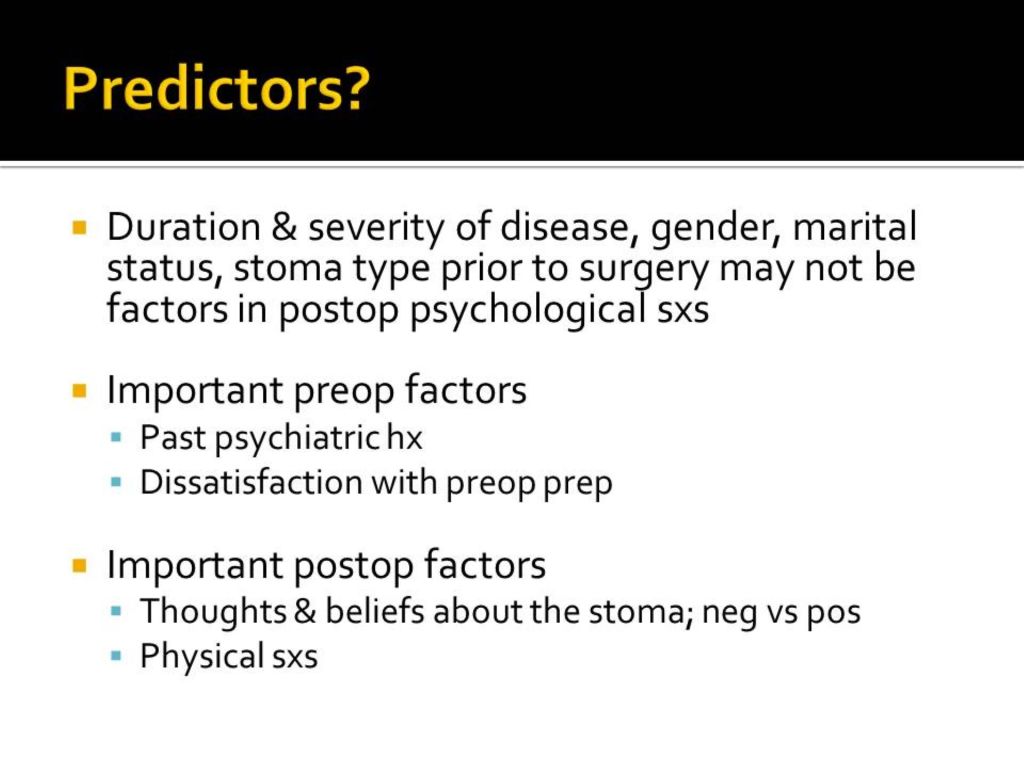
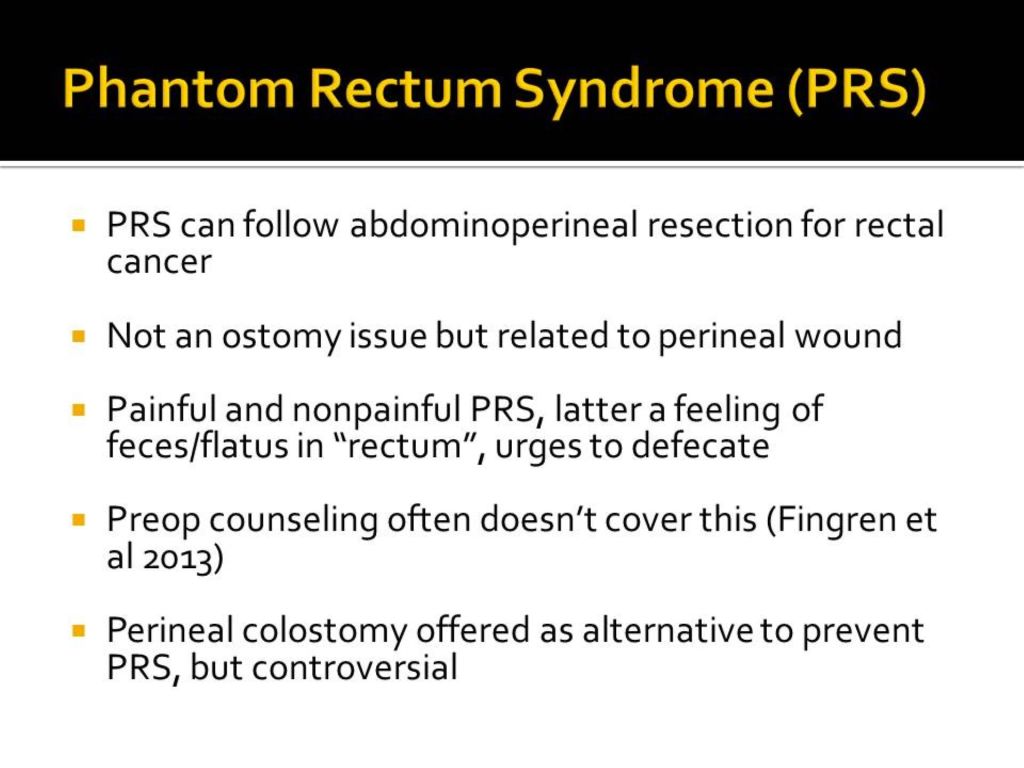
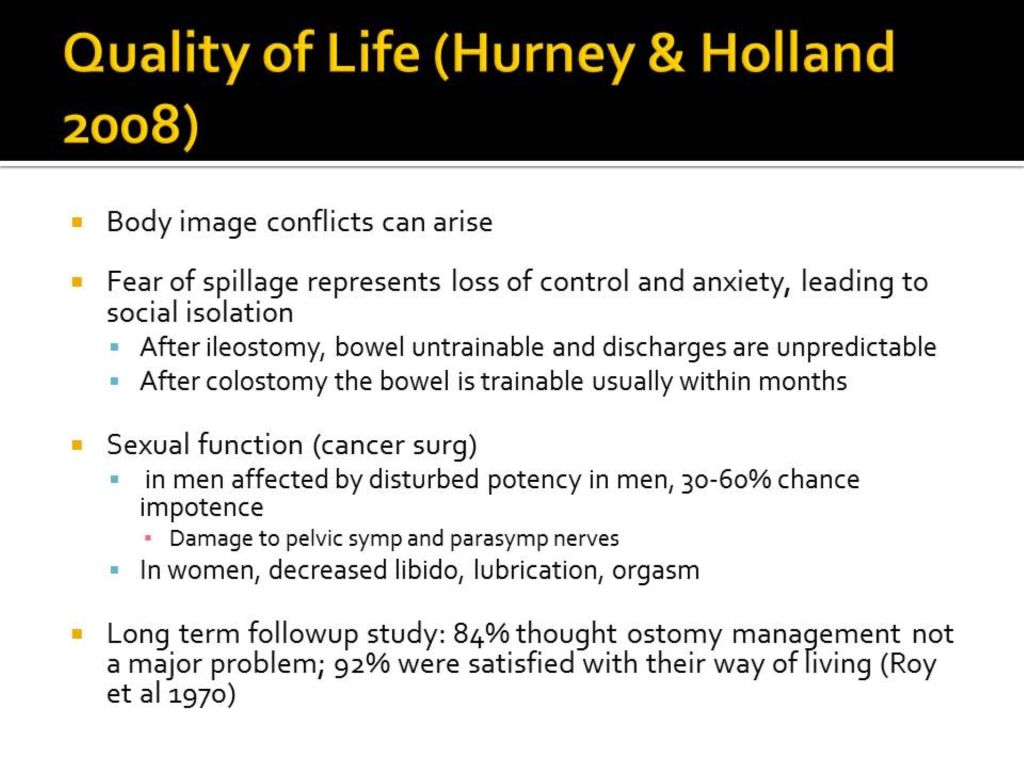
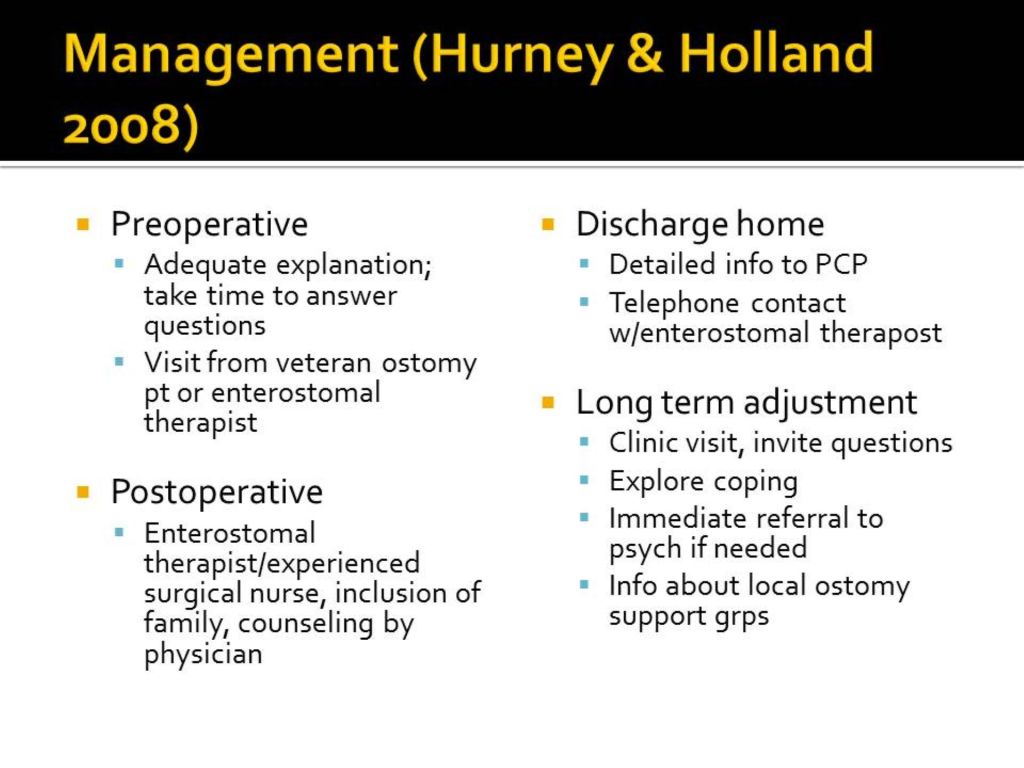
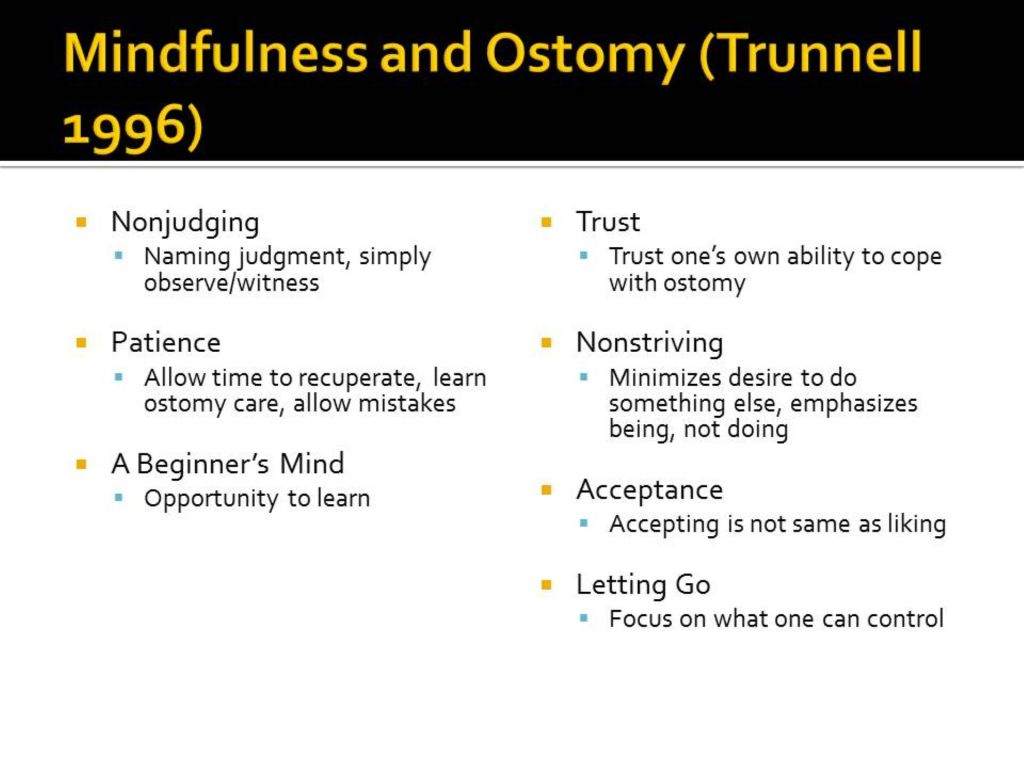
I had originally been thinking of posting one of my own CPCPs that I presented in 2015. It was about the psychosocial adjustment of patients to ostomy.

I searched widely and in vain on the web for any recent information about what Dr. Yates was doing now. I was surprised and saddened to discover his obituary. He died on January 19, 2023 in Tulsa, Oklahoma.

As the obituary says:

He served on the faculty at the University of Iowa for Psychiatry and Family Medicine before becoming Professor and Chair of Psychiatry at the University of Oklahoma College of Medicine in Tulsa. After retiring, he continued to dedicate his time as a volunteer research psychiatrist at OU and the Laureate Institute for Brain Research where he also served on the board of directors. He authored over 100 scientific manuscripts that were published in peer-reviewed journals.

He was an energetic, a great teacher, had a great sense of humor, and was easy to get along with. He published in many scientific journals and taught many trainees. He was an avid bird watcher and his blog Brain Posts highlighting neuroscience research findings is still visible on the web.

He published the paper along with a chief resident on problem-based learning used on the psychiatry consult-liaison service in 1996, the year I graduated psychiatry residency and joined the faculty at The University of Iowa Hospitals & Clinics (Yates, W. R. and T. T. Gerdes (1996). “Problem-based learning in consultation psychiatry.” Gen Hosp Psychiatry 18(3): 139-144.) You can read the abstract for it along with a description of the CPCP at the link above which takes you to my April 19, 2019 blog post “Clinical Problems in Consultation Psychiatry.”

When he was the leader of the psychiatry consult service, we were still using paper charts and his staffing comments were always very brief and encapsulated the assessment and plan succinctly without wasted verbiage—contrasting with my long-winded note.

His remarks about his role at Laureate Institute for Brain Research is still accessible:

“I work part-time as a research psychiatrist for the assessment team at the Laureate Institute for Brain Research. We do research diagnostic assessments for a variety of imaging, genetic and biomarkers studies in mood, anxiety and other brain disorders. I also provide review and analysis of neuroscience research on my blog Brain Posts that can be found at www.brainposts.blogspot.com. You can follow me on Twitter @WRY999. I also use my blog and Twitter feed to share my bird photography images.”

I respected and admired Dr. Yates, as I’m sure many learners did. I will always remember Bill as a gifted scientist and teacher.

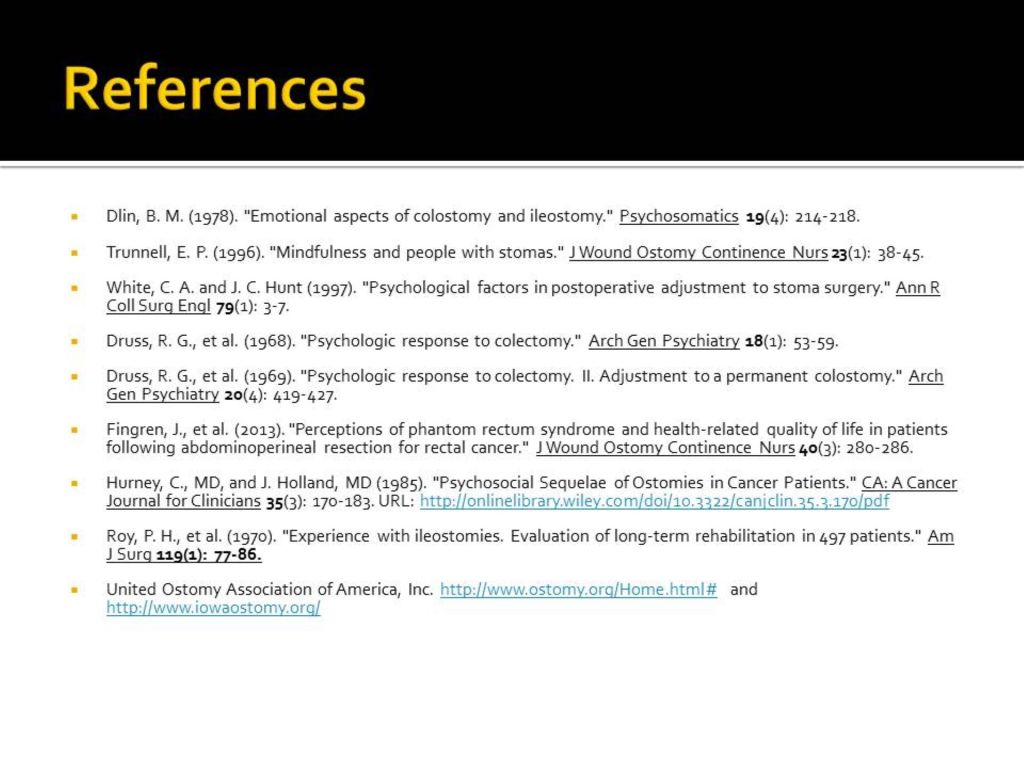
I think a fitting tribute would be to go ahead and post my CPCP on the psychosocial adjustment of patients with ostomy. One of the most interesting articles in the bibliography is how the mindfulness meditation approach to that adjustment can be very helpful. The website United Ostomy Association of America website is also informative.

The presentation is also limited to a dozen slides. I often encouraged learners to keep the number of slides to a managed number so the presentations wouldn’t run too long. I called my slide sets the Dirty Dozens.

Many thanks to Dr. William R. Yates and my condolences to his family.
Moderna Files for FDA Authorization of Updated Covid-19 Vaccine

The Moderna corporation announced in June 2023 that it filed for FDA authorization of its monovalent XBB. 1.5 vaccine.

Pfizer also announced the same message in August. It’s on page 4 of the Pfizer Earnings Call.

Hawaii Memories

The wildfires in Maui are so devastating. We wish everyone the best. We also had a wave of nostalgia back to 1997 when we visited the Hawaiian Islands on our first vacation in a long while after I finished my psychiatry residency in 1996.

The plane trip was very long and what I remember most about it, flying all the way from Iowa, was the terrible case of bilateral airplane ear which lasted for a couple of hours after we landed in Honolulu. After that, things got a lot better. It was a long time ago, so the memories are a little hazy.

We remember the bus from the airport stopped at the hotel where the tour guide got out to check the reservations for all of us. It was very hot because the bus driver didn’t want to let the vehicle run so as to allow the air conditioner to cool us off. We were probably the youngest members of the tour group. It was the oldest who complained the loudest, finally convincing the bus driver to start the bus to cool everybody off.

After we arrived at the hotel, it was also the oldest members who had the energy to go out and see Don Ho perform. When they got back, they said he got drunk, but he was able to sing “Tiny Bubbles.” We were too exhausted to go. The oldest group members were often the most energetic.

We went a great little restaurant in either Kauai or maybe it was in Hilo, Hawaii (the Big Island) and got plates of huge shrimp. They were shorthanded on servers and several members of the tour group (again the older ones) pitched in to help out.

We saw the Kodak Hula Show in Honolulu on the island of Oahu. I read a little about it and the show nearly closed in 1999, but it was taken over by the Hogan Family Foundation for three years at a cost of half-million dollars per year. The show closed in 2002 so that the money could be used to fund educational programs.

Of course. we also visited the USS Arizona Memorial at Pearl Harbor. One of our tour group members who was a veteran of that war wept as he read the names. We became friends with him and his wife and sent each other Christmas cards for a few years afterward.

We saw the Hawaii Tropical Botanical Gardens in Hilo, Hawaii. It’s huge. It was a tribute to the Japanese immigrants to The Big Island who helped build its agricultural history beginning in 1868.

We visited the Wailua River State Park Fern Grotto Area and the Waimea Canyon in Kauai. The latter is also known as The Grand Canyon of the Pacific. I think Kauai was where I first tried coffee-flavored ice cream—Kona coffee, I’m sure. It remains one of my favorites, next to plain vanilla.

We got a few photos of the Iao Needle in the Iao Valley on Maui. We went to a big luau, but I can’t remember exactly where it was. I remember I was coming down with a head cold and had a runny nose. We tried poi, and I’m afraid I didn’t find it very tasty—and it had nothing to do with cold.  Maui was the final island to see on our itinerary. I think we saw the huge Banyan Tree in Lahaina because we have a picture of a very large tree with Sena standing in front of it.

The 150-year-old Banyan Tree was charred in the fire, but it’s still standing.

Terry Trueblood Garden of Natural and Not So Natural Things

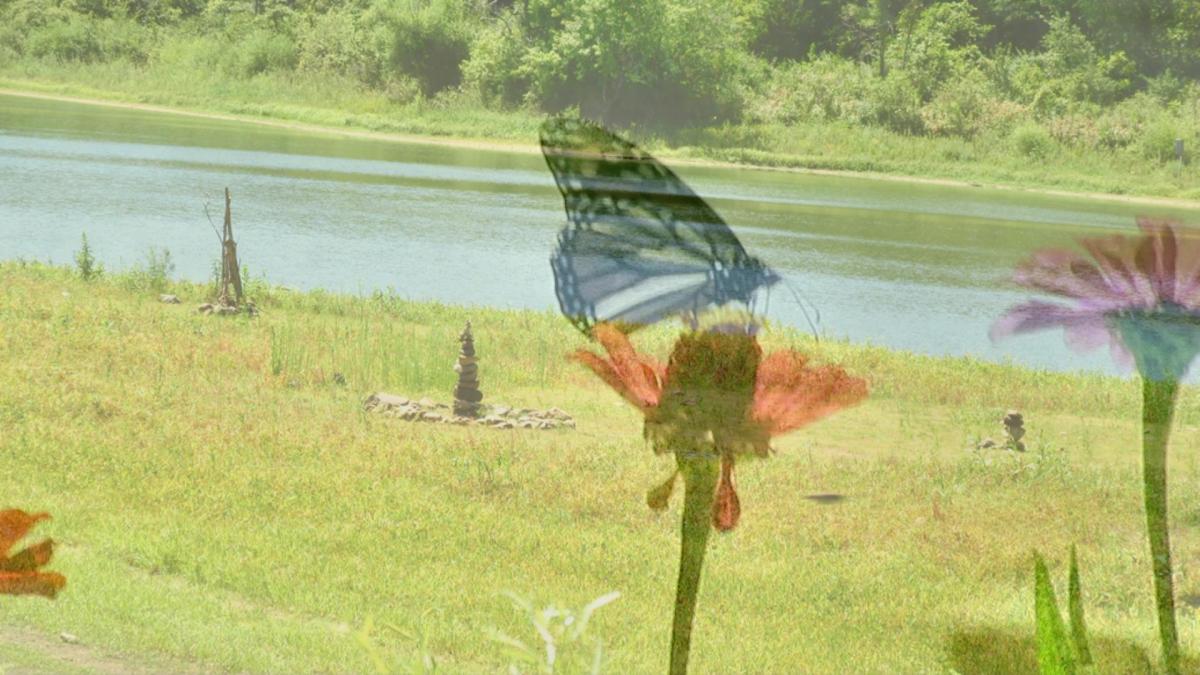
On a balmy day we went for a walk on the Terry Trueblood trail. There was a cool breeze in contrast to the brutal humidity lately. There was a mix of natural beauty and some not so natural sights.

The flowers were gorgeous as usual. But we also saw stacked stones close to the shore of the lake. I should say there were a couple of stacked stones and one which was made of tree branches that reminded me of the Eiffel Tower.

That was the first time we’ve ever seen stacked stones there. I looked up the topic of stacking stones on the web and there’s disagreement about whether it’s a good thing or not. Some say it disturbs the natural order of things while others say it pays homage to nature.

We saw a couple of people out on the shore and one of them kicked over one of the piles. I guess that’s one person who doesn’t like rock stacking.

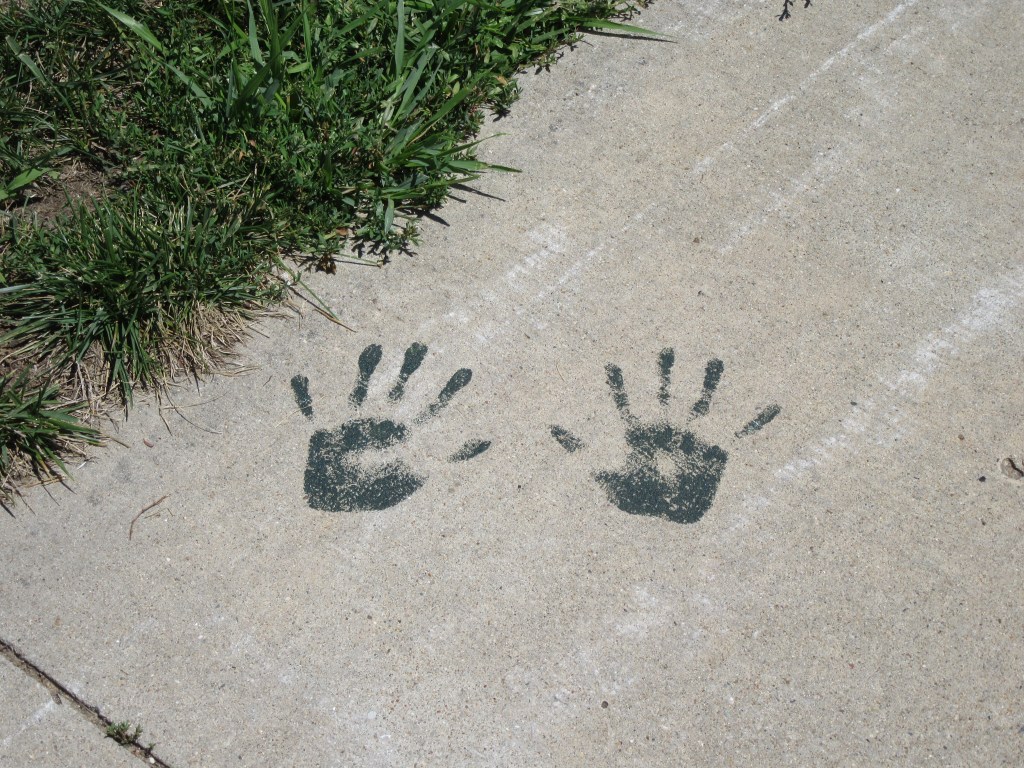
We also saw a pair of black hands stamped on the sidewalk. What’s that about? Some say that black hands are about death, criminality, or even the Black Lives Matter movement. I don’t know what it means.

And a couple of the large stones along the edges of the parking lot were shoved out of place. Who knows why. They looked very heavy. It probably took a lot of work to move them, and for no apparent reason. It reminded me of the rocks, some of which weigh several hundred pounds, that seem to move by themselves across the desert in Death Valley Park, leaving trails behind. There’s a natural explanation for it, involving the interplay of ice, wind, and water. I’m pretty sure humans moved them.

Anyway, there was plenty of natural beauty along the trail. They were the only source of wonder we cared about that day.

Iowa City Art in the Parks Lark 2023

The new sculptures are out in the parks and they are wonderful! We dashed out a couple days ago and logged a little over 3 miles on my step counter visiting them in several locations. The best way to get started is to read the Iowa City article, “Iowa City Sculptors Showcase.” You can get a nice map to find out where the new sculptures are and more about the artists.

Sena can’t see why Tim Adams’ Open Arms sculpture was not named The Kiss—because that’s what she thinks it looks like.

We both like Adams’s interactive work, Prairie Tussock. It reportedly spins in the wind according to the description, but I think it would take something more like what the Weather Channel might warn you about.

In fact, it has a handle to grab and reminds me of a schoolyard game we called tetherball.  It was a dangerous game and I just read that it was banned because the ball could smack you in the head. I don’t even want to think about what the swinging Prairie Tussock could do to you. Remember the movie Beetlejuice? One of the characters was a woman who was a sculptor. She had a great line, “This is my art and it is dangerous!” Keep your head down.

Sena’s number 2 favorite was Hilde DeBruyne’s Circle of Trust. Her number 3 was Adams’ The Kiss—I mean Open Arms.

Prairie Tussock was also my number 1 favorite. Number 2 was a toss up between Dan Perry’s Architrave and DeBruyne’s Circle of Trust. Number 3 for me was Aidar Ishemgulov’s Upside Down. There was so much height to Architrave that I missed getting the whole thing from top to bottom. We had to return the next day to get a proper shot. I think the top part of it resembles a torch.

We enjoyed all of them, though. We think you would too.

Shout Out to University of Iowa Hospitals Doctor Joseph Zabner!

Here’s a big shout out and congratulations to my former University Hospitals colleague Dr. Joseph Zabner who received the 2023 Distinguished Mentor Award.

Maybe an Iowa State Fair Contest Would Settle the Score in UFO Flap

I just saw the news story about the whistleblower David Grusch a couple days ago. Apparently, Mr. Grusch’s personal medical record was obtained through the state of Virginia’s Freedom of Information Act (FOIA) and released to the public. He was one of three people who testified recently at the House Oversight Committee hearing on Unidentified Anomalous Phenomena (UAP). He reported that the Department of Defense (DoD) had knowledge of extraterrestrial craft and “biologics” (extraterrestrial bodies?).

This reminds me of one of the final comments by one of the other three witnesses, which is worth framing as a quote:

“Don’t make the fish bigger than it was.” — retired Commander David Fravor of the U.S. Navy.

The current director of the DoD organization for UFOs, Sean Kirkpatrick, PhD, who heads the All-Domain Anomaly Resolution Office (AARO), expressed his objection in no uncertain terms to Mr. Grusch’s testimony, calling it insulting.

Anyway, I had to learn a little bit more about the FOIA, and found out that in addition to the federal government FOIA, each state has its own FOIA process. I looked up the Virginia state FOIA, and usually personal medical records are one of the exempted files. Apparently, they can still release them.

I think this might be an attempt to discredit Mr. Grusch. I’m puzzled by the release of his medical history. I don’t know anything about specific protections for retaliation against whistleblowers, but I would think exposing anyone’s medical record would count.

Not to spread any more conspiracy theories, but what if this whole thing is a well-orchestrated complex distraction from the general shambles of our political system? It would tend to discourage other whistleblowers from coming forward. Maybe that’s the intent.

If politicians and people in general were to make a concerted effort to treat each other with civility, respect, and a sense of humor, maybe these embarrassing sideshows could be minimized.

I don’t know if UAP involve advanced civilizations from across the galaxy and I doubt it. In fact, I tend to think a quote from Men in Black would fit:

“Human thought is so primitive it’s looked upon as an infectious disease in the better galaxies.”

I’m pretty sure most ETs have been steering clear of us for a long time.

How about this: the Iowa State Fair is on now, and it runs from August 10-20. I haven’t checked this out with anyone at the Fair, but if we could persuade David Grusch and Sean Kirkpatrick to settle their differences by competing in one or more of the contests coming up in the coming week, we might be able to get them to shake hands and have some laughs. Sena and I have never been to the Iowa State Fair, but if this event could be added, I think we could swing a trip there.

I see that the Cow Chip Throwing contest is scheduled for August 16 at 11 a.m. That would be a knee slapper.

It’s too late to arrange for them to compete in the Monster Arm Wrestling contest, which is this Sunday. Could a special event be scheduled later?

How about a cribbage game? The Cribbage Tournament is on August 20, starting at 10 a.m. with registration and the games start at 11 a.m.  Now that would be special since Sena and I are fans of the game. David and Sean would have to learn how to play cribbage ahead of time, and it’s not that hard.

There are other events, but the guys need to get ready and decide soon so they can enter. And they should notify me so that Sena and I can make the trip to Des Moines and catch the action.

Both winner and loser should get free corn dogs.

What Kind of Census Does This Make?

We finished our Census Bureau survey and it seems like we just did this not long ago. It’s taken every 10 years but it seems like we got this form a few years ago.

They say it takes about 40 minutes to complete, but it sure felt like there were many more questions on it this time and the questions asked about a lot of things like income, taxes, etc. that we don’t remember from before.

Did anybody else get this feeling? I mean we really had to do things like get data from records and do math and sweat the details.

We asked ourselves what would happen if we just refused to do it. So, I looked it up. It turns out that there is a $5,000 penalty the bureau can impose if you refuse to do it or give false information.

On the other hand, Census Bureau officials have said nobody’s been prosecuted since 1970. I wonder what happened to that person? Is he still paying off the fine? Is he in jail because he couldn’t pay it? Was he abducted by extraterrestrials and is he still trying to get them to pay it?

There are other questions I had that led me to search the web. It looks like the best place to start might be the Census Bureau website itself. The section Census Bureau 101 for Students looks like a good place to start. The census has been around since 1790 and back then it was only a six-question survey:

What is your gender? (There are more choices nowadays)

What is your race? (It was not the 40-yard dash)

What is the name of the head of the household? (It’s always the wife!)

What is the relationship to the head of the household? (It’s always the husband!)

How many slaves do you own?

What is your occupation? (Tea party activists didn’t count)

There’s an interesting section on the web site PRB, entitled “Hard-to-Count Populations.”:

Decades of research have shown that the decennial census is very accurate, but (like population censuses in other countries) it is subject to both undercount and overcount errors that differ by age, sex, and race. The 2010 Census was no exception. Despite the best efforts and careful planning of Census Bureau staff, the direct, physical enumeration of the U.S. population is imperfect.

Part of the challenge in counting the population accurately is that some people are harder to count than others. People who lack a permanent address are less likely to complete a census form than people who have a permanent address. Similarly, language barriers, distrust of government, and frequent moves tend to make certain groups harder to count. On the other side of the spectrum, some people may be counted more than once. For example, those who own more than one home may submit a census form for each address, and children away at college may be counted at both their college and parental home.

If you decide not to complete the Census Bureau survey, they probably won’t fine you or throw you in jail. They could visit your house up to six times though. And if you manage to slip them every time, they could check with your neighbors to get the skinny on you.

You might as well do it.

The Dragon Breathes Fire Again

Sena and I saw a news video about a technology called “DAX” which uses Artificial Intelligence (AI) the other day which promises to reduce or even eliminate pajama time for physicians trying to get their clinical note dictations done during the day instead of taking them home for several more hours of work.

The video was a demo of the technology, which looked like it recorded a clinical interview between the doctor and the news reporter. I didn’t see how exactly DAX was recording the interview without obvious audio equipment. Was it doing it through the smartphone speaker? This was very different from how I and many other clinicians dictated their notes using a headphone set at their desks in front of their desktop computers. It not only records but transcribes the interview.

Later, I discovered that DAX stands for Dragon Ambient Experience, made by Nuance which was acquired by Microsoft in 2022. I posted about Dragon products and their limitations last year. The product often produced hilarious mistakes during dictation which required careful editing. Sometimes more errors turned up after you completed it and these were visible in the patient’s medical record, which would then need to be corrected.

Several years ago, I remember talking to somebody from Dragon on the phone about the problems I was having. She was a little defensive when I told her I’d been having difficulty with Dragon for quite a while because it made so many mistakes.

A recent article on the web revealed that the errors continue with DAX. According to the article, “…it will make mistakes. Sometimes it might omit clinical facts; sometimes it may even hallucinate something.” I remember trying to communicate with the Google Bard AI, which seemed to do this pretty often. It made stuff up.

DAX is not cheap. The article reveals that one hospital pays $8,000-$10,000 per year per physician to use it. And skeptics worry that the system has too many bugs in it yet, which can lead to bias and inaccurate information which could negatively affect patient outcomes.

A recently published JAMA network article also urges caution in adoption of this sort of AI-assisted technology (Harris JE. An AI-Enhanced Electronic Health Record Could Boost Primary Care Productivity. JAMA. Published online August 07, 2023. doi:10.1001/jama.2023.14525).

In this case, I think it’s appropriate to say “I told you so.”

New Dominant Covid-19 Variant EG.5

There is a new dominant Covid-19 variant called EG.5. It’s also called Eris. It’s descended from the XBB strains. It’s in the Omicron family and there is no indication it causes more severe disease and would be susceptible to current vaccines.