I'm a retired consult-liaison psychiatrist. I navigated the path in a phased retirement program through the hospital where I was employed. I was fully retired as of June 30, 2020. This blog chronicles my journey.
I noticed what is, for me at least, a new educational resource for catatonia. There’s an aricle about it in the March 2023 issue (Vol.51, No. 3) of Clinical Psychiatry News. The resource is available at University of Rochester Medical Center website. They include pdf files and training videos for assessment of catatonia.
There are also links for information about catatonia:
The University of Rochester presentation has has demo videos using a standardized patient (a physician, Dr. Joshua Wortzel) and a teacher, Dr. Mark Oldham.
I saw cases of catatonia while I was a consultation-liaison psychiatrist at The University of Iowa Hospitals & Clinics and they often had medical causes. My YouTube video lecture on Catatonia, Neuroleptic Malignant Syndrome, and Serotonin Syndrome is still getting views after 4 years.
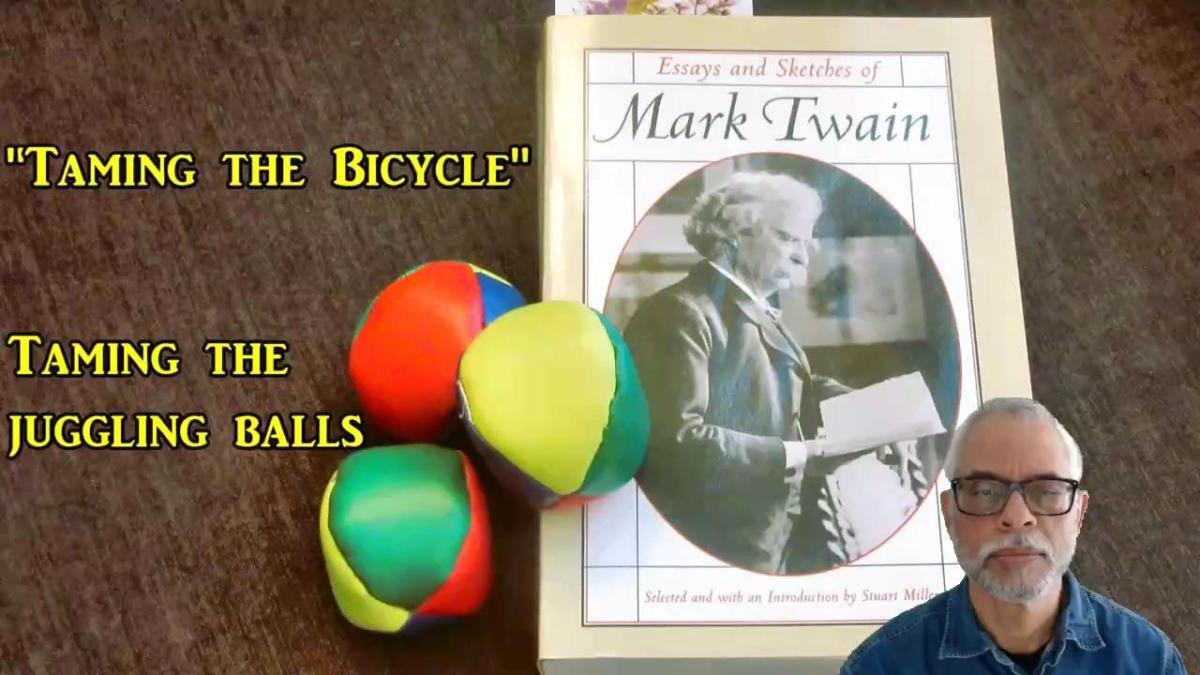
Big news flash—Sena is learning how to juggle. She just started doing the single and two-ball practice throws on the way to learning how to do the 3-ball cascade, just like I did about 5 months ago.
Just like she heard me dropping balls—now I hear her doing it. It’s a gas! It’s fascinating to watch her gradually improve.
On the other hand, I’m trying to learn how to do another juggling trick called the shower. If you look this up on the web, you’ll find a comical entry that reads “How do you juggle 3 balls in the shower?”
It’s not a trick you do in the shower.
The shower is what some call an intermediate level trick which, I think, historically was how everyone started learning to juggle. Instead of learning the cascade, you started by learning the shower. The way the balls fly, they sort of look like they’re raining. And it’s a lot harder than the cascade.
There’s a half shower trick that I learned pretty quickly. And I can sort of handle the two-ball practice for the shower. I’m stuck when I add the 3rd ball, sort of how I got stuck learning the behind the back throw. You have to throw two balls up from your dominant hand in perfect arcs just before throwing one ball across from your non-dominant hand to the dominant hand. Catch them all. Right.
You can find YouTube videos of this that make it look easy. But that’s only because the teachers are very well practiced!
Today is the day to move clocks forward by one hour for Daylight Saving Time. Well, technically, we’re suposed to change the clocks at 2:00 a.m. on March 12, 2023, which is Sunday.
I usually do this in the afternoon of the day before (which would be today), which drives Sena crazy.
However, today Sena changed all the clock times this morning. Payback?
See this website for more information about which states have tried legislating this time change. Iowa is on record with a bill supporting permanent DST, but it won’t go anywhere without federal approval.
I’m going to talk a little bit about fathers. Mothers are important too, but I’m a guy and I can talk about mothers another day. Because it’s a touchy subject, I’m going to begin with a Men in Black (MIB) joke, like I always do when I’m being defensive. There’s this MIB 3 scene in which Agent K and Agent J have this exchange:
Agent K: I used to play a game with my dad, what would you have for your last meal. You could do worse than this (explanation for this: they’re sitting in a restaurant and an eyeball in Agent K’s soup swivels around and stares at him).
Agent J: Oh, okay, I used to play a game with my dad called catch. Except I would throw the ball and it would just hit the wall, cause—he wasn’t there.
Agent K: Don’t bad mouth your old man.
Agent J: I’m not bad mouthing him, I just didn’t really know him.
Agent K: That’s not right.
Agent J: You’re damn right, it’s not right. A little boy needs a father.
On one level, this scene is just another way of showing the father/son, teacher/student, mentor/mentee relationship Agents K and J had with each other. By extension, their interaction says something about what happens in similar real-life relationships—in the shallow, cliché ways that movies always do.
I sometimes think about the relationship I had with learners when I was a teaching consultation-liaison (C-L) psychiatry. Often, I say to myself that I never had a mentor and I was never a mentor.
That’s not true. Although I never had a mentor who was formally assigned to me, there was more than one faculty member in the psychiatry department with whom I had an informal mentor/mentee relationship. And I was an informal mentor to at least a few trainees.
However, I was middle-aged by the time I entered medical school, which probably set the stage for awkward relationships with my fellow students and some teachers, partly because I was either the same age as or older than them.
That doesn’t mean I was wiser than them. It just means that I was conflicted about them. Later, in residency, I learned about transference and countertransference. In fact, I focused on the psychodynamic as well as the medical issues in teaching trainees. In the first C-L manual I wrote (the forerunner to the book I and my co-editor published later), I devoted a large section to psychodynamic factors relevant to doctor-patient relationships.
So, if you’re wondering when I’m going to start bad-mouthing my old man, you can stop wondering. I’m not going there. He wasn’t a hero, like Agent J’s father was (you need to see the movie to get this angle).
My dad was funny. I don’t think I got my own sense of humor from him, but it makes sense why I would have one—and just because “he wasn’t there” doesn’t explain everything. It never does.
Fathers can be a pain in the ass, not just because of dad jokes. Fathers can be a pain in the brain, too. Ask anybody who was a latchkey kid; I was one of those. We really don’t belong to any specific generation.
We also can’t just up and time travel like Agent J and find out about the father we never really knew. Mostly, it’s just bits and pieces, like a matchbook with a name and address from somebody on your paper route. The path it can lead to doesn’t always mean you find out that “Your daddy was a hero,” like a young Agent K tells young James (who becomes Agent J in the future) after he neuralyzes him to shield him from the hard truth about his father.
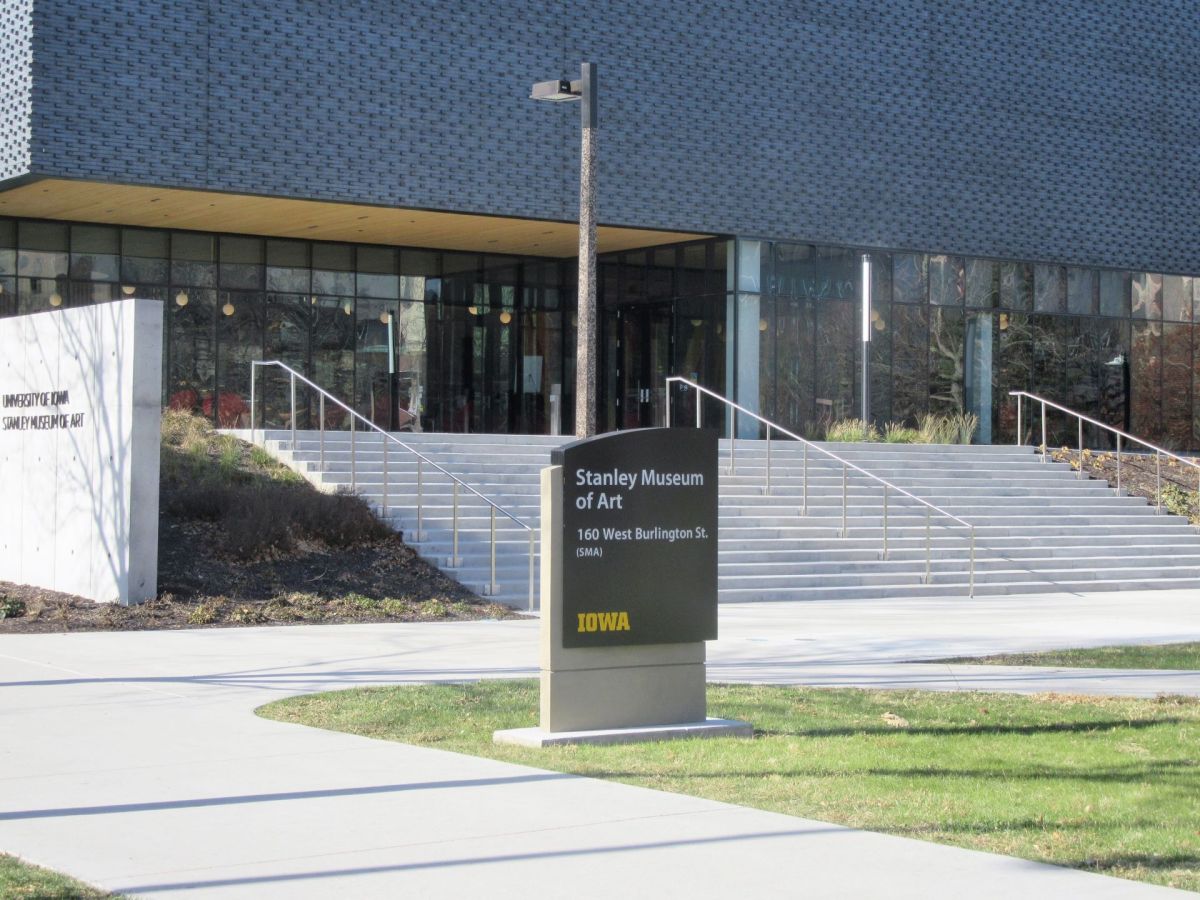
The University of Iowa Stanley Museum of Art, won the highest Master Builders of Iowa Award. See the Russell Group Inc. website for more details about the award.
It’s a very impressive space and a must-see marvel when you visit Iowa City.
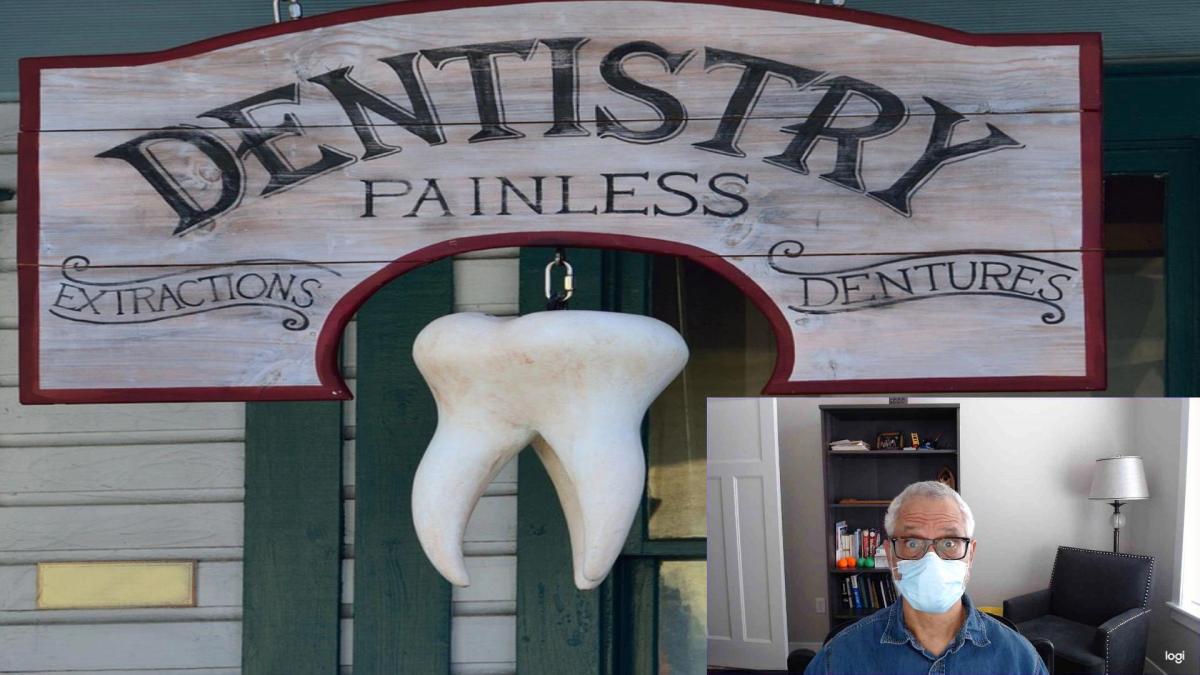
Tomorrow I’ll get to see how the new Covid-19 face mask policy works at the University of Iowa Hospital & Clinics. It goes into effect today. I’m going to see the dentist, as I have periodically for years, even during the Covid-19 pandemic. Of course, the idea of masked dental patients is ironic.
The rule change about masks being sort of optional is a little confusing.
It’s sort of optional because it looks like it’s not optional for unvaccinated health care employees. They still have to wear masks.
I wrote about this back in May of 2021, “Unmasked Means Fully Vaccinated?” That was back when bandanas were acceptable as face coverings.
So does being masked mean “not vaccinated?” It’s confusing because if masking is optional for patients and visitors, why are health care workers the exception? I’m not sure how anyone would enforce the policy.
If you can wear a mask just because you want to do that, how does that separate you from the unvaccinated person?
If masks are optional, then why are the entrance and exit policies not changing, including screening of patients, visitors, and staff? I didn’t see the guidance about what to do if anyone says they are symptomatic or unvaccinated and prefers not to wear a mask, other than to offer a mask (which is free!).
If it’s disrespectful to ask a patient or visitor to put on a face mask, why is it not disrespectful to require an unvaccinated health care worker to do so? There is one bullet point in the question-and-answer section about whether you can ask anyone to wear a face mask which says you can’t ask anyone, including “employee, colleague, patient, visitor, etc.” In the same section is the statement: “Whether or not to wear a mask is a personal decision that each person must make for themselves and for their own reasons.” Does that apply to getting a Covid-19 vaccine as well?
That said, I’m a staunch supporter of everyone getting a Covid-19 vaccine, if they don’t have medical or other exemptions. They don’t make you magnetic!
And I don’t think the recent Cochrane Review results on face masks really means they’re useless, which some news stories tend to convey. I think the Cochrane review does what most such reviews do, which is point out the problems with some controlled studies. And the reviews themselves may have unintended biases.
What’s the most important part of all this? Well, maybe the predicted snowstorm coming to Iowa tomorrow will prevent my dentist from getting to the clinic. And if that doesn’t work, maybe I could just exercise my right and privilege to wear my mask as a barrier to any nefarious procedures.
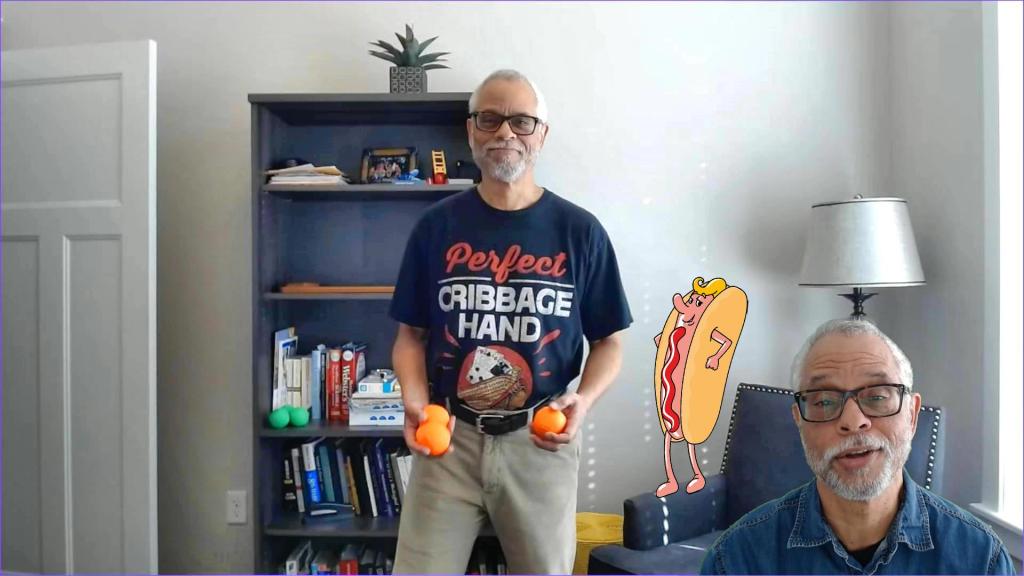
I’ve been juggling for about 5 months now and reflecting on my progress. I think I’m doing OK for a geezer. Sena would call me a hot dog although I would still call it ugly juggling by any standard.
What’s striking, at least to me, is the little bit of science I can find on the web about juggling. I hear the term “muscle memory” when it comes to learning juggling. Actually, there’s some truth to that. There are different kinds of memory. For example, most of us know about declarative memory, which about memorizing facts, because we use it to prepare for exams. Those of us who went to medical school remember the agony of taking tests for the basic sciences.
But so-called muscle memory, or the memory for learning new skills like juggling, takes place in the brain. There was a study published in 2009 which found changes in both gray and white matter of subjects before and after learning to juggle (Scholz J, Klein MC, Behrens TE, Johansen-Berg H. Training induces changes in white-matter architecture. Nat Neurosci. 2009;12(11):1370-1371. doi:10.1038/nn.2412).
The study about correlation of the inability to stand on one leg for 10 seconds with higher mortality in older patients, which I relate to the ability to do the under the leg juggling trick, was published last year (Araujo CG, de Souza e Silva CG, Laukkanen JA, et al. Successful 10-second one-legged stance performance predicts survival in middle-aged and older individuals. British Journal of Sports Medicine 2022; 56:975-980.)
I talk a lot about juggling as though I’m a teacher. I’m not a juggling instructor by any means. You can find better juggling teachers on the web. But my approach to talking about juggling in terms of it being a hobby for me is really not different from how I talked about consultation-liaison psychiatry before and after I retired. I’m still a teacher—just evolving in retirement.
However, you can find much better resources for learning how to juggle at the following websites:
This post is squarely in the “Duh” category. For the last several days now, I’ve been wondering why my iPhone doesn’t have a ring tone. Before this, I haven’t thought about it, probably for years. I’m not sure why it came up.
I looked on the web for solutions to the silent ring problem.
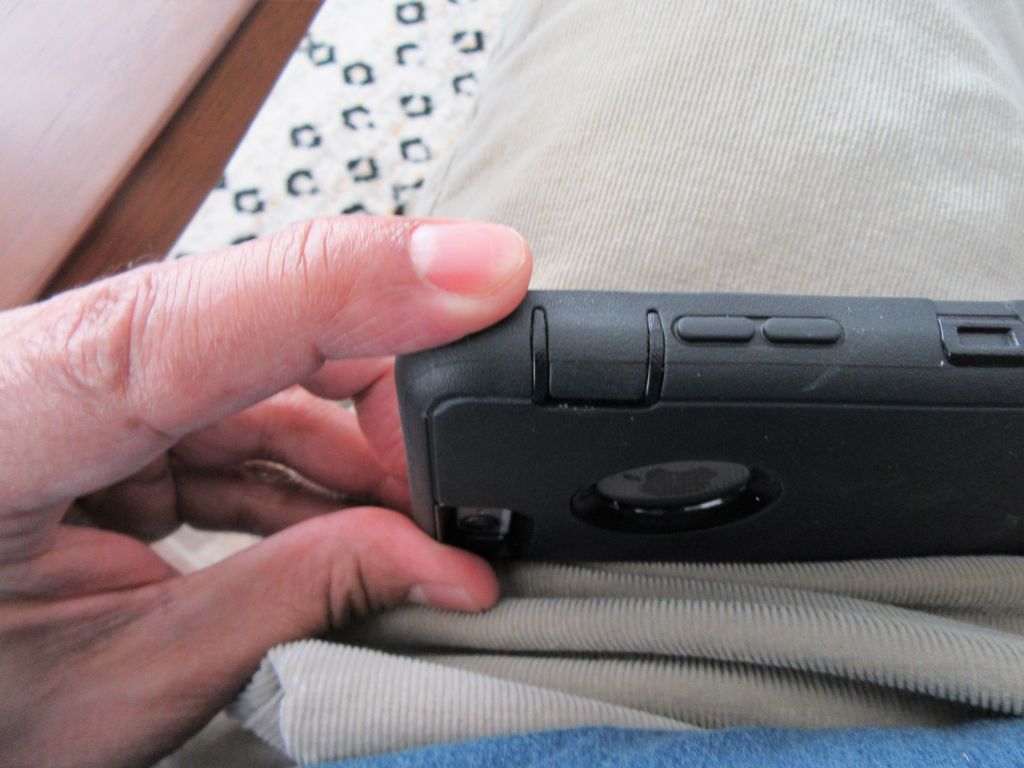
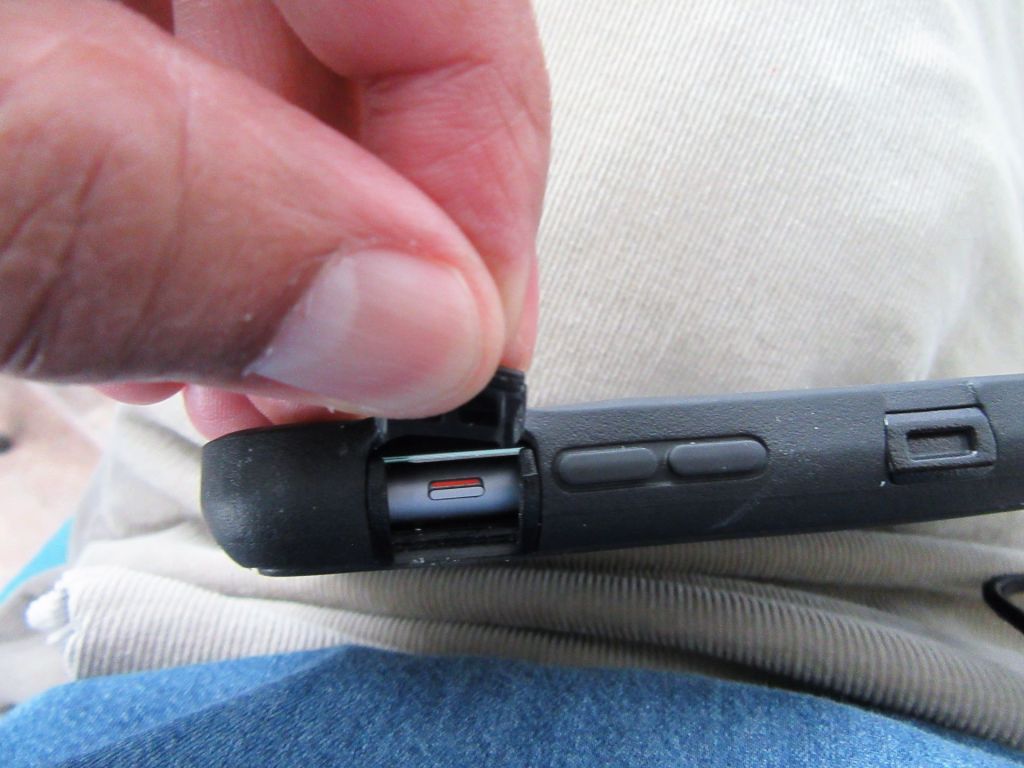
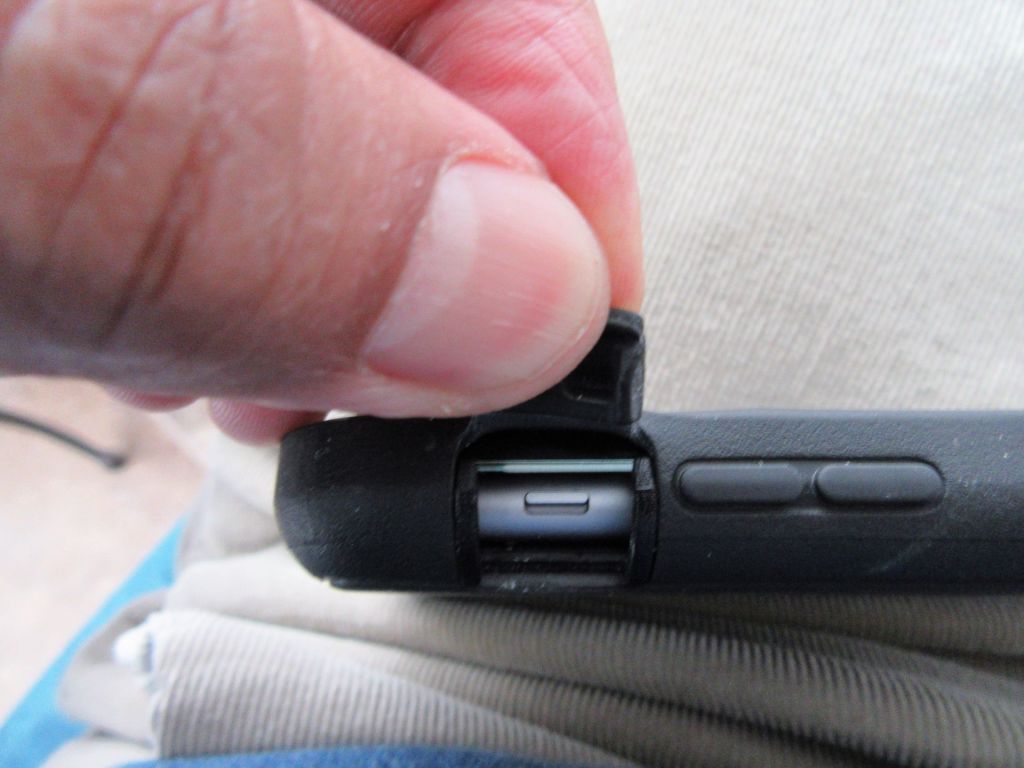
The solution is clear, which is to slide the ring/silent switch so that the orange color doesn’t show. That turns the ringer on. The switch is just above the volume up/down buttons on the side of the phone.
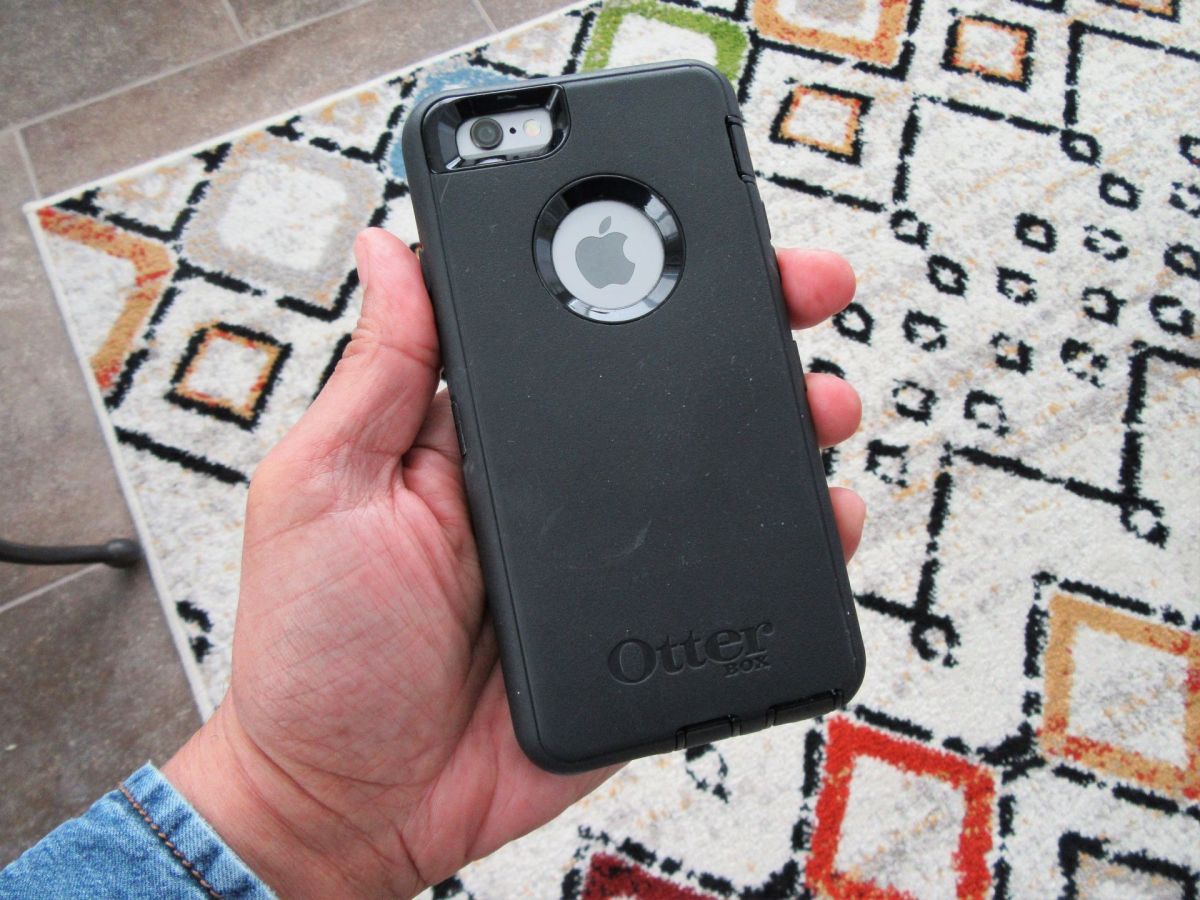
But I couldn’t see the switch. Then yesterday, for some reason I thought to look at my Otter box protector flaps. That was the “Duh” moment. It doesn’t belong in the “Eureka” category for obvious reasons. “Eureka” is for geniuses, “Duh” is for dummies.
The problem was I couldn’t see the switch because the Otter box protector tab covers it. It may have been that way for years because I’ve had my iPhone for a long time and might have switched it off so that it wouldn’t audibly ring during meetings.
The other possibility is that I might have accidentally switched it off just by wrestling with the Otter box cover to get it wrapped around the phone.
In either case, I just stopped seeing the Otter box tab which covers the ring/silent switch. It’s not an out of sight, out of mind thing. It’s more like out of mind, out of sight.
Which makes me wonder, if “pareidolia” means seeing patterns in random data including visual information (in other words seeing things that aren’t really there), then what is not seeing obvious objects in the setting of normal vision?
Could that be inattentional blindness, sort of like the invisible gorilla test, in which subjects were asked to keep track of the number of times a basketball is passed in a video of a basketball game, and then half of the subjects failing to notice a woman dressed in a gorilla suit walking on to the court and thumping her chest, then walking away?
Is that similar to the oft repeated statement, “not seeing the forest for the trees” or “missing the elephant in the room?”
Don’t mind me; I’m just trying to salvage what’s left of my ego.
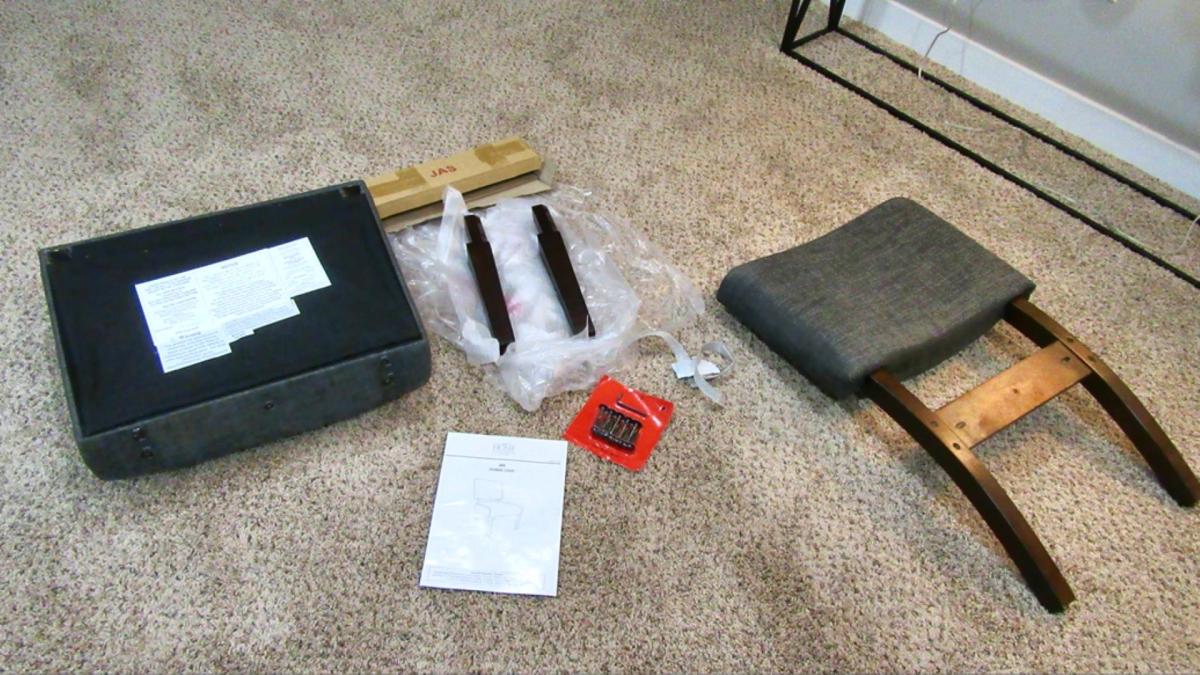
We got another chair—for the master bedroom closet. It’s called the Jasmine Chair. It came with all assembly hardware and other parts. This one was a 15-minute assembly job, which amazed me. However, there were sharp staples protruding from the upholstery, so you have to watch out for them.







 Go Retire Psychiatrist