If You Want Peace and Quiet from Government…

I’ll bet a lot of people are like me and would like more peace and quiet from government. There’s a crisis every day. There’s even some Minnesota Republicans who want to get a bill through the state legislature defining Trump Derangement Syndrome (TDS) as a new mental illness, applicable only to Democrats. Given the intensely adversarial atmosphere among most politicians, this has made things even more noisy amongst lawmakers.

Because of this highly charged atmosphere which seems to get worse by the hour, I thought it might be instructive to suggest everyone eat some fruit and watch the Red Green Show episode “Good Government.”

Things are much quieter where Red Green lives. Although Jerome, the elected representative of the district, has supposedly been working hard for his constituents for 9 years, it turns out that, in fact, he has been dead for the last 8 years. Things must be pretty quiet in government there because nobody seems to have noticed.

How Red Green and his henchman, I mean co-conspirator, I mean his fellow constituent, address this problem does not involve high drama, although the question of legality does arise—which is hardly a problem provided you ignore the law.

I guess that’s pretty much what happens in real life.

Politics on the Brain

I just discovered the news item about 5 Minnesota Senate Republicans who introduced a bill this month seeking to classify “Trump Derangement Syndrome” (TDS) as a mental illness. This is not a new idea, I think, and it targets Democrats as having the syndrome. There’s a big Wikipedia article about the history of the origin of it.

It reminded me of a Dr. Henry Nasrallah’s editorials about “neuropolitics” a term he used in an effort to understand how much politics can affect the human brain. He published a series of 3 articles in the journal Current Psychiatry. The one published in the October 2018 issue is entitled “Neuropolitics in the age of extremism: Brain regions involved in hatred.”

Dr. Nasrallah is a neuropsychiatrist who has an entertaining and thought-provoking writing style. I met him briefly when I was interviewing for psychiatry residency at the University of Cincinnati.

The political situation now is difficult and it makes me wonder even more if there is a problem with the human brain when it comes to politics.

Dr. Nasrallah article 1

Dr. Nasrallah article 2

Dr. Nasrallah article 3

Svengoolie Movie: A Lost and Found World Looks Less Than Marvelous

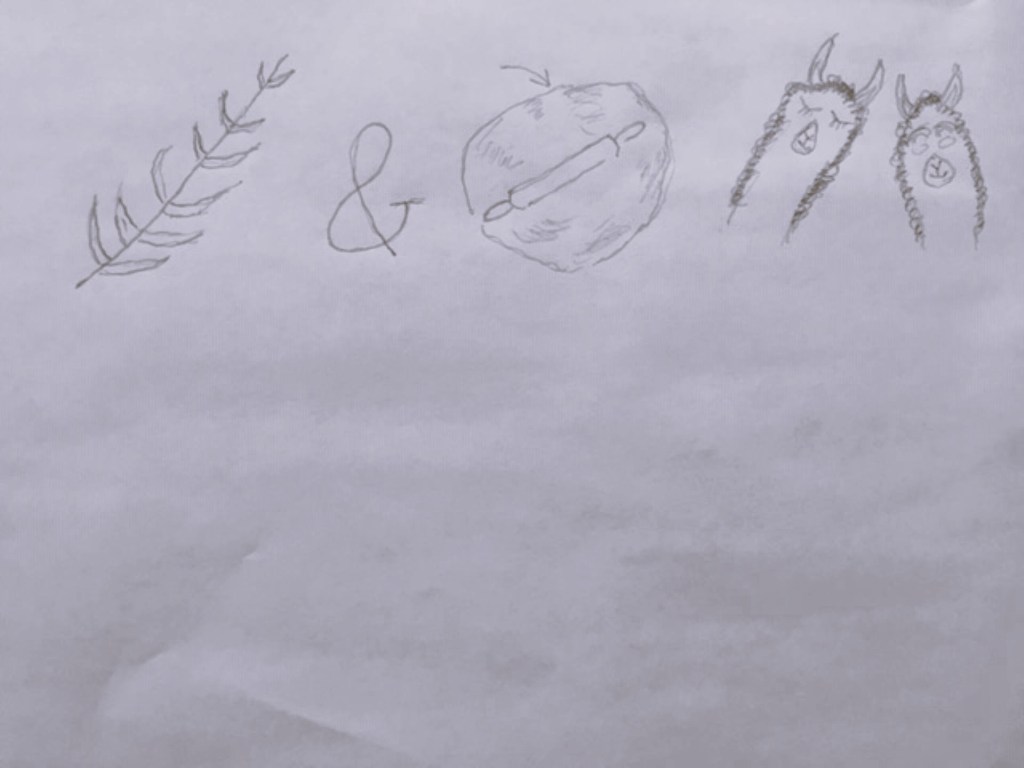
The title of the post is actually a clue to the solution to a picture puzzle riddle I made about the Svengoolie show movie last night, which was “The Lost World,” released in 1960. Svengoolie did one of his picture puzzle riddles which he calls “Too Drawn Out,” which uses a series of pictures to express something about the movie, often one of the actors. It was at the beginning of the show and shortly before that, I had made my own version. I wondered if we were going to be in sync on the riddle.

We weren’t. He drew a couple of pictures, the first one of which depicted a person being clawed by a bear. The second picture showed a cowboy holding the reins of a horse. That segues right into one of the stars in “The Lost World,” Claude Rains. Get it? No? Then have a look at the one I made, which is in a similar vein.

OK, did you guess? If you looked up who starred in the movie, one of them was the subject of a Billy Crystal meme in the 1980s on Saturday Night Live. For those who have seen “The Lost World,” another hint is this actor was often singing a song while strumming a bright yellow guitar, which never picked up any dirt from the land that time forgot in which he and a number of other explorers hunting for living dinosaurs were stranded for a while.

Still stuck? The first drawing is a kind of plant, a fern. I think ferns were around with the dinosaurs and outlived them after the mass extinctions. The second picture is a common symbol. It’s an ampersand, which also means “and.” The third picture shows a roller pin on rolled out dough. And the last picture is of South American animals related to camels—llamas, which pretty much gives the game away. The answer to the riddle is the guy in the movie who always looked “marvelous.” If you thought of Fernando Lamas, the actor who played Gomez in the movie, give yourself a hand.

So, what about the movie “The Lost World?” It starred Claude Rains as Professor Challenger, aptly named probably in part because people found it very challenging to get along with him. He never lost his umbrella (which he sometimes used to punish those who disagreed with him) during the whole trip through the lost world full of volcanic quagmires, giant dinosaurs, and cannibals, huge spiders, man-eating plants and whatnot.

Professor Challenger claims to a group of explorers in London that he’s discovered an island harboring living dinosaurs, which gives everybody a chance to laugh themselves silly, especially when he says he’ll need funds to cover the cost of the expedition, including tickets to Space Mountain. The editor of a newspaper puts up $100,000 to fund the trip, which somehow convinces leaders that this a good bet after all—money talks.

The group includes a reporter named Malone (played by David Hedison) who Professor George Edward Challenger (Claude Rains) bopped on the head with his umbrella, Sir John Roxton (Michael Rennie), Jennifer Holmes (Jill St. John) who wears bright pink stretch paints which was pretty dirt resistant the whole movie, Professor Summerlee (Richard Haydn, who among his film credits was in The Sound of Music), and Gomez (Fernando Lamas) who definitely believes it’s better to look good than to feel good.

When they get to the island, they encounter the dinosaurs almost right away. These are not the stop action models authentic-looking creatures which was the original plan because it turned out to be too costly for production, maybe because it would have cut into cigarette money for the actors.

It was cheaper to trick out big monitor lizards and alligators with horns and plates and then provoke them into a fight which got Fox studios into trouble with the Association for the Prevention of Cruelty to Animals.

The group blunders around the island and eventually they find an old logbook which implicates Sir Roxton as a liar and a greedy cad who abandoned the members of a previous expedition (almost all of whom died) to find diamonds which he never found, which Costa (Jay Novello) another member of the group, gets pretty excited about. Costa tries to get Gomez excited about diamonds too, but he’s pretty mad at Roxton because one of the members of the previous expedition turned out to have been Gomez’ brother.

Pink pants, I mean Jennifer Holmes, who at first wanted to marry Roxton for his title and prestige, now snubs him and shows it by not accepting a cigarette from him. Jennifer brought along her kid brother, David (Ray Stricklyn) and her dog Frosty (which looks like an ancient creature itself, yet gets top billing for some reason: “Frosty, A Dog”). Frosty never gets killed despite being completely helpless and needing to be carted around in what looks like a picnic basket for the whole movie.

The group captures a native girl (Vitina Marcus) who takes a shine to David. Neither of them speaks the other’s language, and the native girl demonstrates her knowledge of how to shoot a rifle, which makes everybody wonder where the island gun shop is. It turns out that the rest of the tribe of cannibals, which later capture them to prepare for a ritual sacrifice, have been keeping one member of the previous expedition, Burton White (Ian Wolfe) alive because he’s blind and it is taboo to kill a blind man. I guess they don’t immediately kill Frosty because they don’t have enough vanilla for the recipe to make what would eventually become the inspiration for the world’s first Frosty malt.

Anyway, White gives the group the remainder of his guns, which the cannibals let him keep evidently because guns are hard to chew. The group takes off on the perilous journey through the volcanic path which turns into something like the Greek myth of Scylla and Charybdis (the devil and the deep blue sea. This is more like molten lava and a dinosaur who has a taste for humans, gobbling up Costa and Gomez (it is better to taste good than to feel good)), both of whom flop back and forth just like small GI Joe size dolls in the lizard’s mouth.

Eventually, what’s left of the group make it out to safety. They lament the lack of any good evidence for dinosaurs to take back with them to civilization—until Professor Challenger pulls out a dinosaur egg. He drops it and it cracks revealing the “Tyrannosaurus rex” iguana squirming around leading to a remarkably Svengoolie-like joke as the final lines of the movie:

Roxton: “…Will it be all right?

Challenger: “It’ll live long enough to grow as big as a house and terrify all London.”

David: “Then what’ll we do?”

Challenger: “Well, we’ll move out of London as fast as possible!”

And a good time was had by all.

Wonderful Windy Day

Well, the forecast was for a very windy day, more windy than we’d like. On the other hand, it was bearable on the Terry Trueblood Trail. However, the forecast is for high winds and hail and we’re not looking forward to that.

The highlight was seeing a leucistic Canadian Goose for the first time. They’re rare. It’s a color variation. The one we saw had a brownish head and white feathers on its body.

It was a great day for bird watching.

The Not So Skinny on Exercise Associated Muscle Cramps

I’m just about fully recovered by a sudden case of shin splints and calf cramps in both legs this past Monday. I did no running, just walked for a little over 4 miles between our house and the shopping mall.

I thought I was doing pretty well until I got about a half mile from home. I had to cross a relatively busy street that doesn’t have a traffic light control, just a sign that suggests drivers slow down and stop for pedestrians in the crosswalk. Many drivers breeze through at around 30 mph and so I generally wait until there’s no traffic or when cars slow down enough that I can’t see the driver’s maniacal grin.

As a few cars waited, I began to cross the street and about halfway over, I started to trot and immediately both my calves cramped up. It was painful and I just managed to limp over to the sidewalk. As I leaned over and tried to ease the cramps by grabbing my toes and bending them toward my shins, I wondered why that happened.

Part of the reason was this was the first long walk of the spring after a winter of being relatively sedentary, other than some routine exercises including stationary bicycle, step box, and stretching routines.

I’m used to shin splints, which I noticed before the leg cramps. But I’ve never had both calves cramp like that. I’d gotten enough fluids, I wasn’t dehydrated, and I wasn’t low on electrolytes. Then, I got curious about the interplay of all those and found out there’s a fair amount of controversy about the causes of what I found out was called exercise-associated muscle cramps (EAMC)

Shin splints are a minor annoyance and could be due to me just being an old guy overdoing it and wearing not the greatest shoes on a concrete trail. Resting a while is the main way to get past it. But because of the double whammy of bilateral shin splints and calf cramps, I hunted on the internet for studies of the causes of EAMC, specifically calf cramps.

I’m sure most readers are familiar with web resources like the Cleveland clinic, which provide general guidance. They usually recommend avoiding dehydration and staying up to speed on electrolytes. Rest is the main suggestion. Meditating over an oleomargarine figurine of Elvis Presley is not recommended but has not been sufficiently studied.

Anyway, I found an interesting web site which challenges the usual guidance about the causes of EAMC. One of the authors of an article (“What Are the True Causes of Cramps While Running?” by Phattarapon Atimetin, MD; published May 15, 2019 on the website samitivejhospitals.com website) disputing the cause of EAMC being dehydration or mineral deficits pointed out that these are less likely than something called “altered neuromuscular control,” which appears to be advanced by a scientist named M.P. Schwellnus. However, the author didn’t cite any references, so I had to hunt them down. I think I found the right articles.

I found one the author didn’t mention, which was a comprehensive review (note the publication date, a few months after Dr. Atimen’s article):

Maughan RJ, Shirreffs SM. Muscle Cramping During Exercise: Causes, Solutions, and Questions Remaining. Sports Med. 2019 Dec;49(Suppl 2):115-124. doi: 10.1007/s40279-019-01162-1. PMID: 31696455; PMCID: PMC6901412.

The authors’ bottom line is:

Exercise-associated muscle cramp is a relatively common occurrence in a range of sport and exercise activities. Onset is generally unpredictable, and the intensity and duration of muscle spasms are highly variable. Spontaneous muscle cramping in occupational settings involving hard physical effort suggests that high ambient temperature and large sweat losses accompanied by the ingestion of large volumes of plain water may be risk factors, and there is some evidence that the risk is reduced by the addition of salt to ingested fluids. Laboratory models of cramp involve either voluntary or electrically-evoked activation of muscle held in a shortened position. These studies have produced mixed results regarding the effects of disturbances of water and salt balance on the risk of cramping; however, they do suggest that, at least in this model, sensory organs in the muscle invoke abnormal reflex activity that results in sustained motor drive to the afflicted muscles. There may be different mechanisms at work in different situations, and there is no conclusive support for any of the proposed mechanisms. Preventive and treatment strategies are not uniformly effective.

They mention M.P. Schewllnus, but they don’t endorse the altered neuromuscular control theory or any other as being explanatory in every case of EAMC. The review was supported by the Gatorade Sports Science Institute (GSSI), which makes me wonder about it a little.

I’m not certain but I think the references for the studies Dr. Atimen mentioned are below:

Schwellnus MP. Cause of exercise associated muscle cramps (EAMC)–altered neuromuscular control, dehydration or electrolyte depletion? Br J Sports Med. 2009 Jun;43(6):401-8. doi: 10.1136/bjsm.2008.050401. Epub 2008 Nov 3. PMID: 18981039.

Braulick, K. W., Miller, K. C., Albrecht, J. M., Tucker, J. M., & Deal, J. E. (2013). Significant and serious dehydration does not affect skeletal muscle cramp threshold frequency. British Journal of Sports Medicine47(11), 710-714.

Hoffman MD, Stuempfle KJ. Muscle Cramping During a 161-km Ultramarathon: Comparison of Characteristics of Those With and Without Cramping. Sports Med Open. 2015;1(1):24. doi: 10.1186/s40798-015-0019-7. Epub 2015 May 21. PMID: 26284165; PMCID: PMC4532703.

The reference below is more recent and the authors’ bottom line is below:

Kevin C. Miller, Brendon P. McDermott, Susan W. Yeargin, Aidan Fiol, Martin P. Schwellnus; An Evidence-Based Review of the Pathophysiology, Treatment, and Prevention of Exercise-Associated Muscle Cramps. J Athl Train 1 January 2022; 57 (1): 5–15. doi: https://doi.org/10.4085/1062-6050-0696.20

Advances in our understanding of EAMC pathogenesis have emerged in the last 100 years and suggested that alterations in neuromuscular excitability and, to a much lesser extent, dehydration and electrolyte losses are the predominant factors in their pathogenesis. Strong evidence supports EAMC treatments that include exercise cessation (rest) and gentle stretching until abatement, followed by techniques to address the underlying precipitating factors. However, little patient-oriented evidence exists regarding the best methods for EAMC prevention. Therefore, rather than providing generalized advice, we recommend clinicians take a multifaceted and targeted approach that incorporates an individual’s unique EAMC risk factors when trying to prevent EAMCs.

The review was not supported by Gatorade. It turns out the best management is rest and gentle stretching. If that doesn’t work, the advice is to seek advanced medical care. There is no evidence that meditating over an oleomargarine figurine of Elvis Presley is effective in any way—although, again, it has not been studied that I know of.

Red Green Show Episode: “Coup De Grass”

I watched another episode of the Red Green Show last night called “Coup De Grass.” The one flaw in watching the episodes are commercials, which were rare when I started making my own YouTube videos years ago. Now they’re about as frequent as they are on TV.

The one good thing about commercials on YouTube is that I can click the “skip ad” button, which interrupts them.

Anyway, “Coup De Grass” was good for several chuckles, but I admit I scratched my head a little over the main sketch comedy skit. It was the what the title of the episode was about, and you might get what the parodic title means here.

The introduction opens with Red Green talking about the grass seed he accidentally spilled on the paint and chemical covered floor of his garage. It was a “horticultural breakthrough” because the grass grew only a couple of inches tall, which he though he could make a fortune on.

The next two segments I overthought and realized only later that the idea involved the mutant grass growing very tall and getting smelly and sticky—like the paint and toxic ooze in the garage it sprang from.

What confused me was that, after planting the grass outside the lodge, Red and the other cast members gradually developed abnormal walking with their feet sticking to the floor at every step. They also started to turn green. It reminded me a little of the Silly Walking episode on Monty Python’s Flying Circus.

Actually, the point of the silly walking is that they got contaminated by the grass, which quickly grew tall, sticky, and smelly.

So, who or what actually delivers the “coup de grass” or killing blow and who or what gets “killed?” I could take a stab at the answer, but that might be a spoiler.

Rounding@Iowa Podcast: “Advances in the Treatment of Pancreatic Cancer”

This episode of Rounding@Iowa is about important medical advances in the treatment of pancreatic cancer. As you listen to Dr. Clancy interview Dr. Joseph Cullen about what’s new, you’ll hear a lot about high-dose intravenous Vitamin C. This can enhance treatment and improve response to chemotherapy and radiation therapy. Dr. Cullen’s most recent study about this technique showed the overall survival of patients with late-stage pancreatic cancer increased from 8 months to 16 months.

86: Cancer Rates in Iowa Rounding@IOWA

Iowa's cancer rates are among the highest in the country, and they are rising. In this episode of Rounding@Iowa, Dr. Gerry Clancy and guest experts Dr. Mary Charlton and Dr. Mark Burkard discuss the data, risk factors, and prevention strategies clinicians can use to make a difference. CME Credit Available:  https://uiowa.cloud-cme.com/course/courseoverview?P=0&EID=81274  Host: Gerard Clancy, MD Senior Associate Dean for External Affairs Professor of Psychiatry and Emergency Medicine University of Iowa Carver College of Medicine Guests: Mark E. Burkard, MD, PhD Professor of Internal Medicine-Hematology, Oncology, and Blood and Marrow Transplantation University of Iowa Carver College of Medicine Director, University of Iowa Health Care Holden Comprehensive Cancer Center Mary Charlton, PhD Professor of Epidemiology Director, Iowa Cancer Registry Iowa College of Public Health Financial Disclosures:  Dr. Clancy, Dr. Burkard, Dr. Charlton, and Rounding@IOWA planning committee members have disclosed no relevant financial relationships. Nurse: The University of Iowa Roy J. and Lucille A. Carver College of Medicine designates this activity for a maximum of 0.75 ANCC contact hour. Pharmacist and Pharmacy Tech: The University of Iowa Roy J. and Lucille A. Carver College of Medicine designates this knowledge-based activity for a maximum of 0.75 ACPE contact hours. Credit will be uploaded to the NABP CPE Monitor within 60 days after the activity completion. Pharmacists must provide their NABP ID and DOB (MMDD) to receive credit. UAN: JA0000310-0000-25-090-H99 Physician: The University of Iowa Roy J. and Lucille A. Carver College of Medicine designates this enduring material for a maximum of 0.75 AMA PRA Category 1 CreditTM. Physicians should claim only the credit commensurate with the extent of their participation in the activity. Other Health Care Providers: A certificate of completion will be available after successful completion of the course. (It is the responsibility of licensees to determine if this continuing education activity meets the requirements of their professional licensure board.) References/Resources:  Iowa Cancer Plan  
  1. 86: Cancer Rates in Iowa
  2. 85: Solutions for Rural Health Workforce Shortages
  3. 84: When to Suspect Atypical Recreational Substances
  4. 83: Hidradenitis Suppurativa
  5. 82: End-of-Life Doulas

Reference:

Kellie L. Bodeker, Brian J. Smith, Daniel J. Berg, Chandrikha Chandrasekharan, Saima Sharif, Naomi Fei, Sandy Vollstedt, Heather Brown, Meghan Chandler, Amanda Lorack, Stacy McMichael, Jared Wulfekuhle, Brett A. Wagner, Garry R. Buettner, Bryan G. Allen, Joseph M. Caster, Barbara Dion, Mandana Kamgar, John M. Buatti, Joseph J. Cullen,

A randomized trial of pharmacological ascorbate, gemcitabine, and nab-paclitaxel for metastatic pancreatic cancer,

Redox Biology,

Volume 77,

2024,

103375,

ISSN 2213-2317,

(https://www.sciencedirect.com/science/article/pii/S2213231724003537)

Abstract: Background

Patients with metastatic pancreatic ductal adenocarcinoma (PDAC) have poor 5-year survival. Pharmacological ascorbate (P-AscH-, high dose, intravenous, vitamin C) has shown promise as an adjunct to chemotherapy. We hypothesized adding P-AscH- to gemcitabine and nab-paclitaxel would increase survival in patients with metastatic PDAC.

Methods

Patients diagnosed with stage IV pancreatic cancer randomized 1:1 to gemcitabine and nab-paclitaxel only (SOC, control) or to SOC with concomitant P-AscH−, 75 g three times weekly (ASC, investigational). The primary outcome was overall survival with secondary objectives of determining progression-free survival and adverse event incidence. Quality of life and patient reported outcomes for common oncologic symptoms were captured as an exploratory objective. Thirty-six participants were randomized; of this 34 received their assigned study treatment. All analyses were based on data frozen on December 11, 2023.

Results

Intravenous P-AscH- increased serum ascorbate levels from micromolar to millimolar levels. P-AscH- added to the gemcitabine + nab-paclitaxel (ASC) increased overall survival to 16 months compared to 8.3 months with gemcitabine + nab-paclitaxel (SOC) (HR = 0.46; 90 % CI 0.23, 0.92; p = 0.030). Median progression free survival was 6.2 (ASC) vs. 3.9 months (SOC) (HR = 0.43; 90 % CI 0.20, 0.92; p = 0.029). Adding P-AscH- did not negatively impact quality of life or increase the frequency or severity of adverse events.

Conclusions

P-AscH− infusions of 75 g three times weekly in patients with metastatic pancreatic cancer prolongs overall and progression free survival without detriment to quality of life or added toxicity (ClinicalTrials.gov number NCT02905578).

Keywords: Pancreatic neoplasms; Ascorbic acid; Controlled clinical trial; Gemcitabine; Nab-paclitaxel

Dr. Cullen mentions that patients contact him not infrequently to ask if taking high-dose oral Vitamin C will help them achieve similar results. Unfortunately, it will not. Giving it intravenously facilitates giving much higher doses. The study had a relatively small number of participants, which limited ascertainment of quality of life.

On the psychological side, there are ways to bolster the mental health challenges of those with pancreatic cancer, which typically has a grim outcome in terms of survival:

Spiegel D. Mind matters in cancer survival. Psychooncology. 2012 Jun;21(6):588-93. doi: 10.1002/pon.3067. Epub 2012 Mar 21. PMID: 22438289; PMCID: PMC3370072.

Further, Dr. William Breitbart, MD, Chair of the Department of Psychiatry and Behavioral Sciences at Memorial Sloan Kettering Cancer Center was interviewed in 2021 and emphasized the need for bolstering mental health for those diagnosed with pancreatic cancer. According to Breitbart, “Pancreatic cancer triggers an inflammatory response in the body, which can lead to mood disorders,” Breitbart explains. Psychiatrists can prescribe certain antidepressant medications that directly target that inflammatory response.”

Who Else Remembers the “Red Green Show”?

I was clicking through the web the other day and came across something that triggered a distant memory—The Red Green Show. It was a Canadian sketch comedy TV program that ran between 1991 and 2006.

I used to watch it and now I can’t see how I ever found the time to do that. I was in medical school between 1988-1992, and was in residency between 1992-1996. After that, I was on staff in the psychiatry department at University of Iowa Health Care.

The Red Green Show was on in the evening and it caught my attention like a couple others: Monty Python’s Flying Circus and Red Dwarf (a really quirky outer space show), which came on just before the Red Green Show. I’ve always been big on comedy, but I just don’t know how I ever found time for it. I was usually pretty tired or up all night on call.

Anyway, there’s this Red Green web site where you can watch all the episodes over the 15 years it was on—for free. The big star was Steve Smith, who played Red Green. The web site marketing all the old shows and T-shirts and whatnot is based in Overland Park in Kansas City, Kansas. Figure that one out, a Canadian TV show now selling souvenirs and Possum Lodge membership cards in Kansas City.

The show won a Canadian Gemini Award (similar to the Academy Emmy Award in America) for comedy in 1998.

If you watch one of the episodes, it’ll make you scratch your head about the notion of making Canada the 51st state, but I won’t get into it.

I had a book written by Steve Smith a long time ago but I can’t remember which one it was. I think it had a red cover. Maybe it was “How to Do Everything.” It’s a guide for do-it-yourself and self-help. That’s a hoot because I can barely tie my shoes, much less fix anything. On the other hand, neither could Red Green.

I watched the first YouTube episode from 1991 and it made me chuckle. I admit that one of the Red Green quotes, the Man’s Prayer, fits me like a fishing vest (I don’t fish!):

“I’m a man, but I can change, if I have to…I guess.” Red Green.

It Turns Out I Did Not Invent the Term “Zamboni Effect”

Today’s post connects weirdly with the one I wrote yesterday entitled “The Zamboni Effect,” in which I mistakenly believed I had invented the term “Zamboni Effect” based on my observation of what an ice resurfacing machine did to an ice rink in a local mall. It clarified the ice and also metaphorically, by extension, clarified relationships from the past viewed in the present—sort of.

As a reminder, the ice resurfacing machine was first invented in 1949 by a guy named Frank Zamboni. A lot of companies with different names make them nowadays but people still tend to call them all Zambonis.

Just for fun, I looked up the “Zamboni Effect” on the web today and it returned a few surprising results. Among the different meanings of the Zamboni Effect:

  1. Zamboni Effect related to optimizing the ocular surface for surgery.
  2. Zamboni Effect related to a scientist named Paolo Zamboni, who invented a controversial treatment for multiple sclerosis which later turned out to be ineffective.
  3. Zamboni Effect related to something that happens in connection with dynamical nuclear spin polarization (whatever that is).

And for all I know, there may be other meanings for the Zamboni Effect that just never made it to the internet.

The Zamboni Effect

I was walking around the mall today doing ordinary old guy things: watching the Zamboni machine resurface the ice rink, which I’ve never seen before, by the way. The surface was pretty dull before the Zamboni team started. There were two kids in the seat, one young lady driving and the other young man pointing out spots she missed. They went around and around getting the thin layer of water on the whole rink while eager skaters waited to get out there. They rejuvenated the rink, got it shining like crystal and skaters spun, twirled, and had a great time. It was the Zamboni Effect.

After that, I got up and did my usual thing, looked at books in Barnes & Noble, got a bite to eat, wondered why the mall security guy was walking by the bench so often where I was sitting. After his third pass, I got up and did my best to look like a solid citizen who is aware that loitering might look sinister to some mall security guys.

And when I wandered back to the tables next to the ice rink, I sat down again because the mall security guy was nowhere in sight. While I was just zoning out watching people pass by, one of them stopped and made a funny face at me. For a half-second, he didn’t register in my memory and then he called me by name. I suddenly recognized him as a former resident in the Medical-Psychiatry training program at University of Iowa Health Care (UIHC). It was Ravneet, one of the best trainees I have ever had the pleasure to work with.

It was kind of a shock. He had left for a great position with a health care organization out in Arizona many years ago and is very successful. He and his wife and daughter were on vacation and were walking through the mall. His son is also a high-level performer in science but he was not with them today. Ravneet takes time out every so often to travel like that. I’m sure it helps rejuvenate him—kind of like how the Zamboni machine rejuvenates the ice rink–the Zamboni Effect.

We exchanged pleasantries, he took a selfie with me, and I forgot to ask him to send me a copy, probably because I was so flabbergasted at running into him at the mall. It really brightened my day. Again—the Zamboni Effect. I really felt rejuvenated.

Every now and then, we all need the Zamboni Effect. Maybe it could even help the mall security guy.