Pondering a Mystery in My Past at Huston-Tillotson University

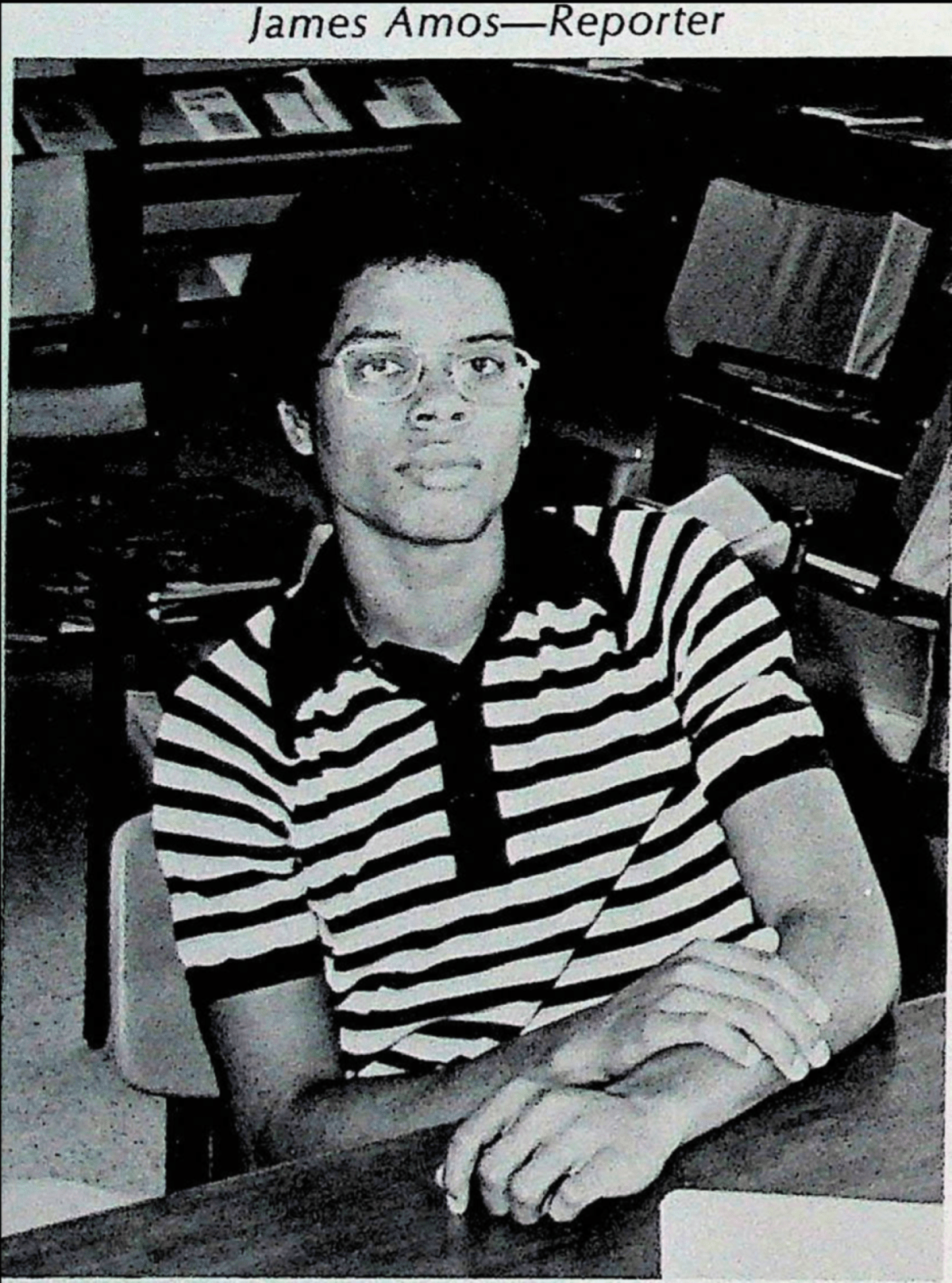
I found a photo of me in the Downs-Jones Library files at Huston-Tillotson University (formerly Huston-Tillotson College) today. It’s the featured image for this post. I was going down memory lane looking at old pictures of former classmates and teachers at H-TU and—there I was. It’s a photo of me in 1975, and it looks like I’m sitting in the Downs-Jones Library on campus posing for the picture. I don’t remember sitting for it. I had hair then and afros were in style.

I was a little worried about copyright issues just downloading or printing the image until I finally noticed the icons for doing both on the web page. I guess they wouldn’t be there if it were prohibited.

What’s also funny is that the caption above my picture says “James Amos—Reporter.” This meant that I was contributing to the college newspaper, The Ramshorn Journal. Funny thing is, I couldn’t remember writing anything for it.

I tried to find copies of the Ramshorn Journal for 1975, but there were only records for issues published in the early to mid-1960s. I guess I’ll never know what I wrote, if anything.

I’m surprised there would be any photos of me at all since I didn’t graduate from H-TU but transferred to Iowa State University and graduated from there in 1985.

I clipped out my photo from a few others. The group included the sponsor of the Ramshorn Journal, the editor, and the typist. That makes it looks I was a part of the staff. I’ll be darned if I remember doing anything for it. If I had written anything, I would think I’d have kept copies. But I have no documents proving it. I don’t have copies of the Ramshorn either. I’m a writer by inclination and habit so this is a mystery.

As I looked through yearbooks, I couldn’t find anyone I could ask about it either. That makes sense because it was 50 years ago. On the other hand, if there are digitized issues of the Ramshorn Journal from the 1960s, there might be some later issues kept somewhere in the library. Maybe there’s something with my byline on it.

If I get curious enough about it, I might ask somebody at the Downs-Jones Library if they could check on it.

Hearing an Old Song

I have to admit that I’ve been mis-hearing some of the lyrics of one of my favorite songs, “Lean on Me” for the past fifty-odd years since Bill Withers wrote it. It stayed on the top of the charts for more than 3 weeks back in 1972. That was a special time in my life; and not an easy one.

Back then, you couldn’t just look up song lyrics or anything else for that matter on the world wide web. It didn’t exist yet. I’ve always been prone to mondegreens and I finally found out that I was hearing something different in the verse:

“Please swallow your pride

if I have things (faith?) you need to borrow

For no one can fill

those of your needs

That you won’t let show”

Just to let you know, I found lyrics in one YouTube that substituted the word “faith” for “things”. Think about that one. I don’t know how to settle it, so if anybody knows which word is right, please comment. Anyway, it’s a little embarrassing and revelatory that I heard “…if I have pain…”  instead of “…if I have things (or faith)…” And I never really heard “…That you won’t let show.”

Yet I lived it.

Years later, after I’d finished college, medical school, residency in psychiatry, and had taught residents and medical students at the University of Iowa for a number of years, one of my colleagues, Scott, a brilliant psychologist and writer, stopped by my office one day. This was years ago.

His name is Scott and he suggested that it would be nice to get together sometime soon to catch up. I deferred and I remembered he replied while looking off down the hallway, “I’m 70.”  I wonder if he meant he didn’t know how much more time he had left.

Scott and I had taken similar paths in the middle of our careers at Iowa. I wanted to try private practice and left for Madison, Wisconsin. Scott got the same idea and left for a position in Hershey, Pennsylvania. We both regretted it and soon after returned to Iowa. I swallowed my pride and came back because I loved teaching. I think he returned for the same reason. We were both grateful that the UIHC Psychiatry Dept. Chair, Bob Robinson, welcomed both us of back.

I touched base with Scott a little while ago. We’re both retired. I was trying to find out how to contact Bob about messages I was getting from the publisher of our consult psychiatry handbook. Neither Scott or I could find out what was going on with Bob, who retired several years ago and moved back East. It turned out he had died. Sometimes we all have sorrow.

Scott is my friend, and I leaned on him a long time ago. I’m unsure if I let it show. I’m 70 and I’m grateful to him.

On that note, I’m finding out that I can’t walk all the way to the mall and back anymore. On the other hand, I can walk about half that distance. It’s about a mile and a half out to the Clear Creek Trail and back. There’s a lot of uphill and downhill stretches along the way. I can manage that.

And Sena bought me a couple of pairs of new shoes that I’m breaking in that will probably be easier on my feet and my calves. They’re Skecher slip-ons, not to be confused with the no hands slip-ins. I’m used to slip-ons. I tried one pair out today, in fact. Before I left, I took a few pictures of Sena’s new garden. As usual, she’s planting new flowers. The dogwood tree looks great. She’s even excited about the wild phlox. I can’t keep track of everything else out there. She makes the beauty out there.

And I lean on her for that.

The Zamboni Effect

I was walking around the mall today doing ordinary old guy things: watching the Zamboni machine resurface the ice rink, which I’ve never seen before, by the way. The surface was pretty dull before the Zamboni team started. There were two kids in the seat, one young lady driving and the other young man pointing out spots she missed. They went around and around getting the thin layer of water on the whole rink while eager skaters waited to get out there. They rejuvenated the rink, got it shining like crystal and skaters spun, twirled, and had a great time. It was the Zamboni Effect.

After that, I got up and did my usual thing, looked at books in Barnes & Noble, got a bite to eat, wondered why the mall security guy was walking by the bench so often where I was sitting. After his third pass, I got up and did my best to look like a solid citizen who is aware that loitering might look sinister to some mall security guys.

And when I wandered back to the tables next to the ice rink, I sat down again because the mall security guy was nowhere in sight. While I was just zoning out watching people pass by, one of them stopped and made a funny face at me. For a half-second, he didn’t register in my memory and then he called me by name. I suddenly recognized him as a former resident in the Medical-Psychiatry training program at University of Iowa Health Care (UIHC). It was Ravneet, one of the best trainees I have ever had the pleasure to work with.

It was kind of a shock. He had left for a great position with a health care organization out in Arizona many years ago and is very successful. He and his wife and daughter were on vacation and were walking through the mall. His son is also a high-level performer in science but he was not with them today. Ravneet takes time out every so often to travel like that. I’m sure it helps rejuvenate him—kind of like how the Zamboni machine rejuvenates the ice rink–the Zamboni Effect.

We exchanged pleasantries, he took a selfie with me, and I forgot to ask him to send me a copy, probably because I was so flabbergasted at running into him at the mall. It really brightened my day. Again—the Zamboni Effect. I really felt rejuvenated.

Every now and then, we all need the Zamboni Effect. Maybe it could even help the mall security guy.

Old School

We were reminiscing about our elementary school days following a discussion of news article about what some educators want to do with the school day schedule. Apparently, kids are pretty sleepy in class and teachers think it’s because they’re sleep deprived. Apparently, they’re not getting enough sleep at night and the proposal is that the school day schedule ought to be pushed ahead, the day starting at 9 AM instead of 8 AM.

Maybe the kids should be off their electronic devices a little earlier in the evening.

I guess there have been studies supporting this idea for years, but of course I hadn’t heard of it. Nobody seems to be in a hurry to change the system.

What we remembered were the consequences imposed by teachers and principals when we didn’t perform up to expectations in class, or misbehaved in class or on the playground.

Sena had a little trouble with remembering the vowels, a e i o u and sometimes y. She had so much trouble with it that she had to stay after school to write that out over and over on two big blackboards. It took quite a while. That was back in the days when blackboards were big and covered one entire wall of the classroom. There was always more chalk available if she ran out. Sometimes the penalty for her not paying attention was a few sharp raps on the top of her head with a No.2 pencil. Most often it was for talking out of turn or not paying attention.

I got caught a couple of times for throwing snowballs on the playground. I think it was at least a couple of times. The consequence for this infraction was to sit in the principal’s office drawing little circles resembling snowballs on a sheet of paper. They had to be small so that it took you a long time to fill up the paper. If you made them too big, the principal made you flip the sheet over and do it again. I think if you got writer’s cramp, you had to switch hands.

My brother and I had to walk to and from school. We had to get up early and sometimes the snow was up to our knees. It was about a half-mile walk to school. One winter day, I was walking home and found a dog frozen stiff as a statue next to the sidewalk.

I spent most of time after lunch looking at the clock, wishing the hands would move faster to 3 PM, when school let out. I would walk home and because I was a latchkey kid, I just let myself in the house.

I guess moving the time up so that kids can be more awake during the morning wouldn’t hurt anything. Maybe the curriculum will be simplified a little bit too. Things like geography could be easier. You could change the name of the Gulf of Mexico (or is it the Gulf of America now?) to something that makes more sense—like the Gulf of Water.

If you can’t learn that, maybe you need to have your head rapped with a No.2 pencil.

The Incredible Shrinking Headshrinker

Last week we saw the 1957 movie “The Incredible Shrinking Man” on the Svengoolie show on the MeTV channel. We’ve never seen it before and it actually got pretty good reviews back in the day. The main character, Scott Carey, was played by Grant Williams. You can watch the movie for free on the Internet Archive.

According to some interpretations, the story uses the metaphor of diminishing size to highlight the diminishing role of masculinity in American society in the 1950s or human notions in general about one’s self-worth in society.

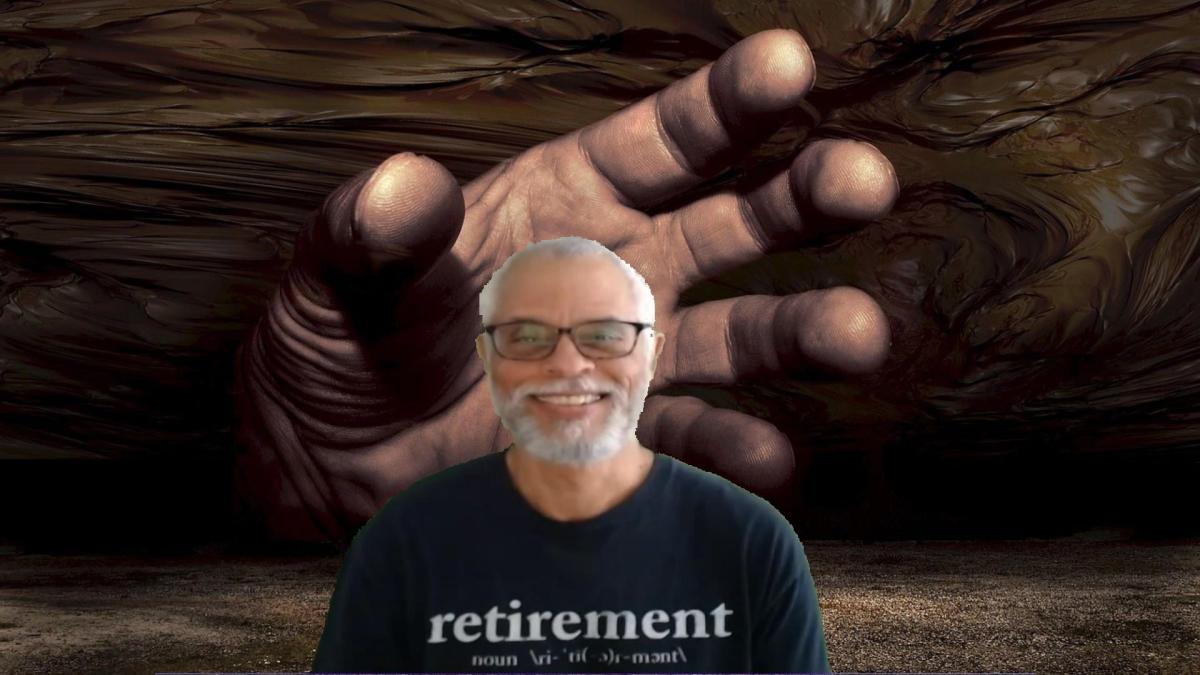
It got me thinking about how the challenges of adjusting to retirement as a process has been (and still is to some degree) for me. I started out with gradual reduction of my work schedule in the form of a phased retirement contract. It was difficult.

I was reminded of how difficult it was to slow down, especially as a teacher of residents and other health care trainees, when I was going through some old papers after the recent move to our new house. They included teaching awards I’d received over the years.

I was struck by how small my self-perceived role in psychiatry and medicine has gradually become in the last few years. I’ve been shrinking, similar to Scott Carey. In fact, I’m a shrinking headshrinker.

I don’t want to spend too much time ruminating about what retirement means to me. I think it’s a very common response to perceive the world gets smaller when you retire.

It doesn’t help much to intellectualize about shrinking in this way. Scott Carey eventually accepted his diminishing stature, even to the point of disappearance. Grief about this kind of loss is normal, although I’m realizing that grief might never completely disappear.

Reminiscence of My Younger Days

The other day we had some stormy weather roll across central Iowa, although it was not as bad as the tornado that swept through Greenfield. We hope the best for them. We didn’t actually get a tornado, but I remember wondering why the siren went off about 6:00 a.m. It woke me up and I wondered what was the matter. Turns out it was a tornado warning and we had to sit in the basement for a little while. It was a little scary, but the storm moved east pretty quickly northeast out of our area.

For whatever reason, this eventually led to my reminiscing about my younger days. Maybe it was because of a temporary scare and increased awareness of our mortality.

I used to work for a consulting engineers company called WHKS & Co. in Mason City, Iowa. This was back in the days of the dinosaurs when it was challenging to set stakes for rerouting highways around grazing diplodocus herds.

I was young and stupid (compared to being old and stupid now by way of comparison). I lived at the YMCA and took the city bus to the Willowbrook Plaza where the WHKS & Co. office was located on the west side of town.

I usually got there too early and stopped for breakfast at the Country Kitchen. The waitress would make many trips to my table to top off my coffee while I sat there waiting for the office to open. That was fine because I had a strong bladder in those days. I left tips (“Don’t cross the street when the light is red”).

My duties at WHKS & Co. included being rear chain man and rod man, at least when I first started. A “chain” was the word still being used for a steel tape for measuring distances. It was well past the days when land surveyors used actual chains for that purpose. You had to use a plumb bob with the chain to make sure you were straight above the point (usually marked by a nail or an iron property corner pin) you measuring to and from.

You and the lead chain man had to pull hard on each end of the chain to make sure it was straight. It was challenging, especially on hot days when my hands were sweaty and the chain was dirty. Callouses helped.

The rod was for measuring vertical distances and an instrument called a level was used with that. One guy held up the rod which was marked with numbers and the guy using the level read the elevation. Another way to measure both horizontal and vertical angles used a rod and a different instrument that we called a theodolite (older instrument name was “transit”).

We worked in all kinds of weather, although not during thunderstorms. In fact, when it was looking like rain out in the field, a standard joke for us sitting in the truck waiting for rain was to draw a circle on the windshield (imaginary, you just used your finger although if your finger was dirty which it always was, you left a mark) and if a certain number of drops fell in the circle, you could sit in the truck and play cards.

When we played cards, it was always the game Hearts, which I could not play skillfully at all. I always lost. But it kept us out of the rain. If a big thunderstorm blew in, we just headed back home.

We never got caught in a tornado.

Remember The Calling

I recommend Dr. George Dawson’s recent posts on seeing the practice of medicine as a calling and his passing a big milestone with 2 million reads on his blog.

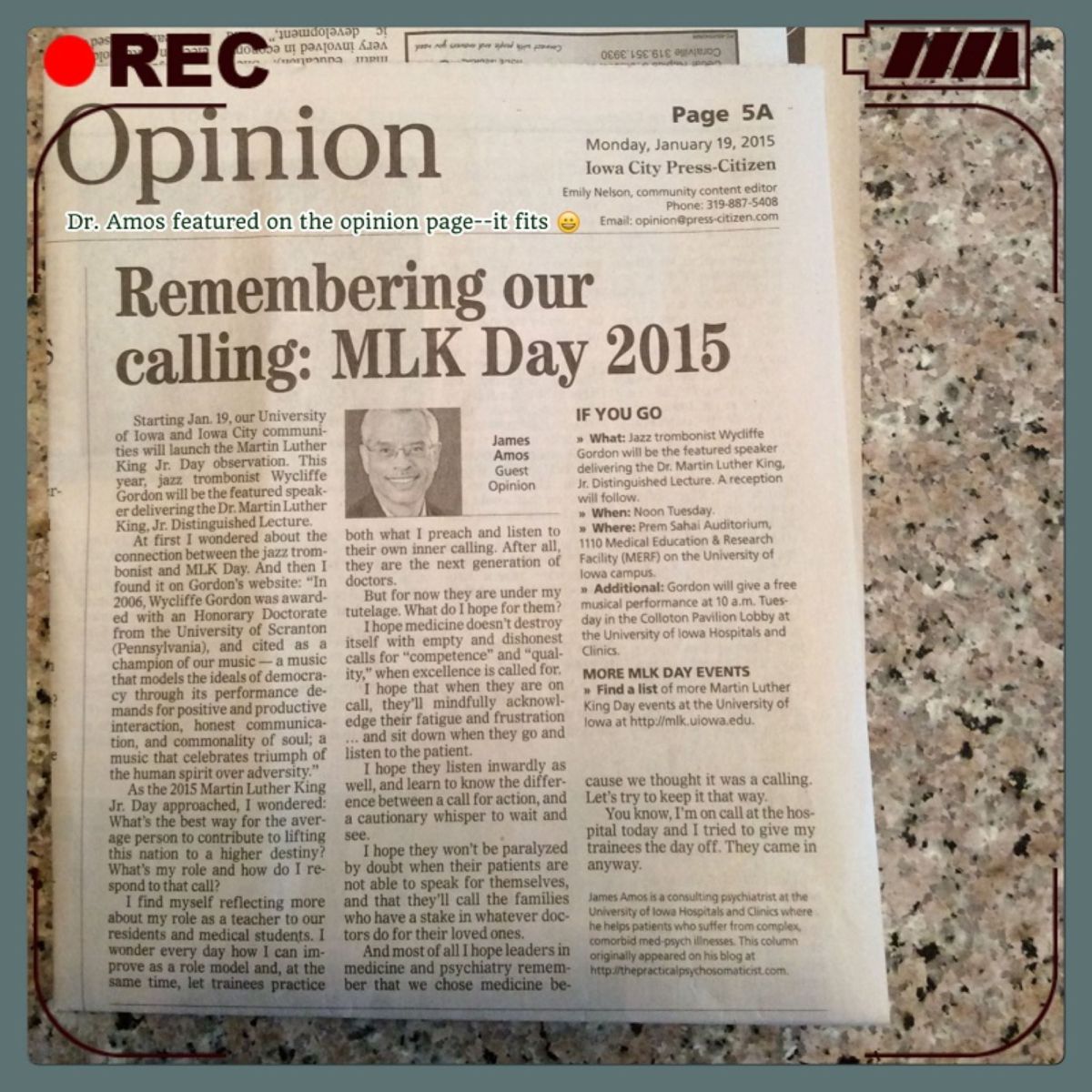
I wrote a post entitled “Remembering Our Calling: MLK Day 2015.” It was republished in a local newspaper, the Iowa City Press-Citizen on January 19, 2015. And I reposted it in 2019 on this blog.

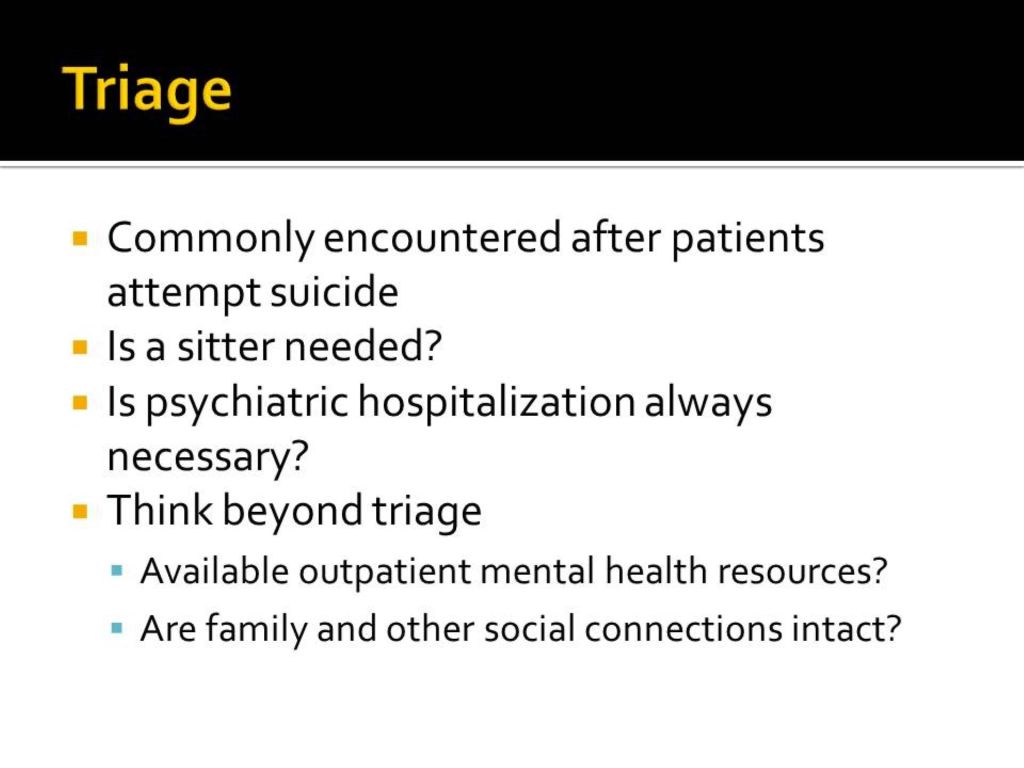
The trainees I taught also taught each other about psychiatry and medicine when they rotated on the consultation-liaison service at the hospital. We put them into the format of short presentations. I called mine the Dirty Dozen. The trainees and I also presented the Clinical Problems in Clinical Psychiatry (CPCP).

There were many of those meetings, which were necessarily short and to the point because the service was busy. We got called from all over the hospital. We answered those calls and learned something new every time.

I posted a lot of the trainees’ presentations in my previous blog, The Practical C-L Psychiatrist, which was replaced by this present blog. I haven’t posted the presentations partly because I wanted to give the younger teachers their due by naming them as they did on their title slides. But I would want to ask their permission first. They are long gone and far flung. Many are leaders now and have been for many years. I still have their slides. I’m very proud of their work. When they were called, they always showed up.

So, you’ll just have to put up with my work and my cornball jokes.  

African American Women in Iowa History

In light of March being Women in History Month (as well as Iowa History Month), I’d like to share some history stories about an African American librarian from Mason City, Iowa named Esther J. Walls. In 2020 during the Covid-19 pandemic, there was an essay about her, “Esther J. Walls: The Role of a Black Leader.” Her life story as a librarian, traveler, and educator is fascinating.

I looked through the list of women elected to the Iowa Women’s Hall of Fame and couldn’t find her name. However, I recognized Deborah Ann Turner’s name on the list. She was the first African American woman to be certified by the American Board of Obstetrics and Gynecology in gynecologic oncology. She was also from Mason City, Iowa. Her life story and list of accomplishments is also impressive.

I identify with both of them because they were born and raised in my hometown, Mason City, Iowa. Esther J. Walls was employed at the Mason City Public Library, my favorite haunt because my love of reading and writing began in early childhood.

An archived news item about Esther J. Walls entitled “A Mason City woman’s globe-trotting career” highlights her travels and her sense of humor.

An Old Blog Post About My College Days in Texas

There’s something embarrassing yet fascinating about reading my old blog posts from years ago. The one I read yesterday is titled simply “I Remember HT Heroes.” I make connections between my undergraduate college days at Huston-Tillotson College (now Huston-Tillotson University (an HBCU in Austin, Texas) and my early career as a consultation psychiatrist at The University of Iowa Hospitals & Clinics (now rebranded to Iowa Health Care).

My first remark about getting mail from AARP reminds me that organization is sponsoring the Rolling Stones current tour, Hackney Diamonds. And the name of my specialty was changed from Psychosomatic Medicine to Consultation-Liaison Psychiatry in 2017.

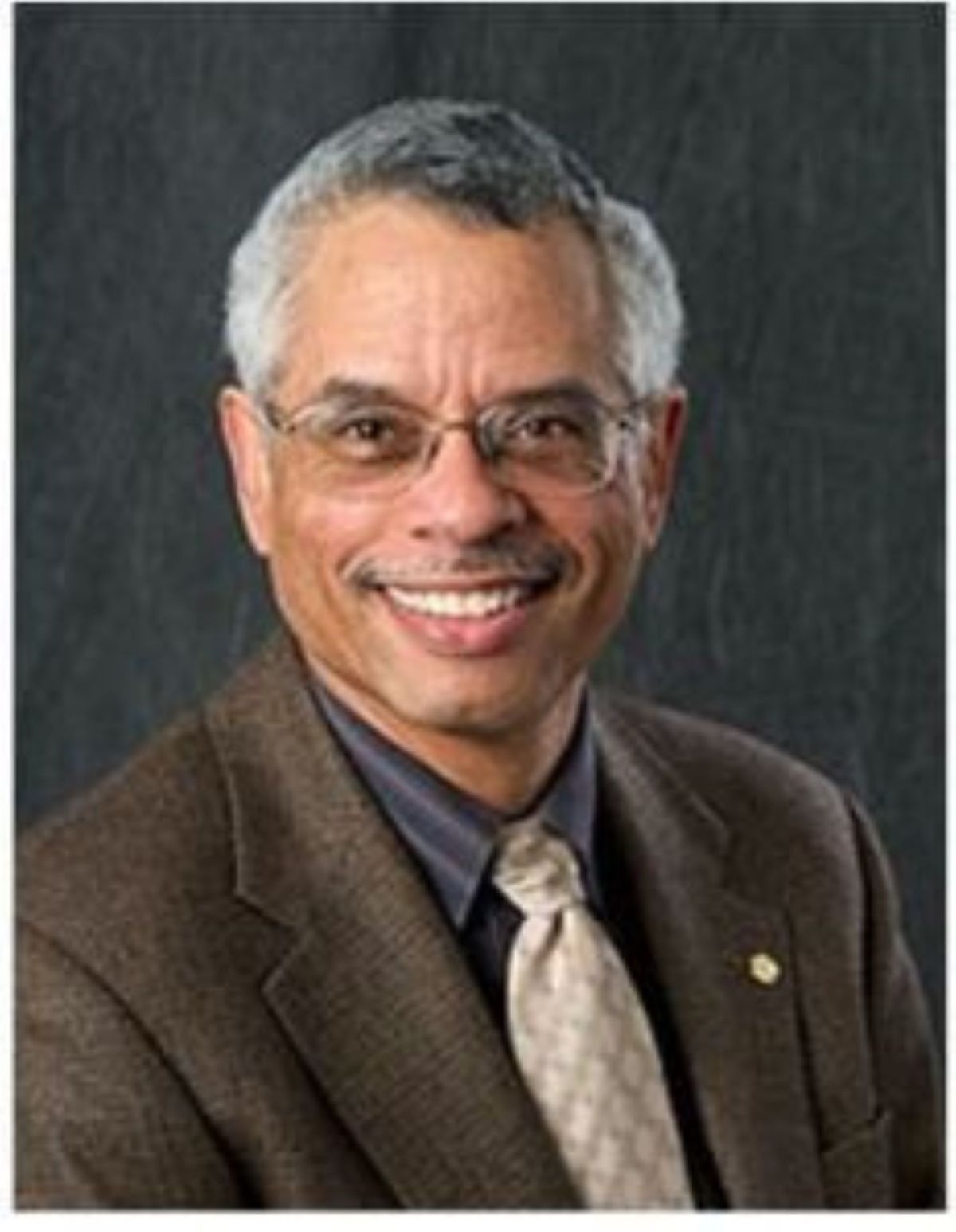
The photo of me attached to the original post reminds me of how I’ve gotten older—which also makes me hope that I’ve gotten wiser than how I sound in this essay. The pin in my lapel is the Leonard Tow Humanism in Medicine award I received in 2006.

I Remember HT Heroes

Getting membership solicitations in the mail from the American Association of Retired Persons (AARP) is a sure sign of aging, along with a growing tendency to reminisce. Reminiscence, especially about the seventies, may be a sign of encroaching senility.


Why would I reminisce about the seventies? Because I’m a baby boomer and because my ongoing efforts to educate my colleagues in surgery and internal medicine about Psychosomatic Medicine, (especially about how to anticipate and prevent delirium) makes me think about coming-of-age type experiences at Huston-Tillotson College (Huston Tillotson University since 2005) in Austin, Texas. Alas, I never took a degree there, choosing to transfer credit to Iowa State University toward my Bachelor’s, later earning my medical degree at The University of Iowa.


Alright, so I didn’t come of age at HT but I can see that a few of my most enduring habits of thought and my goals spring from those two years at this small, mostly African-American enrollment college on what used to be called Bluebonnet Hill. I learned about tenacity to principle and practice from a visiting professor in Sociology (from the University of Texas, I think) who paced back and forth across the Agard-Lovinggood auditorium stage in a lemon-yellow leisure suit as he ranted about the importance of bringing about change. He was a scholar yet decried the pursuit of the mere trappings of scholarship, exhorting us to work directly for change where it was needed most. He didn’t assign term papers, but sent me and another freshman to the Austin Police Department. The goal evidently was to make them nervous by our requests for the uniform police report, which our professor suspected might reveal a tendency to arrest blacks more frequently than whites (and yes, we called ourselves “black” then). He wasn’t satisfied with merely studying society’s institutions; he worked to change them for the better. Although I was probably just as nervous as the cops were, the lesson about the importance of applying principles of change directly to society eventually stuck. I remember it every time I encounter push-back from change-resistant hospital administrations.


I’m what they call a clinical track faculty member, which emphasizes my main role as a clinician-educator rather than a tenure track researcher. I chose that route not because I don’t value research. Ask anyone in my department about my enthusiasm for using evidence-based approaches in the practice of psychiatry. I have a passion for both science and humanistic approaches, which again I owe to HT, the former to Dr. James Means and the latter to Dr. Jenny Lind Porter. Dr. Means struggled to teach us mathematics, the language of science. He was a dyspeptic man, who once observed that he treated us better than we treated ourselves. Dr. Porter taught English Literature and writing. She also tried to teach me about Rosicrucian philosophy. I was too young and thick-headed. But it prepared the way for me to accept the importance of spirituality, when Marcia A. Murphy introduced me to her book, “Voices in the Rain: Meaning in Psychosis”, a harrowing account of her own struggle with schizophrenia and the meaning that her religious faith finally brought to it.


Passion was what Dr. Lamar Kirven (or Major Kirven because he was in the military) also modeled. He taught black history and he was excited about it. When he scrawled something on the blackboard, you couldn’t read it but you knew what he meant. And there was Dr. Hector Grant, chaplain and professor of religious studies, and champion of his native Jamaica then and now. He once said to me, “Not everyone can be a Baptist preacher”. My department chair’s echo is something about how I’ll never be a scientist. He’s right. I’m no longer the head of the Psychosomatic Medicine Division…but I am its heart.


I didn’t know it back in the seventies, but my teachers at HT would be my heroes. We need heroes like that in our medical schools, guiding the next generation of doctors. Hey, I’m doing the best I can, Dr. Porter.

The Thing About Identity

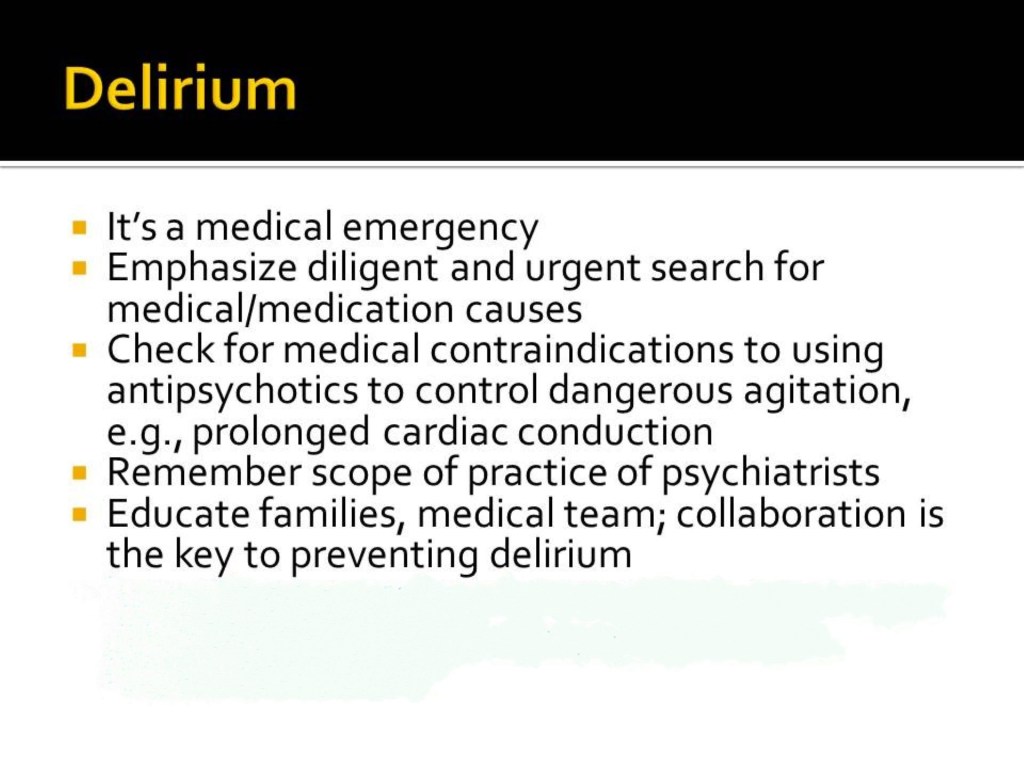
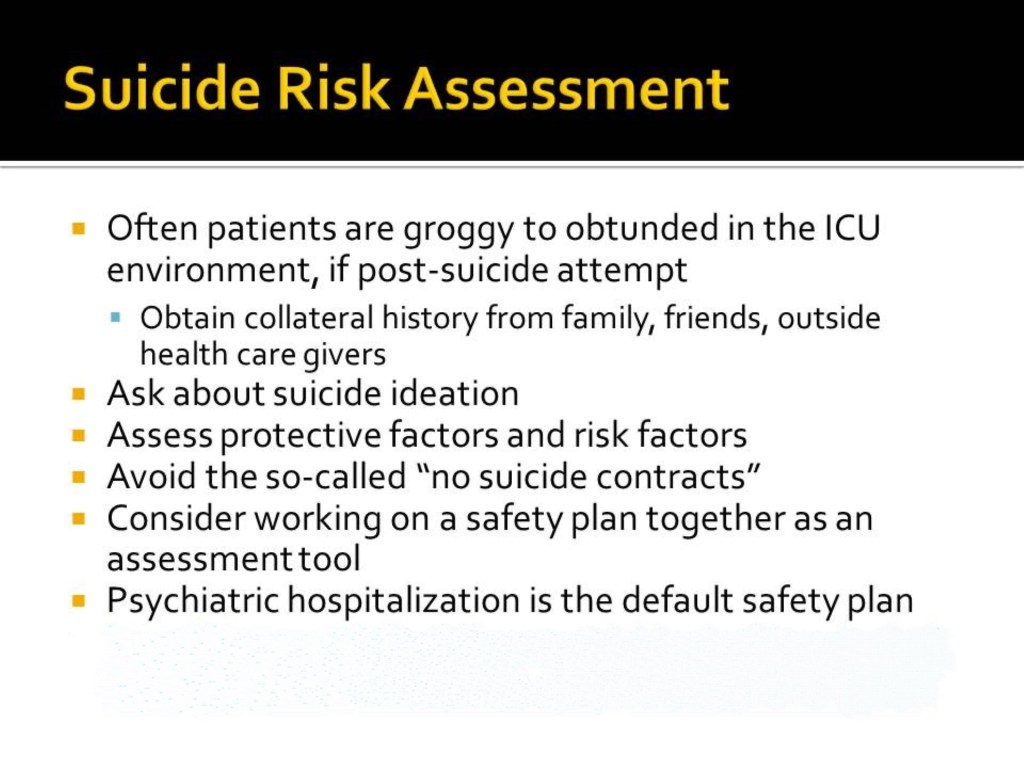
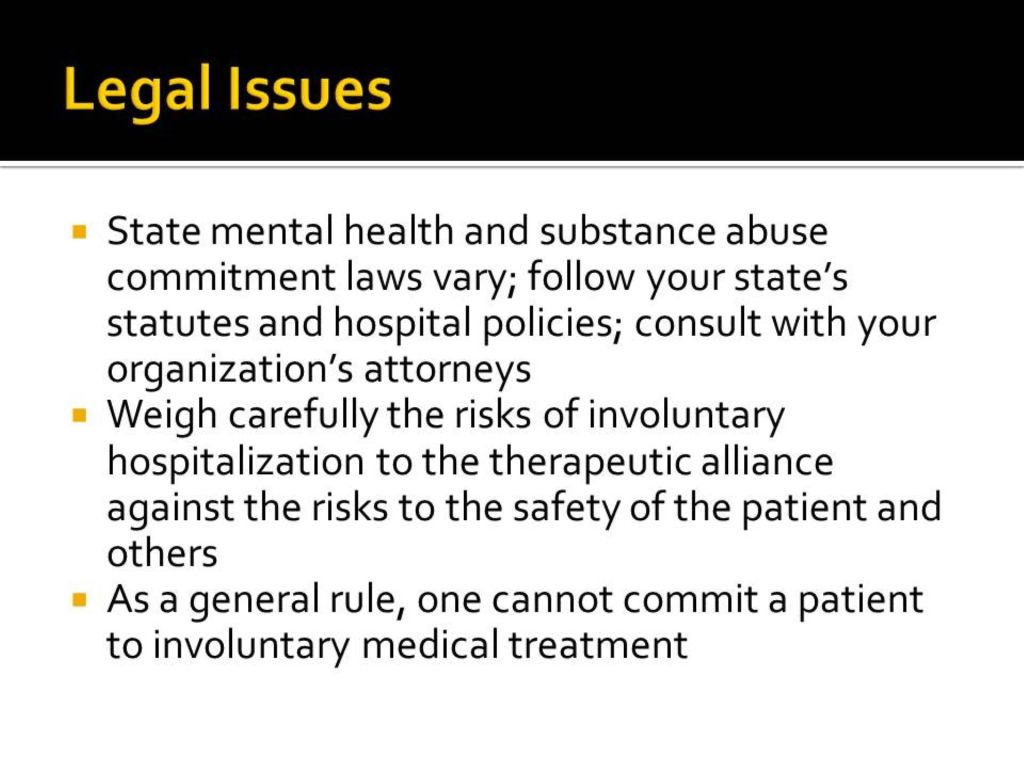
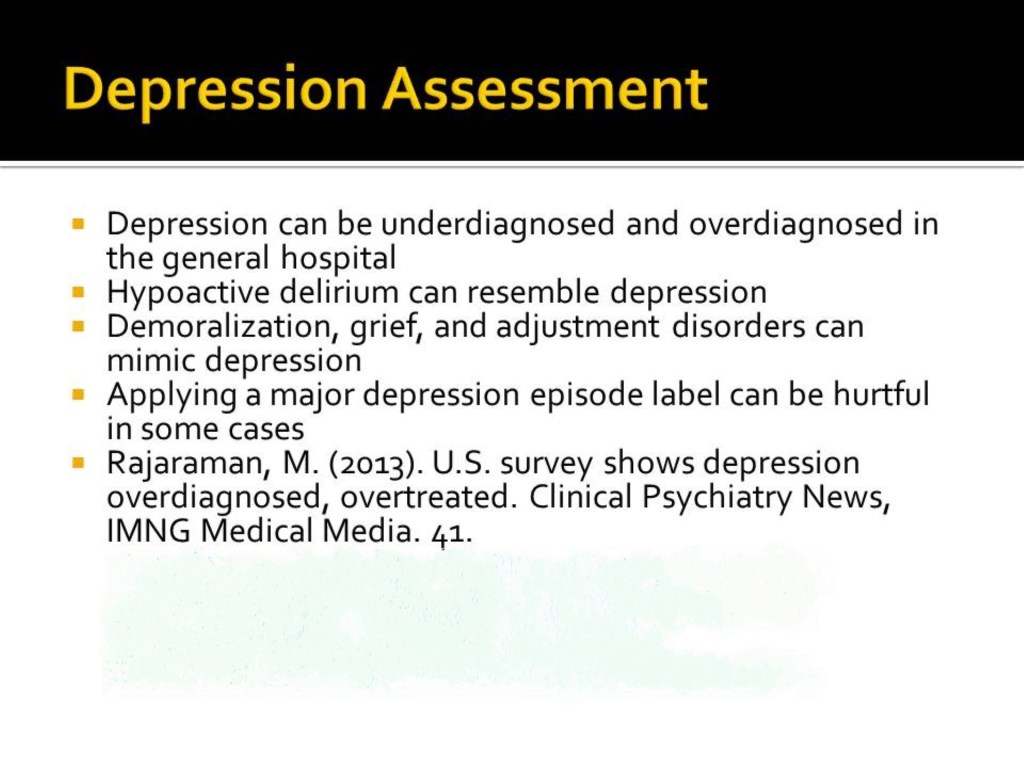
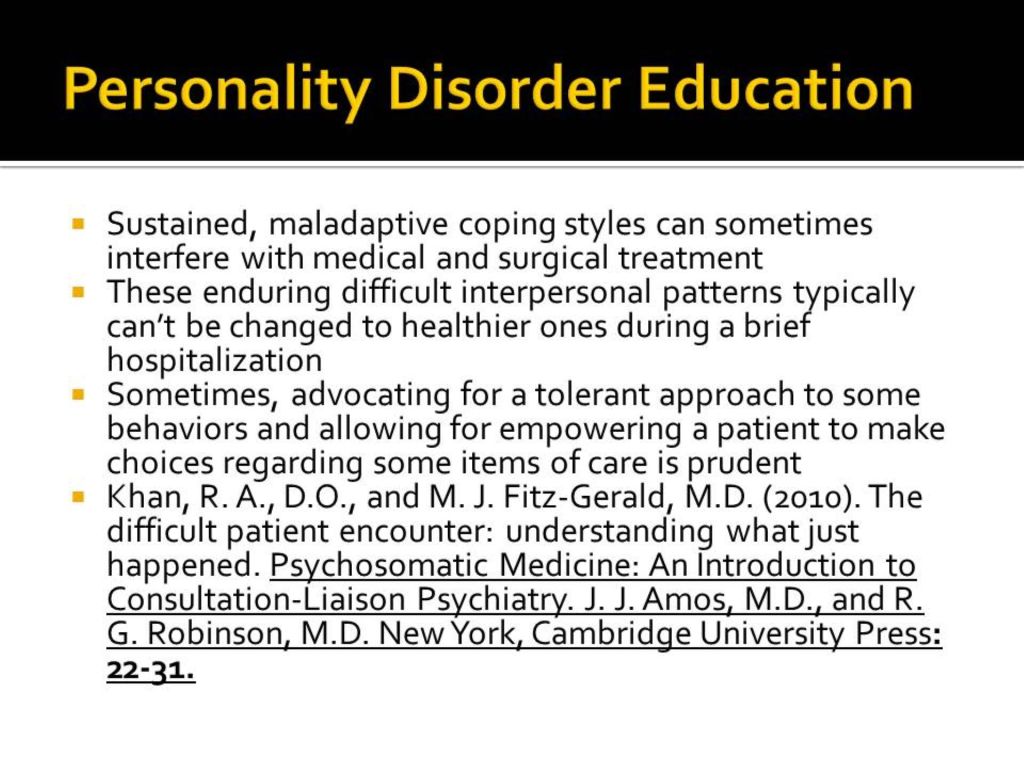
I was searching on the web for something about my co-editor, Robert G. Robinson, MD, for our book Psychosomatic Medicine: An Introduction to Consultation-Liaison Psychiatry, published in 2010.

The reason I was searching for something about him was that I’ve had difficulties finding anything on the web lately about doctors I had worked with years ago and admired—and the search revealed they had died. It has been a little jarring and got me thinking about my own mortality.

My search didn’t turn up any obituary about Dr. Robinson, but I found a couple of interesting items. One of them is, of all things, a WordPress blog item, the About section. It’s dated April 2012. I’ve seen it before. It’s supposedly about a person named Dr. Robert G. Robinson, MD and the only thing on it is his name and affiliation with The University of Iowa Carver College of Medicine. Every WordPress blog has an About section. I have one and I’ve been blogging since 2010.

There’s no entry in the About section for him on WordPress. However, there was another item on the web that looked like it was a blog (It’s another blogging site called About.me), and it was labeled as an About section.  It was a biographical summary of his academic and scientific career. Of course, it was impressive. At first, it looked like he was planning to write a blog, which could have been very educational because he’s an extremely accomplished psychiatrist with a very long bibliography of published articles about psychiatric research, a lot of it about post-stroke syndromes.

But when I looked at the social media links on the WordPress page, it led to a picture of someone who is definitely not the Robinson I know. This person was a “Certified Rolfer.” Remember Rolfing? It’s a form of deep tissue massage developed in the 1970s. The Dr. Robinson I know was never involved in Rolfing.

I’m not sure what happened with the WordPress and other blog items, but it looked the WordPress section was a case of mistaken identity. The most recent genuine item on the web about him is a 2017 University of Iowa article about his receiving the Distinguished Mentor Award.

I hope somebody doesn’t get confused by that WordPress mistake.

Then, I happened to come across an article that, at first, I didn’t recognize. The link on the search page listed Dr. Robinson’s name. It’s on the Arnold P. Gold Foundation website for humanism in medicine. The title is “Are doctors rude? An Insider’s View.” It didn’t have my byline under it. It took me a minute, but I soon recognized that I wrote it in 2013. At the bottom of the page, I was identified as the author.

At first, I thought it was a mistake; there was a place for an icon that at one time had probably contained a photo of me, but it was missing. It’s my reflection about a Johns Hopkins study finding that medical interns were not doing basic things like introducing themselves to patients and sitting down with them.

This was not a case of mistaken identity. But I got a little worried about my memory for a few seconds.

Anyway, I was reminded of my tendency to have trainees find a chair for me so I could sit down with patients in their hospital rooms. I later got a camp stool as a gift from one of my colleagues on the Palliative Care consult service. It was handy, but one of my legs always got numb if I sat too long on it. It broke once and I landed flat on my fundament one time in front of a patient, family, and my trainees. The patient was mute and we had been asked to evaluate for a neuropsychiatric syndrome called catatonia. The evidence against it was the clear grin on the patient’s face after my comical pratfall—and because of the laughter that we could see but not hear.

One of the points of this anecdote is that it’s prudent to be skeptical about what you see on the internet. The other point is that parts of your identity can hang around on the web for a really long time, so it’s prudent to be skeptical about how permanent your current identity is.