I haven’t done a juggling YouTube video in a while, and lucky you I made one. When the daily news gripes me or gets me down, juggling forces me to concentrate on just that—juggling. If I break my concentration for any reason, I literally drop the ball.
I’m limited a little in our new house because of the lower ceiling height, risking a throw into the ceiling lights. And I’m still prone to flinging and dropping balls, depending on the trick I’m practicing. So, I go downstairs to practice more difficult juggling tricks.
So, if you need a special kind of focused attention meditation, try the 100-throw cascade.
The Iowa Interstate Railroad train rumbles past our hotel a few times a day and it reminds me of the Mindfulness Based Stress Reduction (MBSR) course I took 10 years ago. One of the exercises the instructor mentioned was the train visualization mindfulness exercise. I don’t know if I remember what our instructor actually said about it, probably something like what the instructor says in a mindfulness video.
One thing I do remember is that it’s OK to notice my thoughts as train cars running through my head. The other thing is the train cars can sort of hijack me and off I go on a tangent, like a hobo hopping a freight car. And, what if also I notice the spaces between the train cars? What would that be like?
The side of my nose itches.
My left eye is tearing up.
What can I do about anything?
Are we all alone in the universe?
Why is David Attenborough’s voice so calming?
Why do I joke around so much?
Even after 10 years of mindfulness practice, I still notice my thoughts jumping around. I’m still hopping from box car to box car.
I’ve been practicing mindfulness meditation since 2014, when I became uncomfortably aware of how unpleasant I was becoming on the job and elsewhere. I called this “burnout.” The word still works as an explanation although it was and is sometimes still an excuse.
I learned about the Lovingkindness meditation or the Metta Prayer during the Mindfulness Based Stress Reduction (MBSR) course I took almost a decade ago.
I used to pray when I was a child. I read the Bible and prayed. I viewed the act of prayer as a request to God back then. And I still probably regard the Metta Prayer as a kind of bargain between me and the cosmos or whatever it is I think of as a higher power.
Just because I say the Metta Prayer doesn’t mean that anybody’s going to treat each other differently. It doesn’t make people get up and square dance together. However, the caution about not expecting others to change just because you say the Metta Prayer doesn’t mean that the practice would not enhance a sense of community—if enough people did it.
There are dozens of scripts for the Metta Prayer easily accessible on the web. The part of it that is directed to those with whom I’m having a difficult time is tricky. Often enough, my goal is to use it as a way of somehow changing the person I’m having difficulty with. It’s the same way I used prayers as a child.
That’s a mistake, but at least I’m aware of it. Prayer is not a request for God or the cosmos to intercede on my behalf so that life won’t be so difficult for me sometimes.
I have trouble remembering that I’m not really a role model, especially nowadays. I’m just an old retired guy who was difficult to work with and needed to change, despite my status as a psychiatrist. I tell dad jokes and clown around but I’m still an old guy with problems—like just about every other old guy.
So, I’m still off and on practicing the Metta Prayer. I’ve noticed that practicing mindfulness is a lot like practicing juggling, which I’ve been doing for almost a year now. I still can’t do certain tricks, like the shower juggle. I can do about three or four throws and drop the balls, sometimes on my head (which is why I wear safety goggles!). And I still tend to use prayer like I’m negotiating a deal to get rid of my faults and troubles.
But I haven’t given up practicing the shower juggle. And I haven’t given up on the Metta Prayer.
Dr. George Dawson’s post “The Freak Show” reminded me of how coarse and cruel we can be to each other, even when we’re not aware of it. Maybe I should say especially when we’re not aware of it. Dr. Dawson emphasizes the importance of the empathic approach. In the same way, Dr. Moffic in the articles in his column, “Psychiatric Views on the News” draws attention to the need for a socially responsible way for us to relate to one another. The Goodenough Psychiatrist blog expresses poignantly the emotional and courageously humanistic ways we can (or could) relate to each other. Dr. Ronald Pies has highlighted the importance of how human interaction with artificial intelligence must help us find a way to treat each other with respect, and teach that to AI because AI learns from humans.
This reminds me of a character in the book “The Hitchhiker’s Guide to the Galaxy” by Douglas Adams. The character is named Gag Halfrunt who is the personal brain specialist for a couple of other characters. In fact, he’s a psychiatrist who orders the destruction of planet Earth, which is a sort of computer program designed to give us the ultimate question to the ultimate answer for life, the universe, and everything. The reason Gag Halfrunt wants to destroy Earth is, if the ultimate question is revealed, it would put psychiatrists out of work because then everyone would be happy.
Just as a personal comment, I’m pretty unhappy with the author’s position on psychiatrists in general, which tends to overemphasize our importance. And I’m pretty sure psychiatrists are not that important, having been employed as one for many years and seeing how much impact of any kind we have. We can’t make people more or less happy at all.
In fact, Adams also takes a shot at philosophers, who are also upset at being thrown out of work should the ultimate question to the ultimate answer be revealed (the ultimate answer, by the way, is 42 if you’re interested).
Giving psychiatrists and philosophers and anyone else who might have a stake in taking credit for making people happy is nonsense. We all bear responsibility for ourselves. You can argue about whether or not we have any responsibility for each other.
Rather than arguing about it, we could give something else a try. We could try a mindfulness approach like the Lovingkindness Meditation. I’m not an authority or expert on this, but you can check it out on the Palouse Mindfulness website, the link to which is in the menu on my blog. You can find the link to the Lovingkindness Meditation there.
There is no guarantee the Lovingkindness Meditation will make you or anyone else happy. But it doesn’t hurt anything to try it and, as far as I know, Gag Halfrunt is not opposed to it.
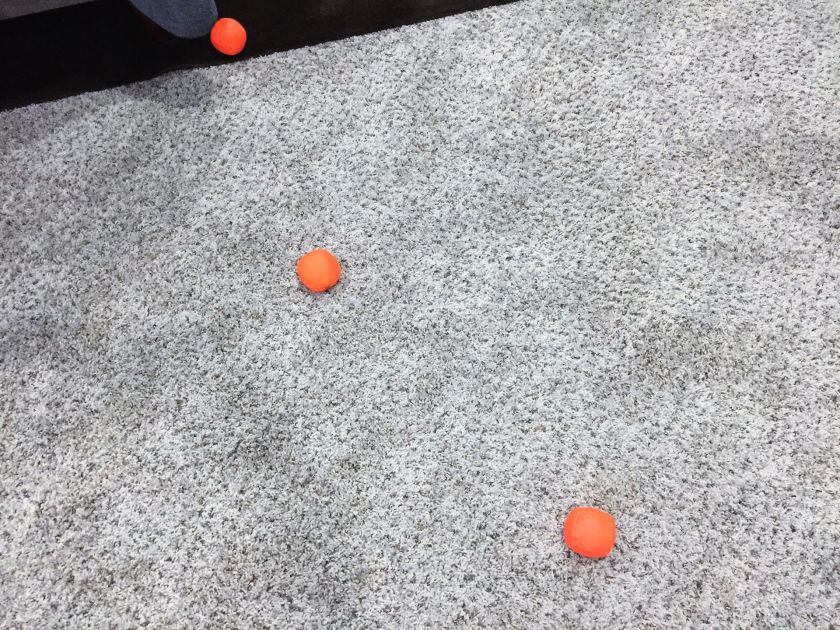
When I think of Sena learning to juggle and find her juggling balls on the floor where she drops them after a 2- or 3-minute practice, I now think of her gardening.
Pick up your toys, please!
I wondered if gardening could be a form of meditation and did a web search like I did yesterday for juggling. It turns out many people think of gardening as a kind of mindfulness meditation. It’s another one of those moving meditations, kind of like the walking dead meditation as I and some of my peers described it at a mindfulness retreat 9 years ago.
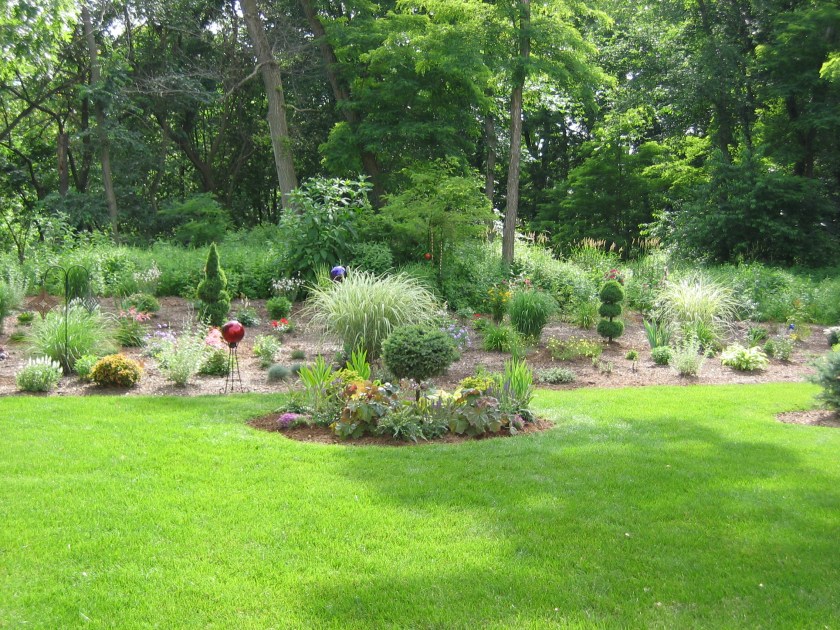
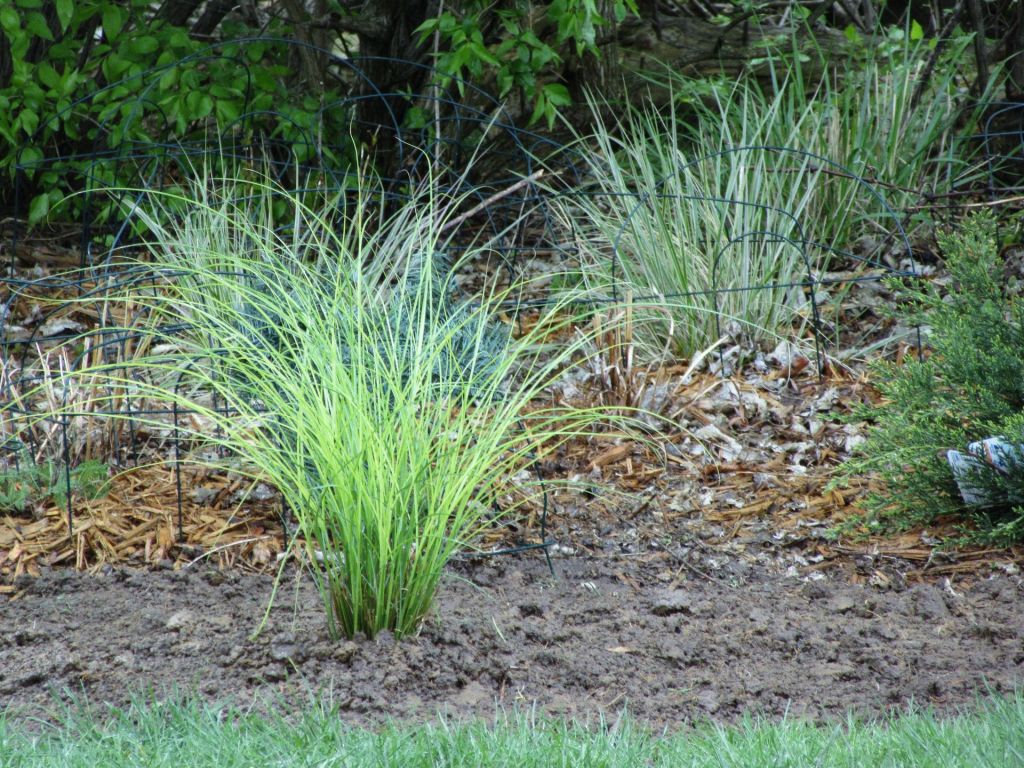
Sena has been gardening for a long time. I remember she turned our back yard into a park many years ago.
Sena Park
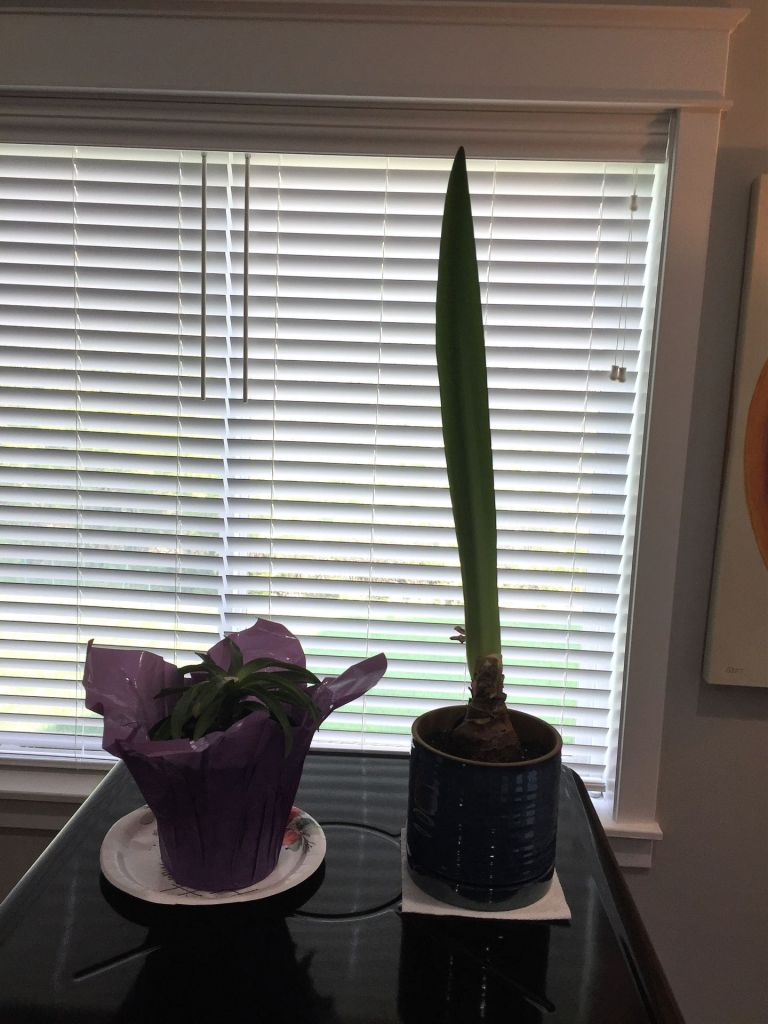
She is always on the lookout for something new to plant. I don’t always remember the exact names of them, but they’re very pretty. And the Amaryllis house plant stem is 22 inches tall!
I found one article on Headspace, “How to practice mindful gardening” which laid it all out about the subject. The key takeaways about mindful gardening:
Being fully present in the garden can help improve mood
In this setting, we might also become more aware and accepting of change
Check in with your senses before getting your hands dirty
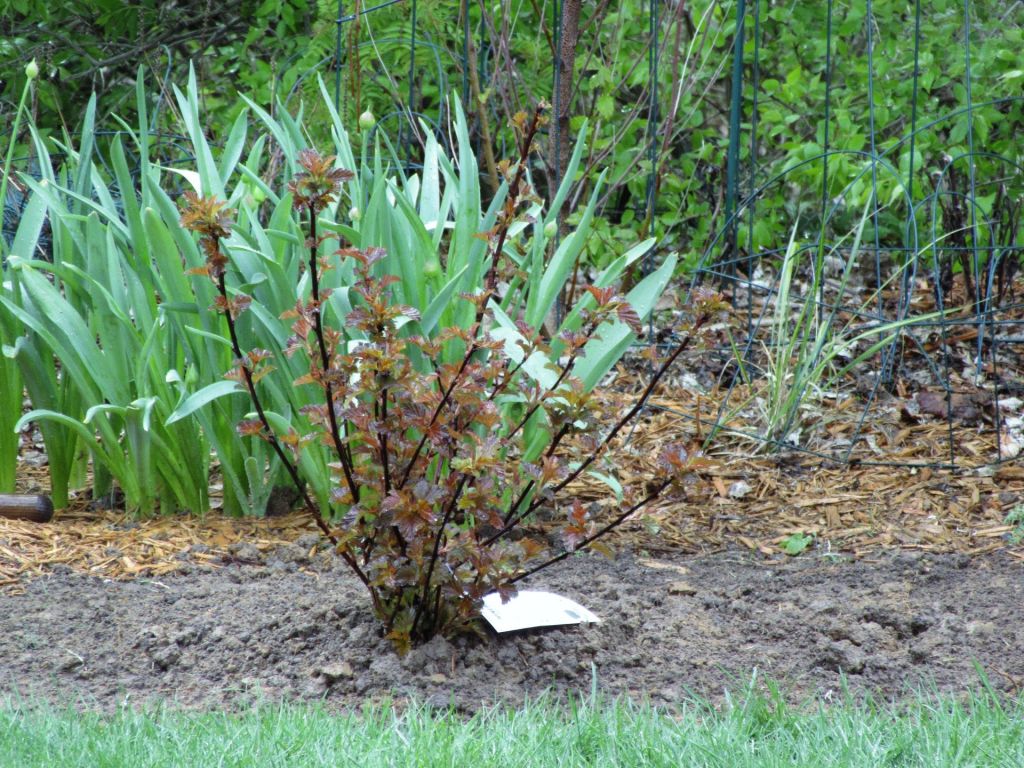
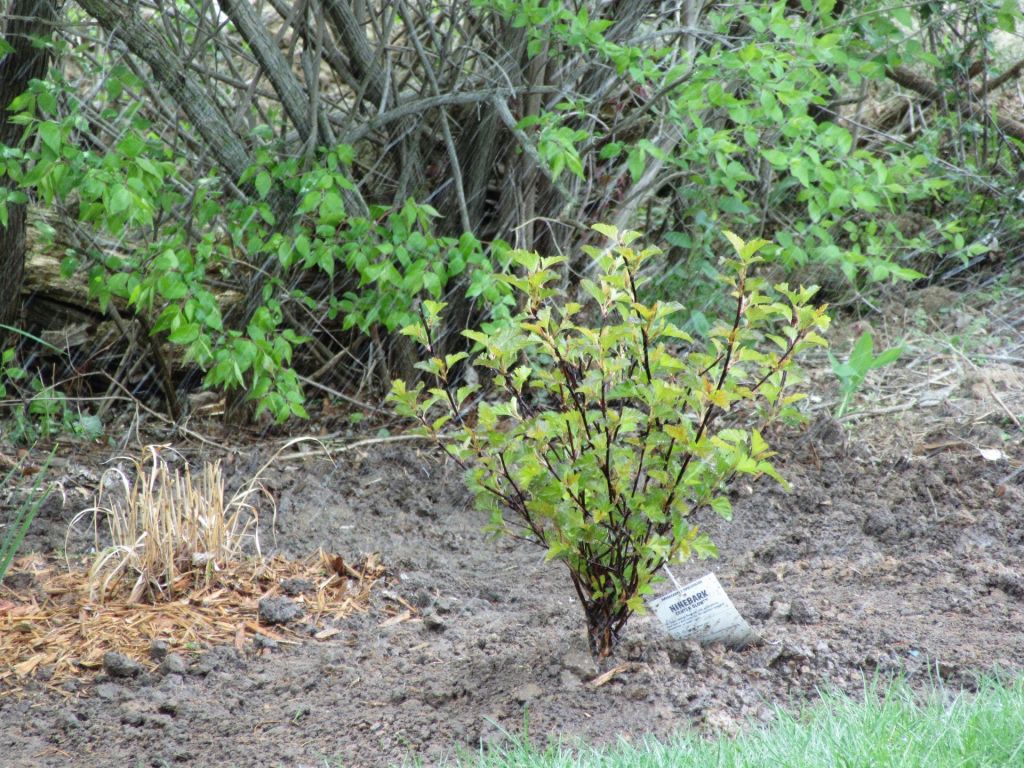
Sena can work in the garden all day, sometimes in 100 degree plus heat—which I don’t recommend. On the other hand, she really gets a charge out of digging holes in the yard, pulling up turn to make room for more flowers and shrubs, and tilling the soil. She has kept the Amaryllis stalk thriving; it’s 22 inches tall! She’s not sure what to do yet with the Easter Lily plant, but she’ll figure something out.
I still do sitting meditation, which is what I learned from the Mindfulness Based Stress Reduction (MBSR) class. And I now have begun to think of juggling as a kind of moving mindfulness meditation.
On the other hand, I’m not keen on gardening in any sense, including mindfulness. Partly, it’s because a fair amount of dirt is involved.
I think it would be difficult for me to do gardening all day like Sena does. I could stick it out for about as long as she practices juggling—about two or three minutes. I would put my tools away, though.
I’m beginning to think of juggling practice as a kind of meditation, especially since I started to learn the shower juggling pattern. Doing that for more than 15-20 minutes at a time usually doesn’t result in much improvement—at the time. But I think I sprout more brain connections as I’m doing it because I notice gradually smoother timing and coordination.
In sitting meditation, counting your breaths is generally frowned upon. On the other hand, counting my throws (especially out loud) during juggling actually helps me focus my attention. I see each throw as sort of like a single breath. I still have to consciously adjust my posture so that the “horizontal” pass doesn’t end up being more like an underhand throw. And when I modify the throws so they stay in the so-called jugglespace (not so close the balls bounce off my head, not so far out front I have to lunge for them), and space the balls out just right, I find it’s easier to get more throws in.
I don’t think Sena counts the number of dirt clods she tosses aside.
I read this article about mindfulness today and it got me thinking about how juggling might be two different aspects of the same activity.
I think they both help focus the attention. There a number of articles on the web which essentially say that juggling can be a sort of meditation.
I know hardly anything about the default mode network (DMN) in the brain, but from what little I know, I suspect that both juggling and mindfulness meditation could disrupt the DMN. There’s a published study showing that meditation tends to reduce DMN activity. That would be a good thing. The DMN has been described as a brain network which may tend to lead to mind wandering and self-related thinking. That may not be the healthiest way to use your time.
I’ve been doing mindfulness meditation for about 9 years now. I still sometimes wonder whether I’m “doing it right.” On the other hand, when I miss more than a day or two of mindfulness practice, I notice that I feel more edgy and out of sorts. When I return to mindfulness practice daily, I notice less of that scattered and nervous mental state.
I took up juggling last October and I notice that it does something similar to mindfulness. I have to pay close attention to what I’m doing while I’m juggling. Otherwise, I just drop balls constantly.
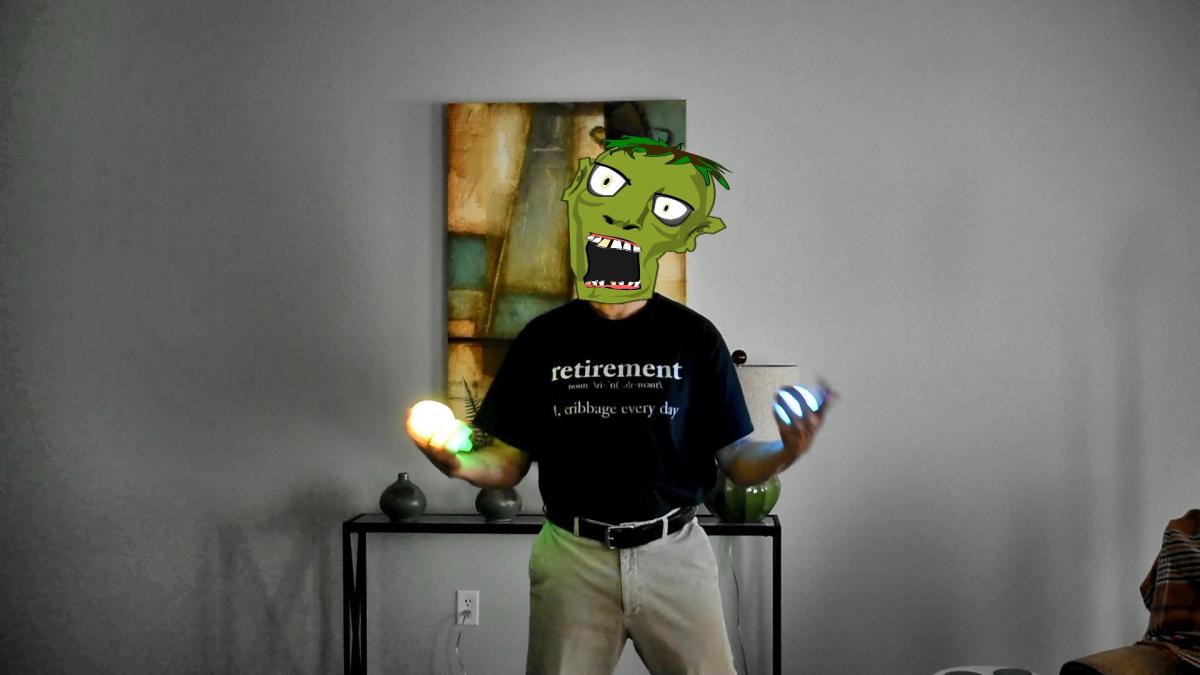
Just searching the web with the question “Is there a juggling meditation?” turns up quite a lot of articles. Some suggest that juggling is a kind of “moving meditation.” That reminds me of the walking meditation, which I’ve referred to as the “walking dead meditation,” based on my Mindfulness Based Stress Reduction (MBSR) course in 2014. At the retreat toward the close of the course, we did this walking meditation thing, which for all the world seemed to more than a few learners as resembling the way zombies walk.
I think I’d have a tough time trying to juggle like a zombie walks. You can’t be herky-jerky when you juggle, you know. I guess that’s why you never see a zombie juggle. Zombies don’t meditate either, probably because they’re too busy looking for brains to munch on.
Now I get the urge to juggle when I feel the need to clear my head. It’s reinforcing for learning new juggling tricks. Sena is learning juggling now and her efforts remind me of the challenges I had. One of them is learning how to let go of the damn ball in a pattern like the three-ball cascade. You get stuck at certain stages. I hit several walls learning the cascade. And then there came a day when I just started doing the pattern right, often because I just let go.
That reminds me of a quote by Juggleman about juggling, “Doing it wrong makes you an artist.”
I’m probably doing mindfulness the way I ought to be “doing” it. Nowadays, the way I judge that is by noticing I feel better when I stick to it.
Recently, University of Iowa psychiatry residents worked hard enough to get shout outs. One of them was exemplary performance on the consultation and emergency room service. The service was following over two dozen inpatients and received 15 consultation requests in a day. This is a staggering number and the resident on the service did the job without complaints. In addition, the resident was the only trainee on the service at the time. Other residents were working very hard as well.
This high level of performance is outstanding and raises questions about health care system level approaches to supporting it.
I read the abstract of a recently published study about Mindfulness Based Stress Reduction (MBSR) compared to medication in treating anxiety in adults (Hoge EA, Bui E, Mete M, Dutton MA, Baker AW, Simon NM. Mindfulness-Based Stress Reduction vs Escitalopram for the Treatment of Adults With Anxiety Disorders: A Randomized Clinical Trial. JAMA Psychiatry. Published online November 09, 2022. doi:10.1001/jamapsychiatry.2022.3679).
On the day I read the abstract, I saw comments which were cringeworthy. The commenter is an outpatient psychiatrist in private practice who had some criticisms of the study. He thought the report of results at 8 weeks was inadequate because symptoms can recur soon after resolution.
Another problem he mentioned is worth quoting, “A course of treatment that requires as much time as the MBSR course described in the study would be out of the question for most of my patients, most of whom are overworked health care professionals who don’t have enough time to eat or sleep. Telling people who are that overworked they should spend 45 minutes a day meditating is the “Let them eat cake” of psychotherapy.”
That reminded me of a quote:
“You should sit in meditation for twenty minutes every day—unless you’re too busy; then you should sit for an hour.”
Zen Proverb
I know, I know; I should talk—I’m retired. Actually, I took part in an MBSR course about 8 years ago when I noticed that burnout was probably influencing my job performance on the psychiatry consultation service. I thought it was helpful and I still practice it. I was lucky enough to participate in the course after work hours. The hospital supported the course.
The residents who are being recognized for their hard work on extremely busy clinical services may or may not be at high risk for burnout. They are no doubt extra resilient and dedicated.
And the University of Iowa health care system may also be offering a high level of system support for them. I don’t see that University of Iowa Health Care is on the list of the American Medical Association (AMA) Joy in MedicineTM Health System Recognition System, but that doesn’t mean they aren’t doing the kinds of things which would merit formal recognition.
I watch the Weather Channel TV shows Highway Thru Hell and Heavy Rescue 401 and I hear a lot of the towing guys say “Watch yourself!” Often, they say this as they’re about to pull a jack knifed semi out of a ditch. Sometimes a rigging line breaks and a large hook will snap back at lightning speed, which can take your head off, even if you are watching out for it.
I notice many of the older tow crew members are now saying while grinning at the camera things like, “I think it’s really important to teach the younger generation the things I know because I’m not going to be doing this forever, and I’d like to retire sometime in the near future and let somebody else watch out for flying snatch blocks and tow hooks which can take your head off, which would not necessarily be painful because you might die instantaneously, but then there are those other inconvenient consequences like funerals and insufficient life insurance policies with bizarre exclusion clauses disallowing benefit payouts to grieving widows and children because of deaths caused by non-Underwriters Laboratories certified flying snatch blocks and tow hooks, unpaid mortgages and loans for things like exorbitantly expensive snatch blocks, tow hooks, not to mention multi-ton wreckers and rotators.”
Anyway, the expression “Watch Yourself” could also figuratively mean being mindful. Mindfulness meditation has taught me to notice more about what’s going on inside and outside my head.
I do daily sitting meditation, although I may miss a day here and there. And by sitting, I want to make it abundantly clear that I don’t assume the lotus position. My joints are stiff enough that, when I try to stand up, they might have enough spring steel energy stored to whip loose, similar to flying snatch blocks and tow hooks.
While I’m sitting, I do a lot of thinking. By the way, it’s not a mistake to think and feel a lot of different thoughts and emotions during mindfulness sessions. That’s one of several myths about mindfulness. It’s not mandatory or even possible to shut off your yammering mind. I can choose to focus my attention on it or not.
If I try to shut my internal talk off for any length of time, it’s like gripping a slippery valve. Sooner rather than later, my grip slips and thoughts explode like flying snatch blocks and tow hooks. I watch myself and I notice when I’m thinking my hands get tense. As soon as I notice that, my hands relax and I focus on breathing—or maybe it’s the other way around.
Today is the first day of Martin Luther King, Jr. Human Rights Week and I’m giving a shout-out for acts of kindness as well as the Loving-Kindness meditation. A neighbor with a snowblower helped clear our driveway a couple of weeks ago. A couple of days ago he did the same for his next-door neighbor. I’m going to go out on a limb and speculate the city snowplow driver was kind enough to avoid plugging the driveways on our street. No kidding, we watched the snowplow use what was obviously a different plowing technique which left our driveways relatively clear of snow.
The Loving-Kindness meditation is a mindfulness practice that Dr. King would probably have supported. It’s a way to send love to yourself and others, including those with whom you might be in conflict—even your enemies. King might say, “Now is the time” for something like that.
I’m reestablishing my mindfulness and exercise practice after a several month lapse. I first took the Mindfulness-Based Stress Reduction (MBSR) course several years ago through The University of Iowa Hospitals and Clinics. It made a difference in how I approached problem-solving and conflict. I was on autopilot most of the time and wrote a blog post about my experience before and after my mindfulness training experience, “How I left the walking dead for the walking dead meditation.”
Part of that program included instruction on the Loving-Kindness meditation. I’m still a beginner at mindfulness, although my approach to life is still ironically more like the expert’s in Shunryu Suzuki’s quote:
“In the beginner’s mind, there are many possibilities, in the expert’s mind there are few.”–Shunryu Suzuki
I need to keep working on being more open to different ideas, interpretations, and ways of getting things done—approaching challenges with a beginner’s mind.
One recent challenge is hanging pictures. Sena and I hung a picture yesterday. I wanted to measure everything and she wanted to estimate. She had misgivings about my measurements but went along with it. After the picture was hung, even I had to admit it was not in the right spot. Funny thing, after a short while, she admitted that the misplacement was not that far off and that she was getting used to it. If you’ve ever hung pictures, you know I’m leaving out a lot of the back-and-forth negotiation about how we finally arrived at that middle ground. It involved loving kindness on both sides.









 Go Retire Psychiatrist