University of Iowa Will Lead NASA Space Mission to Learn the Music of the Spheres

The big news for University of Iowa will be a NASA satellite mission to investigate how solar wind interacts with Earth’s magnetosphere. You can read the whole fascinating story in this issue of Iowa Magazine.

According to the story, “twin spacecraft known as TRACERS—Tandem Reconnection and Cusp Electrodynamics Reconnaissance Satellites—will begin their journey to study Earth’s mysterious magnetic interactions with the sun. The satellites will be packed with scientific instruments along with two small, but meaningful, tokens.”

The two small tokens happen to be purple guitar picks that belonged to University of Iowa physicist, Craig Kletzing, who died from cancer in 2023. Kletzing and colleagues got a $115 million contract from NASA for TRACERS. It’s the largest research award in University of Iowa history.

Kletzing played guitar in a few bands, and one them was named Bipolar—which is the only connection to psychiatry that I could see. He was dedicated to work in basic science, and he was often heard to ask “How can we make this simpler?” referring to chunking big scientific challenges into manageable goals. He was a rare person in that he was both a brilliant scientist and a great teacher. One example of his work ethic was that he skipped a meeting with NASA’s top brass in order to deliver a morning lecture on introductory physics to 275 students.

The members of the UI TRACERS team call the project “Craig’s mission.” I’m pretty sure he would have called it a team effort “… to help scientists better understand the powerful forces harmonizing throughout the universe—something the ancient Greeks described as the music of the spheres.”

And that’s what the purple guitar picks represent.

SAINT Therapy for Treatment Resistant Depression at The University of Iowa

First of all, if you looked up Saint therapy for depression, you might have accidentally found information on Saint Dymphna, the Catholic patron saint of those living with mental illness.

Actually, SAINT stands for Stanford accelerated intelligent neuromodulation therapy. It’s a personalized protocol for using transcranial magnetic stimulation (TMS) to treat severe depression. The University of Iowa is the first academic center to offer it in the Midwest.

This is a big step forward from the days many years ago when we were starting use right unilateral electrode placement for applying electroconvulsive therapy (ECT) to treat depression because it was thought to lead to fewer cognitive problems post-treatment.

SAINT is a game changer according to Dr. Nicholas Trapp, MD, assistant professor of psychiatry, who describes it as a method to pinpoint the best location in each patient’s brain to target with TMS to treat major depressive disorder. The procedure is quick and recovery from depression can be sustained for months.

Kudos to The University of Iowa. And maybe thanks to Saint Dymphna.

Bigfoot Safari in Iowa!

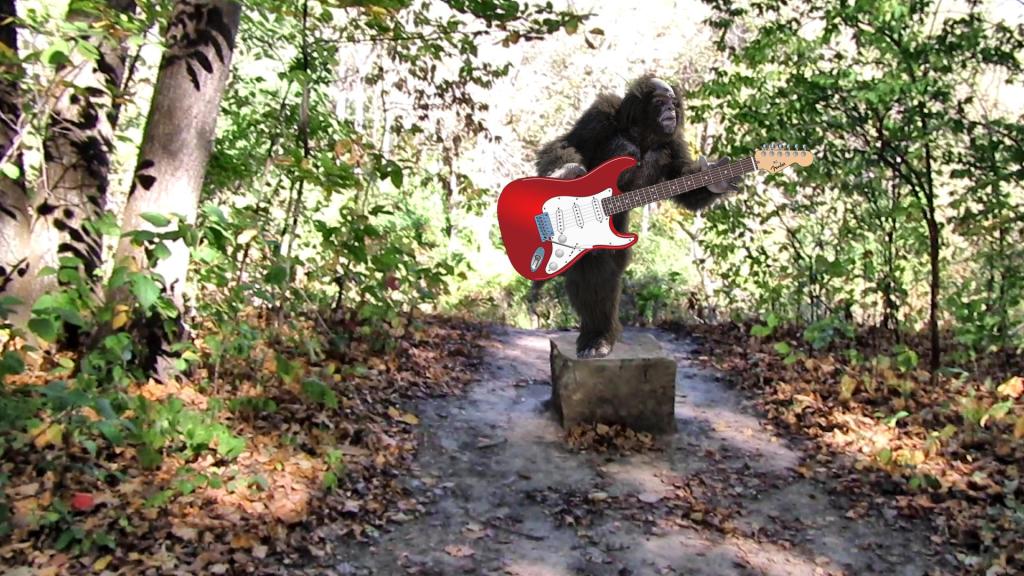
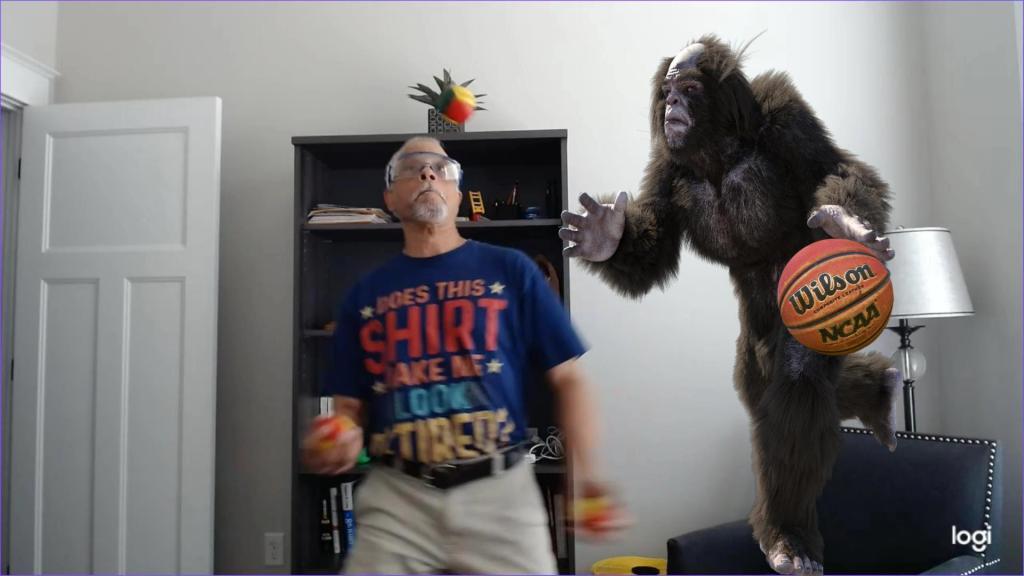
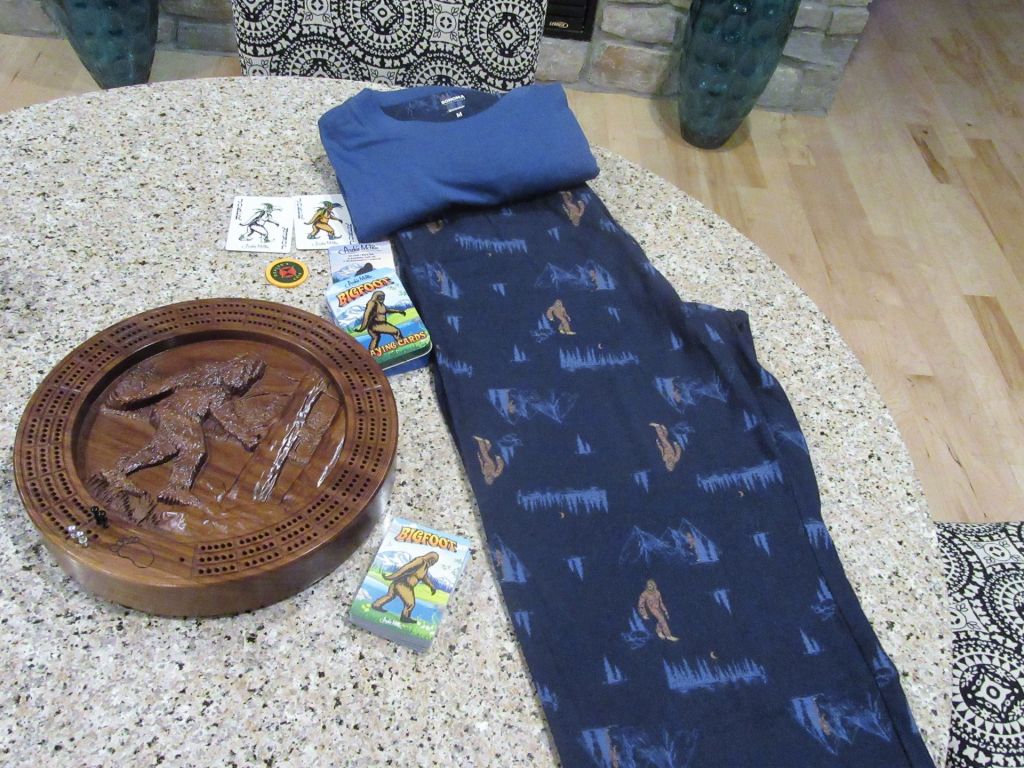
I suppose you’ve all heard there’s going to be another Iowa Bigfoot search this year sponsored by the Bigfoot Field Researchers Organization (BFRO). It’s scheduled for September 18-21, 2025 (Thursday-Sunday). Check the registration details for fees and whatnot—No guns or dogs allowed.

What would Einstein say about the difference between Bigfoot, Yeti, and Sasquatch? They’re all relative.

The announcement as of today doesn’t say where the trip will start yeti (har!). Presumably, the party won’t be anywhere near Dyersville, where the movie “Field of Dreams” was filmed. And if the organizers give this a big enough build-up, the hopeful will come.

And they have showed up for previous events; at least I think so. There have been several such expeditions in recent years. According to the BFRO website, there’ve been 78 sightings of Bigfoot in Iowa.

Bigfoot saw me but no one believed him.

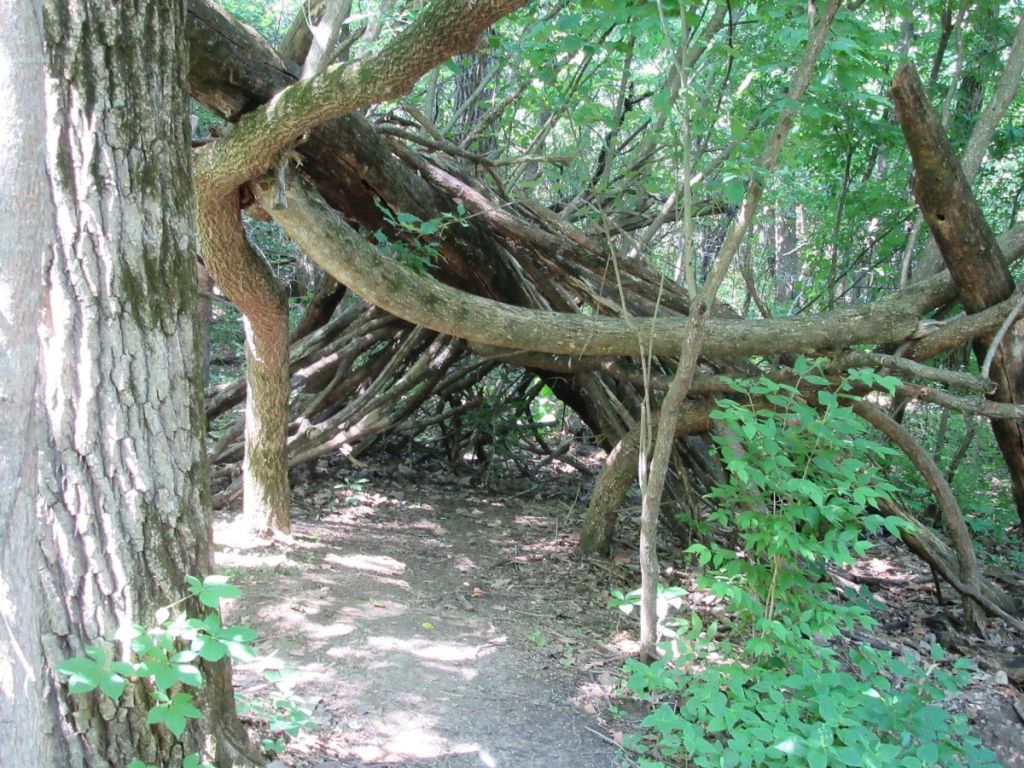
The Wikipedia article on Bigfoot is one of the longest I’ve ever seen. There are over 300 references. Funny, I didn’t see any of my documented sightings even mentioned, not even the classic tree structure in Hickory Hill Park.

How does Bigfoot know what time it is? He checks his sasquatch.

What do you call a Sasquatch who can improvise? An unscripted cryptid.

What do you call a Sasquatch who’s always prepared? A ready Yeti.

What do you call an Italian Bigfoot? A spag-yeti.

What kind of exercise does Bigfoot like? Sasquats.

Bigfoot sightings have been reported from all over the world. You can even see one in Canada caught on camera in this famous documentary from The Red Green Show.

Stead Family Children’s Hospital NICU Gets a Wave from the AAP with New Designation

The University of Iowa Stead Family Children’s Hospital Neonatal Intensive Care Unit was recently recognized by the American Academy of Pediatrics (AAP) as one of only two such units in the U.S. having the highest levels of neonatal care.

It reminds me of the Iowa Hawkeye football games where, at the end of the first quarter, all the players and football fans wave from the field to the pediatric patients and their families watching the game from UI Stead Family Children’s Hospital. It’s called the Wave, one of the best traditions in college sports.

Well, the AAP waves to Stead Family Children’s Hospital NICU.

Wonderful Windy Day

Well, the forecast was for a very windy day, more windy than we’d like. On the other hand, it was bearable on the Terry Trueblood Trail. However, the forecast is for high winds and hail and we’re not looking forward to that.

The highlight was seeing a leucistic Canadian Goose for the first time. They’re rare. It’s a color variation. The one we saw had a brownish head and white feathers on its body.

It was a great day for bird watching.

New Wrinkle on Iowa Bill to Oppose mRNA Vaccines in Iowa

This is a follow up to yesterday’s post about the Iowa legislature’s proposition of a new law that would essentially ban mRNA vaccines in Iowa. I don’t understand the numbers and codes on the new sections, but the new one proposes that manufacturers of vaccines would have to waive immunity from lawsuits arising from “a design defect of the vaccine.”

I’m not sure if that’s addition to being charged with a simple misdemeanor, subject to a $500 fine for administering the vaccine. I oppose this one too because I think it would essentially make vaccines difficult to access and harder to persuade new medical staff to come to Iowa.

There’s going to be a meeting about the bill at 4:30 PM CST. I can’t remember if it’s at the state house or at the Exile Brewing Co. for sandwiches and Ruthie’s beer.

In any case, the comment section is overwhelmingly in opposition to the bill. I saw several comments mentioning that we already have the National Vaccine Injury Compensation Program (NVIP), which is designed to field requests for compensation to those who believe they’ve been injured by certain vaccines. I had not heard of it before. It’s administered by the federal government, Health Resources & Services Administration, which is under the Health and Human Resources department.

There is a nice easy to read summary about the complicated story of vaccine safety and liability at the Children’s Hospital of Philadelphia website. It was reviewed by Dr. Paul A. Offit, MD last year. He attends meeting of the Centers for Disease Control and Prevention, although I think he missed the one last month about the flu vaccine because it was cancelled.

If I see anything earth shaking about the meeting this afternoon on HF712, I’ll make an addendum to this post.

More on the Focused Practice Designation in Emergency Psychiatry

This post just provides further information (in addition to what was in yesterday’s post) on the evolution of the Focused Practice Designation (FPD) for consultation-liaison psychiatrists who might be interested in certifying to work in emergency departments. I use the word “certifying” because it seems clear that the FPD pathway has been intended to follow the board certification pathway, which I wondered about.

There’s a little background on the progress to the FPD path (established by ABMS in 2017) that began a few years ago in the article below:

Simpson S, Brooks V, DeMoss D, Lawrence R. The Case for Fellowship Training in Emergency Psychiatry. MedEdPublish (2016). 2020 Nov 11;9:252. doi: 10.15694/mep.2020.000252.1. PMID: 38058898; PMCID: PMC10697437.

The take home message is quoted below:

“-Over 10 million emergency department encounters a year in the United States are for behavioral health concerns, but quality emergency psychiatric care remains inconsistently available.

-New emergency psychiatry fellowship programs are being developed to train expert clinicians and prepare leaders in the subspecialty.

-These efforts will improve access to high quality mental health treatment for all patients regardless of treatment setting.”

And there is a 55-page form on the web from the American Board of Medical Specialties (ABMS) Committee on Certification (COCERT). There are several endorsements from various stakeholders including but not limited to the Academy of Consultation-Liaison Psychiatry (ACLP) and the American Board of Psychiatry & Neurology (ABPN) which make it clear there is a consensus about the value of “board certification” because most of the endorsement letters specify that. These letters are dated from just last year.

The University of Iowa Health Care system, based on the website does not (yet) offer an emergency psychiatry fellowship. They do offer a consultation-liaison psychiatry fellowship, which the ABMS supports as contributing to the attainment of the FPD credential.

However, I’m unclear if the FPD pathway won’t soon become yet another ongoing certification challenge for clinicians, many of whom find it more of an interference to their practice than a benefit. Although I believe that appropriately trained psychiatrists are helpful in the emergency room (after all, I did that for a long time), I have a nagging doubt that it will unclog the overcrowding there. Dr. George Dawson pointed that out yesterday in his comment to my post.

In the Purpose, Status, and Need section of the ABMS 55-page application form, starting on p.2 of the pdf, the American Board of Emergency Medicine (ABEM) specifies that the PFD would not be yet another subspecialty. The proposed 12-month fellowship in Emergency Behavioral Health (EBH) “…would not be ACGME-accredited training…” which distinguishes it from a subspecialty—yet they would be “recognized” for having the FPD.

Further, the application asserts that the EBH would “…address the mental health crisis in the US.” The reference to the “moral injury” that our colleagues suffer in the emergency room is not lost on me. I believe in the all for one and one for all concept. However, I’m less confident that this would lead to fewer patients boarding in emergency rooms. These days, entire hospitals often have no or too few beds available for either psychiatric or non-psychiatric patients.

Under the “Eligibility and Assessment” section, the emergency room psychiatrist seeking FPD status must hold ABEM or ABPN primary psychiatry certification. They would also be required to meet continuing certification requirements in EBH to maintain active FPD status. There is presently a “Practice Pathway” to the FPD, but that would eventually close. After that, the psychiatrist would need to complete a 12-month ABEM-approved EBH fellowship. The cycle length for the FPD in EBH would be 5 years, beyond which the applicant would be subject to re-verification of ongoing EBH practice experience “…to meet continuing certification requirements.”

You can learn more about FPD (including frequently asked questions) at this ABMS web site.

It sounds like board mandated MOC to me, and I don’t know how many clinicians will choose that route. It could discourage some psychiatrists from pursuing the FPD pathway. I’m also unsure how this will address the practical issue of emergency room boarding of patients with psychiatric illness, since doctors ultimately don’t control hospital bed capacity.

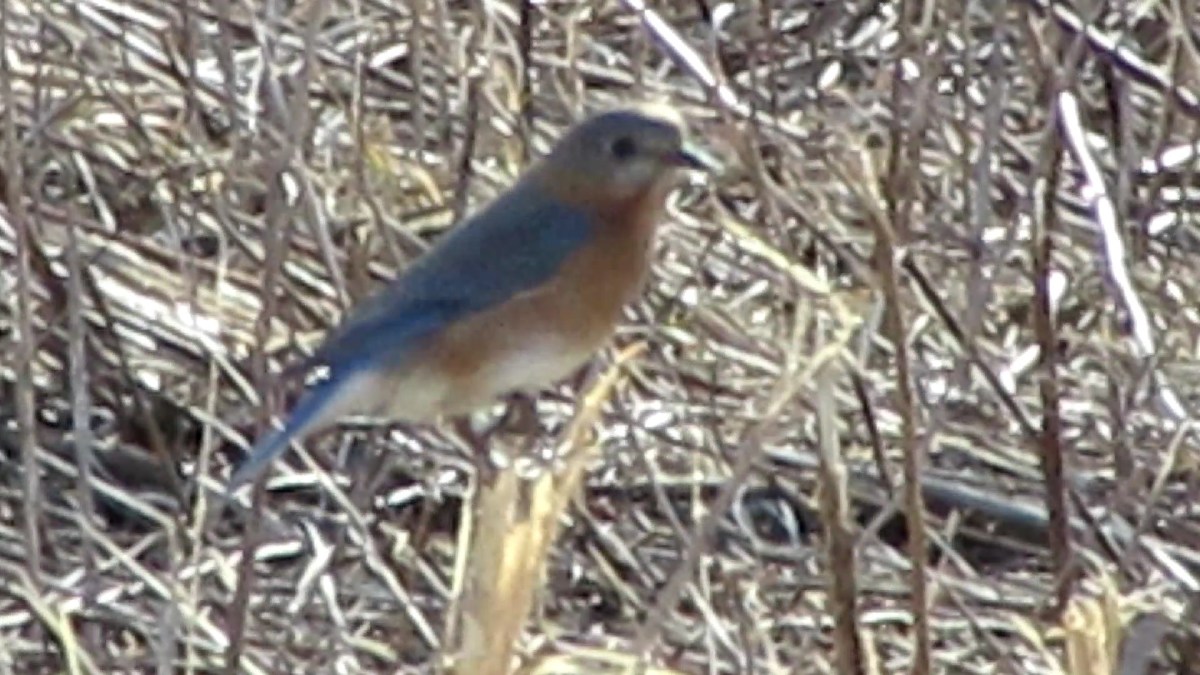
Bluebirds Fly on the Terry Trueblood Trail

We got out today on the Terry Trueblood Trail because it was sunny and 60 degrees. It felt like early spring, although Punxsutawney Phil put the kibosh on that.

The ice was giving way on Sand Lake. The birds were waking up and hungry. And I can’t remember the last time we saw bluebirds at all, let alone the many we saw out in the open grassland today.

It was the kind of day you forget what’s in the news and just celebrate the coming of spring. Just watch the bluebirds fly.

Rounding@Iowa Podcast: “Challenges in Transitioning Seriously Ill Patients from Pediatric to Adult Systems of Care”

I listened to the Rounding@Iowa podcast of February 11, 2025, “Challenges in Transitioning Seriously Ill Patients from Pediatric to Adult Systems of Care.”

87: New Treatment Options for Menopause Rounding@IOWA

Join Dr. Clancy and his guests, Drs. Evelyn Ross-Shapiro, Sarah Shaffer, and Emily Walsh, as they discuss the complex set of symptoms and treatment options for those with significant symptoms from menopause.  CME Credit Available:  https://uiowa.cloud-cme.com/course/courseoverview?P=0&EID=81895  Host: Gerard Clancy, MD Senior Associate Dean for External Affairs Professor of Psychiatry and Emergency Medicine University of Iowa Carver College of Medicine Guests: Evelyn Ross-Shapiro, MD, MPH Clinical Assistant Professor of Internal Medicine Clinic Director, LGBTQ Clinic University of Iowa Carver College of Medicine Sarah Shaffer, DO Clinical Associate Professor of Obstetrics and Gynecology Vice Chair for Education, Department of Obstetrics and Gynecology University of Iowa Carver College of Medicine Emily Walsh, PharmD, BCACP Clinical Pharmacy Specialist Iowa Health Care Financial Disclosures:  Dr. Gerard Clancy, his guests, and Rounding@IOWA planning committee members have disclosed no relevant financial relationships. Nurse: The University of Iowa Roy J. and Lucille A. Carver College of Medicine designates this activity for a maximum of 1.00 ANCC contact hour. Pharmacist and Pharmacy Tech: The University of Iowa Roy J. and Lucille A. Carver College of Medicine designates this knowledge-based activity for a maximum of 1.00 ACPE contact hours. Credit will be uploaded to the NABP CPE Monitor within 60 days after the activity completion. Pharmacists must provide their NABP ID and DOB (MMDD) to receive credit. JA0000310-0000-26-029-H01 Physician: The University of Iowa Roy J. and Lucille A. Carver College of Medicine designates this enduring material for a maximum of 1.00 AMA PRA Category 1 CreditTM. Physicians should claim only the credit commensurate with the extent of their participation in the activity. Other Health Care Providers: A certificate of completion will be available after successful completion of the course. (It is the responsibility of licensees to determine if this continuing education activity meets the requirements of their professional licensure board.) References/Resources:   
  1. 87: New Treatment Options for Menopause
  2. 86: Cancer Rates in Iowa
  3. 85: Solutions for Rural Health Workforce Shortages
  4. 84: When to Suspect Atypical Recreational Substances
  5. 83: Hidradenitis Suppurativa

This was a very interesting presentation about the challenges of helping persons with life-limiting conditions (for example, hemophilia, cystic fibrosis, sickle cell anemia and more) transition from pediatric to adult systems of care. Most of the discussion was about the difficulty in finding doctors who would be willing and able to assume care of patients who had survived to adulthood who had been previously seen in pediatrics throughout childhood.

I listened very carefully to the whole podcast, waiting to hear about what the role of mental health care professionals would be in this kind of transition. There was no mention of it, not even after one of the presenters described a patient who was starting to have hallucinations.

My role as a consulting psychiatrist in a general hospital was mainly to see those with chronic diseases who were being treated by colleagues during a bout of cystic fibrosis or sickle cell crisis. I remember they were young adults, struggling with emotional distress and disruptive behavior.

I was surprised at the lack of discussion about the role of mental health assessments, diagnoses, and treatment including psychotherapy during transitions from pediatric to adult health care. Not that I would have had much to offer other than questions about how mental health professionals could be helpful regarding transitions—but I think they would have not been out of place.

I took a quick look at the resources provided. One of them was a University of Iowa website, the Iowa Center for Disabilities and Development: Transition to Adulthood Clinic For Teens and Young Adult Ages 14-30. Even here, the role of a psychologist was to evaluate learning problems.

One of the discussants mentioned a program called Got Transition, which has a very comprehensive website. There was a section for Special Populations and a list of resources and research when I searched the site using the term “mental health.” It was hard to find a section specific to the population under discussion in the podcast. On the other hand, it was very comprehensive.

In this podcast, discussants talked about the importance of a team approach to transitions. I wonder if there’s a place on the team for psychiatry.

Super Bowl Commercial “Mean Joe Frank” 2025 Looked Familiar!

We watched the Super Bowl last night and one of the many commercials (always a big thing) looked vaguely familiar only after Sena pointed it out. It was the Fareway Frank commercial about Fareway stores. It was a reprise of the famous 1979 Coca-Cola commercial with Mean Joe Green, defensive tackle for the Pittsburg Steelers and a kid. When you compare them, the similarities are obvious. There are two Fareway commercials that are the same, but have different titles, one of them being “Mean Joe Frank.”

The Hey Kid, Catch commercial with Mean Joe Green featured a 9-year-old kid named Tommy Okon. I couldn’t find a name for the kid in the “Mean Joe Frank” version.

But you can find film information on Turner Classic Movies titled “The Steeler and the Pittsburgh Kid” which is based on the commercial. The kid is Henry Martin who later starred in the movie, “E.T. The Extraterrestrial” (1982).

This led to reminiscence of Fareway Store in Mason City, Iowa. I used to walk to Fareway to get groceries and walked back carrying at least two big paper sacks. My arms were always pretty sore when I got home. I used a wagon later on, but had to be careful crossing the railroad tracks on the way back to ensure the eggs didn’t break.

There are Fareway stores all across Iowa and several neighboring states now, but the first one opened in Boone, Iowa in 1938. It popularized the idea of shoppers picking out their own items from the shelves rather than letting a store employee pick them out from the shopper’s list. The store name was inspired by what was sold (“fare”) and treating customers and employees fairly.

The Fareway Frank character was called Forrest Frank in 2024 although it looks like the company has settled on Fareway Frank.

The other Iowa connection worth mentioning is that rookie defensive player for the Philadelphia Eagles (Super Bowl winners), Cooper DeJean, who played for the University of Iowa Hawkeye football team, made a pick-6 interception touchdown in the game.

While the Fareway Frank version of the Super Bowl commercials line-up didn’t make the short list (or any list for that matter) of favorites, it sure did bring back memories for us.