Pennies from Heaven to Coin Rolls

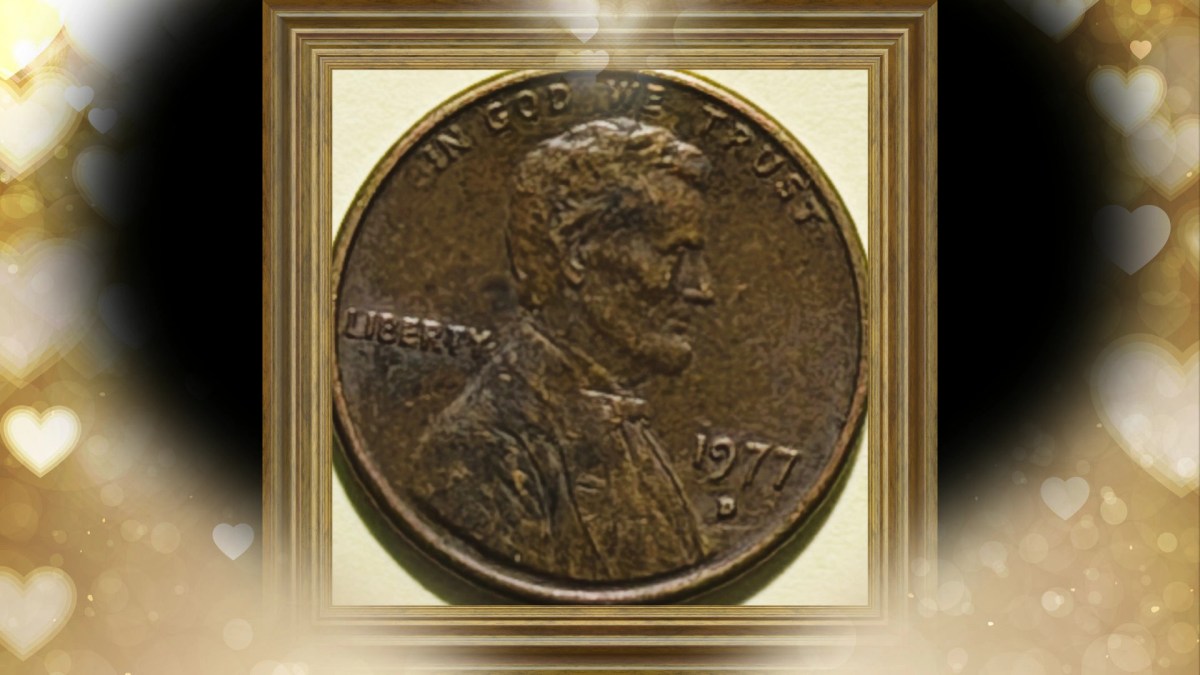
We recently found out that pennies are being take out of circulation. In fact, the last day they stopped minting them was on our 48th wedding Anniversary this month, November 12, 2025! There may be a reason to save the 2025 pennies, according to some folks.

We have a piggy bank and I rolled up our saved coins last year. We had $55 worth. It feels fairly heavy now and we wondered if we had any 2025 pennies.

I wasn’t eager for the task, but there was another reason to tackle it again—we wondered if we had any pennies from 1977.

I forgot how tedious this chore was. I spent a long time peering at the pennies with a magnifying glass hunting for any minted in 2025 before I ever got busy rolling the coins into those pesky little sleeves.

I found one from 1969 which reminded me of the Men in Black 3 movie (what doesn’t remind me of MIB movies?). The scene is Agent J and Jeffrey Price on top of the Chrysler building when Agent J is about to do the time jump thing:

Jeffrey Price: Do not lose that time device or you will be stuck in 1969! It wasn’t the best time for your people. I’m just saying; it’s like a lot cooler now.

As if in confirmation, I found a few from the mid-late 20th century and beyond as well as a few marking other important historical events:

Source: Historydotcom; A Year in History series

1959: Alaska becomes the 49th state; Hawaii becomes the 50th state

1960: Greensboro sit-in by 4 black college students at a whites-only lunch counter in Greensboro, North Carolina, starting a nationwide civil rights movement

1964: President Johnson signs Civil Rights Act; Martin Luther King Jr. wins the Nobel Peace Prize

1975: Microsoft founded by Bill Gates and Paul Allen; Arthur Ashe becomes the first black man to win at Wimbledon tennis championship

1976: First women inducted into the United States Naval Academy at Annapolis and at the U.S. Military Academy at West Point

2001: 9/11 attack on America

I found one from 1985 when I graduated from Iowa State University with a Bachelor’s Degree in 1985. I found another from 1988; the year I started medical school in Iowa City. I accidentally broke the arm of our cadaver in gross anatomy. I also found one from 1996, when I graduated from the psychiatry residency program at University of Iowa. Dr. George Winokur had just stepped down from being department of psychiatry chair and he encouraged me to apply for a position at Iowa.

But the best penny find was the one from 1977, when Sena and I got married. What a coincidence that the U.S. Mint stopped making pennies on November 12, 1977—the anniversary day of our wedding.

I rolled $16.50 in coins this time, but there was plenty left over (including pennies) that wouldn’t fill the sleeves.

Penny for your thoughts?
History Lessons in the Ramshorn Journal

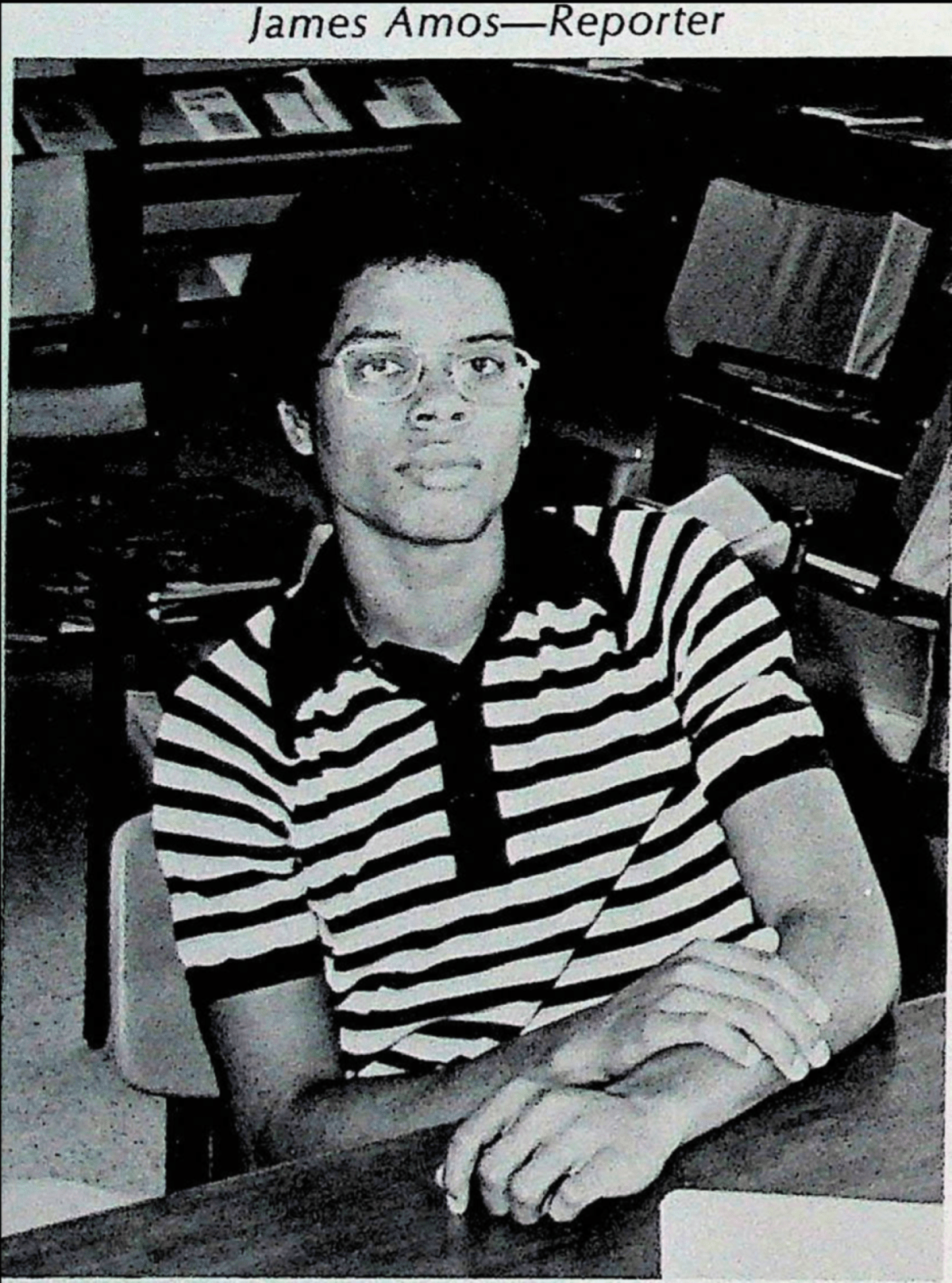
I think I found a pair of articles from the mid-1970s in the Huston-Tillotson College Ramshorn Journal that might have a connection to each other, even though the authors didn’t know it at the time.

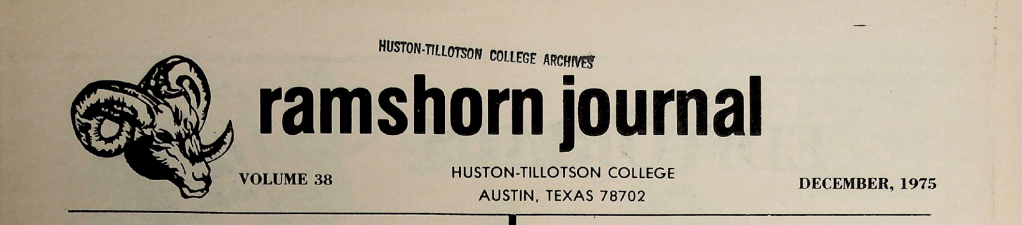
One of them was written by yours truly and published in December of 1975, entitled “H-TC Sponsors Education Seminar.”

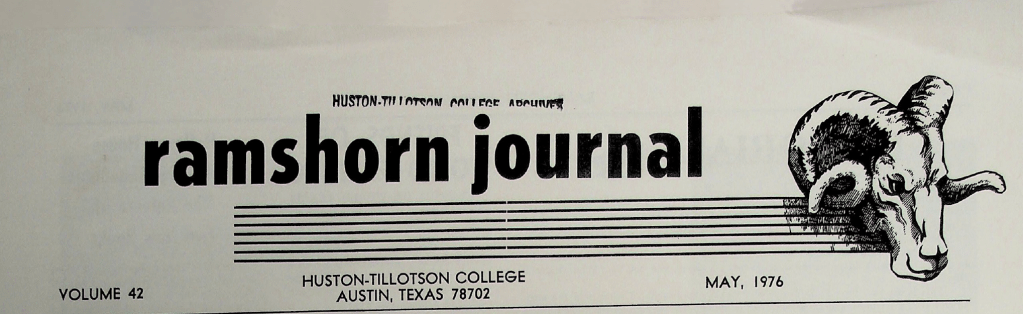
The other is a New York Times editorial from January 1976 which was reprinted in the May 1976 volume of the Ramshorn Journal and was written by Christopher F. Edley, a very successful lawyer and, at the time, the Executive Director of the United Negro College Fund.

Both were written about the same time, in the era of the civil rights struggles. I’m not comparing myself to the brilliant and accomplished Mr. Edley. And I’m just going to admit that I really don’t remember much about the trip to Houston for the Education Seminar about which I wrote my article, despite my being a participant. But I think it’s hard not to notice the language I used in my description of the importance of what the education seminar was all about. While much of the text is rather dry, when I discuss what was emphasized, I sound a little more intense. I may not remember much of what we specifically did and said but I caught the tone.

When I say the trip was not a guided tour, I mean that both faculty and students were serious about what the main message was for us—as black people. We had to measure up in a way that implied that we had to be better than best. That whole section starting with “Throughout the program, our people were reminded that any person who aspires to a position with any company must fulfill particular criteria.” It was as if I were saying we had to be perfect to make up for being black. We had to be the exemplars.

The individual must exhibit creativity, aggressiveness, ambition, self-confidence, initiative, dedication, maturity, and an ability and willingness to cooperate and effectively communicate with other people. The individual must punctual and reliable. Industry demands nothing less than high-gear performance. But they pay handsomely for that high-gear performance.

As I read this now, I get caught up on all the exhortations to be scrupulous, alert, and so on because, after all, we’re in a corporate jungle which is all about survival. I could have recast the last sentence above as “But they pay dearly for that high-gear performance”—which refers to the candidate, not the one doing the hiring.

I admit that how I wrote the story may reflect my reaction to rather than the reality of the emphasis of speakers at the seminar.  But I did get the impression that I, as a black person, would be held to a higher standard than a white person. And I was uncomfortable about that.

When I turn to the New York Times article by Mr. Edley, I again am impressed with the struggle for fairness and justice, which didn’t seem forthcoming. He expressed the same sense of unfairness that I felt in Houston. The tone is almost one of outrage. He described the black people who were going to college in those days as most likely being the first ones in their families to go to college.

That’s what I was.

Mr. Edley was expressing frustration about blacks and browns just being able to get to the door of opportunity. I got the message that the struggle would go on forever—even if we got in the door. We didn’t just have to prove we were equal. We had to prove we were better.

Anyway, as I read the articles I wrote for the Ramshorn Journal 50 years ago, I begin to realize why I had no memory of having written them. It gradually becomes less strange that I still don’t really remember much of my time at Huston-Tillotson College, one of the historically black colleges and universities (HBCU) in America. But I needed that experience, even if I did pay dearly for it.

Click in the gallery; click on the picture, click the icon with an “i” in a circle, click view full size, click the plus sign to enlarge the image.

Big Mo Pod Show: The Yellow Butane Curse and Other Fun Things

I got off my schedule last week on listening to the Big Mo blues show, but as it turns out, he was gone last Friday. I heard last night’s blues show and heard Stevie Ray Vaughn’s Riviera Paradise.

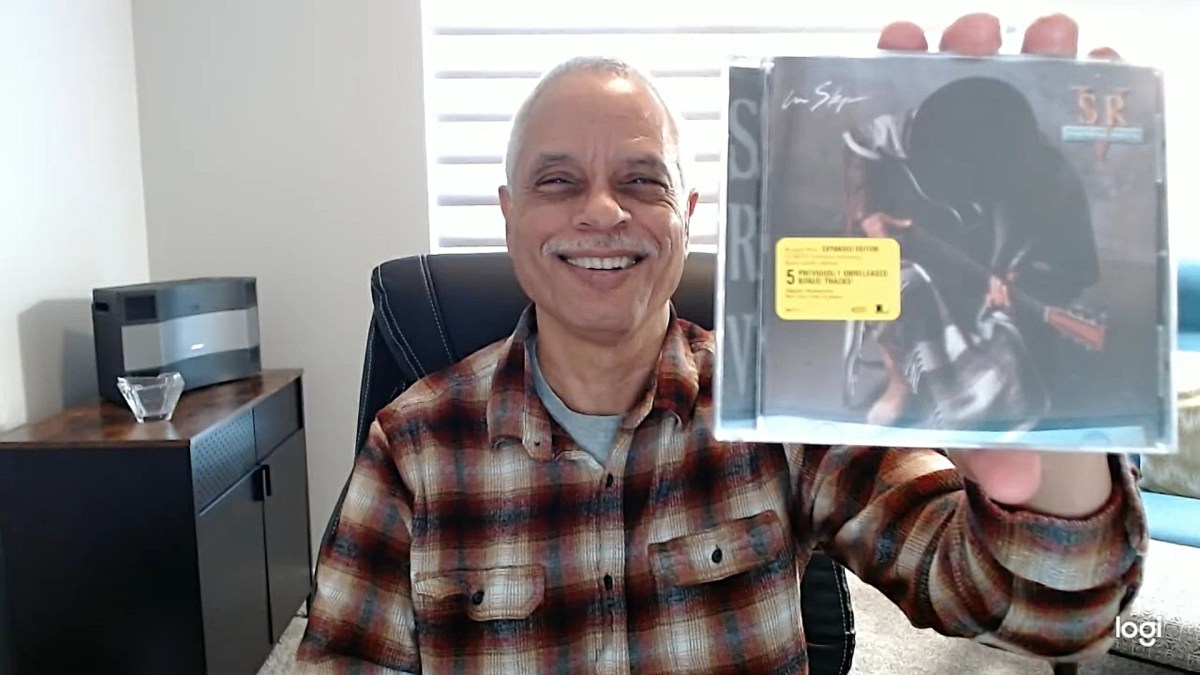
So, of course that was not on the list of songs for the pod show today, but Big Mo did mention that Riviera Paradise and the name of the collection, which was In Step was related to Stevie Ray Vaughn’s having been successful at staying sober from substance use disorder for a year. The name In Step was evidently related to his going through a 12-step program to achieve sobriety. I learned about Stevie Ray Vaughn early in my residency (if I recall correctly) from a University of Iowa psychiatrist who is now the chair of the psychiatry department.

The name of today’s pod show was “The Yellow Butane Curse” which is about superstition. I’m not sure if this means that blues music enthusiasts are prone to being superstitious, but Big Mo did admit to believing that yellow butane lighters were unlucky for him.

This is probably going to seem like a disconnected transition but I missed last week’s pod show (“He plays what can’t be written down” see below), which was not the usual format of song talk but an interview with a successful local musician, Merrill Miller. I don’t know anything about him except what I learned in the podcast. I got a kick out of listening to a couple of musicians just more or less shooting the breeze about living the musician’s life.

Merrill mentioned playing in places like Strawberry Point, Iowa. I don’t have a musical connection to Strawberry Point, and I never went anywhere there that was connected with music like Merrill did. In fact, the only reason I was in Strawberry Point was because I was part of a survey crew staking Highway 13 between there and Elkader to straighten out some of the many curves in the road. We didn’t have much time to listen to music.

One piece of Iowa history they talked about was the issue of black musicians not being able to find a place to stay in this area because of racism. They had to find somebody they knew who would put them up while they were in town for a gig. Funny where a rambling, relaxed conversation will sometimes lead you.

I had few connections to music while I was growing up. My mother tried to teach my little brother and I how to play piano. It was an old out of tune piano. I managed to learn where the “middle C note” was—and that’s about all I recall about it. I took guitar lessons and got pretty good at making buzzing notes with it. Man, I could make that guitar buzz, although my teacher got a good laugh out of it—and couldn’t get me to break the habit. I could blow into a harmonica (what real musicians like Merrill and Big Mo call a harp), but I couldn’t kidnap any notes out of it. I tried picking notes on a banjo for a short while, had a second stab at the guitar, and got not much more than callouses on my fingers before moving on to non-music making careers.

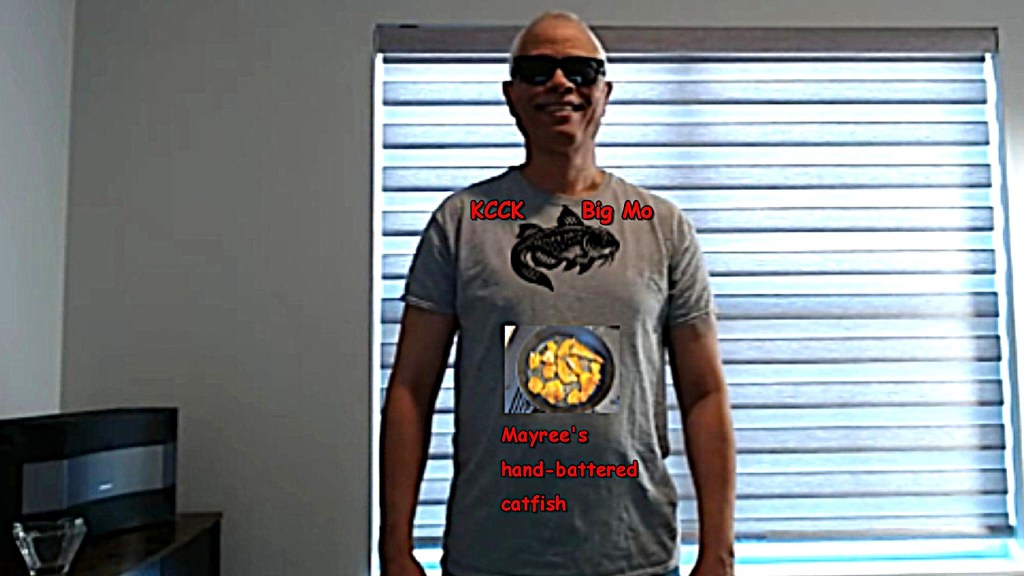
You can be glad about that. Now about that suggestion that I have for a tee shirt design about my favorite faux sponsor created by Big Mo, Mayree of the legendary Mayree’s hand battered catfish; it’s better because it’s battered. I wonder if there’s any movement on that.

Big Mo Pod Show 085 – “California Bluesin” KCCK's Big Mo Pod Show

After a short break during the Thanksgiving holiday your hosts are back at it again with another episode! This week features the usual mix of blues eras you’ve come to expect along with a few Californian artists, tune in to see which ones! Songs featured in the episode: Solomon Hicks – “Further On Up The … Continue reading
  1. Big Mo Pod Show 085 – “California Bluesin”
  2. Big Mo Pod Show 084 – “Garage Blues”
  3. Big Mo Pod Show 083 – “Legal Pirate radio”
  4. Big Mo Pod Show 082 – “Tribute”
  5. Big Mo Pod Show 081 – “Cheers To Kevin”

Pride or Rhetoric? What Would Dr. Melvin P. Sikes Say?

I noticed the headlines about the DEI flap at The University of Iowa, the one with the official apparently spilling the beans about University of Iowa’s DEI program not going away despite being illegal while maybe being unaware of being filmed. I’m not going to retell the story.

However, it does remind me of a time back in the 1970s in the days of affirmative action when I was a freshman student at Huston-Tillotson College (now Huston-Tillotson University) in Austin, Texas.

I learned about tenacity to principle and practice from a visiting African American professor in educational psychology from the University of Texas. It was 1975. Dr. Melvin P. Sikes paced back and forth across the Agard-Lovinggood auditorium stage in a lemon-yellow leisure suit as he talked about the importance of bringing about change in society.

He was a scholar yet decried the pursuit of the mere trappings of scholarship, exhorting us to work directly for change where it was needed most. He didn’t assign term papers, but sent me and another freshman to the Austin Police Department. The goal evidently was to make them nervous by our requests for the Uniform Crime Report, which Dr. Sikes suspected might reveal a tendency to arrest blacks more frequently than whites. He wasn’t satisfied with merely studying society’s institutions; he worked to change them for the better. Although we were probably just as nervous as the police were, this real-life lesson about the importance of applying principles of change directly to society was awkward.

Nothing like confronting social issues head on, right?

We would have preferred a term paper. We sat in the police station looking at the Uniform Crime Report, which was the only resource we could get. I think we were there a couple of hours; it felt a lot longer than that. The officer who got us the paperwork was polite, but a little stiff and wasn’t really open to anything like an interview or anything close to that. I can’t remember what we came up with as a write-up for what felt like a fiasco. I’m pretty sure we didn’t bring about anything even close to change. It was a humbling experience. Maybe that was the point but I’ll never know.

Dr. Melvin P. Sikes was a member of the Tuskegee Airmen although he didn’t see combat. He was the dean of two historically black colleges, a clinical psychologist, and a University of Texas professor. He died in 2012 after a long and successful career as a psychologist, teacher, and author.

I found a podcast about him which was sponsored by the Hogg Foundation for Mental Health and which aired February 15, 2024. It’s an hour long, but there are segments of interviews of him in 1972 that I consider fascinating. A couple of times he says something which I wish the interviewer had allowed him to expand on. The gist of it is that we need to have a system of education which allows people to speak from the standpoint of pride rather than rhetoric. I think what he might have meant is that it would be wonderful if we felt secure and confident in ourselves to express our minds sincerely. The word “rhetoric” makes me think of talk that is persuasive, even impressive, but maybe insincere. I think it still fits today.

Svengoolie Movie Next Saturday “Invaders from Mars” Triggers Memories!

The Svengoolie TV show movie next Saturday will be “Invaders from Mars” released in 1953 and it triggered some memories. One of them is when I was a little kid. I think I saw parts of it on TV while I was supposed to be down for a nap. I recall seeing these burly guys in green body suits trotting stiff-legged through tunnels. Their gait is something I can’t forget—no matter how hard I try. For a long time, I thought I had just been dreaming. But I’m pretty sure the nightmare was real because when we saw the movie last year on the Svengoolie show, those Martians looked familiar.

The other memory is of a TV public service announcement (PSA) commercial in the early 1970s. I managed to find a YouTube of it that reminded me of the leader of the Martians. He was in a clear globe and the green guys carried him around. He was just a head with tentacles. He was the leader and was very much ahead of his assistants in an evolutionary sense. At least I think that was the idea. He was basically the brains of the extraterrestrial population. He did all the thinking and planning—but he was stuck in this globe.

Anyway, the commercial is from 1971 and it’s a PSA from the President’s Council on Physical Fitness and Sports. The commercial shows how we’d be by the year 2000 if we didn’t shape up, literally. Richard Nixon was President; during his presidency Apollo 11 landed on the moon—and he resigned from office because of the Watergate scandal. Anyway, food for thought for the upcoming film, “Invaders from Mars,” which probably has a message about leadership.

Super Bowl Commercial “Mean Joe Frank” 2025 Looked Familiar!

We watched the Super Bowl last night and one of the many commercials (always a big thing) looked vaguely familiar only after Sena pointed it out. It was the Fareway Frank commercial about Fareway stores. It was a reprise of the famous 1979 Coca-Cola commercial with Mean Joe Green, defensive tackle for the Pittsburg Steelers and a kid. When you compare them, the similarities are obvious. There are two Fareway commercials that are the same, but have different titles, one of them being “Mean Joe Frank.”

The Hey Kid, Catch commercial with Mean Joe Green featured a 9-year-old kid named Tommy Okon. I couldn’t find a name for the kid in the “Mean Joe Frank” version.

But you can find film information on Turner Classic Movies titled “The Steeler and the Pittsburgh Kid” which is based on the commercial. The kid is Henry Martin who later starred in the movie, “E.T. The Extraterrestrial” (1982).

This led to reminiscence of Fareway Store in Mason City, Iowa. I used to walk to Fareway to get groceries and walked back carrying at least two big paper sacks. My arms were always pretty sore when I got home. I used a wagon later on, but had to be careful crossing the railroad tracks on the way back to ensure the eggs didn’t break.

There are Fareway stores all across Iowa and several neighboring states now, but the first one opened in Boone, Iowa in 1938. It popularized the idea of shoppers picking out their own items from the shelves rather than letting a store employee pick them out from the shopper’s list. The store name was inspired by what was sold (“fare”) and treating customers and employees fairly.

The Fareway Frank character was called Forrest Frank in 2024 although it looks like the company has settled on Fareway Frank.

The other Iowa connection worth mentioning is that rookie defensive player for the Philadelphia Eagles (Super Bowl winners), Cooper DeJean, who played for the University of Iowa Hawkeye football team, made a pick-6 interception touchdown in the game.

While the Fareway Frank version of the Super Bowl commercials line-up didn’t make the short list (or any list for that matter) of favorites, it sure did bring back memories for us.

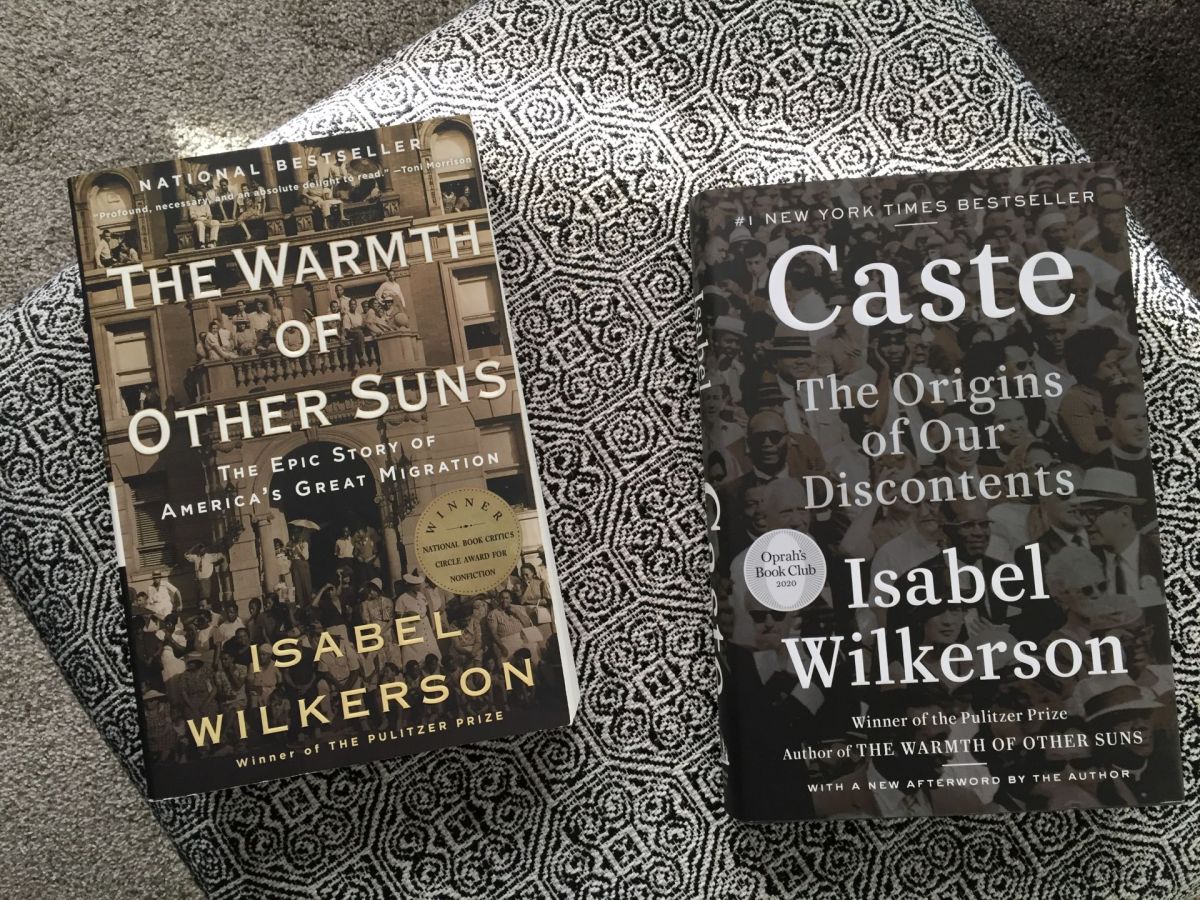
Just Got Isabel Wilkerson’s Book: “Caste: The Origins of Our Discontents”

I just got a copy of Isabel Wilkerson’s book “Caste: The Origins of Our Discontents.” I read her other book, “The Warmth of Other Suns” years ago. It won a Pulitzer Prize.

I read the first section, “Toxins In The Permafrost And Heat Rising All Around.” It brought back memories of the 2016 Presidential Election, which I won’t discuss in any detail. It does seem ironic now.

I have no doubt that “Caste” will be an uncomfortable read, like Wilkerson’s first one and like Michele Norris’s book, “Our Hidden Conversations.”

Just a reminder, Isabel Wilkerson is scheduled to speak as part of Dr. Martin Luther King, Jr. events on February 5, 2025 at the University of Iowa Medical Education and Research Facility (MERF); Prem Sahai Auditorium. General admission is free although it’s a ticketed event, more information here.

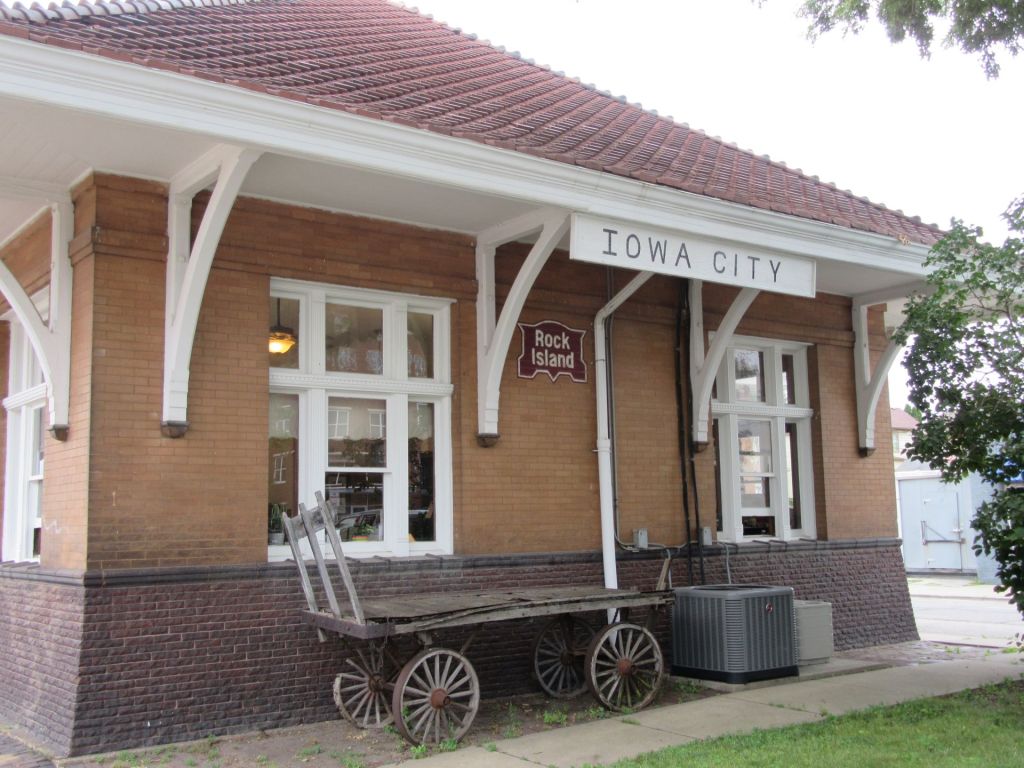
Historic Rock Island Line Depot in Iowa City

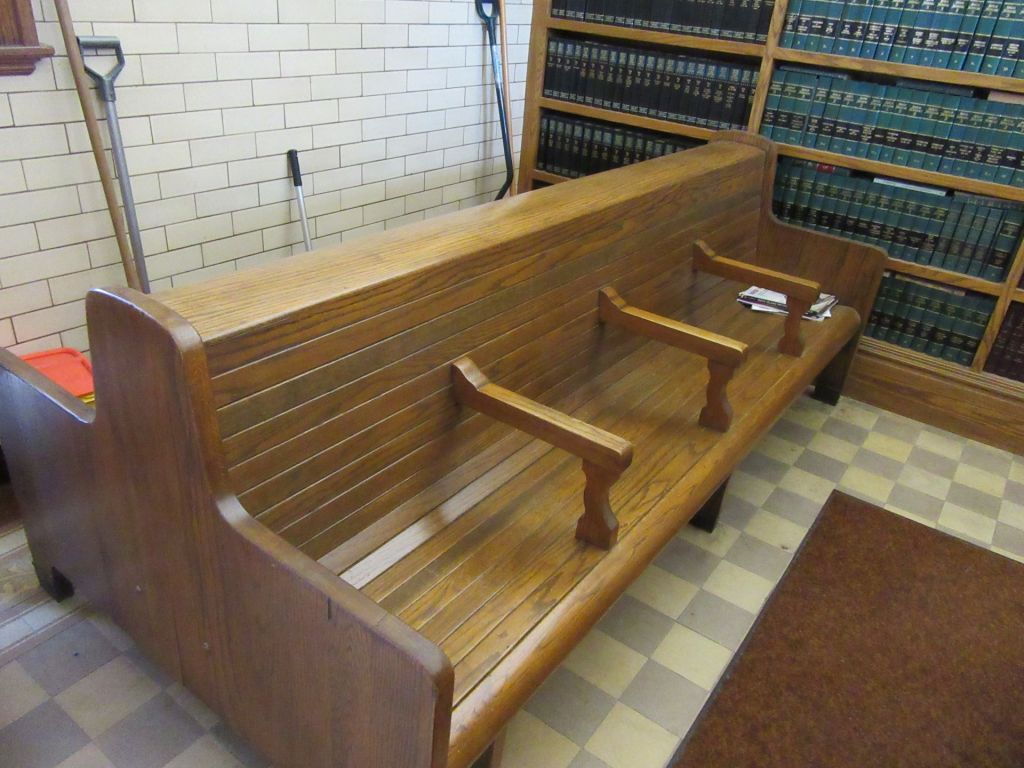
Last week while on our way to the Stanley Museum of Art, we saw the Rock Island depot at 115 Wright St in Iowa City. We’ve lived here 36 years and never visited this historic landmark before. It has interesting architecture and there is even a passenger bench inside. It was built in 1898 and was converted to law offices in the early 1980s. There used to be a waiting room which was removed when it was remodeled. You can see it in the featured image.

The depot has a rich history which you can read here.

Be sure to see the YouTube presentation by local historian Irving Weber.

You’ll notice that Mr. Weber opens his talk about the Rock Island depot by singing a line from a popular song about it: “Rock Island Line is a mighty fine line…”

When we looked on the web for the song, we couldn’t find a rendition with that exact line. Every version we listened to was slightly different but that line was always “Rock Island Line is a mighty good road…” There is an original version recorded in 1934 by John Lomax. We like the one by Lead Belly.

Top of the Line Appliances for Your Pipe Dream Home!

It’s that time of the year again; everybody’s moving whether relocating across the country or just moving across town.

One thing is key: you need quality, top of the line appliances. Say you’re having family and friends over for dinner and you need freezer space for roadkill squirrel. Why, a General Electric fridge with the perfect size little freezer designed to accommodate flattened rodents is just what you need.

But wait; you’ll need a stove to cook them! Look no further than your own Magic Chef. Emeril Lagasse would be proud to own this little gem, which might even have smell-o-vision as he would call it! That is, if you like the smell of smoked salmon (see what I did there?). Just whack your food against the grill to knock off any residual char. Or spray them down with the complimentary Copper Bullet Hose and watch that smoke just disappear!

Better hurry to order. These items are selling so fast there is a strict order of only two to a customer!

Pay no attention to that thing which resembles an antique hash pipe in the oven.

Note on Photos: Courtesy of Slager Appliances in Iowa City, I took these photos of vintage appliances on display in their showroom.

Svengoolie Triggers Memory Lane Trip to the Drive Ins

Both Sena and I stayed up to see the cheesy 1972 horror flick The Gargoyles last Saturday night. No kidding, Sena stayed up for the whole thing! The show runs from 7-9:30 PM but the actual movie is only a little over an hour long. It’s about a clan of gargoyles that every 500 years hatch from eggs and wage war on humans to take over the planet. They never get the job done, probably because humans have all the guns and all the gargoyles have are claws and flimsy wings which you don’t see used until the very last scene. Like all of the Svengoolie movies, all of the jokes are so bad they’re good.

You can ask a fair question, which would be what else is on in addition to the movie? There’s a lot of commercials, of course, as well as the corny jokes and skits. But the other features last Saturday were excerpts from the Flashback Weekend Chicago Horror Con, in August 2023. I think it’s an annual historical horror convention that takes place in Rosemont, Illinois.

One of the attractions was a panel presentation about the history of the 90th anniversary of the drive-in theater hosted by Svengoolie and Joe Bob Briggs. It was arguably better than the feature flick. I have heard the history elsewhere about how the drive-in theatre began (I think it was on the travel or history channel).

The most interesting part of the history is how the Covid-19 pandemic influenced the recent history of the drive-in theaters. The point was that, when the pandemic hit the country, all indoor theaters closed, leaving the drive-ins the only place to watch movies for several weeks. They did pretty good business.

Moreover, horror movies and drive-ins go together like cheese and crackers (see what I did there, cheese as in cheesy movies?). OK, fine.

Anyway, horror films were mainly linked to low budget projects that big stars and big directors avoided like the plague. Mainly, those movies were played at the drive-ins—which is how they got a tarnished reputation. That led to cherished stories by older people who used to sneak their friends into the drive-ins by stowing them in the trunks of their cars. That probably did happen, even in the old Mason City Drive-In Theater in Iowa where Sena and I grew up. It was demolished in 1997.

As far as The Gargoyle movie goes, the one thing I couldn’t find out was exactly why Bernie Casey, who played the head gargoyle, didn’t voice his own lines. The web references I found just mentioned briefly that it was because his natural speaking voice didn’t fit the character. They were dubbed in by Vic Perrin who did the voice-over for the introduction to The Outer Limits.

Maybe the funniest scene was when the head gargoyle placated and playfully slapped the fanny of the female head breeder gargoyle after she noticed he was flirting with the human woman he kidnapped. The breeder was obviously really jealous. Maybe this means that the battle between gargoyles and humans will always come to a stalemate because we’re too much alike.