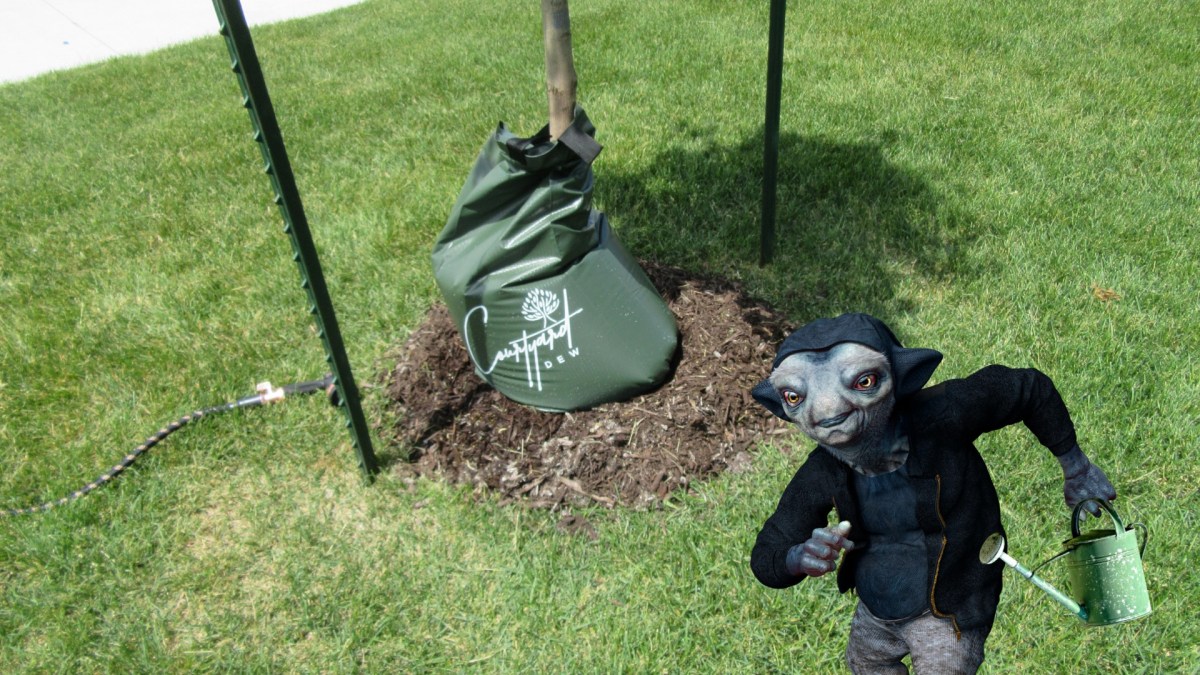
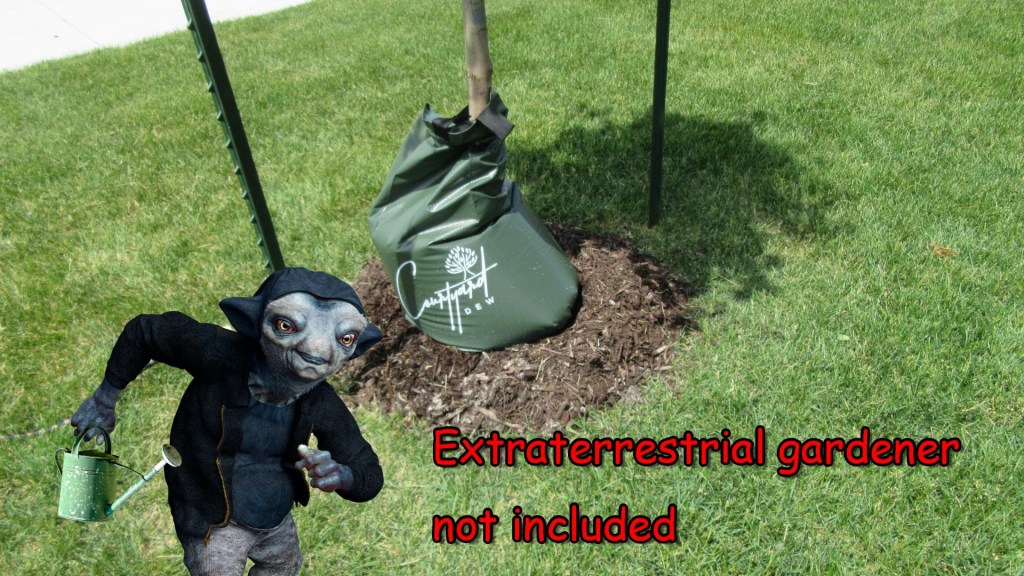
Sena got some tree bags for keeping our trees watered. They don’t come with explicit instructions; I’ve never had to deal with them. As always, I suspect extraterrestrials and other strange beings are involved.
Apparently, the tree bags are supposed to provide enough water for young trees so they grow and thrive in your yard.
Here’s what I found when I consulted the extraterrestrial manual for help. There are certain factors to be aware of, such as you want to make sure you get tree bags on sale. A reasonable price is around several thousand dollars, so you want to arrive at Lowe’s or wherever with a wheelbarrow full of cash.
There’s no fancy water sewer hookup. You have to haul the water out to the tree bag so you can immediately accidentally dump it on your clothes. This is mandatory.
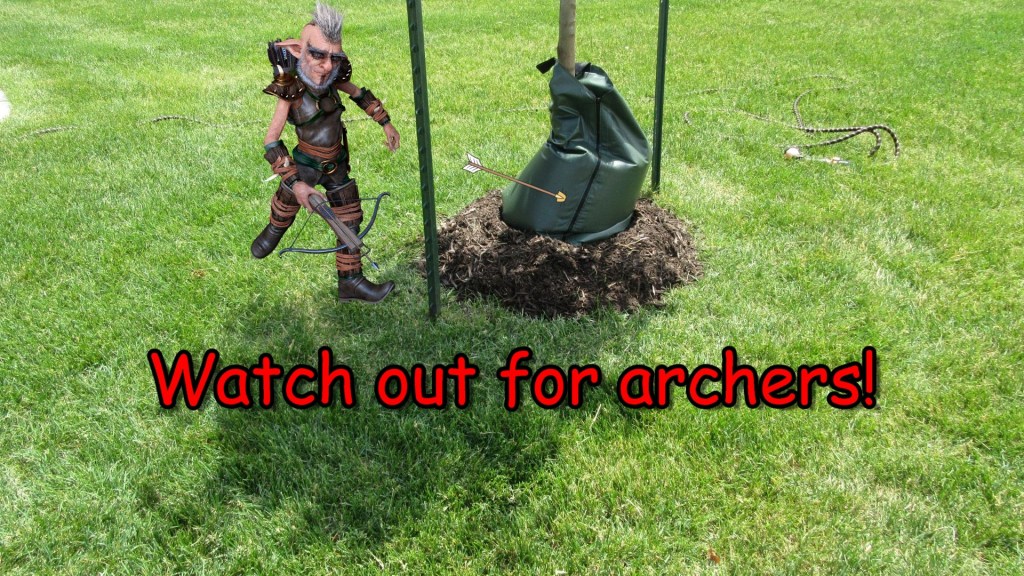
Be on the lookout for wandering elfin archers, who use tree bags for target practice. And if the bag doesn’t work out, you can always wear it as a super hero cape.
I’m skeptical about the whole theory behind tree bags. The trouble is it probably doesn’t hold water. See what I did there?
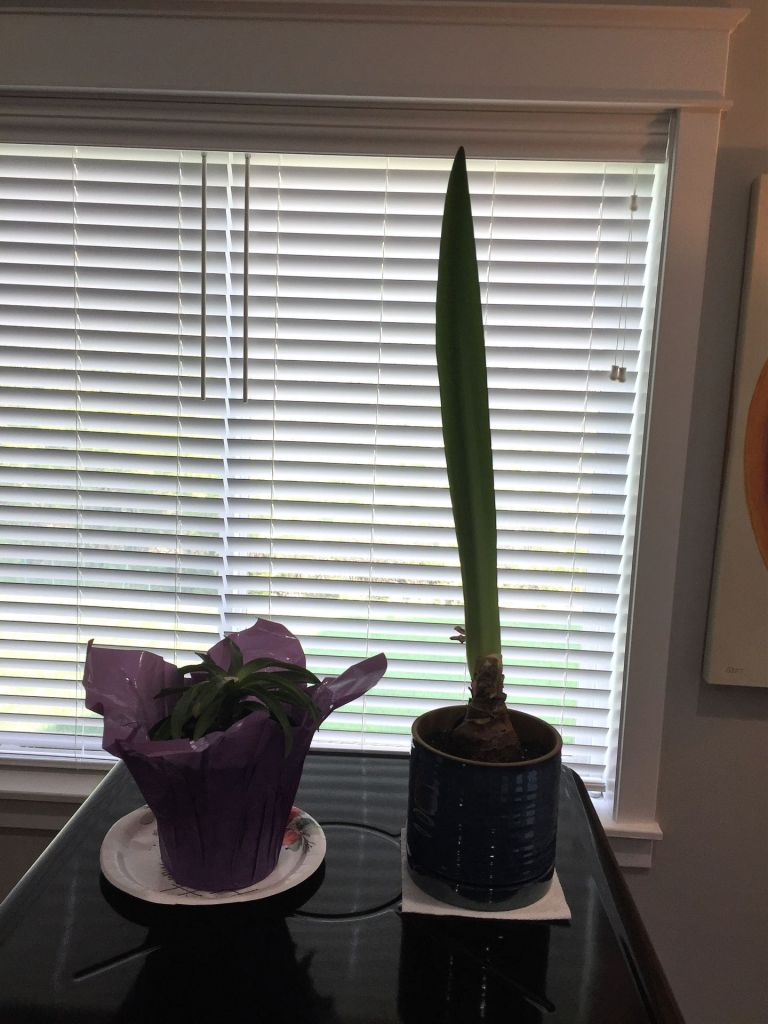
The Amaryllis trio are reaching for the stars, and “star” may be the operative word because I just found out the name of the flower may be in dispute.
It turns out that the actual name of the Amaryllis is probably Hippeastrum due to a change in the genus classification of this striking bloom. My word processor kept highlighting Hippeastrum, so I had to add it to the dictionary.
The usual name, which has been Amaryllis, sounds pretty and has a romantic story behind it based in Greek mythology. The short version is that a maiden named Amaryllis fell in love with a shepherd named Alteo. Alteo insisted that he would fall in love with a girl only if she brought him a new flower he’d never seen before. She went to the Oracle of Delphi who advised her to literally bleed for him—which she did by stabbing her heart every day and spilling her blood on the ground outside his house. On the 30th day, a gorgeous red flower bloomed out of the blood. After that she and Alteo were definitely an item. You can find this story on many gardening web sites.
On the other hand, the unromantic name Hippeastrum (it seems there are two ways to pronounce it, both of which sound like a sneeze) was given to the flower by someone named William Herbert. You can find the complete and erudite story about it on a WordPress blog called Professor Hedgehog’s Journal in the post, “Plant of the Month: February 2018.” The name means something like Knight’s Star.
I’m betting that stores are unlikely to change the name on the boxes, out of which the flowers burst impatiently on to the shelves.
Sena likes to be out in the garden no matter how blisteringly hot it is. A few days ago, she was planting some yellow coreopsis and lantana, whatever that is. It was 82 degrees and with the heat index (about 60% humidity), it felt like 86 degrees. Later in mid-afternoon it rose to 95 degrees with the heat index.
She came in for a break to get some cold water and suddenly remembered the cooling cloth called “Cold Snap” you can wear around your neck to stay cooler outside. You just run it under cold water from the tap and wrap it around your neck.
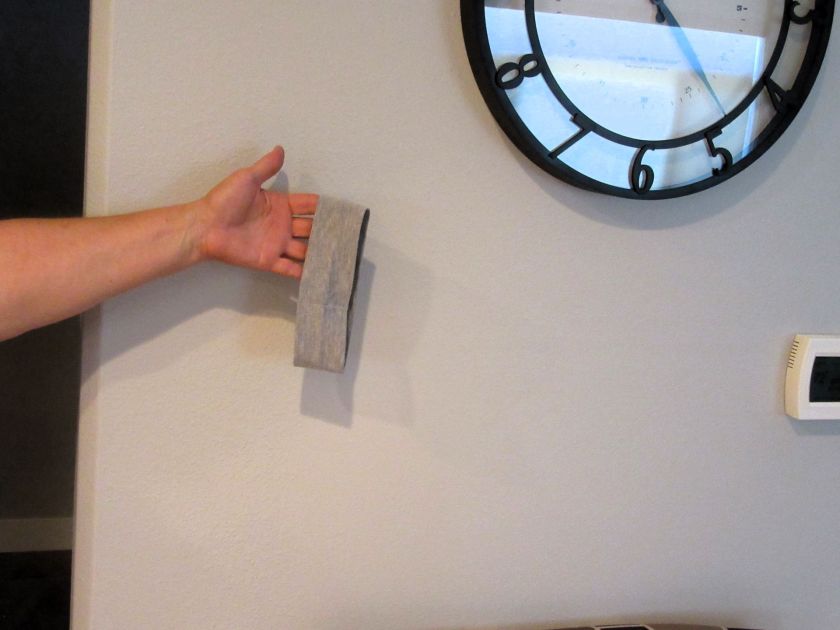
She also put on her headband to keep the sweat out of her eyes to prevent her tear ducts from plugging up. That happened a longish time ago. She had a lot of tearing, and went to the eye clinic where a faculty ophthalmologist thought she might have a more complicated problem than a blocked tear duct (nasolacrimal duct obstruction).
The Cleveland Clinic differential diagnoses of a blocked tear duct include infection, injury, or nasal and paranasal tumors. Just getting older can make your more susceptible to blocked tear ducts. Procedures include the polysyllabic dacryocystorhinostomy (DCR, in which a bypass ductal drainage system is created) or alternatively, something which sounds like a last resort, the punctal plug.
The ophthalmologist recommended a complicated diagnostic and surgical treatment pathway the name of which she can’t remember (possibly something like those mentioned above) and said it was probably the only intervention that would work. Sena took exception to this and asked for something simpler. They arm wrestled, best two out of three, and Sena won.
So, the ophthalmologist finally just used a needle and syringe full of water and hosed the puncta. He and Sena both heard a small popping noise, and the obstruction was removed. The ophthalmologist was astonished and said it was a good teaching case for the residents. The problem was likely grime related to sweat and dirt—hence her use of a headband. She also uses baby shampoo to wash her eyes nowadays.
She never complains about the heat outside. She just gets out there in the garden and often stays out most of the day—no matter how worried I get about her.
There are ways to be heat aware in summer. The ReadyIowa web site on heat is a great resource.
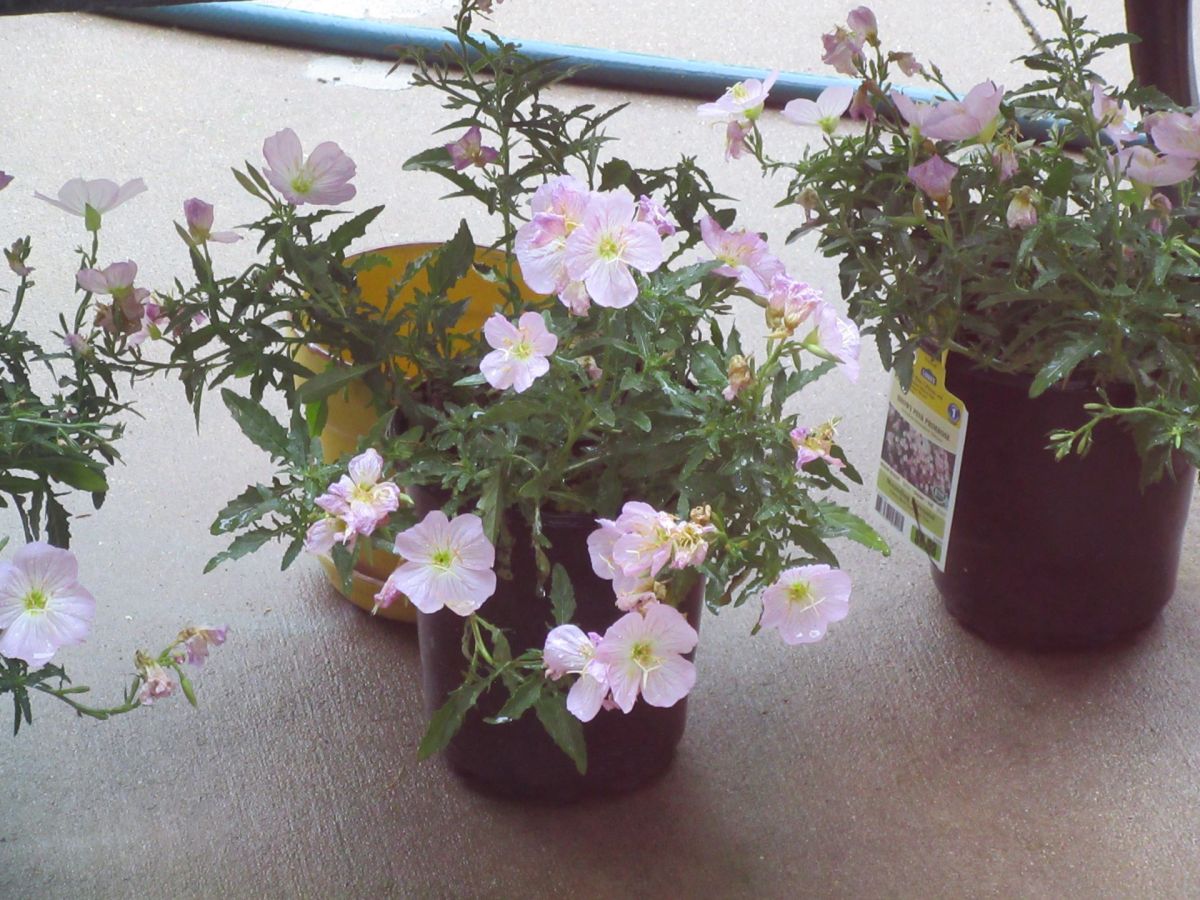
We were very happy when we finally got a little rain the other day. It really brightened up the garden. Sena got some evening primrose. This happens to be one of my favorite flowers. It was one of the many flowers she planted in her big garden at our first house.
The evening primrose I see on the web are mostly the yellow variety. The variety we’ve had is a pale pink color. We were surprised to see that some people warn against planting this in your yard. It’s considered invasive, but we didn’t have any problem with that years ago.
Some say that evening primrose is not intended for human or animal consumption. The Mayo Clinic web page says that, while it’s probably safe to take in pill form in small amounts for a limited period of time, the evidence for its effectiveness for the medical conditions people usually take it for is inconclusive at best. And you shouldn’t use it if you have a bleeding disorder, epilepsy, or schizophrenia.
My very limited web search revealed the rationale for avoiding taking evening primrose if you have schizophrenia was that it might raise the risk for seizures. I saw one Cochrane Database Review from over 20 years ago which said it had no effect on fish oil supplements for schizophrenia. One article from the 1980s suggested that evening primrose oil might increase the risk for seizures in patients with schizophrenia.
The bottom line is you should not ingest it but simply admire its beauty.
When I think of Sena learning to juggle and find her juggling balls on the floor where she drops them after a 2- or 3-minute practice, I now think of her gardening.
Pick up your toys, please!
I wondered if gardening could be a form of meditation and did a web search like I did yesterday for juggling. It turns out many people think of gardening as a kind of mindfulness meditation. It’s another one of those moving meditations, kind of like the walking dead meditation as I and some of my peers described it at a mindfulness retreat 9 years ago.
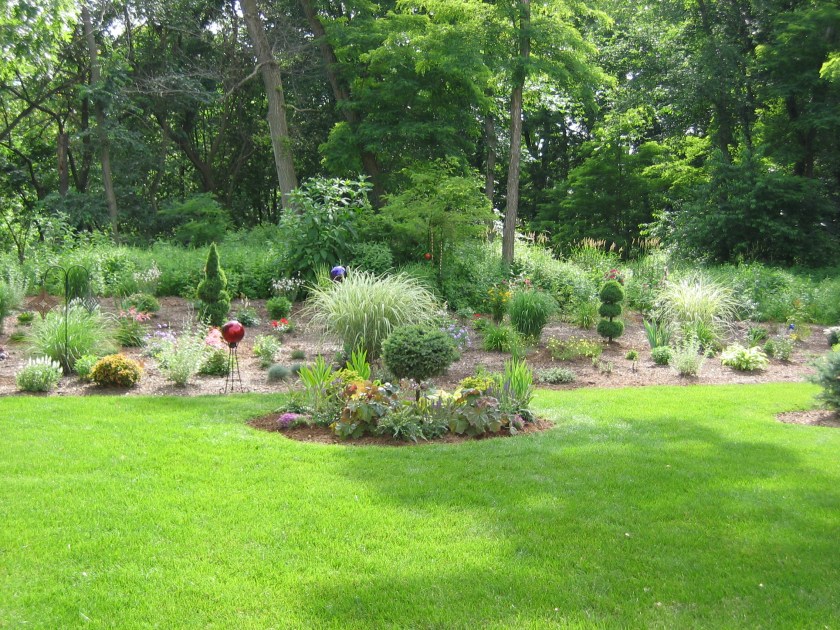
Sena has been gardening for a long time. I remember she turned our back yard into a park many years ago.
Sena Park
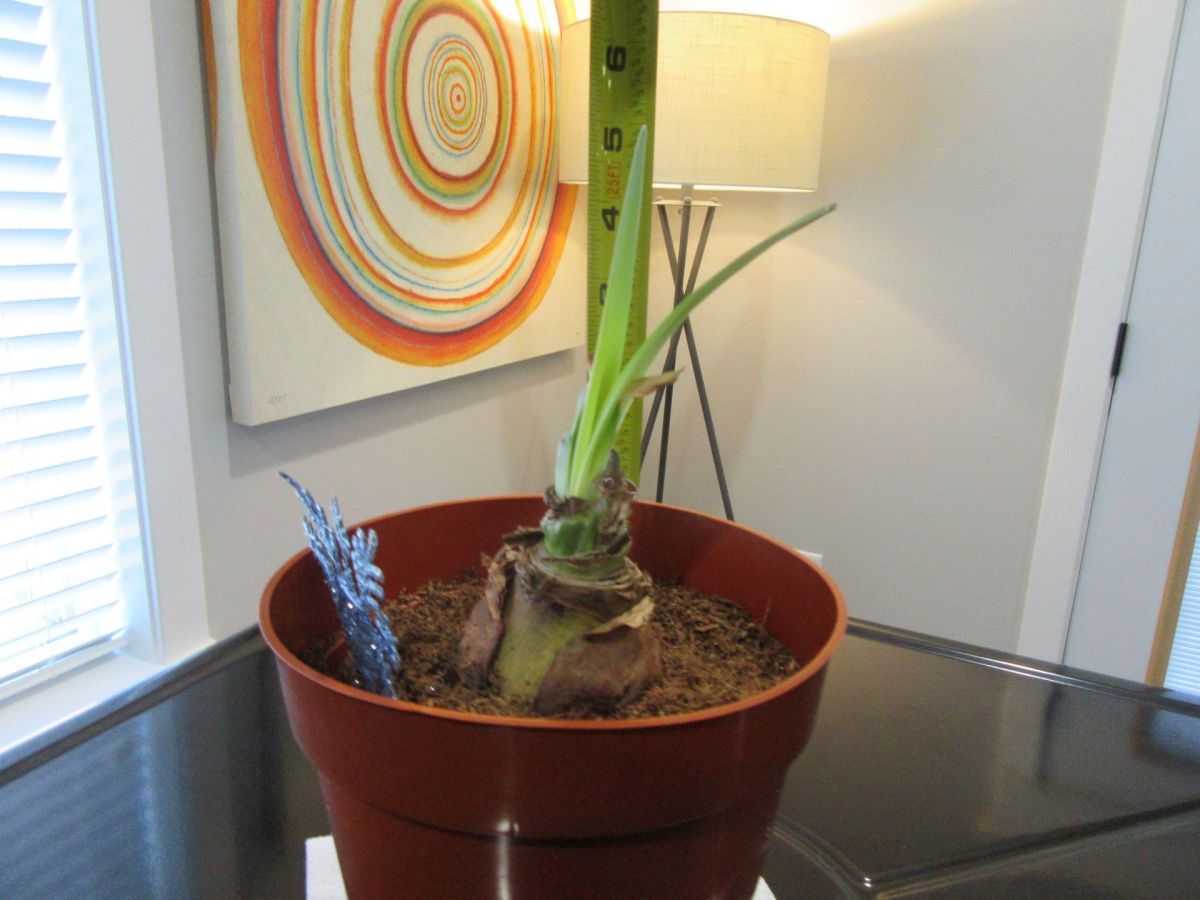
She is always on the lookout for something new to plant. I don’t always remember the exact names of them, but they’re very pretty. And the Amaryllis house plant stem is 22 inches tall!
I found one article on Headspace, “How to practice mindful gardening” which laid it all out about the subject. The key takeaways about mindful gardening:
Being fully present in the garden can help improve mood
In this setting, we might also become more aware and accepting of change
Check in with your senses before getting your hands dirty
Sena can work in the garden all day, sometimes in 100 degree plus heat—which I don’t recommend. On the other hand, she really gets a charge out of digging holes in the yard, pulling up turn to make room for more flowers and shrubs, and tilling the soil. She has kept the Amaryllis stalk thriving; it’s 22 inches tall! She’s not sure what to do yet with the Easter Lily plant, but she’ll figure something out.
I still do sitting meditation, which is what I learned from the Mindfulness Based Stress Reduction (MBSR) class. And I now have begun to think of juggling as a kind of moving mindfulness meditation.
On the other hand, I’m not keen on gardening in any sense, including mindfulness. Partly, it’s because a fair amount of dirt is involved.
I think it would be difficult for me to do gardening all day like Sena does. I could stick it out for about as long as she practices juggling—about two or three minutes. I would put my tools away, though.
I’m beginning to think of juggling practice as a kind of meditation, especially since I started to learn the shower juggling pattern. Doing that for more than 15-20 minutes at a time usually doesn’t result in much improvement—at the time. But I think I sprout more brain connections as I’m doing it because I notice gradually smoother timing and coordination.
In sitting meditation, counting your breaths is generally frowned upon. On the other hand, counting my throws (especially out loud) during juggling actually helps me focus my attention. I see each throw as sort of like a single breath. I still have to consciously adjust my posture so that the “horizontal” pass doesn’t end up being more like an underhand throw. And when I modify the throws so they stay in the so-called jugglespace (not so close the balls bounce off my head, not so far out front I have to lunge for them), and space the balls out just right, I find it’s easier to get more throws in.
I don’t think Sena counts the number of dirt clods she tosses aside.
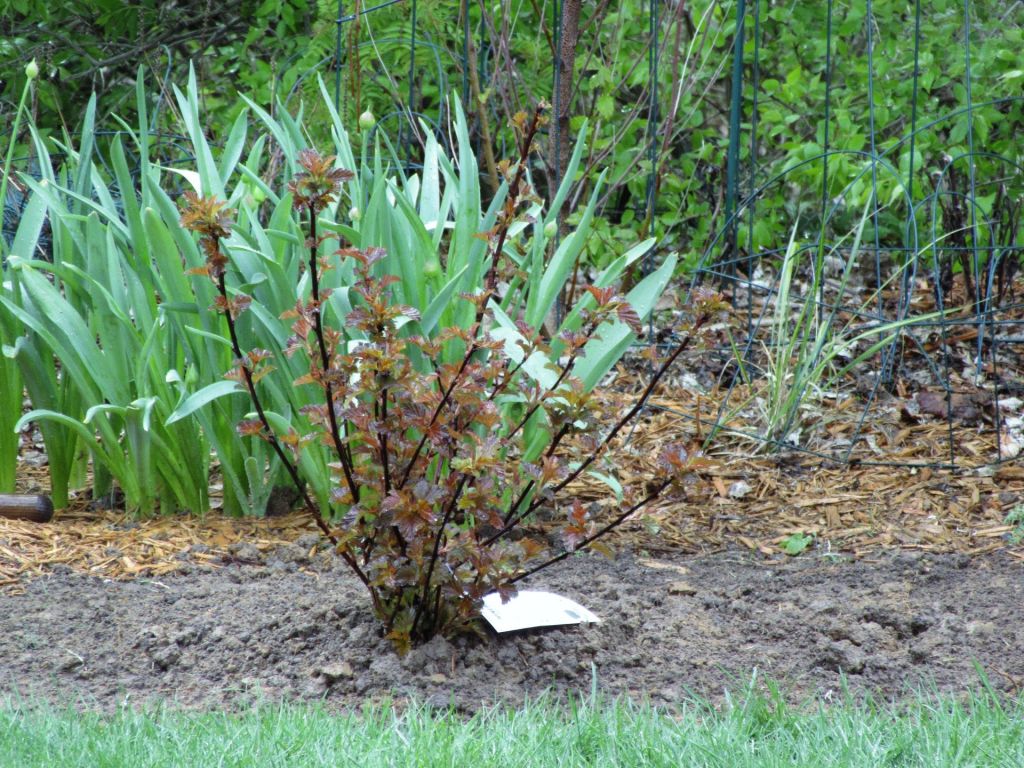
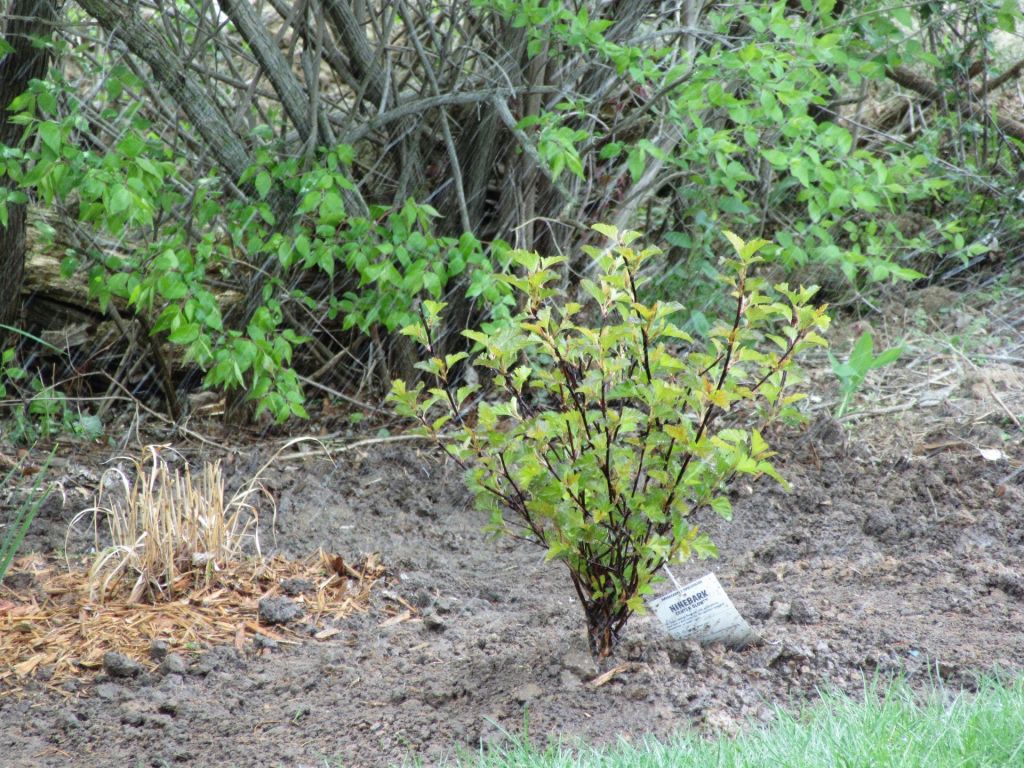
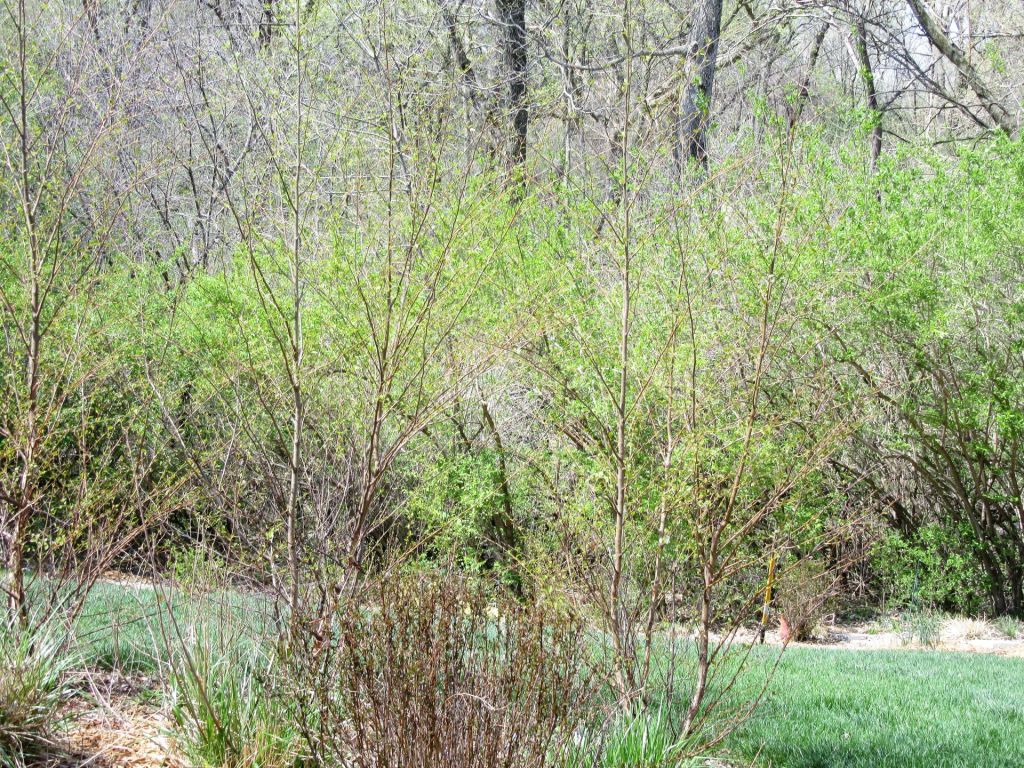
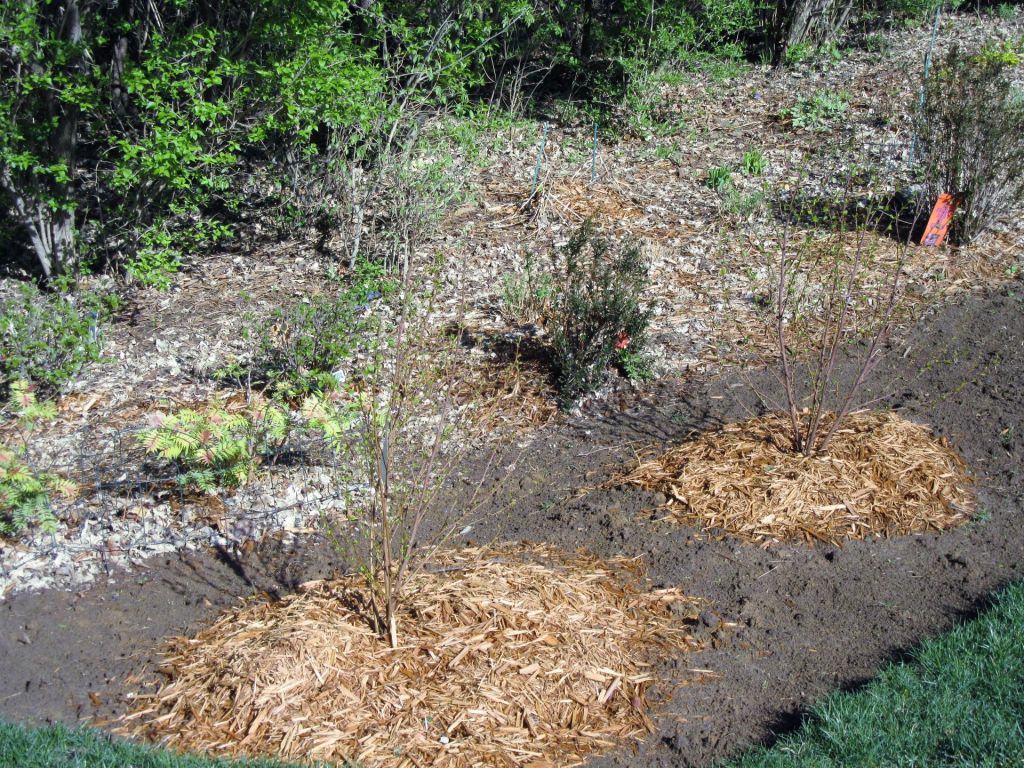
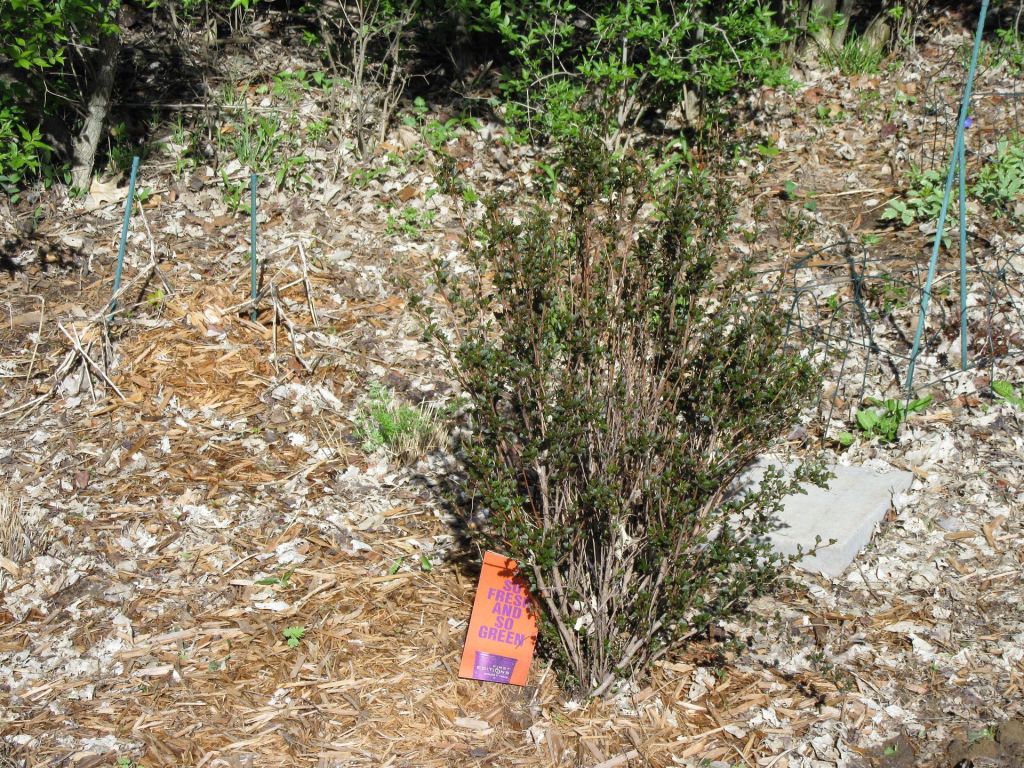
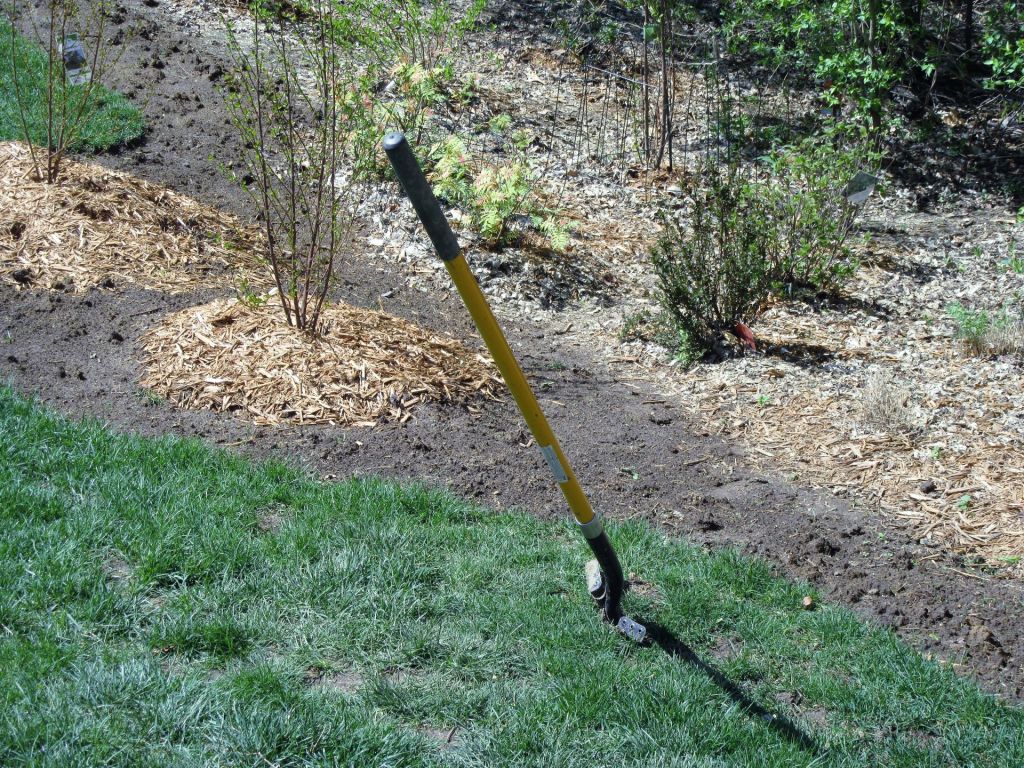
Happy Earth Day! Yesterday, Sena worked pretty hard out in the garden spaces. She has planted ten river birch trees. I did my usual spring lawn edging, which followed the first mow of the season a couple of days before by the lawn mowing service.
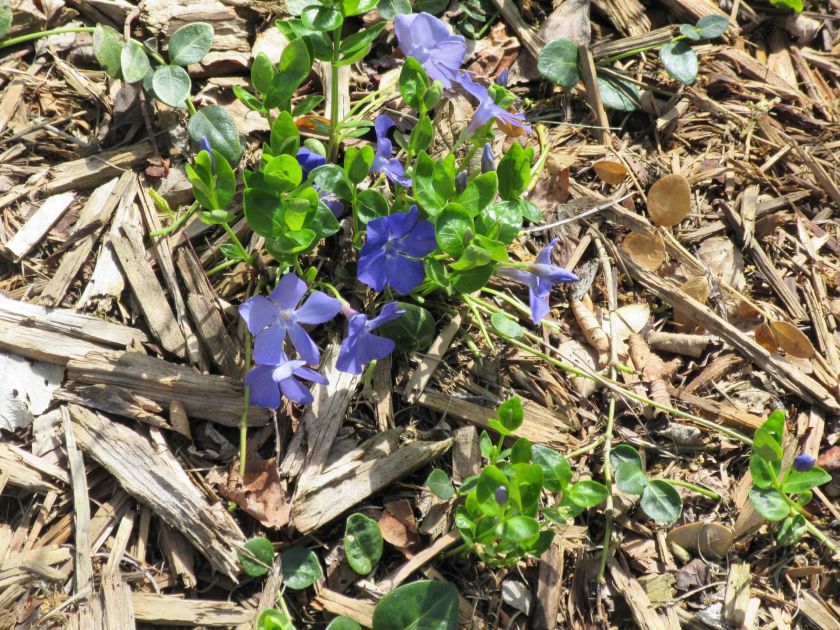
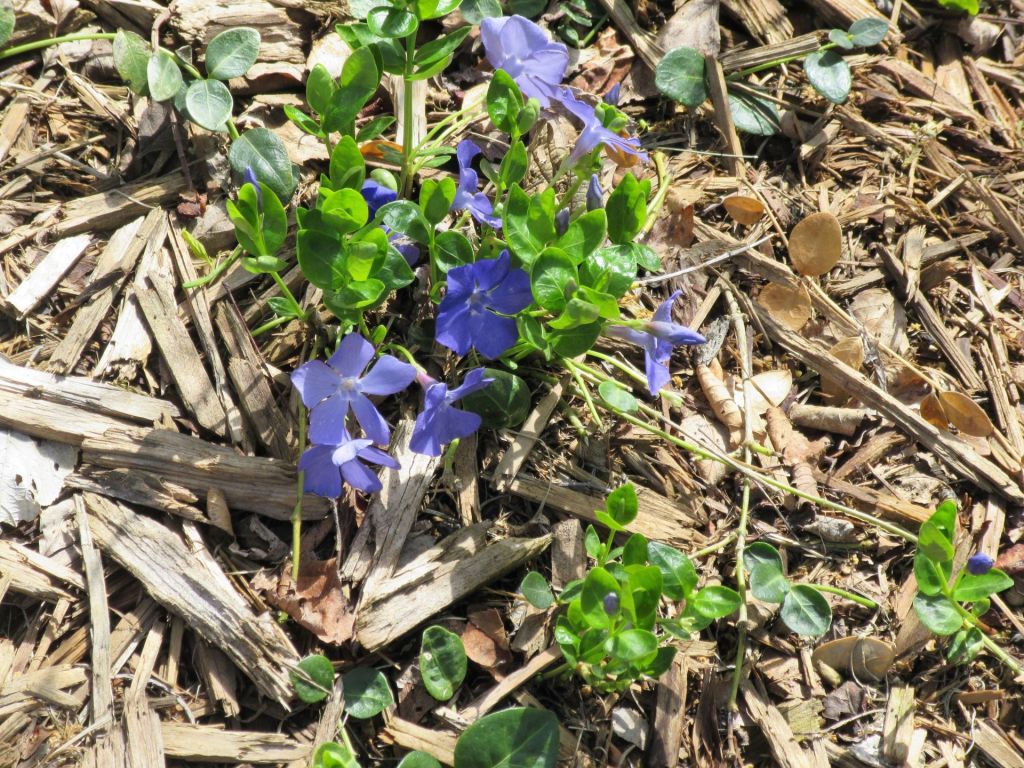
The vinca is coming up in the garden circle in our back yard. It reminds me of a time many years ago when I chopped a bunch of vinca out of a substantial portion of the back yard of a previous house. This became Sena’s first big garden. We’ve moved several times since then and there have been a number of other gardens.
True, vinca is invasive and I think it’s also called creeping myrtle or periwinkle. I found out later after I chopped out a few bushels of it that the plant has organic compounds called alkaloids which inhibit the growth of certain cancers. Vincristine and vinblastine are approved for use in the United States.
The reason I’m mentioning vinca is that way back early in my career as a consultation-liaison (C-L) psychiatrist at The University of Iowa Hospitals & Clinics, I dimly recall giving a short acceptance speech for winning a Leonard Tow Humanism in Medicine award from the Arnold P. Gold Foundation in 2006. I was nominated for it by one of the psychiatry residents and another faculty member.
Getting the Leonard Tow Humanism in Medicine pin
In my speech I mentioned cutting out all of the vinca (which I thought was a weed) in the back yard. I was pretty proud of getting that job done—until Sena got home and found out. She was less than thrilled about my accomplishment and explained that vinca was not a weed. In fact, she wanted it to grow.
Vinca
I still have the speech and one of the points I made was, “…we water what we want to grow.” The speech is below:
Good morning distinguished guests including graduating medical students, Dean______.
Today we gather to reward a sort of irony. We reward this quality of humanism by giving special recognition to those who might wonder why we make this special effort. Those we honor in this fashion are often abashed and puzzled. They often don’t appear to be making any special effort at being compassionate, respectful, honest, and empathic. And rewards in society are frequently reserved for those who appear to be intensely competitive, even driven.
There is an irony inherent in giving special recognition to those who are not seeking self-aggrandizement. For these, altruism is its own reward. This is often learned only after many years—but our honorees are young. They learned the reward of giving, of service, of sacrifice. The irony is that after one has given up the self in order to give back to others (family, patients, society), after all the ultimate reward—some duty for one to accept thanks in a tangible way remains.
One may ask, why do this? One answer might be that we water what we want to grow. We say to the honorees that we know that what we cherish and respect here today—was not natural for you. You are always giving up something to gain and regain this measure of equanimity, altruism, trust. You mourn the loss privately and no one can deny that to grieve is to suffer.
But what others see is how well you choose.
I didn’t write down the anecdote about the vinca. I think I was also trying to make the point that vinca can be thought of as an invasive “weed” as well as a pretty garden plant. Furthermore, while the vinca alkaloid (for example, vinblastine) can be an effective treatment for some cancers, it can also cause neuropsychiatric side effects, which can mimic depression. That’s where a C-L psychiatrist could be helpful, showing how medicine and psychiatry can integrate to move humanism in medicine forward.
Anyway, ever since then, vinca has often been a part of Sena’s garden, including the one where we live now. And, whenever we walk on any of the trails in Iowa City or Coralville, we always notice it carpeting the woods.
We can probably apply the little law “we water what we want to grow” to many things in life. We can choose to apply it to the world in which we live by creating a safe home to shelter a happy family, doing useful work in the garden while practicing kindness, gratitude, and patience.
Sena does a lot of gardening, which means she uses a shovel frequently. She has quite a few corns on her feet for which she’s tried a number of remedies that run the gamut from scraping with a variety of simple tools to—sand paper. There, I said it and I’m glad.
Maybe a little foot scrub?
The old shovel probably contributed to her developing a number of corns on her feet. She got a new shovel with a special footstep which we hope will cut down on corns.
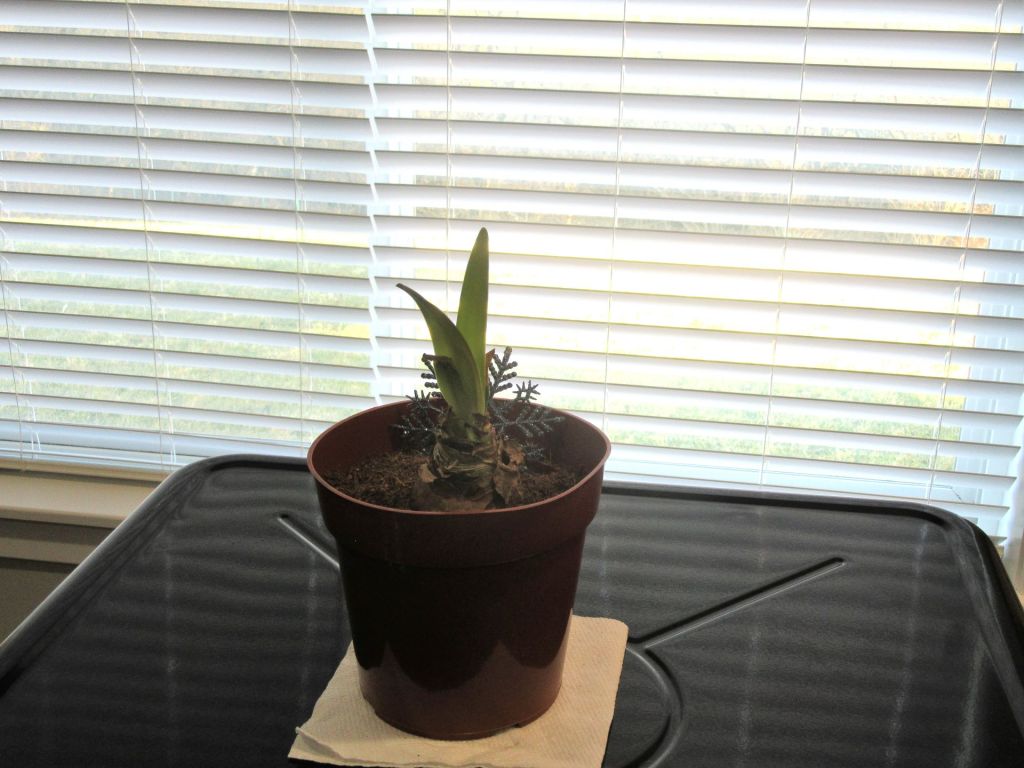
Remember that gorgeous Christmas Amaryllis flower? After it leaned over so far, we had to retire it, so to speak. We didn’t throw it out, but Sena kept it and performed some kind of miracle.
Apparently, she resurrected it by giving it a little water. A couple of new leaves grew a few inches overnight.
She knows that gardeners tell you to bury the Amaryllis bulb outside after the flowers die. I guess in the following winter you dig it up, put it in a new pot and a new set of blossoms should grow. She wanted to transfer it to a different pot instead, one with holes that will let the excess water leak out.
She was very industrious. She also repotted the Zygocactus. That’s the holiday cactus, another houseplant she got for the Christmas holidays.
And the most important question: how are extraterrestrials involved in this urge to repot? ? By the way, I was not involved in the repotting project because I’m allergic to gardening. I did make a YouTube video of her working on it, though.
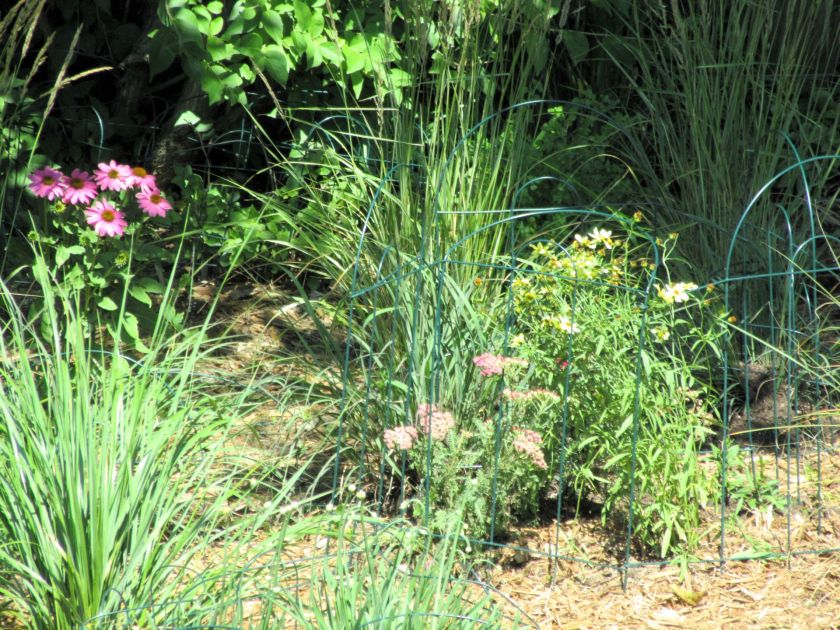
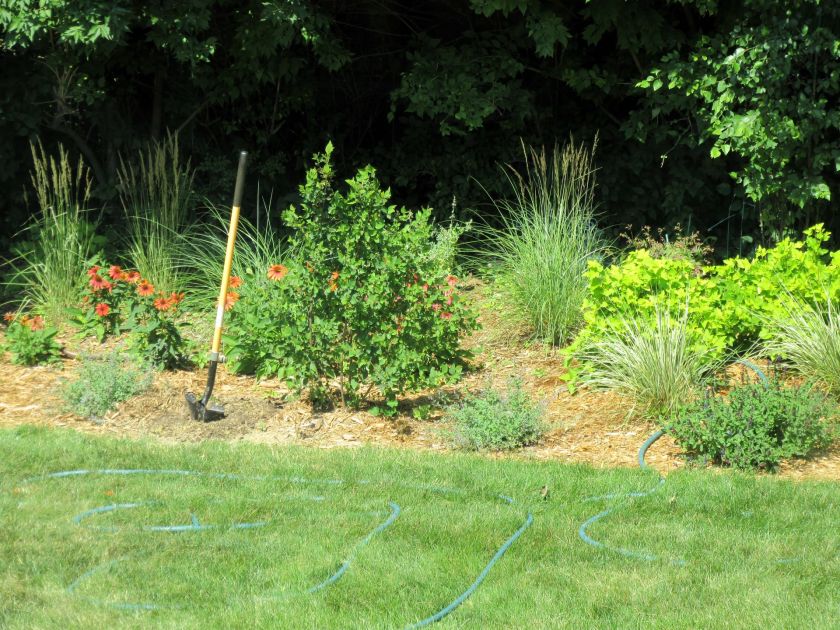
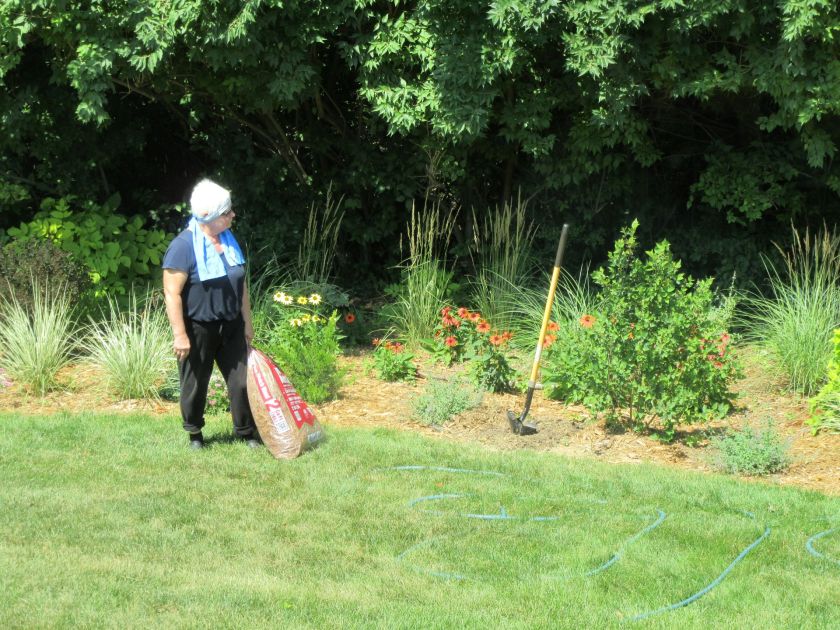
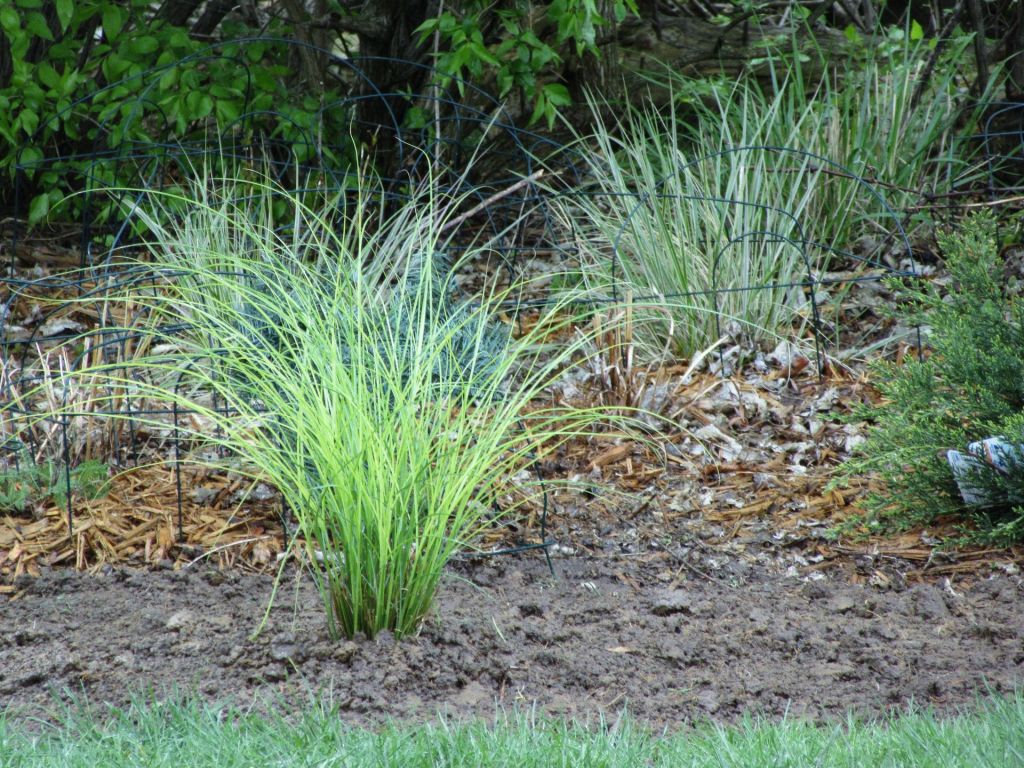
We were out working hard in the garden today–or at least Sena was. She was very busy planting Black-Eyed Susan and other things the names of which I can never remember.
I usually just take pictures and make videos of her garden. It’s a lot of fun watching her. But that’s not all I do. Sometimes I carry bags of mulch.
She has been devoted to gardening for over 17 years. It began with cultivating our back yard. I labored cutting out weeds by the dozens–until I found out it was Vinca. I think another name for it is creeping myrtle.
She gave me permission to film her usual planting posture. You’re welcome.



















 Go Retire Psychiatrist