Sena just told me today is National Spinach Day. Naturally this means she is going to prepare a big whopping mess of spinach for us to eat. She also recently ordered a 100-gallon keg of Super Beets supplement capsules as part of her health food project. She drank the Super Beet Kool-Aid, if you know what I mean.
I guess Popeye the sailor man is still one of the best spokespersons for spinach, which I actually sort of like when it’s soaked in vinegar for about a year or so. When I was a kid, I used to watch Popeye cartoons. The basic storyline is Bluto uses Popeye for punching bag until a can of spinach weighing a metric ton drops out of the sky on Bluto. This never taught Bluto a lesson.
In honor of National Spinach Day, we’ll probably have a platter of Florentine chicken fricassee with a pound of spinach simmered with extraterrestrial brain lobes paired with Bigfoot armpit glands and a glass of chilled free range beagle pee layered with beet juice. Yum.
Maybe just a salad. Happy National Spinach Day!
spinach, beets and leeks and fig vinaigrette
Picture credit: Pixydotorg. I’m not sure about exactly when Popeye goes into the public domain. There are different dates on the web. But the picture is free on Pixydotorg.
Just in case you haven’t already heard, the All-domain Anomaly Resolution Office (AARO) revealed the lack of evidence proving the existence of extraterrestrials from the reports about what we used to call UFOs.
So, is there anything left to say about this? Probably not from the official side of the issue. But I don’t think this will be the end of reports of UFOs from the public.
We’re putting on the Ritz for the solar eclipse next month! We got our crazy T-shirts and the eclipse glasses and solar filter.
We didn’t know we’d be blind after donning the glasses. You don’t want to go for a walk wearing them because you’re likely to trip over something, mainly other eclipse observers.
We’ve got instructions for snapping photos of the eclipse safely. We’ve got our fingers crossed that it won’t be overcast on the big day—April 8, 2024.
I just saw the news item about the FDA settling a lawsuit brought by three Texas doctors who opposed the FDA’s social media posts as well as an FDA website page entitled “Why You Should Not Use Ivermectin to Treat or Prevent Covid-19.” I have highlighted a link to that article which is cited by the NIH article on Ivermectin.
I wrote a blog post in 2021 about the tweets the FDA wrote advising against Ivermectin for Covid-19. I initially doubted they were made by the FDA because the language didn’t sound professional. I guess I was wrong. The FDA will be deleting the social media posts and the FDA web page.
I think the social media posts were unprofessional because of they had a mocking tone. I’m not sure why the FDA should delete the article on their website. I can’t see that it’s very different from the NIH article, which cites it. The NIH tells it like it is. Will they be compelled to retract their article as well based on the idea that they’re interfering with medical practice?
I understand the concept of using drugs off-label. There are psychiatric drugs in that category (the anesthesia drug ketamine being used now for depression, for example). And there are good reasons for allowing off-label uses of some drugs.
However, as one expert points out, it can lead to shortages of the drug for other FDA-approved purposes. One example is Ozempic, the Type II diabetes drug (GLP-1 receptor agonist), which has been prescribed for weight loss so much that it has led to a shortage of it for diabetes. And I just found out that Oprah Winfrey had to leave Weight Watchers because she revealed she’d been taking a GLP-1 receptor agonist.
Incredibly, some have entirely misconstrued the lawsuit judgment. The FDA definitely still does not approve Ivermectin for treating or preventing Covid-19.
Update: I forgot about a blog post mentioning Oprah Winfrey and GLP-1 receptor agonists by Dr. George Dawson (Real Psychiatry) posted on December 19, 2023, “The Ultimate Key Opinion Leader.” Dr. Dawson wrote at length about key opinion leaders in medicine and psychiatry.
So, are Iowans going to get “the whole enchilada” when it comes to seeing the total solar eclipse on April 8, 2024? No, but we’ll see a partial eclipse. The T-shirt Sena got for me says “Total Eclipse” on it—but it also has extraterrestrials on it, which I really like.
The paths of these total eclipses are narrow. The path of the Total Solar Eclipse on August 21, 2017 would not have been visible in the totality phase for Iowans either. So, no whole enchilada then either.
In fact, I don’t remember the 2017 solar eclipse at all. Sena watched it on TV when CNN televised a special program about it. She noticed that it got dark, probably in the early afternoon. I don’t know what I was doing, but I was no doubt running around the hospital responding to psychiatry consultation requests. I probably wouldn’t have noticed a gigantic enchilada stalking the earth.
In fact, to see a total eclipse back then and next month, we’d have to drive to Carbondale, Illinois. That’s at least a 6-hour drive and probably longer since a lot of people would be on the road with the same goal. There are already warnings from some officials about traffic jams, cell phone problems, and other disasters which can happen during the mad rush to see the whole enchilada.
Which brings me to the question: do you know the origin of the phrase “the whole enchilada”?
I guess the history of the expression is a little dark, in a manner of speaking. Some people don’t define it and bail by comparing it to other similar phrases like “the whole nine yards” or whatever. On the other hand, there are variations on another story of the origin that date back to the Watergate tapes scandal in the era of President Nixon’s administration in the 1970s. Supposedly, John Ehrlichmann called Attorney John N. Mitchell “the big enchilada.”
In general, it means the whole thing, the entirety, everything. So, if we want to see the whole enchilada as far as the total solar eclipse on April 8, 2024, we’d have to drive 6 hours to either Carbondale, Illinois or Poplar Bluff, Missouri. We’ll pass on that.
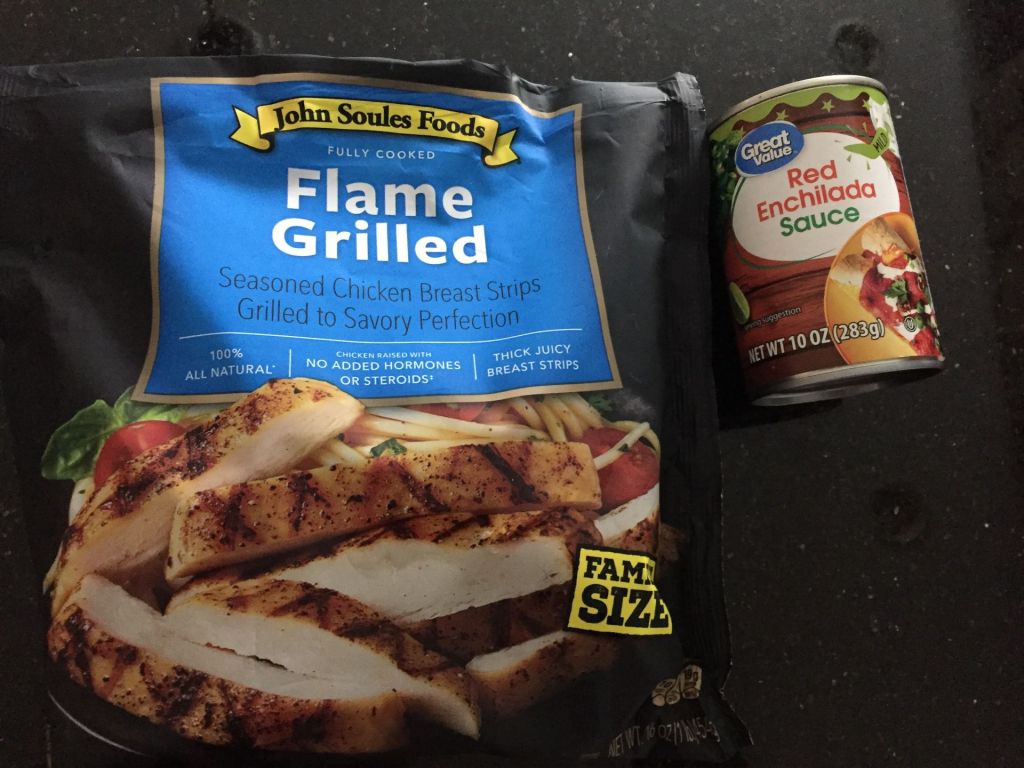
However, Sena did make the whole enchilada last night for dinner.
Sena has placed the order for our eclipse glasses and eclipse T-shirts. They should get here in plenty of time for the solar eclipse on April 8, 2024. And if the weather is really crappy that day—we have 30 days to return them.
There is an interesting history of eclipses on the NASA website. It mentions how Einstein hypothesized that gravity warped space and time, distorting the universe. The sun is big enough that its gravity could bend light. In fact, during the eclipse on May 29, 1919, scientists noted that some stars were in the wrong place, proving Einstein’s theory.
And now for some eclipse jokes:
What do you call it when you fall in love on April 8, 2024? A total eclipse of the heart.
What will the moon bring to the beach on April 8, 2024? Sunblock.
Jupiter to the moon on April 8, 2024: Do you remember the sun?
Moon: No, I blocked it out.
Sena: How do you organize a solar eclipse party?
Jim: I don’t know. How?
Sena: You planet!
An interesting Iowa history story is about the solar eclipse of 1869. Several small markers were placed in various locations to mark the event. Many were lost. They were plowed out or covered up. The author mentions the upcoming 2024 solar eclipse and wonders if anyone will leave markers to remember it.
I think what some may leave behind are tattered eclipse glasses and cheeseburger wrappers. But we’ll have our memories to pass on in stories, pictures, and dad jokes—a living monument.
We just found out there’s going to be a total solar eclipse on April 8, 2024. We hope to get some solar eclipse glasses before then if they don’t run out of stock everywhere. They’re selling fast.
We’ve seen a couple of lunar eclipses and those were fun. The most recent one was during cold weather in November 2022. I had to wear a winter coat.
In Iowa City, it starts at about 1:00 PM on April 8, 2024 and runs until a little after 3:00 PM. We missed the last one in 2017. The next one visible in the U.S. won’t be until 2044. We think we better see the one next month.
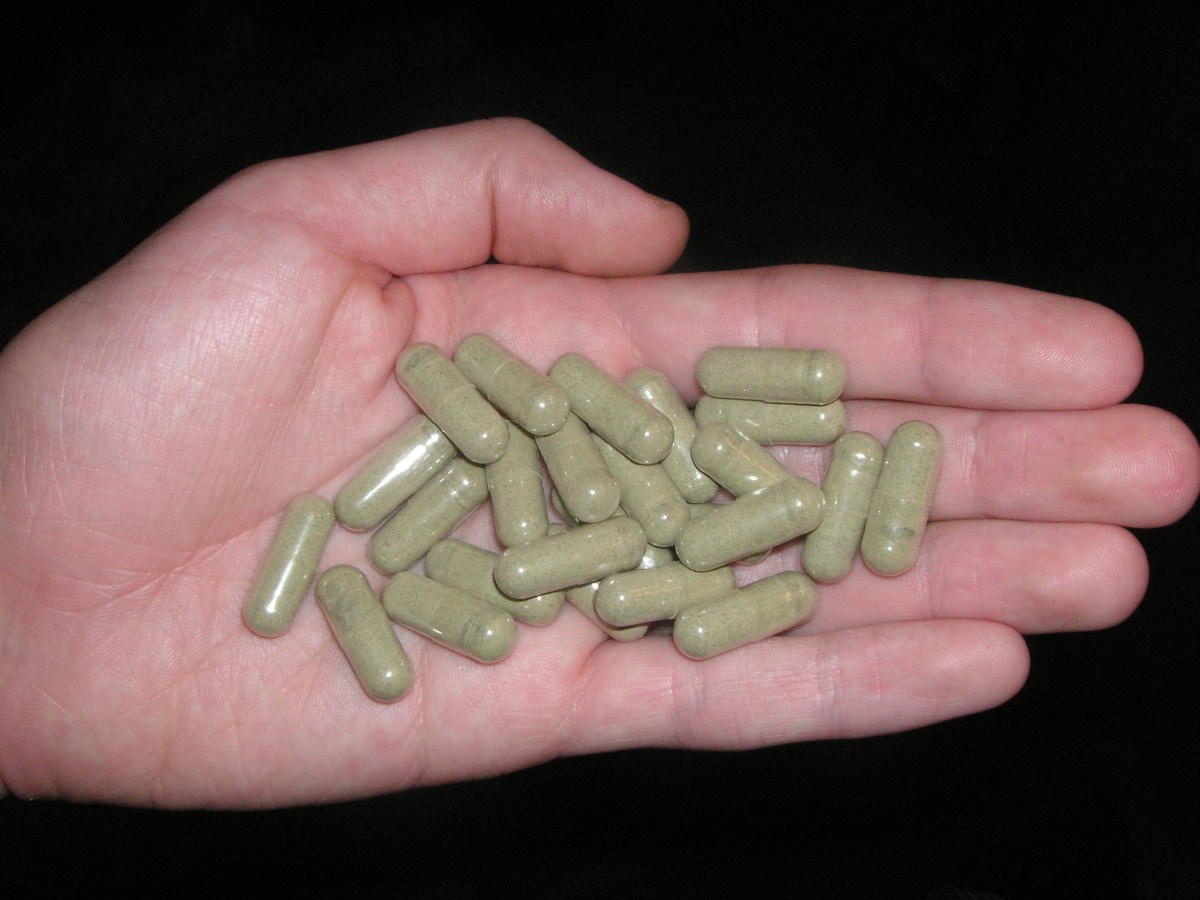
Just in case you missed it, the FDA posted an announcement about Kratom in February this year. According to the FDA:
“Kratom is a tropical tree (Mitragyna speciosa) that is native to Southeast Asia. Products prepared from kratom leaves are available in the U.S. through sales on the Internet and at brick-and-mortar stores. Kratom is often used to self-treat conditions such as pain, coughing, diarrhea, anxiety and depression, opioid use disorder, and opioid withdrawal.”
The other day as we were driving home on Highway 1 through Iowa City, I saw a sign advertising Kratom on a small store. I thought that might be illegal, but when I checked the Iowa Office of Drug Control and Policy, I found out it’s currently legal in the state.
Opinions vary about risks of using Kratom. The DEA tried to place in on the Schedule I, but the American Kratom Association and other supporters apparently prevented that simply by protesting it. The pharmacist who wrote the article (link above) raised a note of irony by questioning why marijuana is still regulated as a Schedule I drug.
The legality of Kratom also varies across the country. There is a very detailed review article about it that attempts to examine the use of Kratom from both the medical practitioner and patient points of view.
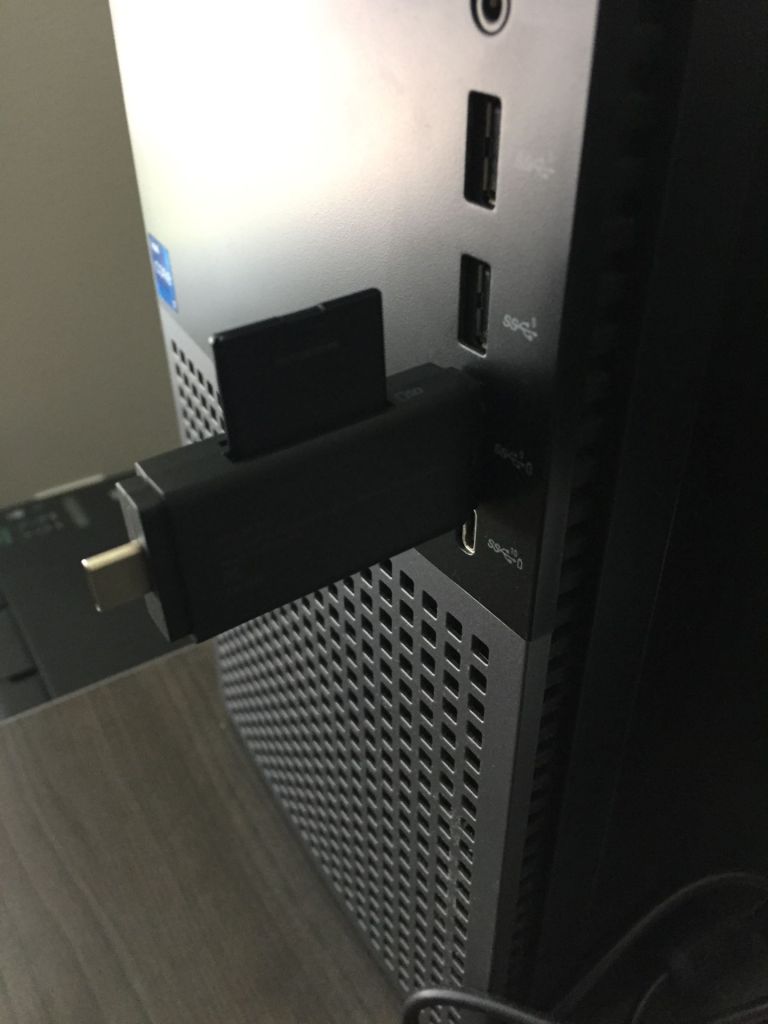
I have an SD card (more commonly called just a “memory card”) for my camera and the other day I couldn’t download the videos to my computer using the SD card reader in the tower. The card reader is just a slot-shaped port in the tower, above the USB ports. SD stands for Secure Digital. It’s really secure when you can’t download any videos or pictures.
This had never happened before. Naturally I turned to the internet for guidance, which was my first mistake. I never saw so many web sites with confusing advice, some of which involve zip lines.
Most of the web sites assumed I could see the icon for the SD card on my computer screen, but I couldn’t. Several web site help sites (hah!) breezily suggested I rename the disc or update the driver, or contact the extraterrestrials who manufactured the item as if I wanted them to know where I am so they can abduct me again.
This suggested the problem was probably the SD card reader in my computer—The XPS 8950, my nearly new computer which has already had major parts replaced and which is now out of warranty.
Only a couple of websites were on the right track about the SD card reader itself. One expert said that if I blew in the slot (That’s right! Not as dumb as it sounds; dust can be a problem) and wiped the card with a Q-Tip, and it still didn’t work, I should try it in a different computer. If it worked, then the problem was probably the card reader. It turns out you can blow on the SD card reader or the SD card until you’re blue in the face if the card is not detected in the Device Manager or any Device. If the card is dead, you get a new card, “and let it go.” Those are the exact words from that expert. Do I also have to sit in the lotus position?
Anyway, I did try the card in the SD card reader in my wife’s computer. It worked!
But if the SD card works in another device, the problem could be a dead SD card reader. What should you do?
Well, when a couple of fans went out in my tower when it was under warranty, a repair guy came over, took the tower apart and replaced the fans. My machine is out of warranty and I don’t want to go through the same hassle of negotiating with the manufacturer to work out a time compatible with the repair guy’s bowling league schedule to drive to our house from British Columbia.
On the other hand, could I replace the SD card reader in the tower itself? A long time ago, I replaced a fan in my computer, which reminds me; you should never install oscillating fans in a computer.
Here’s the thing—I found a web page that fits my situation exactly, right down to the make and model of the tower. It turns out that it’s probably not possible to replace the SD card reader in the tower without replacing the mother board, which you, as a home user, should not attempt unless you have been drinking heavily.
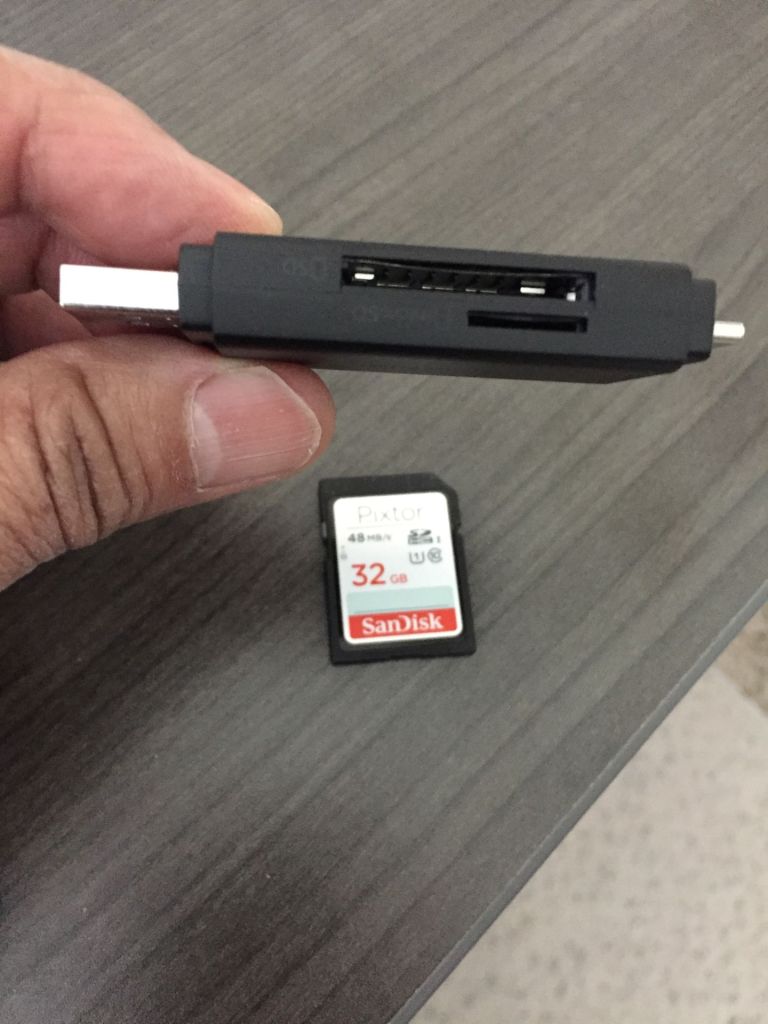
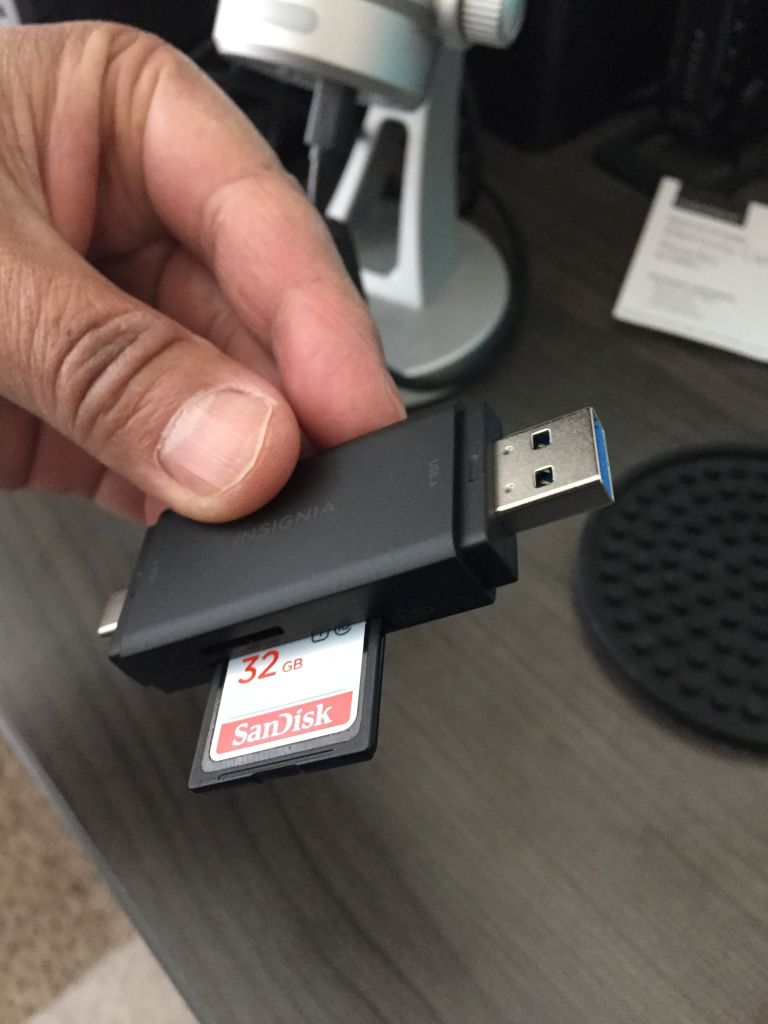
What I found out is that combination USB with SD card readers are available and all you have to do is stick the SD card in the reader slot on the unit and plug the USB into the port on the tower. The whole thing fits in the palm of your hand.
Last Saturday on Svengoolie, I watched for the second time the 1963 movie “Comedy of Terrors,” a slapstick horror spinoff of Shakespeare’s farce, “Comedy of Errors”—which I’ve never seen. I didn’t see the whole movie the first time around, and I can’t remember exactly where I saw it. Most likely it was on Svengoolie.
The movie story is not actually based on the Shakespeare comedy itself. Most of the lines by Basil Rathbone (as Mr. Black) sounded vaguely familiar and I think they were from “Macbeth.” Vincent Price (Mr. Trumbull) plays an evil mortician and Peter Lorre (Mr. Gillie) plays his bungling assistant. They bury people in a casket which they use over and over because they dump the corpses in the graves after the mourners leave. Boris Karloff plays Hinchley, the senile father of Trumbull’s wife, Amaryllis who is played by Joyce Jameson.
Basil Rathbone as Mr. Black is the landlord who threatens to evict Trumbull from his house if he doesn’t come up with the rent sooner rather than later. This leads to Trumbull’s plan to kill Mr. Black—who doesn’t stay dead more than a few minutes, repeatedly springing back to life and flawlessly reciting Shakespeare in a thundering voice, before collapsing periodically back into his lifelong affliction with bouts of catalepsy.
Now, you know I’m going to have something to say about catalepsy because I’m a retired consultation-liaison psychiatrist and I’ve seen enough patients with catatonia who display various signs of that neuropsychiatric disorder, including catalepsy. According to the University of Rochester Bush-Francis Catatonia Rating Scale Assessment Resources, catalepsy is defined as “Spontaneous maintenance of posture(s), including mundane (e.g., sitting/standing for long periods without reacting).”
After Mr. Black has an apparent heart attack after being shocked by the sight of Mr. Gillie, who sneaked into his house, the butler calls for the doctor. The butler reminds the doctor that the distinguished gentleman suffers from periodic episodes of “catalepsy.” The doctor insists that Mr. Black is dead after applying a perfunctory examination.
After that Mr. Black abruptly snaps into and out of periods of catalepsy typically reciting Shakespeare perfectly, even after Mr. Trumbull shoots him a few times. Needless to say, catalepsy is only one feature of many. It almost invariably appears in those who have severe neuropsychiatric illness such as schizophrenia or epilepsy and they would rarely be able to speak so eloquently.
What amazed me is that all of the actors remembered and spoke their lines perfectly, despite being lengthy and polysyllabic.
Although the film didn’t do well at the box office, I thought it was pretty funny. You can view it for free at the Internet Archive.














 Go Retire Psychiatrist