SAINT Therapy for Treatment Resistant Depression at The University of Iowa

First of all, if you looked up Saint therapy for depression, you might have accidentally found information on Saint Dymphna, the Catholic patron saint of those living with mental illness.

Actually, SAINT stands for Stanford accelerated intelligent neuromodulation therapy. It’s a personalized protocol for using transcranial magnetic stimulation (TMS) to treat severe depression. The University of Iowa is the first academic center to offer it in the Midwest.

This is a big step forward from the days many years ago when we were starting use right unilateral electrode placement for applying electroconvulsive therapy (ECT) to treat depression because it was thought to lead to fewer cognitive problems post-treatment.

SAINT is a game changer according to Dr. Nicholas Trapp, MD, assistant professor of psychiatry, who describes it as a method to pinpoint the best location in each patient’s brain to target with TMS to treat major depressive disorder. The procedure is quick and recovery from depression can be sustained for months.

Kudos to The University of Iowa. And maybe thanks to Saint Dymphna.

How to Support University of Iowa with the One Day for Iowa Fund Drive Today!

Okay, so here’s my pitch on how potential donors can support programs at The University of Iowa. Today the One Day for Iowa fund drive kicks off, and it ends at 11:59 PM today on March 26, 2025.

I got a soft spot in my heart for The University of Iowa College of Medicine and University of Iowa Health Care (UIHC), even though my undergraduate Bachelor’s degree was from Iowa State University.

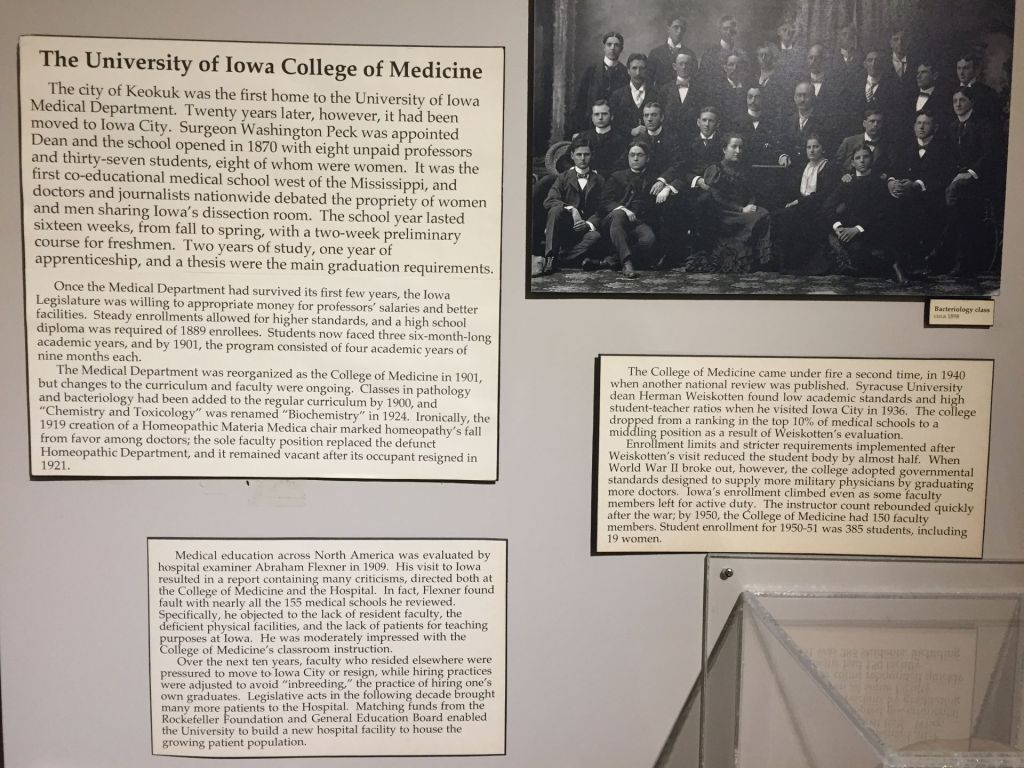
You can find in the UIHC Medical Museum a description of the historical development of the medical school. Following the Flexner Report in 1909 which found fault with all U.S. medical schools including Iowa’s, there was a drive to avoid “inbreeding,” meaning hiring of one’s own graduates. Nowadays, there are legislative efforts to keep as many as we can of Iowa’s best and brightest.  

Go Hawkeyes!

How About Artificial Intelligence for Helping Reduce Delirium in the ICU?

I got the Winter 2025 Hopkins Brain Wise newsletter today and there was a fascinating article, “Using AI to Reduce Delirium in the ICU: Pilot Study will explore AI headset can help reduce delirium and delay post-delirium cognitive decline.”

The article has exciting news about what researchers are doing which will, hopefully, reduce the incidence of delirium in the intensive care unit (ICU). Another Hopkins researcher has published a study that has already used AI algorithms to detect early warning signs of delirium in the ICU;

Gong, Kirby D. M.S.E.1; Lu, Ryan B.S., M.D., Ph.D.2; Bergamaschi, Teya S. M.S.E., Ph.D.3; Sanyal, Akaash M.S.E.4; Guo, Joanna B.S.5; Kim, Han B. M.S.E.6; Nguyen, Hieu T. B.S., Ph.D.7; Greenstein, Joseph L. Ph.D.8; Winslow, Raimond L. Ph.D.9; Stevens, Robert D. M.D.10. Predicting Intensive Care Delirium with Machine Learning: Model Development and External Validation. Anesthesiology 138(3):p 299-311, March 2023. | DOI: 10.1097/ALN.0000000000004478

The list of references for the study of course include those by Dr. E. Wesley Ely, who delivered an internal medicine grand rounds about delirium at the University of Iowa in 2019.

Anybody who reads my blog knows I’ve been knocking AI for a while now. However, anybody who also knows that I’m a retired consultation-liaison psychiatrist knows how interested I am in preventing delirium in the hospital. I worked as a clinical track professor for many years at The University of Iowa Health Care in Iowa City.

It’s fortuitous that I found out about what Johns Hopkins research is doing on this topic because the director of the Johns Hopkins psychiatry department happens to be Dr. Jimmy Potash MD, MPH, who’s identified on the newsletter. He was the head of the psychiatry department at the University of Iowa from 2011-2017.

Besides all the name-dropping I’m doing here, I’m also admitting that I’ll probably soften my position against AI if the research described here does what the investigators and I hope for, which is to reduce delirium in the ICU.

Dr. Martin Luther King Jr. 2025 Events and Some Thoughts

Dr. Martin Luther King Jr. Week started January 20, 2025. There will be several very worthwhile events, many of which are listed here.

Isabel Wilkerson, winner of the Pulitzer Prize and National Humanities Medal, will deliver the Dr. Martin Luther King Jr. Distinguished Lecture on February 5, 2025 at the University of Iowa Medical Education and Research Facility (MERF); Prem Sahai Auditorium. General admission is free although it’s a ticketed event, more information here.

I was searching the web for articles about whether and when Dr. Martin Luther King Jr. visited Iowa and found one that sparked personal memories of defeat, which Dr. King talked about when he visited my alma mater, Iowa State University in Ames in 1960, where he said:

“The Negro must not defeat or humiliate the white man, but must gain his confidence. Black supremacy would be as dangerous as white supremacy. I am not interested in rising from a position of disadvantage to a position of advantage.”

This quote was in an article entitled “Mentality Has Outrun Morality” in the January 23, 1960 issue of the Ames Tribune.

It reminded me of two episodes in my life which left me with a strong sense of defeat in the context of racism.

One of them was ages ago when I was a young man and somehow got involved in a pickup game of basketball with guys who were all white. I was the only black man.  This was in Iowa. The members of my team were those I worked with. The opponents were men my co-workers challenged to a game of basketball. I had never been in such a contest before. I think we lost but what I remember most vividly is a comment shouted by one of the opponents: “Don’t worry about the nigger!” I sat on the bleachers for the rest of the game while they played on. I remember feeling defeated—and wondering whose team I was really on.

The other incident was also long ago (but I was a little older), when I was a member of a debating team at Huston-Tillotson College in Texas (now Huston-Tillotson University, one of America’s HBCUs). We were all black. We were debating the question of whether capital punishment was a deterrent or not to capital crime. I couldn’t get a word in edgewise with my opponent. He just kept a running speech going, punctuated with many “whereas” points, one of which I’m pretty sure included the overrepresentation of black men on death row. I had never been in a debate before. My professor remarked that my opponent won the debate by being bombastic—for which there didn’t seem to be a countermeasure. I remember feeling defeated—and wondered if I was on the wrong team.

There’s a lot of emphasis on defeating others in sports, politics, religion, and the like. On a personal level, I learned that defeat didn’t make me feel good. I’m pretty sure most people feel the same way.

Dr. King also said “We can’t sit and wait for the coming of the inevitable.”

I’m not sure exactly what he meant by “the coming of the inevitable.” What did he mean by the “emerging new order”? Did he mean the second coming? Did he mean the extinction of the human race when we all kill each other? Or did he mean the convergence of humanity’s insight into the need for cooperation with the recognition of the planet’s diminishing resources?

I don’t know. I’m just an old man who hopes things will get better.

Artificial Intelligence: The University of Iowa Chat From Old Cap

This is just a quick follow-up which will allow me to clarify a few things about Artificial Intelligence (AI) in medicine at the University of Iowa, compared with my take on it based on my impressions of the Rounding@Iowa presentation recently. Also, prior to my writing this post, Sena and I had a spirited conversation about how much we are annoyed by our inability to, in her words, “dislodge AI” from our internet searches.

First of all, I should say that my understanding of the word “ambient” as used by Dr. Misurac was flawed, probably because I assumed it meant a specific company name. I found out that it’s often used as a term to describe how AI listens in the background to a clinic interview between clinician and patient. This is to enable the clinician to sit with the patient so they can interact with each other more naturally in real time, face to face.

Further, in this article about AI at the University of Iowa, Dr. Misurac identified the companies involved by name as Evidently and Nabla.

The other thing I want to do in this post is to highlight the YouTube presentation “AI Impact on Healthcare | The University of Iowa Chat From the Old Cap.” I think this is a fascinating discussion led by leaders in patient care, research, and teaching as they relate to the influence of AI.

This also allows me to say how much I appreciated learning from Dr. Lauris Kaldjian during my time working as a psychiatric consultant in the general hospital at University of Iowa Health Care. I respect his judgment very much and I hope you’ll see why. You can read more about his thoughts in this edition of Iowa Magazine.

“There must be constant navigation and negotiation to determine if this is for the good of patients. And the good of patients will continue to depend on clinicians who can demonstrate virtues like compassion, honesty, courage, and practical wisdom, which are characteristics of persons, not computers.” ——Lauris Kaldjian, director of the Carver College of Medicine’s Program in Bioethics and Humanities

Fluoride in Your Precious Bodily Fluids

Yesterday, Sena and I talked about a recent news article indicating that a federal judge ordered the Environmental Protection Agency (EPA) to review the allowed level of fluoride in community water supplies. The acceptable level may not be low enough, in the opinion of the advocacy groups who discussed the issue with the judge, according to the author of the article.

A few other news items accented the role of politicians on this issue. This seems to come up every few years. One thing leads to another and I noticed a few other web stories about the divided opinions about fluoride in “your precious bodily fluids.” One of them is a comprehensive review published in 2015 outlining the complicated path of scientific research about this topic. There are passionate advocates on both sides of whether or not to allow fluoride in city water. The title of the paper is, “Debating Water Fluoridation Before Dr. Strangelove” (Carstairs C. Debating Water Fluoridation Before Dr. Strangelove. Am J Public Health. 2015 Aug;105(8):1559-69. doi: 10.2105/AJPH.2015.302660. Epub 2015 Jun 11. PMID: 26066938; PMCID: PMC4504307.)

This of course led to our realizing that we’ve never seen the film “Dr. Strangelove Or: How I Learned to Stop Worrying And Love the Bomb,” a satire on the Cold War. We watched the entire movie on the Internet Archive yesterday afternoon. The clip below shows one of the funniest scenes, a dialogue between General Jack Ripper and RAF officer Lionel Mandrake about water and fluoridation.

During my web search on the fluoridation topic, one thing I noticed about the Artificial Intelligence (AI) entry on the web was the first line of its summary of the film’s plot: “In the movie Dr. Strangelove, the character Dr. Cox suggests adding fluoride to drinking water to improve oral health.” Funny, I don’t remember a character named Dr. Cox in the film nor the recommendation about adding fluoride to drinking water to improve oral health. Peter Sellers played 3 characters, none of them named Cox.

I guess you can’t believe everything AI says, can you? That’s called “hallucinating” when it comes to debating the trustworthiness of AI. I’m not sure what you call it when politicians say things you can’t immediately check the veracity of.

Anyway, one Iowa expert who regularly gets tapped by reporters about it is Dr. Steven Levy, a professor of preventive and community dentistry at the University of Iowa. He’s the leader of the Iowa Fluoride Study, which has been going on over the last several years. In short, Dr. Levy says fluoride in water supplies is safe and effective for preventing tooth decay in as long as the level is adjusted within safe margins.

On the other hand, others say fluoride can be hazardous and could cause neurodevelopmental disorders.

I learned that, even in Iowa there’s disagreement about the health merits vs risks of fluoridated water. Decisions about whether or not city water supplies are fluoridated are generally left to the local communities. Hawaii is the only state in the union which mandates a statewide ban on fluoride. About 90 per cent of Iowa’s cities fluoridate the water. Tama, Iowa stopped fluoridating the water in 2021. Then after a brief period of public education about it, Tama restarted fluoridating its water only six months later.

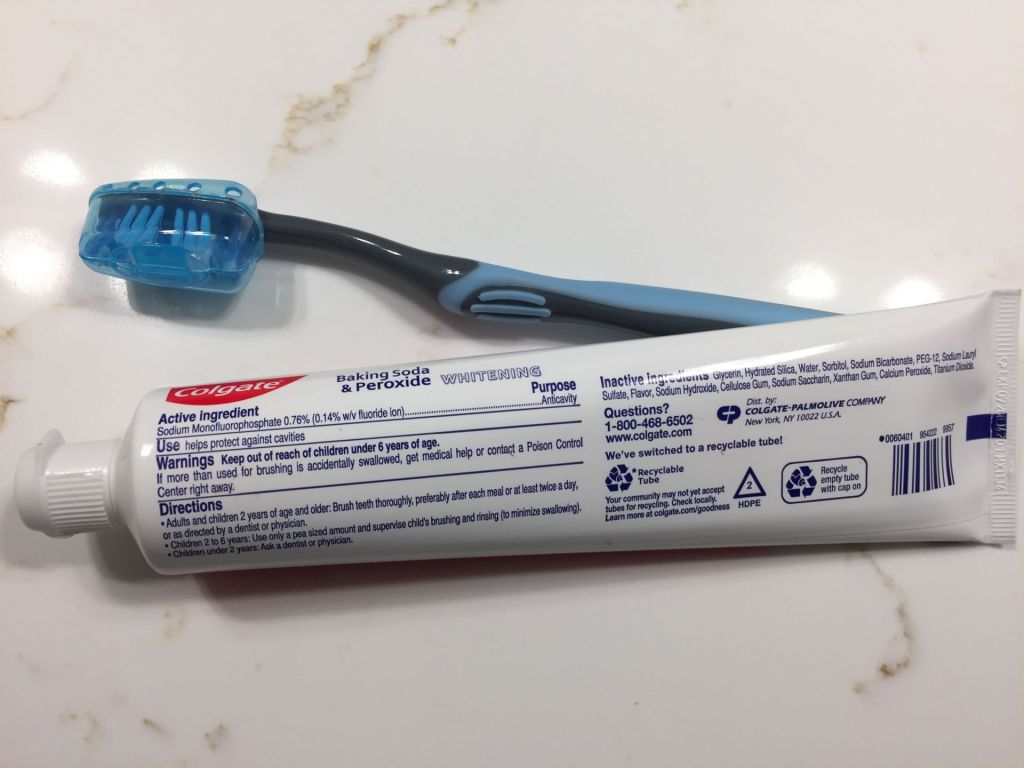
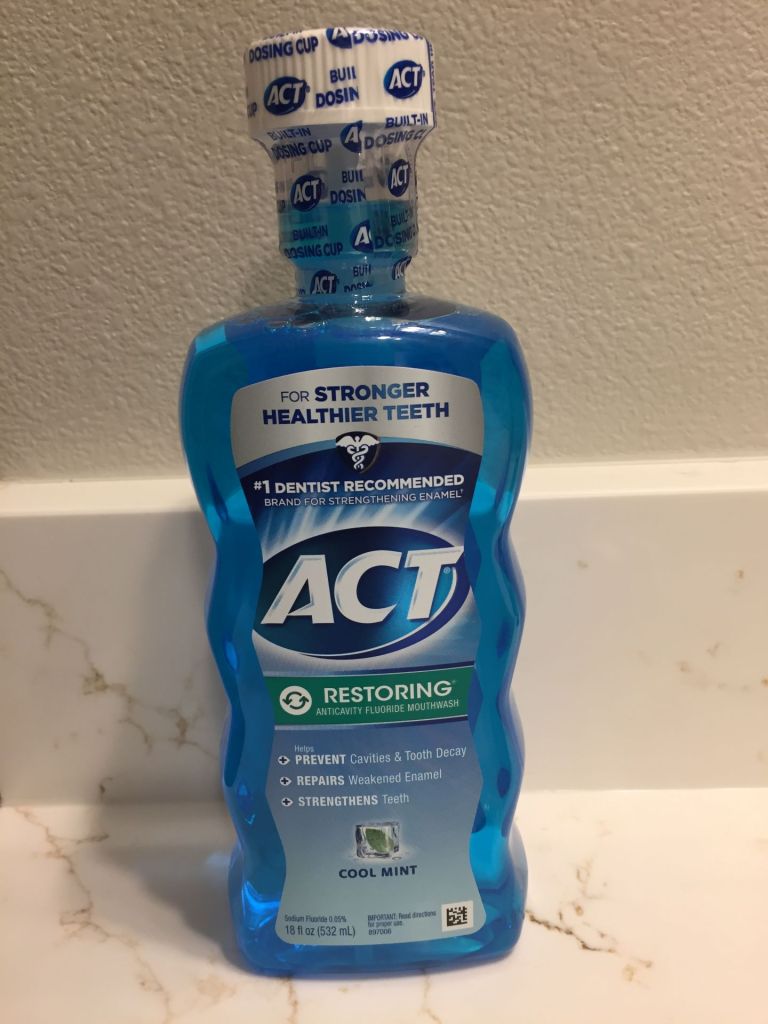
We use a fluoridated dentifrice and oral rinse every day. We drink fluoridated water, which we offer to the extraterrestrials who occasionally abduct us, but they politely decline because of concern about their precious bodily fluids.

University of Iowa Psychiatrists Publish Huntington Disease Study Results

I ran across a fascinating story about a study on Huntington’s disease published by members of the University of Iowa Health Care. The study examined how the Huntington’s disease gene might enhance brain development and function early in life prior to the onset of the devastating disease. It was published in The Annals of Neurology:

I also found an abstract for a paper about Woody Guthrie, a famous American musician and activist who was very creative in his early life, but sadly succumbed to the ravages of Huntington’s disease when he was 55 years old. I couldn’t access the full article without paying for it but the abstract was intriguing because I wondered whether the author suspected something similar to the premise of the study:

Ringman JM. The Huntington disease of woody guthrie: another man done gone. Cogn Behav Neurol. 2007 Dec;20(4):238-43. doi: 10.1097/WNN.0b013e31815cfee4. PMID: 18091075. Abstract: Woody Guthrie was an American songwriter, musician, writer, and political activist who died with Huntington disease (HD) in 1967 at age 55. His relatively brief creative life was incredibly productive with countless songs and a tremendous volume of letters to his name. His personal life was similarly driven with Woody having had 3 wives and at least 9 children and an insatiable appetite for traveling the United States. In this essay, I explore Guthrie’s art in relation to the development of the overt behavioral changes and chorea that characterized his illness. Woody’s most productive time artistically was in the 5 years immediately preceding the onset of overt symptoms of HD. I hypothesize that subclinical HD may have been an important driving force behind Woody Guthrie’s creativity.

If anybody knows, please comment.

Woody Guthrie was certainly an important figure in the American history of activism as well as music.

Usually, I would share the music of some of the artists I mention on this blog. On the other hand, one of the co-authors of the University of Iowa paper mentioned above is Doug Langbehn, my former colleague, who’s an accomplished musician and statistician. So instead, I thought I’d share the talent of Doug and his band.

U.S. News & World Report Ranks Iowa City Hospital in 9 Specialties

The University of Iowa Stead Family Childrens Hospital in Iowa City has ranked in 9 pediatric specialties, including pediatric behavioral health by U.S. News & World Report!

University of Iowa Writing Programs Get High Ranking from U.S. News & World Report

The University of Iowa ranks No. 9 across all universities in the country for its power in the writing disciplines., according to the 2024 U.S. News & World Report.

The school is well known for its writing programs of which the The Writers Workshop is the best known.

The University of Iowa also gives medical students a leg up on writing in its Writing and Humanities Program, which offers courses such as writing and medicine and editorial writing.

This reminds me of a couple of things, one of which was the University of Iowa medical school note service. Many medical schools have note services so that not all students have to write their own lecture notes. It’s ironic in a way that one of the best known public medical schools didn’t encourage all the medical students to labor over their own class notes. I volunteered once to write notes for the class. It was hard work.

The other thing writing education at the University of Iowa reminds me of is the Iowa Avenue Literary Walk. There are several plaques along Iowa Avenue which honor famous authors who had Iowa connections, often through the Iowa Writers Workshop. My favorite is one by Kurt Vonnegut, a former teacher at the workshop.

Thoughts on the Homeless Mentally Ill

The homeless man who lives on the sidewalk outside our hotel reminds me of a couple of things. One is Dr. Gerard Clancy, MD who is University of Iowa Health Care Professor of Psychiatry, Professor of Emergency Medicine, and Senior Associate Dean of External Affairs.

I remember Gerry, who was in the department of psychiatry when I was a resident. I saw his picture in the newspaper and hearing about him riding a bicycle around Iowa City doing a sort of outreach to the homeless mentally ill.

I found an archived article mentioning him published in 1995 in the Daily Iowan. The story starts on the bottom of the front page, entitled “I.C. opens new doors for area’s mentally ill.” It continues on page 9A.

The story mentions Dr. Clancy and what was called then the Clinical Outreach Services and the Emergency Housing Program (EHP). The challenges then sound a lot like what they are now: long waiting lists for psychiatric evaluation and treatment, a lack of funding for the treatment of mental illness, and a lack of preventive care. The most common mental illnesses in the homeless mentally ill are chronic schizophrenia, schizoaffective disorder, and bipolar disorder. The idea of reaching out to them “on their own turf” as Clancy was quoted, was to help them feel more comfortable talking about their mental illness.

The housing situation for this population of those struggling with mental illness was dismal then and it’s still dismal.

The homeless guy I’ve been calling Bob lives on the sidewalk next to a busy street. It’s just my opinion that he’s mentally ill based on my observations of his behavior. I’ve never tried to talk to him. However, Bob gets visits from people who obviously have differing views about the way he lives.

Some of them do talk to him and, although I can’t hear their conversations, the actions tell me important things. Some bring him what I call “care packages,” often food, water, and other items. They may start by acting kind, although may get impatient with him. Others try to clean up his sidewalk, and may criticize him. The police occasionally visit and have so far not taken him into custody.

It looks like things have not changed much since 1995 regarding the homeless mentally ill based on what I write here about my observations. In fact, it’s easy to find current news stories that say things are getting worse.

At the beginning of this post, I said I found a couple of things. The other thing was a very thorough teaching presentation about the current state of formal outreach to this population. It’s available on the web as a power point presentation by another University of Iowa faculty, Dr. Victoria Tann, MD, entitled “Assertive Community Treatment 101.”

Dr. Tann is currently an IMPACT Team psychiatrist. It’s an excellent source of background on the history of this effort at outreach to the homeless mentally ill. It also summarizes what’s happening with the program now.