Why Can’t I Wear Blue After Labor Day?

I have a few thoughts on the upcoming Labor Day weekend. It occurs to me that Labor Day often evokes images of blue-collar workers. On the other hand, I think in a broader view of the holiday, most of us can think of ourselves as working toward improving our society no matter whether our jobs are in the white-collar or blue-collar sector.

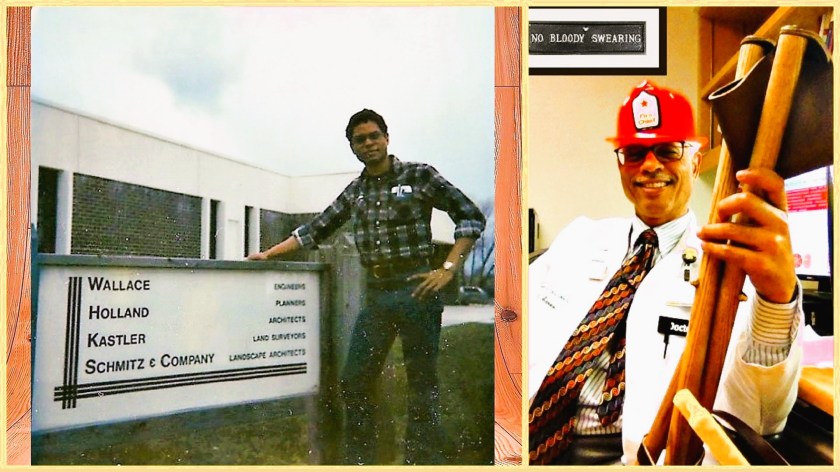
Many eons ago, I was a blue-collar worker. I was a surveyor’s assistant and drafter for a consulting engineers’ company in Mason City, Wallace Holland Kastler Schmitz & Co. (WHKS & Co.). I got attached to my job because it was the first real job I ever had.

I was proud of what I did, even though I didn’t make much money. I had to travel around the state a lot. I lived at the YMCA and ate all my meals in cafes because I was often out of town on jobs and when I was not, there was no kitchen in my tiny sleeping room at the Y.

I wore blue jeans and tee shirts, flannel shirts when I wasn’t out in the hot sun. I liked being outside except when the ragweed was out in the late summer. I had bad hay fever. I tried desensitization shots, but all they did was make my arm swell up. Winters were cold, especially if I had to stand in one place for a long time, either holding up the rod or running the gun.

I was mostly a rear chain man and rod man early on, but moved up to “running the gun” which meant operating the level and theodolite, the former for measuring elevations and the latter for measuring angles. I was proud of my job.

It took me a while to transition from blue-collar to white-collar mindset. In college, I often returned to work for WHKS during the summer breaks. That was where I formed my identity.

Some aspects of the job were simple. You hammered a stake, an iron property marker, or a frost pin if the ground was frozen. Measuring distances, angles, and elevations were often repetitive tasks, yet satisfying because they marked progress toward a concrete goal, like building an airport runway, establishing the outline of a tract of farmland, or raising a bridge. As one of my bosses on the survey crew put it, the work helped you see “the lay of the land.”

Land surveying, mapping, and drawing up plans set my perspective on life when I was a young man. At one time, that perspective made me think I wanted to be an engineer. I respected engineers because they built the subdivisions, highways, dams, and other real things from ideas.

I respected my teachers at WHKS, but couldn’t do the math. And they respected my change of heart.

I eventually became a doctor, after a short stint as a medical technologist in clinical laboratory medicine. You’d think, given my hands-on background, I would have become a surgeon, but I wasn’t made for that either.

I learned basic things at WHKS like being steady, reliable, and focused. I had to learn other things to be a doctor, especially a psychiatrist. On the other hand, in this white-collar environment, especially in a research-oriented academic medical center, I often looked and acted more like a blue-collar worker.

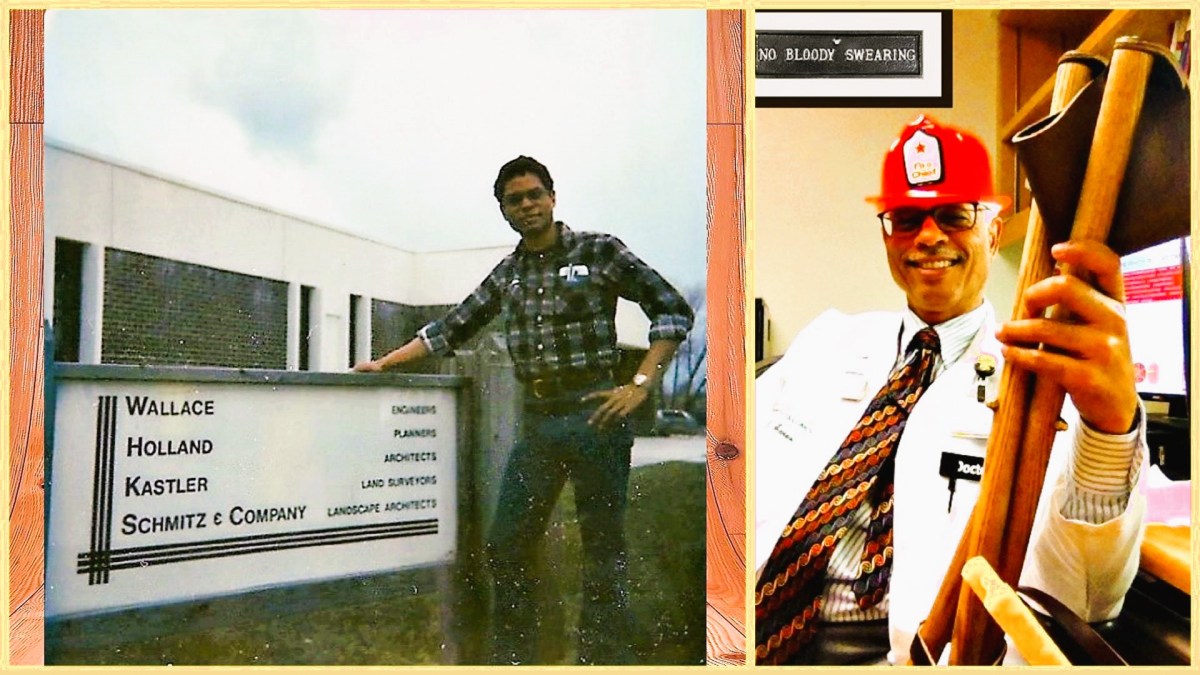
One of the Family Medicine residents who rotated on the psychiatry consultation-liaison service left me a gift of a fireman’s helmet. It fit my head and my approach to psychiatry in the general hospital. What I did mostly was put out the fires, metaphorically speaking, of behavioral eruptions related to delirium which were caused by medical problems. Often, I had to apply blue-collar approaches in a white-collar world. So, can I wear blue after Labor Day?

Happy Labor Day.

“I Have a Dream” Speech 60 Years Later

Today is the 60th anniversary of the Reverend Dr. Martin Luther King Jr’s “I Have a Dream” speech at the Lincoln Memorial in Washington D.C.

I was too young to remember it. However, I have a deep appreciation of the meaning it has not just for Black people, but for all of us. It’s not difficult to broaden the implication for all people.

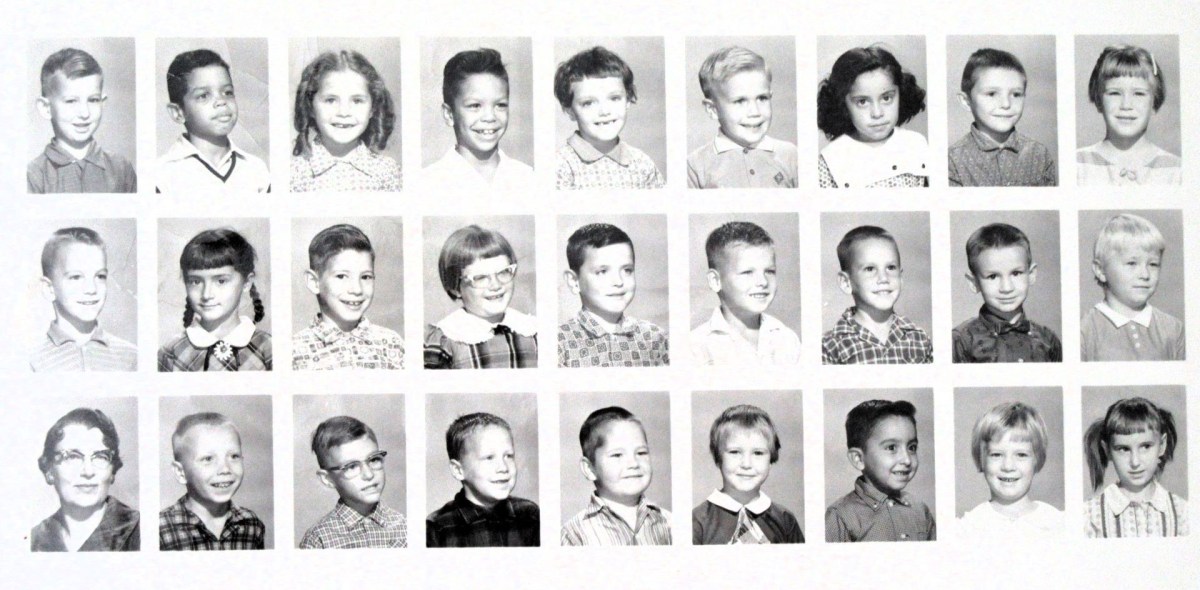
My personal reflection about this started this morning with a look at one of my primary school class pictures. I’m the handsome guy 2nd from the left in the top row. The other kids of color in the photo are Latino.  

The photo shows not just a group of kids. It also illustrates, just by chance, pretty closely the percentage of black persons in the state of Iowa as of the 2021 U.S. census, about 4%. Historically though, in the county in which I was living at that time, the percentage of nonwhite persons was listed at 0.4%. This was a 28% drop from the previous decade. In 1980, the percentage of Black people in the state was only 1.8%. As near as I can tell from the web, the current percentage of Black people as of the most recent data is 3.74% (possibly as of 2021).

My father was black and my mother was white. In Iowa, the law against miscegenation (marriage between blacks and whites) was repealed in 1839. On the other hand, my parents got their marriage license in 1954 in Watertown, South Dakota—which was 3 years prior to when that state repealed its law against interracial marriage. Right below the license, though, is a certificate of marriage marked State of South Dakota in Codington County. It certifies that my parents were married in Mason City, Cerro Gordo County in the state of Iowa.

I’m not going to try to puzzle that one out. My mother kept a lot of old photos and legal records that anchor me in my personal history.

I have photos of my father with me and my brother, Randy. I also have photos of my mother with me and my brother.

What I don’t have are photos of all of us together. It’s understandable to ask why. I wonder if it has something to do with the culture and mindset of the time. Why was it not possible to find someone, black or white, to snap a family photo of us together?

We can pass legislation repealing anti-miscegenation laws as well as other laws to protect civil rights. That is a necessary (but perhaps insufficient) step toward non-exclusion of certain groups of people from basic human rights.

Ashley Sharpton, who is an activist with the National Action Network and daughter of Reverend Al Sharpton, said that Americans need to “turn demonstration into legislation.”

I agree with her. On the other hand, I also wonder what more has to happen in the minds of all of us to turn legislation into transformation—of our personal implicit biases, which are not in themselves always bad or inescapable.

And since we’re into rhyming, what about asking another question? Can we turn demonstration into legislation while encouraging transformation without bitter confrontation?

The Thing About Identity

I was searching on the web for something about my co-editor, Robert G. Robinson, MD, for our book Psychosomatic Medicine: An Introduction to Consultation-Liaison Psychiatry, published in 2010.

The reason I was searching for something about him was that I’ve had difficulties finding anything on the web lately about doctors I had worked with years ago and admired—and the search revealed they had died. It has been a little jarring and got me thinking about my own mortality.

My search didn’t turn up any obituary about Dr. Robinson, but I found a couple of interesting items. One of them is, of all things, a WordPress blog item, the About section. It’s dated April 2012. I’ve seen it before. It’s supposedly about a person named Dr. Robert G. Robinson, MD and the only thing on it is his name and affiliation with The University of Iowa Carver College of Medicine. Every WordPress blog has an About section. I have one and I’ve been blogging since 2010.

There’s no entry in the About section for him on WordPress. However, there was another item on the web that looked like it was a blog (It’s another blogging site called About.me), and it was labeled as an About section.  It was a biographical summary of his academic and scientific career. Of course, it was impressive. At first, it looked like he was planning to write a blog, which could have been very educational because he’s an extremely accomplished psychiatrist with a very long bibliography of published articles about psychiatric research, a lot of it about post-stroke syndromes.

But when I looked at the social media links on the WordPress page, it led to a picture of someone who is definitely not the Robinson I know. This person was a “Certified Rolfer.” Remember Rolfing? It’s a form of deep tissue massage developed in the 1970s. The Dr. Robinson I know was never involved in Rolfing.

I’m not sure what happened with the WordPress and other blog items, but it looked the WordPress section was a case of mistaken identity. The most recent genuine item on the web about him is a 2017 University of Iowa article about his receiving the Distinguished Mentor Award.

I hope somebody doesn’t get confused by that WordPress mistake.

Then, I happened to come across an article that, at first, I didn’t recognize. The link on the search page listed Dr. Robinson’s name. It’s on the Arnold P. Gold Foundation website for humanism in medicine. The title is “Are doctors rude? An Insider’s View.” It didn’t have my byline under it. It took me a minute, but I soon recognized that I wrote it in 2013. At the bottom of the page, I was identified as the author.

At first, I thought it was a mistake; there was a place for an icon that at one time had probably contained a photo of me, but it was missing. It’s my reflection about a Johns Hopkins study finding that medical interns were not doing basic things like introducing themselves to patients and sitting down with them.

This was not a case of mistaken identity. But I got a little worried about my memory for a few seconds.

Anyway, I was reminded of my tendency to have trainees find a chair for me so I could sit down with patients in their hospital rooms. I later got a camp stool as a gift from one of my colleagues on the Palliative Care consult service. It was handy, but one of my legs always got numb if I sat too long on it. It broke once and I landed flat on my fundament one time in front of a patient, family, and my trainees. The patient was mute and we had been asked to evaluate for a neuropsychiatric syndrome called catatonia. The evidence against it was the clear grin on the patient’s face after my comical pratfall—and because of the laughter that we could see but not hear.

One of the points of this anecdote is that it’s prudent to be skeptical about what you see on the internet. The other point is that parts of your identity can hang around on the web for a really long time, so it’s prudent to be skeptical about how permanent your current identity is.

Remembrance of Dr. William R. Yates MD

I was thinking about the Clinical Problems in Consultation Psychiatry (CPCP) learning sessions which was introduced to me by one of my first teachers in the University of Iowa Dept of Psychiatry, Dr. William R. (Bill) Yates.

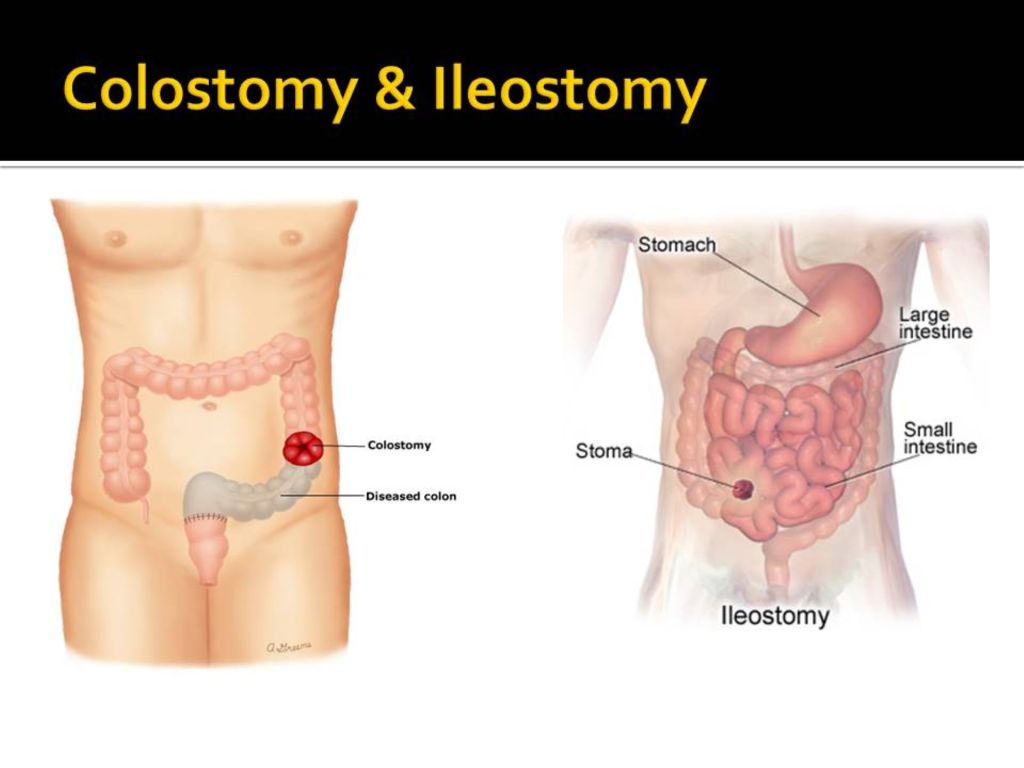
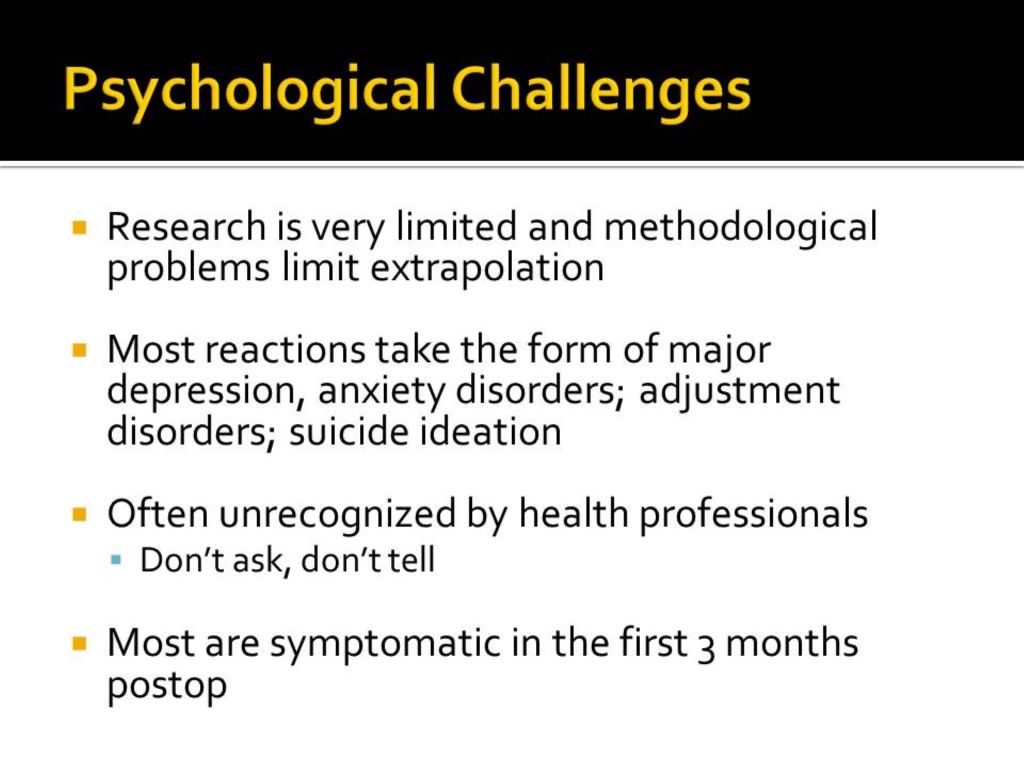
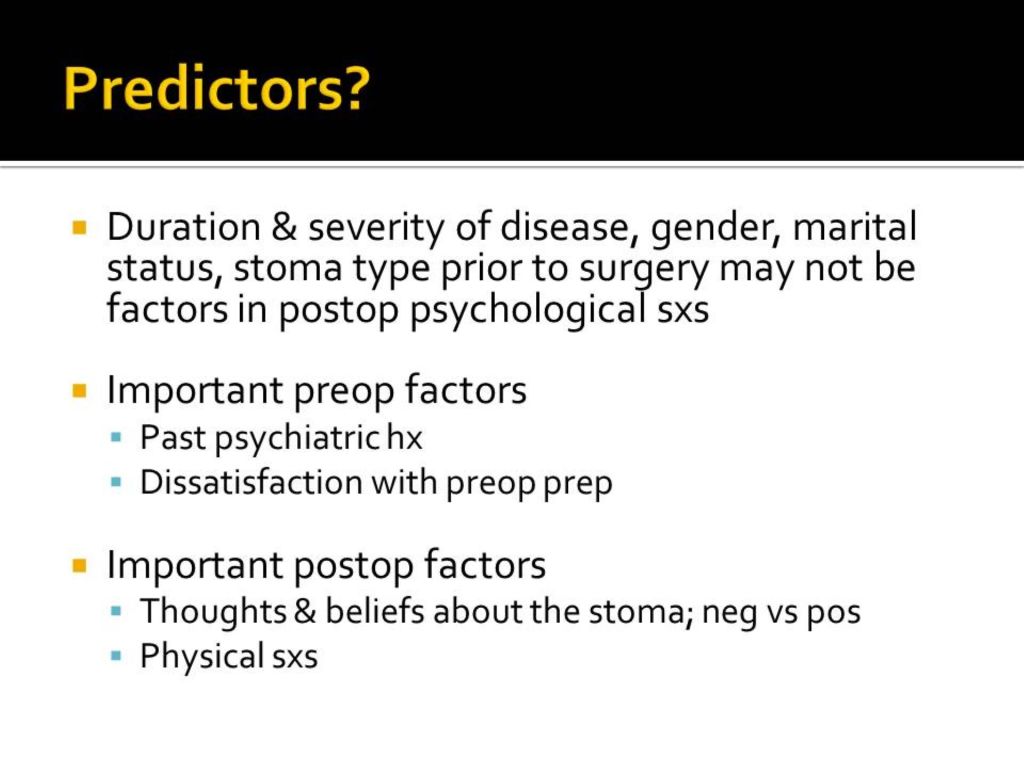
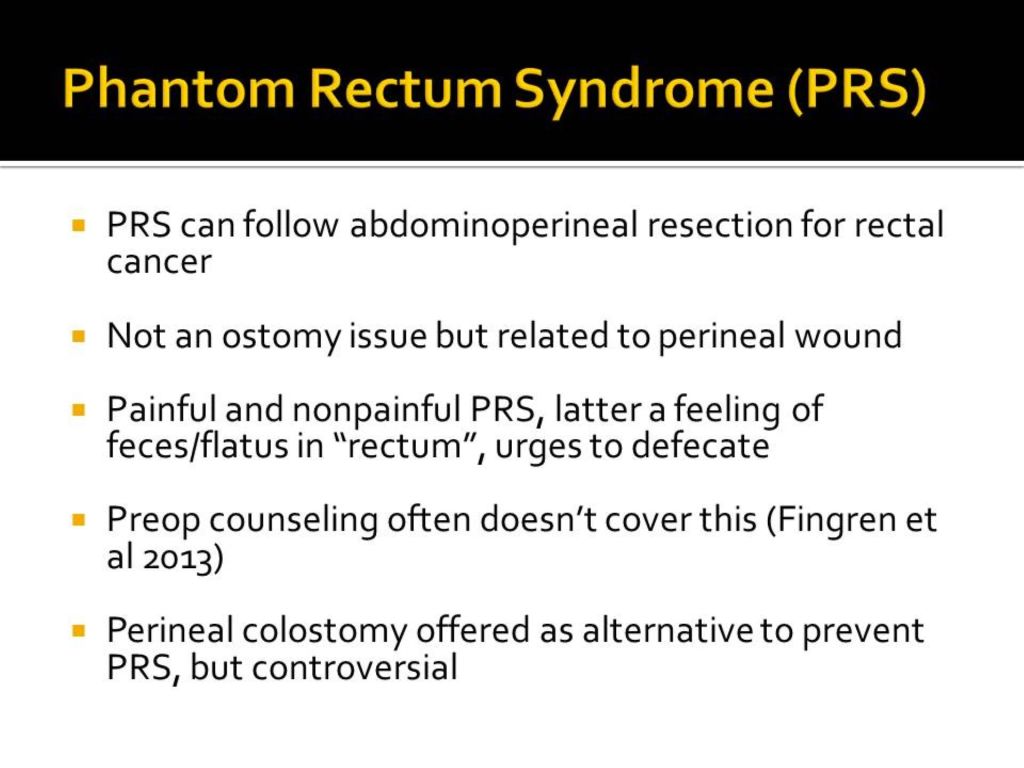
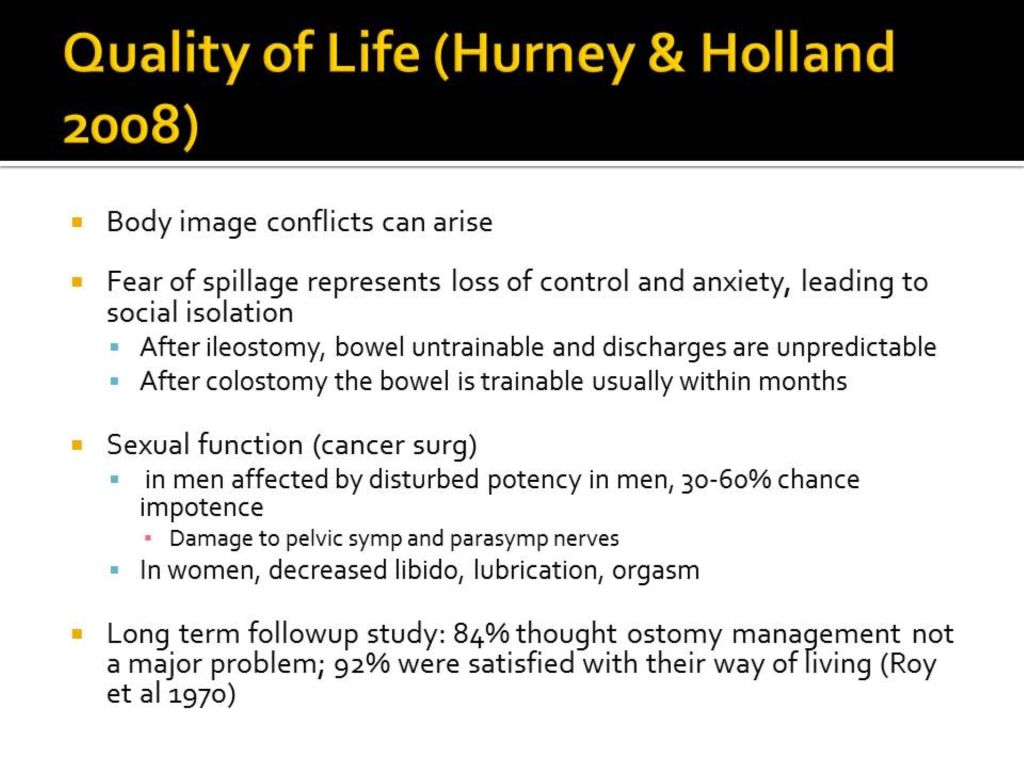
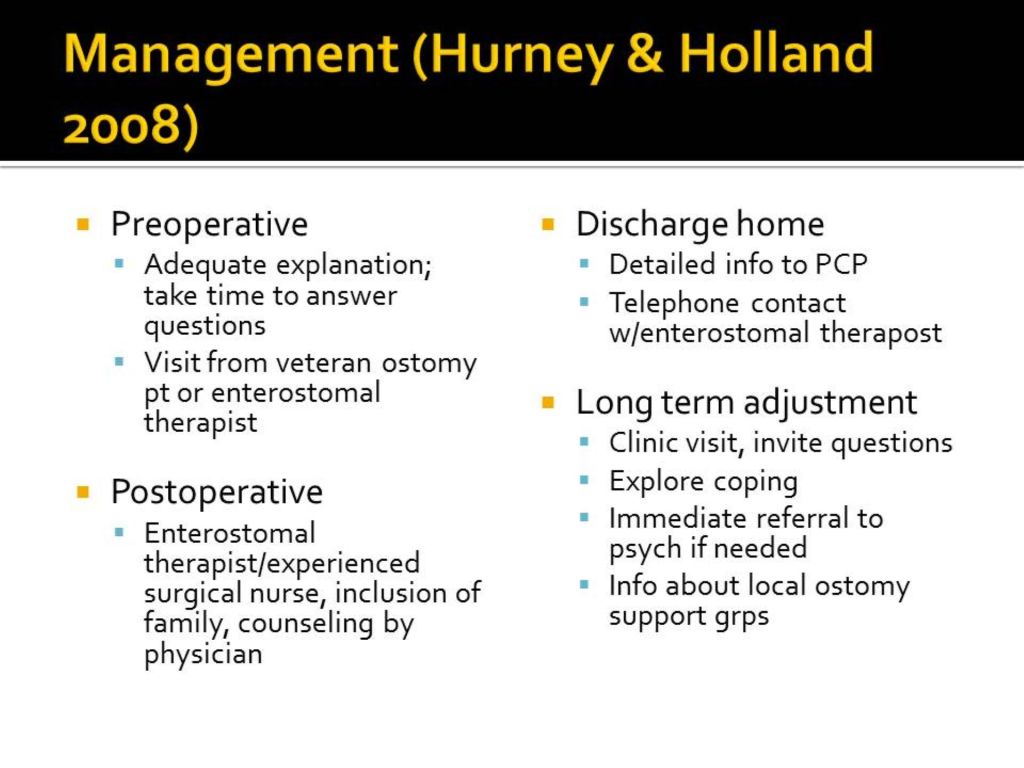
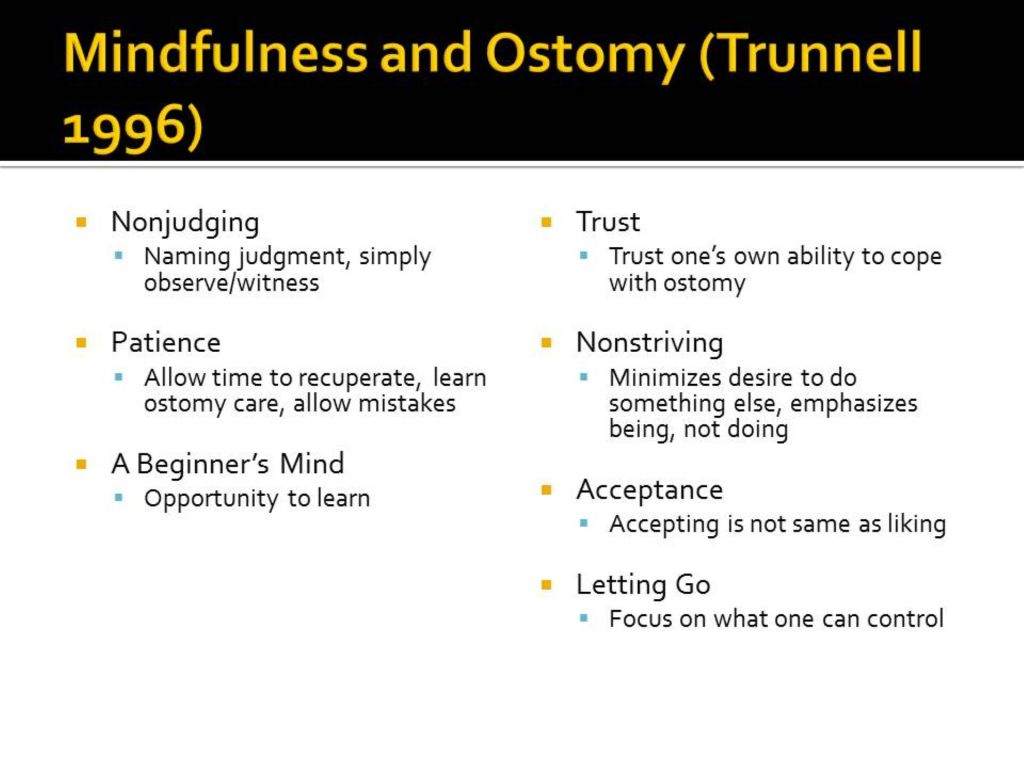
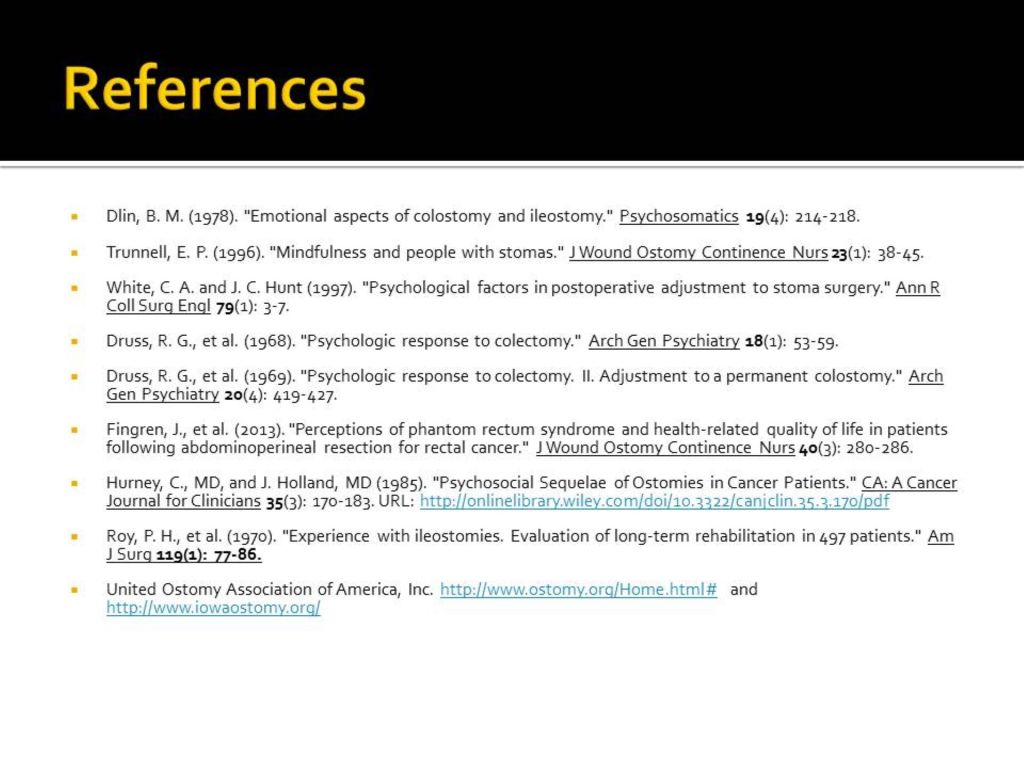
I had originally been thinking of posting one of my own CPCPs that I presented in 2015. It was about the psychosocial adjustment of patients to ostomy.

I searched widely and in vain on the web for any recent information about what Dr. Yates was doing now. I was surprised and saddened to discover his obituary. He died on January 19, 2023 in Tulsa, Oklahoma.

As the obituary says:

He served on the faculty at the University of Iowa for Psychiatry and Family Medicine before becoming Professor and Chair of Psychiatry at the University of Oklahoma College of Medicine in Tulsa. After retiring, he continued to dedicate his time as a volunteer research psychiatrist at OU and the Laureate Institute for Brain Research where he also served on the board of directors. He authored over 100 scientific manuscripts that were published in peer-reviewed journals.

He was an energetic, a great teacher, had a great sense of humor, and was easy to get along with. He published in many scientific journals and taught many trainees. He was an avid bird watcher and his blog Brain Posts highlighting neuroscience research findings is still visible on the web.

He published the paper along with a chief resident on problem-based learning used on the psychiatry consult-liaison service in 1996, the year I graduated psychiatry residency and joined the faculty at The University of Iowa Hospitals & Clinics (Yates, W. R. and T. T. Gerdes (1996). “Problem-based learning in consultation psychiatry.” Gen Hosp Psychiatry 18(3): 139-144.) You can read the abstract for it along with a description of the CPCP at the link above which takes you to my April 19, 2019 blog post “Clinical Problems in Consultation Psychiatry.”

When he was the leader of the psychiatry consult service, we were still using paper charts and his staffing comments were always very brief and encapsulated the assessment and plan succinctly without wasted verbiage—contrasting with my long-winded note.

His remarks about his role at Laureate Institute for Brain Research is still accessible:

“I work part-time as a research psychiatrist for the assessment team at the Laureate Institute for Brain Research. We do research diagnostic assessments for a variety of imaging, genetic and biomarkers studies in mood, anxiety and other brain disorders. I also provide review and analysis of neuroscience research on my blog Brain Posts that can be found at www.brainposts.blogspot.com. You can follow me on Twitter @WRY999. I also use my blog and Twitter feed to share my bird photography images.”

I respected and admired Dr. Yates, as I’m sure many learners did. I will always remember Bill as a gifted scientist and teacher.

I think a fitting tribute would be to go ahead and post my CPCP on the psychosocial adjustment of patients with ostomy. One of the most interesting articles in the bibliography is how the mindfulness meditation approach to that adjustment can be very helpful. The website United Ostomy Association of America website is also informative.

The presentation is also limited to a dozen slides. I often encouraged learners to keep the number of slides to a managed number so the presentations wouldn’t run too long. I called my slide sets the Dirty Dozens.

Many thanks to Dr. William R. Yates and my condolences to his family.

Hawaii Memories

The wildfires in Maui are so devastating. We wish everyone the best. We also had a wave of nostalgia back to 1997 when we visited the Hawaiian Islands on our first vacation in a long while after I finished my psychiatry residency in 1996.

The plane trip was very long and what I remember most about it, flying all the way from Iowa, was the terrible case of bilateral airplane ear which lasted for a couple of hours after we landed in Honolulu. After that, things got a lot better. It was a long time ago, so the memories are a little hazy.

We remember the bus from the airport stopped at the hotel where the tour guide got out to check the reservations for all of us. It was very hot because the bus driver didn’t want to let the vehicle run so as to allow the air conditioner to cool us off. We were probably the youngest members of the tour group. It was the oldest who complained the loudest, finally convincing the bus driver to start the bus to cool everybody off.

After we arrived at the hotel, it was also the oldest members who had the energy to go out and see Don Ho perform. When they got back, they said he got drunk, but he was able to sing “Tiny Bubbles.” We were too exhausted to go. The oldest group members were often the most energetic.

We went a great little restaurant in either Kauai or maybe it was in Hilo, Hawaii (the Big Island) and got plates of huge shrimp. They were shorthanded on servers and several members of the tour group (again the older ones) pitched in to help out.

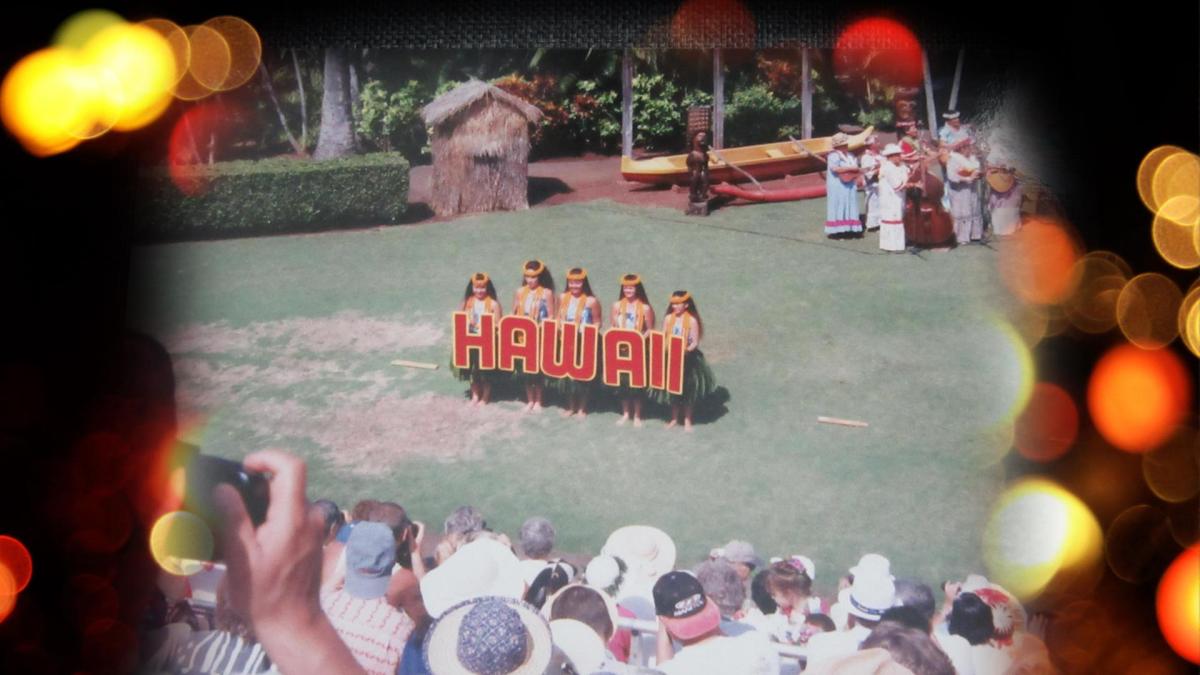
We saw the Kodak Hula Show in Honolulu on the island of Oahu. I read a little about it and the show nearly closed in 1999, but it was taken over by the Hogan Family Foundation for three years at a cost of half-million dollars per year. The show closed in 2002 so that the money could be used to fund educational programs.

Of course. we also visited the USS Arizona Memorial at Pearl Harbor. One of our tour group members who was a veteran of that war wept as he read the names. We became friends with him and his wife and sent each other Christmas cards for a few years afterward.

We saw the Hawaii Tropical Botanical Gardens in Hilo, Hawaii. It’s huge. It was a tribute to the Japanese immigrants to The Big Island who helped build its agricultural history beginning in 1868.

We visited the Wailua River State Park Fern Grotto Area and the Waimea Canyon in Kauai. The latter is also known as The Grand Canyon of the Pacific. I think Kauai was where I first tried coffee-flavored ice cream—Kona coffee, I’m sure. It remains one of my favorites, next to plain vanilla.

We got a few photos of the Iao Needle in the Iao Valley on Maui. We went to a big luau, but I can’t remember exactly where it was. I remember I was coming down with a head cold and had a runny nose. We tried poi, and I’m afraid I didn’t find it very tasty—and it had nothing to do with cold.  Maui was the final island to see on our itinerary. I think we saw the huge Banyan Tree in Lahaina because we have a picture of a very large tree with Sena standing in front of it.

The 150-year-old Banyan Tree was charred in the fire, but it’s still standing.

Tough TV Choices

I have a couple of choices for TV shows tonight. I could watch an X-Files rerun on the Comet network or the “season finale” of The Secret of Skinwalker Ranch.

Sena and I have been watching the X-Files reruns the last few nights. We didn’t know it was on until Sena happened to catch a couple of episodes. It comes on weeknights between 8-11 pm. They’re the early ones, which were pretty good.

We used to watch X-Files and munch popcorn a long time ago when the show was new. It was good entertainment.

On the other hand, it’s hard to know what to call The Secret of Skinwalker Ranch. Is it entertainment or investigative reporting? I don’t know how you can say it’s investigative in nature when mostly what you see are guys firing off dozens of hobby rockets to annoy the interdimensional entities who then lob UFOs back at them.

Calling a show a “season finale” doesn’t make me think about scientific TV programs.

I’m betting the skinwalker season finale will be an extravaganza of hobby rockets and dozens of Sasquatches flinging their hairy legs in the air in unison Rockette-style while munching on beef jerky.

I can’t afford to miss that. Sena will watch the X-Files on the TV downstairs.

Braunschweiger and Miracle Whip Nostalgia Sandwich

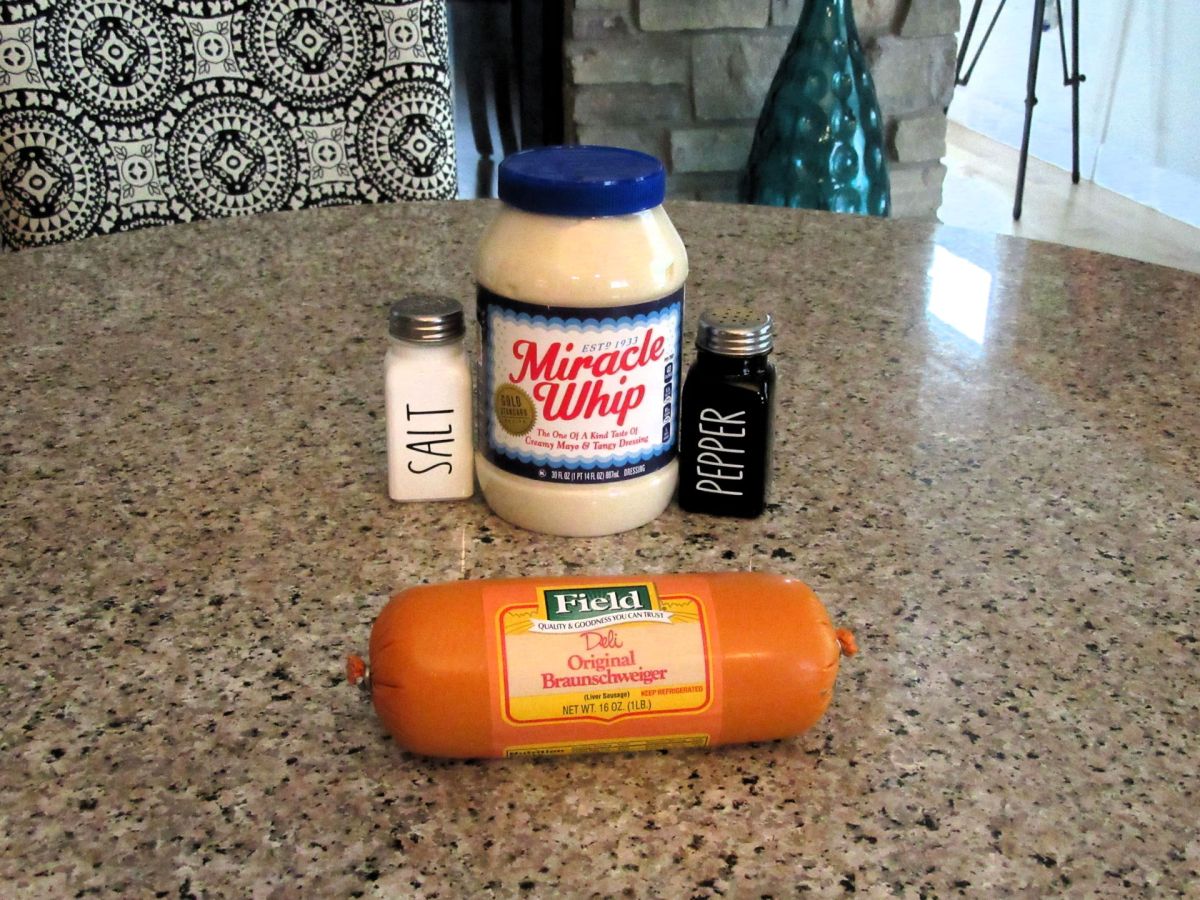
Sena bought two items at the grocery store that brought back memories: Braunschweiger and Miracle Whip.

You may recall the Miracle Whip vs Mayonnaise challenge blog posts last August-September. Miracle Whip took a beating and it’s partly because I suspect the makers changed the recipe for it.

I can’t change that. On the other hand, I used to make sandwiches using slices of plain white bread and Braunschweiger. There are dozens of brands of Braunschweiger. I’ve never heard of Field, but it hardly matters. I think they’re all pretty much the same.

On the other hand, try telling that to the food science experts at Iowa State University. We found a YouTube video of a guy explaining what they look for when judging Braunschweiger. He went on about how it has to be a certain color (reddish is better), it can’t be spreadable, and it has to be flown in from a distant galaxy and so on.

But we also found a couple of videos that show the spread of opinion on what people think of the taste of Braunschweiger. One of them showed a guy in Texas who tried it for the first time. He toasted the bread (something I’ve never done), sliced the meat, placed it between the bread slices without any kind of condiment—took a while to roll it around his mouth and finally praised it highly.

That contrasted with a video of a father and son who made a hilarious and overdone spectacle of themselves gagging their way through a taste test.

There are a lot of recipes out there using Braunschweiger. Many of them look really tasty. Nostalgia is the word for my version. I don’t do anything fancy with it. I slap Miracle Whip on the bread, slap Braunschweiger slices on them and have lunch.

I ate a lot of lunch meat sandwiches when I was growing up. I didn’t know about nitrates and nitrites back then and didn’t worry about carcinogens from them. I still don’t. If you want the lowdown on nitrates and nitrites in your diet and the relationship to diseases like cancer as well as their benefits, you can read a very thorough and recent review of it (Karwowska M, Kononiuk A. Nitrates/Nitrites in Food-Risk for Nitrosative Stress and Benefits. Antioxidants (Basel). 2020 Mar 16;9(3):241. doi: 10.3390/antiox9030241. PMID: 32188080; PMCID: PMC7139399.). There is no slam dunk decision on whether it’s totally evil or not—note the word “benefits” in the title.

I recommend you not watch any overly dramatic YouTubes or read any scary science articles about it. Keep it simple. Just enjoy your Braunschweiger and Miracle Whip sandwich. You can also enjoy it with mayonnaise, if you’re so inclined. Sena and I did a taste test and this time the Miracle Whip tasted just like it did when I was a kid! Sena actually liked Braunschweiger. She ruined it with mayo, but that’s just her.

Thoughts on the Passing of Dr. Russell Noyes Jr.

I recently found the obituary of my mentor, Dr. Russell Noyes, Jr. MD. He died on June 21, 2023. This is the first time I’ve ever said that he was my mentor. I probably just didn’t realize it until I found out he passed.

Dr. Noyes was my teacher during the time I was learning consultation-liaison psychiatry back in the 1990s at The University of Iowa Hospitals & Clinics. His knowledge was vast. He contributed greatly to the scientific literature on anxiety disorders. He also wrote about near death experiences.

Dr. Noyes retired in 2002. As his students, we chipped in to get him a retirement gift. It was a large bookstand. We were just a little uncertain about whether a bookstand was the right gift for someone who was a tireless researcher and teacher. He was also an avid gardener and musician. He soon returned to work in the department, staffing the outpatient clinic. He also continued to regularly attend grand rounds and research rounds. Years later at a grand rounds meeting, someone asked him about his retirement. Dr. Noyes retorted, “I don’t believe in retirement.”

I remember I could hardly wait to retire. Since then, I’ve been ambivalent about retirement, but not so much that I ever seriously considered returning to work. I sometimes have dreams about being late for college lectures because I can’t find my way to them. A couple of times lately, I’ve had dreams about not being able to find my way through a hospital to conduct a consultation evaluation. I don’t know what that means.

I was an avid student of consultation-liaison psychiatry but I was not a scientist. That was part of the reason I left the university in 2005 for a position in a private practice psychiatry clinic. He cried at the going away party my students and co-workers held for me. I still have a little book in which well-wishers wrote kind messages. Dr. Noyes’ note was:

“Jim

We’re going to miss you. You are the consummate consultation-liaison psychiatrist and your leaving is a great loss to the Department. We wish you the best and hope to see you at the Academy meetings.

Russ”

His sentiment was one of the main reasons I soon returned to the department, only to leave again a few years later—and return again after a very short time. I came back because he was a consummate teacher and I wanted to learn more from this beacon of wisdom.

Many who knew him, including me, often saw him riding a bicycle on Melrose Avenue to and from work at the hospital. We wondered why he didn’t drive instead. His son James wrote a beautiful remembrance of him and posted it on the web in 2006. It’s entitled “My Dad (Russell Noyes, Jr).”

James says his dad was a terrible driver. This triggered a memory of how it was Russ’s wife, Martie, who drove the rental car when we rode with them from the airport to the hotel where an Academy of Consultation-Liaison Psychiatry meeting was to be held. I remember gripping the armrest and wishing we’d hired a taxi as Martie steered erratically through heavy traffic.

Dr. Noyes knew how to guide his learners through their careers. He also knew how to write and was a stern editor. Even as I wrote this remembrance, I could see how he might have critiqued it. I tried to do it on my own, and of course I failed. It will have to do.

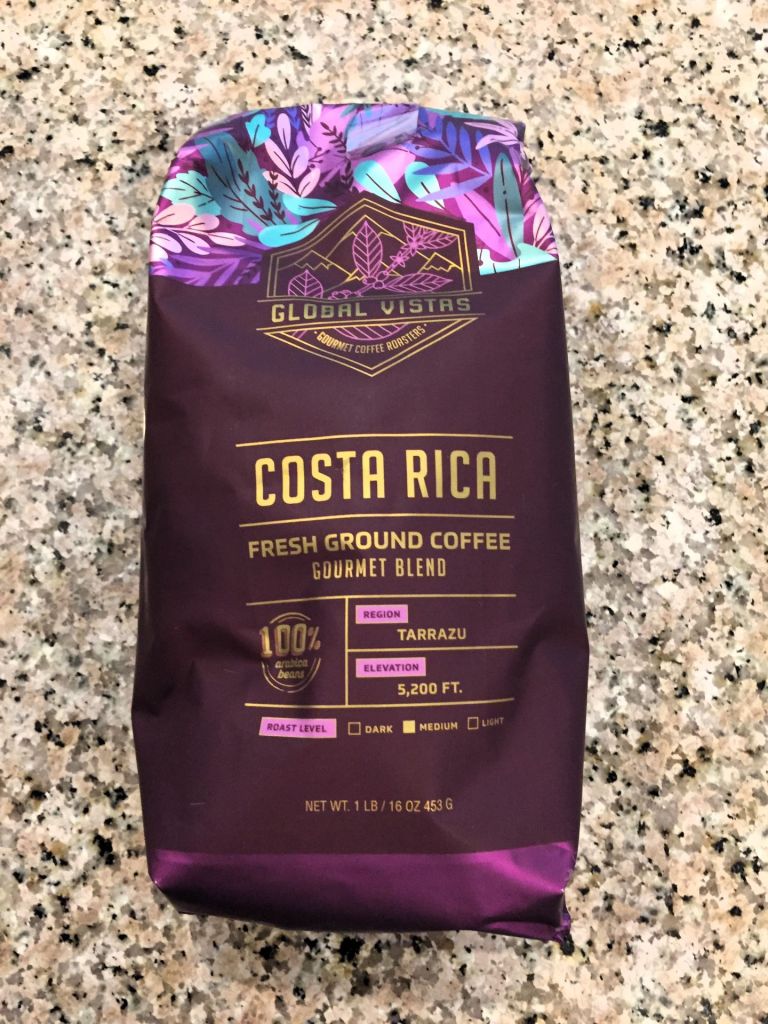
Costa Rica Tarrazu Coffee Notes

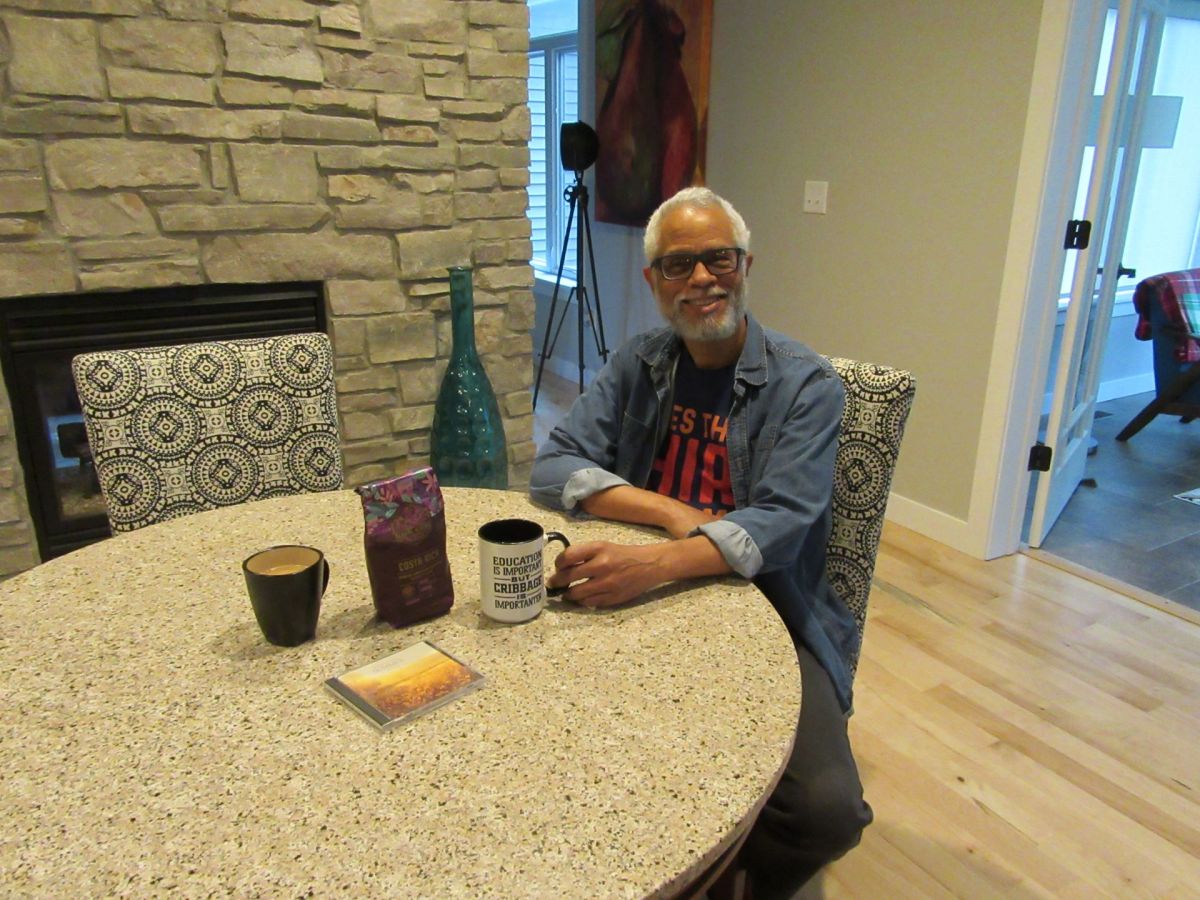
Sena bought a bag of ground Costa Rica Tarrazu coffee the other day. It brings back memories. We savored it along with some piano music from George Winston, may he rest in peace.

You can gas about coffees a lot. You can call Tarrazu a thing which has a certain complexity of notes, a balanced flavor, a spicy character and whatnot. I guess appraising coffee can be similar to judging wines. I don’t like wine and know nothing about it. I don’t know much about coffee, either.

But there’s a coffee connoisseur who made a YouTube video evaluating the Tarrazu we have. He said it has “coffee notes.” I should hope so. He gave it a so-so rating, 6.1. I guess there’s a 10-point rating scale. I think he takes subtle sarcasm to a new level. He had some kind of fancy coffee filter I’ve never seen before. He compared Tarrazu to coffee you get from Denny’s restaurant—as though Denny’s is a highbrow establishment. He also said it has chocolate notes. I actually noticed that years ago.

We first tasted Tarrazu at the World Market in Madison, Wisconsin many years ago. The drive from Iowa City to Madison was a pleasure. We took the more scenic route, which was Highway 151. Just in case you read this and make the trip yourself, I’ll say this: what is scenic to one is boring to another.

I remember we sampled Tarrazu from those little white Styrofoam cups in the World Market store. It was the smoothest coffee we ever tasted. We were hooked and bought a bag.

There’s a lot to do in Madison, which is not to say there’s not much to do in Iowa City. There’s just more of everything in Madison. Every day there was some new attraction to explore. Tarrazu was also a new experience.

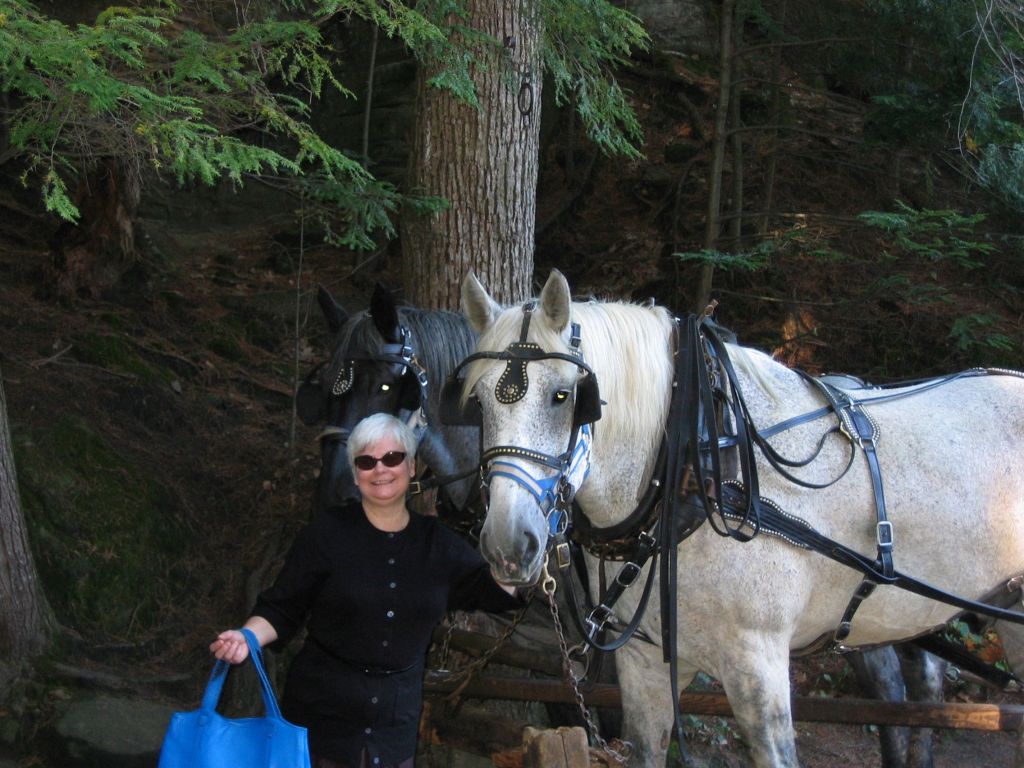
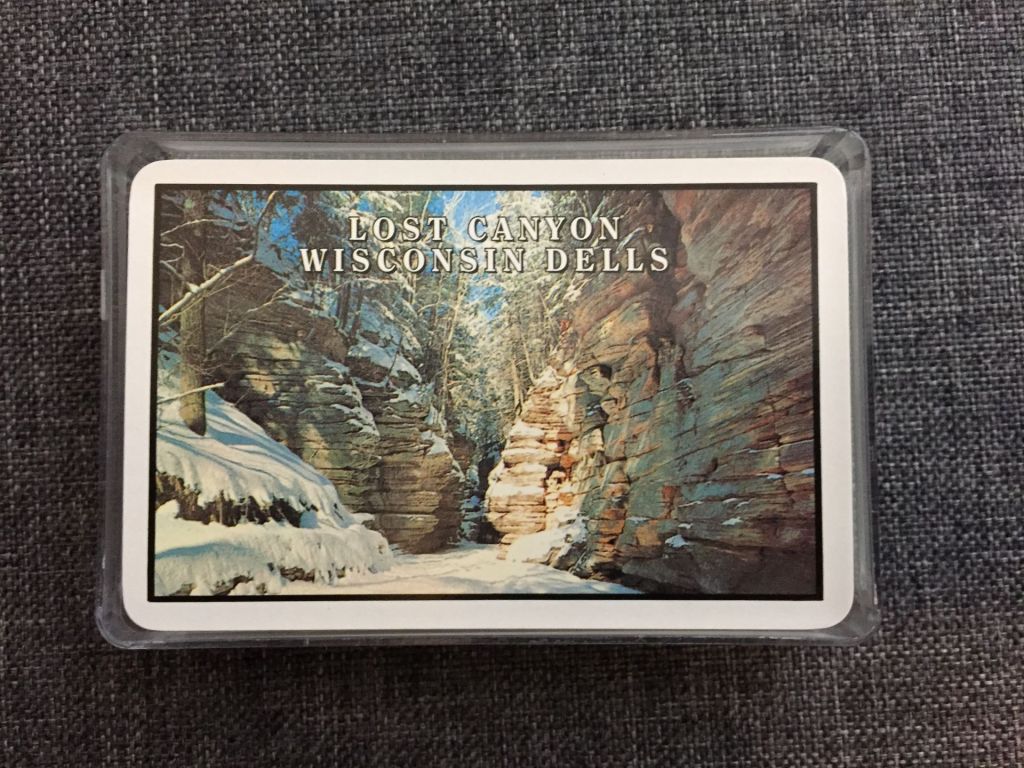
We had a lot of fun in Madison. We went up to Wisconsin Dells and darn near froze to death on an open boat ride in the early fall. Part of the “fun” of the ride was mainly for the driver, I think. He would rev the boat at rocket speed and splash us with water, which could have had a thin skin of ice notes over it, judging from the shock. We saw the House on the Rock in Spring Green. We relaxed at the Sundara spa. We rode the horse-drawn wagon on the Lost Canyon tour and still have a deck of playing cards from the gift shop.

We’ve bought Tarrazu a couple of times since our adventure in Madison and found that, somehow, the flavor wasn’t quite as bright, not as smooth. On one bag, the name was spelled “Terrazu” rather than “Tarrazu. Sure, it had “coffee notes,” but not the chocolate notes. And it didn’t evoke memories of Wisconsin.

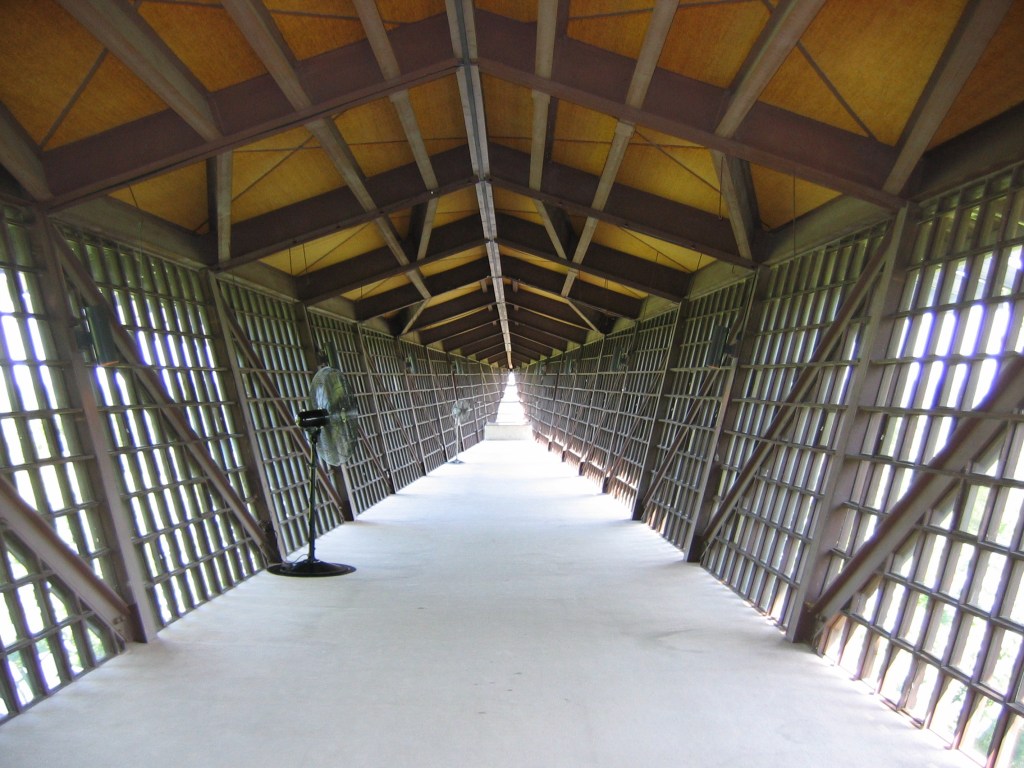
Finally, getting back to the Tarrazu we have now. The taste is miraculous, just like it was so many years ago. It takes me back to the Styrofoam cups at World Market, the speedboat in the frigid water, the Sundara bedsheets stained by previous guests with mud notes from the spa, the Infinity Room in Spring Green, cheese curds and chili.

Those are my Tarrazu notes.

The Beard Kit and the Promise of Beignets Arrive

Yesterday, the beard kit and other items were delivered. The other items were a barber cape and Café Du Monde Beignet Mix. I took a picture of all of them and can’t readily explain why the odd item out seems to be the Beignet Mix. Sena cuts my hair and the old cape just needs to be replaced.

We got the Café Du Monde mix and the rolling pin because Sena plans to make Beignets in the near future. We were in New Orleans while I was attending an Academy of Consultation-Liaison annual meeting in November 2015. We actually got Beignets while we there and we’re pretty sure it was at the Café Du Monde. It was sprinkling rain and a bit chilly that day, but the Beignets were delicious.

Maybe Sena plans to sprinkle powdered sugar in my beard after I get it rehabbed with the beard kit.

Anyway, the unboxed beard kit, which is made by a company called Viking, was very well packed and contained many tools and products. A couple of them are worth commenting about because they raised puzzling questions, at least for me. The beard wash and beard conditioner both contain cautions about using them if you’re pregnant, advising consultation with your physician. I’m sure about the wording because I had to use a magnifying glass to read the labels.

Initially I was not sure why women would use them at all. I searched the internet and it turns out that a woman can use beard oil (which also comes with my new kit) for the hair on her head, face, cuticles, and more. I guess when you think about it, beard wash and conditioner are not that different from products women use for their own hair. I’m still not sure why they should consult a physician before using them.

The kit came with beard balm. I gather from reading on the internet that it conditions and softens the beard. The beard brush is used after applying beard balm, to spread it out. It looks kind of like softened butter. Wild boar bristle brushes are frequently recommended for exfoliating skin and distributing the oils on skin. Brushing with it actually feels good. I’m not so sure about claims that it can promote more beard growth, but the bristles are stiff enough that I can spread the hair I do have over the potholes!

Sometimes badger bristles are used in brushes instead of wild boar hair but it’s far less common. I suggest avoiding this topic with anyone from Wisconsin, especially if he played football in college.

The kit also came with both a beard comb and a smaller mustache comb. Many advise using both but caution against using a brush on wet hair. The small pair of scissors is very sharp. My first use of it was to cut the foil seals glued very tightly to the bottles of beard wash and beard conditioner. They’re very good for snipping off the flyaways.

There’s a lot more to know about getting this beard thing right than I ever imagined. And Sena has a rolling pin and will make Beignets. We’ll pretend we’re in New Orleans. I’ll get powdered sugar in my beard and I won’t have to brush it out with a wild boar bristle brush because my beard is already white.