Thoughts About Psychedelic Assisted Psychotherapy

I read the Psychiatric Times article “FDA Issues CRL to Lykos for MDMA-Assisted Therapy.” The short story is that the FDA essentially told the drug company Lykos that their study of the efficacy of MDMA-assisted treatment of PTSD needs more work.

I tried to wade through the on-line documents of the FDA’s meeting on June 4, 2024. There are hundreds of pages and I didn’t go through every page of the transcript. The minutes were succinct and much easier to digest.

I’m going to simply admit that I’m biased against using psychedelics in psychiatry for personal and professional reasons. I’m not a research scientist. I’m a retired consultation-liaison psychiatrist. I saw many patients with a variety of psychiatric diagnoses including PTSD and substance use disorders. I’m not opposed to clinical research in this area, but I’m aware of the difficulty of conducting it.

In that regard, I want to also admit that I’m very susceptible to being influenced by a former colleague’s remarks about the quality of the research in question in the Lykos study. Dr. Jess G. Fiedorowicz, MD, PhD formerly was formerly on staff at University of Iowa Health Care. He’s now the Chief of Mental Health at The Ottawa Hospital where he’s also Professor and Senior Research Chair in Adult Psychiatry, Department of Psychiatry, University of Ottawa, Ontario. His remarks in the transcript are typical for his erudition and expertise as a clinician scientist.

It’s difficult to wade through the pages of the FDA transcript and I couldn’t digest all of it, by any means. But if you’re interested in reading both sides of this issue, it’s a good place to get the best idea of the committee members’ thinking about it. The minutes are much easier to read and provide a succinct summary.

I realize the Psychiatric Times article editor doesn’t agree with the FDA recommendations for further study of psychedelic-assisted psychotherapy for PTSD. It may or may not influence the University of Iowa’s study of psilocybin. In my opinion, the FDA did the right thing.

Another Look at the C-L Psychiatry Pecha Kucha

Back in 2018, one of my emergency room staff physicians asked me to do a Pecha Kucha on what a consultation-liaison psychiatrist does. If you know what a pecha kucha is, you can understand why it was challenging for me to put it together and present it.

Although you may have seen the video I made of the pecha kucha 5 years ago on this blog, I think it’s OK to present it here again.

Briefly, PechaKucha is Japanese for “chitchat.” It’s a presentation format using 20 slides displayed for 20 seconds each. It took a while to rehearse to get it right.

I think it’s also worth emphasizing because most of the ideas in it are still relevant to consultation-liaison psychiatry. See what you think.

Thoughts on Copyright Issues Related to Consultation Psychiatry and Dad Jokes

I want to gas; I mean talk about copyright as it relates to consultation psychiatry or telling dad jokes. By the way, those aren’t the same.

 I used to teach medical students and residents how to do certain quick bedside cognitive tests for delirium and dementia. Over the years the instructions about how to administer them (and the restrictions over using them at all) have changed slightly. The major point to make is that they have been copyrighted, which usually means you have to pay to play.

One of them, the Mini Cog, despite being copyrighted, does not require you to pay for the privilege of using it. The video below shows part of it. I didn’t do a comedy bit about the short term recall of 3 objects. The video also flickers when I show the delirium order set; just pause it to stop the flickering.

There used to be a cognitive assessment called the Sweet 16, which started off being non-copyrighted, but then became copyrighted. At first the Sweet 16 mysteriously just disappeared from the internet. You can now download it from the internet, but it’s clearly marked as copyrighted.

The reason the Sweet 16 became unavailable is because a company called Psychological Assessments Resource (PAR) acquired the copyright and then started enforcing it. I found out about this when I could not obtain the PAR version of a cognitive assessment very similar to the Sweet 16 called the Mini Mental State Exam (MMSE) unless I forked over at least $100.

I then started teaching trainees how to use the Montreal Cognitive Assessment (MoCA) because it was free to use without any strings attached. Then it also was copyrighted although you can use it under certain conditions.

Moving right along to telling dad jokes, I found out that dad jokes (and indeed, any joke) can be copyrighted, at least in theory. In fact, it’s hard to enforce the copyright on jokes, even when you can prove originality. Here’s an example of a dad joke I think I made up:

What do you get when you cross marijuana with a Mexican jumping bean? A grasshopper.

Note: this joke may become more important now that the DEA, according to news agencies, plans to reclassify marijuana from Schedule I to III in the near future.

Sena thought it was funny (the joke, not the DEA), which probably means it’s not, technically, a dad joke. That’s according to the authority about dad jokes, Dad-joke University of Humour, (DUH). I’m far from a joke teller at all, as Sena (and anyone else who knows me) would assert. On the other hand, I did graduate from DUH and have a diploma to prove it. You can now give me money.

Furthermore, I also investigated whether something called anti-jokes can be copyrighted. According to the internet, the answer seems to be no. Here’s my attempt of the anti-joke:

Knock, knock.

Who’s there?

The doorbell salesman.

See what I did there? In case you didn’t know, experts say that Knock-Knock jokes are among the hardest to copyright for reasons I suggest you look up later. If you also frame the Knock-Knock joke as an anti-joke (stay with me here), the literalness and mundanity of the so-called punch line makes it virtually impossible to copyright. And, like the dad joke, it’s usually not funny—although there can be exceptions.

Just for the sake of incompleteness, I’ll mention the concept of copyleft, which is not the same as open-source. Although this is usually applicable to computer software, you could broaden it to include dad jokes—I think. Copyleft could mean you can use or modify a dad joke (or anti-joke), spread it freely at parties and whatnot as long as it’s bound by some condition. This includes paying me (no personal checks, please).

What pet do inventors have a love-hate relationship with? A copycat.

You’re welcome.

The University of Iowa Role in the Science Behind Psilocybin for Psychiatric Treatment

On April 9, 2024, the University of Iowa educational podcast, Rounding@Iowa presented a discussion about the study of the use of psilocybin in the treatment of psychiatric and addiction disorders. You can access the podcast below. The title is “Psilocybin Benefits and Risks.” The format involves an interview by Dr. Gerard Clancy, MD, Senior Associate Dean for External Affairs, Professor of Psychiatry and Emergency Medicine with distinguished University of Iowa faculty and clinician researchers.

In this presentation, the guest interviewees are Dr. Michael Flaum, MD, Professor Emeritus in Psychiatry, University of Iowa Carver College of Medicine, and Dr. Peggy Nopoulos, MD, Chair and Department Executive Officer for the University of Iowa Department of Psychiatry, Professor of Neurology, Pediatrics, and Psychiatry, University of Iowa Carver College of Medicine.

All three of these highly respected and accomplished faculty taught me when I was a trainee in the psychiatry department and afterward were esteemed colleagues.

86: Cancer Rates in Iowa Rounding@IOWA

Iowa's cancer rates are among the highest in the country, and they are rising. In this episode of Rounding@Iowa, Dr. Gerry Clancy and guest experts Dr. Mary Charlton and Dr. Mark Burkard discuss the data, risk factors, and prevention strategies clinicians can use to make a difference. CME Credit Available:  https://uiowa.cloud-cme.com/course/courseoverview?P=0&EID=81274  Host: Gerard Clancy, MD Senior Associate Dean for External Affairs Professor of Psychiatry and Emergency Medicine University of Iowa Carver College of Medicine Guests: Mark E. Burkard, MD, PhD Professor of Internal Medicine-Hematology, Oncology, and Blood and Marrow Transplantation University of Iowa Carver College of Medicine Director, University of Iowa Health Care Holden Comprehensive Cancer Center Mary Charlton, PhD Professor of Epidemiology Director, Iowa Cancer Registry Iowa College of Public Health Financial Disclosures:  Dr. Clancy, Dr. Burkard, Dr. Charlton, and Rounding@IOWA planning committee members have disclosed no relevant financial relationships. Nurse: The University of Iowa Roy J. and Lucille A. Carver College of Medicine designates this activity for a maximum of 0.75 ANCC contact hour. Pharmacist and Pharmacy Tech: The University of Iowa Roy J. and Lucille A. Carver College of Medicine designates this knowledge-based activity for a maximum of 0.75 ACPE contact hours. Credit will be uploaded to the NABP CPE Monitor within 60 days after the activity completion. Pharmacists must provide their NABP ID and DOB (MMDD) to receive credit. UAN: JA0000310-0000-25-090-H99 Physician: The University of Iowa Roy J. and Lucille A. Carver College of Medicine designates this enduring material for a maximum of 0.75 AMA PRA Category 1 CreditTM. Physicians should claim only the credit commensurate with the extent of their participation in the activity. Other Health Care Providers: A certificate of completion will be available after successful completion of the course. (It is the responsibility of licensees to determine if this continuing education activity meets the requirements of their professional licensure board.) References/Resources:  Iowa Cancer Plan  
  1. 86: Cancer Rates in Iowa
  2. 85: Solutions for Rural Health Workforce Shortages
  3. 84: When to Suspect Atypical Recreational Substances
  4. 83: Hidradenitis Suppurativa
  5. 82: End-of-Life Doulas

The link icon adjacent to the title of the podcast takes you to the podcast website. The link to the article in Iowa Magazine about the psilocybin research at University of Iowa Health Care tells you more about Dr. Peggy Nopoulos and her role as principal investigator in the study.

There is also a link to the National Library of Medicine Clinical Trials web site where you can find out more details about the study design. You’ll notice a banner message which says: “The U.S. government does not review or approve the safety and science of all studies listed on the website” along with another link to a disclaimer with more details.

Solar Eclipse Around the Corner So We May Need to Protect the Cicadas!

The solar eclipse is just around the corner! We’re hoping for decent weather. We’re also hoping that everyone views the event with safety in mind.

University of Iowa Health Care ophthalmologist Dr. Ian Han has great tips on how to observe the solar eclipse on April 8, 2024. He pointed out that eclipse glasses that pass muster for safe viewing of what will be a partial eclipse in Iowa are typically on a list of approved eyewear and often have an ISO (that stands for International Organization for Standardization) number stamped on them. Our glasses have the right stuff!

However, animals sometimes get confused by solar eclipses, including cicadas (see my other post about cicada weirdness posted today). Cicadas might stop singing or maybe their gonads drop off a little sooner than usual, I don’t know exactly. But the zombie cicada gonad apocalypse timing probably makes that a non-issue. I did say “probably.” But how could we protect them if necessary?

There might be a scientific way to custom fit the cicadas with solar eclipse glasses using groundbreaking technology first used in the 1989 documentary film, “Honey, I Shrunk the Kids,” which I have not personally watched but which could be featured on Svengoolie. We’d have to scale up production for possibly trillions of bugs. And I guess we can’t protect their gonads.

But we can all protect our eyes.

Update: I found a very good web site which tells you how to check if your solar eclipse glasses are genuine and protective. In addition to the information above, you can test the eclipse glasses indoors by putting them on. You shouldn’t be able to see anything but the brightest light bulbs and those just barely. You can test them outside as well. On a sunny day, look around at any reflective surface. You shouldn’t be able to see much at all. I tested ours and they passed with flying colors.

Good Luck Dr. Chris Buresh

Sena was looking up the meaning of a four-leaf clover the other day. You might call it a shamrock although that’s usually reserved for the 3-leaf variety. It’s fitting for St. Patrick’s Day to say the four-leaf clover is special because it’s rare to see one. The four leaves represent faith, luck, love, and hope.

The trouble going on in Haiti is regrettable to say the least. However, it also reminded us of how lucky it was for us to have known one of my former colleagues, Dr. Christopher T. Buresh, MD. He was an emergency room physician at the University of Iowa Hospital until just a few years ago, when he and his family moved to Seattle, Washington. Dr. Buresh is now an Associate Professor in the Department of Emergency Medicine with the University of Washington. He’s also Assistant Program Director of their Emergency Medicine Residency Program.

The connection between Dr. Buresh and Haiti goes back a long way. Many Haitians were lucky he and other physicians volunteered to help provide medical care for them on an annual basis for years.

Chris is really a humble, likeable, and practical guy. He and his family were our next-door neighbors for a while and fascinating things were going on there at times. We remember they built this really cool tree house that sort of looked like it grew out of their main home. They even had an apparatus for a zip line between the two structures. I don’t think the zip line ever actually got installed, but it was intriguing.

He and I sometimes saw each other in the emergency room at University of Iowa Hospital. His energy, compassion, and dedication to patient care were an inspiration to colleagues and learners at all levels. Sena saw one of his presentations about his volunteer work in Haiti. He never mentioned the difficult politics of the situation. He emphasized the work of caring for the Haitians most of all and gave credit to members of the team doing everything they could in that challenging and, I’m sure, sometimes horrifying environment.

It would be easy to just sit and wonder why he left Iowa, and to be sorry about that. On the other hand, when you thing about the 4-leaf clover, you really have to wonder about something else. Maybe he had one in his pocket with all four of what we all want: faith, luck, love, and hope.

Thoughts on a Study of Sitting with Your Patients

I saw this interesting article on a study about the effect of chair placement on physicians’ behavior when in a patient’s room, specifically whether it altered the length of time a doctor spends with a patient or the level of satisfaction patients had with the interaction. In this study, it didn’t lengthen the time, but seemed to strengthen patient satisfaction with interaction with the physician. It’s a concept I recognize because I took this one level up—I carried my chair with me on hospital rounds in my role as a consultation-liaison psychiatrist.

I got a gift of a 3-legged camp stool from a colleague who ran the palliative care service at University of Iowa hospital. Other members of the palliative team had been using them as well.

Patients got a big kick out of a doctor who carried his chair around with him and actually sat down to talk with them. The way the camp stool folds up apparently made it look like nunchucks to some patients, so I got jokes about that occasionally. It really helped build rapport.

The only drawback with the camp stool was that my one of my legs would go numb the longer I sat on it, and could lead to a challenge getting up from it gracefully because it was partly a balancing act. Even so, I often spent much more than 10-15 minutes with patients.

Once, the stool actually broke and I dropped unceremoniously on my butt while evaluating a patient for catatonia—who proved not to be catatonic by the apparent facial expression of mirth as I fell on the floor. In that sense, the chair actually became a part of the evaluation—accidentally.

Thomas Hackett knew all about this. He was a famous consultation-liaison psychiatrist and a past president of the Academy of Consultation-Liaison Psychiatry (ACLP). One of his quotes from an early edition of the Massachusetts General Hospital Handbook of General Hospital Psychiatry fits perfectly in this context:

“As a matter of courtesy, I sit down when interviewing or visiting patients. Long accustomed to the ritual of making rounds, many physicians remain standing as a matter of course. Standing, physicians remind me of missiles about to be launched, poised to depart. Even if that is not necessarily true, they look the part. Patients sense this and it limits conversation. In addition, when standing, the physician necessarily looks down on the patient. This disparity in height is apt to encourage the attribution of arrogance. Looking down at a patient who is prone emphasizes the dependency of the position. Sitting at the bedside equalizes station. Sitting with a patient need not take longer than standing with him.”— Hackett, T. P., MD (1978). Beginnings: liaison psychiatry in a general hospital. Massachusetts General Hospital: Handbook of general hospital psychiatry. T. P. Hackett, MD and N. H. Cassem, MD. St. Louis, Missouri, The C.V. Mosby Company: 1-14.

Reference: Effect of chair placement on physicians’ behavior and patients’ satisfaction: randomized deception trial BMJ 2023; 383 doi: https://doi.org/10.1136/bmj-2023-076309 (Published 15 December 2023)

Heed Warnings About Risk for Frostbite

I just saw an article in the Daily Iowan about the importance of knowing how to avoid frostbite during wind chill advisory and warning periods. As a consulting psychiatrist in the general hospital, I saw what can happen to people who suffered frostbite injuries. They were treated on the Burn Unit.

The risk for frostbite will continue to be high for the next few days with wind chills as low as minus 30 below zero, according to the National Weather Service.

The University of Iowa Hospital has a frostbite education web page worthing reviewing. There is also a compelling story posted in 2022 about how two patients were treated for severe frostbite injuries.

Complexity Intervention Units Past And Present

Here’s another blast from the past about Complexity Intervention Units (CIUs) or what used to be called Medical-Psychiatry Units. I co-staffed one for 17 years at Iowa Health Care, the organization formerly known as Prince. No wait, that used to be called the University of Iowa Hospitals & Clinics. They’re rebranding.

I was looking up CIU on the web. It’s a common search term now, so Roger Kathol, the guy who built the CIU at Iowa Health Care, was right.

On the other hand, I was also puzzled when the results showed that a hospital in Wisconsin has what’s called a brand new CIU-only it’s not a psychiatric unit.

I thought a CIU was, by definition, a combined specialty unit, with facilities for acute care of both psychiatric and medical problems. But Froedtert Medical Center in Milwaukee has a new CIU and yet says: “The department is licensed as a Medical Unit – not a Psychiatric Unit.”

In fact, Medical College of Wisconsin says essentially the same thing about the CIU: “Please note that the CIU is not an inpatient psychiatric unit, but rather a facility dedicated to integrated care.”

OK, so I probably missed the memo about what a CIU is nowadays. It’s tough to find out how many CIUs are in operation in the U.S., maybe partly depending on how you define it and who you ask. Anyway, this is what I wrote about them 12 years ago:

The Complexity Intervention Unit for Managing Delirious Patients

Is there such a thing as a specialized unit in the general hospital where patients with delirium could be treated, where both their medical and behavioral issues could be managed by nurses and doctors specifically trained for that purpose? It turns out there is. Although they are usually called medical-psychiatry units, an internationally recognized expert about designing and staffing these specialized wards, Dr. Roger Kathol, M.D., F.A.P.M., would prefer to call them “Complexity Intervention Units” (CIUs). It’s a mouthful, but it’s a better description of the interaction between physical and psychiatric illness, along with social and health care system challenges typically managed in these units.

We’ve had one at Iowa since Dr. Kathol started it in 1986. It was one of the first such units built and now that it has been redesigned, updated, and beds with cardiac monitors added, it’s arguably the only unit of its kind in the country. The CIU allows us to provide both intensive medical and psychiatric interventions that would be all but impossible to deliver on general medical floors with psychiatric consultation. The essential features of the CIU include:

  1. Both medical and psychiatric safety features in the physical structure.
  2. Consolidated general-medical and psychiatric policies and procedures.
  3. Location in the general hospital under medical bed licensure and with psychiatric bed attributes.
  4. Moderate-to-high medical and psychiatric acuity capability.
  5. Physicians from combined residencies general medicine and psychiatry co-attending model with consistent communication and coordination of medical and psychiatric care.
  6. Nurses and other staff cross-trained in medical and psychiatric assessments and interventions.

The unit is used to optimize management of a variety of patients with both medical and psychiatric diagnoses. The focus is on providing care for the 2%-4% of patients admitted to general hospitals who are too complicated to manage on either psychiatric or medical units. And it’s an excellent teaching resource for helping new doctors learn about the inevitable interaction between medical and psychiatric disorders in an environment that fosters both/and thinking. Trainees learn that delirium mimics nearly every other psychiatric disorder and how to distinguish delirium from primary psychiatric illness.

I co-staff the unit with a colleague from internal medicine when I’m not staffing the general hospital consultation service. That helps me blend the perspectives of each role. Often, acting in the role of psychiatric consultant, I can assist the generalist in managing patients with less complicated delirium without transferring them to the CIU. And for those whose behavioral challenges would be overwhelming for nurses and physicians on open medical units, it’s helpful to have the CIU option available.

While the CIU is a great resource for managing delirious patients, they are expensive to build and generally have a limited number of beds. So it’s still important to continue work on developing practical delirium early detection and prevention programs in every hospital.

An Old Blog Post About My College Days in Texas

There’s something embarrassing yet fascinating about reading my old blog posts from years ago. The one I read yesterday is titled simply “I Remember HT Heroes.” I make connections between my undergraduate college days at Huston-Tillotson College (now Huston-Tillotson University (an HBCU in Austin, Texas) and my early career as a consultation psychiatrist at The University of Iowa Hospitals & Clinics (now rebranded to Iowa Health Care).

My first remark about getting mail from AARP reminds me that organization is sponsoring the Rolling Stones current tour, Hackney Diamonds. And the name of my specialty was changed from Psychosomatic Medicine to Consultation-Liaison Psychiatry in 2017.

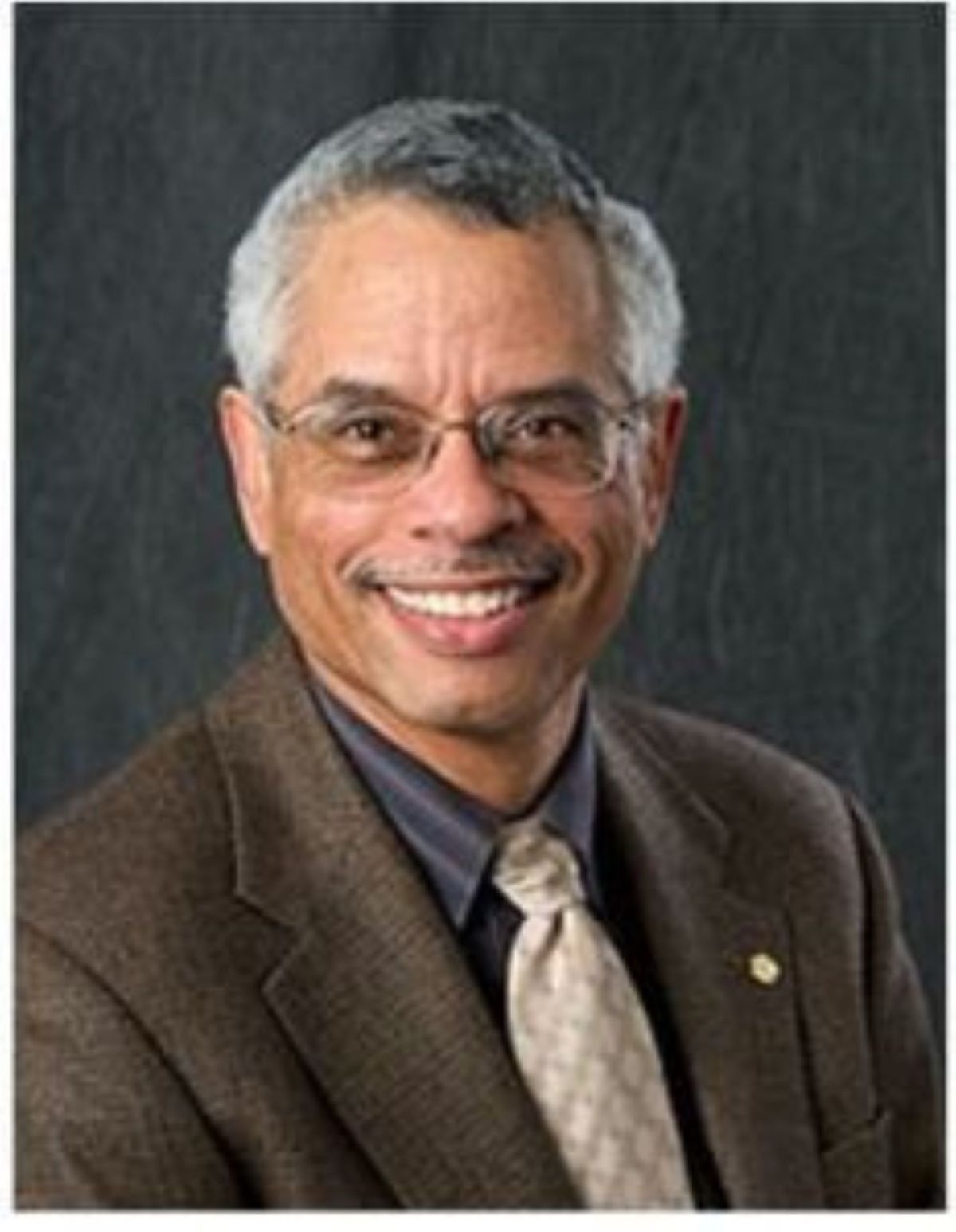
The photo of me attached to the original post reminds me of how I’ve gotten older—which also makes me hope that I’ve gotten wiser than how I sound in this essay. The pin in my lapel is the Leonard Tow Humanism in Medicine award I received in 2006.

I Remember HT Heroes

Getting membership solicitations in the mail from the American Association of Retired Persons (AARP) is a sure sign of aging, along with a growing tendency to reminisce. Reminiscence, especially about the seventies, may be a sign of encroaching senility.


Why would I reminisce about the seventies? Because I’m a baby boomer and because my ongoing efforts to educate my colleagues in surgery and internal medicine about Psychosomatic Medicine, (especially about how to anticipate and prevent delirium) makes me think about coming-of-age type experiences at Huston-Tillotson College (Huston Tillotson University since 2005) in Austin, Texas. Alas, I never took a degree there, choosing to transfer credit to Iowa State University toward my Bachelor’s, later earning my medical degree at The University of Iowa.


Alright, so I didn’t come of age at HT but I can see that a few of my most enduring habits of thought and my goals spring from those two years at this small, mostly African-American enrollment college on what used to be called Bluebonnet Hill. I learned about tenacity to principle and practice from a visiting professor in Sociology (from the University of Texas, I think) who paced back and forth across the Agard-Lovinggood auditorium stage in a lemon-yellow leisure suit as he ranted about the importance of bringing about change. He was a scholar yet decried the pursuit of the mere trappings of scholarship, exhorting us to work directly for change where it was needed most. He didn’t assign term papers, but sent me and another freshman to the Austin Police Department. The goal evidently was to make them nervous by our requests for the uniform police report, which our professor suspected might reveal a tendency to arrest blacks more frequently than whites (and yes, we called ourselves “black” then). He wasn’t satisfied with merely studying society’s institutions; he worked to change them for the better. Although I was probably just as nervous as the cops were, the lesson about the importance of applying principles of change directly to society eventually stuck. I remember it every time I encounter push-back from change-resistant hospital administrations.


I’m what they call a clinical track faculty member, which emphasizes my main role as a clinician-educator rather than a tenure track researcher. I chose that route not because I don’t value research. Ask anyone in my department about my enthusiasm for using evidence-based approaches in the practice of psychiatry. I have a passion for both science and humanistic approaches, which again I owe to HT, the former to Dr. James Means and the latter to Dr. Jenny Lind Porter. Dr. Means struggled to teach us mathematics, the language of science. He was a dyspeptic man, who once observed that he treated us better than we treated ourselves. Dr. Porter taught English Literature and writing. She also tried to teach me about Rosicrucian philosophy. I was too young and thick-headed. But it prepared the way for me to accept the importance of spirituality, when Marcia A. Murphy introduced me to her book, “Voices in the Rain: Meaning in Psychosis”, a harrowing account of her own struggle with schizophrenia and the meaning that her religious faith finally brought to it.


Passion was what Dr. Lamar Kirven (or Major Kirven because he was in the military) also modeled. He taught black history and he was excited about it. When he scrawled something on the blackboard, you couldn’t read it but you knew what he meant. And there was Dr. Hector Grant, chaplain and professor of religious studies, and champion of his native Jamaica then and now. He once said to me, “Not everyone can be a Baptist preacher”. My department chair’s echo is something about how I’ll never be a scientist. He’s right. I’m no longer the head of the Psychosomatic Medicine Division…but I am its heart.


I didn’t know it back in the seventies, but my teachers at HT would be my heroes. We need heroes like that in our medical schools, guiding the next generation of doctors. Hey, I’m doing the best I can, Dr. Porter.