
‘ay, this here be international talk like a gentleman o’ fortune day

The title of this post is a translation of “Hey, This is International Talk Like a Pirate Day.” I used a Pirate Speak translator to generate it.

Sena reminded me about this holiday, which got started back in 1995 by a couple of guys from Albany, Oregon.

She says she heard about it on the Mike Waters radio show this moring, Waters Wake-Up on the Iowa radio station KOKZ 105.7. Sena either heard Waters call it National Pirates Day or she misheard him. She also said that Waters denied that any pirates ever said “Arrr,” back in the heyday of pirates.

I beg to differ, arrr, Matey! The Wikipedia entry says that the dialect was real and probably was based on the dialect of sailors from West Country in the southwest corner of Britain.

Sena and I couldn’t find any holiday called National Pirates Day. I did find National Meow Like a Pirate Day, which, interestingly, is also a holiday today. It got started in 2015.

But the main event be international talk like a gentleman o’ fortune day—which I darn nearrr forgot!

I have a dim memory of writing a blog post using the pirate translator several years ago. It was on a different blog, which I canceled in 2018. I didn’t keep that particular post. I think the topic was teaching internal medicine doctors and medical students about delirium so that they would know when they actually need consultation from a psychiatrist.

So, in honor of International Talk Like a Pirate Day, I’m going to post a piratical translation of one of my similar posts from way back in 2011:

“Do ye ‘ave to be interested in psychiatry to volunteer fer the delirium prevention project?”

“I’ve been thinkin’ about what a couple o’ the medical students said when I broached the idea o’ some o’ them volunteerin’ to participate in the multicomponent intervention o’ the delirium prevention project.

 they said that there the first an’ second yearrr students might want to volunteer—especially the ones interested in pursuin’ psychiatry as a career.

 now think about that there a minute. Why would ye necessarily need to be interested in psychiatry? ‘ere be a few facts:

1.Delirium be a medical emergency; it just ‘appens to mimic psychiatric illness because it’s a manifestation o’ acute brain injury.

 2.The most important treatment fer delirium be not psychiatric in nature necessarily; the goal be to find an’ fix the medical problems causin’ the delirium.

 3.Many experts in delirium ain’t psychiatrists; the authors o’ the new book “delirium in critical care”, valerie page an’ wes ely, ain’t psychiatrists—they’re intensivists.

 4.Some o’ the best teachers about delirium be geriatric nurse specialists an’ geriatricians.

 I thought that there by reachin’ aft further into a physician’s trainin’ career, I would find people less biased toward thinkin’ o’ delirium as a primary mental illness. It turns out that there bias runs deep in our medical education system.

 it isn’t that there psychiatrists shouldn’t be interested in studyin’ an’ ‘elpin’ to manage delirium. Psychiatrists, especially them specializin’ in psychosomatic medicine, be among the best qualified to inform other medical an’ surgical disciplines about the importance o’ recognizin’ delirium fer what it is—a medical problem that there threatens the brain’s integrity an’ resilience, raises the risk o’ mortality by itself regardless o’ the medical problems causin’ it, prolongs medical ‘ospitalization, an’ makes discharge to long term care facilities more likely, especially in the elderly.

 delirium be a problem fer doctors, not just psychiatrists. So it makes sense fer all medical students, regardless o’ their goals fer career specialty, to be interested in learnin’ about delirium.

 delirium be also a problem fer nurses, who frankly ‘ave led the way in education about delirium fer many years now. You’ll find few experts pointin’ to the american psychiatric association practice guidelines fer the treatment o’ delirium as the ultimate authority these days—because they’ve not been updated formally since 1999. All one ‘as to do be spell out “delirium prevention guidelines” in web browser search bars an’ choose from several sets o’ free, up-to-date guidelines that there be supported by the research evidence base in the medical literature to within a yearrr or two o’ the present day. Some o’ the best ones be authored by nurses.

 so maybe the pool o’ volunteers fer the delirium prevention multicomponent intervention might be nursin’ students.

 on the other ‘and, from what pool does the ‘ospital elder life program (help) recruit volunteers? an’ the australian resource center fer ‘ealthcare innovation multicomponent program, revive (recruitment o’ volunteers to improve vitality in the elderly, ‘ow do they do it?

they think outside the box an’ include people who care about people. That’s the really the key criterion, not whether one wants to be a psychiatrist or not.”

‘appy international talk like a gentleman o’ fortune day, arr, matey!

Are Safety Matches Really Safe?

Sena likes scented candles. She lights them with the usual safety matches. They’re called safety matches because you can ignite them only by striking them against the side of the box in which the sticks (sometimes called splinters) are stored.

Match splinter is an apt name. We found out the hard way that safety matches can be unsafe, especially if they splinter when you strike them against the panel on the side of the box. The chemicals on the match head reacts with the chemicals on the side of the box, which ignites the match.

Sena struck a match against the side of the box. The lit end of it snapped of and the splinter flew off so fast she didn’t see where it landed. We figured it was on the wood floor somewhere in the kitchen. The match splinter left a trail of smoke which quickly dissipated.

We looked everywhere but didn’t see it.

Sena wore a thick robe, which she immediately took off and searched but didn’t find the match splinter. She put the robe back on. A few minutes later, she found the splinter on the kitchen floor. It was not burning.

Later that evening, while we were watching a football game on TV, she noticed the odor of smoke and found a small hole in the folds of her robe. Thank goodness, it was not still burning but she disposed of the robe. Evidently, the match had clung to her robe briefly before finally falling on the floor.

It almost makes you wonder if this could explain some cases of spontaneous human combustion. I’m only kidding, as usual. There’s an interesting paper (“Debunking the Spontaneous Human Combustion Myth” by Angi M. Christensen) on the web which implicates something called the “wick effect” to explain this phenomenon. Christensen didn’t seem to consider the “splinter effect.”

The author says her thesis is dedicated to her father, a firefighter whose courage “sparked” her interest in the subject. I think the word “sparked” was unintentional. Maybe not.

Anyway, be careful with safety matches—they’re not 100% safe.

The Geezer Survives Another Computer Disaster!

This is another gripe about computers. I had to reset Sena’s PC because I accidentally crashed it after trying to follow Dell’s YouTube video instructions for how to fix the problem that a lot of Dell computer owners are having: the inability to install or reinstall a piece of software called Dell SupportAssist.

There’s another ongoing problem which is just as frustrating. It’s another app called DellUpdate. It doesn’t work at all and keeps telling you to reinitiate something called the Dell Client Management Service. It repeatedly fails after only a day or two.

Both of these apps are related and trouble with installing, reinstalling, and updating have been ongoing for at least a year.

The Dell YouTube video is a little over two and a half minutes long and explicitly tells you to do something I usually strictly avoid, which is to delete keys from the computer registry. I can find web entries that say you can’t hurt the registry at all on up to warning that messing with even one of the registry keys can cause the earth to explode.

I tried to restart after deleting 3 folders and 3 registry keys (I couldn’t find each and every one of these) as Dell instructed and got a black screen, a blinking arrow pointer, and a blue rotating circle. The computer failed to boot. Dead in the water.

Remember, this was after I saw well over 100 comments on the Dell YouTube video, the vast majority of which said the Dell solution was not only not a solution, but caused some computers to crash, necessitating resets and system restores, hospitalizations for nervous breakdowns, zombie apocalypse episodes, and so on.

What was ironic was that the Dell instructions were very simple. Just delete a few folders and Registry keys. Ha, Ha! The video was only a couple of minutes long. It wasn’t like we were being asked to download the gold star reverse engineered Extraterrestrial virtual dual quad gravity generating drive to be applied to the innards of the computer tower using neutrino multipliers welded with triple strength strips of Miracle Whip (not Mayo!) to the reverse oscillating cooling fans.

In a panic, I called the Dell support line, knowing that the machine was way beyond warranty. I got a warning on the chat service that if I needed step-by-step instructions, I would be charged a hundred bucks. The Dell chat tech was extremely helpful and obviously worked hard to avoid a step-by-step situation.

Avoiding that was not so hard to do. I was running back and forth between my room and Sena’s room like a chicken with my head cut off, while also trying to find an empty USB thumb drive on which to download a fresh copy of windows to restart Sena’s machine.

One of the chat tech’s first suggestions was to turn on the machine by pressing the power button, then immediately start pressing the F12 button repeatedly as soon as the Dell logo appeared on the screen. I have a distant memory of being told to do that after one of my past computer crashes.

This booted me to the BIOS screen where you can see the diagnostic utility—which mystified me because I have no idea what to do with it. I also got a link to the Dell support page where I could download software to make a USB media copy of Windows to upload to Sena’s computer. I think that actually saved me.

On the other hand, I unintentionally left the chat tech too long who politely disconnected, leaving very helpful support links.

I finally booted to the desktop, which amazed me—but didn’t amaze me as much as the crazy font showing up on the icons. They were a series of geometrical shapes which I could not change.

So, at last I gave up and reset the PC. I couldn’t think of anything else to do. It was not my first rodeo with computer resets. It’s a long process, but it’s mainly waiting several hours while the computer chews up all the old pieces of software that probably interfered with it in the first place over the years, and then finally loads a fresh copy of Windows while keeping the files and folders.

And after all that, I was able to install Dell SupportAssist and Dell Update, which then worked without a hitch.

What did I learn from all this? Never mess with a computer registry again—just go straight to PC reset.

There’s a great upside to this story. Sena’s favorite interactive computer game, Scrabble on CD-ROM (published 1999 by Hasbro), will now play on this machine. I’ve not been able to get it to work for years. Nowadays, I think the only place you can get a copy is on eBay. There’s an interactive computer opponent called Maven who has all kinds of mannerisms and reactions to your game play. She really likes it—until the next time I crash the computer.

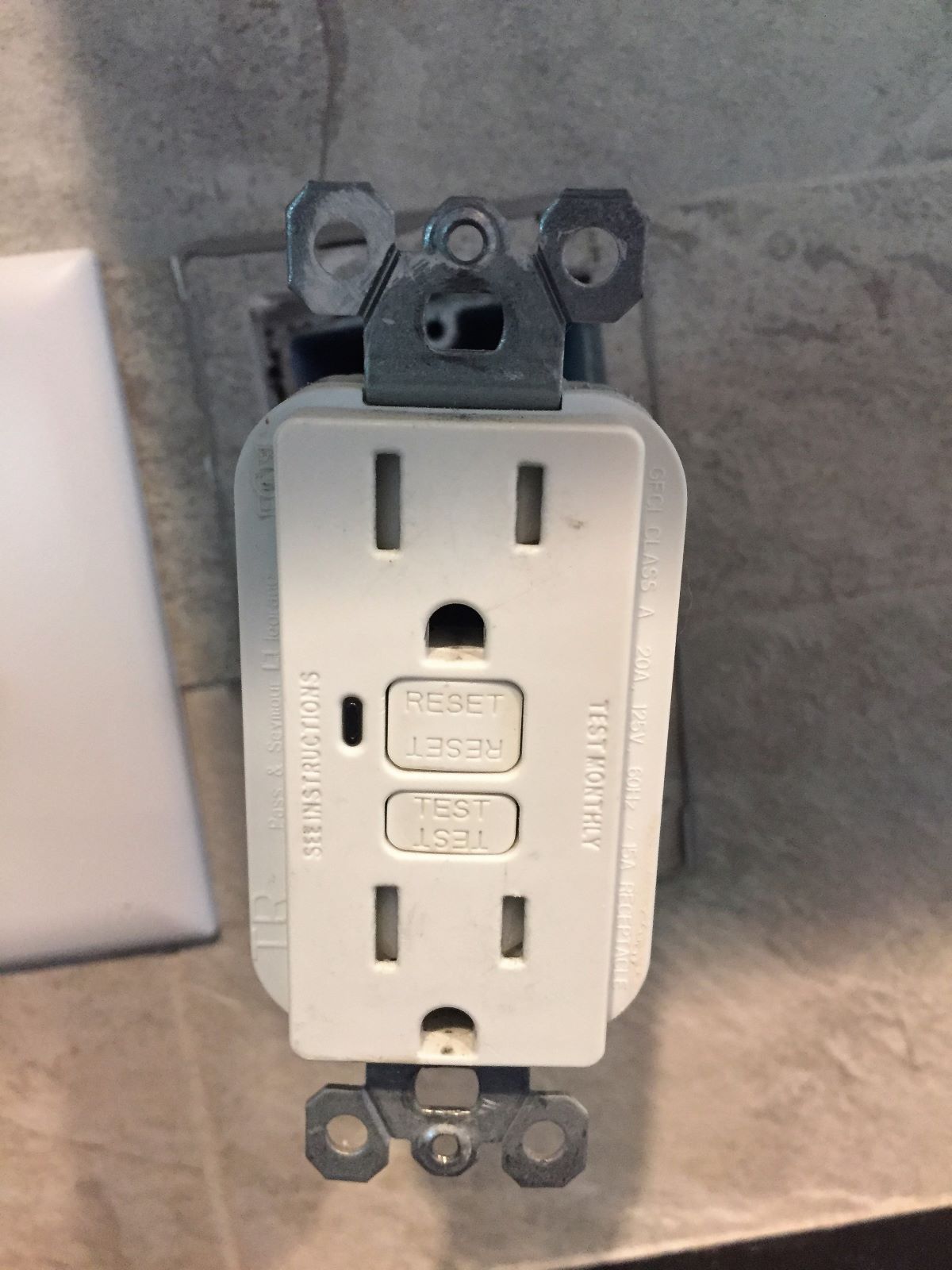
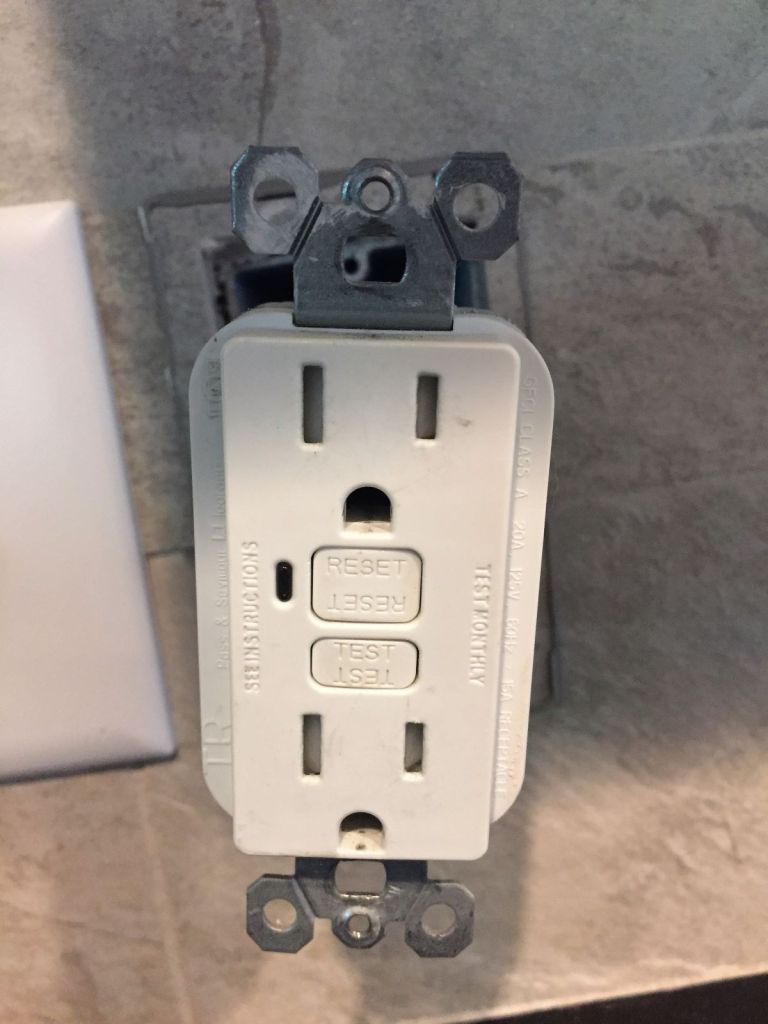
GFCI Outlet Torture

There’s this exercise machine commercial which has actors ask “Do you want some more?” This is the usual exhortation letting you know more pain and torture is needed if you really want to get in shape.

Well, replacing Ground Fault Circuit Interrupter (GFCI) outlets is one way you can get more torture—but only if you really want it.

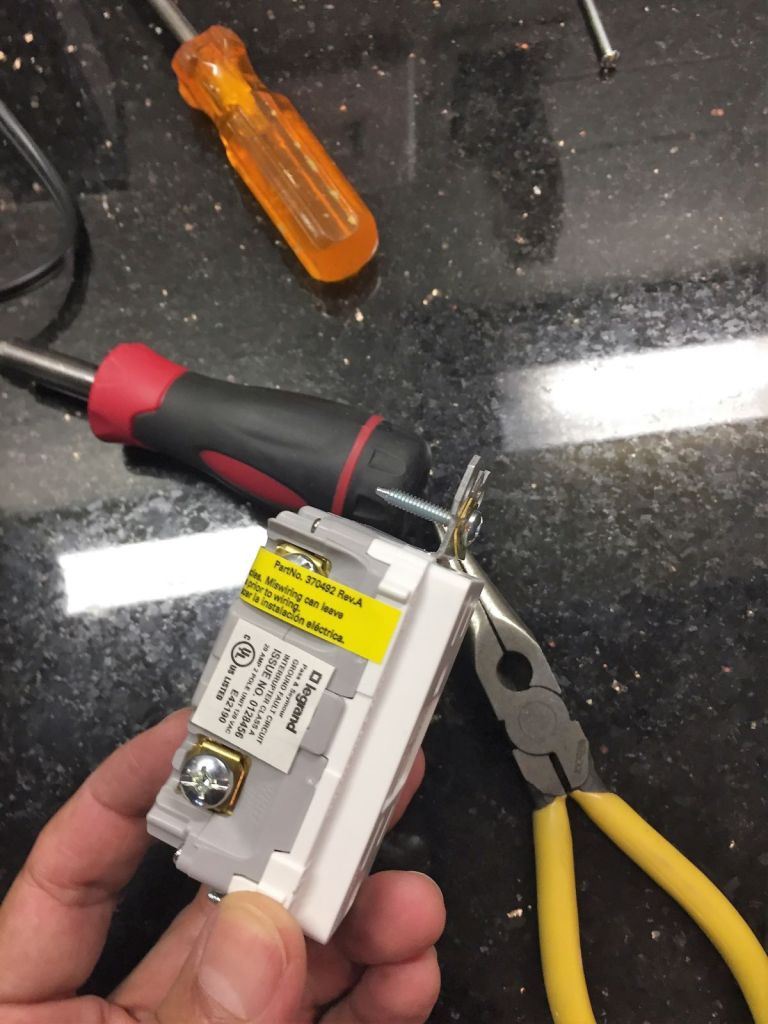
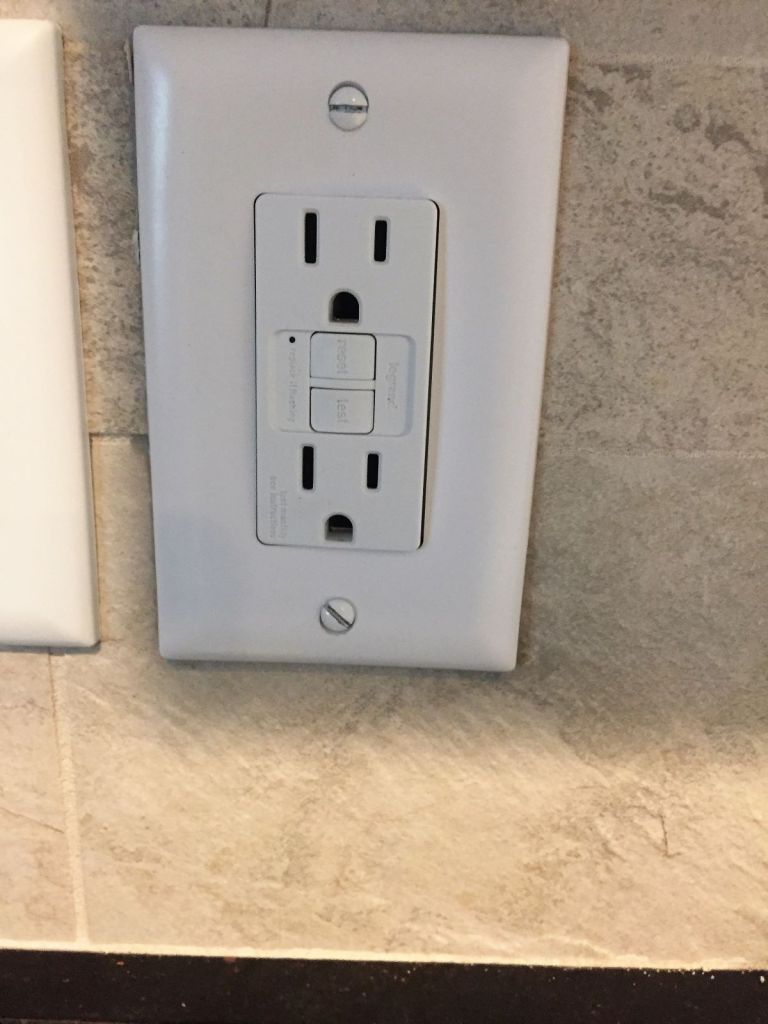
I’ve replaced GFCI outlets before in our house, but yesterday I had to replace a few more. I got charley horses in places I didn’t know I had. It also took a lot more time. It took me several hours to replace just 3 of them.

You have to know something—I’m not a natural handyman. I’m also not really a trainable handyman. I’m terminally resistant to handyman stuff of any kind.

I didn’t find out the next fact I’m going to mention until after I installed the GFCIs, but since 2015, so-called Self-Test GFCIs are available—which is what Sena bought but didn’t know it. They automatically monitor the GFCI periodically. Ours self-test every 3 seconds, which sounds impressive, until you hear the rest of the story.

I found the International Association of Electrical Inspectors (IAEI) blog post which has an interesting post about Self-Test GFCIs. First, they describe why the Self-Test GFCI was made, which is that consumers rarely, if ever, tested them once a month as recommended to ensure they work.

New requirements now ensure that power denial to the GFCI and any downstream connected devices (which is what the term LOAD refers to on the GFCI outlet) when the GFCI wears out. But there’s a special exception for the self-test:

The general requirement in the event of a test failure during the auto monitoring also requires “power denial”. However, there is a special exception for two specific failure modes that allows an audible or visual indication as an alternative. These failure modes open the trip solenoid and open the solenoid driver component and make it impossible for the device to trip with these components open. The improved functionality of the GFCI resulting from the auto monitoring will provide enhanced protection for the consumer against electrical shock hazards.

The auto monitoring or self-test feature periodically tests the electronics from the sensing toroid to the trip solenoid driver and will pick up a failure of the majority of components in the GFCI.  It cannot, however, test the trip solenoid driver, the trip solenoid itself or the contacts to see if they are welded. Testing those components can only be done by actually making the GFCI trip. It is not practical to have GFCIs randomly tripping off during self-test cycles. So, the manual test button is still provided and it should still be used periodically as recommended. The presence of the self-test function is not allowed to affect the tripping of the device within the specified trip time requirements if an actual ground fault occurs.

OK, two things to notice here. One is that if you have the self-test model which has a visual indicator (the red test light). Our GFCI indicator light would flash for this. That means you can’t plug a big night light in it, which would block your view of the test light.

The other thing to note is that you still have to periodically manually check it—even if it automatically self-tests every 3 seconds. That’s because if the GFCI actually did self-test the real-life relevant components, your hair dryer, radio, lava light or whatever would stop working at awkward moments.

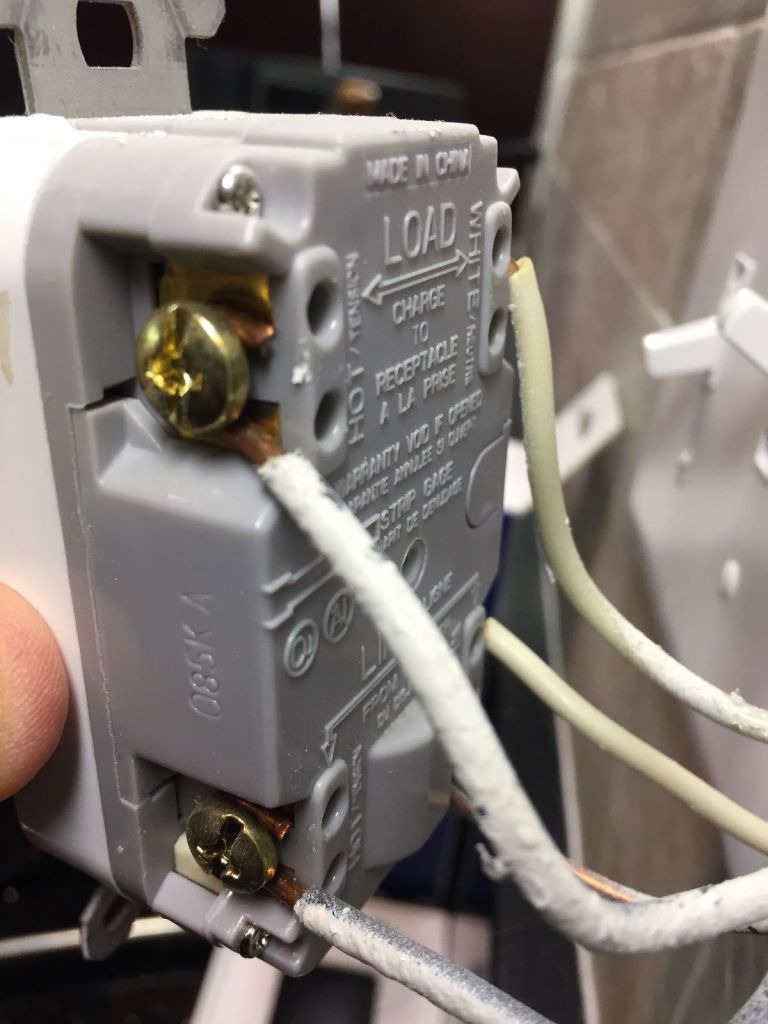
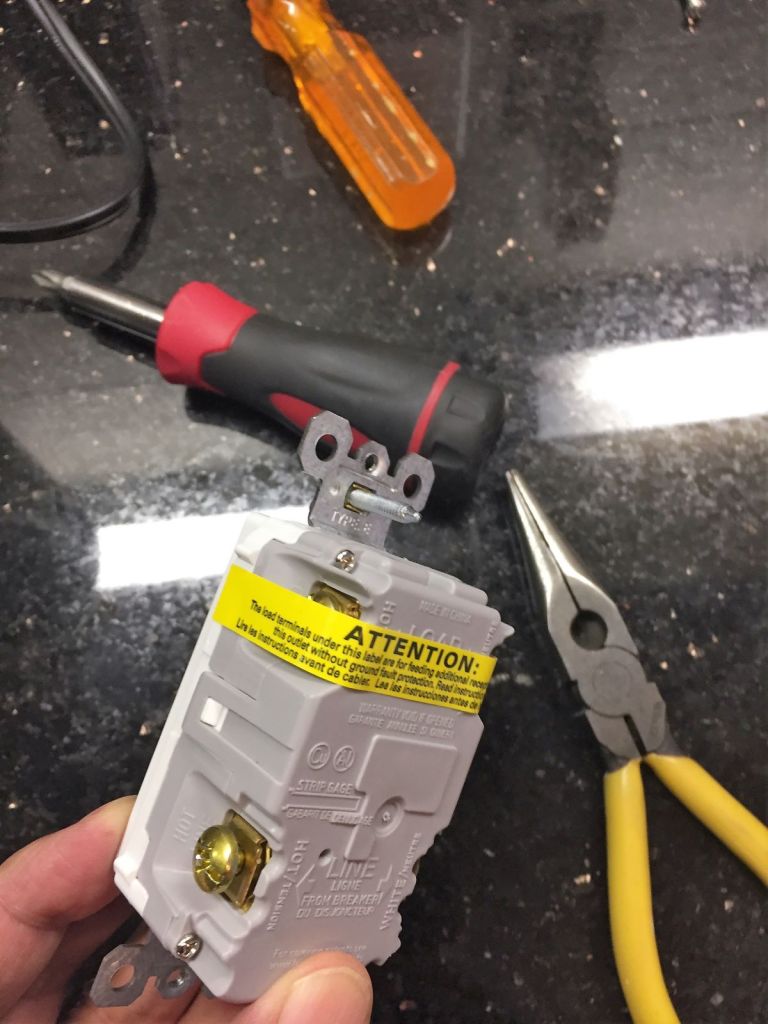
Anyway, I had a heck of a time getting the GFCI wires out from under the terminals. The procedure is not markedly different from changing an ordinary electrical outlet. You just have to make sure you get the right wires to the right terminals for LINE (in from the circuit breaker) and LOAD (out to the lava light). Changes in the design and explicit instructions are included with the product.

The hot wires are usually black (which go to the brass terminals), the white wires are usually white (which go to the silver terminals), and the ground wire is usually an orange unjacketed cooper wire. There can be as many as 4-6 wires.

Should an ordinary homeowner or an electrician replace a GFCI outlet? In fact, the included instruction sheet starts off with just this question, “Should you install it?” And yes, the word “you” is underlined. You only see it after you bought the product in the hardware store and open the package.

This does not bolster my confidence, which is already low to nonexistent.

The instructions say that you should make sure that you:

  • Understand basic wiring principles and techniques.
  • Can interpret wiring diagrams.
  • Have circuit wiring experience.
  • Are prepared to take a few minutes to test your work, making sure that you have wired the GFCI receptacle correctly.
  • Have updated your life insurance policy and your last will and testament (just kidding).

I’m not going to mention that the first 4 bullet points don’t count for ordinary consumers who are trying to save the cost of hiring an electrician to do the job for you. According to the Costimates website, this can range from $140-$310. The cost of an intensive care unit admission, funeral, etc., don’t appear anywhere on this site.

But the cost of a GFCI unit is about $20. Any questions?

I kept the instructions on the counter. I made sure I had enough lighting. We have under cabinet lighting on a separate circuit from the outlets. I shut off the relevant circuit breakers.

THESE ARE NOT INSTRUCTIONS. THIS ENTIRE POST IS AN ANECDOTE. YOU SHOULD FOLLOW THE INSTRUCTIONS INCLUDED IN THE PACKAGE OR HAVE A CUP OF COFFEE WHILE WATCHING THE ELECTRICIAN DO THE WORK (HAVE YOUR CHECKBOOK OR CREDIT CARD HANDY).

When I took the face plate off and pulled out the receptacle, I notice that most of the wires had a white coating, which a lot of wires seem to have. It’s uneven and it might be drywall spray? I can always tell which wires are white, black and ground. The ground wire is on the bottom of the receptacle, secured with a green terminal.

The hardest part was freeing the old copper posts from under the terminals and getting the news ones on. I twisted myself into a pretzel as I wrestled with the job. I was right next to the toggle switch for the overhead light and jumped every time I accidentally switched it off—which was several times.  I could have done without intermittent sudden flashes.

I followed the instructions closely, especially for testing my work. They worked. I started the job of replacing just 3 receptables about mid-morning. I finished at 2:00 PM. The average estimated time for this chore is about 15 minutes per GFCI outlet. I was sore in places I didn’t know I had.

But I saved hundreds of dollars doing it myself. Would I do it again?

Give me a little time to think it over. And remind me; how often should I manually test these things which automatically test themselves every 3 seconds?

Ever See Bigfoot Splooting?

I wonder if anyone ever got a picture of Bigfoot splooting? Why not? It’s a large furry animal which has no way of cooling off other than by panting or lying on its belly with its limbs splayed out, which is the definition of “splooting.”

I found a news item about splooting squirrels and quickly found other examples of animals who sploot including but not limited to bears, dogs, and rabbits.

The word “sploot” turns up on a web site called Language Log, devoted to people who study word etymology.

And words definitely do matter, according to the authors of an opinion piece recently published in the Annals of Clinical Psychiatry (Black DW, Balon R. Words matter. Ann Clin Psychiatry. 2022 Aug;34(3):145-147. doi: 10.12788/acp.0072. PMID: 35849767).

I agree with Drs. Black and Balon. I dislike the word “issue,” for the same reason the authors do. It’s too vague. I have the same problem with “address” which I see in many news items headlines. which doesn’t give me a clue about what kind of action is being taken to solve a problem—other than just paying attention to it.

The word “sploot” drives my spell checker crazy. It’s not in the Merriam-Webster Dictionary. Neither is it in the Scrabble Dictionary. But it’s in the Collins English Dictionary, listed as British English.

Why “sploot” is any better than “splayed” is beyond me. If you have a picture of a splooting Bigfoot, let me know.

Featured image credit: Pixydotorg.

I Say Omicron and You Say Ahmicron

Well, we tried the Miracle Whip salad dressing on egg salad sandwiches the other day. I thought they tasted better than the tuna fish sandwiches we had before.

But maybe it was the mustard in the egg salad. Anyway, Sena says we’ll be going back to Mayonnaise after the Miracle Whip is gone.

The difference between Mayo and Miracle Whip may be debatable. But the difference between the updated Covid-19 vaccine Omicron bivalent booster and the previous Covid-19 vaccines is more important than just the difference between the two pronunciations of Omicron. I say OH-muh-kraan, you say AH-muh-kraan. You say tuh-May-toh, I say to-MAH-toh, etc.

Some clinicians are worried about the risk for substituting the wrong vaccine for the new bivalent booster. That’s more than just fussiness; administration errors have already occurred with previous formulations of the vaccines and their boosters. These are nontrivial, reportable mistakes.

Some say the different colors of the vial caps should be enough to prevent mistakes. The CDC advisory committee members disagreed.

It doesn’t seem to be enough to simply read the vial labels. Busy workers in pharmacies and primary care clinics have grabbled the wrong ones and injected them.

One person at the CDC ACIP meeting on September 1, 2022 said, “Structural problems required structural solutions,” referring to the vials which have similar packaging, an opinion shared by others. The Interim Clinical Considerations for COVID-19 Vaccines: Bivalent Boosters slide set makes the distinctions pretty clear.

I hope the pharmacies and other clinics get the pictures. Just because we’re all a little nervous about making mistakes doesn’t mean we have to call the whole thing off.

What is the Answer to Automated Answering Machine Recordings?

I’ve been calling local pharmacies in an effort to schedule getting the updated Covid-19 vaccine updated bivalent booster and the flu shot as well. I imagine I’m not the only one encountering the frustrating automated answering machines.

It’s confusing to find out that if I answer the question about how many Covid-19 vaccine shots I’ve gotten (which is 4, including the two initial doses and two boosters), the machine politely sort of congratulates me (“you’re good to go!) and then hangs up. That contrasts with the web-based organization message in large font against a bright red background which assures me that I can schedule a time to get both vaccines—if I set up an on-line account (which always makes me suspicious). It turns out that the old “continue as a guest” alternative puts my personal information at risk. I’m unable to get a live person on the line.

I found a few tactics on the web for bypassing these recordings, but I’m pretty sure they don’t work. Some of them have been around for over 15 years, like pressing zero once or even repeatedly. That can result in the recording automatically hanging up on you.

There are other suggestions for pressing various special characters on your smartphone, which some people swear by.

Speaking of swearing, I even found one suggestion for swearing repeatedly into the phone to get past the automated answering machine. I’m pretty sure that doesn’t work.

I think I’ll just sit tight and wait a while. There’s no rush. But I wish there were some polite and effective way to get a live person on the line when you get the automated answering machine from hell:

Drugs-R-Us Pharmacy: Hello, what would you like to do today? You can say, “vaccine,” “alien abductions,” or “triple fat burger with soggy fries and a cola.”

Customer: Vaccine.

Drugs-R-Us: Thank you! Would you like to do: schedule a new, review a scheduled time, cancel an appointment, or talk about the weather?

Customer: Schedule a new.

Drugs-R-Us: What vaccine would you like to schedule?

Customer: Updated Covid-19 booster.

Drugs-R-Us: Got it! And would you like any other vaccines?

Customer: Flu shot.

Drugs-R-Us: I see; I’ll make a note of that. You can ask the pharmacist at your visit for another vaccine, which would be administered as an intra-ocular injection in the eye of your choice. Now, a booster. I’ll need some more information, including your birthdate, phone number, number of previous vaccinations, distinguishing marks, social security number, all bank account numbers, record of previous arrests, and the name of your first-born child, if any. First, how many vaccines have you received?

Customer: Four.

Drugs-R-Us: You rock! You have all the vaccines you need and that means it’s Beer O’clock for you, dude. Is there anything else?

Customer: But I want the updated Covid-19 booster! Can’t you understand that it’s new and your company says it’s available now?

Drugs-R-Us: Good-bye (click).

Maybe I’ll have better luck next week.

What Happened to Miracle Whip?

Okay, the update on the Mayo vs Miracle Whip thing is not going as planned so far. A couple of days ago, we had tuna fish sandwiches using Miracle Whip.

This was not the Miracle Whip I knew growing up. Neither of us could appreciate much of a taste at all. It’s a crisis.

Even the label on the jar looks strange. Since when does Kraft call it “Creamy Mayo & Tangy Dressing?” Why do they need to use the word “Mayo?” And it didn’t have the tangy flavor I remember.

This is all because of aliens. I’m pretty sure this is a violation of the Intergalactic Federation for Preservation of Tanginess Standards (IFFPOTS). Look it up.

I never made Miracle Whip sandwiches with just Miracle Whip on two slices of bread. I also had a slice of lunch meat on them. In fact, I ate one Miracle Whip nitrate-rich lunch meat sandwich a day for lunch for years. Its’ a good thing scientists discovered that nitrates aren’t bad for you.

But the point is the Miracle Whip tasted tangy back in those days. What happened?

Maybe it’s because my taste buds are older. More likely it’s because aliens kidnapped me and altered my taste buds. Or maybe they altered the Miracle Whip itself.

We’re not done yet. There are other recipes to try.

What Would Make Psychiatry More Fun?

I just read Dr. George Dawson’s post “Happy Labor Day” published August 31, 2022. As usual, he’s right on the mark about what makes it very difficult to enjoy psychiatric practice.

And then, I looked on the web for anything on Roger Kathol, MD, FACLP. There’s a YouTube video of my old teacher on the Academy of Consultation-Liaison Psychiatry (ACLP) YouTube site. I gave up my membership a few years ago in anticipation of my retirement.

I think one of my best memories about my psychiatric training was the rotation through the Medical-Psychiatry Unit (MPU). I remember at one time he wanted to call it the Complexity Intervention Unit (CIU)—which I resisted but which made perfect sense. Medical, behavioral, social, and other factors all played roles in the patient presentations we commonly encountered with out patients on that unit where we all worked so hard.

Dr. Kathol made work fun. In fact, he used to read selections from a book about Galen, the Greek physician, writer and philosopher while rounding on the MPU. One day, after I had been up all night on call on the unit, I realized I was supposed to give a short presentation on the evaluation of sodium abnormalities.

I think Roger let me off the hook when he saw me nodding off during a reading from the Galen tome.

Dr. Dawson is right about the need to bring back interest, fun and a sense of humor as well as a sense of being a part of what Roger calls the “House of Medicine.” He outlines what that means in the video.

What made medicine interesting to me and other trainees who had the privilege of working with Roger was his background of training in both internal medicine and psychiatry. He also had a great deal of energy, dedication, and knew how to have fun. He is a great teacher and the House of Medicine needs to remember how valuable an asset a great teacher is.