Thoughts on Upping Your Game

Today’s essay by Dr. Moffic was pretty interesting about the role of video gaming in health for men and women. Computer games were emphasized but it got me thinking about hands-on games that you might thing of as being more old-fashioned—like cribbage.

I wrote a post about cribbage already today, but there’s another angle on it that’s readily adaptable to considering its role in promoting mental health for both men and women.

That reminds me that until yesterday and today, I was on a major losing streak in cribbage with Sena. Cribbage wins and losses seem to occur in streaks and I was beginning to wonder if I’d lost my touch.

There’s a cribbage connection with the electronic gaming realm in that we also play the computer video cribbage game Cribbage Pro. There are three levels, Standard, Challenging, and Brutal (the toughest opponent). We always play Brutal, and often win. There’s a way to play internet cribbage on Cribbage Pro, but we don’t. I prefer playing live. I think the popular view of cribbage is that it’s an old guy’s game. I suspect people think it’s a card game old men play on their lunch hour at the factory.

Nothing could be further from the truth. It’s very popular with women and kids and my guess is that no matter what your gender preference is, there’s a greater diversity of cribbage players out there than anyone realizes.

Playing cribbage promotes and maintains brain health by requiring you to practice basic arithmetic by counting your scores and pegging. You lose a little of that in Cribbage Pro although you can turn on the feature allowing manual counting of scores.

And the American Cribbage Congress (ACC) accommodates internet cribbage tournaments. It’s very popular and competitive. By the way, expanding on my other post today about how to verify your luck in getting a 29 hand in cribbage, you can easily prove it on Cribbage Pro by taking a screen shot of it!

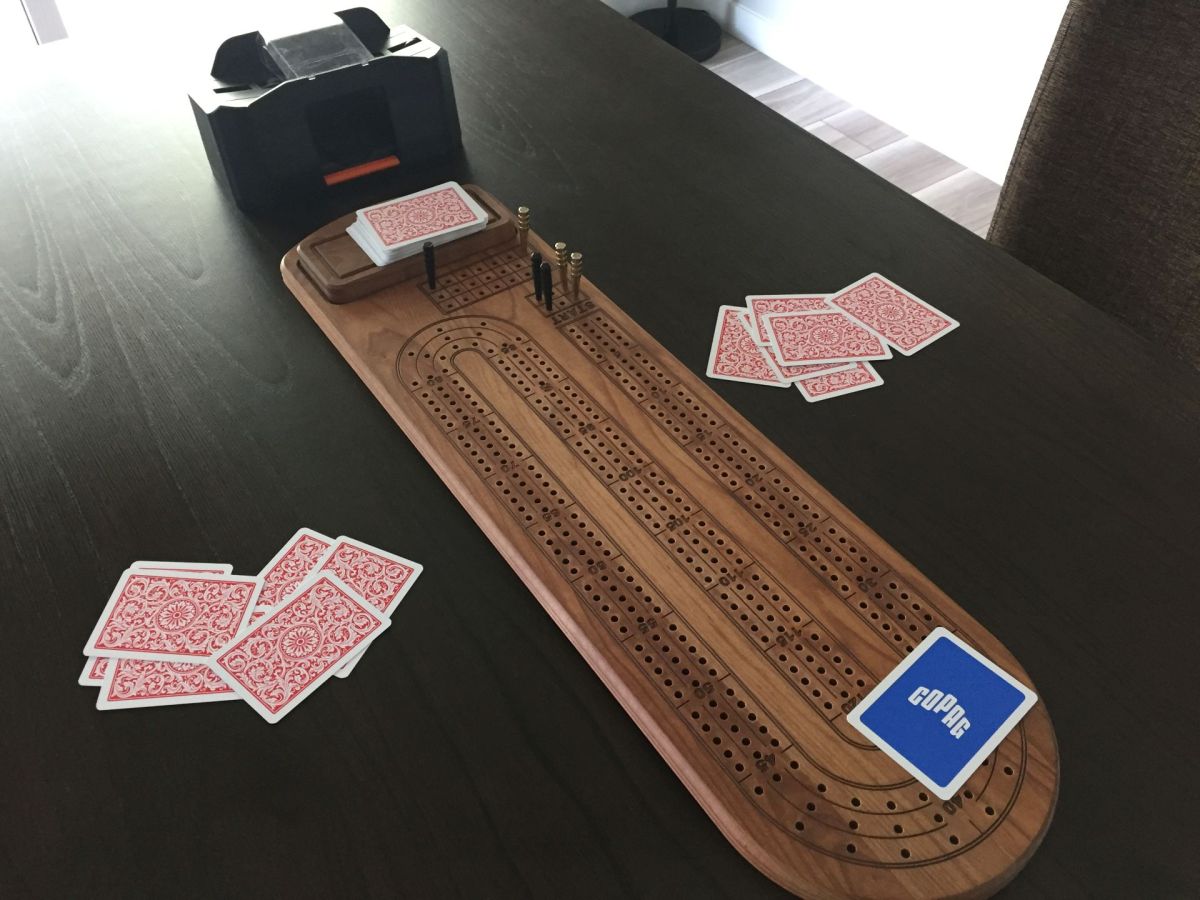
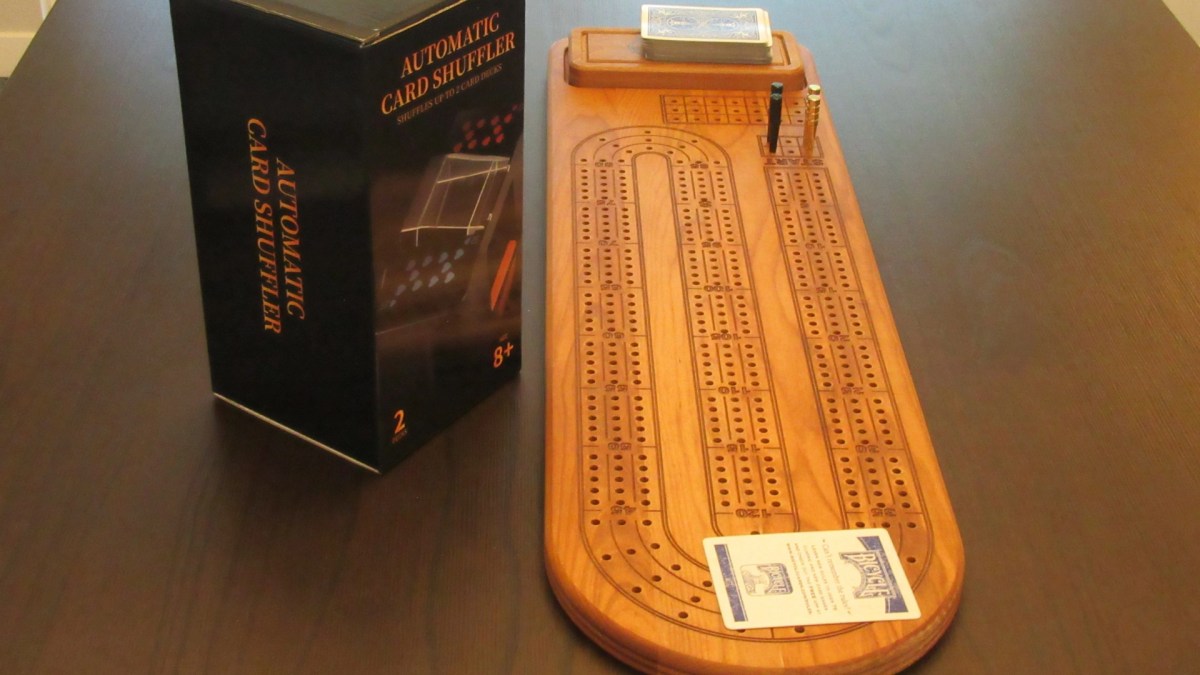
Computer games are fine, but I like to manually shuffle the cards for cribbage. Sena likes to use the shuffling machine—which is very loud but gets the job done. I’ve not yet found a way to “accidentally” lose the shuffling machine (Can’t imagine where it went; must have grown legs and walked downtown!).

We always help each other count our scores. The one time we tried muggins rule, which involves penalizing each other for missing scores by taking them from each other, we just couldn’t seem to get it straight. And it wasn’t as much fun.

There are local cribbage clubs that you could get involved in although they might be hard to find. The nearest one to us is several hours away.

I used to play computer games years ago (although not Nintendo), but nowadays I feel more like Agent K in Men in Black II as he’s trying to quickly learn how to steer a spacecraft using what looks like a PlayStation 2 controller (I used to have one of those).

after K turns on the auto pilot during the chase…

Agent K: It is not automatic pilot.

Agent J: He doesn’t work when we’re in hyperspeed.

Agent K: I could really use a steering wheel!

Agent J: We don’t have no damn steering wheel! This is what we got! [turns off auto pilot] Didn’t your mother ever give you a Gameboy?

Agent KWhat is a Gameboy?!?

Thoughts on the Elusive 29 Hand Score in Cribbage

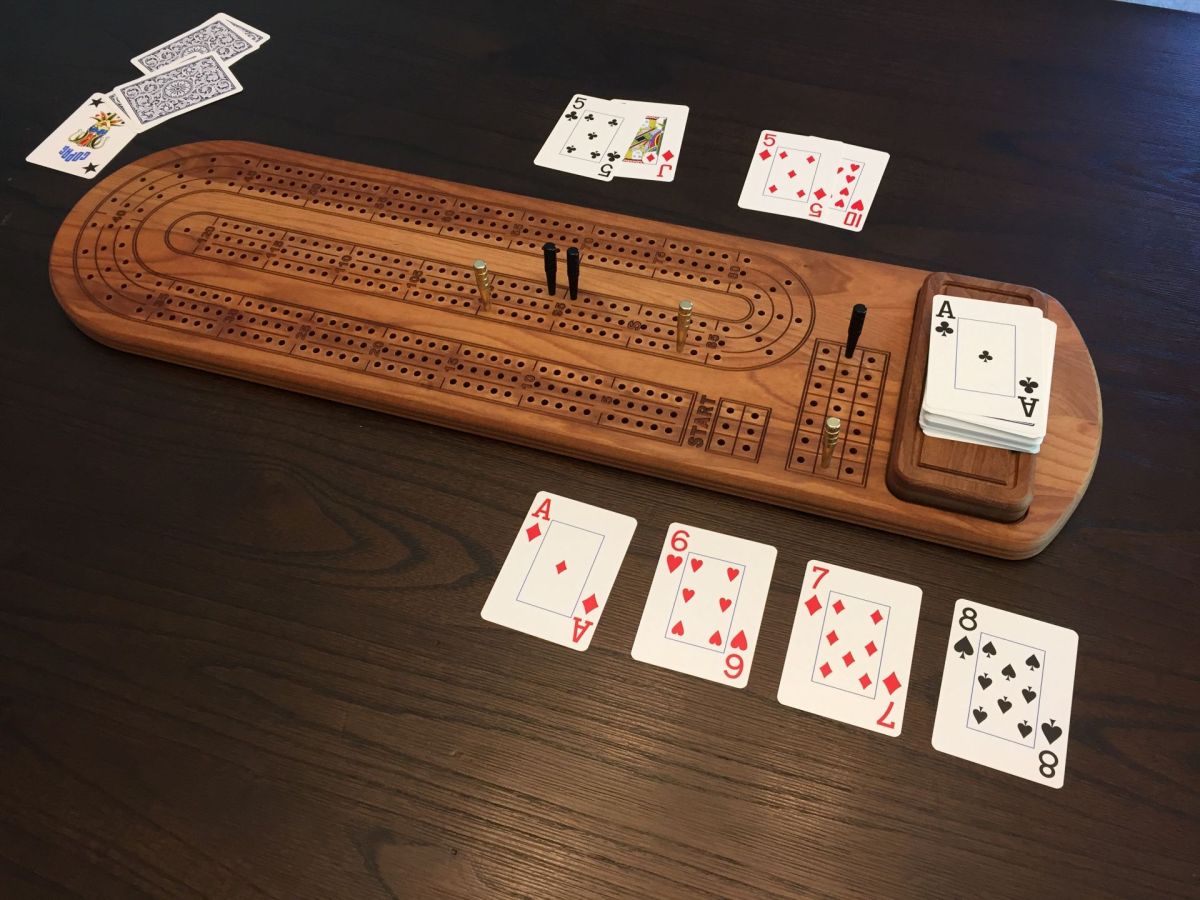
Sena and I were talking about the elusive 29 hand score in cribbage and I wondered how you could ever verify it. Let’s face it, it’s hard to imagine anybody filming themselves playing cribbage in order to catch it on tape.

Just for the sake of completeness, here’s a video of how to count the 29 score. You can see from the comments that it is indeed possible to get the 29 hand in your lifetime—if you’re an extraterrestrial from a galaxy where the typical lifespan is several hundred years.

As noted in the video, the odds of getting a 29-score hand are 1 in 216,580. I have rarely seen news stories that highlight this happening at some hardware store in East Overshoe, name-your-state where a couple of guys are playing cribbage on their lunch break. One supposedly gets a 29 hand. He calls up the local news announcing that and a reporter hustles over to snap a photo of the guy holding up the perfect hand with a nob jack and three 5 cards next to a card deck showing the obligatory 4th turnup 5 card.

How hard would it be to set that up?

OK, I’m not saying they’re making it up, but it’s not impossible to prank everybody by staging this as an April Fool’s joke. Would it be worth doing? No, not in my opinion.

I’ve never seen a story about anybody making a video of a cribbage game in which somebody gets the 29 hand. That would be interesting! But who would ever do that? You could make video recordings of your cribbage games every day for your whole life and never get a 29 hand. But a lot of people have a “29 hand cribbage” story. In fact, in the video above you can find a few comments about it. Is it just lore or are people telling tall tales or what?

There might another way to increase your chances of getting the 29 hand. You could become a vampire. That’s right; vampires can live for hundreds of years or even longer, provided they don’t get exposed to daylight or take a stake through the heart. Being immortal would give you more time to play cribbage. The only hitch is that you have to let a vampire bite you, making you a loathsome creature only able to get around during the night, when most people are sleeping. And somebody would probably invent cribbage pegs shaped like little crosses and there you go.

There might be another solution. One is to require the person who claims to have gotten a 29 hand to take a lie detector test. Sound good?

But lie detector tests are probably not infallible. You can even find instructions on the web claiming you can learn how to outsmart them. Believe it or not, there’s a Wikihow on “How to Fool a Polygraph Exam.” And even if Artificial Intelligence (AI) is used as part of the exam, everybody knows AI lies! Besides, there’s a bigger problem with lie detector tests. They would take all the fun out of the thrill of getting the 29 hand and telling everyone the story about it!

And after all, it’s the stories about getting the 29 hand that carry the day.

Grandma’s Hands Inspired Coffee and Slippery Playing Cards!

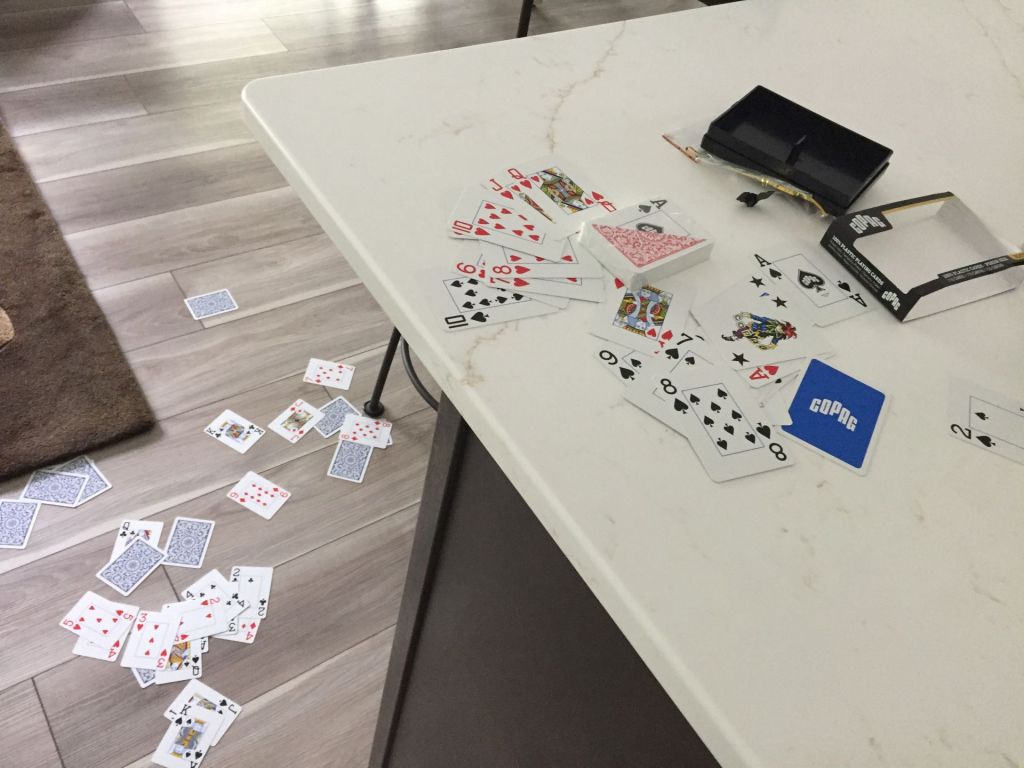
We got new stuff! We really needed new, durable playing cards and so we have a brand-new set of plastic playing cards. They’re really slippery and I dropped them on the floor right away. They float and glide on every surface. They fit in our automatic card shuffler, though. I haven’t yet tried to shuffle them manually. We played cribbage with them and I’m glad we didn’t try that tonight.

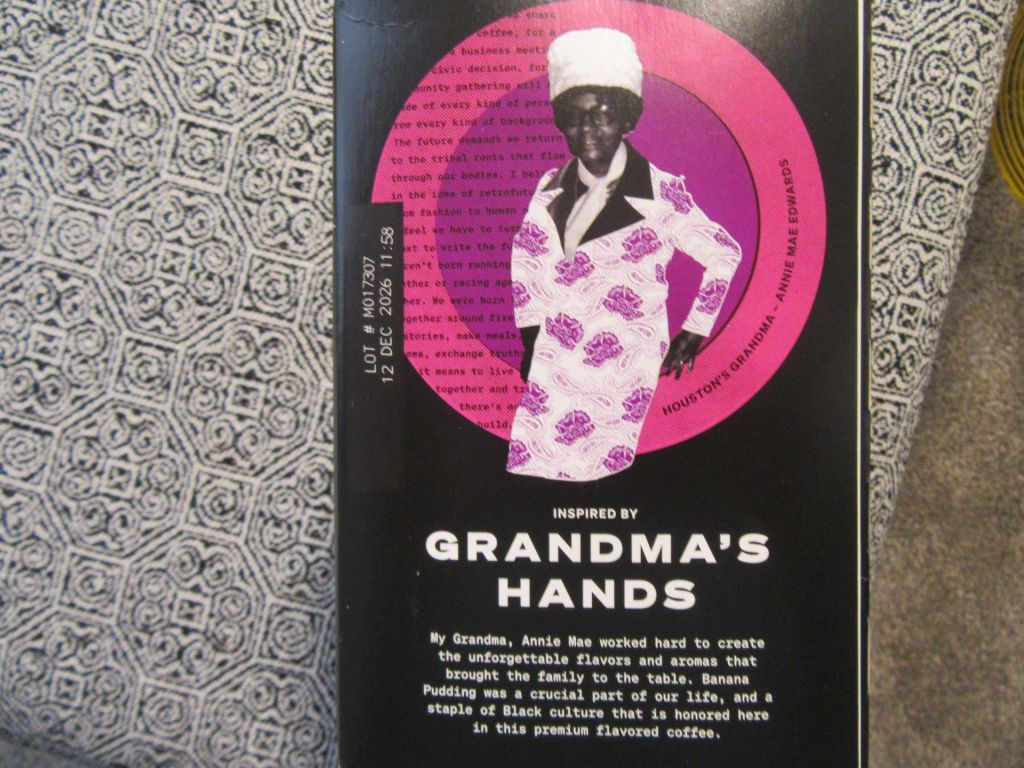
The other new thing is a new coffee: Houston White Brown Sugar Banana flavored coffee. I’m not sure about it but if I turn into an extraterrestrial, I’ll warn you.

Houston White runs The Get Down Coffee Co. It’s distributed out of Minneapolis, Minnesota. They put 5% of their profits back into the community of Camdentown North Minneapolis.

It’s inspired by Grandma’s Hand, who evidently was a miraculous cook. Anybody who recognizes the words Grandma’s Hands also knows that it’s the title of a song by Bill Withers.

How Do Tournament Cribbage Players Play So Fast?

I finally tracked down an American Cribbage Congress (ACC) game from 2017 in Reno, Nevada. It was an hour-long match between just two of the many competitors. They played 4 games in approximately one hour.

What amazed us was that they could play each game in about 15 minutes despite socializing with others, getting interrupted, chatting with others, and shuffling the cards between 5 to 10 times!

The video doesn’t have very high resolution and it was hard to see the cards. The cribbage board they began with evidently had very small peg holes and they finally had to get a replacement. They seemed to almost get in each other’s way tossing the cards they scored back and forth to each other and getting interrupted occasionally, inquiring about beverages and also by officials who asked them to keep track of their activity (probably scores) for some purpose or other, possibly statistics.

We were surprised to see how fast they were at pegging and counting hand and crib scores. The high number of times they shuffled didn’t seem to add much time to the games. We couldn’t hear any shuffling machines clanging in the background. We don’t know why one player had a toy eagle figurine on his side of the board.

We tried to play 4 games in an hour and couldn’t manage it except for the last one, which we did finish in 15 minutes (necessitating supplemental nasal cannula oxygen)—but the other 3 were about 20 minutes each on average. We changed our automatic shuffling routine by using it twice instead of once per deal and also let each other cut the deck after shuffling. The shuffler jammed a couple of times but was pretty reliable. We thought shuffling twice helped mix the cards a little better because we got more variation in the cards dealt. But so far, consistently playing a game in 15 minutes is beyond us.

Would we have been kicked out of the auditorium (which was fairly noisy), tarred and feathered, run out of town on a rail?

Possibly, but we’ll never know.

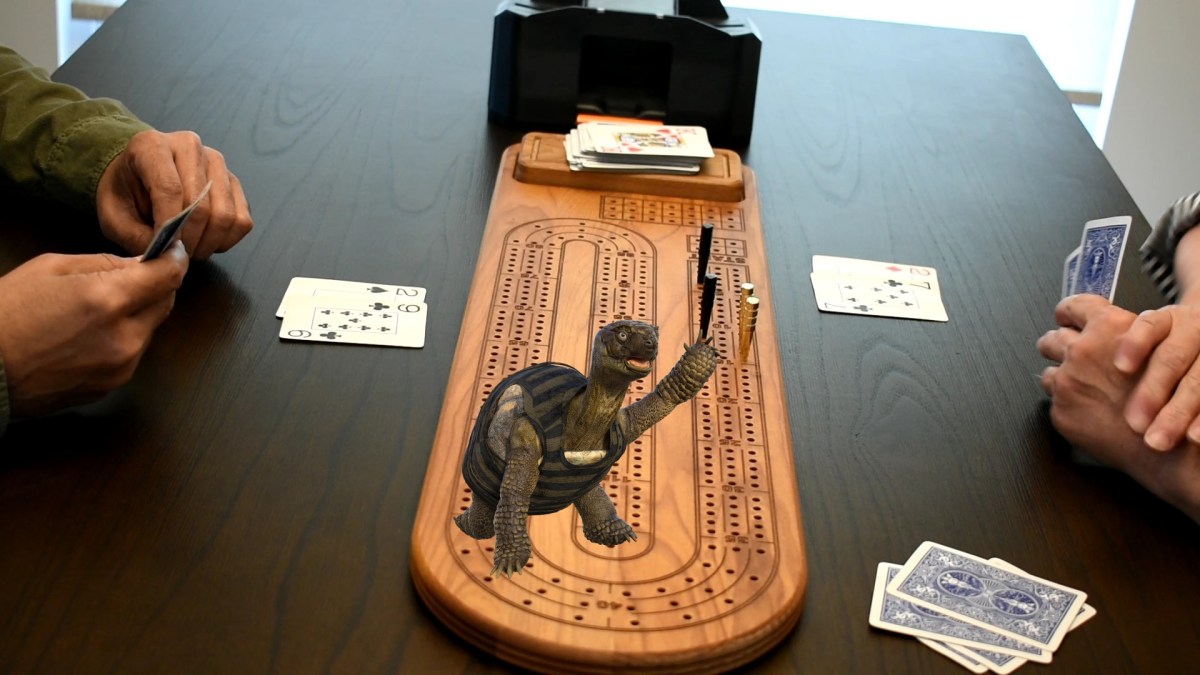
Cribbage for Turtles!

We’re still turtles when it comes to how long we take to play a cribbage game. And, I think I misjudged how randomization works with shuffling cards using a machine. I checked on line and various sources say, in general, whether you’re manually shuffling or using an automatic shuffling machine, adequate randomization of 52 cards would require shuffling seven times.

We experimented a little using a stopwatch. I can shuffle a deck in about 10 seconds using one table shuffle riffle and cuts. Sena probably takes about the same amount of time although she uses a different manual shuffling method (overhand, riffle). Rounding the numbers, shuffling 7 times would take about one minute and over 10 deals (one game), it would use up about 10 minutes or so.

The automatic shuffling machine takes about 5 seconds to shuffle a deck and doing that 7 times would take 35 seconds. Over 10 deals this would take up about 6 minutes. You can see it in action in our YouTube video, “Cribbage Meets Card Shuffler.”

We also ran the 24 face cards through the machine and it didn’t randomize them at all. Adding more cards didn’t improve it that much. It occasionally jams, but overall, it seems to do the job when you’re playing with a full deck—although I’m now skeptical that it does any better at randomizing cards than manual shuffling. And that probably accounts for the recommendation to shuffle seven times—by machine or manual methods.

This imposes an incentive for the tournament cribbage player to cut the time out of certain phases of the game. That’s because of the rule that you need to be able to play a cribbage game in 15 minutes. We wonder if experienced players might skimp on the shuffling phase.

For reference, the American Cribbage Congress (ACC) official rules about proper mixing of the cards (sec. 2.1) says:

2.1. Proper Mixing The pack must be mixed or shuffled at least three times (including mechanical card shufflers) with the cards face down or otherwise hidden from both players. The shuffler is not permitted to look at the bottom card after the last shuffle. If the shuffler should do so, the nonshuffler is to remind the shuffler of the prohibition and score a two-point penalty. The pack shall then be reshuffled by the offender.

What’s interesting about this is that it looks like the ACC allows automatic card shufflers, which made me wonder about whether mufflers are required. Ours makes a real racket. Note that a table riffle would work well to hide the numbers sides of the cards. It’s also clear you have to shuffle at least three times.

We’ve never been to a cribbage tournament so we don’t know how this works in actual practice. Let’s suppose that the strict 15-minute game time limit is the main rule and players shuffle three times. Then using a machine would take up only 3 minutes and manual shuffling would take up 5 minutes—if you’re not that concerned about randomization.  

Manual shuffling means a tournament player might have 10 minutes for actual game play, so there could be an incentive to use a machine. On the other hand, experienced cribbage tournament players probably play every phase of the game very fast.

We take about 20 minutes to play a game regardless of whether we shuffle manually or with a machine. That’s how turtles roll.

The Automatic Card Shuffler for Cribbage!

Today we used the automated card shuffler Sena ordered. I couldn’t find a company name or anything else from the box about where it’s made. We know it’s loud, but it does the job.

We’re not sure why it’s so noisy. It sounds like a bunch of pots and pans falling out of the cupboard during a tornado.

It was our first time using it and, while it felt like it was faster, it probably wasn’t according to my stopwatch. It took 22 minutes for us to play a cribbage game and manual shuffling took 25 minutes the other day (Big Time Bigfoot Cribbage Game). On the other hand, I think it randomizes the cards better than we do manually.

We kept starting to shuffle manually just because we’re so accustomed to doing it. It actually isn’t hard to set the cards into the feeder on top of the machine. In fact, you don’t have to be fussy about squaring up the deck before placing it in the shuffler. It’ll also shuffle two decks at once. It came with a charging cord so you don’t need batteries.

I don’t know if the American Cribbage Congress (ACC) allows automatic card shufflers in tournaments. I’ve never entered a tournament, but in photos the players are packed in cheek by jowl. And if you had one as noisy as ours for thousands of players, the din might be loud enough to set off alarms.

Cribbage Drips Under Pressure

Today we played cribbage under pressure—time pressure that is. We tried it because we wondered about why, in tournament games, you always hear you should be able to play a game in 15 minutes. The American Cribbage Congress (ACC) has over 200 local grassroots cribbage clubs across North America. If you join one of them, you generally have to learn how to play a cribbage game in 15 minutes.

Most clubs have you play 9 other players during regular meetings, which typically last about two and a half to three hours.  I’m sure the practical time range is closer to somewhere between 15-20 minutes, but the driver to keep it shorter is that tournament organizers have to accommodate a large number of entrants. I’m not sure how much you can socialize during meetings. We had to cut the chit chat and focus on the cards.

We’re used to playing at a leisurely pace, chatting and dawdling. Usually, we take about 25 minutes to play a game—sometimes longer. But under time pressure, all phases of the game got more difficult to manage.

We kept getting stuck on certain phases of the game. We probably didn’t throw to the crib as well as we’d like because we felt so pressured to stay under the time limit. I’m sure we made counting and scoring mistakes in both the pegging and scoring phases.

We played 4 games and could play in 15 minutes and 36 seconds in only one of them. It seems like the average for us was somewhere in between 15 and 20 minutes. I used the stopwatch on my cell phone.

Oddly, the second time we tried to play faster led to the fastest time, which was just over 15 minutes as noted above. But each time we played, the longer times got; the first game was around 20 minutes, the next one after that was about 15 minutes; the next was a little over 16 and the next one after that was closer to 17 minutes.

I think fatigue from the pressure got to us. However, I wonder if we just practiced a little more, whether the jitteriness from the sense of pressure would ease because we’d eventually get better at scoring the less common hand and crib scores. Would an expert tell us that? By the way, do you know what the definition of an expert is? A retired drip under pressure.

I gave up on the idea of shuffling 2-3 times each hand and just did it once—which didn’t really seem to improve our times. We’re supposed to get our card shuffling machine tomorrow. I wonder if using that would speed things up or slow us down.

The other point to make is that we usually help each other score and count when we play cribbage. Well, that’s not what tournament players do. You sweat it out and if you make a mistake, your opponent can’t help you. And don’t get me started on the muggins rule. Talk about pressure.

Maybe the answer is to have a fresh deck of cards which don’t stick to each other from the snack foods you eat while playing cribbage just for fun. And don’t talk, joke, laugh, or shuffle too many times, and remember luck is part of the game. Skill can take you just so far. It’s kind of like life. Somebody called cribbage a “finicky game.” OK, so it was Barry Rigal, who’s famous for being a bridge player and edited the book Card Games for Dummies.

So, explain why cribbage players, who I’m guessing are among the most finicky people on the planet, can deal with the pressure of a card game with a lot of finicky rules but manage to play a cribbage game in 15 minutes?

If you’re a cribbage player, we’d love to hear your answers. No pressure.

Big Time Bigfoot Cribbage Game!

Yesterday, Sena and I had a major cribbage showdown on the Bigfoot cribbage board. It took a little practice to get used to it because we generally use the long board. Aside from the usual hiccups figuring out scores, I did a fair job of keeping up for a while.

However; Sena won. She plays a smart game and I didn’t have the time to crack any Bigfoot jokes during the filming of the full game. We’re not tournament players so we took over 25 minutes to play one game. It was fun, though.

Sena ordered a card shuffler machine, and we’ll see how much time that shaves off playing a game. Probably not much although the maker advertises that it shuffles in less than 2 seconds. I don’t think tournaments allow shuffling machines.

Except for the length of the video, I think what it has going for it is the demo of how the game is played.

And on to the important stuff—a couple of Bigfoot jokes:

Do you know why Bigfoot is so good at hiding? He owes money to Chuck Norris.

Bigfoot claims he saw Chuck Norris once, but nobody believed him.

The reason nobody sees Bigfoot is because Chuck Norris found him first.

Bigfoot thinks Chuck Norris is a myth.

Learning to Play Cribbage from the Internet

I’ve been looking over the web about learning how and where to play cribbage. It’s a card game for two players usually, but there are variations allowing for 3 to 4 players.

 First, out of curiosity, I started searching the web on where to play cribbage in Iowa.

There are about 200 local clubs across the U.S. connected with the American Cribbage Congress (ACC). You can find them by looking in the Club Directory on their web site. So where could you play cribbage outside of the ACC with others in Iowa?

It turns out there’s a cribbage club in Des Moines, called Capital City. Like many ACC clubs, members play 9 games vs 9 opponents and they are two player games. They accept people of all ages, although one of the main reasons to join is if your interested in tournament cribbage games. Like the web page says, they have fun, but they also have to learn how to play a game in 15 minutes because that’s the usual speed you’d have to play in tournaments. I would expect the atmosphere to be fun and also competitive.

There’s another sort of cribbage club in Iowa and it’s in Indianola, which is only about 20 miles south of downtown Des Moines. It doesn’t have a specific name and it isn’t connected to the ACC. They play in a conference room an Activity Center. Interestingly, they allow only those over 50 years of age to participate. This probably isn’t going to help ensure that the younger generation learns to play cribbage and keep the game alive.

There is a photo of 4 guys sitting at a table and you can see the cribbage board in a corner of the table. So, there is the opportunity to learn the 4-player variation of cribbage. The web site also has a link to a set of rules about how to play the game. The rules have a puzzling suggestion, which is to lead with your highest card. That seems like asking for trouble because your opponent could drop a 5 card on your ten card and get fifteen for two points right away.

Either way, Sena and I are not about to drive several hours just to play cribbage. We’ve only been playing for a little over 5 years now, but over 20 years ago we tried to learn it. Which brings me to the point of how you learn it from the web.

There are so many YouTube videos and other written tutorials, all with variable quality. Some have too much detail for beginners and some don’t have enough detail to keep you interested. The teachers who allow comments on their videos often get heartwarming stories from those who remember playing cribbage with someone they loved.

I like a couple of videos from Jonathan Pinyan. I just watched the shortest one, which is only about 15 minutes long but teaches you all the basics while he plays a game with a friend.

And he made a 20-minute video playing a game with his father. Sena and I watched that one and now she calls the nob jack (one for his nob, the jack of the same suit as the cut card) the right jack because that’s what Jonathan calls it. It’s comical because I always feel like I have to correct her, “It’s the nob jack, not the right jack.”

On the other hand, I just found a web reference which asks about the “his knobs.” You’ll see long, comical discussions on the web about the etymology of terms like that in cribbage, often turning out to be differences between British and American cribbage players’ nomenclature. And the “right jack” is related to the card game Euchre, which is where Jonathan Pinyan got it.

But let’s not get started on that.

Jim vs Donald Trump on Cribbage Pro

President Donald Trump and I made a deal about his plan to make Canada the 51st state of America. If President Trump wins, he goes ahead and tries it. If I win, he lets it go.

I won.

This is satire! Happy April Fool’s Day!