Cannabinoid Hyperemesis Syndrome in the News Lately

I’ve seen a few articles about Cannabinoid Hyperemesis Syndrome (CHS) and because my funny bone is sensitive to provocative titles, I first read the one with the title that starts off with “I still partly think this is bullshit…” My reference list resulting from a quick search is below.

Of course, I don’t think CHS is “bullshit” (quote from an emergency room patient in the Collins et al paper). I agree it’s hard to diagnose and the news media tends to sensationalize it by promoting popular terminology like “scromiting,” which my spell checker doesn’t recognize. This is a vogue portmanteau word combining screaming and vomiting. It makes me wonder why someone didn’t try harder to come up with a portmanteau that might be more descriptive of the complex triad of vomiting, belly aches, hot baths, and screaming. Why not barfinbawlinbellyachinbathingbadness?

But it’s not funny and attempts to attach funny words like scromiting to the condition by the press (or whoever) is misguided.

I found one systematic review and treatment algorithm (Hsu et al) written to guide consultation-liaison psychiatrists who are likely to get called when CHS patients are admitted to emergency departments. However, I think the place to start would be the StatPearls review by Cue et al. One thing I found out from that paper is that the interesting ACCENT study ((Achieving Cannabis Cessation: Evaluating N-Acetylcysteine Treatment) the authors cite does not yet have results available, although it was started way back in 2014.

Just a couple of comments about the treatment algorithm by Hsu et al: haloperidol can cause dystonic reactions and akathisia as well as cardiac conduction problems like QTc prolongation and more. One episode of neck dystonia or akathisia or both can lead to mistrust of physicians who administer the causative agents, especially if there were no explanations of side effects as well as potential benefits. Benzodiazepines, while they may work, may also lead to some patients with substance use disorders becoming attached to them. Less commonly, patients with somatoform, factitious, or eating disorders will complicate the diagnostic picture.

Reference List:

Alexandra B. Collins, Francesca L. Beaudoin, Jane Metrik, Rachel S. Wightman,

“I still partly think this is bullshit”: A qualitative analysis of cannabinoid hyperemesis syndrome perceptions among people with chronic cannabis use and cyclic vomiting,

Drug and Alcohol Dependence,

Volume 246,

2023,

109853,

ISSN 0376-8716,

(https://www.sciencedirect.com/science/article/pii/S0376871623000911)

Abstract: Background

Cannabis is the most widely used psychoactive substance in the United States (US), with reported use patterns increasing among adults in recent years. Cannabinoid hyperemesis syndrome (CHS) has been one concern related to increased cannabis use patterns. US emergency departments have reported an increase of CHS cases over the last decade, yet little is known about CHS. This study explores the experiences of people with chronic cannabis use and cyclic vomiting and their perceptions of CHS.

Methods

Semi-structured interviews were conducted with 24 people recruited from a prospective cohort of patients presenting to Rhode Island emergency departments with symptomatic cyclic vomiting and chronic cannabis use. Data were analyzed thematically using NVivo.

Findings

Participants characterized their cyclic vomiting as related to food and alcohol consumption patterns, stress, and existing gastrointestinal issues. Despite recurrent episodes of cyclic vomiting, nausea, and abdominal pain, many participants remained uncertain whether their symptoms were driven by cannabis. Many participants relied on at-home research to assess their symptoms and seek out management approaches. Clinical treatment recommendations focused on cannabis cessation. However, most participants felt clinical recommendations failed to consider the complexity and challenge of stopping cannabis use given the chronicity of use and therapeutic benefits some perceived cannabis to have.

Conclusions

Although cannabis cessation is the only reported CHS cure to date, additional clinical and non-clinical treatment approaches are needed to better support people with chronic cannabis use and cyclic vomiting to meet their ongoing needs.

Keywords: Cannabinoid hyperemesis syndrome; Cyclic vomiting; Cannabis use; Qualitative

Cue L, Chu F, Cascella M. Cannabinoid Hyperemesis Syndrome. [Updated 2023 Jul 3]. In: StatPearls [Internet]. Treasure Island (FL): StatPearls Publishing; 2025 Jan-. Available from: https://www.ncbi.nlm.nih.gov/books/NBK549915/

Jennifer Hsu, Saurabh Kashyap, Cheryl Hurd, Lauren McCormack, Zachary Herrmann, Ann C. Schwartz, Joshua Jackson, Dustin DeMoss,

Treatment of cannabinoid hyperemesis syndrome: A systematic review and treatment algorithm for consultation-liaison psychiatrists,

General Hospital Psychiatry,

Volume 97,

2025,

Pages 185-191,

ISSN 0163-8343,

(https://www.sciencedirect.com/science/article/pii/S0163834325002038)

Abstract: Background

Cannabinoid Hyperemesis Syndrome (CHS) is a cyclical vomiting syndrome associated with chronic cannabis use and is often resistant to anti-emetics. Despite increasing incidence of suspected CHS, literature regarding its treatment is limited, and there are no established treatment guidelines.

Objectives

With the goal of establishing treatment guidelines for consultation-liaison (C-L) psychiatrists managing CHS, the authors systematically reviewed existing literature for pharmacologic treatment strategies using Preferred Reporting Items for Systematic reviews and Meta-Analyses (PRISMA) guidelines. With the results of the review, the authors propose a treatment algorithm for CHS.

Methods

We searched PubMed, PyschINFO & PsychARTICLES, Embase, and Web of Science from inception to July 2021 to identify literature describing treatment of CHS. We included cases of CHS where patient-level data describing the treatment of CHS was available. Pharmacologic treatments were considered beneficial if the patient’s nausea, hyperemesis, and urge to take hot showers resolved. Non-independent review of exclusion criteria assisted in reducing individual bias of the literature.

Results

The authors identified 34 eligible articles, consisting of 63 individual cases. Among these articles and cases, capsaicin cream, antipsychotics, and benzodiazepines were reported to improve CHS more effectively than other, more frequently used anti-emetics, such as promethazine, ondansetron, and metoclopramide.

Conclusion

An examination of treatment strategies for CHS can allow for more effective care while providing a foundation for further research in treatment. This proposed algorithm is designed to aid in establishing treatment strategies for C-L psychiatrists who assist with managing CHS for patients in general medical settings. The goal of this research is to establish evidence-based treatment guidelines for C-L psychiatrists who are managing patients with CHS in general medical settings. Recognizing the limitations of this algorithm being based on case reports adds to the necessity of further research in this area.

Registration

PROSPERO (https://www.crd.york.ac.uk/PROSPERO/view/CRD42021254888) registration number CRD42021254888.

Keywords: Cannabinoid hyperemesis syndrome; Treatment strategies; Systematic review; Pharmacologic treatment

Loganathan, P.; Gajendran, M.; Goyal, H. A Comprehensive Review and Update on Cannabis Hyperemesis Syndrome. Pharmaceuticals 202417, 1549. https://doi.org/10.3390/ph17111549

Thoughts on Retirement, MIB Style

Sena alerted me to an article about the 28th anniversary of when the first Men in Black movie hit the theaters in 1997. The author praises it and says it’s still pretty good.

I can’t remember the first time I saw it, but it was probably not in 1997. I was in my second year of being an assistant professor of psychiatry at the University of Iowa Hospitals & Clinics (now called University of Iowa Health Care). I was too busy to do much of anything except run around the hospital responding to requests for psychiatry consultations from medicine and surgery. I did that a long time.

I’ve been blogging since 2010. I cancelled my first blog which was called The Practical Psychosomaticist. I then restarted blogging, calling it Go Retire Psychiatrist. One blog that pays homage to my career and to the Men in Black films is “The Last White Coat I’ll Ever Wear.”

It’s part reminiscence and part comedy in the style of Men in Black dialogue and jokes. Since I retired, I have not been back to the hospital except for scheduled appointments in the eye and dentistry clinics. I don’t know if I’ve ever reconciled myself to being retired. If someone were to tell me “We have a situation and we need your help” (think Men in Black II), I would probably say something like “There is a free mental health clinic on the corner of Lilac and East Valley.”

When it Comes to AI, What Are We Really Talking About?

I’ve been reading about artificial intelligence (AI) in general and its healthcare applications. I tried searching the web in general about it and got the message: “An AI Overview is not available for this search.”

I’m ambivalent about that message. There are a couple of web articles, one of which I read twice in its entirety, “Are we living in a golden age of stupidity?” The other, “AI, Health, and Health Care Today and Tomorrow: The JAMA Summit Report on Artificial Intelligence”was so long and diffuse I got impatient and tried to skip to the bottom line—but the article was a bottomless pit. The conflict-of-interest disclosures section was overwhelmingly massive. Was that part of the reason I felt like I had fallen down the rabbit hole?

I recently signed an addendum to my book contract for my consult psychiatry handbook (published in 2010, for heaven’s sake) which I hope will ultimately protect the work from AI plagiarism. I have no idea whether it can. I delayed signing it for months, probably because I didn’t want to have anything to do with AI at all. I couldn’t discuss the contract addendum with my co-editor Dr. Robert G. Robinson MD about the contract addendum because he died on December 25, 2024.

I found out today the book is old enough to find on the Internet Archive as of a couple of years ago. One notice about it says “Borrow Unavailable” and another notice says “Book available to patrons with print disabilities.”

All I know is that an “archivist” uploaded it. The introduction and first chapter “The consultation process” is available for free on line in pdf format. I didn’t know that until today either.

Way back in 2010 we didn’t use anything you could call AI when we wrote the chapters for the book. I didn’t even dictate my chapters because the only thing available to use would have been a voice dictation software called Dragon Naturally Speaking. It was notorious for transcribing my dictations for clinic notes and inserting so many errors in them that some clinicians added an addendum warning the reader that notes were transcribed using voice dictation software—implying the author was less than fully responsible for the contents. That was because the mistakes often appeared after we signed off on them as finished, which sent them to the patient’s medical record.

Sometimes I think that was the forerunner of the confabulations of modern-day AI, which are often called hallucinations.

Now AI is creating the clinic notes. It cuts down on the pajama time contributing to clinician burnout although it’s not always clear who’s ultimately responsible for quality control. Who’s in charge of regulatory oversight of AI? What are we talking about?

Svengoolie Show Movie: “Tarantula”

I watched the Svengoolie show movie “Tarantula” last night, although I fell asleep for what turns out to have been about 20 minutes or so during the second half hour of this 1955 film about radioactive nutrient producing a giant tarantula. I had to catch up on what I missed on the Internet Archive.

Don’t get me wrong, the movie didn’t put me to sleep; in fact, there were various segments that reminded me of various tangents I’m about to go off on.

Anyway, the film was directed by Jack Arnold and starred John Agar (Dr. Mass Hastings), Mara Corday (Stephanie ‘Steve’ Clayton), and Leo G. Carroll (Prof Gerald Deemer, who I guess was in a lot of Hitchcock films including North by Northwest, which Sena has seen). Raymond Bailey (Townsend, Arizona dept of agriculture scientist) had an interesting line I’ll mention later. Bailey also played the banker Milburn Drysdale in the Beverly Hillbillies TV show in the early ‘60s-early ‘70s.

The short summary of this film is that it’s one of several related to the fear of radioactivity-linked science gone bad leading to the creation of really big bugs running amok in tiny towns in the desert southwest. The main angle here is Prof Deemer’s scientific work on preventing world starvation from overpopulation by creating a nutrient that would, if mixed with the evil radioactive isotope, cause hungry tarantulas to grow to enormous size, in turn leading to cattle mutilations that would prevent long wait times for motorists waiting for cows to cross Route 66, consequently unblocking the path to McDonald’s restaurants, although the food chain interruption from the beef shortage caused by tarantula predation would eventually result in the loss of big macs leading to cannibalism, thereby cancelling world hunger by population reduction.

Scientists never think this one through.

But there are other things to talk about with respect to this movie. One of them is the word “acromegalia.” I know about acromegaly, but the term “acromegalia” was a new one to me, although it turns out to be an old term. Acromegaly is the usual name for the medical condition. Why the writers chose this word is a mystery. Both mean a rare pituitary gland problem which produces too much growth hormone leading to gigantism in which the hands, feet, and face grow bigger.

Another fascinating thing about the film is that I think I can hear Dr. Deemer call the radioisotope a specific name, something that sounds sort of like “ammoniac.” In the internet archive version, see if you can hear it at about 27:47.

Sena can hear it too. But I can’t find any reviewers who mention it and even AI denies that the radioisotope is given a name in the movie. Also, if it was made just for the movie, it doesn’t make sense because most isotopes’ names end in “-ium,” so no made-up word for it should sound like “ammoniac” which makes you think of ammonia, something somebody would wave under your nose to smell if you fainted from the sight of the giant tarantula.

Another interesting thing is the dialogue between Dr. Hastings and an Arizona Agricultural Institute scientist, Dr. Townsend (played by Raymond Bailey). The gist of the interaction is that Dr. Hastings brought a specimen of giant tarantula venom for Dr. Townsend to analyze, but when he says he found giant pools of it, Townsend is incredulous and accuses Hastings of either having a nightmare or being the biggest liar since Baron Munchausen. On the internet archive this exchange happens at about 59:07.

This is priceless. I know about Baron Munchausen because, as a consulting psychiatrist for many years I saw patients who had the syndrome which used to be called Munchausen’s Syndrome (now called Factitious Disorder) which is essentially a mental disorder in which patients claim to have diseases which they don’t actually have but fake them and lie to doctors about it. I gave lectures about the syndrome. There’s a fascinating literature about it and, the odd thing is that the real Baron von Munchhausen was a famous adventurer and raconteur—but he was not a liar.

What many people don’t know is that it was actually a fellow named Rudolf Erich Raspe, a German scientist and scholar who wrote a book about the baron which was mostly made up. Raspe was the liar, not Baron Munchhausen.

A person with Factitious Disorder was hospitalized at University of Iowa Health Care back in the 1950s and a long case report about it was published in the Journal of the American Medical Association (JAMA). Further, a physician named William Bennett Bean, MD in the Department of Medicine at the University of Iowa wrote a very long poem about this which you can access. There was also a fascinating case report published in 1980 in the New England Journal of Medicine (NEJM) by medicine residents claiming they had seen a patient who lied about having Factitious Disorder (Factitious Munchausen’s Syndrome). The residents later admitted that they made up the story.  I summarized most of this in a blog post a few years ago.

Finally, there is a line by Dr. Hastings at about 1:04:45 which reminded me of a Verizon commercial years ago: “Can you hear me now?”

I think that’s more than enough about this movie, which I would give a rating of 4/5 mainly because it evoked so much from the deep recesses of my memory.

Shrilling Chicken Rating 4/5

Addendum: I couldn’t shake an urge to comment on a gesture of earlobe tugging that Dr. Matt Hastings engaged in while asking Prof Deemer about how quickly Jacobs developed his physical malformations. You can find this on the Internet Archive at time 28:36. Deemer dismisses it as acromegalia and nothing more but finally suggests Hastings could see that an autopsy be performed on Jacobs. I suspect Hasting’s earlobe tug might be dismissed as simple overacting, but there could be other interpretations.

Thoughts on Long Covid

I read Dr. Ron Pies, MD’s essay today, “What Long COVID Can Teach Psychiatry—and Its Critics.” As usual, he made thought- provoking points about the disease concept in psychiatry. What I also found interesting was the connection he made with Long Covid, a debilitating illness. He cited someone else I know who was involved with a group assigned to create a working definition for it—Dr. E. Wes Ely, an intensive care unit physician at Vanderbilt University in Nashville, Tennessee.

I remember when I first encountered Dr. Ely, way back in 2011 when I was a consulting psychiatrist in the University of Iowa Health Care general hospital. I was blogging back then and mentioned a book he and Valerie Page and written, Delirium in Critical Care. Back then I sometimes read parts of it to trainees because I thought they were amusing:

“…there is a clearly expressed opinion about the role of psychiatrists. It’s in a section titled “Psychiatrists and delirium” in Chapter 9 and begins with the sentence, “Should we, or should we not, call the psychiatrist?” The authors ask the question “Can we replace them with a screening tool, and then use haloperidol freely?” The context for the following remarks is that Chapter 9 is about drug treatment of the symptoms and behaviors commonly associated with delirium.”

I would point out that the authors say, while acknowledging that the opinions of psychiatrists and intensivists might differ, “…we would advocate that a psychiatrist should be consulted for patients already under the care of a psychiatrist or on antipsychotic medications”. Usually, in most medical centers in the U.S.A. a general hospital consultation-liaison psychiatrist sees the delirious inpatient rather than the patient’s outpatient psychiatrist. And many delirious patients don’t have a previous formal history of psychiatric illness and so would not have been seeing an outpatient psychiatrist in the first place.” (Page, V. and E.W. Ely, Delirium in Critical Care: Core Critical Care. Core Critical Care, ed. A. Vuylsteke 2011, New York: Cambridge University Press).

I’m pretty sure I got an email from Wes shortly after I posted that, with his suggestion that I write more about the delirium research he was doing. He sent me several references. I met him in person at a meeting of the American Delirium Society later on and attended an internal medicine grand rounds he presented at UIHC in 2019, “A New Frontier in Critical Care Medicine: Saving the Injured Brain.” He’s also written a great book, “Every Deep-Drawn Breath.”

Anyway, Dr. Ely and others were tasked by the Administration for Strategic Preparedness and Response and the Office of the Assistant Secretary of Health in the Department of Health and Human Services tasked the National Academies of Sciences, Engineering, and Medicine (NASEM) with developing an improved definition for long Covid.

At first, I was puzzled by the creation of criteria that essentially defined Long Covid as a disease state which didn’t even necessitate a positive test for Covid in the history of patients who developed Long Covid. I then read the full essay by Family Medicine physician, Dr. Kirsti Malterud, MD, PhD, “Diagnosis—A Tool for Rational Action? A Critical View from Family Medicine.”

I was hung up on the dichotomy between physical illness and somatization and thought the Long Covid definition posed a dilemma because it purposely omits any need for an “objective” test to verify previous Covid infection, making the Long Covid diagnosis based completely on clinical grounds. The section on persistent oppositions (dichotomies) was helpful, especially the 2nd point on the dichotomy of the question of whether an illness is physical or psychological (p.28).

The point on how to transcend the dichotomy was well made. I guess it’s easy to forget how the body and mind are related when a consultation-liaison psychiatrist is called to evaluate somebody for “somatization.” Often that was the default question before I ever got to see the patient.

Still, the person suffering from Long Covid often doesn’t seem to have a consistently effective treatment and may stay unwell or even disabled for months or years. Social Security criteria for disability look well-established.

I can imagine that many persons with Long Covid might object to have their care transferred to psychiatric services alone. I can see why there are Long Covid clinics in several states. It’s difficult to tell how many and which ones have psychiatrists on staff. The University of Iowa calls its service the Post Covid Clinic and can refer to mental health and neuropsychology services. On the other hand, a recent study of how many Long Covid clinics are available and what they do for people showed it was difficult to ascertain what services they actually offered, concluding:

“We find that services offered at long COVID clinics at top hospitals in the US often include meeting with a team member and referrals to a wide range of specialists. The diversity in long COVID services offered parallels the diversity in long COVID symptoms, suggesting a need for better consensus in developing and delivering treatment.” (Haslam A, Prasad V. Long COVID clinics and services offered by top US hospitals: an empirical analysis of clinical options as of May 2023. BMC Health Serv Res. 2024 May 30;24(1):684. doi: 10.1186/s12913-024-11071-3. PMID: 38816726; PMCID: PMC11138016.)

I’m interested in seeing how and whether the new Long Covid definition will be widely adopted.

Reasons to Be Proud and Hopeful for the Future

As the month of May Mental Health Awareness draws to a close, I reflect a little on the Make It OK calendar items that are salient for me: 3 things I’ve done that I’m most proud of and 3 reasons I’m hopeful for the future. I’ll keep it short.

One thing I’m most proud of is being the first one in my family to go to college. The biggest accomplishment was going to medical school at The University of Iowa in 1988. That was also the year Michael Jackson’s pop hit “Man in the Mirror” was released. That’s sort of how I felt about what I was doing that year—making a big change.

The more I reflect on this the more I realize the other thing I’m most proud of was getting a degree from Iowa State University in 1985. That paved the way for the path to becoming a doctor.

This process seems to work backwards because probably the first thing I’m proudest of is making a change even earlier in my life to land a job with a Mason City, Iowa consulting engineer firm, Wallace Holland, Kastler Schmitz & Co. That came before college and they’re all like stepping stones on the path of achievement. I think I started at the minimum wage back then, which was about $2.00/hr. I was an emancipated minor and couldn’t afford an apartment so I lived at the YMCA. It was a cramped sleeping room with no kitchen, a communal bathroom/shower, and a snack vending machine from which I got a worm infested candy bar. There were strict rules about what you could keep in your room—which somehow didn’t prevent one guy from building a motorcycle in his. Now this is getting too long.

In order to move on expeditiously with the mental health awareness calendar items, I’m going to cheat on the 3 reasons I’m hopeful for the future because they involve what is most important to a teacher. That’s what I was. I was so proud of the many medical students and residents I had the honor to teach. There were a lot more than 3 reasons to be hopeful for the future. I used to take group pictures of them and me at the end of each rotation through the consultation psychiatry service. We got a kick out of that because the only way I could do it was by using my old iPad that had a fun remote way to trigger the snapshot. I leaned the iPad up against something on a table. We all gathered as a group at the other end of the room. We posed, I raised my hand and counted to three, then closed my hand into a fist. That was our cue to smile. The shutter clicked.

Every time we did that, I was proud. Wherever they are, I hope they know how proud I am of them.

Writing is Dope

I learned a new slang word from Houston White, the guy who makes that specialty coffee in Minneapolis I blogged about yesterday: Brown Sugar Banana (I’m not a fan, but I admire him just the same). The word is “dope.” That used to be an insult or an illicit drug when I was growing up. Now it means “very good.”

I guess writing, at least for me, is dope.

The further I get in time away from the day I retired from practicing consultation psychiatry, the more I reflect about how I became a psychiatrist. I’m a first-generation doctor in my family, so what follows is one way to write about it.

What has helped me get through life was this writing habit along with a sense of humor. When I was little, I wrote short stories for my mother. I was the “number one son” in the words of my father, which meant only that I was the first born. My younger brother came second only in order of birth. He was the track star. I was the paperboy. Our parents separated early on. Sena and I have been married for 47 years.

I have been writing my whole life. I used a very old typewriter. I wrote poetry for a while, eons ago. Like many aspiring writers, I tried to sell them to publishers. The only publisher I remember ever responding sent me a hand-scrawled note on a small sheet of paper. He told this really short, nearly incoherent story about his son, who had apparently died shortly before. His son had a “tough road.” It wasn’t clear exactly how he died, but I remember wondering whether it was suicide. It was very sad.

In the 1970s, while I was a student at one of the Historically Black Colleges and Universities (Huston-Tillotson College, now a university) in Austin, Texas, I submitted a poem to the school’s annual contest and for entry into the college’s collection, called Habari Gabani (which means “what’s going on” in Swahili). It was rejected. Years later, I finally was able to track down a digital copy of Habari Gani.

Habari Gani from Huston-Tillotson College

Eventually, thank goodness for everyone’s sake, I gave up writing poetry. It was as bad as Vogon poetry. You’ll have to read Douglas Adam’s book “A Hitchhiker’s Guide to the Galaxy,” for background on that. The Vogons were extraterrestrials who destroyed Earth in order to build an intergalactic bypass for a hyperspace expressway. Vogon poetry is frightfully bad; it’s the waterboarding torture of literature.

I wrote a short Halloween story for my hometown newspaper contest once. It got honorable mention, but I can’t recall what it was about, thank goodness.

I wrote a feature story in a journalism class taught by a nice old guy who made a long speech to the class about the unfortunate tendency for young writers to use flowery, polysyllabic words in their prose. He made it clear that journalists shouldn’t write like that. Although I didn’t consciously do the opposite to annoy him, I did it anyway. I even tossed the word “Brobdingnagian” in it, which might have referred to some high bluffs somewhere in Iowa. Despite being infested with Vogonisms, my teacher tolerated it, sparing my feelings. I must have passed the course although how I did it remains a mystery. 

I wrote and co-edited a book with the chairman of the University of Iowa Healthcare Dept of Psychiatry, Dr. Robert G. Robinson, MD. It was “Psychosomatic Medicine: An Introduction to Consultation-Liaison Psychiatry”. There were several contributors. Many of them were my colleagues. It was published in 2010, and prior to that, I’d written an unpublished manual that I wrote for the residents.

There wasn’t any humor in either book, because they were supposed to be evidence of scholarly productivity from a clinical track academic psychiatrist. But I used humor and non-scientific verbiage in my lectures, albeit sparingly. I remember one visiting scientist remarked after one of my Grand Rounds presentations, “You are so—poetic” and I detected a faint disparaging note in his tone…probably a reaction to a latent Vogonism. It’s not impossible to monkey-wrench those into a PowerPoint slide or two.

I used to write a former blog called The Practical Psychosomaticist, later changed to The Practical CL Psychiatrist when The Academy of Psychosomatic Medicine changed their name back to The Academy of Consult-Liaison Psychiatry back in 2017. I wrote The Practical CL Psychiatrist for a little over 7 years. I stopped, but then missed blogging so much I went back to it in 2019 after only 8 months. I guess I was in withdrawal from writing.

That’s because writing is dope.

Rounding@Iowa Podcast: “Advances in the Treatment of Pancreatic Cancer”

This episode of Rounding@Iowa is about important medical advances in the treatment of pancreatic cancer. As you listen to Dr. Clancy interview Dr. Joseph Cullen about what’s new, you’ll hear a lot about high-dose intravenous Vitamin C. This can enhance treatment and improve response to chemotherapy and radiation therapy. Dr. Cullen’s most recent study about this technique showed the overall survival of patients with late-stage pancreatic cancer increased from 8 months to 16 months.

86: Cancer Rates in Iowa Rounding@IOWA

Iowa's cancer rates are among the highest in the country, and they are rising. In this episode of Rounding@Iowa, Dr. Gerry Clancy and guest experts Dr. Mary Charlton and Dr. Mark Burkard discuss the data, risk factors, and prevention strategies clinicians can use to make a difference. CME Credit Available:  https://uiowa.cloud-cme.com/course/courseoverview?P=0&EID=81274  Host: Gerard Clancy, MD Senior Associate Dean for External Affairs Professor of Psychiatry and Emergency Medicine University of Iowa Carver College of Medicine Guests: Mark E. Burkard, MD, PhD Professor of Internal Medicine-Hematology, Oncology, and Blood and Marrow Transplantation University of Iowa Carver College of Medicine Director, University of Iowa Health Care Holden Comprehensive Cancer Center Mary Charlton, PhD Professor of Epidemiology Director, Iowa Cancer Registry Iowa College of Public Health Financial Disclosures:  Dr. Clancy, Dr. Burkard, Dr. Charlton, and Rounding@IOWA planning committee members have disclosed no relevant financial relationships. Nurse: The University of Iowa Roy J. and Lucille A. Carver College of Medicine designates this activity for a maximum of 0.75 ANCC contact hour. Pharmacist and Pharmacy Tech: The University of Iowa Roy J. and Lucille A. Carver College of Medicine designates this knowledge-based activity for a maximum of 0.75 ACPE contact hours. Credit will be uploaded to the NABP CPE Monitor within 60 days after the activity completion. Pharmacists must provide their NABP ID and DOB (MMDD) to receive credit. UAN: JA0000310-0000-25-090-H99 Physician: The University of Iowa Roy J. and Lucille A. Carver College of Medicine designates this enduring material for a maximum of 0.75 AMA PRA Category 1 CreditTM. Physicians should claim only the credit commensurate with the extent of their participation in the activity. Other Health Care Providers: A certificate of completion will be available after successful completion of the course. (It is the responsibility of licensees to determine if this continuing education activity meets the requirements of their professional licensure board.) References/Resources:  Iowa Cancer Plan  
  1. 86: Cancer Rates in Iowa
  2. 85: Solutions for Rural Health Workforce Shortages
  3. 84: When to Suspect Atypical Recreational Substances
  4. 83: Hidradenitis Suppurativa
  5. 82: End-of-Life Doulas

Reference:

Kellie L. Bodeker, Brian J. Smith, Daniel J. Berg, Chandrikha Chandrasekharan, Saima Sharif, Naomi Fei, Sandy Vollstedt, Heather Brown, Meghan Chandler, Amanda Lorack, Stacy McMichael, Jared Wulfekuhle, Brett A. Wagner, Garry R. Buettner, Bryan G. Allen, Joseph M. Caster, Barbara Dion, Mandana Kamgar, John M. Buatti, Joseph J. Cullen,

A randomized trial of pharmacological ascorbate, gemcitabine, and nab-paclitaxel for metastatic pancreatic cancer,

Redox Biology,

Volume 77,

2024,

103375,

ISSN 2213-2317,

(https://www.sciencedirect.com/science/article/pii/S2213231724003537)

Abstract: Background

Patients with metastatic pancreatic ductal adenocarcinoma (PDAC) have poor 5-year survival. Pharmacological ascorbate (P-AscH-, high dose, intravenous, vitamin C) has shown promise as an adjunct to chemotherapy. We hypothesized adding P-AscH- to gemcitabine and nab-paclitaxel would increase survival in patients with metastatic PDAC.

Methods

Patients diagnosed with stage IV pancreatic cancer randomized 1:1 to gemcitabine and nab-paclitaxel only (SOC, control) or to SOC with concomitant P-AscH−, 75 g three times weekly (ASC, investigational). The primary outcome was overall survival with secondary objectives of determining progression-free survival and adverse event incidence. Quality of life and patient reported outcomes for common oncologic symptoms were captured as an exploratory objective. Thirty-six participants were randomized; of this 34 received their assigned study treatment. All analyses were based on data frozen on December 11, 2023.

Results

Intravenous P-AscH- increased serum ascorbate levels from micromolar to millimolar levels. P-AscH- added to the gemcitabine + nab-paclitaxel (ASC) increased overall survival to 16 months compared to 8.3 months with gemcitabine + nab-paclitaxel (SOC) (HR = 0.46; 90 % CI 0.23, 0.92; p = 0.030). Median progression free survival was 6.2 (ASC) vs. 3.9 months (SOC) (HR = 0.43; 90 % CI 0.20, 0.92; p = 0.029). Adding P-AscH- did not negatively impact quality of life or increase the frequency or severity of adverse events.

Conclusions

P-AscH− infusions of 75 g three times weekly in patients with metastatic pancreatic cancer prolongs overall and progression free survival without detriment to quality of life or added toxicity (ClinicalTrials.gov number NCT02905578).

Keywords: Pancreatic neoplasms; Ascorbic acid; Controlled clinical trial; Gemcitabine; Nab-paclitaxel

Dr. Cullen mentions that patients contact him not infrequently to ask if taking high-dose oral Vitamin C will help them achieve similar results. Unfortunately, it will not. Giving it intravenously facilitates giving much higher doses. The study had a relatively small number of participants, which limited ascertainment of quality of life.

On the psychological side, there are ways to bolster the mental health challenges of those with pancreatic cancer, which typically has a grim outcome in terms of survival:

Spiegel D. Mind matters in cancer survival. Psychooncology. 2012 Jun;21(6):588-93. doi: 10.1002/pon.3067. Epub 2012 Mar 21. PMID: 22438289; PMCID: PMC3370072.

Further, Dr. William Breitbart, MD, Chair of the Department of Psychiatry and Behavioral Sciences at Memorial Sloan Kettering Cancer Center was interviewed in 2021 and emphasized the need for bolstering mental health for those diagnosed with pancreatic cancer. According to Breitbart, “Pancreatic cancer triggers an inflammatory response in the body, which can lead to mood disorders,” Breitbart explains. Psychiatrists can prescribe certain antidepressant medications that directly target that inflammatory response.”

More on the Focused Practice Designation in Emergency Psychiatry

This post just provides further information (in addition to what was in yesterday’s post) on the evolution of the Focused Practice Designation (FPD) for consultation-liaison psychiatrists who might be interested in certifying to work in emergency departments. I use the word “certifying” because it seems clear that the FPD pathway has been intended to follow the board certification pathway, which I wondered about.

There’s a little background on the progress to the FPD path (established by ABMS in 2017) that began a few years ago in the article below:

Simpson S, Brooks V, DeMoss D, Lawrence R. The Case for Fellowship Training in Emergency Psychiatry. MedEdPublish (2016). 2020 Nov 11;9:252. doi: 10.15694/mep.2020.000252.1. PMID: 38058898; PMCID: PMC10697437.

The take home message is quoted below:

“-Over 10 million emergency department encounters a year in the United States are for behavioral health concerns, but quality emergency psychiatric care remains inconsistently available.

-New emergency psychiatry fellowship programs are being developed to train expert clinicians and prepare leaders in the subspecialty.

-These efforts will improve access to high quality mental health treatment for all patients regardless of treatment setting.”

And there is a 55-page form on the web from the American Board of Medical Specialties (ABMS) Committee on Certification (COCERT). There are several endorsements from various stakeholders including but not limited to the Academy of Consultation-Liaison Psychiatry (ACLP) and the American Board of Psychiatry & Neurology (ABPN) which make it clear there is a consensus about the value of “board certification” because most of the endorsement letters specify that. These letters are dated from just last year.

The University of Iowa Health Care system, based on the website does not (yet) offer an emergency psychiatry fellowship. They do offer a consultation-liaison psychiatry fellowship, which the ABMS supports as contributing to the attainment of the FPD credential.
However, I’m unclear if the FPD pathway won’t soon become yet another ongoing certification challenge for clinicians, many of whom find it more of an interference to their practice than a benefit. Although I believe that appropriately trained psychiatrists are helpful in the emergency room (after all, I did that for a long time), I have a nagging doubt that it will unclog the overcrowding there. Dr. George Dawson pointed that out yesterday in his comment to my post.

In the Purpose, Status, and Need section of the ABMS 55-page application form, starting on p.2 of the pdf, the American Board of Emergency Medicine (ABEM) specifies that the PFD would not be yet another subspecialty. The proposed 12-month fellowship in Emergency Behavioral Health (EBH) “…would not be ACGME-accredited training…” which distinguishes it from a subspecialty—yet they would be “recognized” for having the FPD.

Further, the application asserts that the EBH would “…address the mental health crisis in the US.” The reference to the “moral injury” that our colleagues suffer in the emergency room is not lost on me. I believe in the all for one and one for all concept. However, I’m less confident that this would lead to fewer patients boarding in emergency rooms. These days, entire hospitals often have no or too few beds available for either psychiatric or non-psychiatric patients.

Under the “Eligibility and Assessment” section, the emergency room psychiatrist seeking FPD status must hold ABEM or ABPN primary psychiatry certification. They would also be required to meet continuing certification requirements in EBH to maintain active FPD status. There is presently a “Practice Pathway” to the FPD, but that would eventually close. After that, the psychiatrist would need to complete a 12-month ABEM-approved EBH fellowship. The cycle length for the FPD in EBH would be 5 years, beyond which the applicant would be subject to re-verification of ongoing EBH practice experience “…to meet continuing certification requirements.”
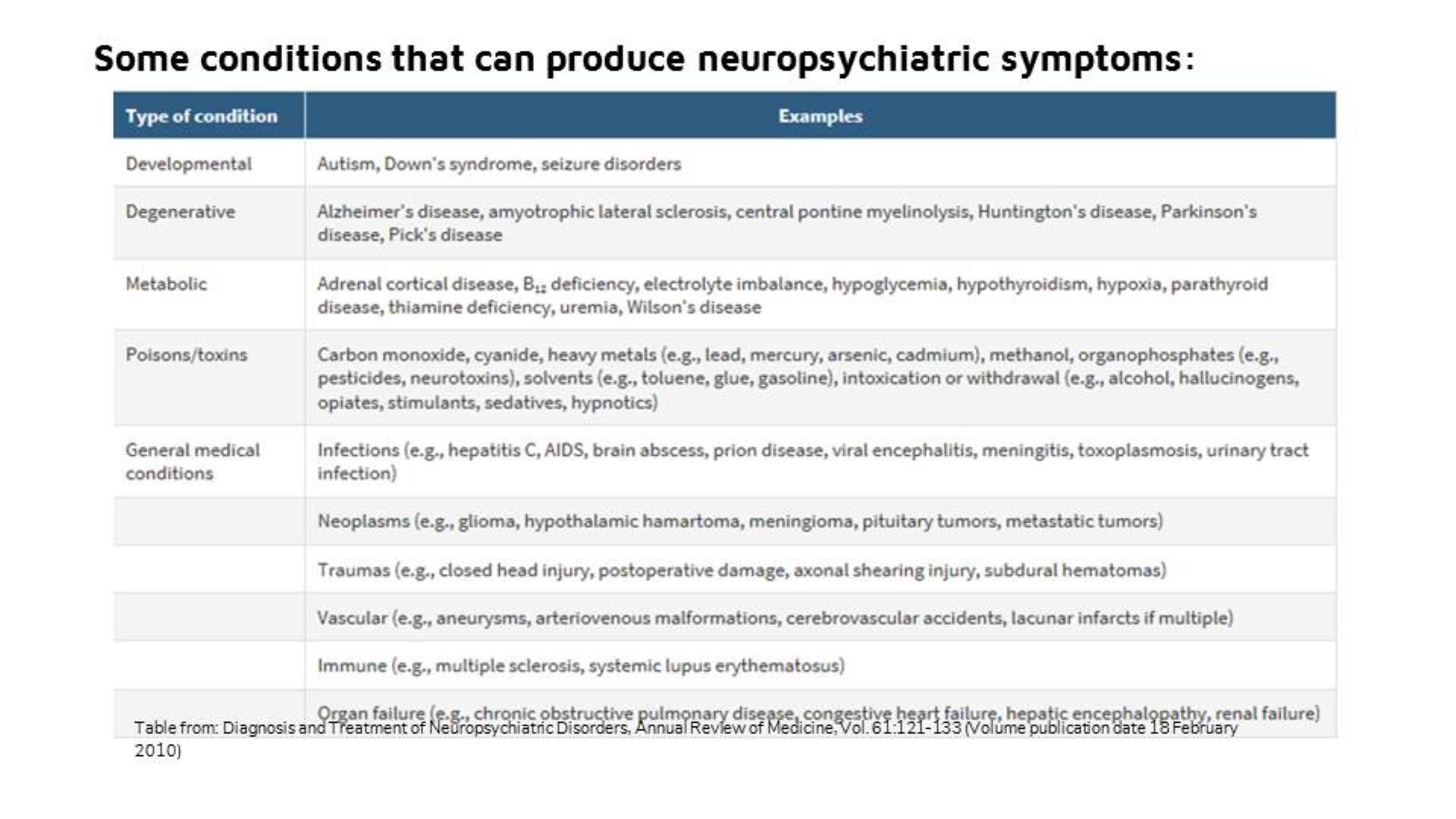
You can learn more about FPD (including frequently asked questions) at this ABMS web site.

It sounds like board mandated MOC to me, and I don’t know how many clinicians will choose that route. It could discourage some psychiatrists from pursuing the FPD pathway. I’m also unsure how this will address the practical issue of emergency room boarding of patients with psychiatric illness, since doctors ultimately don’t control hospital bed capacity.

New Consultation-Liaison Psychiatry Focused Practice Designation in Emergency Behavioral Certification in Emergency Rooms

I just found out about the American Board of Medical Specialties (ABMS) announcement of a new addition to the Consultation-Liaison Psychiatry subspecialty: Focused Practice Designation. It looks like it’s going to be administered by the American Board of Emergency Medicine (ABEM), possibly in collaboration with the American Board of Psychiatry & Neurology (ABPN).

I’m unsure of the nuts and bolts, but on the surface, it looks like it might be a promising way to address meeting the needs of the many patients who appear in hospital emergency rooms.

On the other hand, I’m unclear on whether this might also lead to the addition of yet another layer of medical and psychiatry board maintenance of certification exams and fees. It looks like some boards of medicine and surgery require those who want to pursue the Focused Practice Designation (FPD) specialization route sit for an initial certification exam which would be time-limited followed by something called “continuous certification” which is a form of maintenance of certification (MOC). This often entails periodic exams and fees which many physicians find burdensome and expensive, leading to petitions opposing MOC and finding alternatives to fulfill the continuing education needs in less costly and time-consuming ways. One notable alternative is the National Board of Physicians and Surgeons (NBAS).
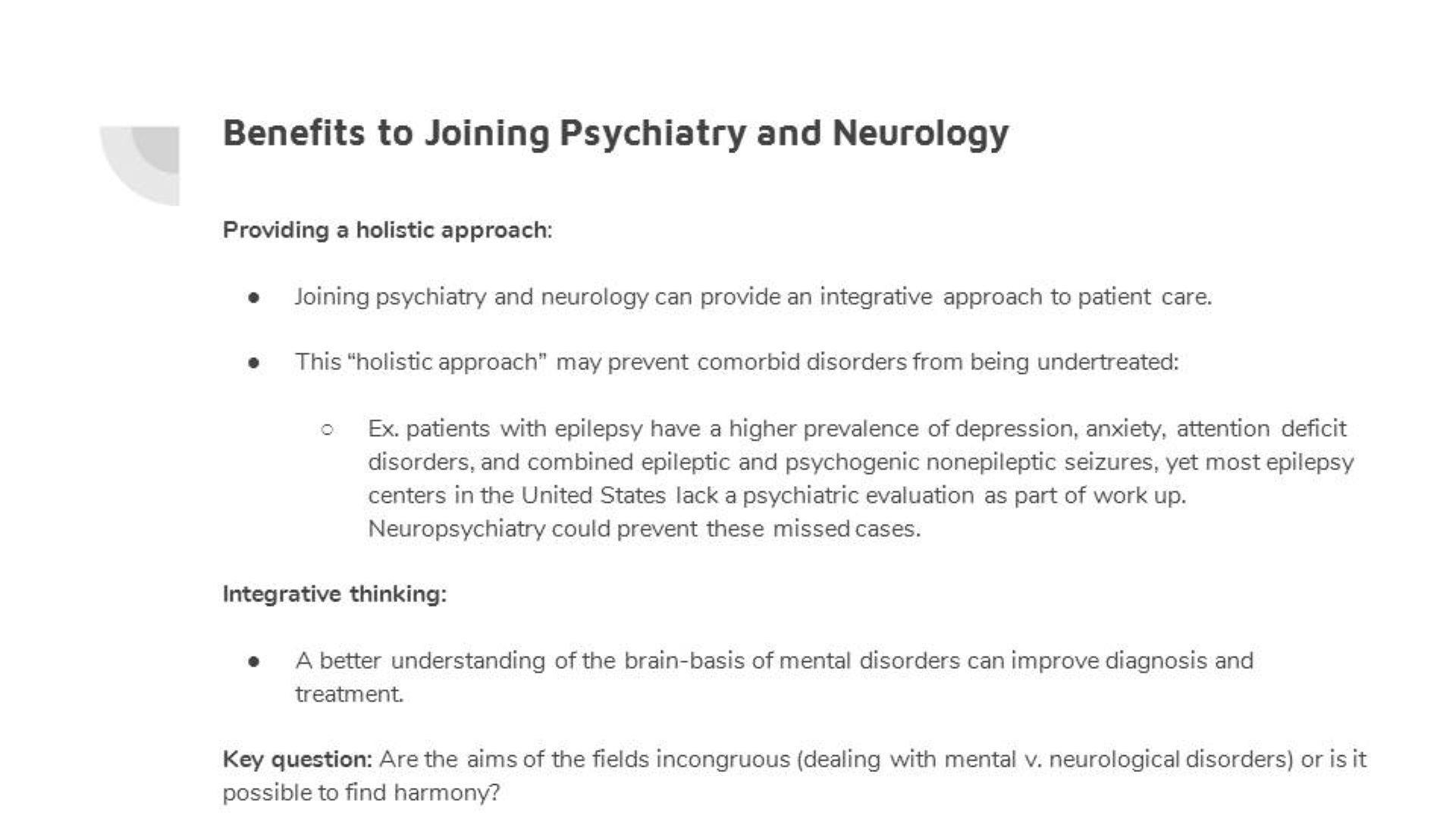
I’m not sure why another layer of bureaucracy needs to be added to achieve the goal of ensuring that emergency room patients with mental health challenges have access to mental health professionals. In fact, there is an American Association for Emergency Psychiatry open to membership which includes psychiatrists, physician assistants, psychologists, nurses, social workers and other professionals. However, the goal behind the FPD route is to increase the presence of physicians in the emergency room. This creates a specific and arguably needed role for consultation-liaison (C-L) psychiatrists.
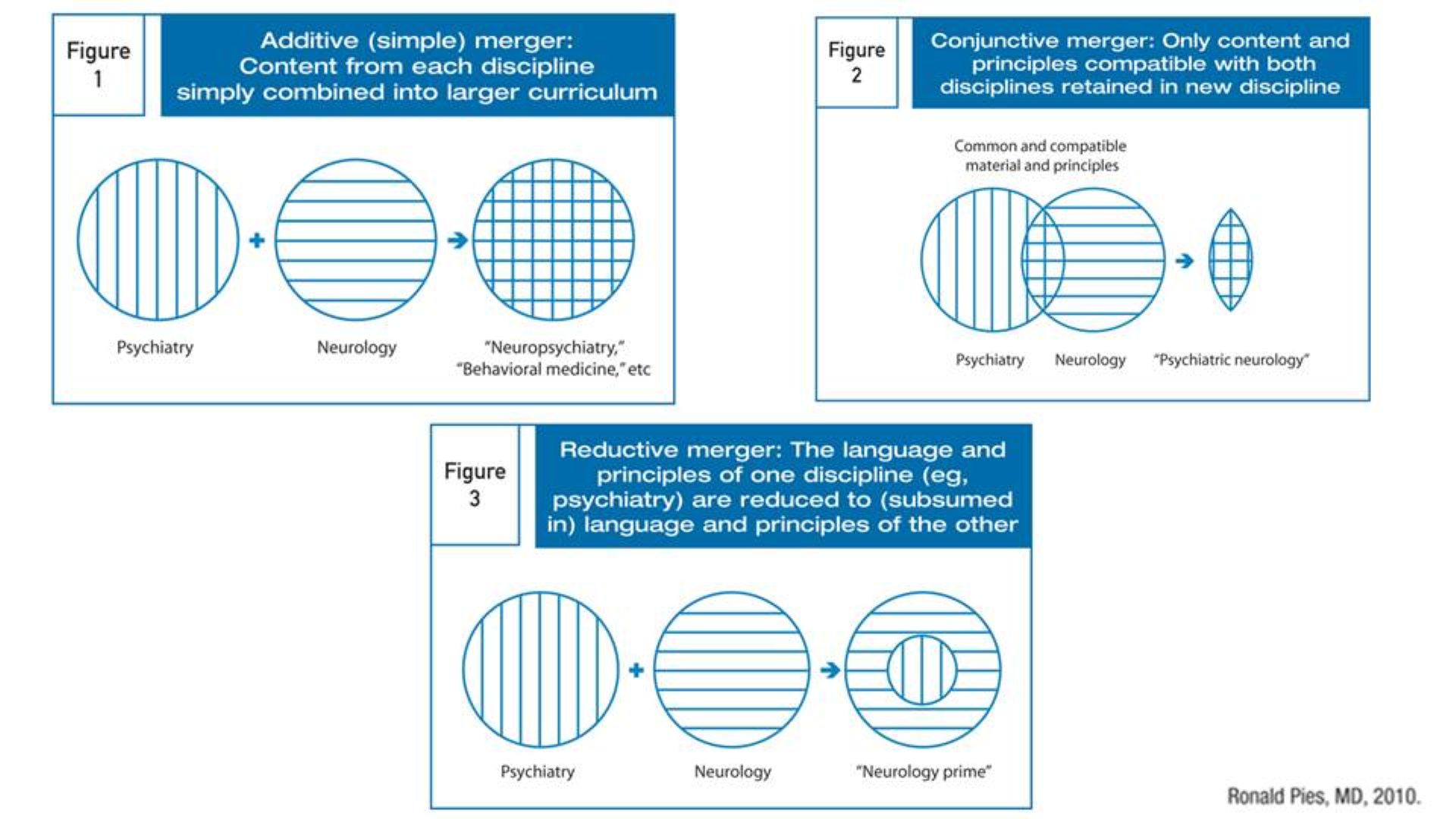
I get the impression the exact way this will be rolled out is under construction, so to speak. Although I can’t find language in the announcements for the new FPD specifically saying that there’s going to be another MOC for C-L psychiatrists, there doesn’t seem to be any language assuring there won’t be. The FPD web page for the American Board of Obstetrics & Gynecology (ABOG) makes it pretty clear—there’s a MOC for that.

Just because you don’t see anything currently on the ABEM and ABPN web sites about MOC being required for the FPD doesn’t mean that it won’t appear in the near future. For now, the ABMS table outlining the differences between the certification requirements for specialty/subspecialty designation and the FDP doesn’t specify extra certification for the FDP for C-L psychiatrists per se.

I’m hoping for the best for patients and doctors.