Sena has placed the order for our eclipse glasses and eclipse T-shirts. They should get here in plenty of time for the solar eclipse on April 8, 2024. And if the weather is really crappy that day—we have 30 days to return them.
There is an interesting history of eclipses on the NASA website. It mentions how Einstein hypothesized that gravity warped space and time, distorting the universe. The sun is big enough that its gravity could bend light. In fact, during the eclipse on May 29, 1919, scientists noted that some stars were in the wrong place, proving Einstein’s theory.
And now for some eclipse jokes:
What do you call it when you fall in love on April 8, 2024? A total eclipse of the heart.
What will the moon bring to the beach on April 8, 2024? Sunblock.
Jupiter to the moon on April 8, 2024: Do you remember the sun?
Moon: No, I blocked it out.
Sena: How do you organize a solar eclipse party?
Jim: I don’t know. How?
Sena: You planet!
An interesting Iowa history story is about the solar eclipse of 1869. Several small markers were placed in various locations to mark the event. Many were lost. They were plowed out or covered up. The author mentions the upcoming 2024 solar eclipse and wonders if anyone will leave markers to remember it.
I think what some may leave behind are tattered eclipse glasses and cheeseburger wrappers. But we’ll have our memories to pass on in stories, pictures, and dad jokes—a living monument.
We just found out there’s going to be a total solar eclipse on April 8, 2024. We hope to get some solar eclipse glasses before then if they don’t run out of stock everywhere. They’re selling fast.
We’ve seen a couple of lunar eclipses and those were fun. The most recent one was during cold weather in November 2022. I had to wear a winter coat.
In Iowa City, it starts at about 1:00 PM on April 8, 2024 and runs until a little after 3:00 PM. We missed the last one in 2017. The next one visible in the U.S. won’t be until 2044. We think we better see the one next month.
Just in case you missed it, the FDA posted an announcement about Kratom in February this year. According to the FDA:
“Kratom is a tropical tree (Mitragyna speciosa) that is native to Southeast Asia. Products prepared from kratom leaves are available in the U.S. through sales on the Internet and at brick-and-mortar stores. Kratom is often used to self-treat conditions such as pain, coughing, diarrhea, anxiety and depression, opioid use disorder, and opioid withdrawal.”
The other day as we were driving home on Highway 1 through Iowa City, I saw a sign advertising Kratom on a small store. I thought that might be illegal, but when I checked the Iowa Office of Drug Control and Policy, I found out it’s currently legal in the state.
Opinions vary about risks of using Kratom. The DEA tried to place in on the Schedule I, but the American Kratom Association and other supporters apparently prevented that simply by protesting it. The pharmacist who wrote the article (link above) raised a note of irony by questioning why marijuana is still regulated as a Schedule I drug.
The legality of Kratom also varies across the country. There is a very detailed review article about it that attempts to examine the use of Kratom from both the medical practitioner and patient points of view.
I have an SD card (more commonly called just a “memory card”) for my camera and the other day I couldn’t download the videos to my computer using the SD card reader in the tower. The card reader is just a slot-shaped port in the tower, above the USB ports. SD stands for Secure Digital. It’s really secure when you can’t download any videos or pictures.
This had never happened before. Naturally I turned to the internet for guidance, which was my first mistake. I never saw so many web sites with confusing advice, some of which involve zip lines.
Most of the web sites assumed I could see the icon for the SD card on my computer screen, but I couldn’t. Several web site help sites (hah!) breezily suggested I rename the disc or update the driver, or contact the extraterrestrials who manufactured the item as if I wanted them to know where I am so they can abduct me again.
This suggested the problem was probably the SD card reader in my computer—The XPS 8950, my nearly new computer which has already had major parts replaced and which is now out of warranty.
Only a couple of websites were on the right track about the SD card reader itself. One expert said that if I blew in the slot (That’s right! Not as dumb as it sounds; dust can be a problem) and wiped the card with a Q-Tip, and it still didn’t work, I should try it in a different computer. If it worked, then the problem was probably the card reader. It turns out you can blow on the SD card reader or the SD card until you’re blue in the face if the card is not detected in the Device Manager or any Device. If the card is dead, you get a new card, “and let it go.” Those are the exact words from that expert. Do I also have to sit in the lotus position?
Anyway, I did try the card in the SD card reader in my wife’s computer. It worked!
But if the SD card works in another device, the problem could be a dead SD card reader. What should you do?
Well, when a couple of fans went out in my tower when it was under warranty, a repair guy came over, took the tower apart and replaced the fans. My machine is out of warranty and I don’t want to go through the same hassle of negotiating with the manufacturer to work out a time compatible with the repair guy’s bowling league schedule to drive to our house from British Columbia.
On the other hand, could I replace the SD card reader in the tower itself? A long time ago, I replaced a fan in my computer, which reminds me; you should never install oscillating fans in a computer.
Here’s the thing—I found a web page that fits my situation exactly, right down to the make and model of the tower. It turns out that it’s probably not possible to replace the SD card reader in the tower without replacing the mother board, which you, as a home user, should not attempt unless you have been drinking heavily.
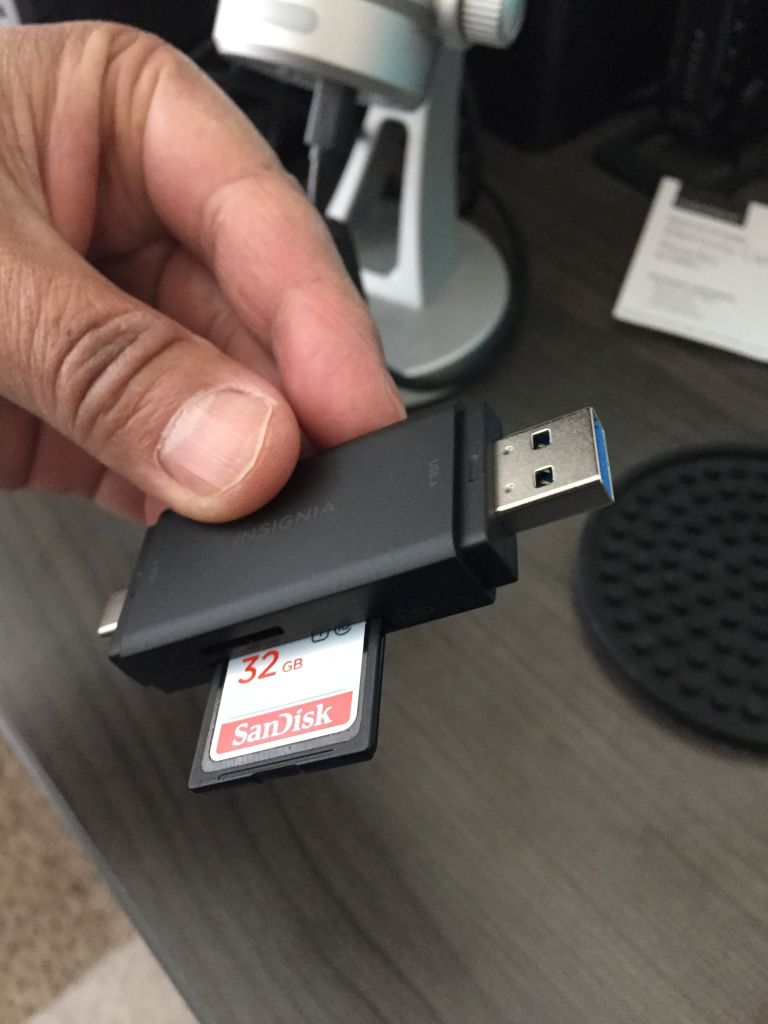
What I found out is that combination USB with SD card readers are available and all you have to do is stick the SD card in the reader slot on the unit and plug the USB into the port on the tower. The whole thing fits in the palm of your hand.
Last Saturday on Svengoolie, I watched for the second time the 1963 movie “Comedy of Terrors,” a slapstick horror spinoff of Shakespeare’s farce, “Comedy of Errors”—which I’ve never seen. I didn’t see the whole movie the first time around, and I can’t remember exactly where I saw it. Most likely it was on Svengoolie.
The movie story is not actually based on the Shakespeare comedy itself. Most of the lines by Basil Rathbone (as Mr. Black) sounded vaguely familiar and I think they were from “Macbeth.” Vincent Price (Mr. Trumbull) plays an evil mortician and Peter Lorre (Mr. Gillie) plays his bungling assistant. They bury people in a casket which they use over and over because they dump the corpses in the graves after the mourners leave. Boris Karloff plays Hinchley, the senile father of Trumbull’s wife, Amaryllis who is played by Joyce Jameson.
Basil Rathbone as Mr. Black is the landlord who threatens to evict Trumbull from his house if he doesn’t come up with the rent sooner rather than later. This leads to Trumbull’s plan to kill Mr. Black—who doesn’t stay dead more than a few minutes, repeatedly springing back to life and flawlessly reciting Shakespeare in a thundering voice, before collapsing periodically back into his lifelong affliction with bouts of catalepsy.
Now, you know I’m going to have something to say about catalepsy because I’m a retired consultation-liaison psychiatrist and I’ve seen enough patients with catatonia who display various signs of that neuropsychiatric disorder, including catalepsy. According to the University of Rochester Bush-Francis Catatonia Rating Scale Assessment Resources, catalepsy is defined as “Spontaneous maintenance of posture(s), including mundane (e.g., sitting/standing for long periods without reacting).”
After Mr. Black has an apparent heart attack after being shocked by the sight of Mr. Gillie, who sneaked into his house, the butler calls for the doctor. The butler reminds the doctor that the distinguished gentleman suffers from periodic episodes of “catalepsy.” The doctor insists that Mr. Black is dead after applying a perfunctory examination.
After that Mr. Black abruptly snaps into and out of periods of catalepsy typically reciting Shakespeare perfectly, even after Mr. Trumbull shoots him a few times. Needless to say, catalepsy is only one feature of many. It almost invariably appears in those who have severe neuropsychiatric illness such as schizophrenia or epilepsy and they would rarely be able to speak so eloquently.
What amazed me is that all of the actors remembered and spoke their lines perfectly, despite being lengthy and polysyllabic.
Although the film didn’t do well at the box office, I thought it was pretty funny. You can view it for free at the Internet Archive.
Sena was looking up the meaning of a four-leaf clover the other day. You might call it a shamrock although that’s usually reserved for the 3-leaf variety. It’s fitting for St. Patrick’s Day to say the four-leaf clover is special because it’s rare to see one. The four leaves represent faith, luck, love, and hope.
The trouble going on in Haiti is regrettable to say the least. However, it also reminded us of how lucky it was for us to have known one of my former colleagues, Dr. Christopher T. Buresh, MD. He was an emergency room physician at the University of Iowa Hospital until just a few years ago, when he and his family moved to Seattle, Washington. Dr. Buresh is now an Associate Professor in the Department of Emergency Medicine with the University of Washington. He’s also Assistant Program Director of their Emergency Medicine Residency Program.
The connection between Dr. Buresh and Haiti goes back a long way. Many Haitians were lucky he and other physicians volunteered to help provide medical care for them on an annual basis for years.
Chris is really a humble, likeable, and practical guy. He and his family were our next-door neighbors for a while and fascinating things were going on there at times. We remember they built this really cool tree house that sort of looked like it grew out of their main home. They even had an apparatus for a zip line between the two structures. I don’t think the zip line ever actually got installed, but it was intriguing.
He and I sometimes saw each other in the emergency room at University of Iowa Hospital. His energy, compassion, and dedication to patient care were an inspiration to colleagues and learners at all levels. Sena saw one of his presentations about his volunteer work in Haiti. He never mentioned the difficult politics of the situation. He emphasized the work of caring for the Haitians most of all and gave credit to members of the team doing everything they could in that challenging and, I’m sure, sometimes horrifying environment.
It would be easy to just sit and wonder why he left Iowa, and to be sorry about that. On the other hand, when you thing about the 4-leaf clover, you really have to wonder about something else. Maybe he had one in his pocket with all four of what we all want: faith, luck, love, and hope.
We get a lot of mail meant for somebody else. What’s up with the United States Postal Service (USPS)? It has been happening for years. What we do is identify that the mail is not for us and put it back in the mailbox for the postal delivery person to pick up. We write “Person does not live here” on the envelope.
We’re going to write “Return to Sender” on them. Maybe that’ll work.
I recommend Dr. George Dawson’s recent posts on seeing the practice of medicine as a calling and his passing a big milestone with 2 million reads on his blog.
I wrote a post entitled “Remembering Our Calling: MLK Day 2015.” It was republished in a local newspaper, the Iowa City Press-Citizen on January 19, 2015. And I reposted it in 2019 on this blog.
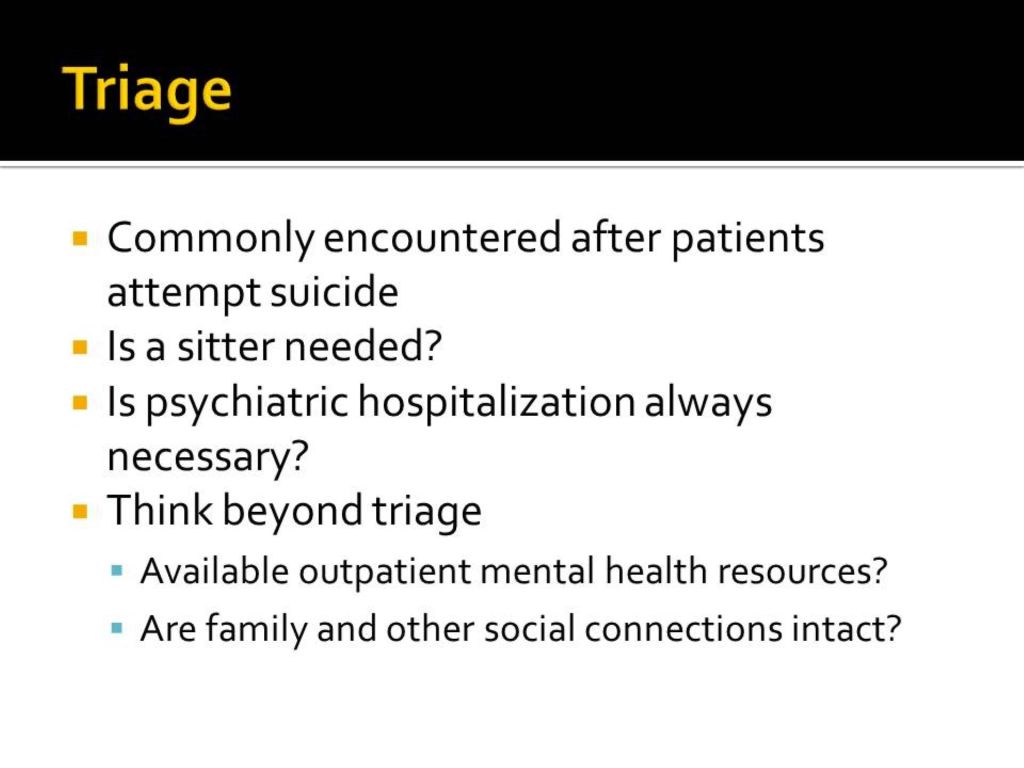
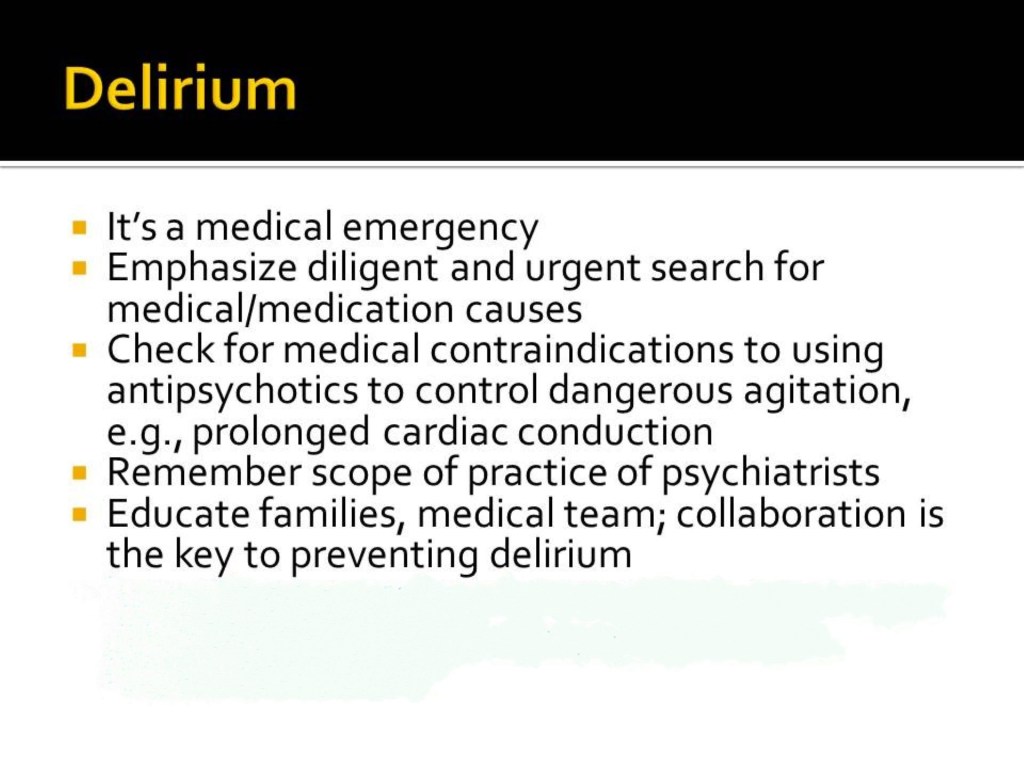
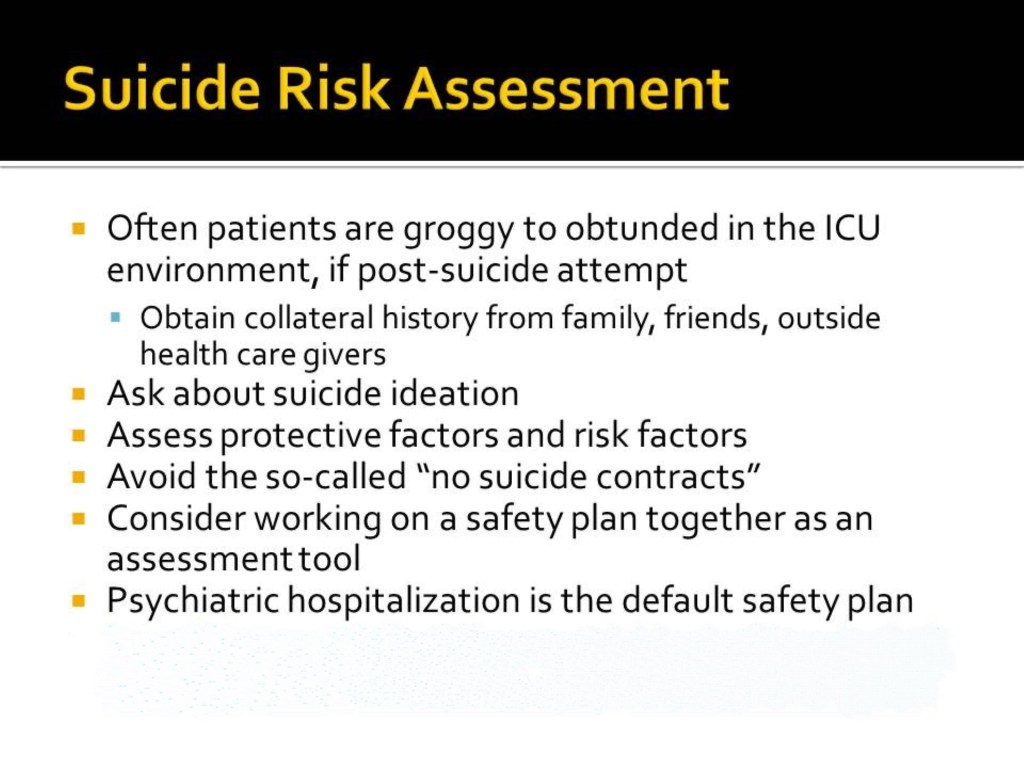
The trainees I taught also taught each other about psychiatry and medicine when they rotated on the consultation-liaison service at the hospital. We put them into the format of short presentations. I called mine the Dirty Dozen. The trainees and I also presented the Clinical Problems in Clinical Psychiatry (CPCP).
There were many of those meetings, which were necessarily short and to the point because the service was busy. We got called from all over the hospital. We answered those calls and learned something new every time.
I posted a lot of the trainees’ presentations in my previous blog, The Practical C-L Psychiatrist, which was replaced by this present blog. I haven’t posted the presentations partly because I wanted to give the younger teachers their due by naming them as they did on their title slides. But I would want to ask their permission first. They are long gone and far flung. Many are leaders now and have been for many years. I still have their slides. I’m very proud of their work. When they were called, they always showed up.
So, you’ll just have to put up with my work and my cornball jokes.
I wrote about Svengoolie a couple of years ago and just for old times’ sake, I watched the 1960 horror film 13 Ghosts on the Svengoolie broadcast by MeTV a few days ago. It had been a while since I watched Svengoolie and I thought I would have the usual experience of being able to sit through the opening credits and then being unable to watch more than 5 minutes of one of the cheesy movies for which Svengoolie is well known.
In fact, I watched and even enjoyed 13 Ghosts which I suppose makes me a hopeless case. The movie is about a family down on their luck and about to become homeless but a rich uncle leaves them a haunted house. It turns out to be haunted by a dozen ghosts, and the surprise ending reveals who the 13th ghost turns out to be.
Back in the day, William Castle, the maker of the film, had a knack for coming up with neat gimmicks for his films. The gimmick for this one was a set of special glasses for the audience, which allowed them to see the ghosts or not, depending on which part of the glasses you looked through.
I recognized a couple of the actors in the movie. One of them was really well known to me and thousands of others. It was Margaret Hamilton as the housekeeper, who played the Wicked Witch of the West in the Wizard of Oz (1939). The other was Martin Milner, who was in the TV crime drama, Adam-12, which ran from the late 1960s to the mid-1970s. Hamilton obviously teased viewers by holding up a broom and smiling broadly in one scene.
I really didn’t get a lot of nostalgia from watching 13 Ghosts since I was too young to see it when it first opened. But I watched it from start to finish, something I could never do in the past when watching Svengoolie. Don’t get me wrong; I actually got more of a kick out of Svengoolie’s cornball jokes and gags complete with rubber chicken firing squads.
One thing I am still amazed about is the popularity of the Svengoolie show. There were over 3500 comments about 13 Ghosts the last time I looked, which was days after the movie. There were over 2,000 just during the show!
Another thought about Svengoolie and his rubber chickens. I looked all over the web for a free picture of a rubber chicken. I found only one. Why is that?
The other day, Sena was out at the auto dealership getting our lease car serviced and had an interesting conversation with the service guy and another customer.
The other customer was discussing his vehicles issues with the service guy and mentioned that rodents were probably snacking on his engine wires and hoses. The bill for a partial repair just to get his car back on the road temporarily was several hundred dollars. Sena overheard him mention “mice” and asked him about it.
The other customer and the service guy both endorsed the idea that mice and other rodents were eating the edible tubes and belts of the engine because nowadays they more often are made of plant-based materials. It’s a phenomenon connected with the economy going green, and making products that are generally more environmentally friendly. They said that, while rodents generally have always nibbled on engine parts, it’s gotten worse with the auto industry adoption of things like soy-based hoses and whatnot.
We were curious about this and looked it up on the internet. It turns out that the soy-based auto parts are not just a shenanigan supported by soybean intensive states like Iowa—so you can’t blame us.
We noticed that the idea that rodents chew auto parts because they smell like vanilla is controversial. Sometimes it seems like what side you’re on depends on how you make your living. Auto makers tend to deny that the soy-based materials attract mice—for obvious reasons if they use them in the manufacture of their products. On the other hand, some (but not all) pest control experts tend to endorse the notion, often in an obvious effort to get your business.
One auto expert said this whole idea about rodents getting addicted to soy-based alternator belts and the like was debunked by a study. The problem is the author didn’t give a link or a citation for the study.
One of the pest control experts testified, I mean reported, that the rodents are actually chewing through the compressed super beets radiator hoses because they’re seeking a healthier way to keep their teeth from growing too long. They need to gnaw things partly because if they didn’t their teeth would grow through their lower jaws.
Yet another den of bald-faced liars, I mean stakeholders, say that the critters might be addicted to certain substances other than soybeans. There is a story about mice eating their way through a half ton of marijuana in a police break room, I mean evidence room, in police headquarters. That was just because of the munchies.
That’s a little hard to believe until you have a look at the study of laughing rats. It turns out if you tickle them on the back or the belly, they laugh so hard you can actually hear them if you use special audio equipment and smoke a bong of weed.
Alternatively, the auto industry could make radiator hoses with little fingers on them which is similar to the hand chasing game in rat tickling experiments. As the rat crawls on them, the little hands tickle it on the belly. They would laugh so hard they fall off the hose. On the other “hand,” if the auto industry made auto fan belts of marijuana, that could get the rats (the rodents, not the auto makers) so stoned they might just forget what they’re doing.
Seriously, the most intelligent and even- “handed,” well-documented summary of the problem with rodents eating timing belts made of Iowa ditch weed was written by Erin Gobler, an auto insurance staff writer, updated August 22, 2023. It’s entitled “Does Car Insurance Cover Rodents Chewing Wires?”




















 Go Retire Psychiatrist