


The FDA 178th Meeting of the Vaccine and Related Biological Products Advisory Committee will meet in open session January 26, 2023 to discuss future Covid-19 vaccination regimens. The meeting will run between 8:30 AM-5:30 PM ET.
Month: January 2023
Chef Jim Makes Pizza!
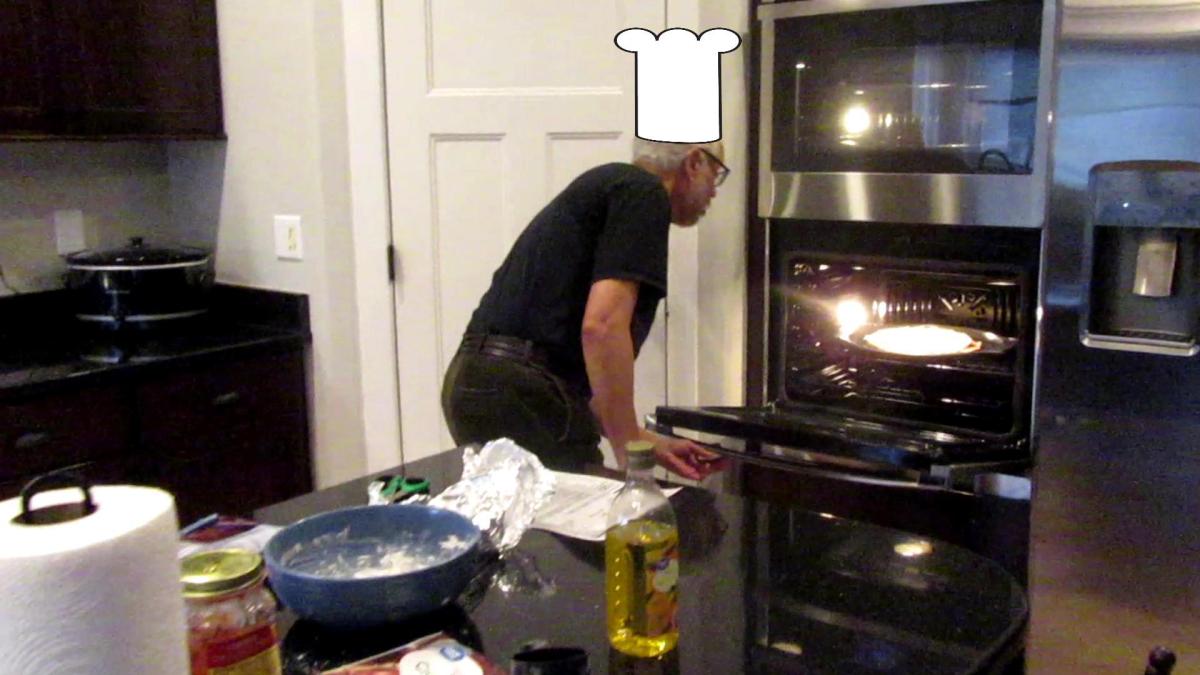
It had been around 3 years since I actually made a pizza (see YouTube video “The Path to Pizza.”) rather than just sticking a frozen one into the oven. Yesterday, Sena and I put together a video of me (with more than a little coaching from the boss) making a whopper pizza.
Sena bought a new pizza pan for the occasion. In fact, she got a few new cooking pans, saying firmly it was high time for a change. We used to call the old pizza pan “well-seasoned.” But it was out with the old and in with the new.

Because I’m a guy, it was safer to let me use a ready-made pizza crust mix. I was sort of used to that, anyway. It’s a Great Value brand and it was pretty good—after Sena jazzed it up with a few things like a little sugar, sea salt, garlic powder, and Himalayan Pink Salt preferred by all the Yeti chefs.
We used Classico Spicy Tomato & Basil spaghetti sauce, which I understand is legal.The spices we used were garlic powder, basil, fennel, red pepper flakes, salt and pepper, along with a couple dozen other things. You use what you like.
Sena also “suggested” different kinds of cheeses (“I woke up feeling the cheesiest!”) There was a shredded Italian variety made up of 3 different cheeses including parmesan, mozzarella, provolone, romano, and asiago. and we topped that with a different brand of provolone. Sena really likes added provolone.
Exercise or Weaponize My Privilege?
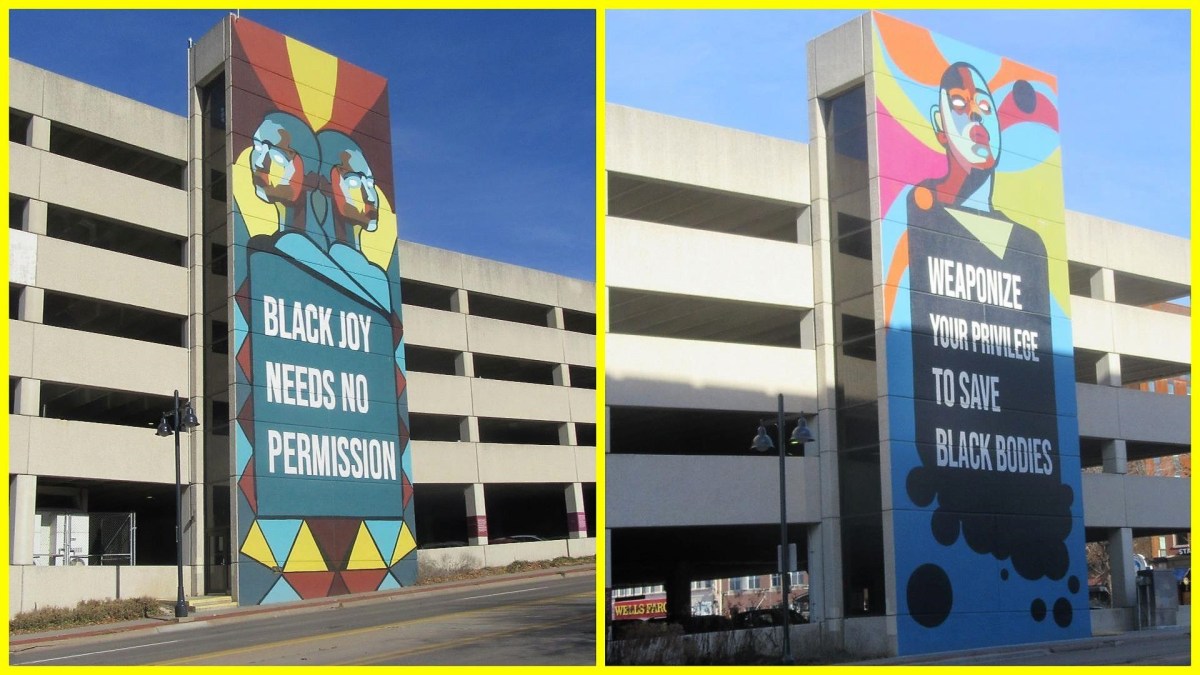
Back in November 2022, while on our way to the Stanley Museum of Art, we saw the two murals on the East Burlington Street Parking Ramp. It was the first time we saw them in person although photos were available last fall. The Little Village article published an article about them on September 30, 2021. It’s the Oracles of Iowa mural project, conceived by Public Space and the Center for Afrofuturist Studies partnered with the artists, Antoine Williams and Donte K. Hayes. The artists sought to stimulate a conversation in the community about how black and white people relate to each other.
The murals are painted on parking ramp at two locations along East Burlington Street. One says “Black Joy Needs No Permission” and the other says “Weaponize Your Privilege to Save Black Bodies.”
The Little Village article points out that a survey of public perception of the murals revealed that 64 percent of white respondents supported the murals while only 40-50 percent of minority respondents supported them. The stickler for minorities was the use of the word “weaponize” and the phrase “Black bodies,” which were thought to raise impressions of “violence” and dehumanization.
Because I’m a writer, retired psychiatrist, and a writer, the word “weaponize” made me wonder what other word might have been chosen in this context. The only definition of “weaponize” that I can find which makes sense to me is from Merriam-Webster: “to adapt for use as a weapon of war.”
I’m a retired physician, so I have a perspective on the “privilege” to “save” lives, and by extension to enhance health and well-being. I’m also Black. I grew up in Iowa and I can recall getting bullied and being called a “nigger.” I can remember my psychiatry residency days, which includes a memory of a patient saying “I don’t want no nigger doctor.” I didn’t have the option to switch patients with another resident. When I saw the patient on rounds, I did my best and every time the “nigger” word erupted, I left the room. It was one of a few episodes which were marked by frank racist attitudes.
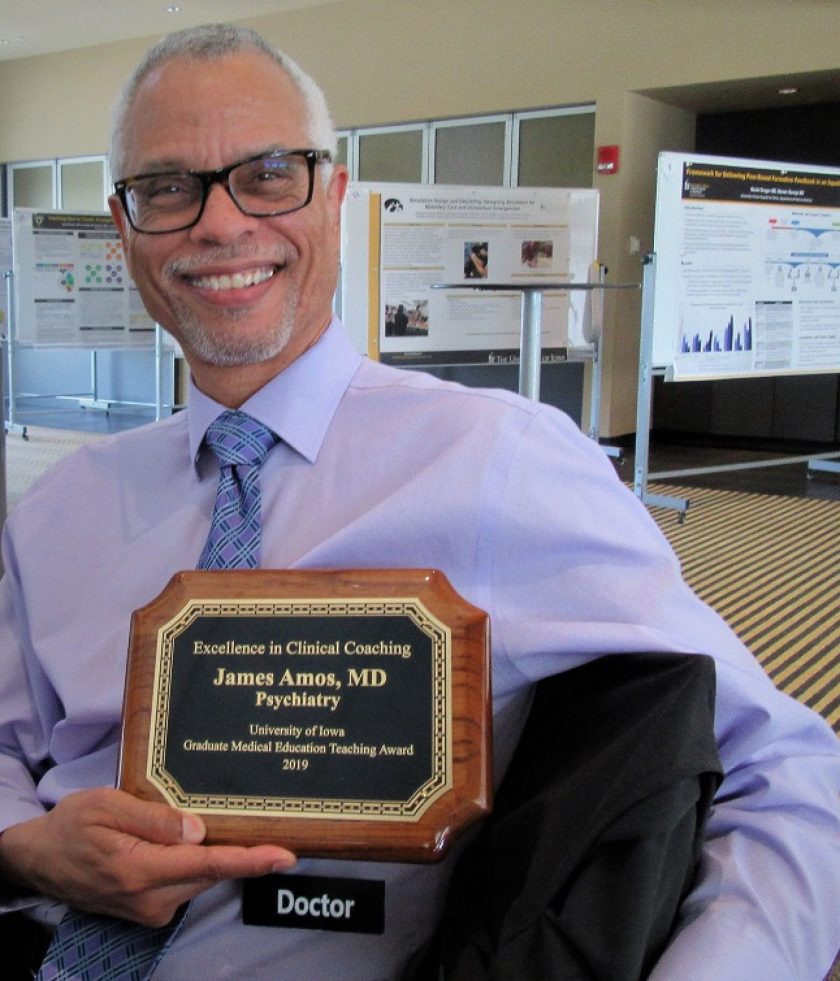
I was given the University of Iowa Graduate Medical Education Excellence in Clinical Coaching Award in 2019, one of several esteemed colleagues to be honored in this way. Many of those who nominated me were white. It was one of many joyful experiences I had before my retirement in 2020, when the pandemic and other upheavals in society occurred, including the murder of Black persons, resulting in many consequences prompting the creation of the murals.
I have other memories. I was privileged to be given a scholarship to attend one of the Historically Black Colleges and Universities (HBCU) in this country, Huston-Tillotson College (now Huston-Tillotson University). It’s one of the oldest schools and is the oldest in Austin, Texas. The scholarship was supported by one of the local churches in my home town of Mason City. I don’t think it had any black members. Although I didn’t take my undergraduate degree from H-TU, it was one of the most valuable learning experiences in my life. It was the first time I was ever not the only Black student in the class. It was marked by both joy and a struggle to learn where I belonged.

The murals did for me what the artists hoped it would do. It stimulated me to reflect on the meaning of racializing life. They stir me to seek perspective on whether joy has any color and why anyone needs permission for it. And I believe I would rather exercise my privilege to respect and care for others than to weaponize anything, including my sense of humor.
More Thoughts on Physicians Going on Strike

I noticed Dr. H. Steven Moffic, MD had written another article in Psychiatric Times asking whether it’s time for psychiatrists to consider going on strike. Often the issue triggering discussions about this is the rising prevalence of physician burnout. I’ve already given my personal opinion about physicians going on strike and the short answer is “no.”
One of my colleagues, Dr. Michael Flaum, MD, recently delivered a Grand Rounds presentation about physician burnout. The title is “Everyone Wins—The Link Between Real Patient-Centered Care and Clinician Well-Being.”
Fortunately, I and other are able to hear the substance of his talk on the forum Rounding@Iowa. During these recorded presentations (for which CME can be obtained), Dr. Gerry Clancy, MD interviews clinicians on topics that are of special interest to medical professionals, but which can be educational for general listeners as well.
I remember meeting Dr. Flaum when I was a medical student. At the time, he was very involved in schizophrenia research. He’s been a very busy clinician ever since. As he says, while he may be Professor Emeritus now, he’s definitely not “retired.” He’s still very active clinically.
Dr. Flaum identifies both systems challenges and physician characteristics as important in the physician burnout issue. Interestingly, he bluntly calls the systems challenges as virtually unchangeable and focuses on bolstering the physician response to the system as the main controllable factor. His main tool is Motivational Interviewing, which is more of an interview style than a separate kind of psychotherapy.
I think the kind of approach that Dr. Flaum recommends, which you can hear about in the Rounding@Iowa presentation, is what most psychiatrists would prefer rather than going on strike. See what you think.
MLK Week Redux for the New University of Iowa Psychiatry Fellows

I discovered the University of Iowa Dept of Psychiatry had a very successful match, filling key residency slots in Child Psychiatry, Addiction Medicine, and Consultation-Liaison fellowships. Congratulations! That’s a big reason to celebrate.
This reminds me of my role as a teacher. I retired from the department two and a half years ago. But I’ll always remember how hard the residents and fellows worked.
And that’s why I’m reposting my blog “Remembering My Calling.”:
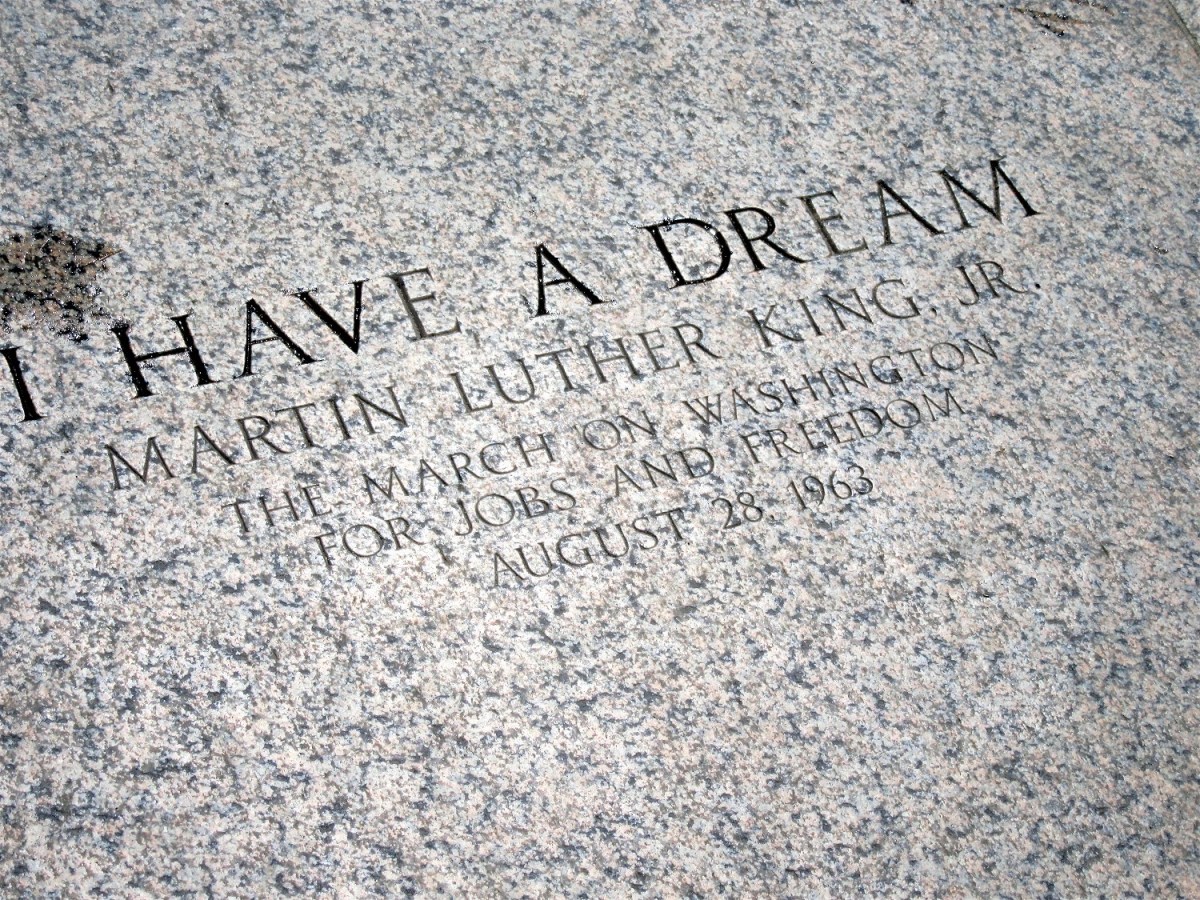
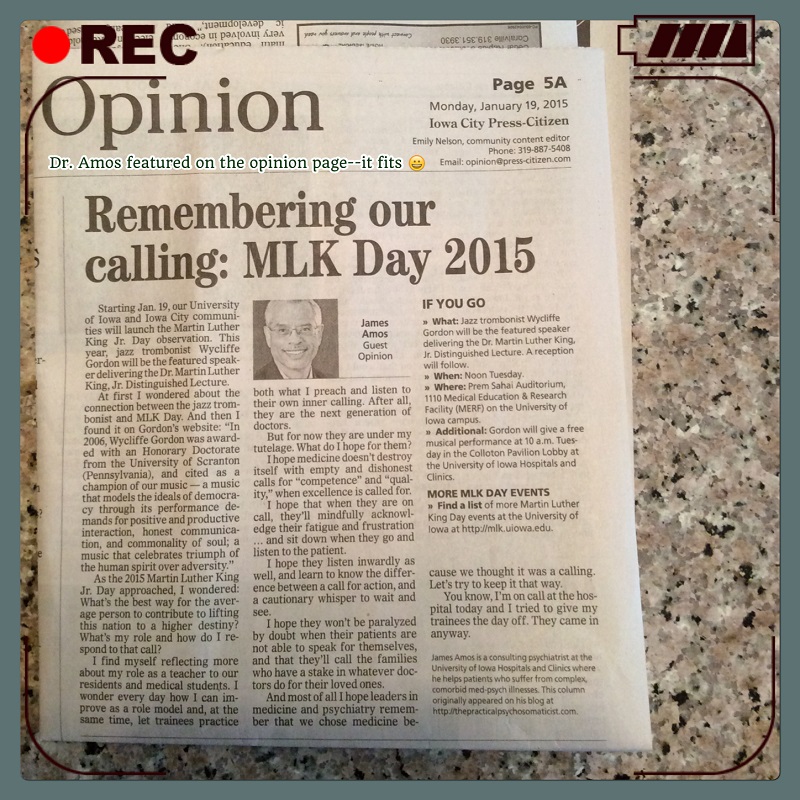
Back when I had the blog The Practical C-L Psychiatrist, I wrote a post about the Martin Luther King Jr. Day observation in 2015. It was published in the Iowa City Press-Citizen on January 19, 2015 under the title “Remembering our calling: MLK Day 2015.” I have a small legacy as a teacher. As I approach retirement next year, I reflect on that. When I entered medical school, I had no idea what I was in for. I struggled, lost faith–almost quit. I’m glad I didn’t because I’ve been privileged to learn from the next generation of doctors.
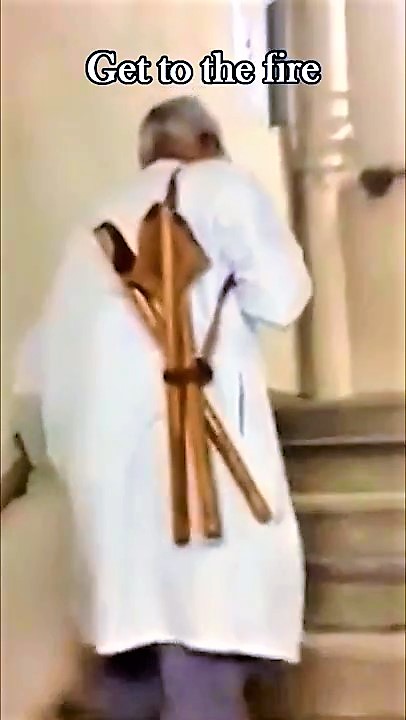
Faith is taking the first step, even when you don’t see the whole staircase.”
Martin Luther King, Jr.
As the 2015 Martin Luther King Jr. Day approached, I wondered: What’s the best way for the average person to contribute to lifting this nation to a higher destiny? What’s my role and how do I respond to that call?
I find myself reflecting more about my role as a teacher to our residents and medical students. I wonder every day how I can improve as a role model and, at the same time, let trainees practice both what I preach and listen to their own inner calling. After all, they are the next generation of doctors.
But for now they are under my tutelage. What do I hope for them?
I hope medicine doesn’t destroy itself with empty and dishonest calls for “competence” and “quality,” when excellence is called for.
I hope that when they are on call, they’ll mindfully acknowledge their fatigue and frustration…and sit down when they go and listen to the patient.
I hope they listen inwardly as well, and learn to know the difference between a call for action, and a cautionary whisper to wait and see.
I hope they won’t be paralyzed by doubt when their patients are not able to speak for themselves, and that they’ll call the families who have a stake in whatever doctors do for their loved ones.
And most of all I hope leaders in medicine and psychiatry remember that we chose medicine because we thought it was a calling. Let’s try to keep it that way.
You know, I’m on call at the hospital today and I tried to give my trainees the day off. They came in anyway.


 Go Retire Psychiatrist