I want to give a shout-out to Dr. George Dawson on his post today, “Enthusiasm is a plus…” It’s right on the mark.
Having a zest for medicine is the reason why many physicians undertook the rigorous training in medical school, residency, and beyond. A sense of humor is evident in George’s essay—and he doesn’t need to be comedian.
His essay reminded me of the many trainees who took their rotation through the psychiatry consultation service when I was running it (or tried to, anyway!). Many deserve a shout out as well for not only working hard on the service but teaching as well. I prevailed on them to make a short presentation during the rotation. I called it the Dirty Dozen.
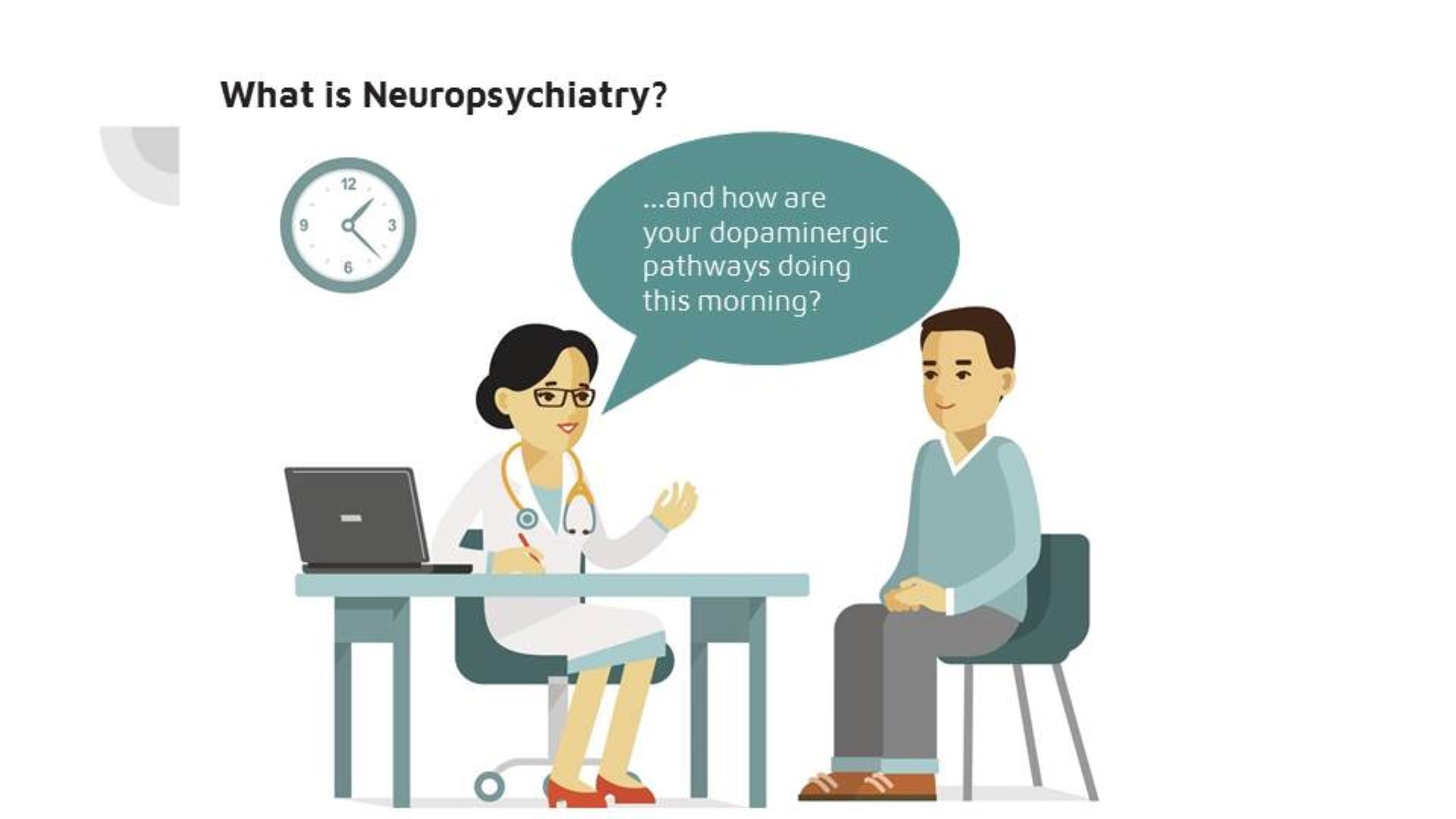
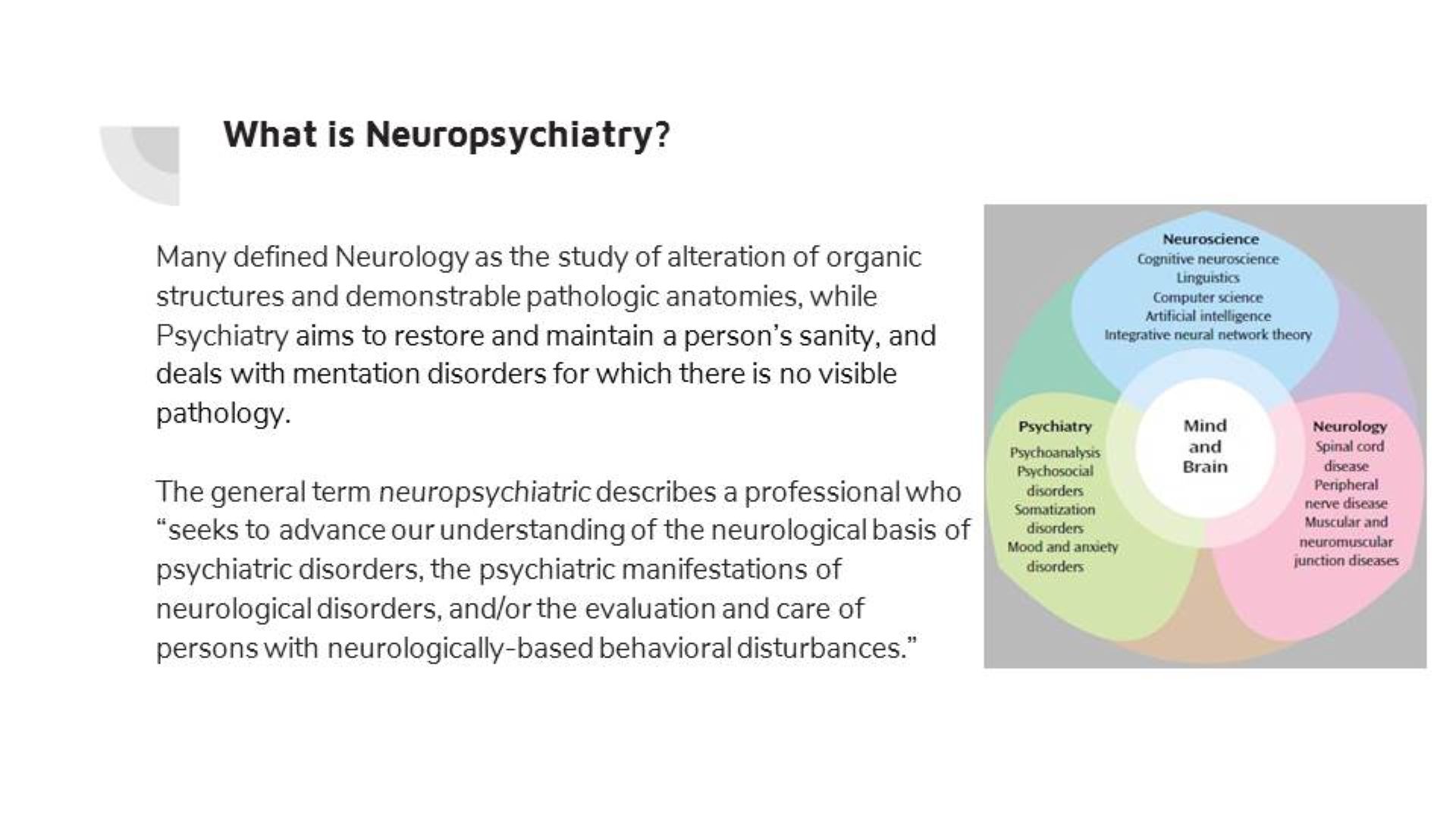
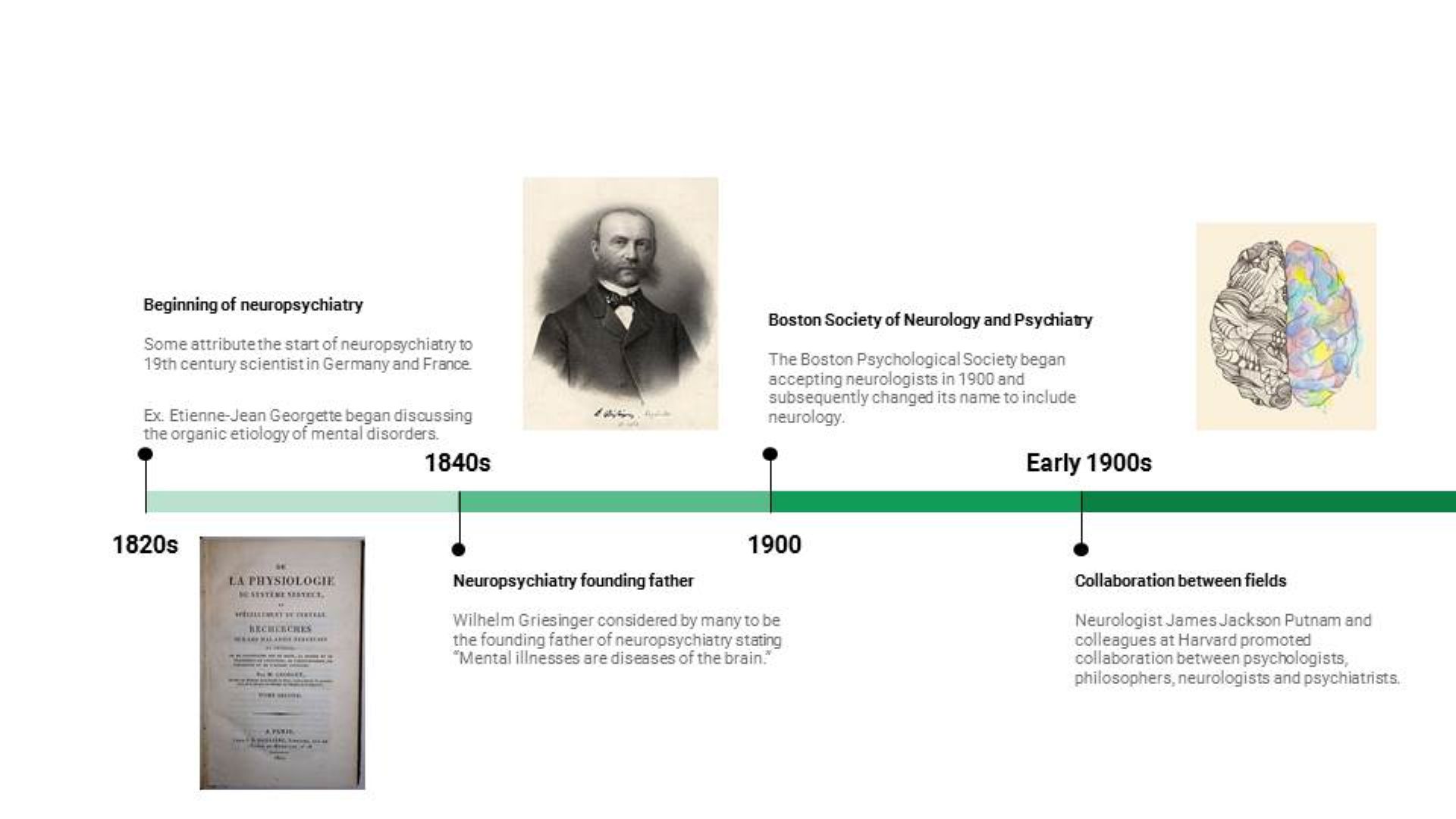
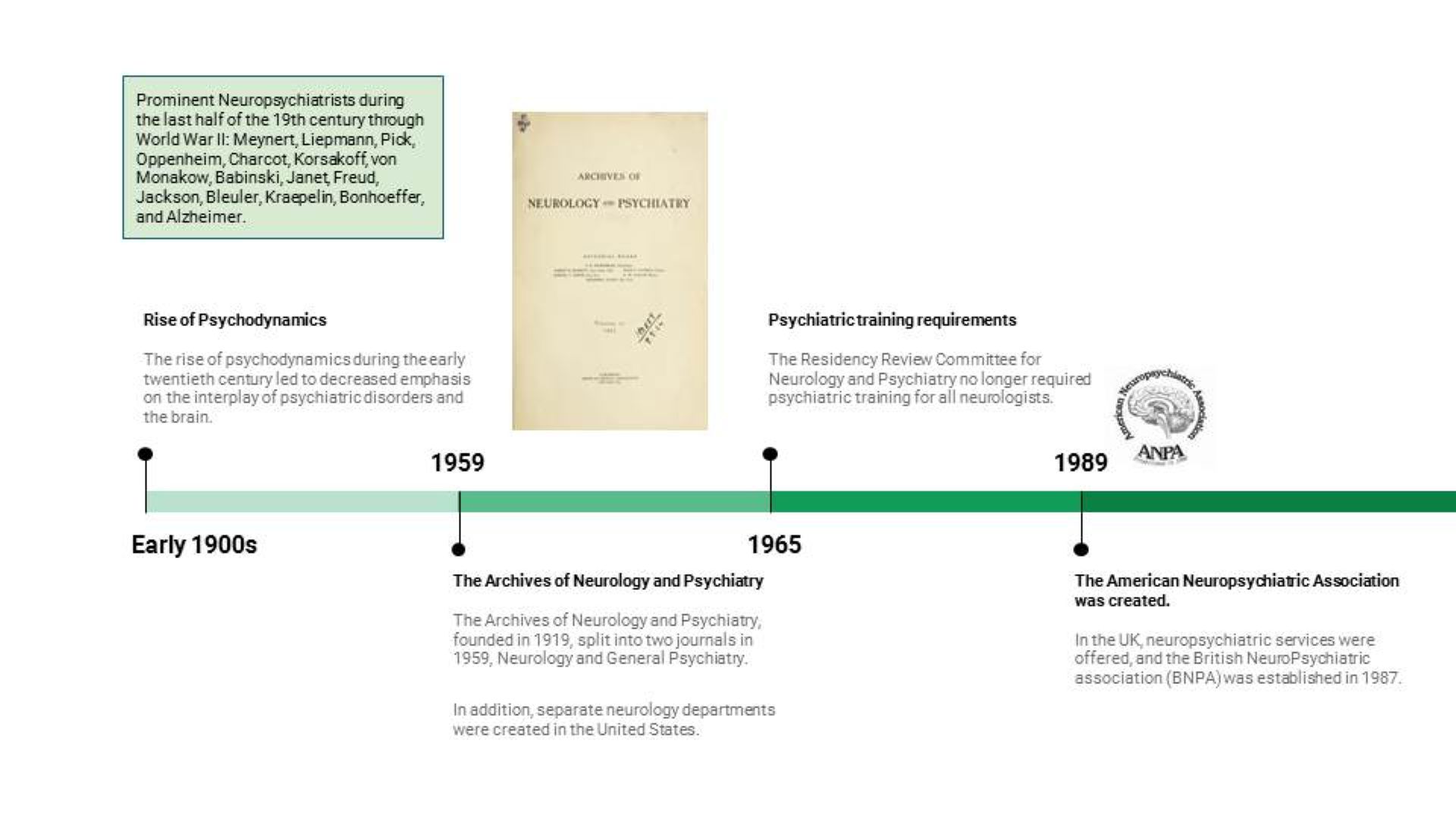
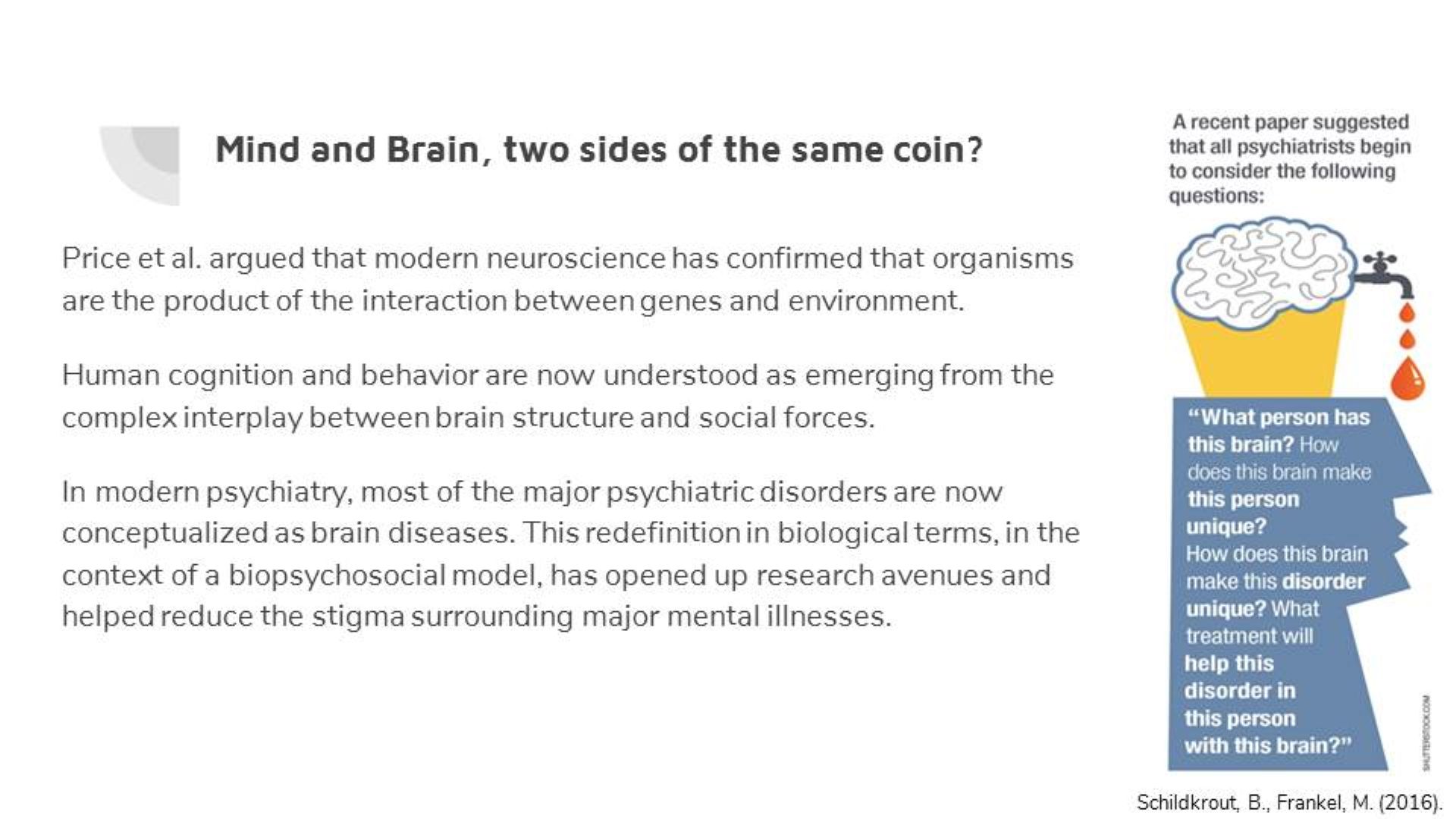
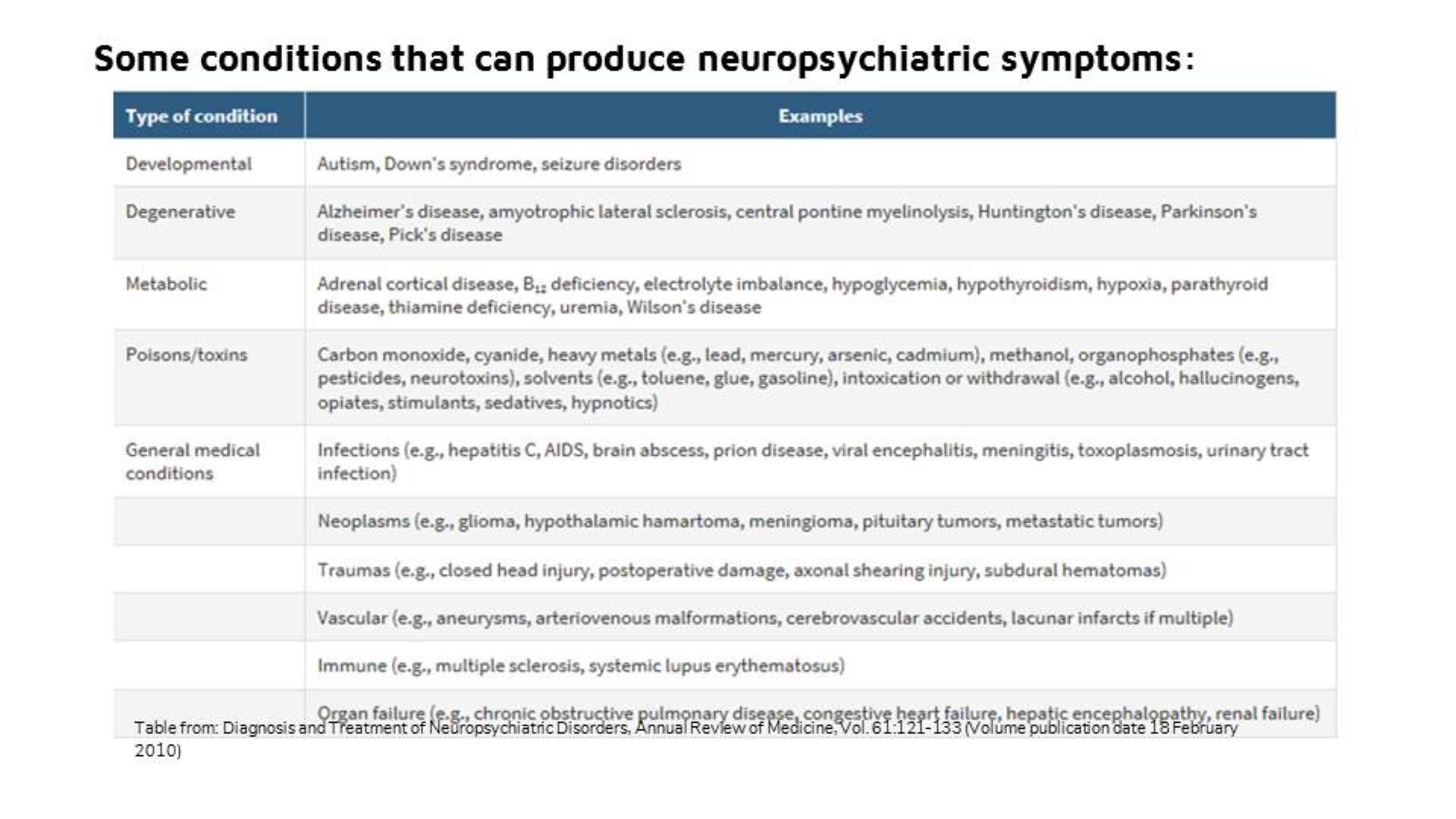
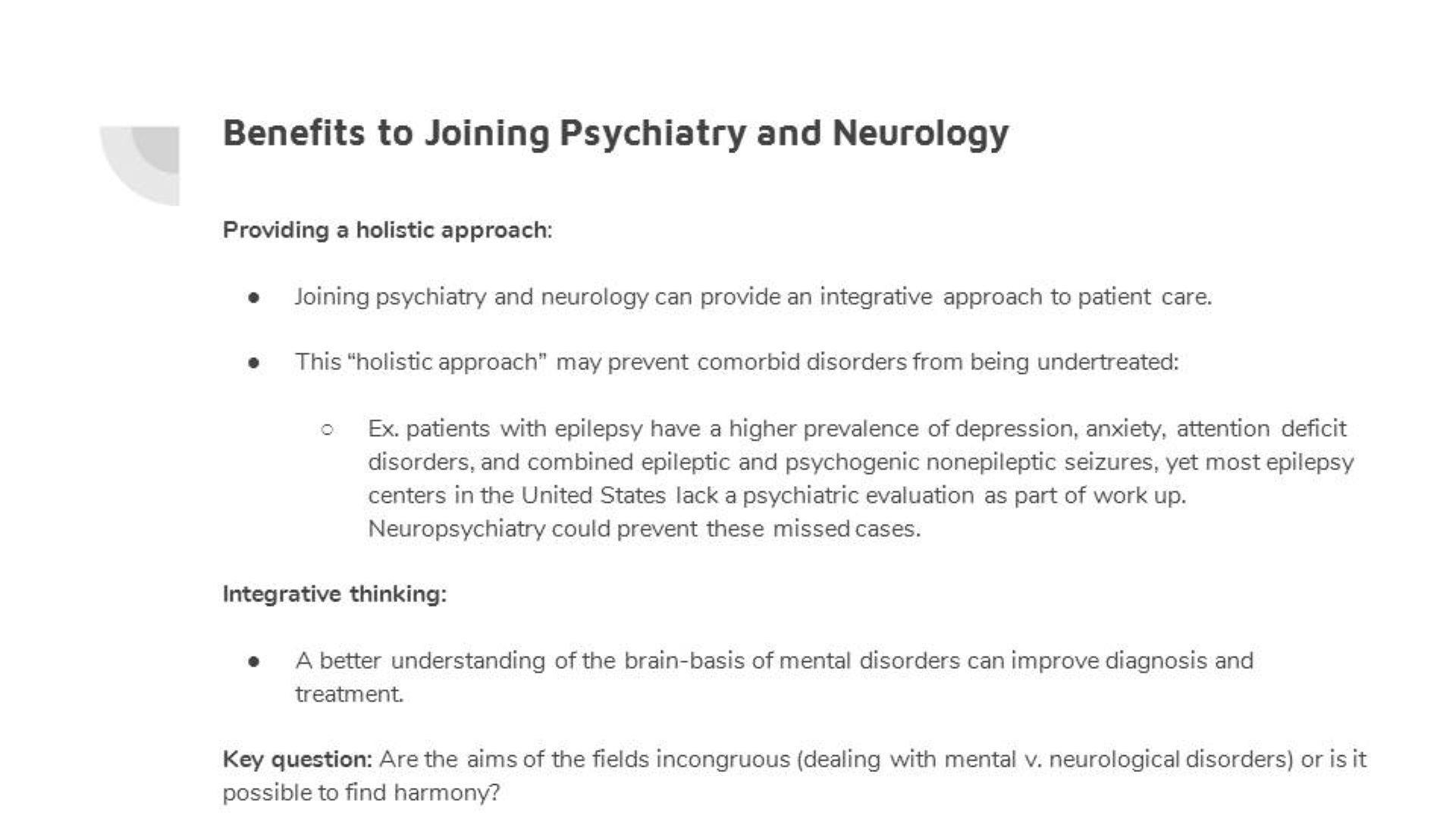
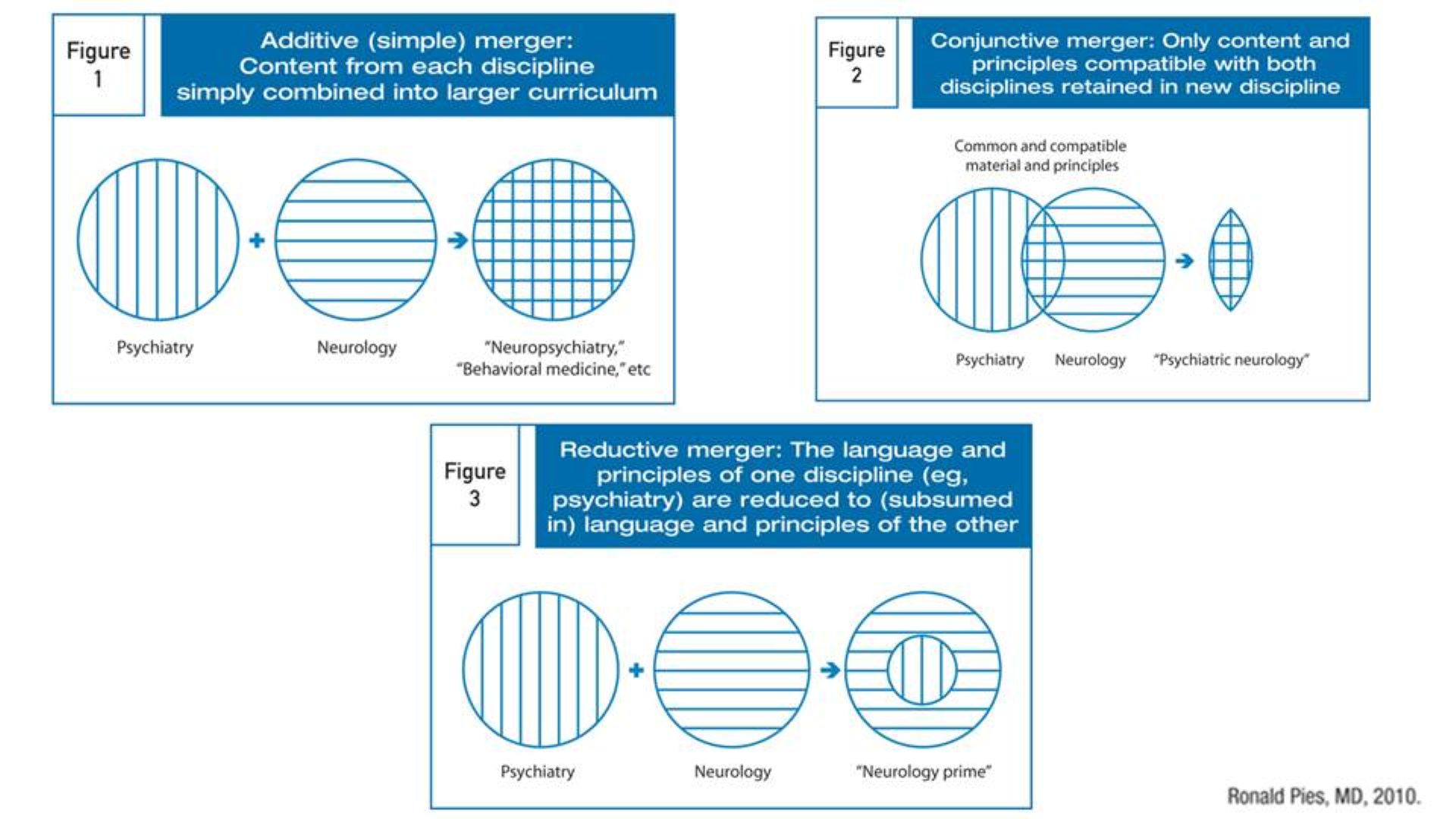
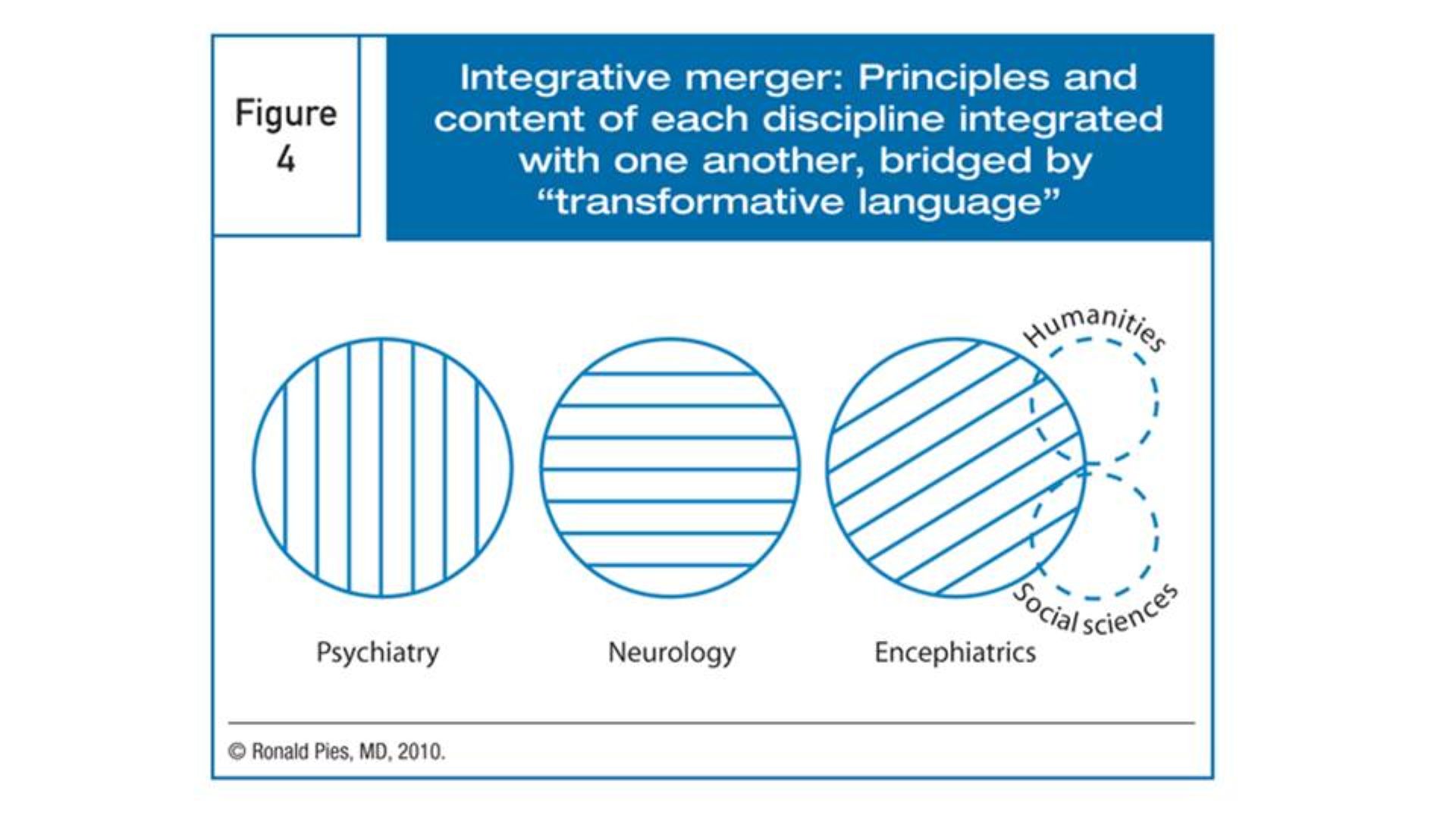
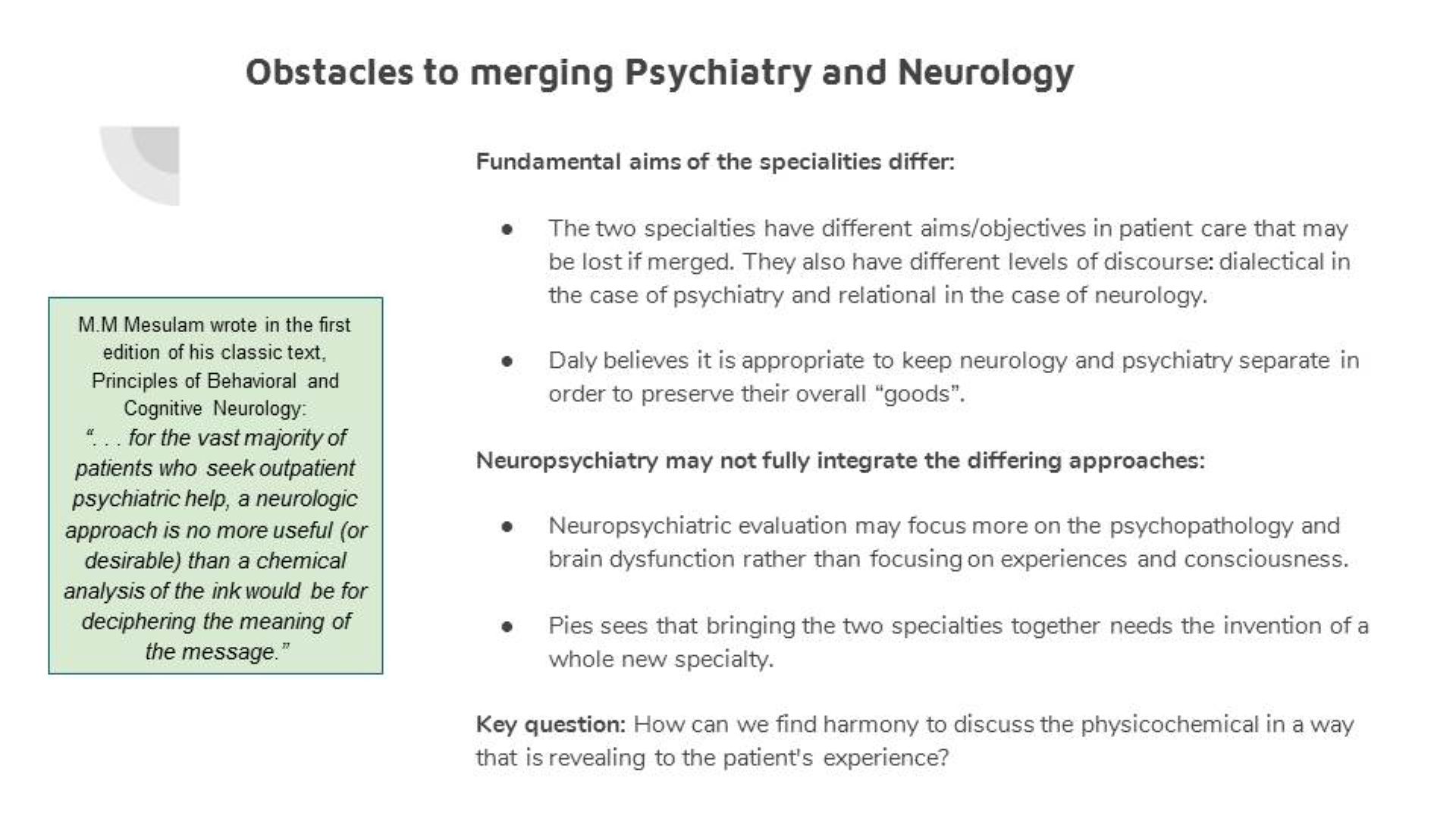
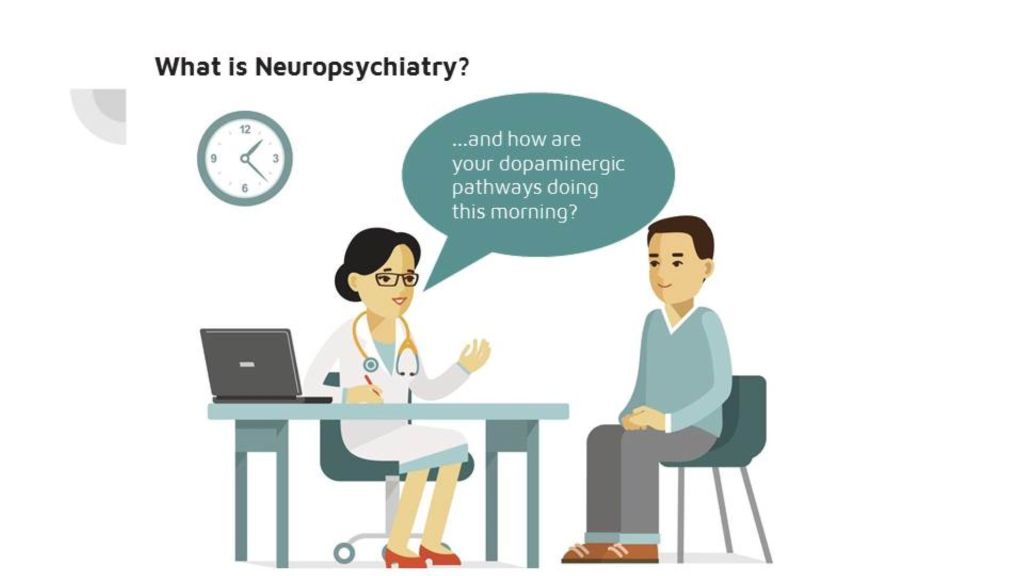
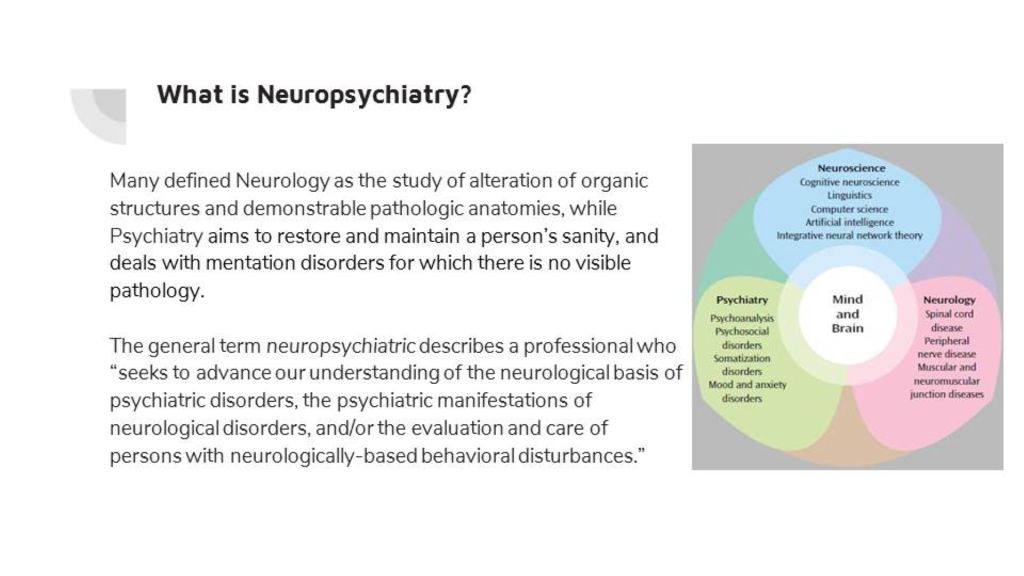
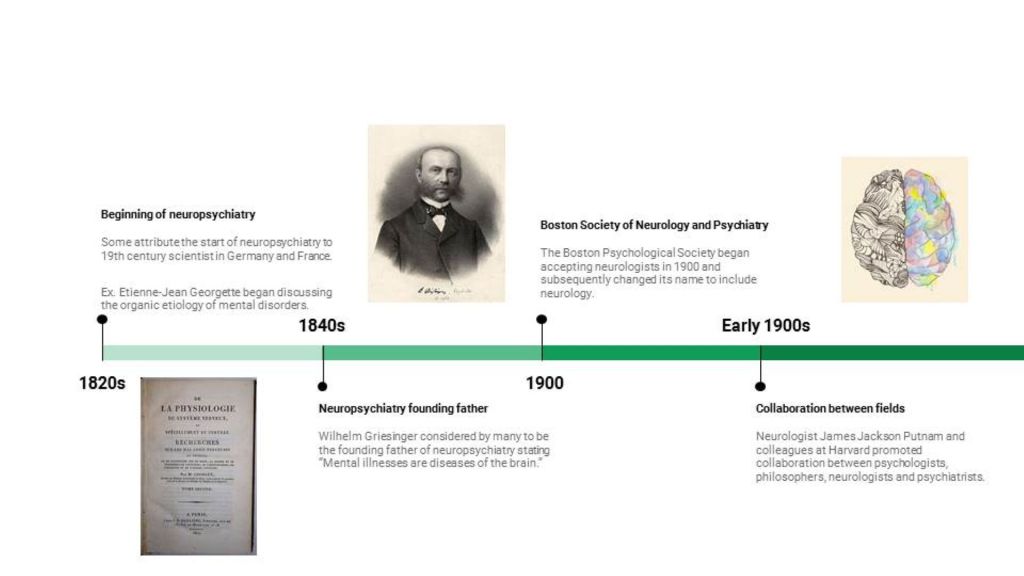
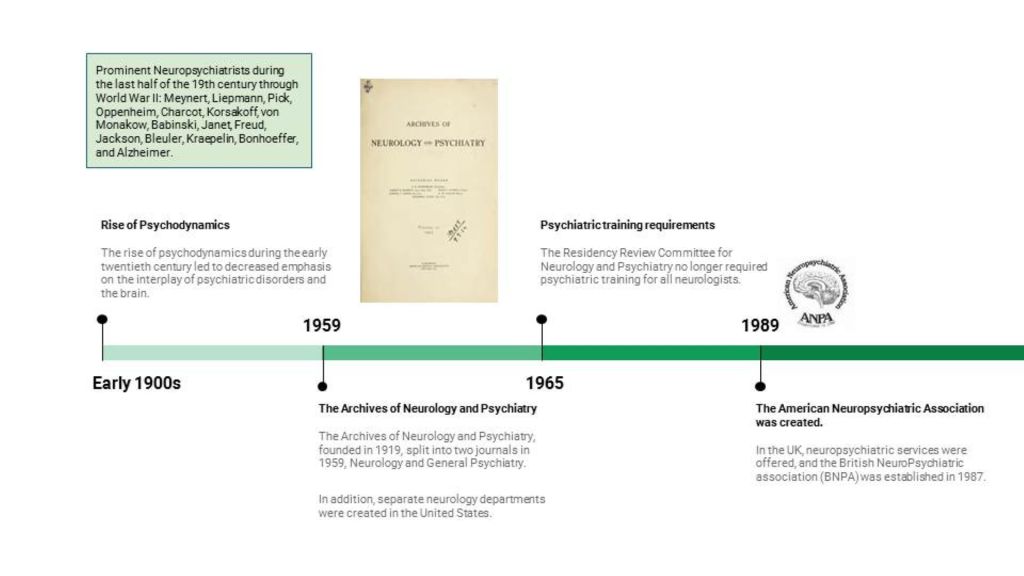
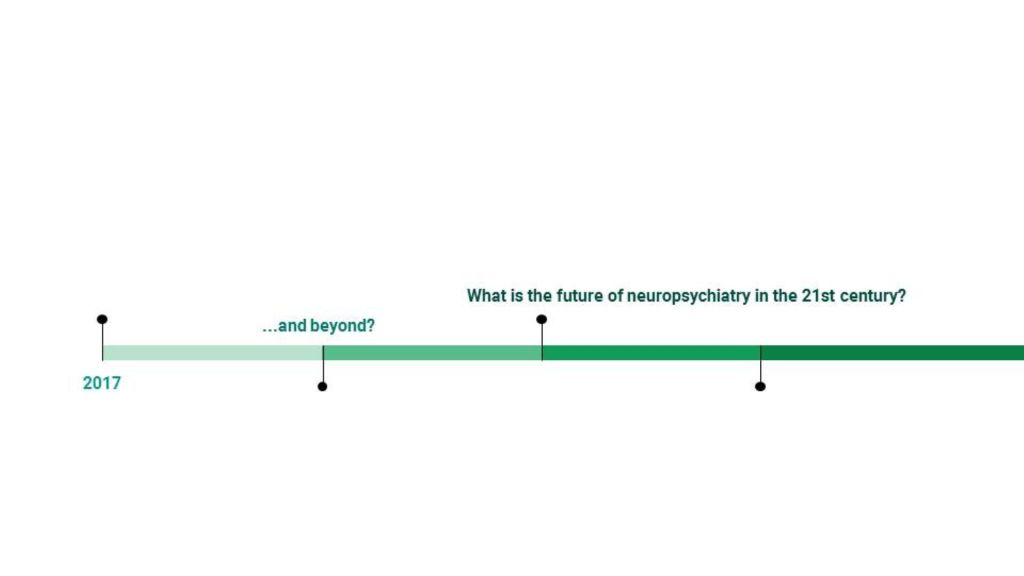
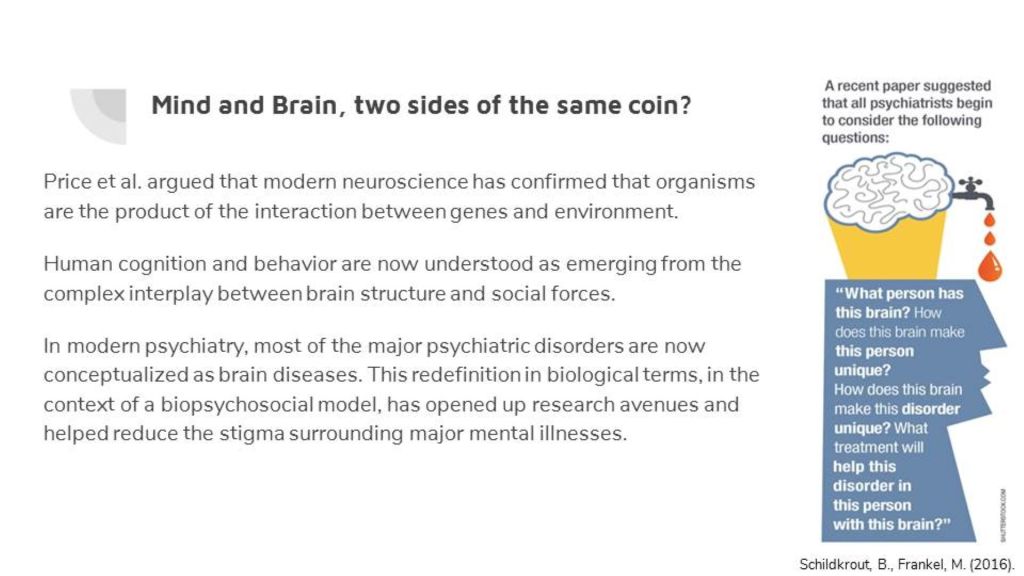
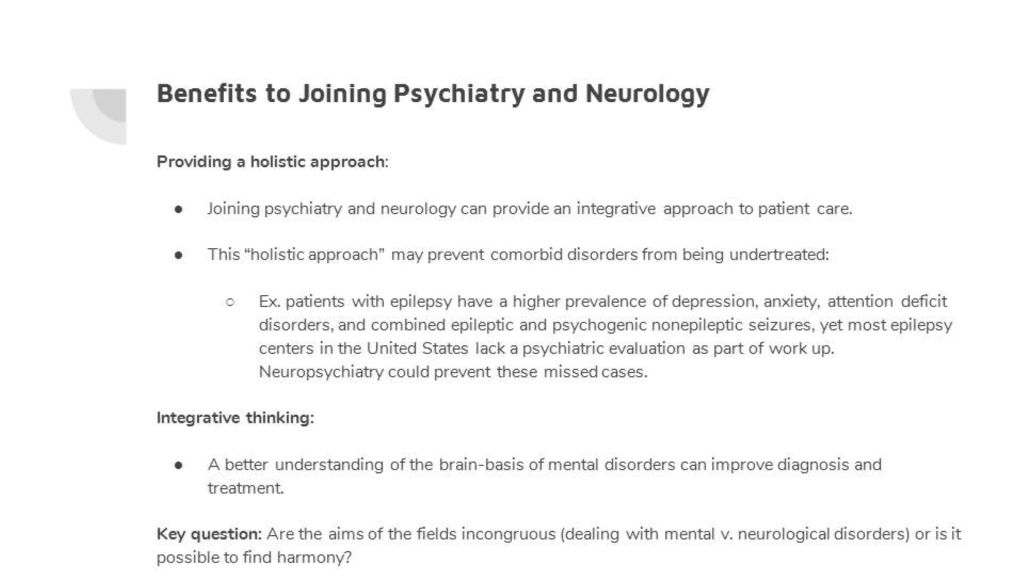
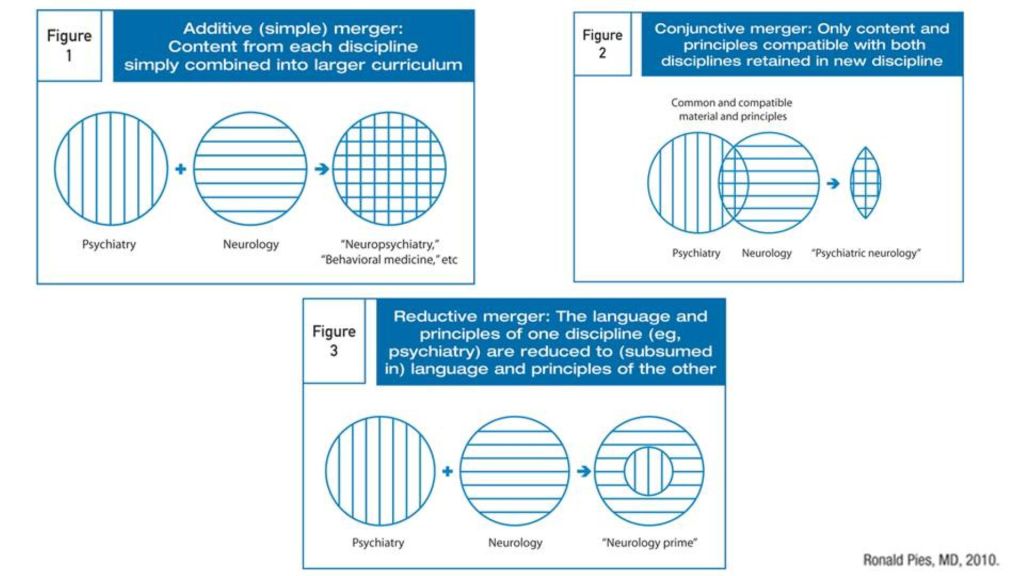
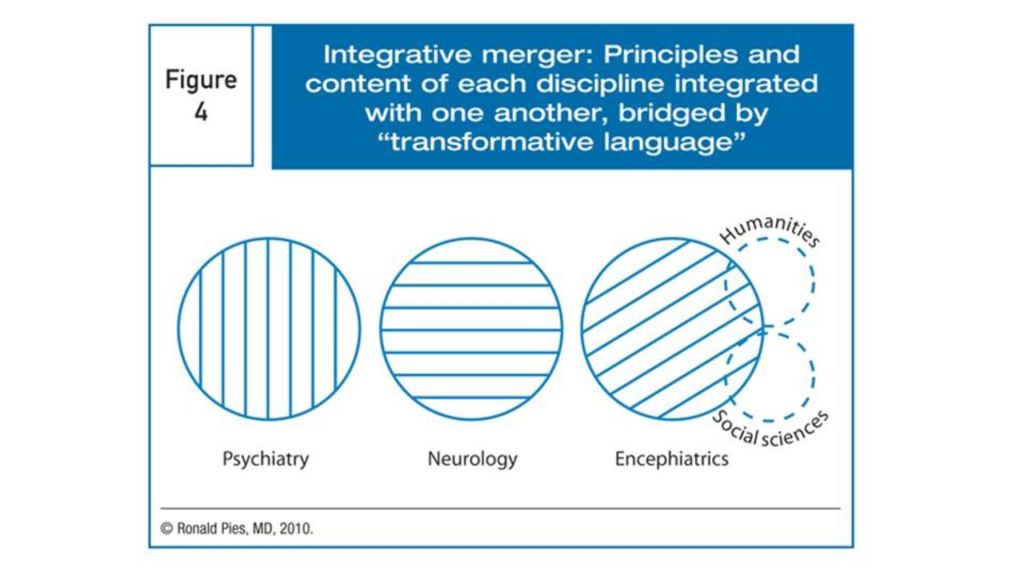
They picked a topic often about an interesting consultation case we had seen and put together a talk with a dozen slides. They gave a Dirty Dozen called: “Neurology and Psychiatry: Divided or United?” It included some of Dr. Ron Pies ideas on a subtopic of whether psychiatry and neurology can ever be combined as a discipline (three diagrams of his are in the slides). You can also see a sense of humor, especially in the first slide.
Note: Because I couldn’t locate all of the trainees to get their permission to leave their names on the title slide, I chose to identify them as “Trainees.” I’m still very proud of all of them.
Slides from trainees on Neurology and Psychiatry: Divided or United? from UIHC Psychiatry Consultation Service, 2017. Figures included from Dr. Pies’ article in Psychiatric Times (see below):
Citations:
Arzy, S. Danziger, S. (2014).. “The Science of Neuropsychiatry: Past, Present, and Future.” The Journal of neuropsychiatry and clinical neurosciences 26.4 2014): 392-395.
Daly, R. Pies, R. (2010). Should Psychiatry and Neurology Merge as a Single Discipline? Psychiatric Times.
Fitzgerald, M. (2015). Do psychiatry and neurology need a close partnership or a merger? BJPsych Bulletin, 39(3), 105–107.
Pies, R. (2005). Why psychiatry and neurology cannot simply merge. J Neuropsychiatry Clin Neurosci; 17: 304-309.
Schildkrout, B., Frankel, M. (2016). Neuropsychiatry: Toward Solving the Mysteries That Animate Psychiatry. Psychiatric Times.
Price, BH., Adams RD., Coyle, JT. (2000). Neurology and psychiatry, closing the great divide. Neurology January 11, 2000 vol. 54 no. 18
While yesterday’s post on Dr. Melvin P. Sikes was mainly about my personal impressions of him as a teacher, there are a couple of web resources which gives a little more texture about him apart from my imperfect memory and limited experience.
One of them is a formal course outline and evaluations he and another teacher wrote in 1975, which was the year I first encountered him when I was a freshman at Huston-Tillotson College at that time. I know it seems like a tough read, but I was pretty impressed by what teachers said about him in the evaluation part of the document entitled “Report on Teaching in Multi-Cultural/Multi-Ethnic Schools (1974-75).”
The pdf document is 39 pages long, but I suggest focusing on the student teacher evaluations of his course. That starts on page 19. They all praise it, without exception. Many note that he didn’t really just lecture. One of the evaluators called him “supercalifragalisticexpialadoches!” Not sure if that’s spelled just right (it’s on p.33 so you can check it yourselves), but the point is well made—he was viewed as an extraordinarily gifted teacher.
Dr. Sikes’ comments start on pp.35-39 (Attachment D, entitled “Teaching in Multi-Cultural/Multi-Ethnic Schools; EDP F382 -Summer 1975l Professor Melvin Sikes) and I think that’s also worth reading. It’s short and without lofty, academic terminology.
The reading list caught my eye. I looked for Ralph Ellison’s novel “Invisible Man” which had been published in 1952, but it wasn’t on the list. That book has special meaning for me personally, because when I encountered Dr. Sikes in 1975, I was a freshman at one of the Historically Black Colleges and Universities (HBCUs), Huston-Tillotson College as it was then known. I was born and raised in Iowa and had never been in the southern United States. I sort of identified with the unnamed protagonist because the first section of the book deals with his experience at a southern black college.
It was a culture shock. I never saw anyone like Bledsoe. In fact, I never personally met the president of H-TC (now Huston-Tillotson University as of 2005), who was Dr. John Q. Taylor King, Sr. at the time. My main connection was Dr. Hector Grant, who recruited me while he was visiting Mason City, Iowa in connection with support from a local church. I still don’t know what happened to Dr. Grant. It’s like he dropped off the face of the earth.
Anway, I wanted to share another item I pulled off the web about Dr. Sikes. It’s a newspaper article about him published in the West Texas Times issue published May 4,1977. It’s in the collection of the Texas Tech University on line, with the link to the main front page story “Judge Orders Officials to Clean Up the Jail,” interestingly enough. It automatically downloads a pdf of the newspaper issue to your computer when you click the link. I’m just going to try to summarize it and pull some quotes.
The title of the story about Dr. Sikes is down the page, “UT’s Dr. Sikes Helps Students Know Themselves and Others.” The story begins with an anecdote about an interaction Dr. Sikes had with a teacher. It involved a black student coming to her with a complaint that a white student had hit him and he used bad language in describing it. The teacher was going to discipline the kid about his bad language, which Dr. Sikes questioned.
Sikes thought the teacher should have first gotten more information about what the student actually experienced in the encounter. The implication was that if she had listened first, she might not have jumped down his throat about his bad language.
The author of the news article writes that, according to Sikes, “I want my students to be more flexible, to understand that people are first people,” the professor likes to say. “I want them to grow out of looking at a color of a skin and making determinations, good, bad, or indifferent.” He goes on to say,
“I don’t even want them to look at blacks and say, ‘these are great people.’ I just want them to look at blacks and say ‘these are people.’
Quotes from Sikes:
“Before you can deal with another in a meaningful kind of way, you have to find some meaning and purpose in your own life—which means defining yourself….”
About teaching:
“Yes, I was lucky, I was taught by my parents, to some degree. But then I had teachers who taught this to me… And much of whatever I am… is the result of teachers and their concern—black teachers, white teachers.”
About our differences:
“If we’re all the same, we can’t make unique contributions because the contributions would be the same.”
The author of the story points out that Dr. Sikes often took student teachers to Huston-Tillotson College to see predominantly black students. The author also writes that Dr. Sikes mentions something about politics which rings a bell.
“He [Dr. Sikes] talks about the politicalization of education, and says that educating has been taken away from the educator and usurped by the politician.”
On teaching the teachers:
Dr. Sikes says: “People don’t realize how important you are and you don’t realize how important you are. You’re molding and shaping human lives, millions of lives, who will become, depending upon how you mold and help shape or help them become.”
“Now the doctor deals with his patient for a short length of time, and the patient dies and he buries his mistake, or he lives and he’s all right. But we can’t bury our mistakes. They walk around and haunt us and other people…sometimes their living is death. But people never realize that it’s teachers—we are the ones who have power.”
And finally, about Mel Sikes himself, one of his students says,
“Sikes is intense, loquacious and supremely personal. He immediately grabs you and talks on a person-to-person wavelength. He tells his students a lot about himself, his struggles as a black and as a radically caring person. He says he would die if it would help all people relate better. And he would.”
There was a lot more to Melvin Sikes than a lemon-yellow leisure suit.
Last year, I wanted to present this Distinguished Education Lecture by Dr. Russell Ledet, MD, PhD, given during Martin Luther King Jr. Celebration of Human Rights week. It took a while for my message to the University of Iowa to get through channels, but I want to thank Audra M. King, the Administrative Services Coordinator for the Office of Student Affairs and Curriculum in the University of Iowa Carver College of Medicine for her help in getting it into a YouTube format that allows the general public to see and hear Dr. Ledet’s presentation.
I wrote a post in February last year about how impressed I am with Dr. Ledet as a leader. Now you can hear him tell his own inspirational story.
We were reminiscing about our elementary school days following a discussion of news article about what some educators want to do with the school day schedule. Apparently, kids are pretty sleepy in class and teachers think it’s because they’re sleep deprived. Apparently, they’re not getting enough sleep at night and the proposal is that the school day schedule ought to be pushed ahead, the day starting at 9 AM instead of 8 AM.
Maybe the kids should be off their electronic devices a little earlier in the evening.
I guess there have been studies supporting this idea for years, but of course I hadn’t heard of it. Nobody seems to be in a hurry to change the system.
What we remembered were the consequences imposed by teachers and principals when we didn’t perform up to expectations in class, or misbehaved in class or on the playground.
Sena had a little trouble with remembering the vowels, a e i o u and sometimes y. She had so much trouble with it that she had to stay after school to write that out over and over on two big blackboards. It took quite a while. That was back in the days when blackboards were big and covered one entire wall of the classroom. There was always more chalk available if she ran out. Sometimes the penalty for her not paying attention was a few sharp raps on the top of her head with a No.2 pencil. Most often it was for talking out of turn or not paying attention.
I got caught a couple of times for throwing snowballs on the playground. I think it was at least a couple of times. The consequence for this infraction was to sit in the principal’s office drawing little circles resembling snowballs on a sheet of paper. They had to be small so that it took you a long time to fill up the paper. If you made them too big, the principal made you flip the sheet over and do it again. I think if you got writer’s cramp, you had to switch hands.
My brother and I had to walk to and from school. We had to get up early and sometimes the snow was up to our knees. It was about a half-mile walk to school. One winter day, I was walking home and found a dog frozen stiff as a statue next to the sidewalk.
I spent most of time after lunch looking at the clock, wishing the hands would move faster to 3 PM, when school let out. I would walk home and because I was a latchkey kid, I just let myself in the house.
I guess moving the time up so that kids can be more awake during the morning wouldn’t hurt anything. Maybe the curriculum will be simplified a little bit too. Things like geography could be easier. You could change the name of the Gulf of Mexico (or is it the Gulf of America now?) to something that makes more sense—like the Gulf of Water.
If you can’t learn that, maybe you need to have your head rapped with a No.2 pencil.
I was looking at the Academy of Consultation-Liaison Psychiatry (ACLP) and discovered a free online video educational series on verbal de-escalation of agitated patients. It reminded me of my own early attempts to educate trainees about this very important topic (see my post “A Little Too Exuberant”).
The Simpson et al presentation includes 5 free online videos. The first one is below.
Simpson, Scott & Sakai, Joseph & Rylander, Melanie. (2019). A Free Online Video Series Teaching Verbal De-escalation for Agitated Patients. Academic Psychiatry. 44. 10.1007/s40596-019-01155-2.
We enjoyed the Dr. Martin Luther King, Jr. Distinguished Education (originally given on January 17, 2023) by Dr. Russell Ledet. He’s definitely a mover and a shaker and this is another recorded presentation that I wish was available for the general public.
His bio is knockdown impressive. And even more interesting to me is that he’s presently in residency toward boarding in adult psychiatry and child psychiatry as well as pediatrics.
That’s right—triple boarding.
His talk was a fascinating oral autobiography from his upbringing in poverty to his military career, to his undergraduate and graduate college career, and his achievement in organizing a very successful nonprofit, The 15 White Coats. This helps get underrepresented minority students into medicine by giving them inspiration and financial support.
His life story by itself is inspiring. It’s also exhausting. The person introducing him wondered aloud if he ever slept!
He began with a well-known quote by Dr. Martin Luther King, Jr:
“It’s all right to tell a man to lift himself by his own bootstraps, but it is a cruel jest to say to a bootless man that he ought to lift himself by his own bootstraps.”
Dr. Ledet’s story of his path from bootlessness to crowning success is compelling. You really have to hear it from him to get a clear idea of how difficult it was. It’s hard to imagine that a star like him once rummaged through dumpsters for food for the family while his mother was on the lookout to make sure he didn’t get caught.
I think a big part of what kept him going was his wife and kids. In fact, his wife, Mallory Alise, insisted that he take the path because of her fear he would die if he continued a dangerous assignment in the military.
A member of the audience who had a career similar to Dr. Ledet asked a question about what more should he do to make sure young people of color would get the kind of opportunities to succeed. Dr. Ledet had a very good answer, but that was not the most interesting part of the interaction. Firstly, the questioner didn’t sound (I know this is going to sound crass) black. He sounded more like someone who had grown up in the Northern United States—like me. But during the course of the conversation, it was clear that he was black. He just didn’t sound like Dr. Ledet. He also mentioned, almost in passing, that some people of color who succeed may develop imposter syndrome.
This sounded strange at first, but I quickly realized that I sometimes had felt like an imposter. This cuts two ways with me. One was the obvious context in which I came out of an impoverished background to finish college and medical school, and had a career as a consultation-liaison psychiatrist at a university medical center where I published and taught for many years. At times I felt like a phony.
The other situation in which imposter syndrome arose was when I went to Huston-Tillotson University (an HBCU formerly called Huston-Tillotson College) in Austin, Texas back in the 1970s. Most of the students were from the region. I had a Northerner’s accent and somebody once remarked on it, asking me “Why do you talk so hard?” I was easily identified simply because of how I spoke. I didn’t always feel comfortable, despite for the first time being not the only black guy in school. Ironically, I didn’t feel like I fit in, even in an HBCU. Even among those who looked like me, I sometimes felt like a phony. But that was not an enduring affliction.
And I think Dr. Ledet has a great deal of confidence and energy. More power to him.
Sena and I just recently saw the TV commercial about the Whirlpool Care CountsTMLaundry Program, which has been providing washers and dryers for schools. It was launched to address school absenteeism, one cause of which is bullying of kids who don’t have clean clothes. They are also more likely to drop out of school.
It turns out this program has been going on since 2015. And there’s an Iowa connection. In 2017, Morris Elementary in Des Moines got a new washer and dryer (Des Moines Register, “Iowa teacher meets New Yorker on Instagram, and needy school gets a big lift” by Laura Rowley, published Oct 7, 2019, accessed 12/13/2023).
According to the Whirlpool’s website about it, there are over 150 programs in schools across 40 states.
The website even lists research studies demonstrating the link between a lack of clean clothes and school attendance rates.
We reminisced about what we did about this issue when we were in grade school. We don’t remember skipping school because of dirty clothes. We managed by washing them by hand, or in my family, using an old hand wringer as well. We hung clothes out to dry on the line in the back yard. Sena did that and also used a fan.
I was sometimes bullied, but it was related to being black rather than having old clothes. I didn’t change my outfit every day because I didn’t have enough clothes for that.
When I got old enough, I delivered the Des Moines Register. Talk about nickel and diming. The rates were pretty low compared to today, but I still had some customers who complained about the price. I walked my route to collect subscription fees. I was not a great salesman but I was a steady worker, delivering papers in any weather, even dragging them in a wagon through knee deep snow.
You could buy things with your money through the paper’s main office. The first thing I bought was an alarm clock with a glass face through which the clockwork was visible. I didn’t really need an alarm clock to get me out of bed to deliver papers. I was a light sleeper even then. I just thought the clock was cool.
I saved enough money (mostly in quarters) to buy my first bicycle. It cost about $20 at Ralph’s Bicycle & Hobby Shop in Mason City. It was used and I think it was a 24 inch. I did not do wheelies.
I don’t remember buying clothes.
I remember collecting from a young couple who were obviously newlyweds. They would often both come to the door wrapped in nothing but big bath towels. I wondered if they even had any clothes. Maybe they didn’t have any laundry facilities.
Anyway, I think the Whirlpool program is a great idea.
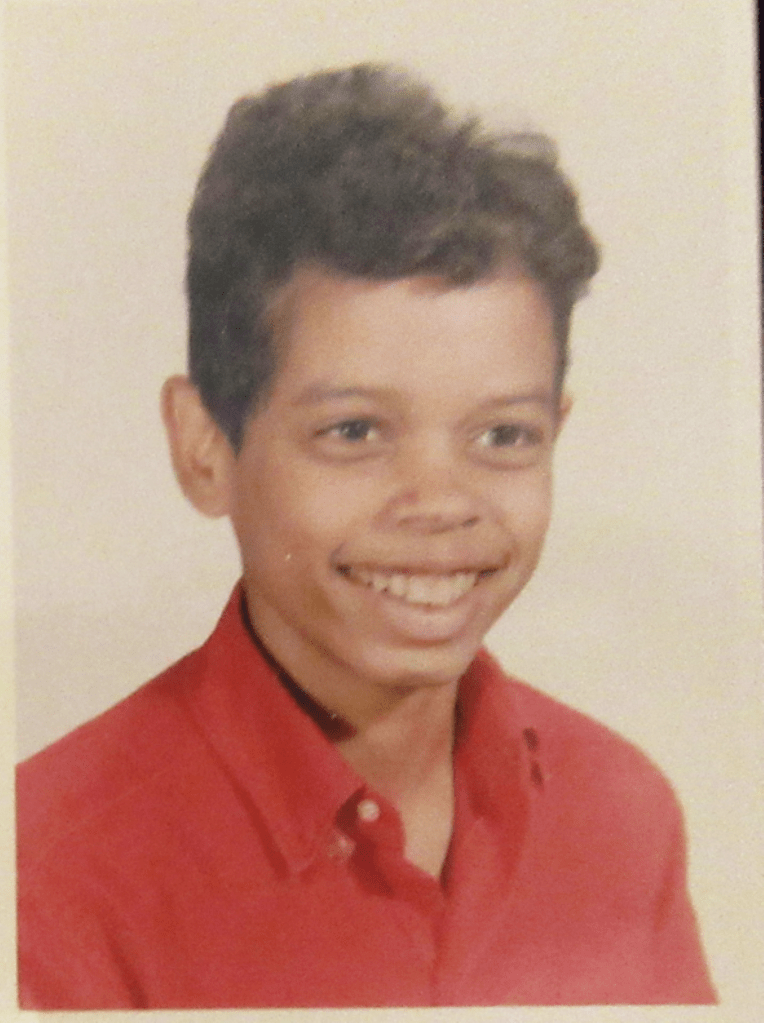
Teacher Appreciation Week this year started on May 8, 2023. I found my old report cards from Lincoln Elementary School in Mason City, Iowa. Lincoln was torn down many years ago to make room for expanding the Post Office. But I have my memories. I rediscovered reasons to celebrate the dedication of teachers. I don’t know how many people keep their grade school report cards. My mother kept mine along with old elementary school photos, including class pictures.
Jimmy!
Brief remarks on my grade cards remind me how supportive my teachers were—and how they expected me to buckle down. I was kind of a handful and there are indications that I had difficulty focusing my attention. My fifth-grade teacher, Mrs. Cole, was instrumental in identifying my near sightedness, which helped me to get my first pair of eyeglasses.
It wasn’t a bed of roses. My third-grade teacher, Mrs. Myrton (who always smelled like cigarettes), once slapped me so hard it made my nose bleed because I bumped into her when I was running around the classroom. I don’t remember why I was doing that. She was really sorry for slapping me.
And there was the time me and another kid got caught throwing snowballs on the playground (I can’t remember what grade I was in), which led to the usual penalty levied by the school Principal, Esther Ahrens. We each had to draw really small circles (signifying snowballs) to fill a sheet of paper.
We (meaning the kids) thought Ms. Ahrens was a witch. On the other hand, on a really hot day shortly before summer break, my 4th grade teacher, Ms. Hrubes, started acting really strange and was sort of wobbling at the open window in the classroom. There was no air conditioning in the school. Ms. Ahrens happened to be walking by the room and rushed into the room just in time to catch Ms. Hrubes as she was falling backward in a dead faint from heat exhaustion.
But other than that, along with the usual physical and psychological cuts and scrapes of elementary school, I remember those years as instrumental in turning me and other kids into smarter, nicer people and better citizens. We also learned how to make really tasty homemade ice cream the old-fashioned way, using nested containers, the larger of which had a mixture of salt an ice and a hand crank.
The notes and letters with my report cards often had illuminating comments:
“Jimmy has done well in Physical Education class. He has excellent aim and can hit a moving car’s windshield with a rock (yelling ‘bombs away’) with fair accuracy.”
“During this quarter, I was able to dissuade Jimmy from trying to fly like superman from the second-floor window of the classroom.”
“Jimmy reads well. He could apply himself more carefully in science. We were finally able to remove all the exploded paint from the gymnasium. It took only a few weeks this quarter.”
“Jimmy’s command of spatial relationships has improved a great deal! He can figure out how to fill his emptied milk carton with spinach in seconds, often without attracting the attention of the lunchroom monitors.”
I’m giving a great big thank you to all the teachers! You deserve it!










 Go Retire Psychiatrist