I formally nominated “I Lived” by OneRepublic to be the new Hawkeye Wave Anthem. On the other hand, I just noticed there is a strong contender for the new Hawkeye Wave song. Dalles Jacobus is a former Hawkeye football player who recently submitted his song, “We Wave.”
He has a lot going for him. He’s a former Iowa football player, He recently graduated from the University of Iowa. He wrote his own song, “We Wave.” He taught himself how to play the guitar by watching YouTube. And there is growing support for the song.
He’s Iowa grown and that’s a real plus for this song. The melody itself feels like a wave. And what Dalles himself says about the song puts the emphasis right where it needs to be, “But, you know, at the end of the day it’s not about the song that’s playing, it’s about the act and the actual wave.”
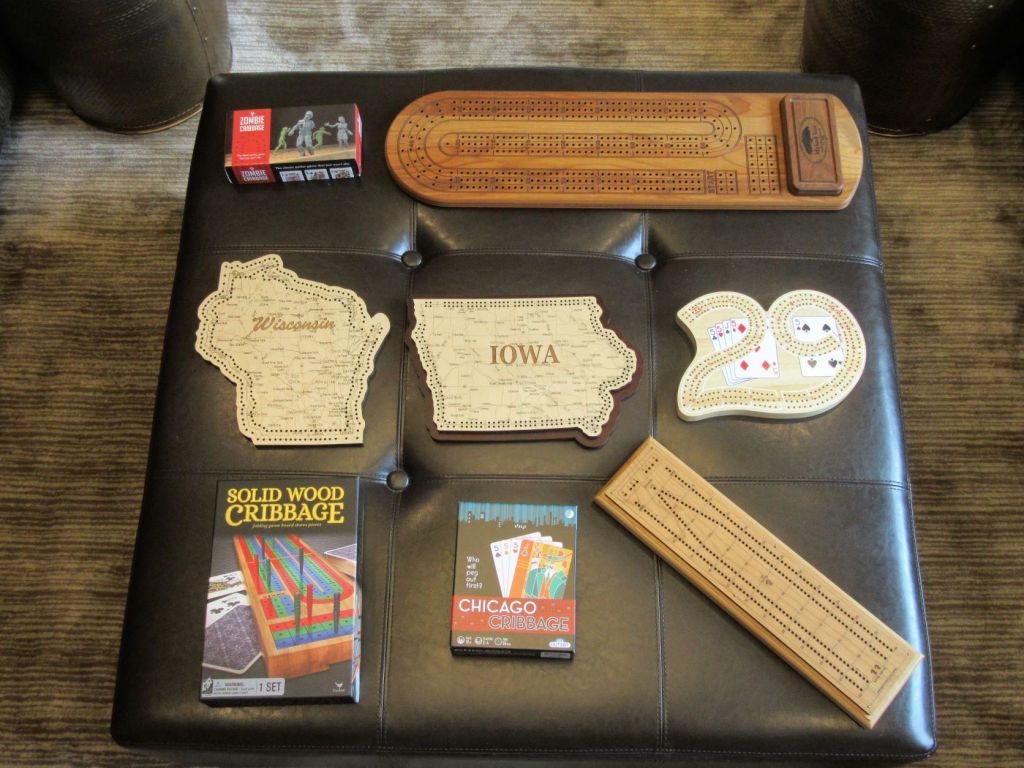
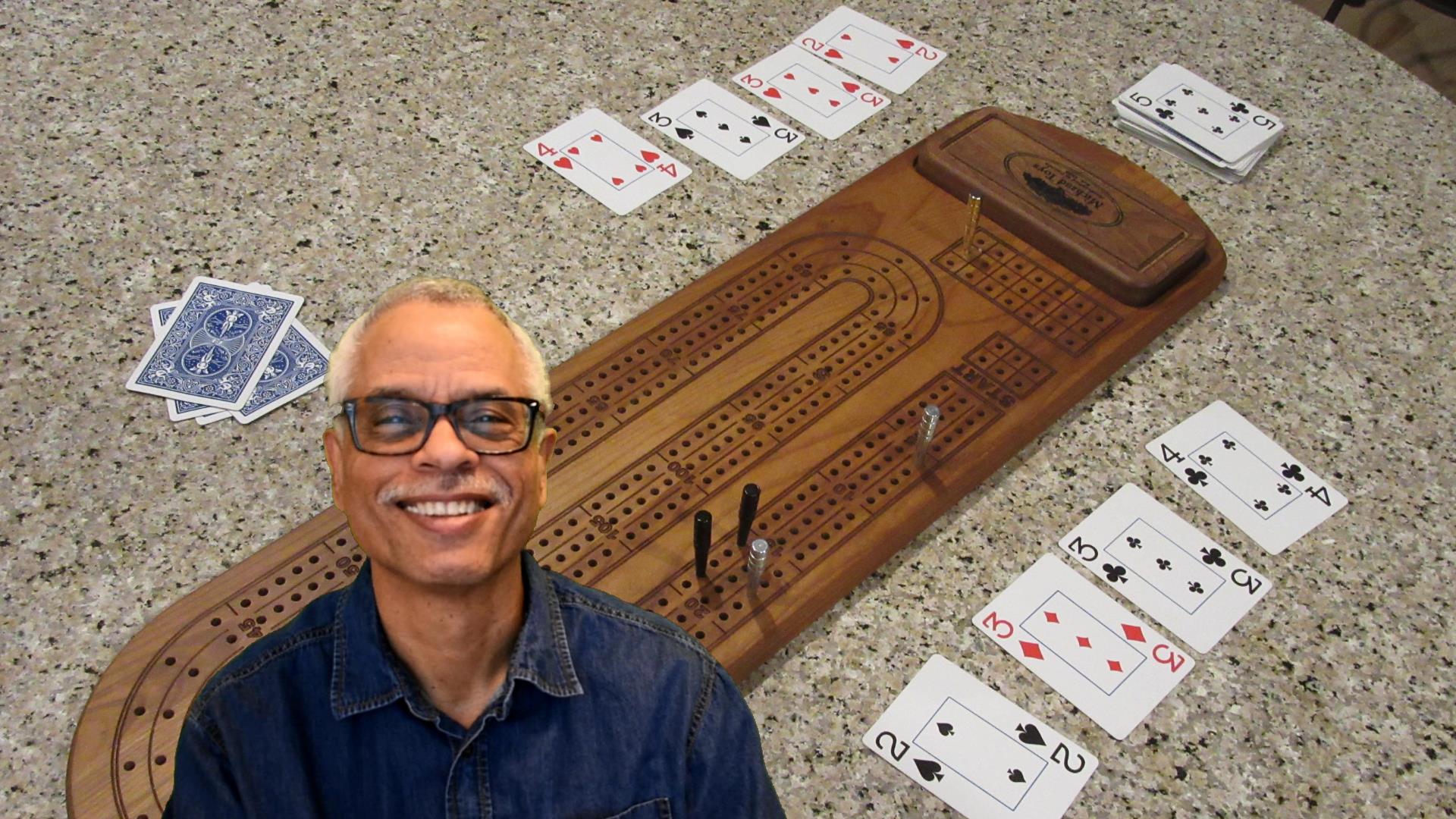
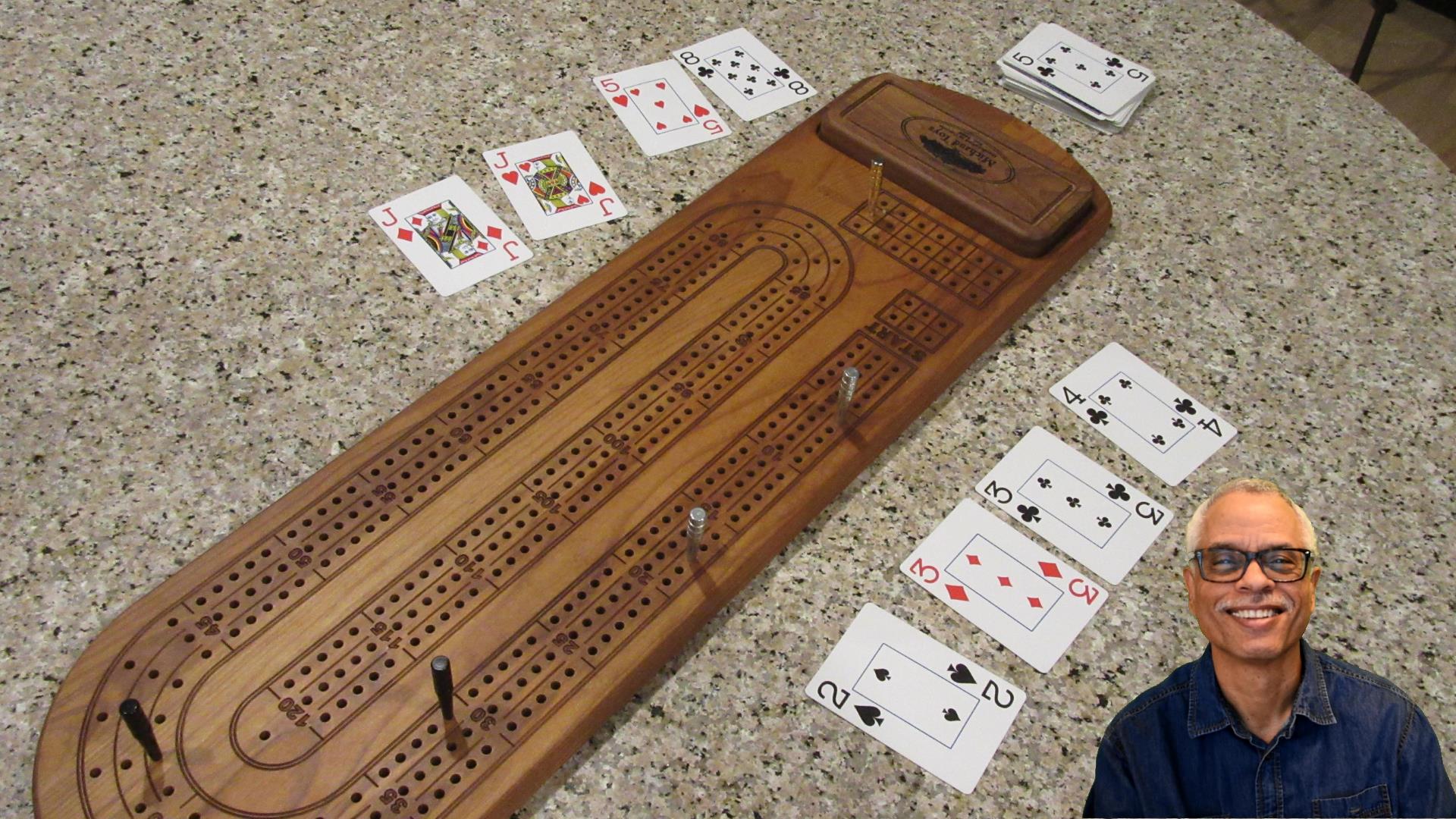
I ran across this article in the Portland Press Herald the other day about the renaissance of cribbage since the pandemic began a couple of years ago. It was about that time that Sena and I began again to play cribbage (in November of 2019 to be exact) after about 20 years hiatus.
We picked up the basic rules fairly quickly. It takes a while to master the game though. We are by no means masters.
In the story there is speculation that they can tell that there has been about a 20% increase in interest in cribbage because that’s about the rate at which new cribbage boards are being purchased. It’s assumed that once you have a cribbage board you don’t really want or need another one.
That’s not the case with me and Sena. We’ve purchased about a half a dozen over the last two years. To be sure, they’re not all boards. The Chicago Cribbage game variant doesn’t have a board with it but has several modifications of the rules as well as handsome cards. And we’re going to get a couple of cribbage board games, Kings Cribbage and CrossCribb.
The comments are very interesting below the story. One person claimed that his grandfather abruptly stopped teaching him cribbage when he got 29 scores in both the hand and the crib. Another commenter pointed out that this was mathematically impossible since you’d have to have more than 7 fives in the deck. Another commenter indicated that it was possible. I’m not sure what to say about the knowledge base of some cribbage players.
The story quotes David Aiken, a board member of the American Cribbage Congress (ACC) and editor of Cribbage World. He said that cribbage has been an older person’s game, for the most part. A lot of the cribbage clubs that had sponsored tournaments stopped hosting them. But that’s starting to turn around.
The story also says that cribbage takes a long time to learn and that it’s about equal parts luck and skill.
That got me to searching around on the web for other stories about cribbage and it finally led me to a story about a guy named Rollie Heath.
Rollie says the game is about 90% luck and about 15 percent skill. That’s pretty darn close to what another cribbage master said about the breakdown of luck and skill, Frank Lake. Rally mentioned the Theory of 26. This was invented by another cribbage master named DeLynn Colvert. I have Colvert’s book but have not read the chapter on the Theory of 26. Nor do I plan to, anytime soon. The gist of it is that luck controls most of the game and skill revolves around each player fighting over the 10 or so points that can actually be controlled by how you play the cards you’re dealt—I think.
Okay, okay, so I’ll read a little bit about Colvert’s 26 Theory to you. Colvert says, per hand that the non-dealer will peg on average 10.2 points. The dealer will peg 16.2 points per hand on average. Every two deals the average points add up to 26.4. Colvert goes on to say:
“The cribbage law of averages dictates that the dealer will win the game by scoring his crib hand on the 9th deal. The non-dealer will be about five (5.2) points short after counting first on the ninth hand. And this crucial five points will, on the average, caused the non-dealer to lose 56 games of 100 (skill levels being equal, of course). These averages are the foundation of the “Twenty Six Theory.”
I could probably sound real smart here by saying that nobody plays a purely statistical average game. But I’m not going to cop out. I’m just not smart enough to use the 26 Theory. More than anything, Sena and I play cribbage just for fun. I think that’s what most of us do.
On the other hand, Rollie Heath has been inducted into the ACC Hall of Fame. Maybe we should ask Rollie whether you can have 29 scores in both your hand and your crib.
We have a couple of new cribbage board games shipping early. They might arrive as early as tomorrow. These aren’t just cribbage boards.
One of them is Kings Cribbage. It’s kind of a cross between Scrabble and cribbage. Great, another game Sena can win nearly every time. Tiles correspond to cards. There are only two suits, light and dark brown. You have to try to make the highest scoring cribbage hand. You can score in multiple rows and columns at the same time. They have to be standard cribbage scores. I couldn’t find a YouTube instructional video per se, but the rules are on the web.
I did find a couple of reviews that were interesting and informative, though. It sounds like gameplay can make for complicated strategy building. And like the Tile Lock Scrabble game, the board has rails to keep the tiles in place. You can also spin the board around. The 6 and the 9 tiles are interchangeable. The
The other game is CrossCribb. The rules are also the web. The idea is to peg 31 points on your scorecard before your opponent cab do so. Two players to four players build hands perpendicular to each other.
They sound like fun variations on cribbage. We can’t wait to play!
I searched the web for a picture of ambivalence and had a tough time finding one. The featured image comes close. The reason I’m ambivalent is because of a conflict I have about the Iowa Hawkeye football program, which is currently the subject of a lawsuit by former African American players compared to the University of Iowa asking fans to find a new song to accompany the traditional Hawkeye Wave, in which players and fans wave at the kids watching the game from the UI Stead Family Children’s Hospital.
I think it’s a moving gesture. I’d like to formally nominate a new song. But I’m not sure I could call myself a fan, given the conflict between two principles: honoring the families with sick children, and also wanting a just outcome for the former football players suing the Hawkeye football program, alleging that it created a hostile environment.
I dislike bringing this up, mainly because I want to be fair to both sides. On the one hand, the former Hawkeye players and the Hawkeye football program somehow need to find justice. On the other, I really believe families love the Hawkeye Wave, and so do I. I’m very ambivalent.
I even have a song I’d like to formally vote for. It’s “I Lived” by OneRepublic. It was originally dedicated to children with cystic fibrosis and, when the music video was released in 2014, it featured Bryan Warnecke, a 15-year-old showing how he not only lived with, but triumphed over the disease.
I want the best for both sides of this conflict between ideals. I don’t know if I can count myself as a fan of the Hawkeye football program right now.
But speaking as a retired University of Iowa general hospital psychiatric consultant who once served as a colleague to the pulmonology specialists who called me to help care for the emotional and physical health of their patients with cystic fibrosis, a few of whom were living into young adulthood—they are Hawkeyes and so am I.
So, I’m voting informally for “I Lived” because I think it captures the spirit of what the Hawkeye Wave is really all about—kindness, generosity, and hope.
Featured image picture credit Pixabaydotcom.
Update April 24, 2022: I voted formally today for “I Lived” by OneRepublic. You can submit yours here.
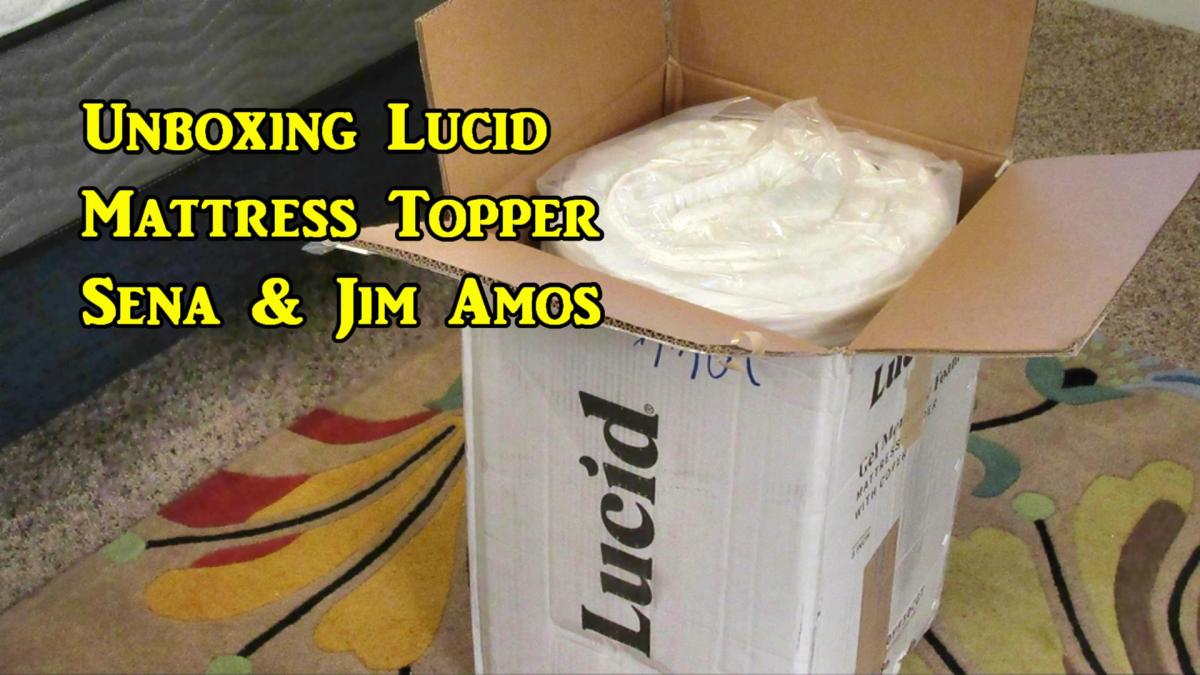
Remember the Zinus platform bed and mattress (bed in a box) story? The mattress was a little on the firm side for Sena, so she ordered a Lucid 3-inch gel foam topper for it.
We got it. It’s a memory foam mattress topper, with cooling gel and aloe infused with a plush cover. It was coiled up in box, and exploded like a nuclear bomb after we opened it. We’ll have to replace the bedroom wall, but otherwise it’s a pretty nice little topper.
Just kidding.
Lucid gives you a handy little knife to cut the plastic, which worked pretty slick. The memory foam has ventilation holes to release the heat that can build up, create a 4 alarm fire, burn down your house, make you homeless for a couple years, living in a refrigerator carton over a sidewalk sewer grate which on average allows one person to fall through every 20 months in case you’re wondering, leading to meeting new people occasionally who report you to the police, who arrest you for vagrancy, though most judges are lenient, resulting in a 3 day stay hotel voucher where you can pick up a few square meals and a dozen or so bedbugs, sending you the hospital ER for treatment, after which a social worker arranges for you to move into a low budget condo with a Home Owners Association with rules against platform beds with memory foam toppers, protecting you for life as long as you don’t plant creeping charley in your side yard.
The topper flattened out in about half an hour. Sena was having to sort of jump up to get on the bed before, so now she’ll need a stepladder or a jet pack.
OK, so just heard this song “Jumpin’ Jack Rabbit” by Catfish Keith, playing on KCCK Big Mo Blues Show. I’ve looked for the lyrics and can’t find them. Anyway it was interesting, but puzzling.
I don’t know anything about guitars and never heard of Principato, but this is unreal.
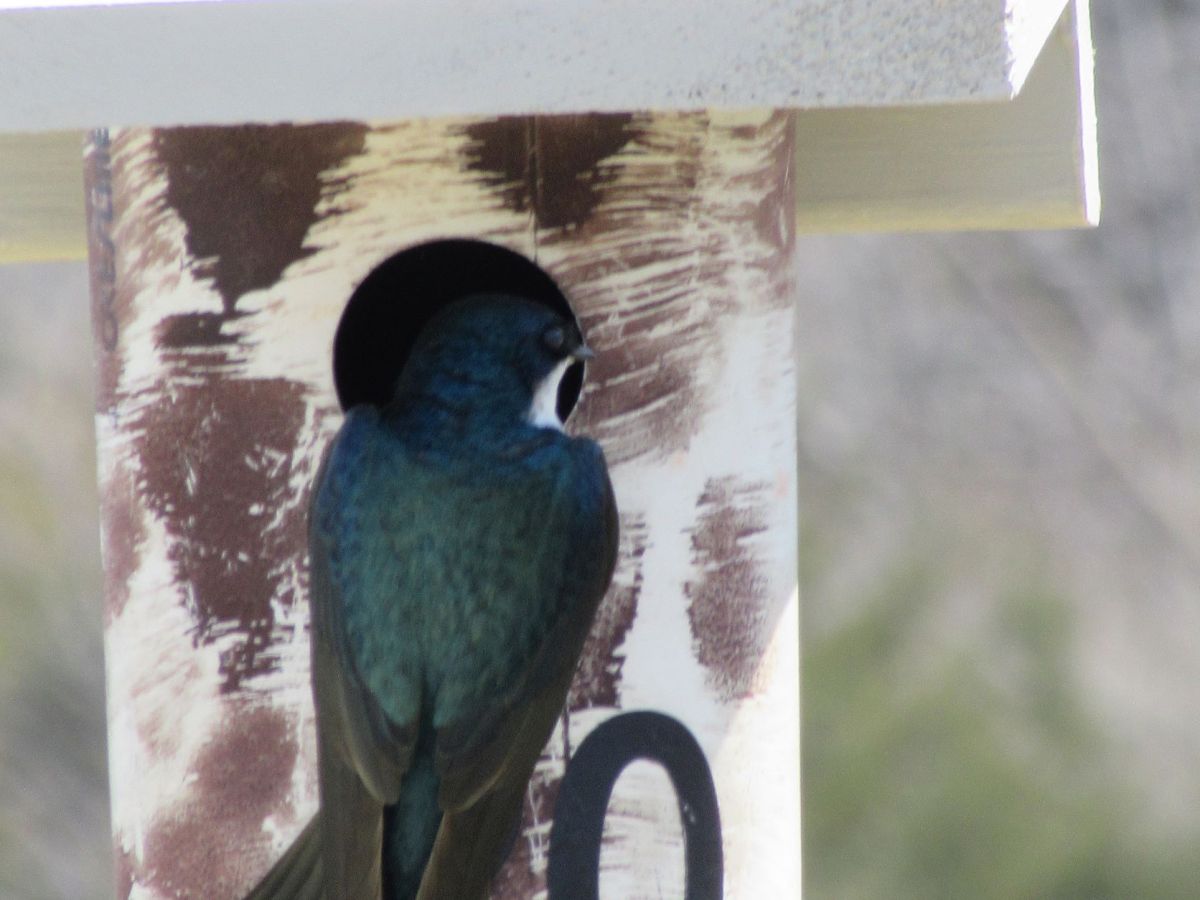
We finally got a sunny break yesterday and headed out to the Terry Trueblood Trail for a walk. It was good to stretch our legs. The spring birds are back. The Tree Swallow nest boxes are installed, although one of them was upside down. I’m not sure how that happens. A sparrow chased one of the swallows off, probably staking a claim on one of the nest boxes. Lucky break for the sparrow. Lucky for all that the nest boxes were available; unlucky if some are upside down, though.
The great weather was a lucky break, actually. Rain is in the forecast for the next couple of days. Talk about luck. We both got lucky playing cribbage the other day. Sena got a double run of 2 through 5 counting the cut card—and so did I. We both got 12 points. I had the crib, and got 12 more. Neither of us can recall what we threw to my crib.
Luck is important in cribbage. An expert player, Frank Lake, once said that cribbage is 85% luck and 15% skill. Others back him up.
I got to listen to some of the presentations yesterday during the ACIP meeting on Covid-19 vaccines and boosters. My impression is that there seems to still be some discussion about what the most important goals of the vaccination program. Is it to prevent severe disease, hospitalization, and death? Or is it to prevent infection altogether?
It’s not lost on me that even mild infection with Covid-19 can lead to a chronic (“long haul”) syndrome. On the other hand, it doesn’t sound plausible that a vaccine to prevent infection would even be possible, given that so many people remain unvaccinated. That’s part of the context for the rise of variants that can lead to vaccine-resistant strains. That can lead to boosters and what some ACIP committee members are now afraid might lead to a new vogue term-“booster fatigue.”
Sena and I are now immunized as far as we can go, with 4 doses. We’re hoping for a new vaccine that is safe, effective against variants, and doesn’t involve boosting every few months.
We focus a lot on vaccines. But the other side of the risk of getting infected and sick are a part of host immunity. It gets weaker as we get older. It’s weak in those who are immunocompromised for other reasons, including things like underlying diseases and organ transplantation.
Looking at other ways to prevent disease with Covid-19, such as new medications that might counter the decline of the immune system as we age, and any other innovations are also important.
I was looking at an early version of the handbook of consultation-liaison psychiatry that eventually evolved into what was actually published by Cambridge University Press. I wrote virtually all of the early version and it was mainly for trainees rotating through the consult service. The published book had many talented contributors. I and my department chair, Dr. Robert G. Robinson, co-edited the book.
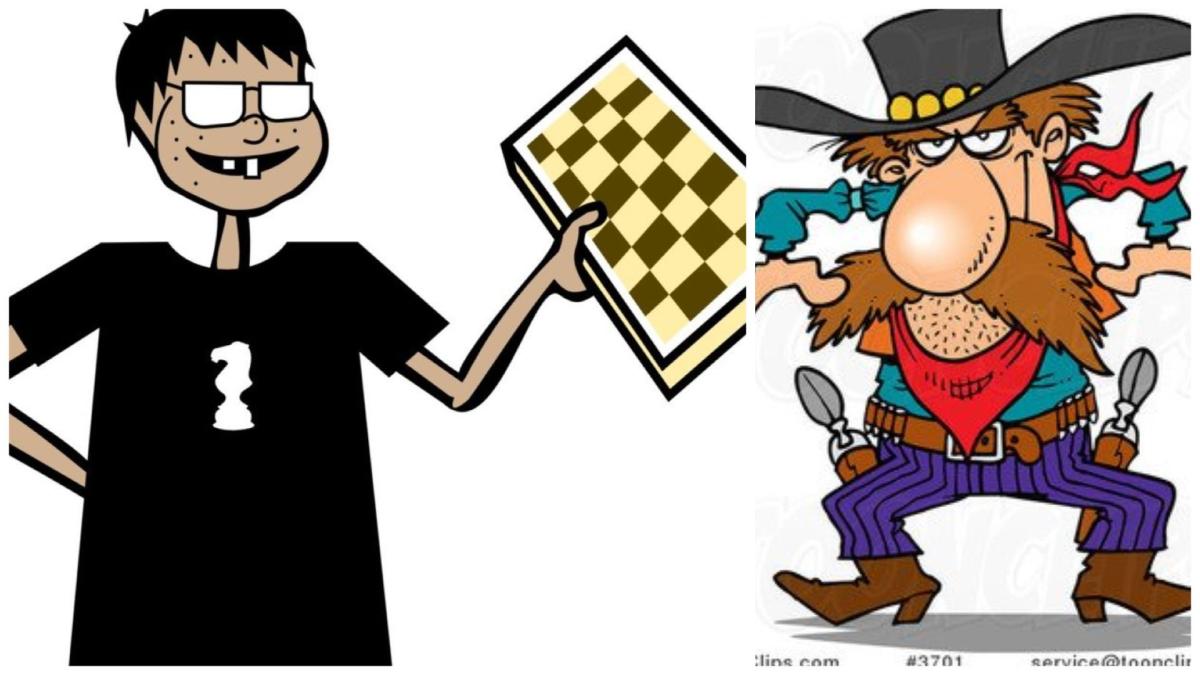
In the introduction I mention that the manual was designed for gunslingers and chess masters. The gunslingers are the general hospital psychiatric consultants who actually hiked all over the hospital putting out the psychiatric fires that are always smoldering or blazing. The main problems were delirium and neuropsychiatric syndromes that mimic primary psychiatric disorders.
The chess masters were those I admired who actually conducted research into the causes of neuropsychiatric disorders.
Admittedly the dichotomy was romanticized. I saw myself as a gunslinger, often shooting from the hip in an effort to manage confused and violent patients. Looking back on it, I probably seemed pretty unscientific.
But I can tell you that when I followed the recommendations of the scientists about how to reverse catatonia with benzodiazepines, I felt much more competent. After administering lorazepam intravenously to patients who were mute and immobile before the dose to answering questions and wondering why everyone was looking at them after the dose—it looked miraculous.
Later in my career, I usually thought the comparison to a firefighter was a better analogy.
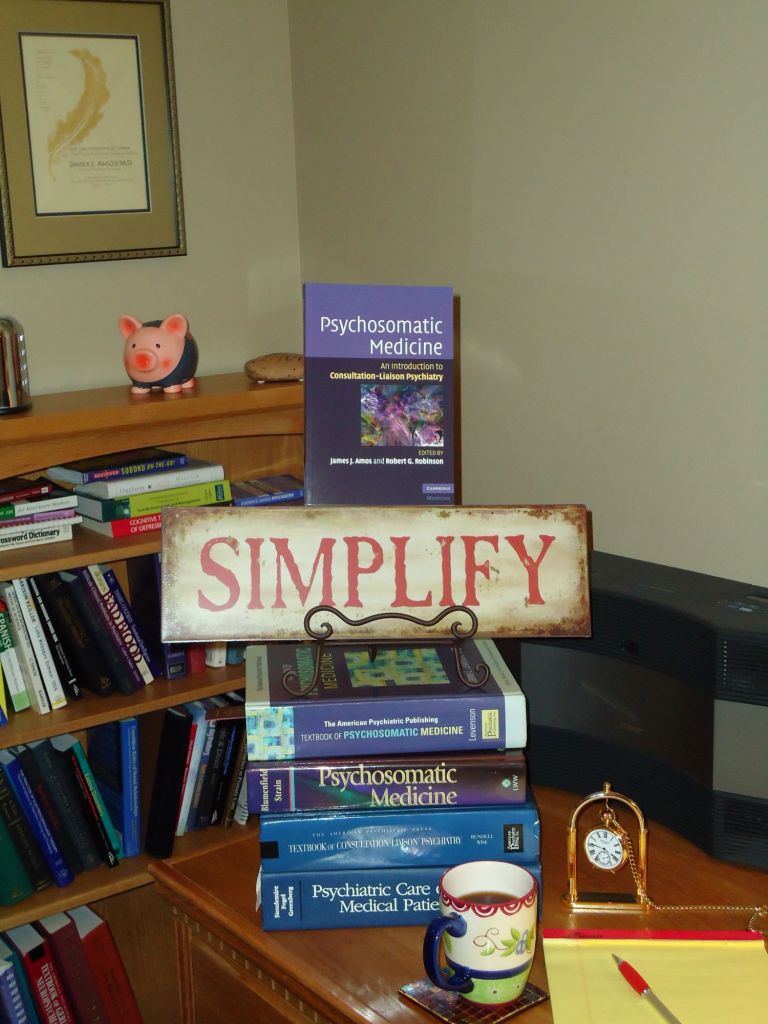
The 2008 working manual was called the Psychosomatic Medicine Handbook for Residents at the time. This was before the name of the specialty was changed back to Consultation-Liaison Psychiatry. I wrote all of it. I’m not sure about the origin of my comment about a Psychosomatic Medicine textbook weighing 7 pounds. It might relate to the picture of several heavy textbooks on which my book sits. I might have weighed one of them.The introduction is below (featured image picture credit pixydotorg):
“In 2003 the American Board of Medical Specialties approved the subspecialty status of Psychiatry now known as Psychosomatic Medicine. Long before that, the field was known as Consultation-Liaison Psychiatry. In 2005, the first certification examination was offered by the American Board of Psychiatry and Neurology. Both I and my co-editor, Dr. Robert G. Robinson, passed that examination along with many other examinees. This important point in the history of psychiatry began many decades ago, probably in the early 19th century, when the word “psychosomatic” was first used by Johann Christian Heinroth when discussing insomnia.
Psychosomatic Medicine began as the study of psychophysiology which in some quarters led to a reductionistic theory of psychogenic causation of disease. However, the evolution of a broader conceptualization of the discipline as the study of mind and body interactions in patients who are ill and the creation of effective treatments for them probably was a parallel development. This was called Consultation-Liaison Psychiatry and was considered the practical application of the principles and discoveries of Psychosomatic Medicine. Two major organizations grew up in the early and middle parts of the 20th century that seemed to formalize the distinction (and possibly the eventual separation) between the two ideas: the American Psychosomatic Society (APS) and the Academy of Psychosomatic Medicine (APM). The name of the subspecialty finally approved in 2003 was the latter largely because of its historic roots in the origin of the interaction of mind and body paradigm.
The impression that the field was dichotomized into research and practical application was shared and lamented by many members of both organizations. At a symposium at the APM annual meeting in Tucson, AZ in 2006, it was remarked that practitioners of “…psychosomatic medicine may well be lost in thought while…C-L psychiatrists are lost in action.”
I think it is ironic how organizations that are both devoted to teaching physicians and patients how to think both/and instead of either/or about medical and psychiatric problems could have become so dichotomized themselves.
My motive for writing this book makes me think of a few quotations about psychiatry in general hospitals:
“Relegating this work entirely to specialists is futile for it is doubtful whether there will ever be a sufficient number of psychiatrists to respond to all the requests for consultations. There is, therefore, no alternative to educating other physicians in the elements of psychiatric methods.”
“All staff conferences in general hospitals should be attended by the psychiatrist so that there might be a mutual exchange of medical experience and frank discussion of those cases in which there are psychiatric problems.”
“The time should not be too long delayed when psychiatrists are required on all our medical and surgical wards and in all our general and surgical clinics.”
The first two quotes, however modern they might sound, are actually from 1929 in one of the first papers ever written about Consultation Psychiatry (now Psychosomatic Medicine), authored by George W. Henry, A.B., M.D. The third is from the mid-1930s by Helen Flanders Dunbar, M.D., in an article about the substantial role psychological factors play in the etiology and course of cardiovascular diseases, diabetes, and fractures in 600 patients. Although few hospital organizations actually practice what these physicians recommended, the recurring theme seems to be the need to improve outcomes and processes in health care by integrating medical and psychiatric delivery care systems. Further, Dr. Roger Kathol has written persuasively of the need for a sea change in the way our health care delivery and insurance systems operate so as to improve the quality of health care in this country so that it compares well with that of other nations (2).
This book is not a textbook. It is not a source for definitive, comprehensive lists of references about all the latest research. It is not a thousand pages long and does not weigh seven pounds. It is a modest contribution to the principle of both/and thinking about psyche and soma; consultants and researchers; — gunslingers and chess masters.
In this field there are chess masters and gunslingers. We need both. You need to be a gunslinger to react quickly and effectively on the wards and in the emergency room during crises. You also need to be a chess master after the smoke has cleared, to reflect on what you did, how you did it—and analyze why you did it and whether that was in accord with the best medical evidence.
This book is for the gunslinger who relies on the chess master. This book is also for the chess master—who needs to be a gunslinger.
“Strategy without tactics is the slowest route to victory. Tactics without strategy is the noise before defeat”—Sun Tzu.”
References:
1. Kathol, R.G., and Gatteau, S. 2007. Healing body and mind: a critical issue for health care reform. Westport, CT: Praeger Publishers. 190 pp.
2. Kornfeld, D., and Wharton, R. 2005. The American Psychiatric Publishing Textbook of Psychosomatic Medicine. Psychosomatics 46:95-103.
Yesterday I got the second Covid-19 booster jab. Sena got hers shortly before I did. The pharmacy was practically deserted. Nobody is waiting in line to get this one, evidently. Sena and I are now 4 for 4 jabs with no end in sight unless somebody comes up with a new vaccine that’ll last longer than a couple of months.
No pharmacy employees wore masks. I think I was the only one in the store who wore one. I’m not sure what to think of that. We’re still wearing masks out in public.
Some infectious disease specialists are recommending you get the 2nd booster if you’re over 60, even if you don’t have serious medical comorbidities.
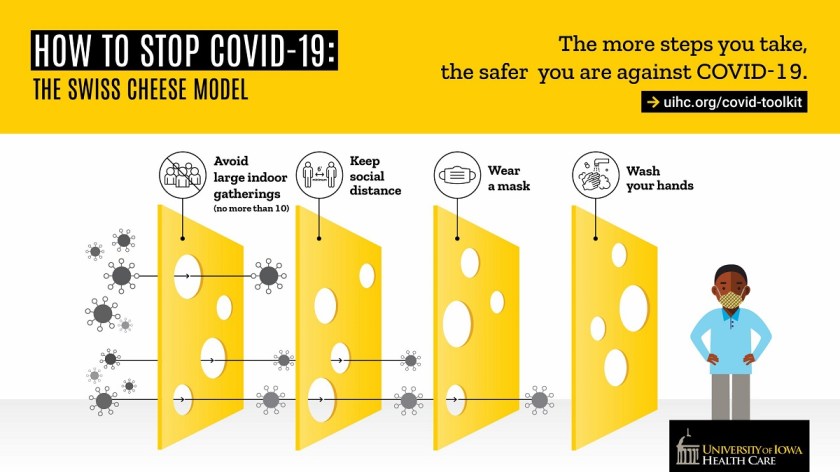
Keeping a watchful eye on transmission levels in the areas where you live is also important. Right now, it’s low in ours. But that could change, especially if we ignore the Swiss cheese method for protecting ourselves from Covid-19.








 Go Retire Psychiatrist