The CDC Advisory Committee on Immunization Practices (ACIP) has a scheduled meeting on September 12, 2023 to discuss Covid-19 vaccines. The information about it is a bit difficult to find. It’s announced as a notice on the Federal Register. On the agenda:
Matters To Be Considered: The agenda will include discussion of COVID–19 vaccines. Recommendation votes for COVID–19 vaccines are scheduled. Agenda items are subject to change as priorities dictate. For more information on the meeting agenda, visit https://www.cdc.gov/vaccines/acip/meetings/index.html.
Clicking the link as of August 28, 2023 did not reveal a meeting agenda, but I expect this to be updated in the near future.
I’ve been looking for official CDC news about the new Covid-19 variant, BA.2.86 and it looks like it was just posted on their website yesterday.
Highlights:
“Last week, a new variant of SARS-CoV-2 called BA.2.86 was detected in samples from people in Denmark and Israel. At least two cases have been identified in the United States. This variant is notable because it has multiple genetic differences from previous versions of SARS-CoV-2.”
“Based on what CDC knows now, existing tests used to detect and medications used to treat COVID-19 appear to be effective with this variant. BA.2.86 may be more capable of causing infection in people who have previously had COVID-19 or who have received COVID-19 vaccines. Scientists are evaluating the effectiveness of the forthcoming, updated COVID-19 vaccine. CDC’s current assessment is that this updated vaccine will be effective at reducing severe disease and hospitalization. At this point, there is no evidence that this variant is causing more severe illness. That assessment may change as additional scientific data are developed. CDC will share more as we know more.”
A: It’s so hot, you don’t have to be a liar to set your pants on fire.
All you have to do is step outside. It’s no joke, frankly. Heat index values could be in the 110-115 degree range. The Excessive Heating Warning has been extended to August 23, 2023.
I’ve been practicing mindfulness meditation since 2014, when I became uncomfortably aware of how unpleasant I was becoming on the job and elsewhere. I called this “burnout.” The word still works as an explanation although it was and is sometimes still an excuse.
I learned about the Lovingkindness meditation or the Metta Prayer during the Mindfulness Based Stress Reduction (MBSR) course I took almost a decade ago.
I used to pray when I was a child. I read the Bible and prayed. I viewed the act of prayer as a request to God back then. And I still probably regard the Metta Prayer as a kind of bargain between me and the cosmos or whatever it is I think of as a higher power.
Just because I say the Metta Prayer doesn’t mean that anybody’s going to treat each other differently. It doesn’t make people get up and square dance together. However, the caution about not expecting others to change just because you say the Metta Prayer doesn’t mean that the practice would not enhance a sense of community—if enough people did it.
There are dozens of scripts for the Metta Prayer easily accessible on the web. The part of it that is directed to those with whom I’m having a difficult time is tricky. Often enough, my goal is to use it as a way of somehow changing the person I’m having difficulty with. It’s the same way I used prayers as a child.
That’s a mistake, but at least I’m aware of it. Prayer is not a request for God or the cosmos to intercede on my behalf so that life won’t be so difficult for me sometimes.
I have trouble remembering that I’m not really a role model, especially nowadays. I’m just an old retired guy who was difficult to work with and needed to change, despite my status as a psychiatrist. I tell dad jokes and clown around but I’m still an old guy with problems—like just about every other old guy.
So, I’m still off and on practicing the Metta Prayer. I’ve noticed that practicing mindfulness is a lot like practicing juggling, which I’ve been doing for almost a year now. I still can’t do certain tricks, like the shower juggle. I can do about three or four throws and drop the balls, sometimes on my head (which is why I wear safety goggles!). And I still tend to use prayer like I’m negotiating a deal to get rid of my faults and troubles.
But I haven’t given up practicing the shower juggle. And I haven’t given up on the Metta Prayer.
The National Weather Service has issued an Excessive Heat Watch for many counties in Iowa starting August 20 through August 21. All next week will be marked by very hot temperatures, raising the risk for heat-related illness.
I was thinking about the Clinical Problems in Consultation Psychiatry (CPCP) learning sessions which was introduced to me by one of my first teachers in the University of Iowa Dept of Psychiatry, Dr. William R. (Bill) Yates.
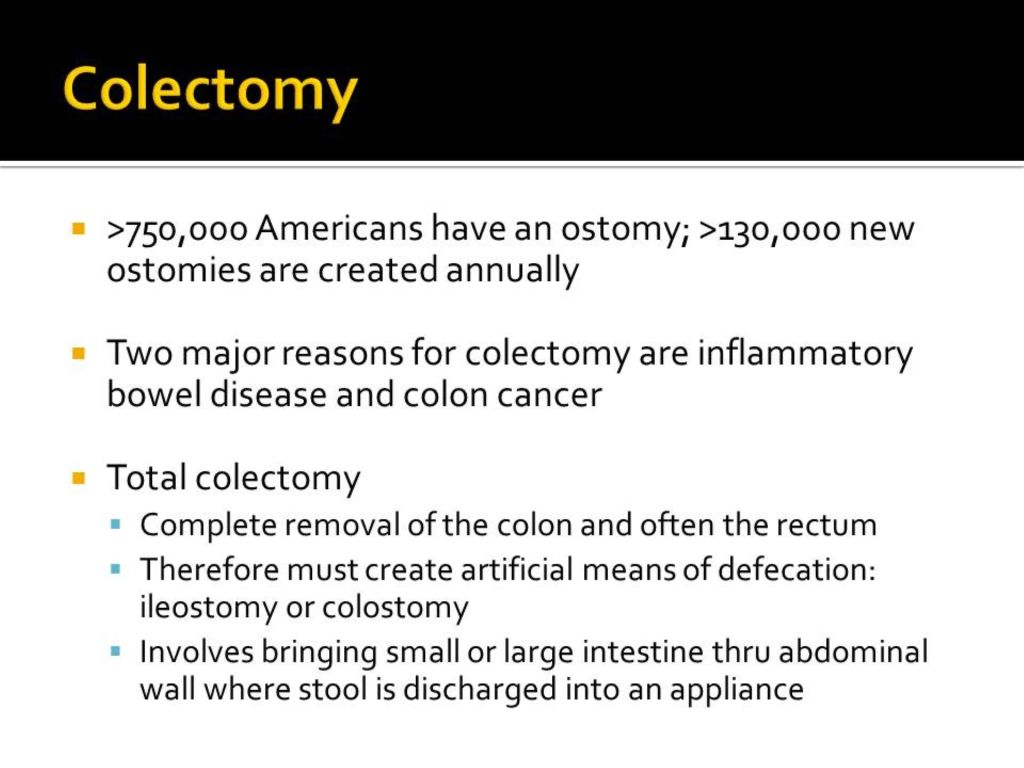
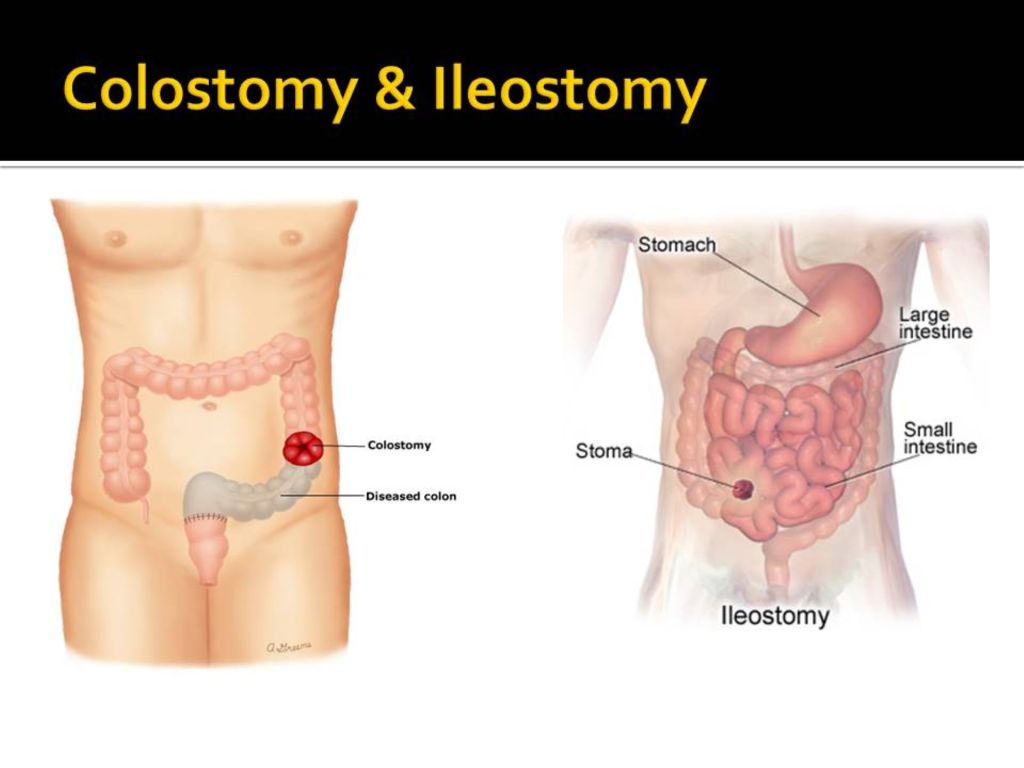
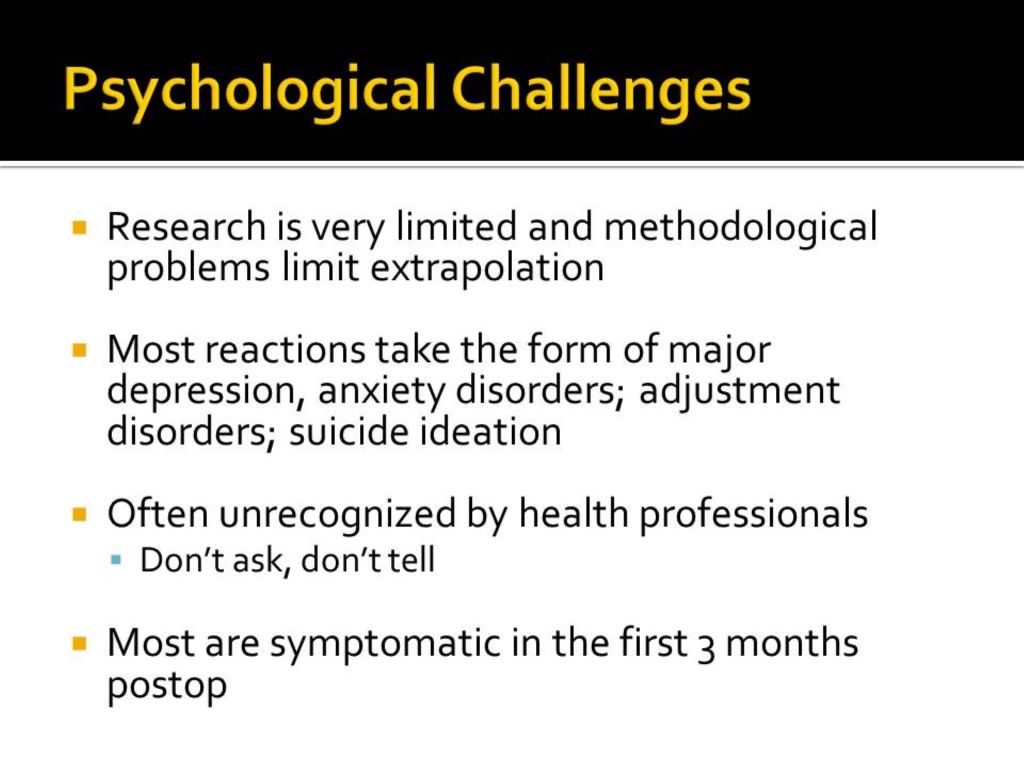
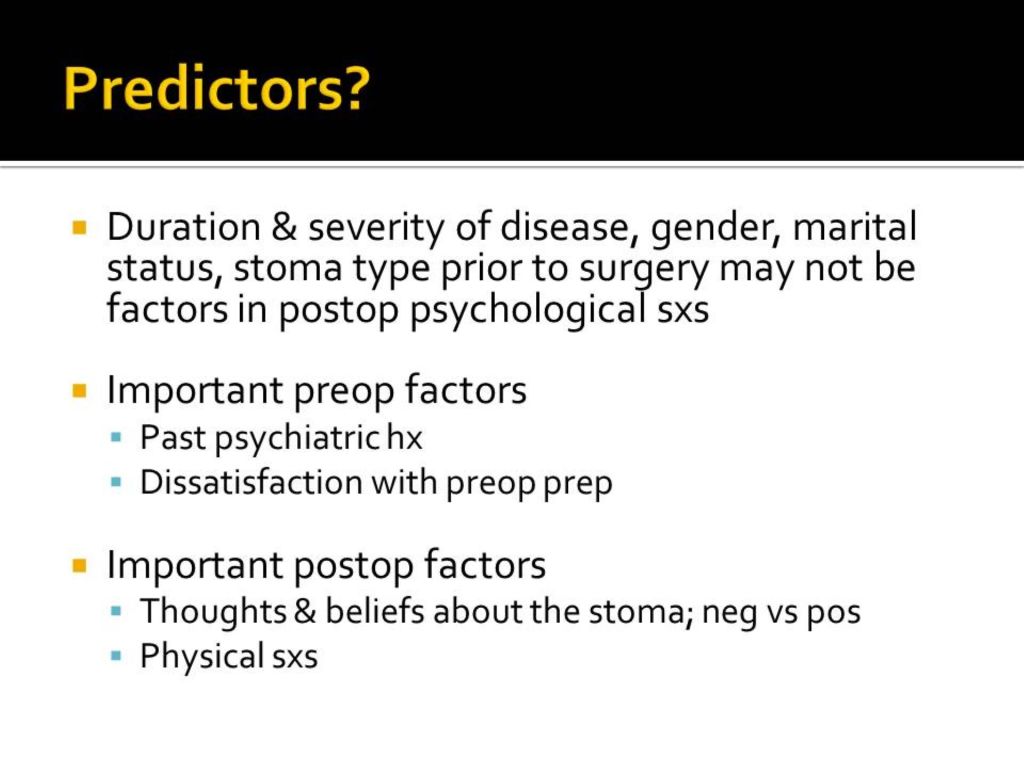
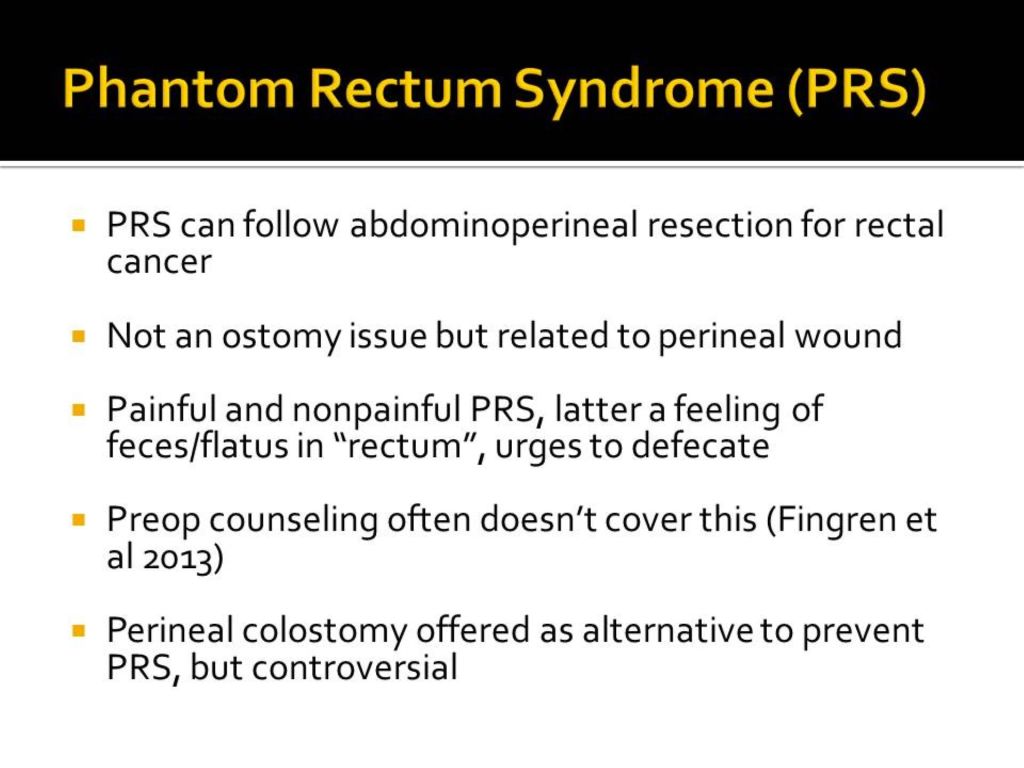
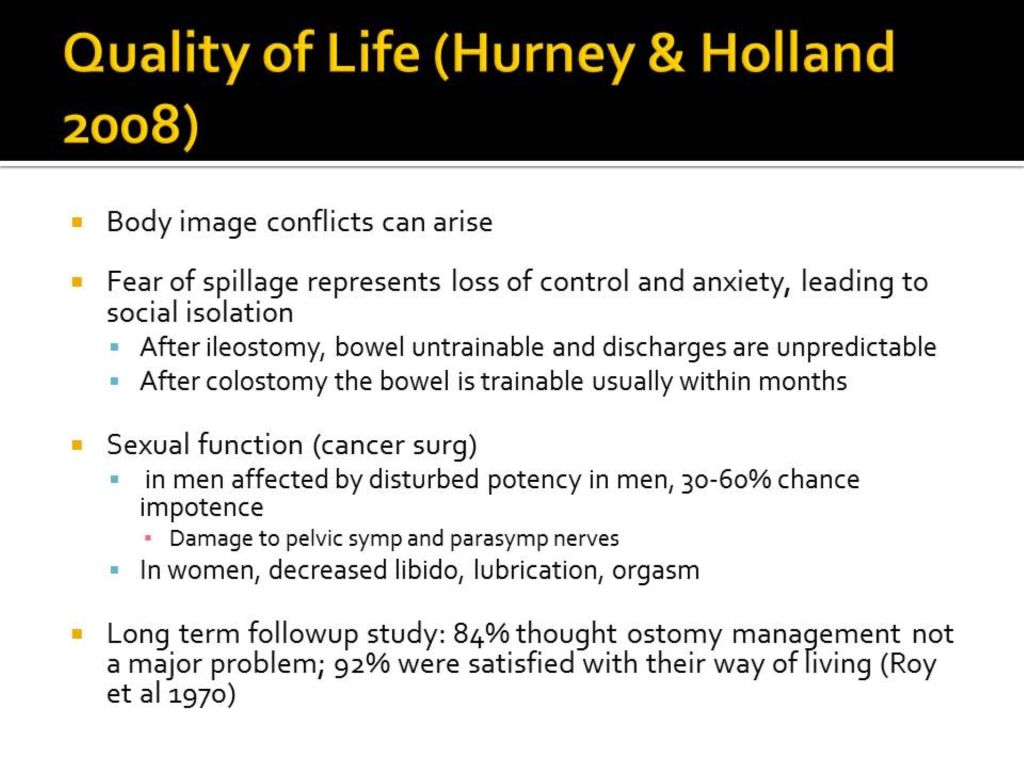
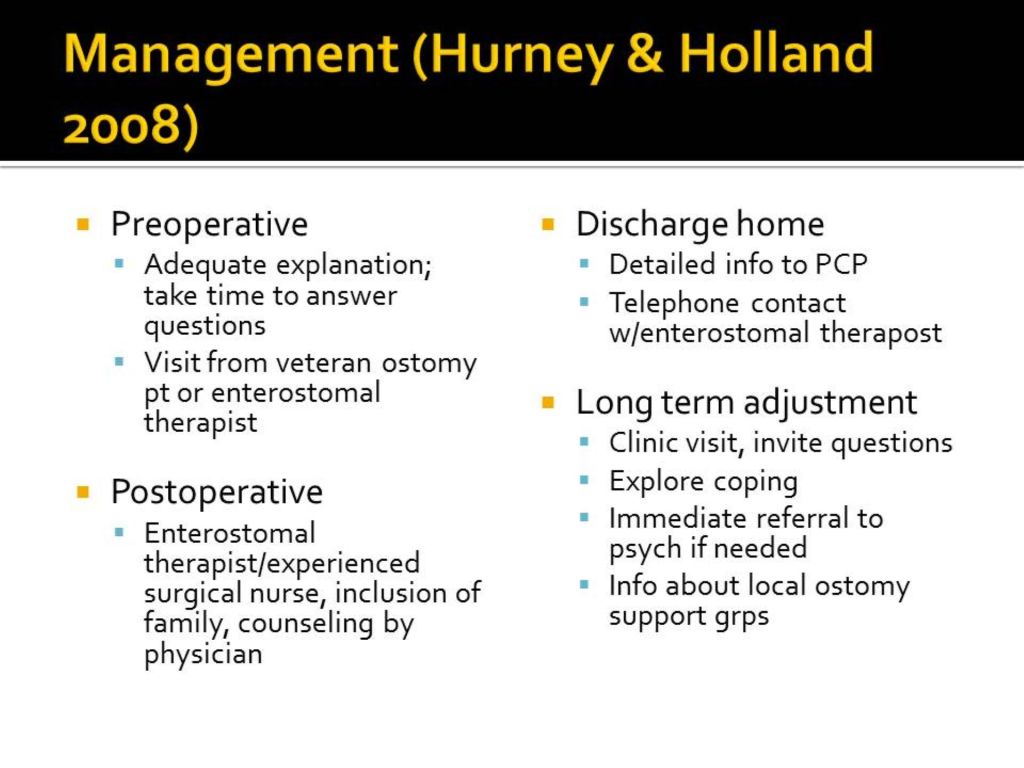
I had originally been thinking of posting one of my own CPCPs that I presented in 2015. It was about the psychosocial adjustment of patients to ostomy.
I searched widely and in vain on the web for any recent information about what Dr. Yates was doing now. I was surprised and saddened to discover his obituary. He died on January 19, 2023 in Tulsa, Oklahoma.
As the obituary says:
He served on the faculty at the University of Iowa for Psychiatry and Family Medicine before becoming Professor and Chair of Psychiatry at the University of Oklahoma College of Medicine in Tulsa. After retiring, he continued to dedicate his time as a volunteer research psychiatrist at OU and the Laureate Institute for Brain Research where he also served on the board of directors. He authored over 100 scientific manuscripts that were published in peer-reviewed journals.
He was an energetic, a great teacher, had a great sense of humor, and was easy to get along with. He published in many scientific journals and taught many trainees. He was an avid bird watcher and his blog Brain Posts highlighting neuroscience research findings is still visible on the web.
He published the paper along with a chief resident on problem-based learning used on the psychiatry consult-liaison service in 1996, the year I graduated psychiatry residency and joined the faculty at The University of Iowa Hospitals & Clinics (Yates, W. R. and T. T. Gerdes (1996). “Problem-based learning in consultation psychiatry.” Gen Hosp Psychiatry 18(3): 139-144.) You can read the abstract for it along with a description of the CPCP at the link above which takes you to my April 19, 2019 blog post “Clinical Problems in Consultation Psychiatry.”
When he was the leader of the psychiatry consult service, we were still using paper charts and his staffing comments were always very brief and encapsulated the assessment and plan succinctly without wasted verbiage—contrasting with my long-winded note.
His remarks about his role at Laureate Institute for Brain Research is still accessible:
“I work part-time as a research psychiatrist for the assessment team at the Laureate Institute for Brain Research. We do research diagnostic assessments for a variety of imaging, genetic and biomarkers studies in mood, anxiety and other brain disorders. I also provide review and analysis of neuroscience research on my blog Brain Posts that can be found at www.brainposts.blogspot.com. You can follow me on Twitter @WRY999. I also use my blog and Twitter feed to share my bird photography images.”
I respected and admired Dr. Yates, as I’m sure many learners did. I will always remember Bill as a gifted scientist and teacher.
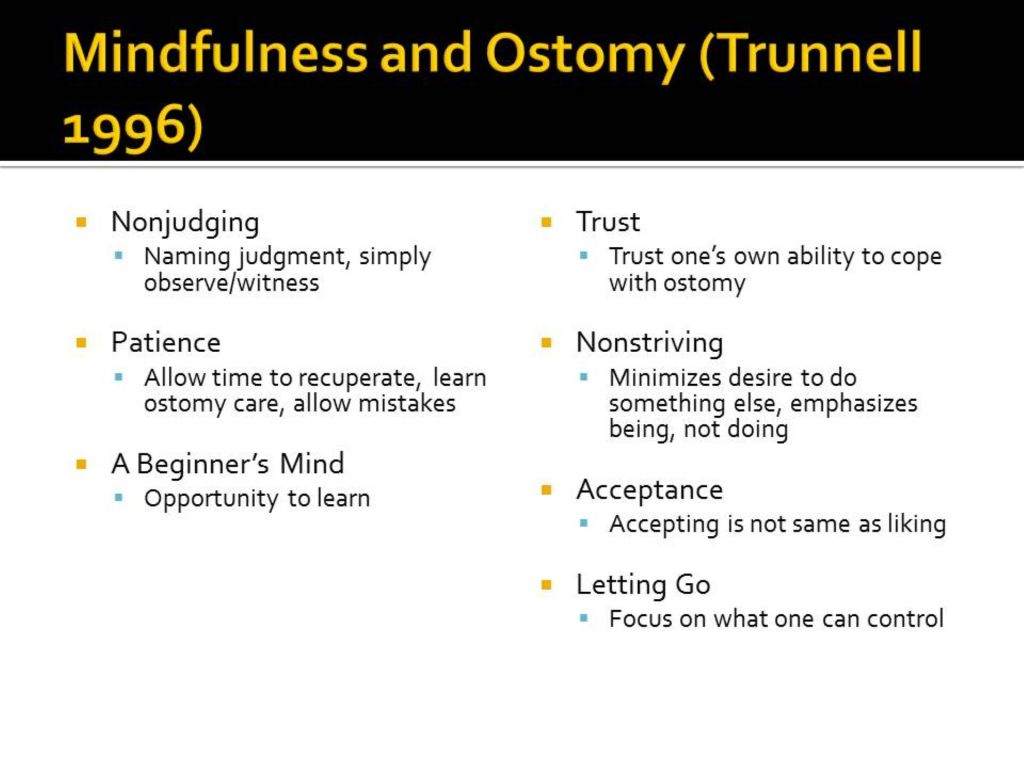
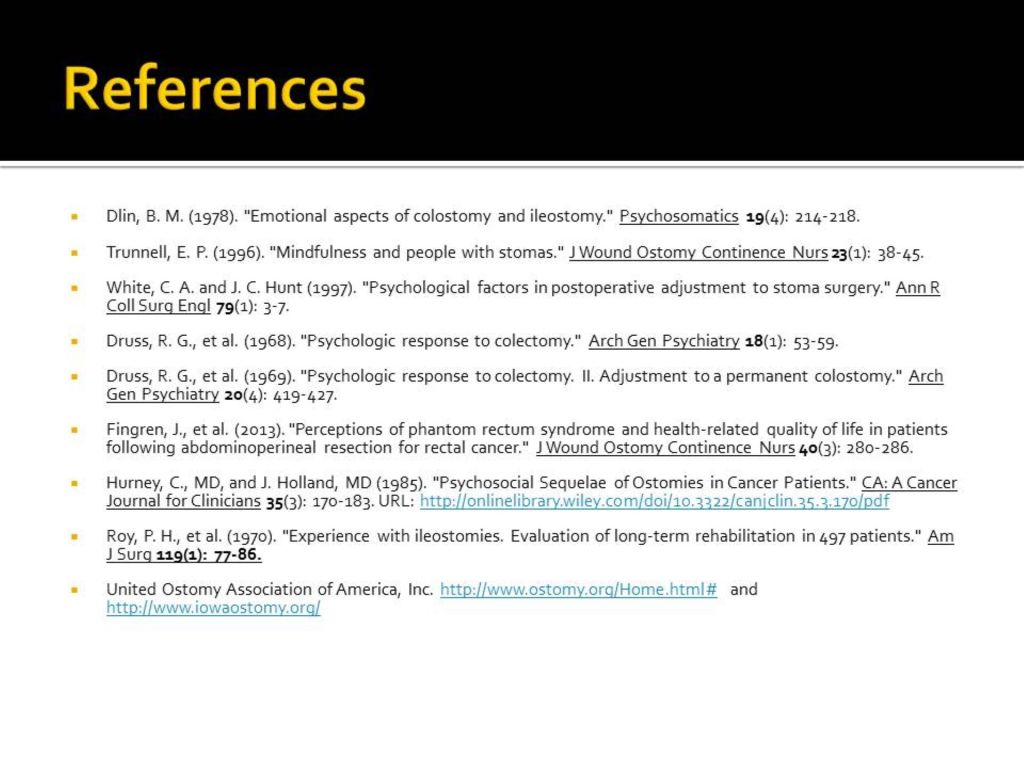
I think a fitting tribute would be to go ahead and post my CPCP on the psychosocial adjustment of patients with ostomy. One of the most interesting articles in the bibliography is how the mindfulness meditation approach to that adjustment can be very helpful. The website United Ostomy Association of America website is also informative.
The presentation is also limited to a dozen slides. I often encouraged learners to keep the number of slides to a managed number so the presentations wouldn’t run too long. I called my slide sets the Dirty Dozens.
Many thanks to Dr. William R. Yates and my condolences to his family.
Here’s a big shout out and congratulations to my former University Hospitals colleague Dr. Joseph Zabner who received the 2023 Distinguished Mentor Award.
Sena and I saw a news video about a technology called “DAX” which uses Artificial Intelligence (AI) the other day which promises to reduce or even eliminate pajama time for physicians trying to get their clinical note dictations done during the day instead of taking them home for several more hours of work.
The video was a demo of the technology, which looked like it recorded a clinical interview between the doctor and the news reporter. I didn’t see how exactly DAX was recording the interview without obvious audio equipment. Was it doing it through the smartphone speaker? This was very different from how I and many other clinicians dictated their notes using a headphone set at their desks in front of their desktop computers. It not only records but transcribes the interview.
Later, I discovered that DAX stands for Dragon Ambient Experience, made by Nuance which was acquired by Microsoft in 2022. I posted about Dragon products and their limitations last year. The product often produced hilarious mistakes during dictation which required careful editing. Sometimes more errors turned up after you completed it and these were visible in the patient’s medical record, which would then need to be corrected.
Several years ago, I remember talking to somebody from Dragon on the phone about the problems I was having. She was a little defensive when I told her I’d been having difficulty with Dragon for quite a while because it made so many mistakes.
A recent article on the web revealed that the errors continue with DAX. According to the article, “…it will make mistakes. Sometimes it might omit clinical facts; sometimes it may even hallucinate something.” I remember trying to communicate with the Google Bard AI, which seemed to do this pretty often. It made stuff up.
DAX is not cheap. The article reveals that one hospital pays $8,000-$10,000 per year per physician to use it. And skeptics worry that the system has too many bugs in it yet, which can lead to bias and inaccurate information which could negatively affect patient outcomes.
A recently published JAMA network article also urges caution in adoption of this sort of AI-assisted technology (Harris JE. An AI-Enhanced Electronic Health Record Could Boost Primary Care Productivity. JAMA. Published online August 07, 2023. doi:10.1001/jama.2023.14525).
In this case, I think it’s appropriate to say “I told you so.”








 Go Retire Psychiatrist