

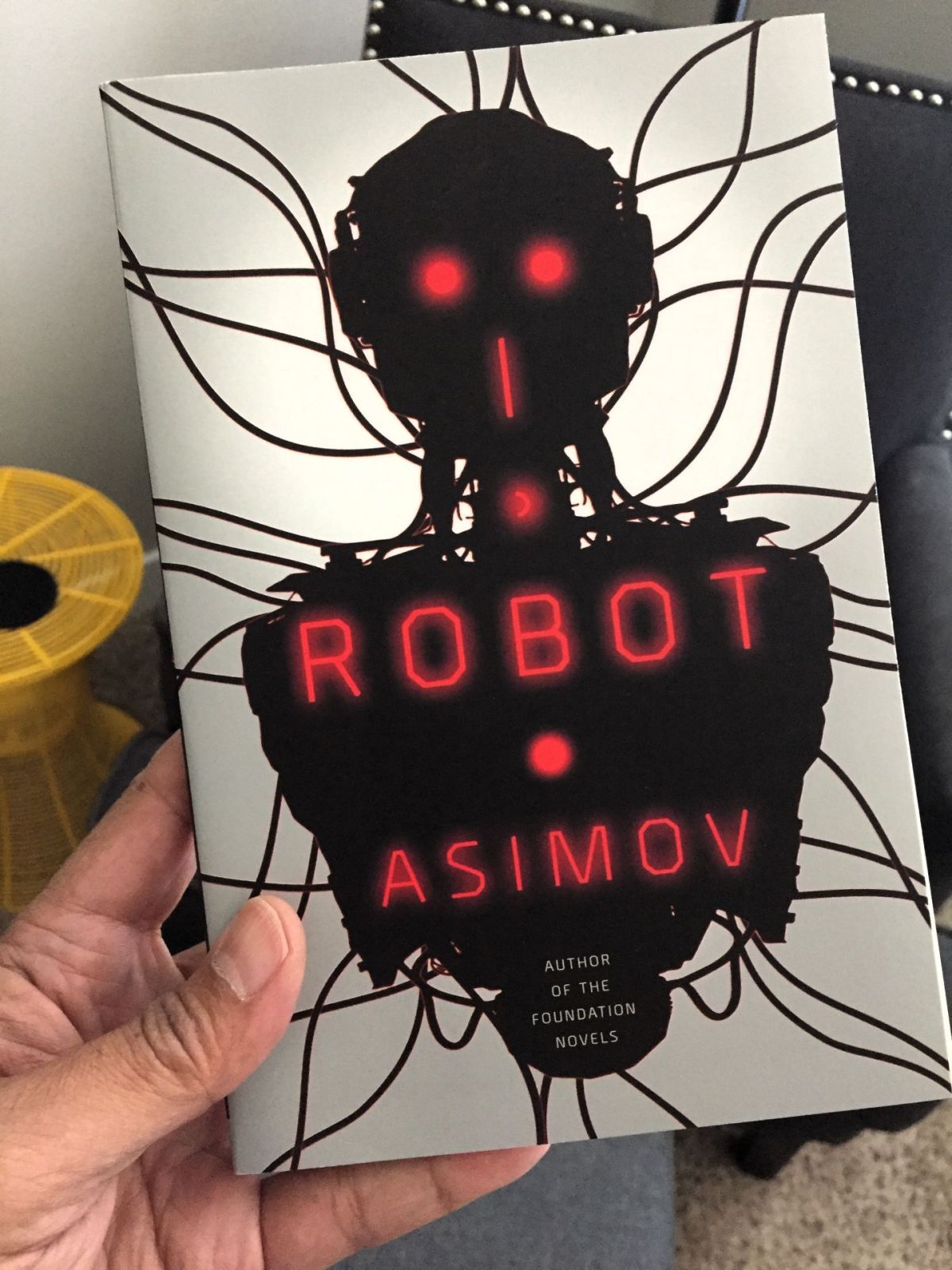
I‘ve read a couple of articles recently about Artificial Intelligence (AI) lately and I’m struck by how readily one can get the idea that AI tends to “lie” or “confabulate” and sometimes the word “hallucinate” is used. The term “hallucinate” doesn’t seem to fit as much as “confabulate,” which I’ll mention later.
One of the articles is an essay by Dr. Ronald Pies, “How ‘Real’ Are Psychiatric Disorders? AI Has Its Say.” It was published in the online version of Psychiatric Times. Dr. Pies obviously does a superb job of talking with AI and I had as much fun reading the lightly edited summaries of his conversation with Microsoft CoPilot as I had reading the published summary of his conversations with Google Bard about a year or so ago.
I think Dr. Pies is an outstanding teacher and I get the sense that his questions to AI do as much to teach it how to converse with humans as it does to shed light on how well it seems to handle the questions he raised during conversations. He points out that many of us (including me) tend to react with fear when the topic of AI in medical practice arises.
The other article I want to briefly discuss is one I read in JAMA Network, “An AI Chatbot Outperformed Physicians and Physicians Plus AI in a Trial—What Does That Mean?” (Accessed January 6, 2025).
Hswen Y, Rubin R. An AI Chatbot Outperformed Physicians and Physicians Plus AI in a Trial—What Does That Mean? JAMA. Published online December 27, 2024. doi:10.1001/jama.2024.23860 (accessed January 6, 2024).
I think the conversation amongst the authors was refreshing. Just because the title of the article suggested that AI might take the place of physicians in the consulting room doesn’t mean that was the prevailing opinion of the authors. In fact, they made it clear that it wasn’t recommended.
I liked Dr. Chen’s comment about confabulation and hallucinations of AI:
“A key topic I talk about is confabulation and hallucination. These things are remarkably robust, and only getting better, but they also just make stuff up. The problem isn’t that they’re wrong sometimes. Lab tests are wrong sometimes. Humans are definitely wrong sometimes. The problem is they sound so convincing, they confabulate so well. “Your patient has an alcohol problem, Wernicke-Korsakoff syndrome.” It’s only if you double check, you’ll realize, “Wait a minute, that wasn’t actually true. That didn’t make sense.” As long as you’re vigilant about that and understand what they can and can’t do, I think they’re remarkably powerful tools that everyone in the world needs to learn how to use.”
What’s interesting about this comment is the reference to Wernicke-Korsakoff syndrome, which can be marked by confabulation. Clinically, it’s really not clear how this comes about in AI although thiamine deficiency is the main cause in WKS. In both, it involves inventing information, which is technically not the same as lying.
Unfortunately, this contrasts sharply with the recent fact checking Snopes article I wrote about recently, which suggests that humans are teaching AI to lie and scheme.
In any case, it’s prudent to regard AI productions with skepticism. My conversations with Google Bard clearly elicited confabulation. Also, it didn’t get humor, so I wouldn’t use it as a conversational tool, given that I’m prone to kidding around. As far as trusting AI, I probably wouldn’t trust it as far as I could throw it.
 Go Retire Psychiatrist