The Robins Try Again

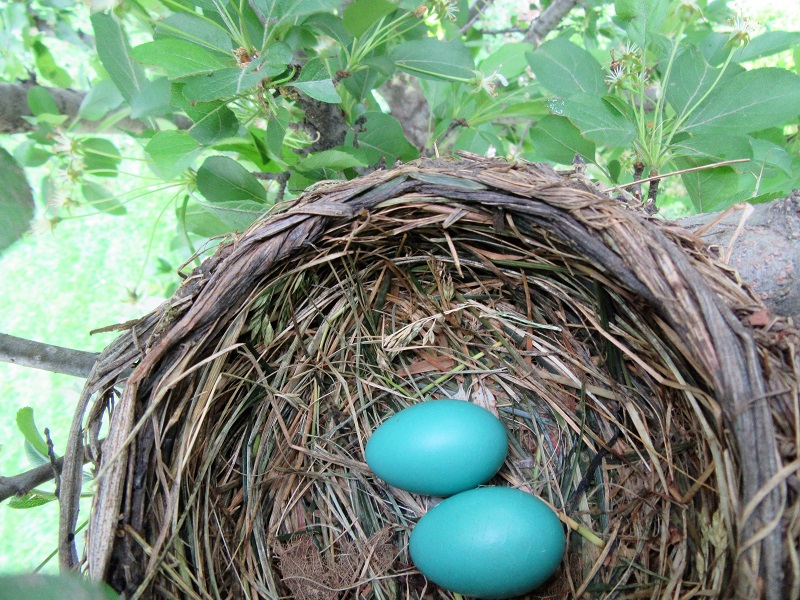
We have a couple of brand new birds’ eggs in what may be a second nest by the robin pair. Now that made me wonder about whether or not the first nest under our deck was a decoy or dummy nest. You probably won’t believe me, but I thought of that before I googled it.

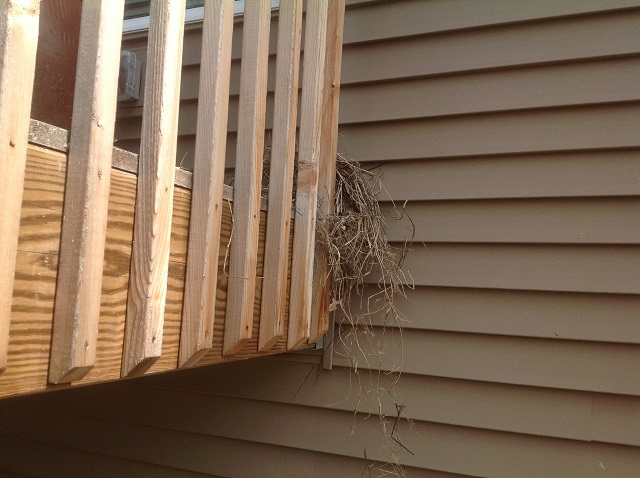
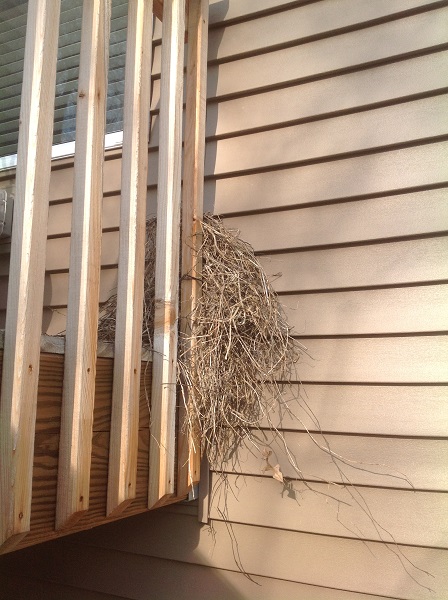
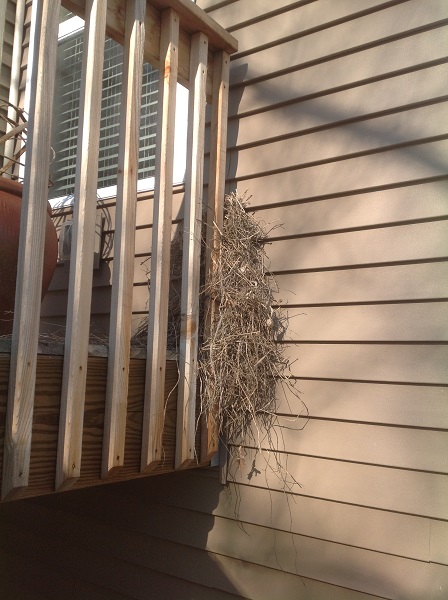
What got me wondering was the nest the robins build under our deck about a week ago and which they seemingly abandoned. See the progress in the video:

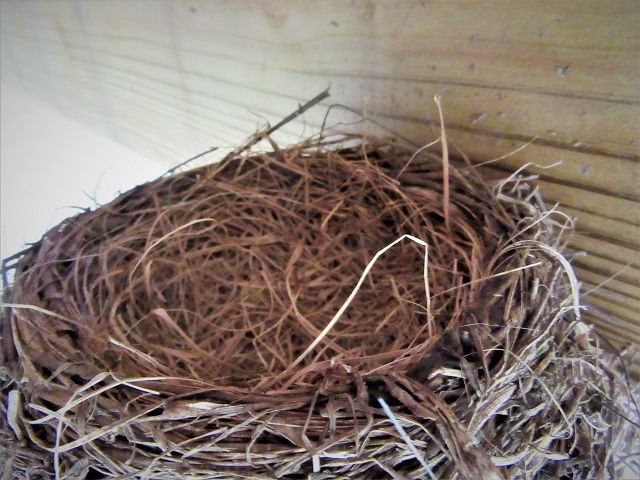
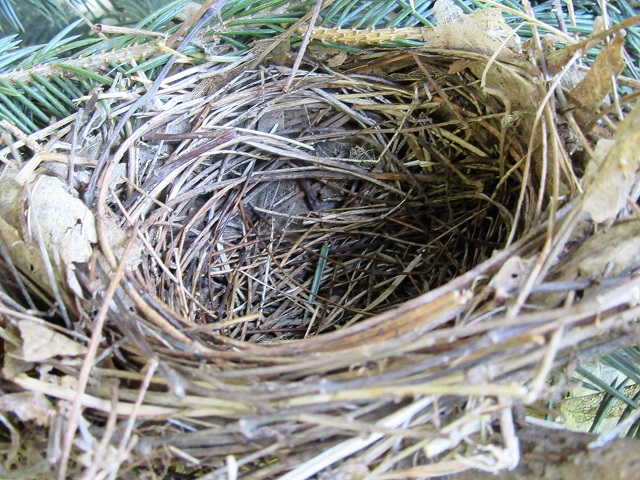
My last picture of the first robins’ nest showed that it was empty.

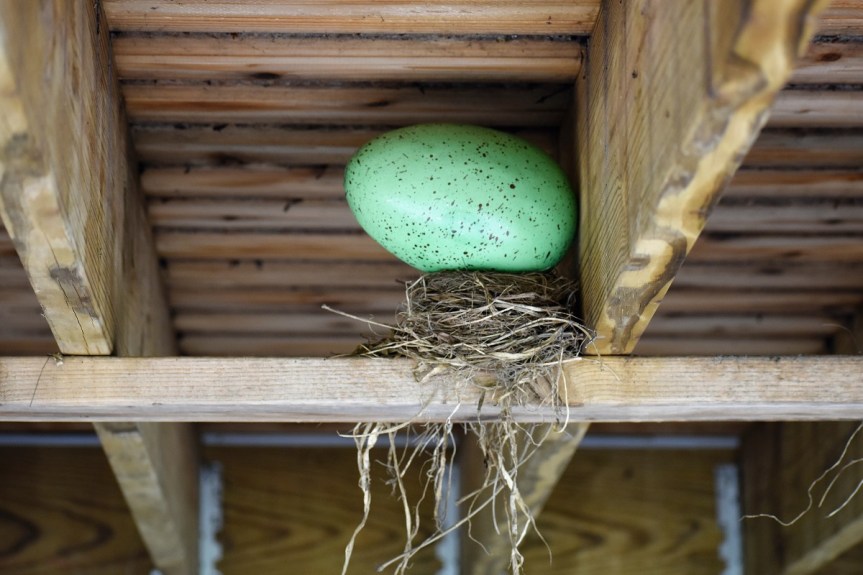
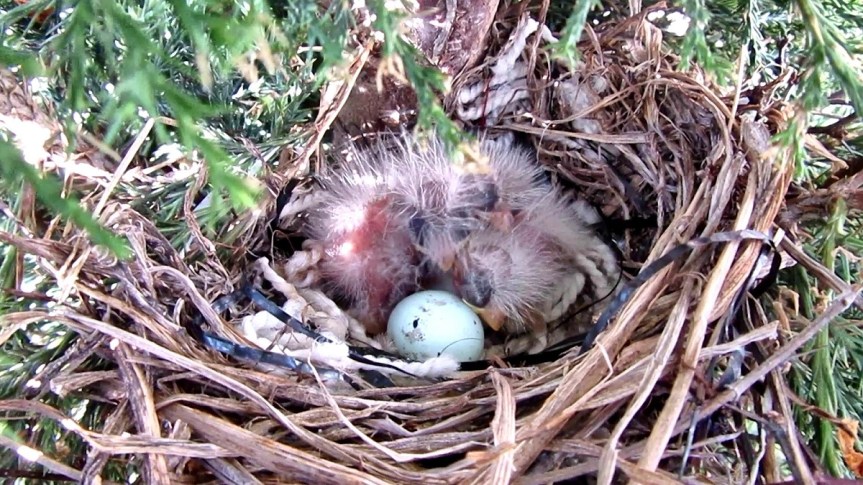
There was only one egg that ever turned up in this nest.

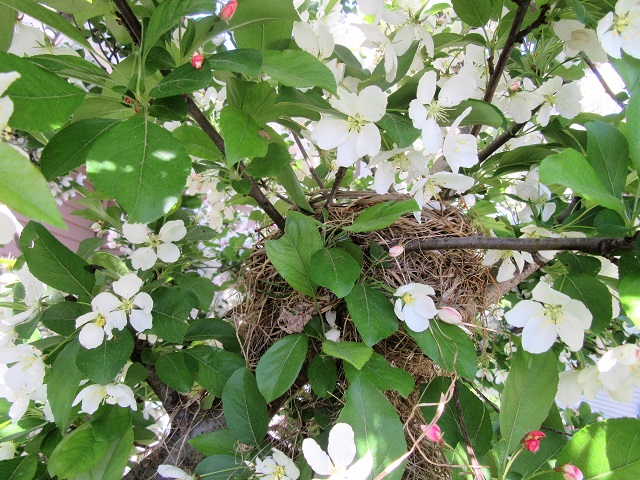
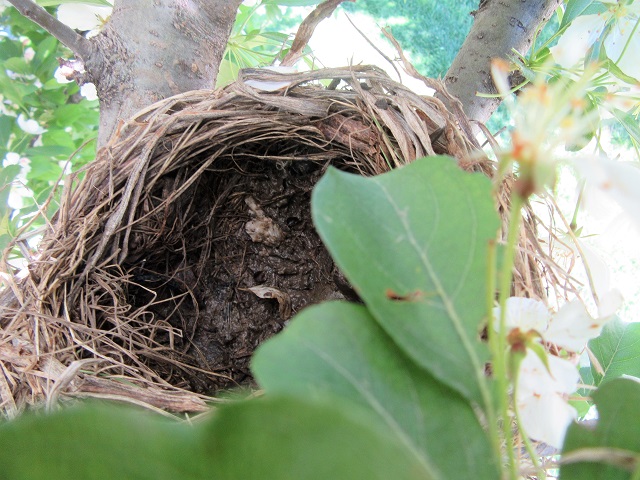
And then we found the new robins’ nest in our front yard crab apple tree.

I wondered if the nest under our backyard deck was a dummy or decoy nest, maybe to discourage a persistent birdwatcher. I checked the web and found a short article on Sialis, “Dummy and Abandoned Nests.” Since Google identified the site as “Not secure,” I can just summarize that the author (who is not identified), reports that some males build nests to provide the female with a number of choices. She picks one and finishes the nest–much more neatly.

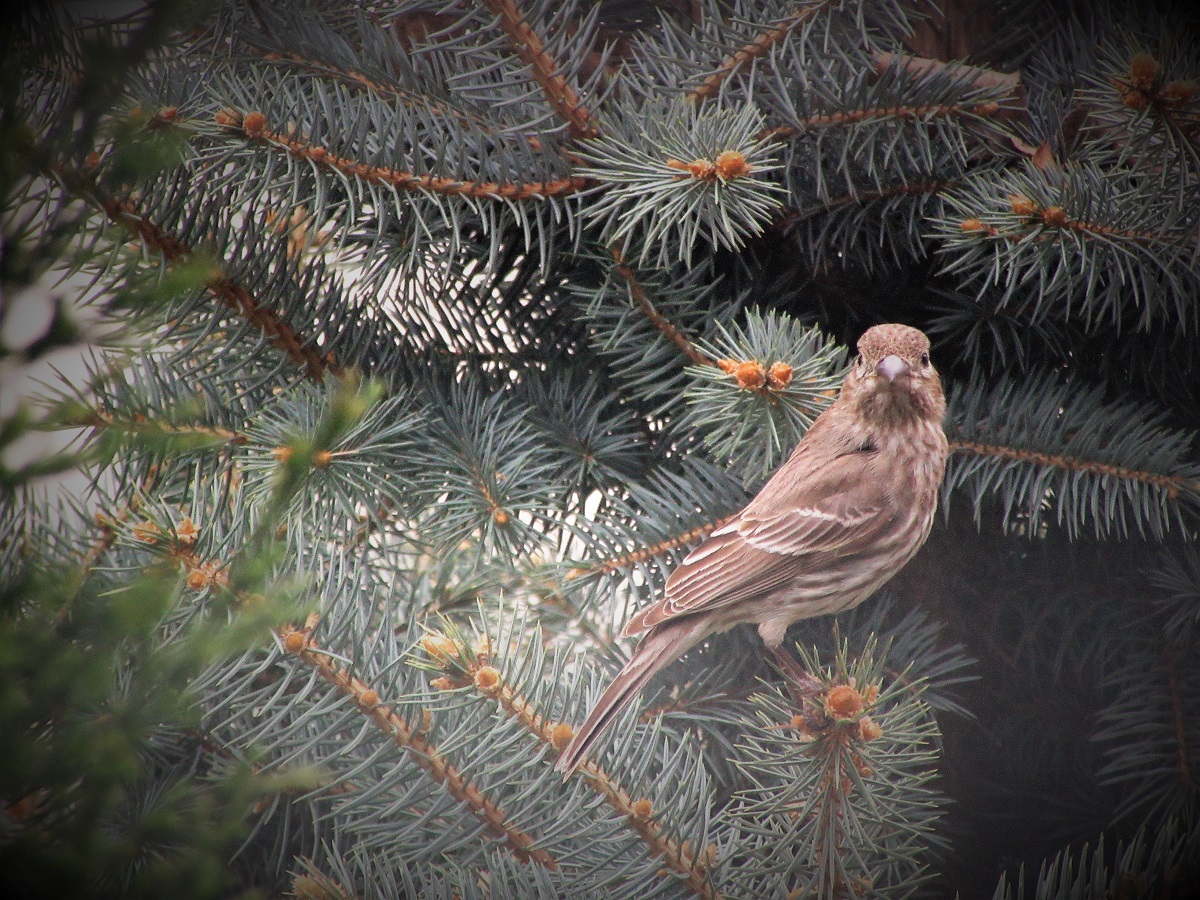
Some birds build decoy nests because they might have been scared by a possible predator in the area–like a large black crow in our area, which actually did make off with an entire clutch of House Finch nestlings only a week ago.

I found another web site that essentially gave the same explanation and both mentioned somebody named Benjamin E. Leese, who wrote about this topic in something called BlueBird Journal, Summer 2018, p.14 and 15. Unfortunately, I couldn’t find the article, possibly because it’s a print journal and not available on line.

Another thing I wonder about: if the crab apple nest is the real McCoy and the under-the-deck nest was a decoy (hey, those rhyme), the problem with the crab apple nest is that, when approached from the back, it’s wide open to flying predators.

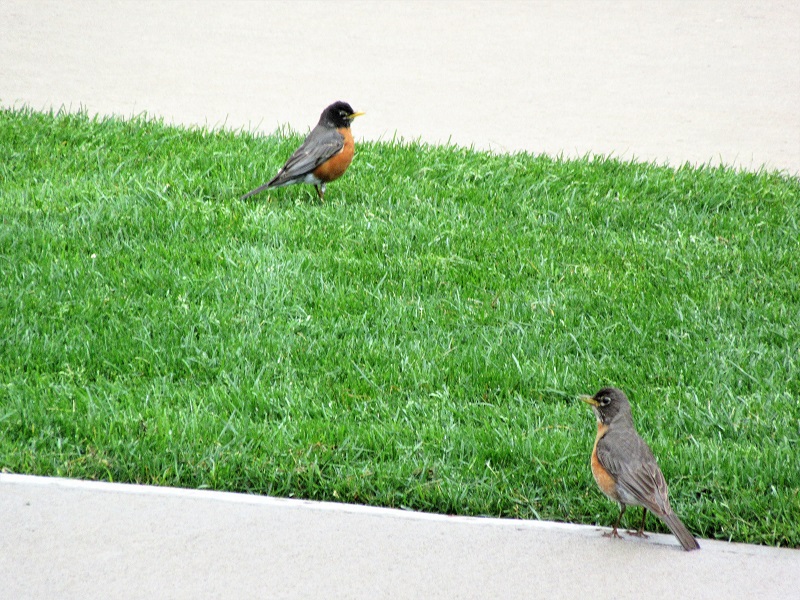
Anyway, both nests were done in a couple of days, although the crab apple nest probably was done after the under-the-deck model. I’m pretty confident that the breeding pair built both of them. I know they all look alike, but that’s my story and I’m sticking to it, evidence or no.

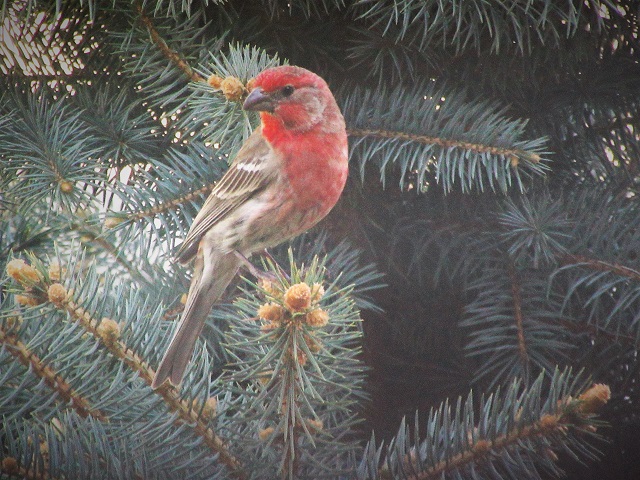
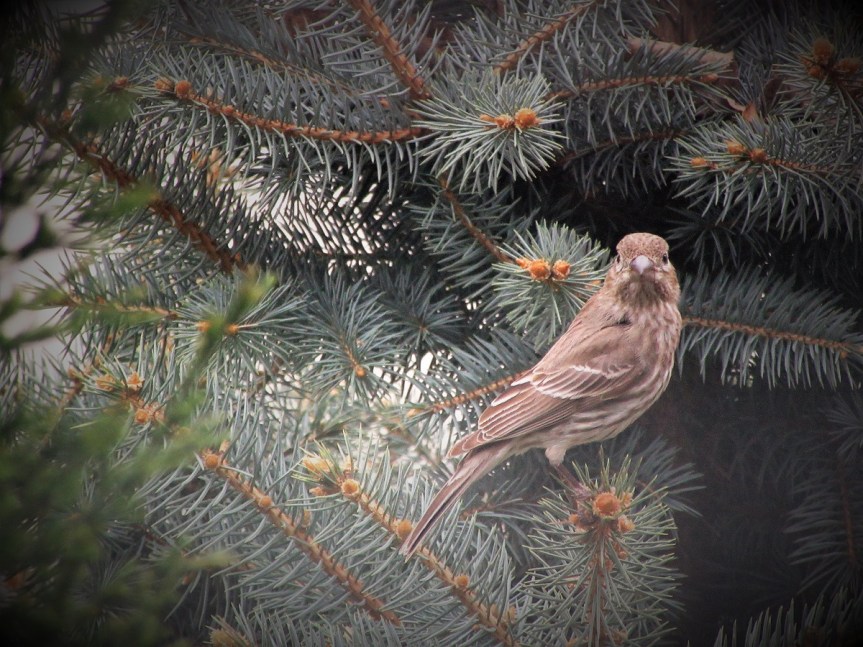
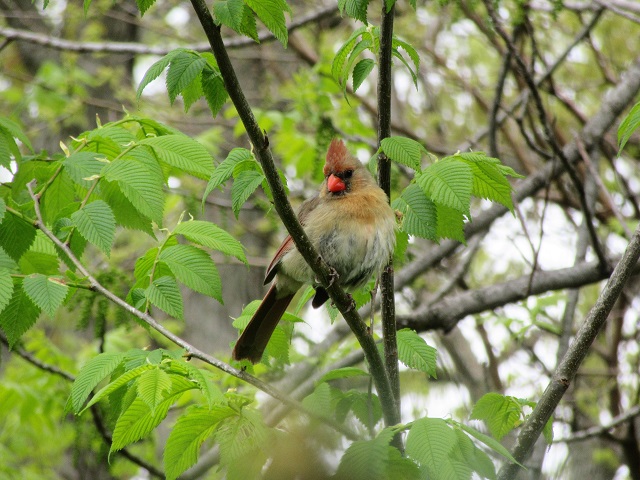
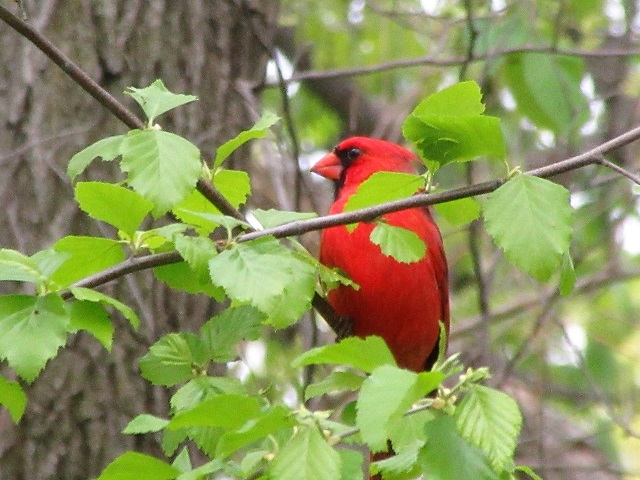
Male has a black head; female has a grayish head

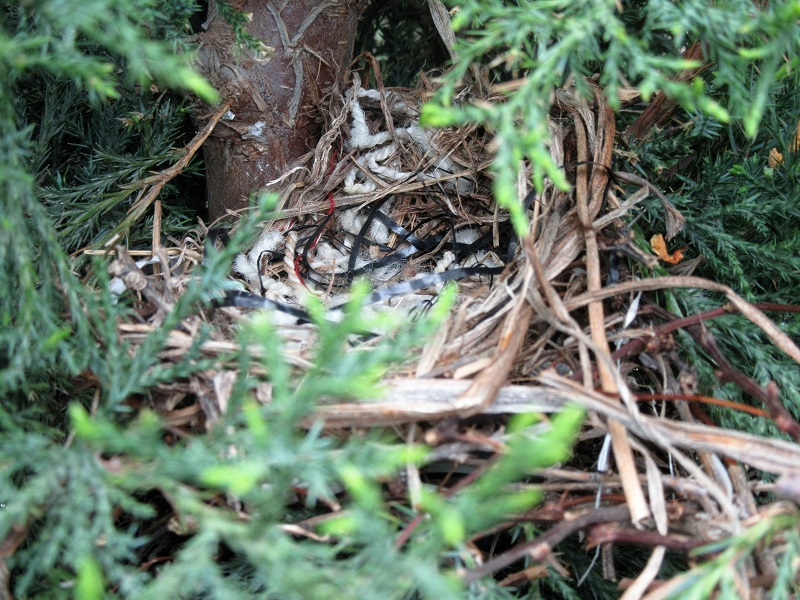
This reminds me of another nest that robins built on our property a few years ago, this one right between our house and the rail of our deck. It was a real Hoorah’s Nest!

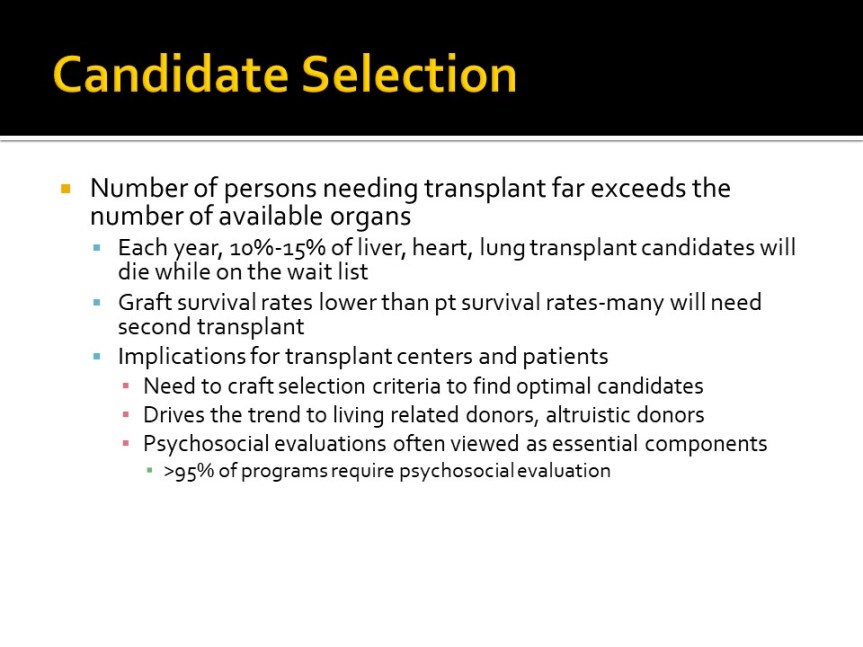
Organ Transplant Overview

Occasionally, despite my being in phased retirement, I get a reminder that my colleagues may need some advice about an issue for which I might be a useful source of institutional memory.

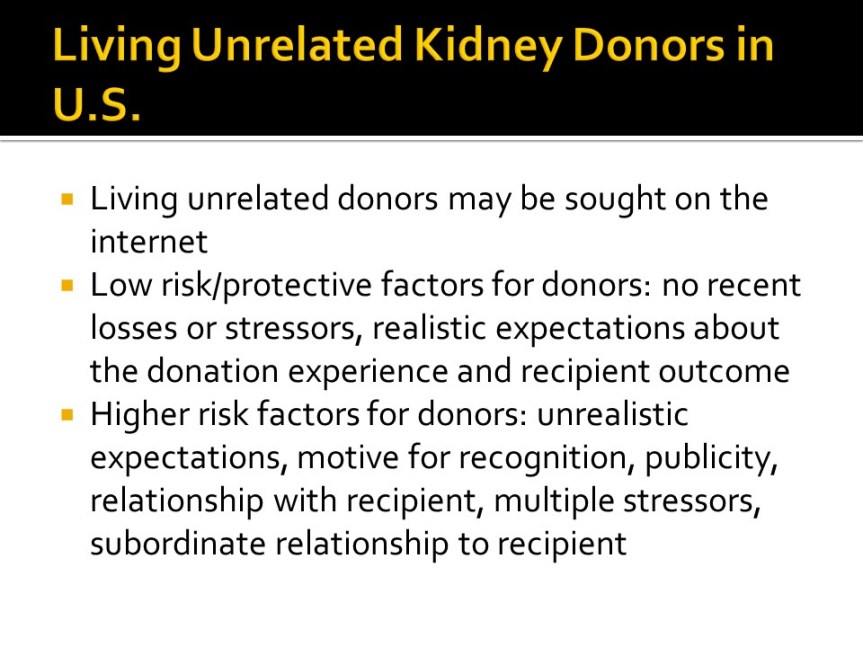
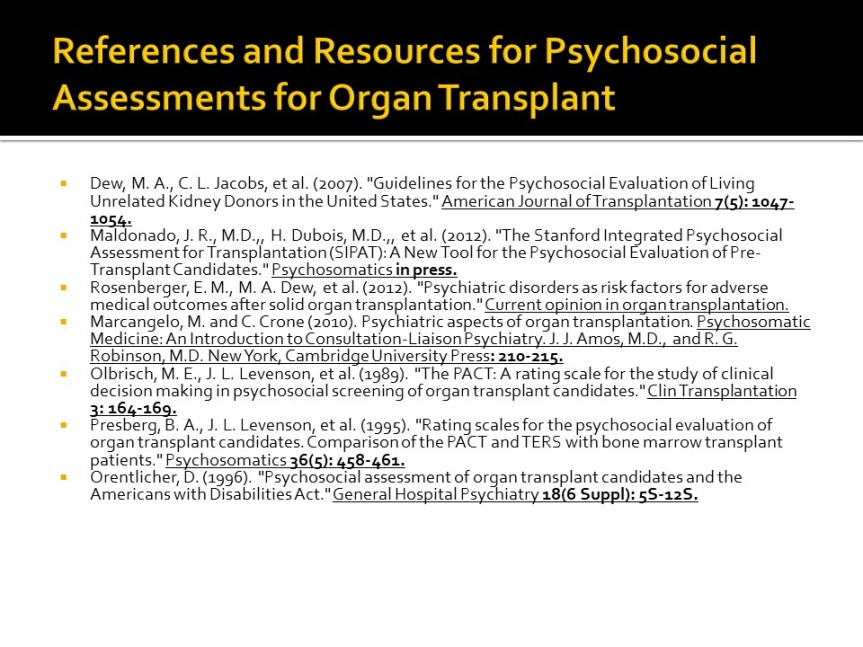
One of them is the psychiatric consultation for assessment of candidates for organ transplant. I have a slide set and a YouTube video that are still useful as long as viewers remember that some of the slides and the text are dated.

For example, the video refers to my former blog The Practical Psychosomaticist (which l later renamed the Practical C-L Psychiatrist), and which I cancelled June 1, 2018. The references are also old, but much of the information is still useful.

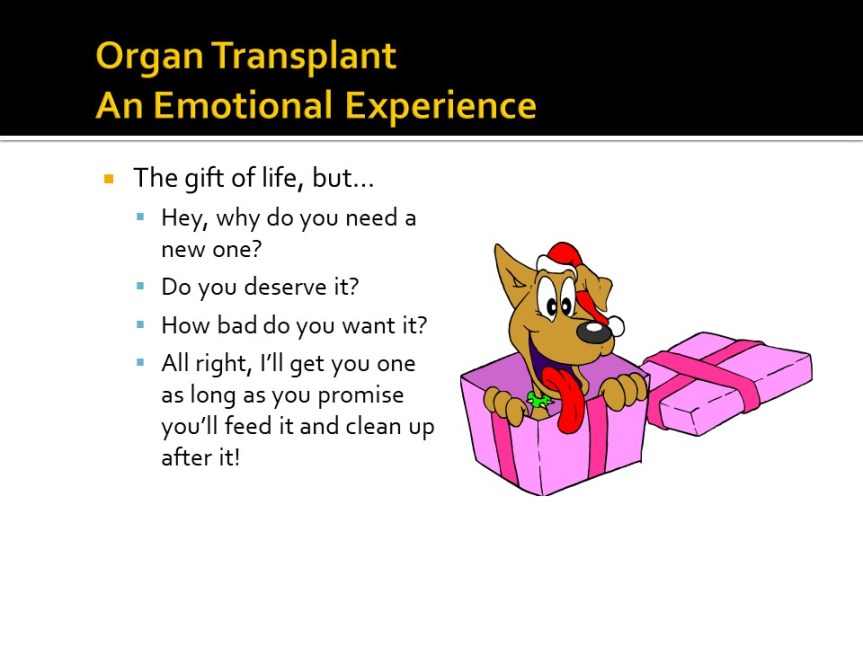
I’ve included both the video and the slides for the Dirty Dozen on Psychosocial Assessments for Organ Transplant. You can view the slides and just listen to the audio like a voice over in the video. That way you don’t have to giggle at the back of my head and my camera comically reflected in the office window behind me. Turn on the video, click in the slide set to open it, and listen to my prompts for which slide I’m on.

Use this as a voice over for slide set below

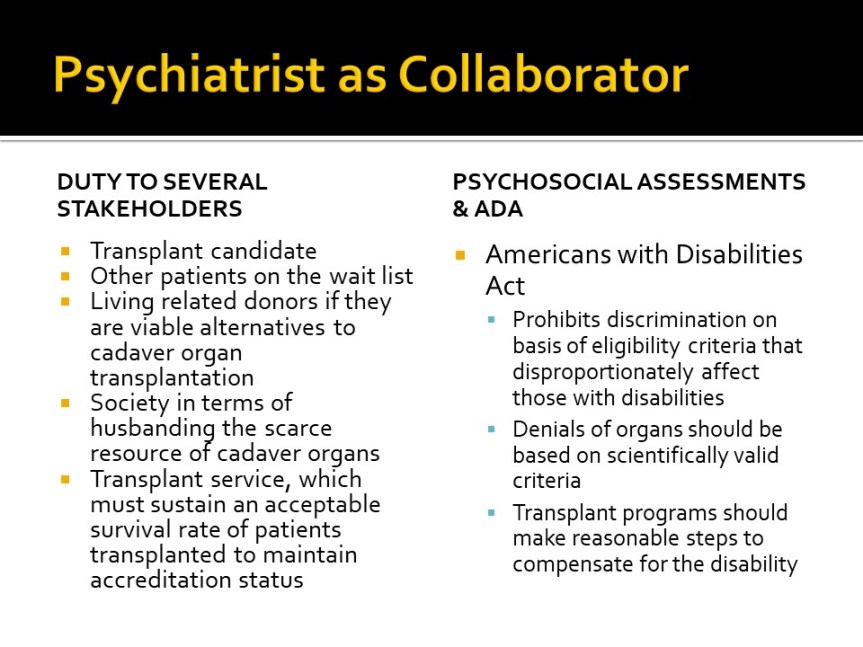
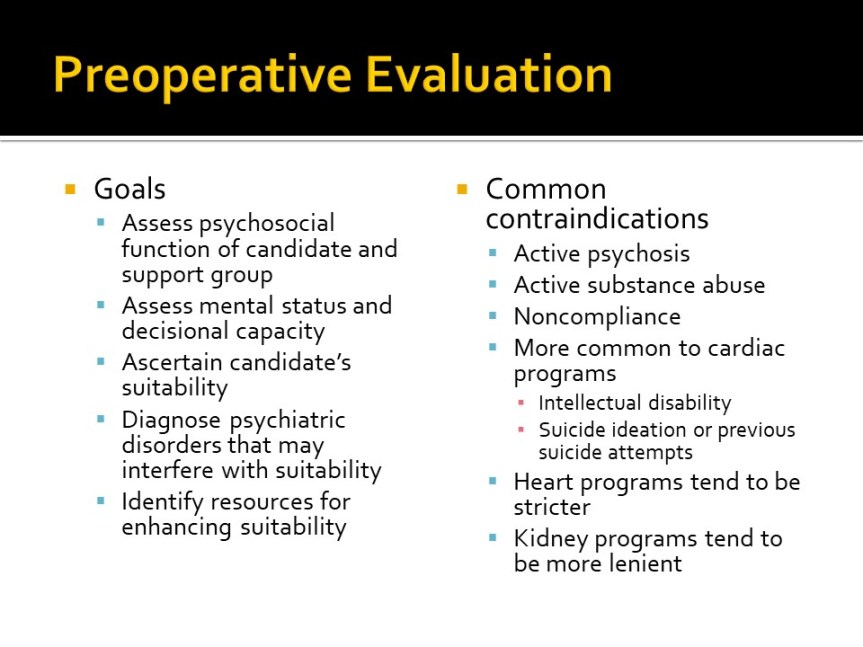
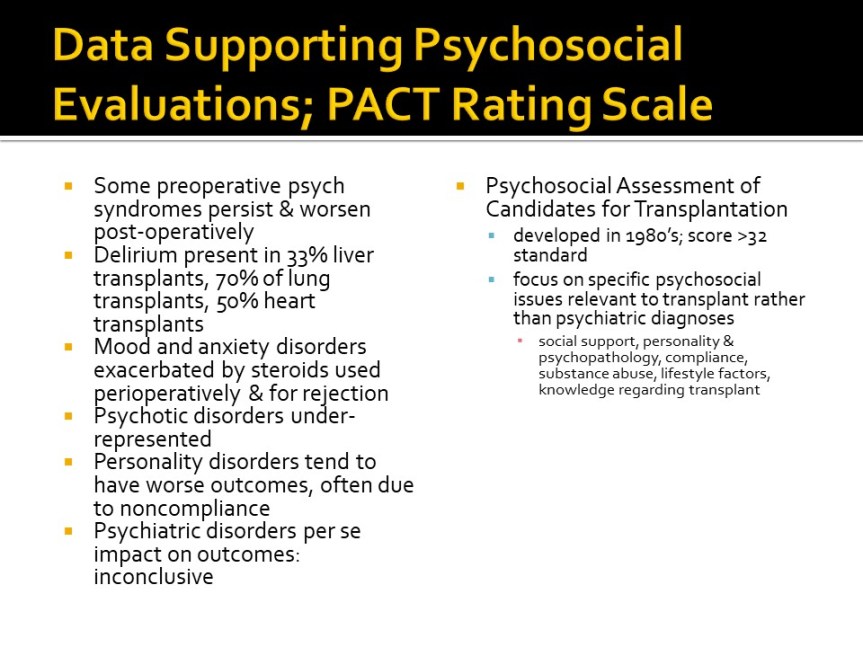
The most frequent question that consultees from the transplant team ask is whether the candidate is a good risk for receiving an organ that is in short supply, which therefore must be allocated carefully, and of which the candidate must be prepared to be a good steward. Psychosocial screening is a feature of most transplant programs. Rather than seeing ones self as a gatekeeper, most experts agree that the most useful part of the psychosocial screening process is to identify psychosocial factors that would interfere with the candidate’s successful adaptation to life posttransplant, and to develop a plan for managing them using available resources.

The evaluation phase is critical to diagnosis of major psychiatric problems and to treatment planning for evidence-based interventions. However, providing follow-up through the other phases of transplant allow optimizing the development of a therapeutic alliance to foster adherence to both psychiatric and medical treatment and further evaluation of psychosocial challenges as well. The waiting phase is a very stressful time and often the candidate must tolerate deteriorating health while watching others transplanted sooner. In the post-transplant period, about 20% of patients develop any psychiatric disorder, most notably depression and PTSD.

There’s a triple advocacy role for evaluators conducting organ transplant assessments: advocacy for the patient; for the persons on the waiting list; and for society in general in terms of husbanding allocation of scarce resource (“organ stewardship”).

That makes it critically important to examine the nature of the therapeutic alliance.

Transactional/Adversarial or Transformational?

                        Transactional/Adversarial:

                                    Atmosphere is typically highly charged emotionally, with a sense of urgency.

                                    Interrogation mode rather than exploration of motivations and feelings. Focus is on past rather than future, exclusive approach with emphasis on utilitarian paradigm and wait list advocacy. Methodically and meticulously confrontive; blaming. Team asks “Who else could we help?” Little or no interpersonal room to witness the patient make sense of impending death.

                                    Withholding, rejecting, paternal, authoritarian (rather than shared) experience.

                                    Win/Lose or Lose/Win.

                        Transformational:

                                    Atmosphere of created space for calmer review and listening for understanding.

                                    More likely to have focus on future rather than past, and an inclusive approach with emphasis on medical necessity paradigm and patient advocacy. Affirming and supportive of change. The team asks, “What would we need to do in order to help?” May be a better opportunity to be a witness to coming to terms with imminent death.

                                    Shared experience, with both participants on a more level playing field.

                                    Win/Win.

This is a very complex and challenging aspect of Consultation-Liaison Psychiatry and, probably in part because we’re in short supply in many areas, many transplant centers rely on written assessment batteries or checklists. It’s hard to do justice to the topic in a blog post. I hope it’s helpful.

References:

1.         Anne M. Larson, J.P.R.J.F.T.J.D.E.L.L.S.H.J.S.R.F.V.S.G.O.A.O.S.W., Acetaminophen-induced acute liver failure: Results of a United States multicenter, prospective study. Hepatology, 2005. 42(6): p. 1364-1372.

2.         DiMartini, A.F., M.D.,, M.A. Dew, M.D.,, and P.T. Trzepacz, M.D.,, Organ Transplantation, in Textbook of Psychosomatic Medicine, J.L.M.D. Levenson, Editor. 2005, American Psychiatric Publishing, Inc.: Washington, DC. p. 675-700.

3.         Huffman, J.C., M.K. Popkin, and T.A. Stern, Psychiatric considerations in the patient receiving organ transplantation: a clinical case conference. General Hospital Psychiatry, 2003. 25(6): p. 484-491.

4.         Klapheke, M.M., The Role of the Psychiatrist in Organ Transplantation. Bulletin of the Menninger Clinic, 1999. 63(1): p. 13-39.

5.         Novack, V., et al., Deliberate self-poisoning with acetaminophen: A comparison with other medications. European Journal of Internal Medicine, 2005. 16(8): p. 585-589.

6.         Turjanski, N. and G.G. LLoyd, Transplantation, in Psychosomatic Medicine, M.J. Blumenfield, M.D. and J.J. Strain, M.D., Editors. 2006, Lippincott Williams & Wilkins: New York. p. 389-399.

Opinions on Cannabis for Neuropathic Pain

I just saw the Clinical Psychiatry News article “Evidence poor on medical marijuana for neuropathic pain,” by Andrew D. Bowen. It was published May 2019, Vol. 47, No. 5 and I couldn’t find it on line yet.

I should also hasten to add that there are a couple of other important articles on management of pain in this issue of Clinical Psychiatry News. One of them expresses a similar opinion about the lack of clear evidence pointing to a clear best choice for a medication for neuropathic pain, “No clear winner emerges for treating for chronic pain” also by Andrew D. Bosen, who interviewed a neurologist, Dr. Raymond Price, associate professor of neurology at the University of Pennsylvania, Philadelphia about his review of the evidence for treatment of neuropathic pain.

In addition, on a more hopeful note, there is good evidence for the effectiveness of cognitive behavioral therapy (CBT) for chronic pain, “In chronic pain, catastrophizing tied to disrupted circuitry,” by Kari Oakes, who interviewed Drs. Robert R. Edwards, PhD, psychologist at Brigham and Women’s Hospital/Harvard Medical School (Boston) Pain Management Center, and Vitaly Napadow, PhD. Connectivity between certain areas of the brain can lead to the perception that pain is a part of who we are. This can even interfere with the effectiveness of pain medications.

Dr. Ellie Grossman, MD, MPH said at the annual meeting of the American College of Physicians that there’s “a lot of the Wild West” in medical marijuana research regarding its use in neuropathic pain. I got the impression she was being as diplomatic as she could when she described the level of evidence as being marked by a lot of “squishiness.”

It’s a frankly cautious comment compared with the more positive opinions expressed just a month ago in Clinical Psychiatry News. Dr. Grossman is quoted, “The upshot here is that there may be some evidence for neuropathic pain, but the evidence is generally of poor quality and kind of mixed.” Dr. Grossman is an instructor at Harvard Medical School and Primary Care Lead for Behavior Health Integration, Cambridge Health Alliance, Somerville, Massachusetts.

In fact, as the author points out, the research in this area is marked by inconsistencies in the medical marijuana formulations, small numbers of patients enrolled in studies, and equivocal results from meta-analyses.

The title of the article says it all and it’s really no surprise. I have little to add except the following very short opinion based on a very superficial scan of PubMed.

First, I happened to find a couple of papers from the mid-1970s about cannabis and pain in cancer patients. They were written by Russell Noyes, MD and Art Canter, Ph.D. and colleagues. Dr. Noyes has retired for the second time from the Psychiatry Dept at University of Iowa and Dr. Canter was enjoying his retirement until his death in October, 2018; he was in his late 90s.

Even in 1975, there was very little reason for enthusiasm about the analgesic effect of cannabis in cancer patients. Admittedly, the number of subjects were low in each study but the side effects of cannabis were severe in a few cases.

The summary from the first Noyes et al paper is essentially that, why analgesic effect was demonstrable at high dose levels, so was “…substantial sedation and mental clouding…”

In the second paper by Noyes et al, the concluding remarks are telling— “Finally, particular difficulty was experienced in evaluating the pain of patients after receiving THC. In many instances they appeared exceptionally peaceful while, at the same time, reporting little pain relief. In other instances, they claimed that, though the pain was unchanged, it bothered them less.”

There seems to be nothing new under the sun in this setting although most of the studies involved patient with chronic non-cancer pain. One study found some benefit and modest tolerability—see the caveat below (Ware et al 2015).

“In conclusion, this study suggests that the AEs of medical cannabis are modest and comparable quantitatively and qualitatively with prescription cannabinoids. The results suggest that cannabis at average doses of 2.5 g/d in current cannabis users may be safe as part of a carefully monitored pain management program when conventional treatments have been considered medically inappropriate or inadequate. However, safety concerns in naive users cannot be addressed. Moreover, long-term effects on pulmonary functions and neurocognitive functions beyond 1 year cannot be determined. Further studies with systematic follow-up are required to characterize safety issues among new cannabis users and should be extended to allow estimation of longer-term risks.”

See the abstracts below. They tend to echo Dr. Grossman’s impressions. I wonder whether the quality of the research in this area will ever be strengthened.

References:

NOYES, R., et al. (1975). “Analgesic Effect of Delta‐9‐Tetrahydrocannabinol.” The Journal of Clinical Pharmacology 15(2‐3): 139-143.

Noyes, R., et al. (1975). “The analgesic properties of delta‐9‐tetrahydrocannabinol and codeine.” Clinical Pharmacology & Therapeutics 18(1): 84-89.

            The administration of single oral doses of delta‐9‐tetrahydrocannabinol (THC) to patients with cancer pain demonstrated a mild analgesic effect. At a dose of 20 mg, however, THC induced side effects that would prohibit its therapeutic use including somnolence, dizziness, ataxia, and blurred vision. Alarming adverse reactions were also observed at this dose. THC, 10 mg, was well tolerated and, despite its sedative effect, may have analgesic potential.

Ware, M. A., et al. (2015). “Cannabis for the Management of Pain: Assessment of Safety Study (COMPASS).” The Journal of Pain 16(12): 1233-1242.

            Cannabis is widely used as a self-management strategy by patients with a wide range of symptoms and diseases including chronic non-cancer pain. The safety of cannabis use for medical purposes has not been systematically evaluated. We conducted a prospective cohort study to describe safety issues among individuals with chronic non-cancer pain. A standardized herbal cannabis product (12.5% tetrahydrocannabinol) was dispensed to eligible individuals for a 1-year period; controls were individuals with chronic pain from the same clinics who were not cannabis users. The primary outcome consisted of serious adverse events and non-serious adverse events. Secondary safety outcomes included pulmonary and neurocognitive function and standard hematology, biochemistry, renal, liver, and endocrine function. Secondary efficacy parameters included pain and other symptoms, mood, and quality of life. Two hundred and fifteen individuals with chronic pain were recruited to the cannabis group (141 current users and 58 ex-users) and 216 controls (chronic pain but no current cannabis use) from 7 clinics across Canada. The median daily cannabis dose was 2.5 g/d. There was no difference in risk of serious adverse events (adjusted incidence rate ratio = 1.08, 95% confidence interval = .57–2.04) between groups. Medical cannabis users were at increased risk of non-serious adverse events (adjusted incidence rate ratio = 1.73, 95% confidence interval = 1.41–2.13); most were mild to moderate. There were no differences in secondary safety assessments. Quality-controlled herbal cannabis, when used by patients with experience of cannabis use as part of a monitored treatment program over 1 year, appears to have a reasonable safety profile. Longer-term monitoring for functional outcomes is needed. Study registration The study was registered with http://www.controlled-trials.com (ISRCTN19449752). Perspective This study evaluated the safety of cannabis use by patients with chronic pain over 1 year. The study found that there was a higher rate of adverse events among cannabis users compared with controls but not for serious adverse events at an average dose of 2.5 g herbal cannabis per day.

Andreae, M. H., et al. (2015). “Inhaled Cannabis for Chronic Neuropathic Pain: A Meta-analysis of Individual Patient Data.” The Journal of Pain 16(12): 1221-1232.

            Chronic neuropathic pain, the most frequent condition affecting the peripheral nervous system, remains underdiagnosed and difficult to treat. Inhaled cannabis may alleviate chronic neuropathic pain. Our objective was to synthesize the evidence on the use of inhaled cannabis for chronic neuropathic pain. We performed a systematic review and a meta-analysis of individual patient data. We registered our protocol with PROSPERO CRD42011001182. We searched in Cochrane Central, PubMed, EMBASE, and AMED. We considered all randomized controlled trials investigating chronic painful neuropathy and comparing inhaled cannabis with placebo. We pooled treatment effects following a hierarchical random-effects Bayesian responder model for the population-averaged subject-specific effect. Our evidence synthesis of individual patient data from 178 participants with 405 observed responses in 5 randomized controlled trials following patients for days to weeks provides evidence that inhaled cannabis results in short-term reductions in chronic neuropathic pain for 1 in every 5 to 6 patients treated (number needed to treat = 5.6 with a Bayesian 95% credible interval ranging between 3.4 and 14). Our inferences were insensitive to model assumptions, priors, and parameter choices. We caution that the small number of studies and participants, the short follow-up, shortcomings in allocation concealment, and considerable attrition limit the conclusions that can be drawn from the review. The Bayes factor is 332, corresponding to a posterior probability of effect of 99.7%. Perspective This novel Bayesian meta-analysis of individual patient data from 5 randomized trials suggests that inhaled cannabis may provide short-term relief for 1 in 5 to 6 patients with neuropathic pain. Pragmatic trials are needed to evaluate the long-term benefits and risks of this treatment.

Ashrafioun, L., et al. (2015). “Characteristics of substance use disorder treatment patients using medical cannabis for pain.” Addictive Behaviors 42: 185-188.

            Background This study was designed to assess the prevalence and correlates of self-reported medical cannabis use for pain in a substance use disorder (SUD) treatment program. Method Participants (n=433) aged 18years and older were recruited from February 2012 to July 2014 at a large residential SUD treatment program. They completed a battery of questionnaires to assess demographics, usual pain level in the past three months (using the 11-point Numeric Rating Scale for pain), depression (using the Beck Depression Inventory), previous types of pain treatments, and lifetime and past-year use of substances (using the Addiction Severity Index). Using both adjusted and unadjusted logistic regression models, we compared those who reported medical cannabis use for pain with those who did not report it. Results Overall, 15% of the sample (n=63) reported using medical cannabis for pain in the past year. After adjusting for age, medical cannabis use for pain was significantly associated with past-year use of alcohol, cocaine, heroin, other opioids, and sedatives, but was not associated with usual pain level or depression. It was also associated with past year treatment of pain using prescription pain relievers without prescriptions. Conclusions These results indicate that medical cannabis use for pain is relatively common and is associated with more extensive substance use among SUD patients. Future work is needed to develop and evaluate strategies to assess and treat individuals who report medical cannabis for pain in SUD treatment settings.

Hefner, K., et al. (2015). “Concomitant cannabis abuse/dependence in patients treated with opioids for non‐cancer pain.” The American Journal on Addictions 24(6): 538-545.

            Background and Objectives Cannabis use is common among patients taking prescription opioids, although rates of concomitant cannabis use disorder (CUD) have been largely unexamined. CUD may increase safety risks in those taking opioid pain medications but it is unknown whether cannabis and opioids function as substitutes (cannabis use is associated with less prescription opioid use), or rather as complements (cannabis is associated with increased use of prescription opioids). Methods We examined rates of CUD in a national sample of Veterans Health Administration (VHA) patients (n = 1,316,464) with non‐cancer pain diagnoses receiving opioid medications in fiscal year 2012. Using bivariate analysis to identify potentially confounding variables associated with CUD (eg, psychotropic medication, other substance use disorders) in this population, we then utilized logistic regression to examine rates of cannabis use disorder among individuals receiving different numbers of opioid prescriptions (0, 1–2, 3–10, 11–19, 20+). Results Descriptive analysis, largely confirmed by logistic regression, demonstrated that greater numbers of prescription opioid fills were associated with greater likelihood of CUD. This relationship was reduced somewhat for those receiving the most opioid prescriptions (20+) in the logistic regression, which controlled for potentially confounding variables. Discussion and Conclusions These results warrant increased attention to CUDs among patients receiving numerous opioid prescriptions. Increasing legalization of cannabis is likely to further increase use and abuse of cannabis in patients prescribed opioids. Scientific Significance These findings suggest that clinicians should be alert to concomitant CUD and prescription opioid use, as these substances appear to complement each other. (Am J Addict 2015;24:538–545)

My Perspective on FOMO

I just saw a great post on Fear of Missing Out (FOMO) on Bob Lowry’s blog, Satisfying Retirement. The link is on my home page and it’s a great read, along with many of his other posts.
FOMO for me is different because I’m not actually retired yet. Bob has been retired for a long time and knows what he’s talking about. I’m still just trying to get used to the idea of being retired for now.

Even though I’ve been in phased retirement for over two years now and this coming year is my last before full retirement (see my countdown!), I’m still coping with FOMO.

I check my email several times a day, even when I’m not on service. My position will likely be filled with my replacement well before the year is out. Occasionally I’ll find a trainee evaluation that is time sensitive that I have to complete. I updated the guide to the psychiatry consultation service and notified others about that just yesterday.

What am I going to do when I’m retired? That’s what so many ask me and which I sometimes ask myself. I’m actually having a pretty good time now that I’m finally adjusting to phased retirement. According to the 2018 Report on U.S. Physicians’ Financial Preparedness: Retired Physicians Segment, one suggestion is that physicians try to retire gradually rather than abruptly.

I agree with that and the phased retirement program I’m in has felt right for me. It hasn’t stopped me from FOMO so far, but I’m gradually getting more and more enjoyment from doing things that are not work-related—even though FOMO makes me check my email and the electronic medical record every day.

My wife and I started saving very early on in my medical training and we were fortunate enough to eliminate educational debt early. We’ve always lived simply and don’t need a lot of expensive toys.

Feed me!

I find ways to build a schedule into my day. I exercise and meditate.

I’m not much for yard work, but I try. I get a big kick out of hobbies I’ve rediscovered such as bird-watching.

I like to make silly videos as some of my medical students have noticed. One of them learned how to fold a fitted sheet from one of my YouTube videos. I really enjoy blogging and combining that with my mostly short YouTube movies. You’ll notice I do have some work-related videos, though, some of them fairly recent.

Hey, here’s how to fold a fitted sheet!

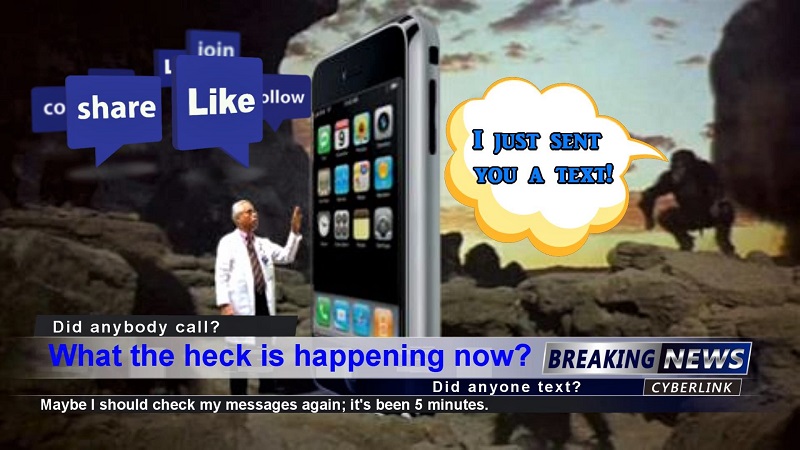
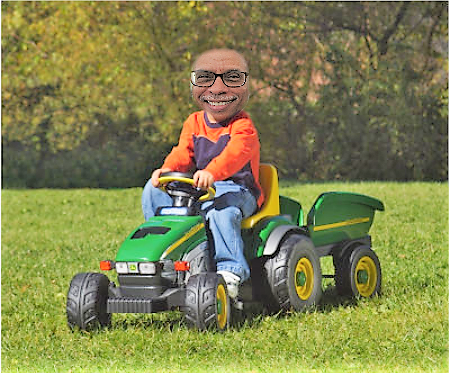
The featured image for this post was actually partly a creation of one the residents a few years ago, who by some miracle found a way to combine my photo with a picture of a smartphone. I added a little more to it to make the point about FOMO.

My FOMO nightmare, once upon a time.

I actually didn’t have a smartphone until about 4 years ago. And I still mainly use it just as a phone. I check the step counter when I’m staffing the psychiatry consultation service, but I’ll quit doing that.

In fact, the residents persuaded me to get a smartphone. I had a flip phone for a few years prior to that mainly because a snowstorm caught my wife out on the road while she was driving to the hospital to pick me up from work. I had no way of knowing where she was and was worried out of my mind. That convinced me we needed more than land lines.

I may go back to the flip phone after I fully retire.

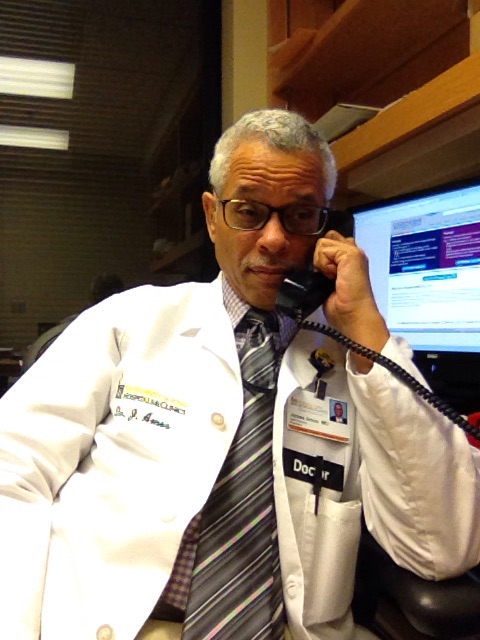
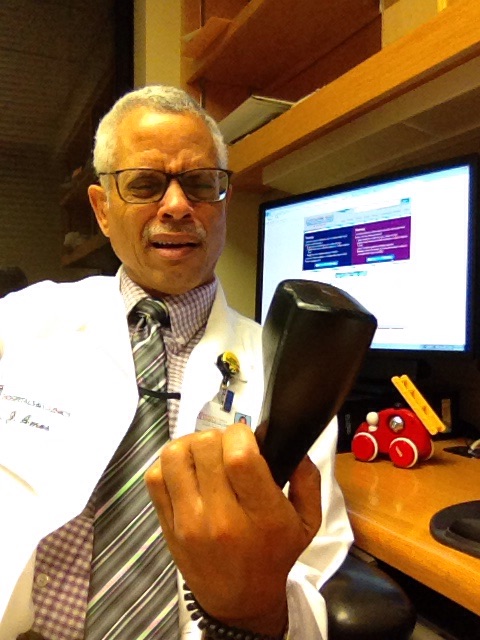
I still use a desk phone at work. For the first time in my career, last weekend it just quit working. You can’t imagine how happy I was.

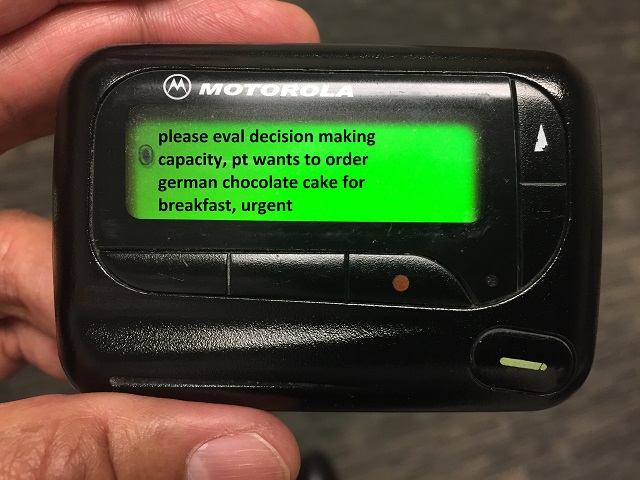
Whenever I drop my pager, I always say out loud to the trainees, “Oh my gosh, I hope it’s broken!” I’m only half-joking.

I won’t miss pagers when I retire.

I dropped most of my social media accounts over a year ago, including Facebook, LinkedIn, Twitter, and even Doximity believe it or not. I don’t miss them.

I’ll keep you posted on how my struggle with FOMO goes.

Kalona Adventure

Man, it was hot yesterday—par for the course for this time of year. Sometimes it seems like we skip spring and just start with summer. It was in the 90’s and muggy.

So Sena and I decided to head to Kalona to do some outdoor shopping at the Maple Avenue Greenhouse. Sena is the gardener and I mostly stood by the cart to make sure the surface temperature maintained a steady first degree burn level.

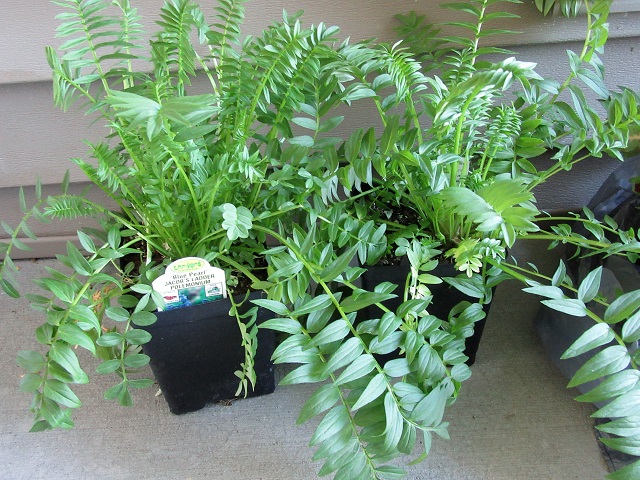
Sena found the Jacob’s Ladder plants and I found the martins houses near the entrance to the greenhouse property. I looked up Jacob’s Ladder later and found out that the name comes from how the plant’s pinnate leaves grow up the stem like the steps on the Biblical ladder of Jacob’s dream.

Jacob’s Ladder

I also found out that Jacob’s Ladder prefers shady and cooler temperatures. Did I mention that the temperature was 90 degrees out in the sun?

We passed the Kalona Creamery on the way out to the greenhouse. After purchasing the Jacob’s Ladder plants, we suddenly got a craving for something cold and creamy.

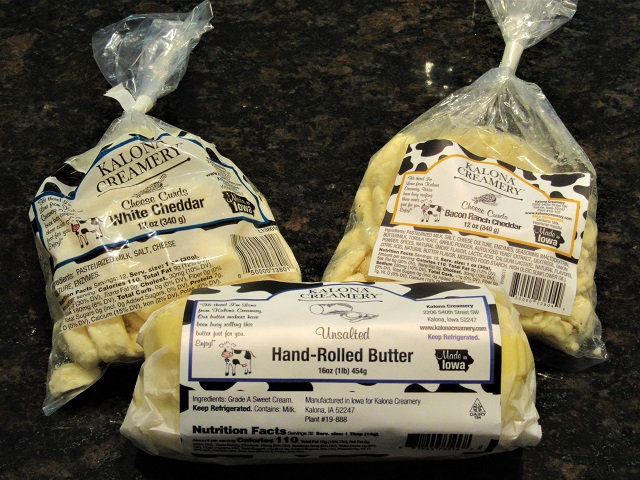
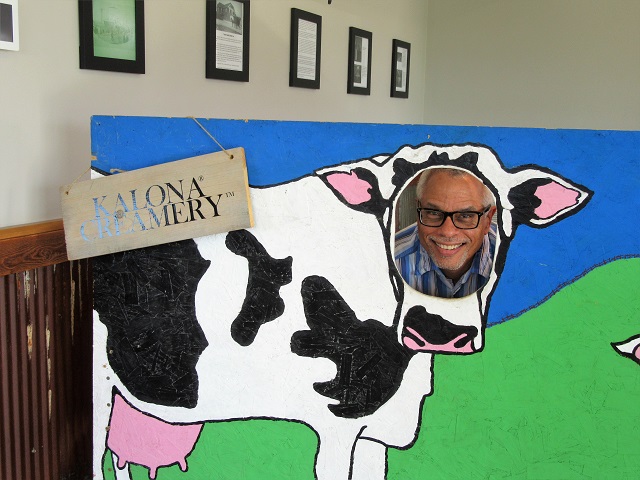
The Kalona Creamery was established in 2015 and does a pretty good business. It’s bigger than it looks from the outside. Don’t let the cow sculpture scare you. Kalona cows are what this extra sweet creamery is all about.

And in turn, cheese curds and fancy, hand-rolled butter (3rd place at the  2018 Iowa State Fair) is what humans are all about.

Hand-Rolled Butter…and curds.

And don’t forget the ice cream. I have a lot of imagination and cosmopolitan, discriminating tastes—so I got the “Plain ol’ Vanilla.” Sena got the Kalona Crunch—with pecans. You get a chocolate cow with any selection. It brought back memories of hand-churned ice cream in grade school. Man, that’s good.

Plain ol’ Vanilla

And the people were sure friendly in Kalona—even in 90 degree heat.

Hold on for the Kalona Adventure!

Walking the Terry Trueblood Trail in May

We took a walk on the Terry Trueblood Trail yesterday and saw quite a few birds even though it’s early in the season. We caught sight of Orchard Orioles and got a snapshot for the first time of a bird that can fool you into thinking it’s a robin.

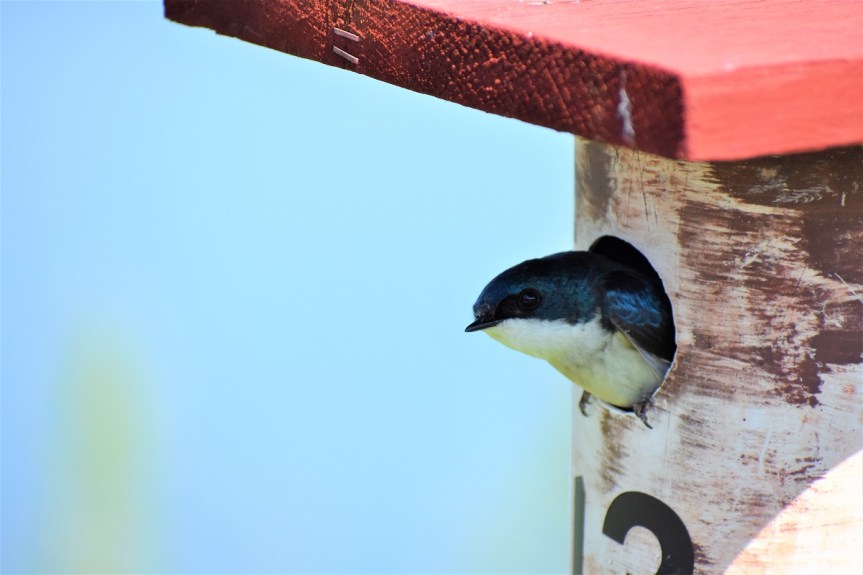
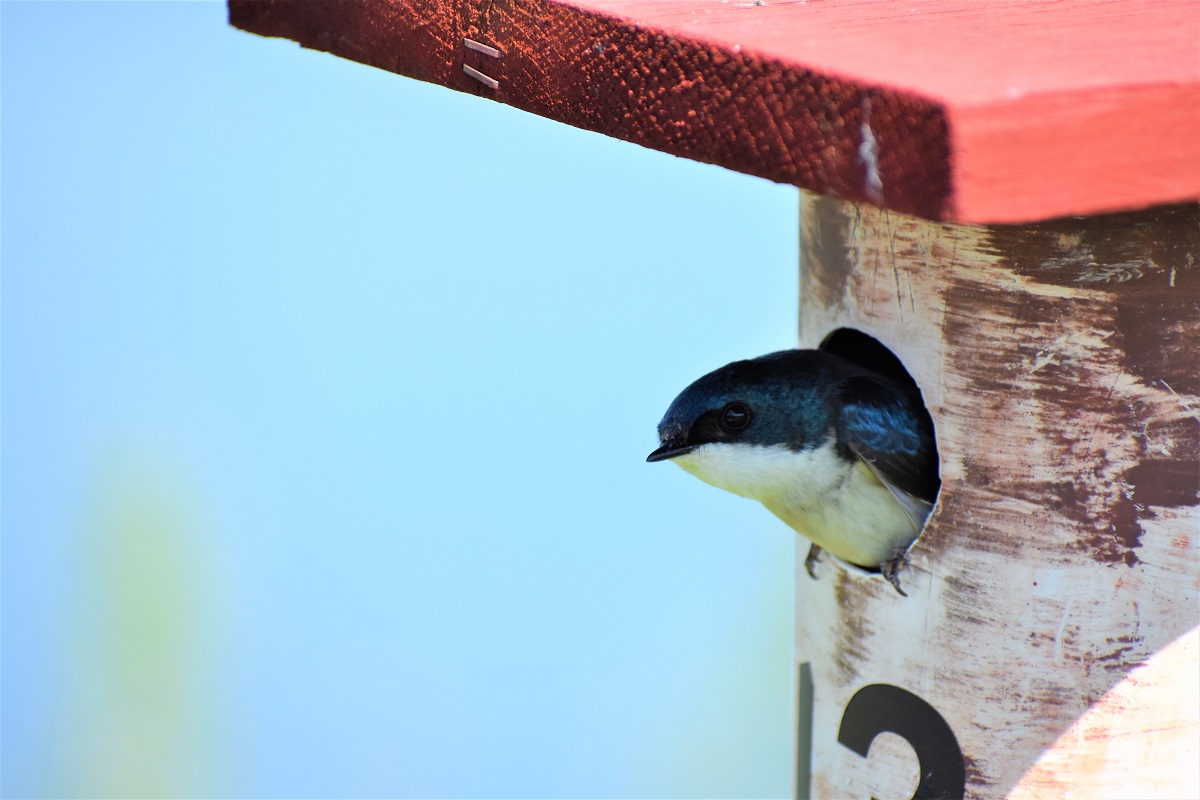
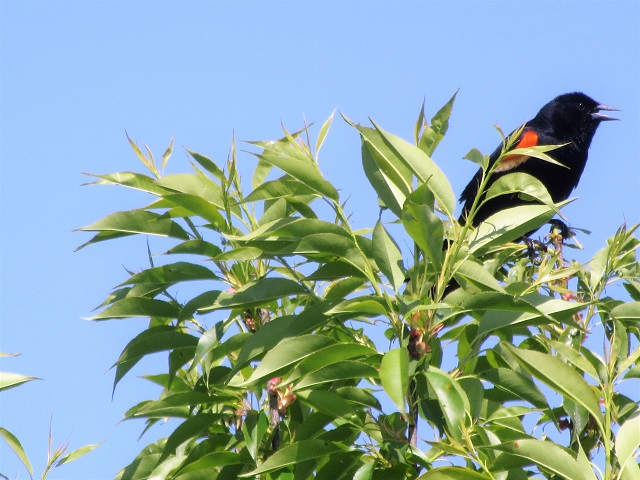
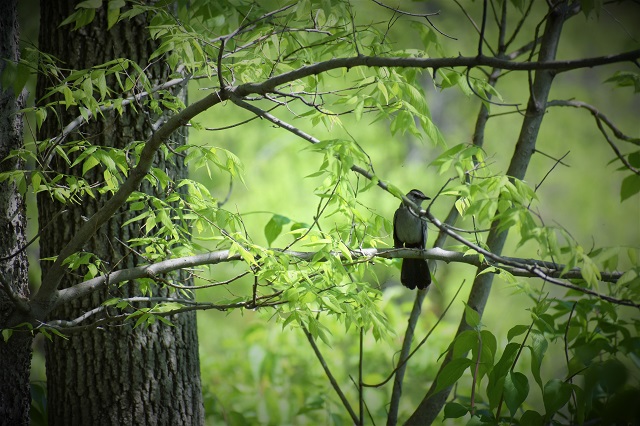
There are a lot of Tree Swallows nesting out there. It’s too soon for babies. Sena got a couple of great shots of a sassy Red-Winged Blackbird. I got my first good shot of a Gray Catbird.

Red-Wing Blackbird on the Terry Trueblood Trail
Gray Catbird

It’s very peaceful out there—except when the bugs fly up your nose.

When we got home, we noticed the House Finches flitting around the juniper tree where the giant crow stole all their chicks the other day. It looks like they’re planning to rebuild. Foolhardy.

The robins may have abandoned their nest under the deck but they’ve built a regular Hoorah’s Nest in our front yard crabapple tree. It still needs a proper floor.

Terry Trueblood Trail video

Minority Diversity in Medicine

The featured image for this post is that of a Painted Lady butterfly, one beautiful member of a hugely diverse group of such creatures. It reminded me of the state of our physician supply, which is not so very diverse when it comes to inclusion of minorities.

Even though I’m moving into the final year of my phased retirement contract in July and I’m off service—I still check my office email several times every single day. It’s a hard habit to break after 23 years, not counting 4 years each of residency and medical school. So, I get a pang every time I see a news item in my inbox about the shortage of physicians, especially the shortage of minority physicians. The challenge to increase diversity of race and ethnicity in the supply of American doctors is a big one.

The Greenville News in South Carolina posted a long article about this issue on May 13, 2019 (“Despite efforts to boost their numbers, blacks account for just 6% of doctors in SC” by Liv Osby). Even though blacks make up 13% of the U.S. population, only about 6% of the doctors in Greenville, S.C. are black. Many members of minority groups do not recall seeing a doctor who looked like them while they were growing up. Minority role models for the goal of becoming physicians have always been few and far-between.

I recall being one of a handful of minority students entering the summer enrichment program in 1988 at the University of Iowa. The summer enrichment opportunity was intended to be one way to assist minority students excel in the basic sciences courses that we would be facing in the upcoming regular academic year.

I have always appreciated that boost but not all of my peers saw it that way. One young man said simply, “I’ll see you in the fall,” evidently meaning he would not be attending the summer enrichment program. It was clear from talking with him that he thought the program sent the wrong message to the majority students—that we were getting an unfair advantage. I’m pretty sure that the summer enrichment program ended many years ago, at least in part because of that negative perception.

This reminded me of my undergraduate experience at Huston-Tillotson (H-T) College (now H-T University) when the controversy about affirmative action was prominent. I recall only one black student who was planning to go to medical school and hoped to get into the University of Texas. In fact, even though the term is no longer used, the Greenville News story mentioned that Texas Tech last year eliminated race as a consideration for admission to its Health Sciences Center. This indicates ongoing discomfort about the perception of favoritism or special treatment being given to minorities.

I still see one of my summer enrichment program professors in the hospital hallways every so often. He even remembers my name. We exchange friendly greetings.

And I’m painfully aware that there may be only one other black psychiatrist in Iowa—and I think he’s also a baby boomer.

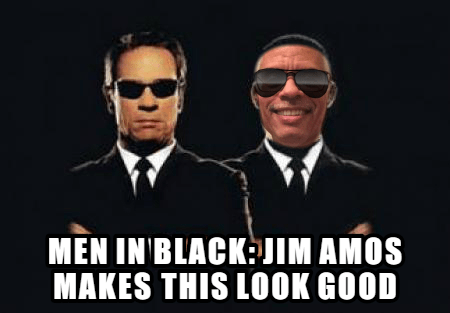
As I head for retirement, I remember a line from one of the final scenes in the movie Men in Black, “I haven’t been training a partner; I’ve been training a replacement.” I’m not sure if there will be someone to replace me.

Are we training enough replacements?

Spring, A Time for Optimism

This is the season for optimism and milestones: graduating medical students and residents, new faculty from the graduating resident class—including the milestone of getting the suspicious looking postcard notice in the mail reminding me that I’ll soon be eligible for open enrollment in Medicare.

No kidding, I got my first ever Medicare Open Enrollment postcard notice although, of course, it was not from any government agency as the Medicare Open Enrollment Inquiry Card indicated. This notice was obviously a lure from an anonymous marketer soliciting for one or more insurance companies, “SD Reply Center” in Rockwall, Texas.

Don’t get sucked in by this hustle. This has been going on for years. I found an on line news story from 2012 written by Bob LaMendola, with the Sun Sentinel in South Florida.

This is widely viewed as a scam, and the company targets seniors (yes, I am one of those). If you send back the card with all of your personal data on it which they request, outfits like SD Reply Center (SD stands for Senior Direct) will sell it to insurers who may knock on your door. Insurers themselves are forbidden by federal and state laws from sending these postcards or otherwise soliciting seniors unless we request them. While it’s not against the law for companies like SD Reply Center to solicit seniors, consumer advocates advise us not to mail our personal information to the sender of an anonymous postcard. While it may not be harmful, seniors are then in the difficult position of fending off eager insurance salespersons.

I will be shredding my postcard. But I will remain aware of Medicare open enrollment and pursue less worrisome avenues for more information about my coverage options. You have to keep your eyes peeled for trouble.

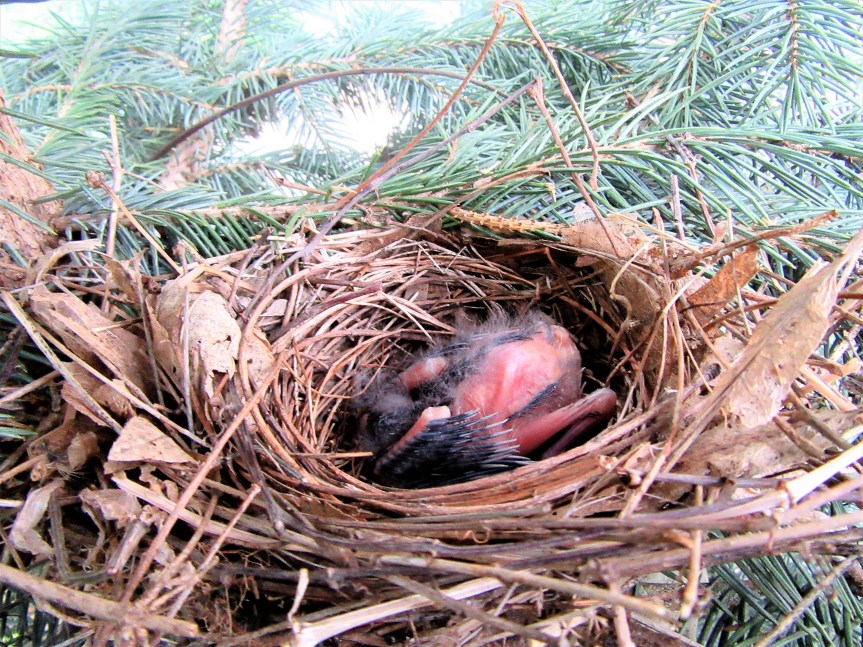
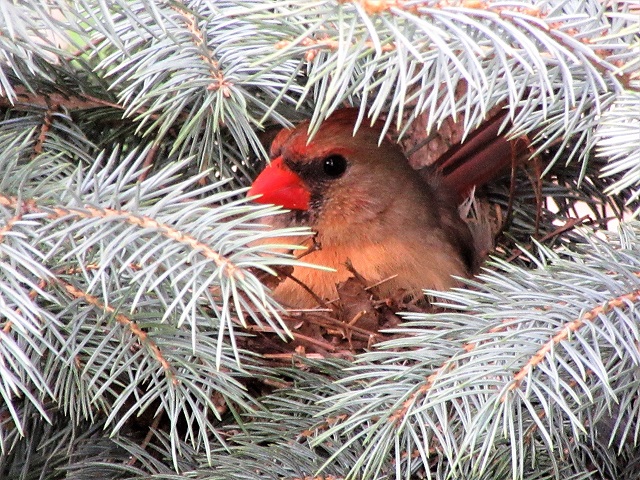
Speaking of trouble, our birds are in a lot of it. Right after the house finches lost their nestlings, the cardinals lost their only chick, probably to the same predatory crow that took the house finch babies. The cardinal and house finch parents are now gone.

The cardinal nest is empty.

However, while the robins might have abandoned the under-the-deck nest (not clear, my wife says she saw one flying under our deck), they may have settled into our front yard crabapple tree. It’s thick with flowers right now and provides excellent cover for the brand new nest the floor of which still needs work (just like the nest under our deck needed for a while).

Spring is a time of optimism. Hope springs eternal in the human breast—and in the robin redbreast.

Saga of the Nestlings

Recall that the house finch nestlings were taken by a marauding crow yesterday. The house finch parents were frantic and devastated for about an hour. Although the crow flew by a second time, it didn’t return. The reason why was clear today. The nest is still in the tree but it’s obviously a wreck. We think it has been abandoned.

I checked on the cardinal nest and could find only one baby. He’s large and the younger, smaller brother is nowhere in sight.

Big fella

The robins have not laid any eggs in the nest under our deck and it’s likely they’ve abandoned it.

Survival of the fittest seems to be the lesson here. Instinct is the driver, but it was hard not to think of the house finch parents, (especially the female) as grieving the loss of all their chicks.

The cardinal parents seem very annoyed when I pop around with my camera. Why not? Life is hard enough, with bad weather, crappy nest-building materials, unsafe locations, and predatory crows.

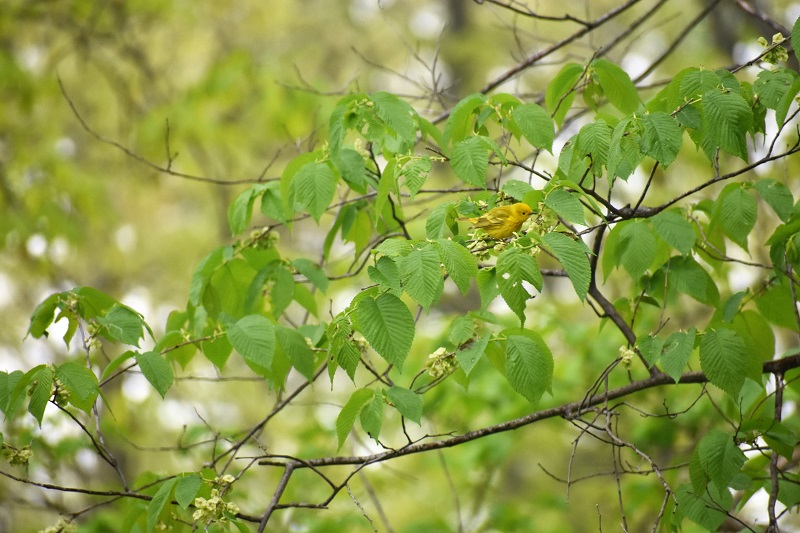
By the way, we saw a yellow warbler for the first time. I mistook it for a goldfinch at first. But then I saw the streaking on its belly and checked my field guide. Goldfinches have black wings and a black forehead patch. Yellow warbler males have orange streaks on their bellies. This one was probably picking bugs off the topmost tree leaves. It’s a male and making the most of its time on earth.

Yellow Warbler male

Marauding Crow Snatches Nestlings

I was sitting at my desk by the front window where we often watch the house finches come and go from their nest. It was just a couple of days ago that 3 baby house finches were squirming about in the nest.

There are 3 house finch nestlings ( or I guess I should say there were)

I kept hearing a strange noise outside the window. It sounded like a large sheet blowing and flapping in the wind. I glanced a couple of times and didn’t see anything. About the 3rd time I heard it, I caught sight of a huge crow (maybe a raven?) flapping its wings, which was the sound I evidently heard.

I grabbed my camera and tried to open the blinds but I was too late to get a snapshot of the giant crow pounding the juniper tree with its wings, jabbing its beak into the tree and then thundering off with a mouthful of nestlings. I’m pretty sure it got all of them.

I was stunned. A couple of minutes later, the house finch mama was flitting in a panic around the tree and in the nest, apparently searching for the newborns. It was a frantic scene which went on for over half an hour at least. She flew off and flew back repeatedly to what I assumed was an empty nest. There might have been an egg left because the crow returned to fly over the tree. But it didn’t stop.

Frantic house finch mama

I now believe that’s what happened to the missing cardinal egg and cardinal baby. My wife says she has seen a large crow swooping around our property. I wonder if that’s what spooked the robins who have probably abandoned the nest under our deck.

I took a quick look around the web and found that crows will eat eggs and nestlings, but it’s said to be an uncommon occurrence. It definitely happened in front of me and in the blink of an eye.

I don’t know what the house finches will do now. Will they try again? I doubt it will be in the same tree. Many of the branches are bent, exposing the nest where the thief broke in.

I’ll keep you posted.