


I saw this interesting article on a study about the effect of chair placement on physicians’ behavior when in a patient’s room, specifically whether it altered the length of time a doctor spends with a patient or the level of satisfaction patients had with the interaction. In this study, it didn’t lengthen the time, but seemed to strengthen patient satisfaction with interaction with the physician. It’s a concept I recognize because I took this one level up—I carried my chair with me on hospital rounds in my role as a consultation-liaison psychiatrist.
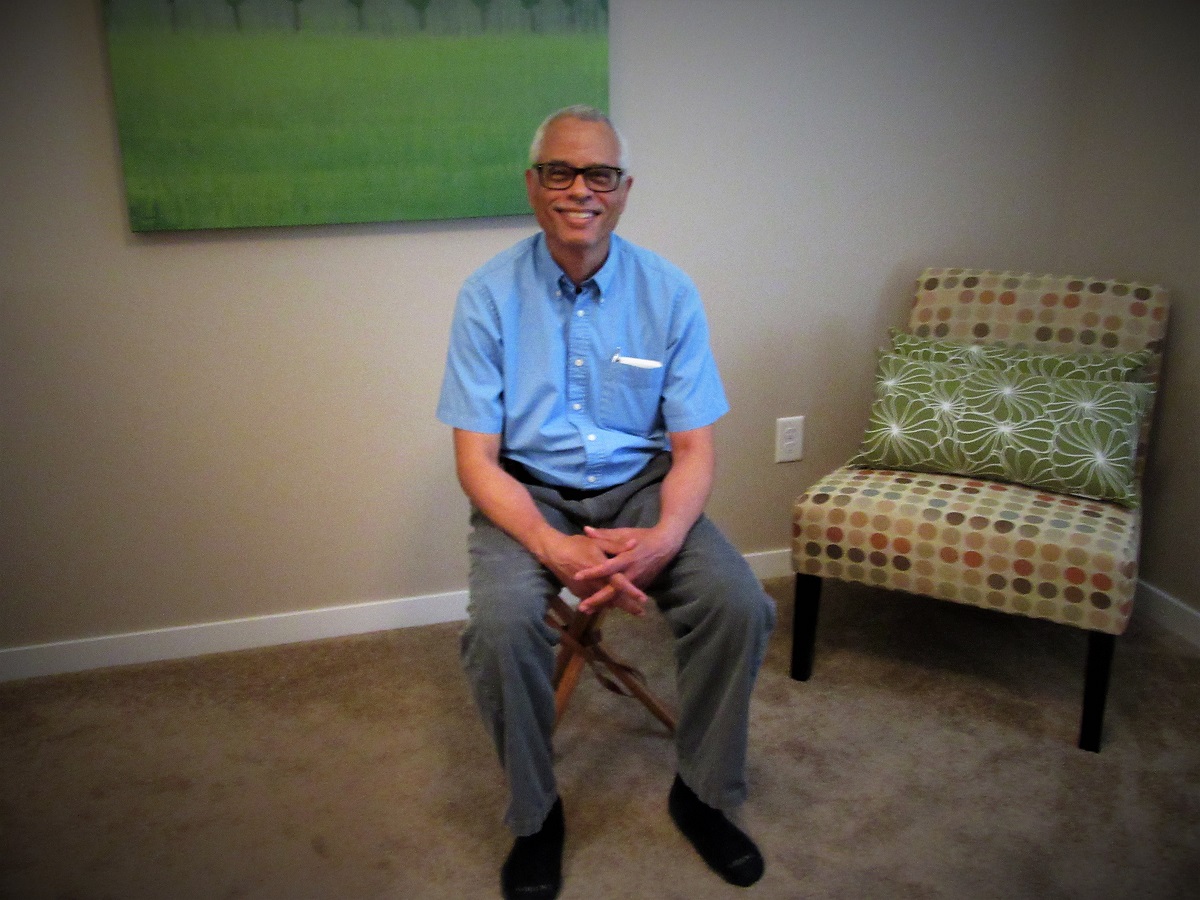
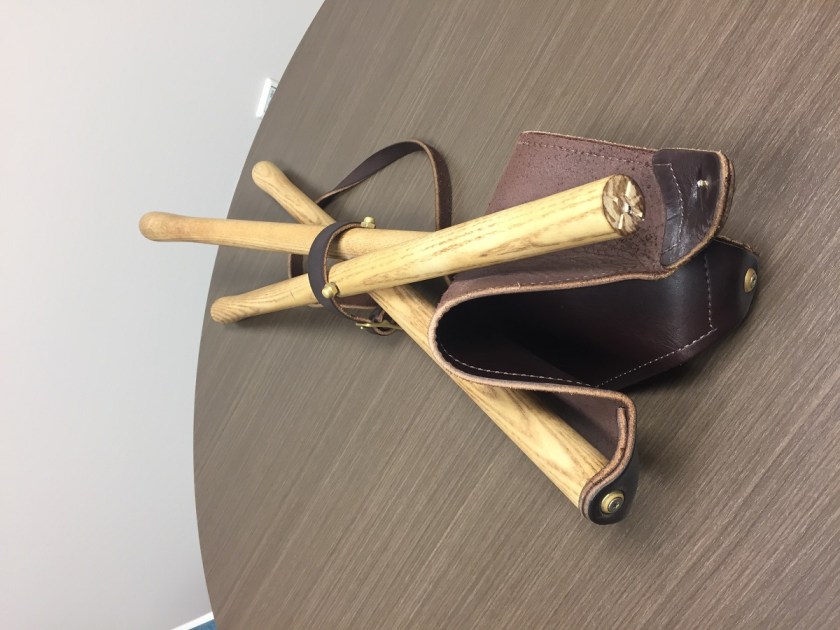
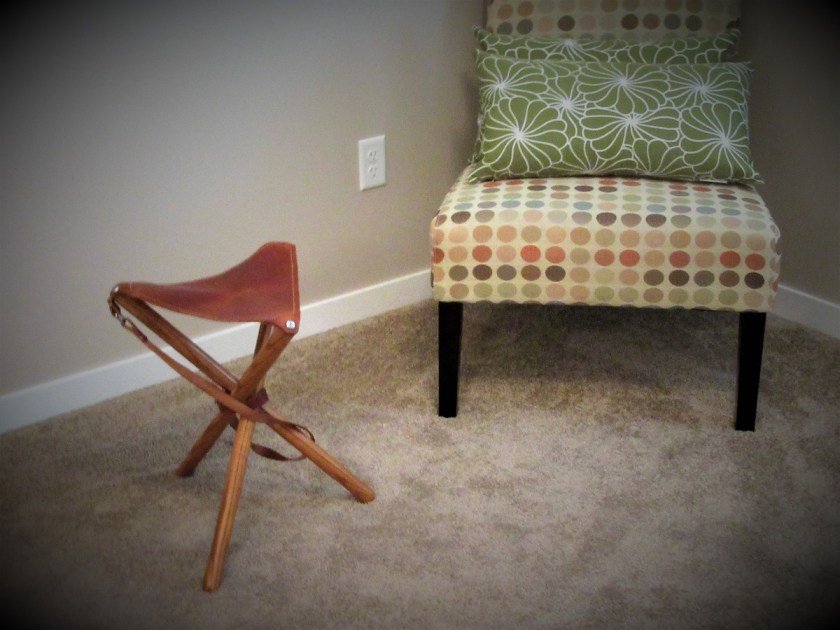
I got a gift of a 3-legged camp stool from a colleague who ran the palliative care service at University of Iowa hospital. Other members of the palliative team had been using them as well.
Patients got a big kick out of a doctor who carried his chair around with him and actually sat down to talk with them. The way the camp stool folds up apparently made it look like nunchucks to some patients, so I got jokes about that occasionally. It really helped build rapport.
The only drawback with the camp stool was that my one of my legs would go numb the longer I sat on it, and could lead to a challenge getting up from it gracefully because it was partly a balancing act. Even so, I often spent much more than 10-15 minutes with patients.
Once, the stool actually broke and I dropped unceremoniously on my butt while evaluating a patient for catatonia—who proved not to be catatonic by the apparent facial expression of mirth as I fell on the floor. In that sense, the chair actually became a part of the evaluation—accidentally.
Thomas Hackett knew all about this. He was a famous consultation-liaison psychiatrist and a past president of the Academy of Consultation-Liaison Psychiatry (ACLP). One of his quotes from an early edition of the Massachusetts General Hospital Handbook of General Hospital Psychiatry fits perfectly in this context:
“As a matter of courtesy, I sit down when interviewing or visiting patients. Long accustomed to the ritual of making rounds, many physicians remain standing as a matter of course. Standing, physicians remind me of missiles about to be launched, poised to depart. Even if that is not necessarily true, they look the part. Patients sense this and it limits conversation. In addition, when standing, the physician necessarily looks down on the patient. This disparity in height is apt to encourage the attribution of arrogance. Looking down at a patient who is prone emphasizes the dependency of the position. Sitting at the bedside equalizes station. Sitting with a patient need not take longer than standing with him.”— Hackett, T. P., MD (1978). Beginnings: liaison psychiatry in a general hospital. Massachusetts General Hospital: Handbook of general hospital psychiatry. T. P. Hackett, MD and N. H. Cassem, MD. St. Louis, Missouri, The C.V. Mosby Company: 1-14.
Reference: Effect of chair placement on physicians’ behavior and patients’ satisfaction: randomized deception trial BMJ 2023; 383 doi: https://doi.org/10.1136/bmj-2023-076309 (Published 15 December 2023)



 Go Retire Psychiatrist