

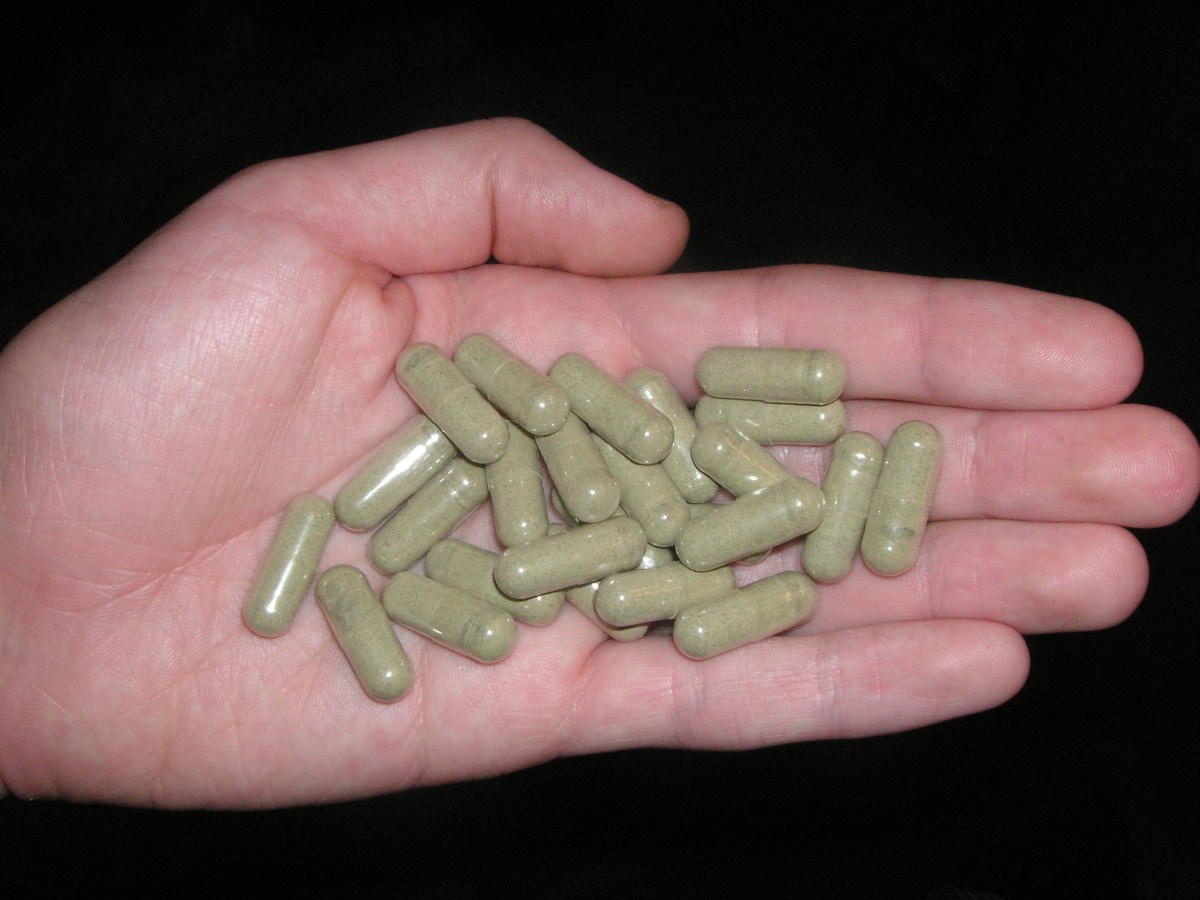
I just saw an excellent post from Dr. George Dawson, MD, DFAPA on Kratom. His emphasis that the risk for harm from this substance should be “…remembered at every policy debate.” I agree. This reminds me of what happened in the Iowa Legislature this term at the second funnel regarding substances with the potential for harms to users. Two drugs survived the second funnel: the Kratom bill House File 2133 and the Psilocybin bill House File 978, copied from the Iowa Capital Dispatch story published by Robin Opsahl, Brooklyn Draisey, and Cami Koons on March 20, 2026:
“Kratom:House File 2133 would designate kratom products – a substance currently legal for sale and possession in Iowa which produces a stimulant effect at low doses, and acts as a sedative at high doses – as a Schedule I hallucinogenic substance. People found in possession of kratom would be subject to a serious misdemeanor charge for their first offense, an aggravated misdemeanor for their second and a Class D felony charge for subsequent offenses. The bill passed the House and was placed on the unfinished business calendar in the Senate.
Psilocybin: The Senate Health and Human Services Committee amended and passed House File 978 Thursday, a bill that would allow for the legal, medical use of psilocybin in clinical environments with psychiatric support that have been approved by the state. Products with psilocybin, the psychoactive compound in “magic mushrooms,” and operators providing treatment involving psilocybin, would be regulated by the state through the Medical Cannabidiol Advisory Board, which would be expanded to include four members with expertise in psilocybin treatment. The program created through this legislation would be limited to individuals seeking treatment for post-traumatic stress disorder, but the board could seek legislative approval for using psilocybin in treatment for other mental health issues as more research becomes available.
I don’t know exactly what “unfinished business” means with respect to the Kratom bill. All I know at this stage is that it has not yet been signed into law by Governor Reynolds. I’ll have a couple of remarks about the Psilocybin bill later.
Kratom is currently legal in Iowa. A couple of years ago while we were driving on Highway 1 through Iowa City, I saw a big sign on a small store saying it was for sale. As of 12/02/2025, the FDA has issued an opinion:
“There are no prescription or over-the-counter drug products containing kratom or its known alkaloids that are legally on the market in the U.S. If a new drug application (NDA) is submitted for kratom (or one of its components) to treat a specific medical condition, FDA will review the scientific data to determine if a drug product containing kratom (or its components) is safe and effective to treat that specific medical condition. Consistent with FDA’s practice with unapproved substances, until the agency scientists can evaluate the safety and effectiveness of kratom (or its components) in the treatment of any medical conditions, FDA will continue to warn the public against the use of kratom for medical treatment. The agency will also continue to monitor emerging data trends to better understand the substance and its components.”
The web articles I found on Kratom indicate that it’s not controlled under the Controlled Substances Act, but the DEA says it’s a “drug of concern” and warns against its use according to a web article posted on March 11, 2026 by the National Institute on Drug Abuse (NIDA).
When I posted on my blog about Kratom after I saw the road sign advertising its sale at what appeared to be what we used to call a “head shop.” I tried to find more information about the substance. At that time, I found an article that saying when the DEA tried to place it on Schedule I in 2016, the American Kratom Association prevented it simply by protesting it (which may or may not be true). An historical overview of Kratom’s legal status in Iowa is here.
Kratom: Summary of State Laws
Kratom 101: What You Need to Know
As for the Iowa bill on Psilocybin, this post is getting a little long and I’ll try to keep my remarks brief. There was a news story about the bill which identified psilocybin as also being known as “magic mushrooms.” It also mentioned that it might be helpful for some people who struggle with PTSD and that last year, Governor Reynolds vetoed a bill that would have allowed distribution of the drug.
I found one of my old blog posts (“Maybe We Need a Dose of Humor) which was partly about psilocybin. I mentioned Dr. Henry Nasrallah’s article on how it might reduce the “visceral hatred” that is prominent in American politics:
In the current political zeitgeist, could psychedelics such as psilocybin reduce or even eliminate political extremism and visceral hatred on all sides? It would be remarkable research to carry out to heal a politically divided populace. The dogma of untreatable personality disorders or hopelessly entrenched political extremism is on the chopping block, and psychedelics offer hope to splinter those beliefs by concurrently remodeling brain tissue (neuroplasticity) and rectifying the mindset (psychoplasticity); September issue of Current Psychiatry, by the journal’s editor, Henry A. Nasrallah, MD (From neuroplasticity to psychoplasticity: Psilocybin may reverse personality disorders and political fanaticism. Current Psychiatry. 2022 September, 21(9): 4-6 | doi: 10.12788/cp.0283).
I found another one of my blog posts about psychedelic-assisted therapy from a couple of years ago.
The remarks from a former colleague were politely negative about the quality of the research in question in the Lykos study mentioned in my post which cited the Psychiatric Times article about the study. Dr. Jess G. Fiedorowicz, MD, PhD formerly was formerly on staff at University of Iowa Health Care. He’s now the Chief of Mental Health at The Ottawa Hospital where he’s also Professor and Senior Research Chair in Adult Psychiatry, Department of Psychiatry, University of Ottawa, Ontario. His remarks in the transcript are typical for his erudition and expertise as a clinician scientist.
And that segues into the University of Iowa Dept. of Psychiatry study on psilocybin for alcohol use disorder. There’s a podcast that mentions it with a link to an article. The department is currently recruiting according to clinicaltrials.gov:
“Psilocybin vs Ketamine for Alcohol Use Disorder: This study will collect data that measures the effects of a psychedelic intervention on patients struggling with alcohol use disorder (AUD). The study design will be a double blind, randomized, active-comparator trial with two study arms. Subjects randomized to Arm 1 (n=40) will receive individual psychotherapy sessions plus a 30 mg dose of psilocybin. Arm 2 subjects (n=40) will receive individual psychotherapy sessions and a 0.75 mg/kg dose of ketamine.”
However, the Iowa legislature’s bill supporting psilocybin is, for now, geared toward treatment of PTSD.
I think the Kratom bill goes in the right direction and I’m not so sure about the psilocybin bill.


 Go Retire Psychiatrist