Thoughts on the X-Files Episode “Humbug”

So, I was watching the X-Files episode, “Humbug” last night and it got me wondering about the meaning of the word “nature.” The character, Dr. Blockhead says “Nature abhors normality.” Of course that reminded me of a similar quote attributed to Aristotle, “Nature abhors a vacuum.”

You can read the short Wikipedia summary of “Humbug” and comments about how Otherness philosophy (perceiving oneself as distinct from others in order to form one’s own identity) figures into the story contrasting sideshow freaks with the conventional FBI agents Mulder and Scully. The episode is funny, which is one reason why I like it. It sheds a little light on the way humans treat each other (and potentially, extraterrestrials?) in terms of their genetic, cultural and other differences.

I found another connection to “Humbug” in, of all places, a WordPress blog post from 2017 entitled “Fiji Mermaid,” written by an artist who relocated to America from Scotland many years ago. The Fiji Mermaid was featured in “Humbug.” It was a humbug (fake mermaid) made up of the head and torso of a monkey stitched to the tail of a fish. Commenters actually mention that it reminded them of the X-Files episode, which the artist enjoyed, partly because she’s interested in the history of sideshows and freaks.

I also read an interesting news item about the definition of nature in terms of the relationship between humans and the rest of the natural world. That led me to check on the definition of the word.

Until recently, the word “nature” was defined in the Oxford English Dictionary (OED) as “The phenomena of the physical world collectively; esp. plants, animals, and other features and products of the earth itself, as opposed to humans and human creations.”

The updated OED has additional definition, which is “More widely: the whole natural world, including human beings.”

I think one of the points of “Humbug” is that humans are a part of nature and we are hard at work mutating it. One of the characters, Dr. Blockhead, criticizes it:

“Twenty-first century genetic engineering will not only eliminate the siamese twins and the alligator-skin people, but you’re gonna be hard-pressed to find a slight overbite, or a not-so-high cheekbone. You see, I’ve seen the future, and the future looks just like him! (points to Mulder).”

“Nature abhors normality. It can’t go for long without creating a mutant.”

You can understand the word “nature” to refer to both humans and the natural world outside of us, possibly to other galaxies. It also makes me wonder who defines what is normal. That leads to social and political factors which complicate everything. I guess that could be why Dr. Blockhead says the reason why nature abhors normality is a mystery—and should remain so.

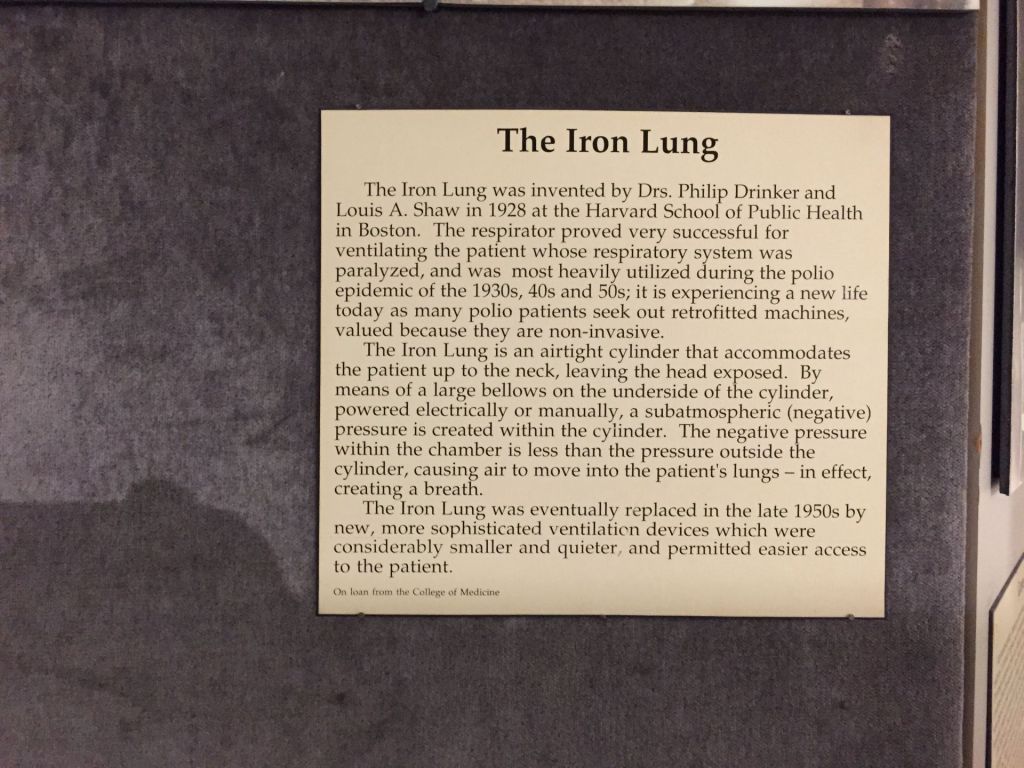
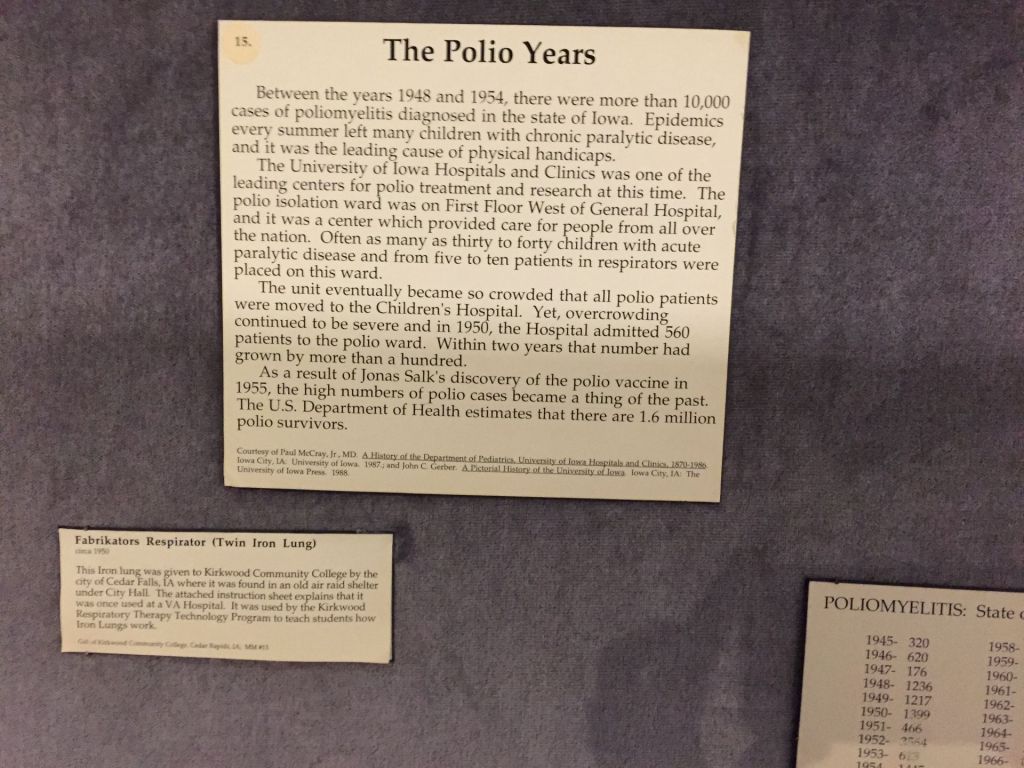
On the other hand, if it weren’t for the natural human drive to ask questions and explore, the mystery of the cause of polio would have remained a mystery and the iron lung would still be in use.

Bluebirds Fly on the Terry Trueblood Trail

We got out today on the Terry Trueblood Trail because it was sunny and 60 degrees. It felt like early spring, although Punxsutawney Phil put the kibosh on that.

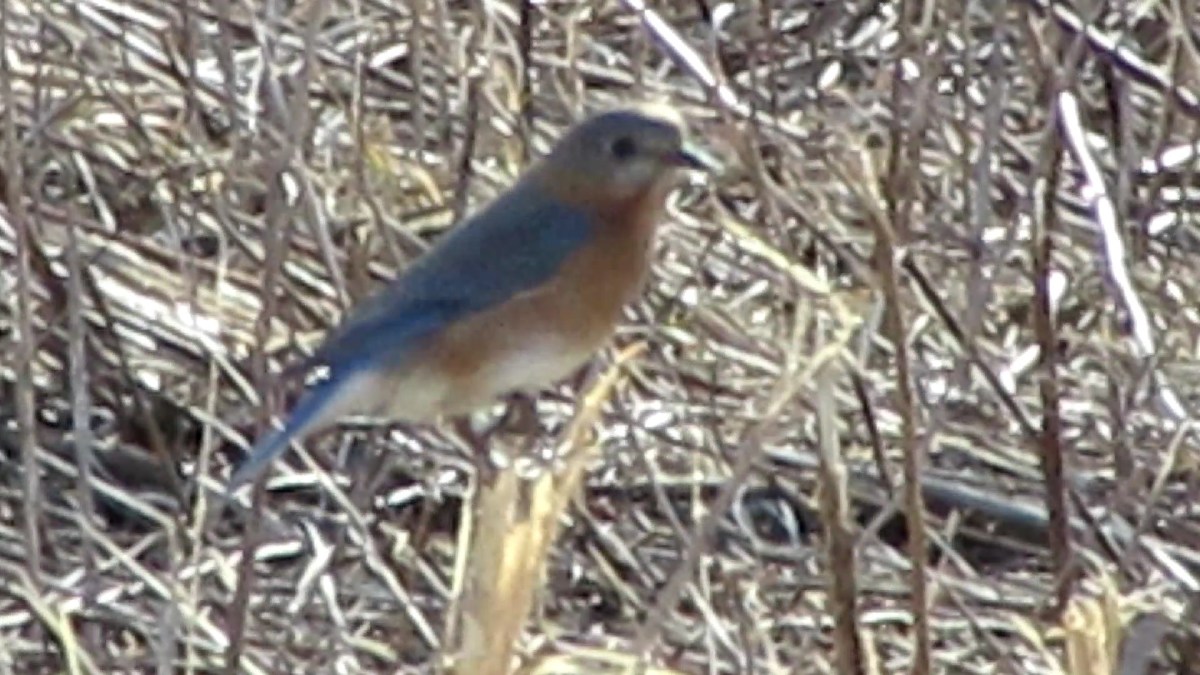
The ice was giving way on Sand Lake. The birds were waking up and hungry. And I can’t remember the last time we saw bluebirds at all, let alone the many we saw out in the open grassland today.

It was the kind of day you forget what’s in the news and just celebrate the coming of spring. Just watch the bluebirds fly.

What Does a Dickcissel Sound Like?

We walked the Terry Trueblood Trail the other day and ran into a couple of other bird watchers. They said they’ve seen many birds called dickcissels on the trail.

I couldn’t remember ever seeing or hearing a dickcissel. We have enough trouble catching a clear sight of goldfinches. Both birders said the name comes from the bird’s song. They said it sounds like the bird is saying “Dick, Dick, Dick.”

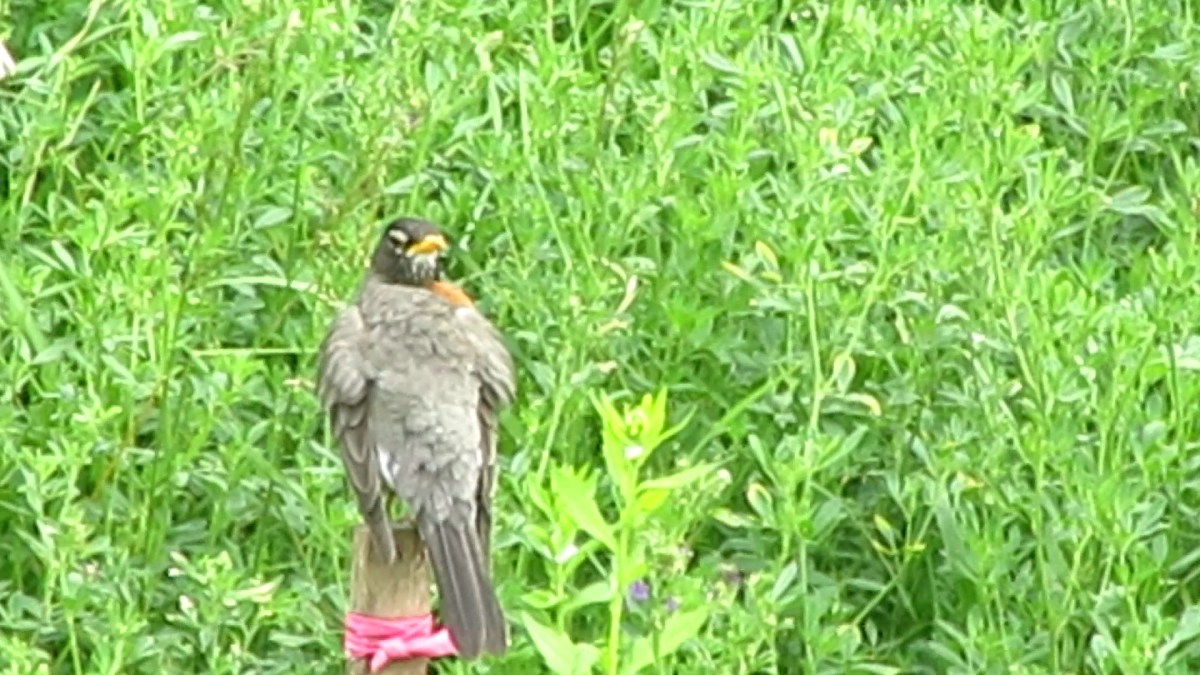
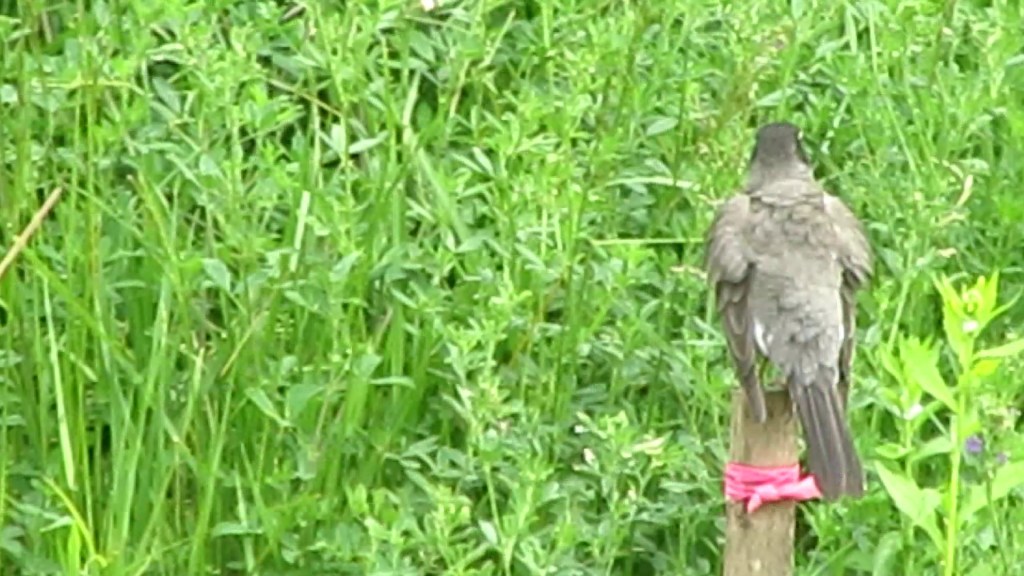
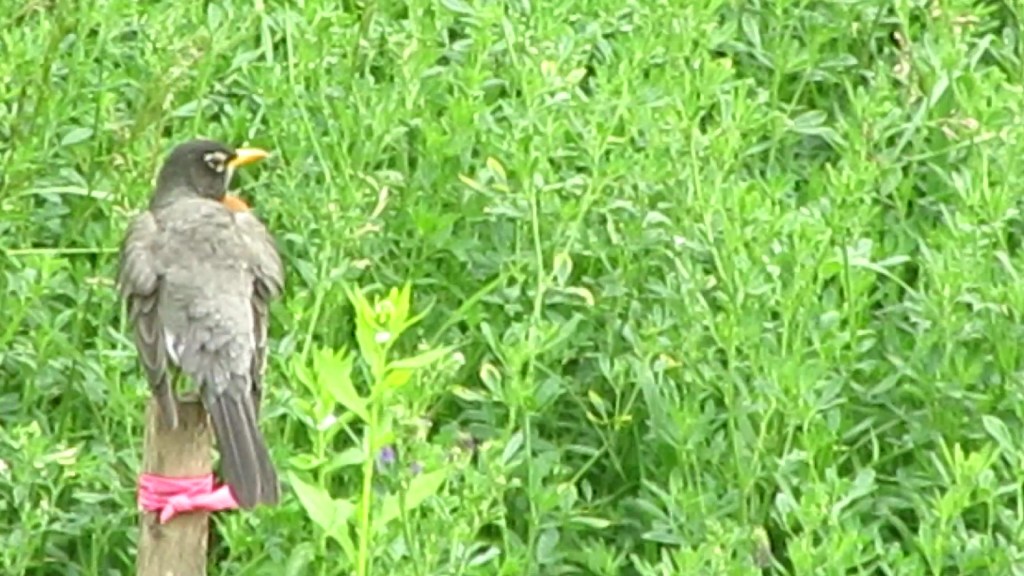
I’m not so sure. As it happened, I think we saw a few dickcissels that day. We think the bird doesn’t sound like it’s saying “Dick, Dick, Dick.” I think it’s more like “chirp, chirp, chirp.”

Anyway, I think I got a video of three dickcissels, along with a few other birds. Do you agree or disagree? And what do you think of the name “dickcissel” for a bird? I read one article written by someone who had a low opinion of how the bird got its name.

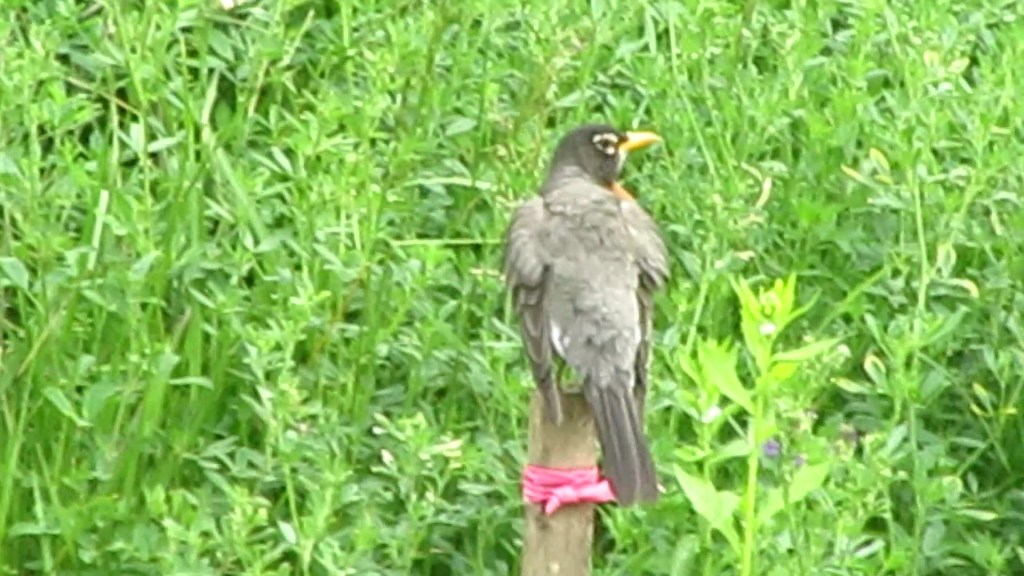
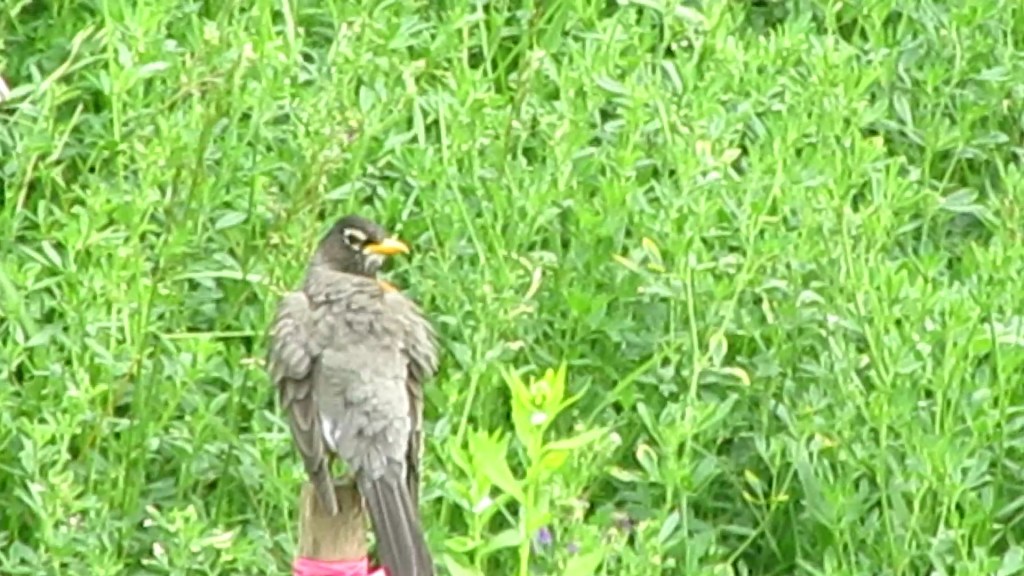
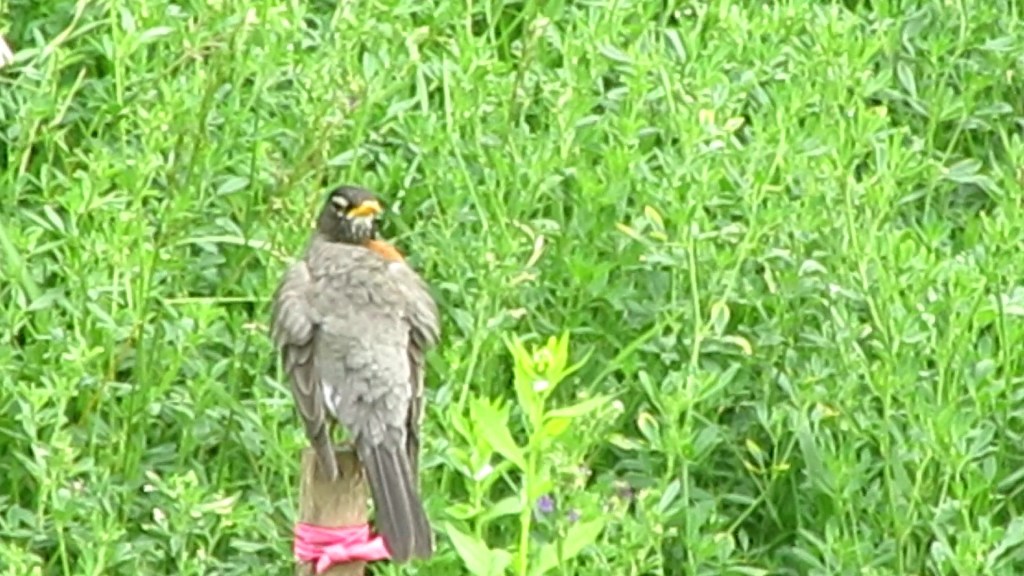
What are those things in the water? I think they’re fish.

Are These Compass Flowers?

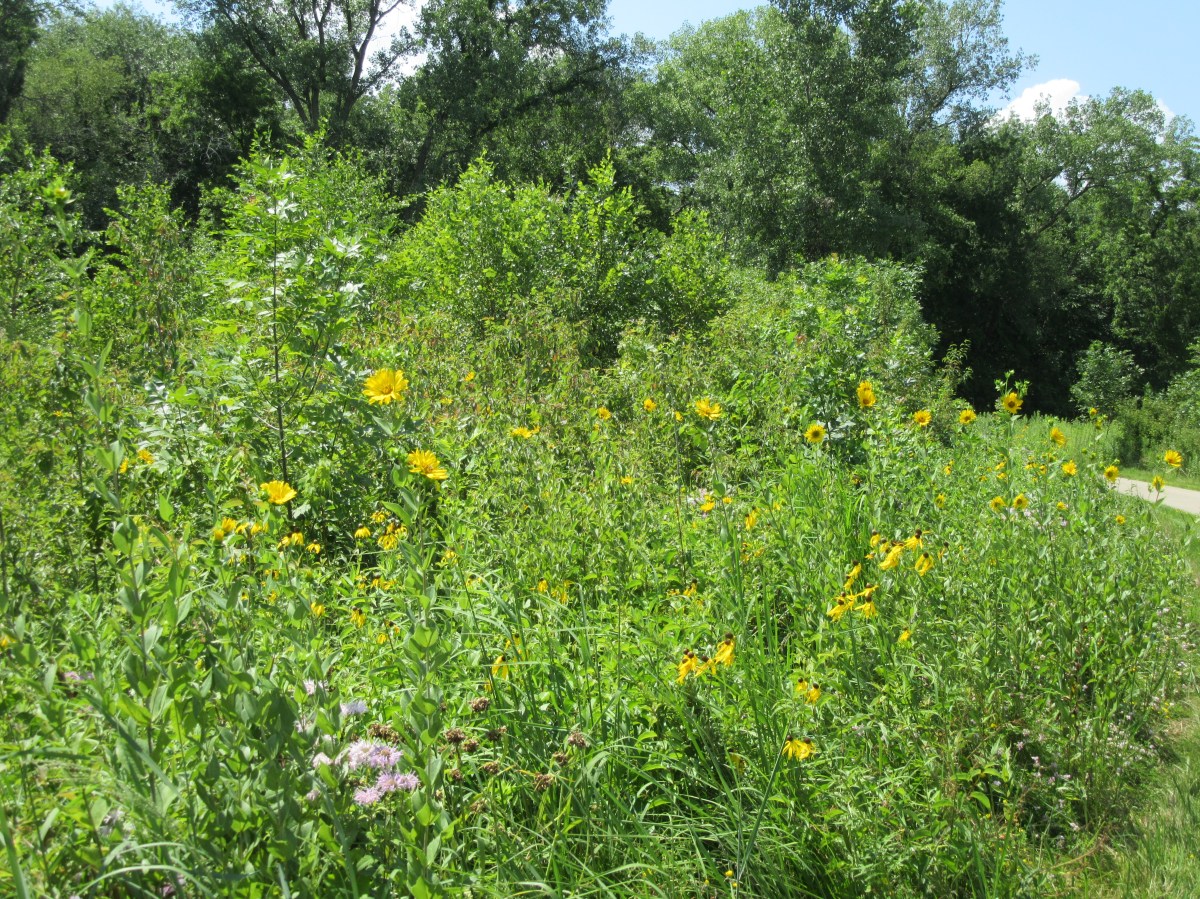
I have misidentified plenty of plants and the compass flower is one of them. We were walking the Clear Creek trail the other day and saw what I thought was a patch of compass flowers. See what you think, judging from the featured image.

Anyway, I thought the flower itself pointed in a particular direction, but it’s actually the leaves as I rediscovered after looking it up.

As a real expert points out, it’s the edges of the leaves that point North/South.

Guys and Gals Birds

The other day we went birding on the Terry Trueblood Trail. You couldn’t ask for better weather. We saw a lot of birds paired off and checking into the nest boxes or building from scratch.

I don’t know how we got so lucky. We saw male and female red-wing blackbirds, tree swallows, sparrows, and goldfinches.

The difference between the guys and gals is that the female birds tend to be drab. It’s mainly for protection. The females don’t want to attract attention from predators. The males tend to be flamboyant, as if you didn’t know that from your own experience with humans.

The red-wing blackbird male has stunning red and yellow epaulets on its wings. The female is mostly brown.

The tree swallow male is startling bright greenish-blue. The female is a bit duller.

The goldfinch male is a loud yellow while the female is kind of drab olive.

And so on.

House Finch Nesting in Our Artificial Christmas Tree!

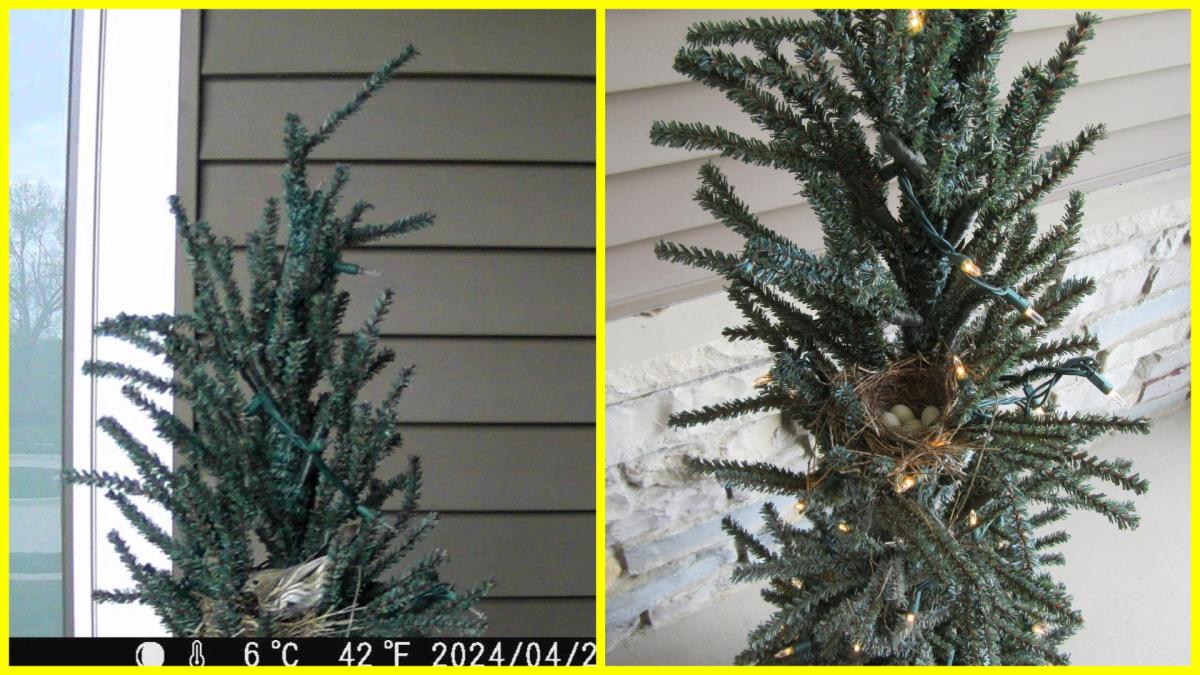
A couple days ago, Sena found a bird’s nest in our front porch artificial Christmas tree. The small nest is made from the clippings of Sena’s ornamental grasses. It has 4 small eggs, which are white with dark specks.

We could hear a bird singing while we were sitting in the house and it always sounded close by. We could see it flitting around but we couldn’t identify it. We thought it might be nesting in our magnolia tree at first but Sena couldn’t find one.

I’ve scared a bird a couple of times lately and it always seemed to be flying off our front porch from somewhere. I never thought to peek in the little fake Christmas tree sitting in a big pot.

So, I got the critter cam out. It hasn’t been getting any use since we solved the problem of our yard drain grate lids popping off by having them screwed down last year. We never did find out what flipped the lids.

Anyway, Sena suggested moving the pot with the tree around to face the front of the porch and set up the critter cam facing the tree. Both the tree and the camera on a tripod are somewhat sheltered from the wind behind one of the columns.

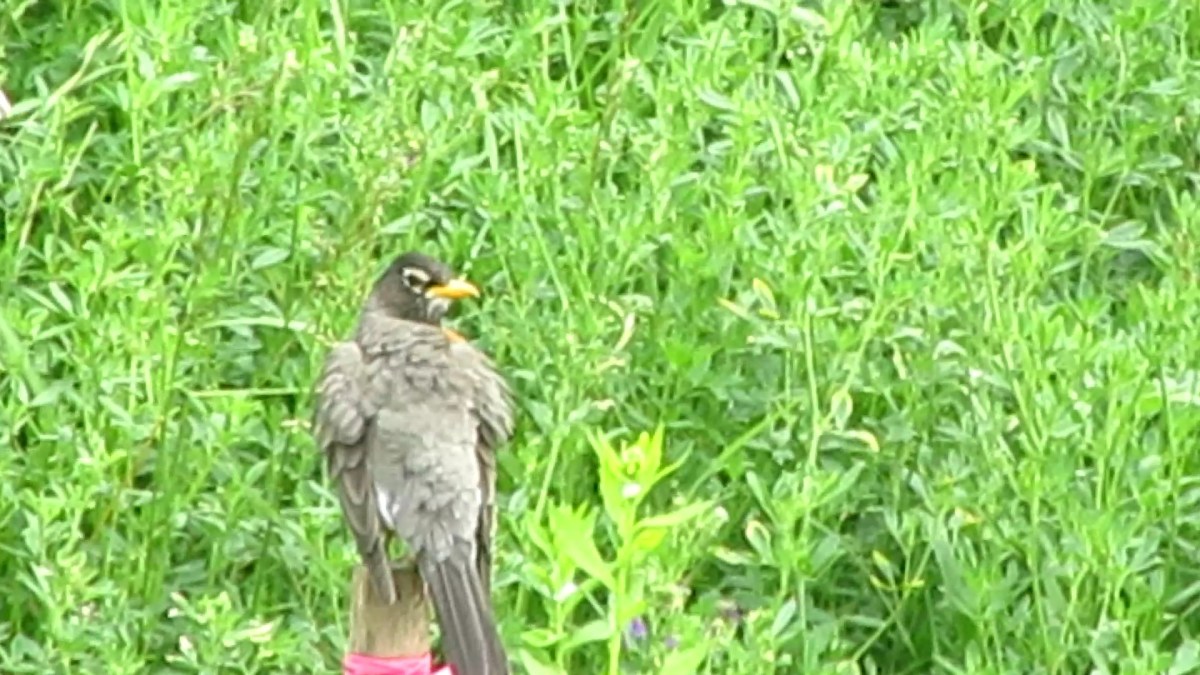
Moving the tree confused the bird a little because it had a little trouble finding it at first. We got a good enough video to identify it as a female house finch. We don’t know when she laid the eggs, but they take a couple of weeks to incubate.

We had been trying to keep birds off our porch by setting out a couple of fake snakes. The birds ignored them. And I guess they don’t mind nesting in fake trees, either.

The nest is probably in a fairly safe spot on the porch. Crows and other predatory birds fly around, but might be less likely to see it from the air. Maybe we should get a fake dog.

We’ll try to keep our intrusions to a minimum, because it tends to tip off big, hungry birds. On the other hand, we would like to get enough footage to make short videos of the progress of the nestlings.

The Hunted and The Hunter

Recently, we saw a rabbit in our back yard on one occasion and a feral tabby cat on another day doing what they do best.

The cat was hunting and the rabbit was on the lookout for hunters. The hunted and the hunter are both alike in many ways except for the most obvious—one gets to eat the other.

Otherwise, in action they are both like coiled springs: alert, jumpy, and ready to do what they do best, flee or pounce.

Whether you are predator or prey, you do this every day.

Flight of Ideas on Junior Bald Eagles

A couple of days ago the temperature was in the mid-seventies, which is pretty balmy for February. We took the opportunity to get out for a walk on the Terry Trueblood Trail. It’s coincidental, but we did the same thing on the exact same date last February. It’s under the same condition for the most part—escaping from the bad news on the web. The difference was the temperature; it was only in the fifties last year.

The remarkable thing last February was that another trail walker claimed to have seen 16 bald eagles. I’ll have to say that we doubted it, at first. But shortly after that, we caught sight of half a dozen. There were also the quilted hearts we saw, connected to the “I Found a Quilted Heart” project, the goal of which is to make you happy.

This time, although we didn’t find any quilted hearts, we saw a young bald eagle in flight. It was a little hard to tell what it was at first. Bald eagles don’t look bald when they’re in the juvenile stage. I had to look it up. Juveniles look pretty mottled. I wondered if its parents were the bald eagle pair, which we saw at Trueblood in December of 2023. Probably not, given that nesting begins in January, incubation lasts over a month and the eaglets take their first flight over two months later, according to the Iowa Dept of Natural Resources. But it’s fun to think about.

This junior bald eagle looked a little clumsy, both in the air and near the water’s edge. It looked like it might have caught a little fish. It seemed like it was trying to learn how things work in the world and how it’s supposed to fit in.

Instinct takes care of most of that for a bald eagle. Humans have a lot of figuring out to do. We ran into somebody on the trail who told us a great deal about local history. Over time, a lot of things have changed in Iowa City. That goes for the world, too. Much of the time, the changes don’t always seem to make life better, at least according to older people who talk about them.

But the seasons come and go. Bald eagles lay eggs. Eaglets fledge. They don’t gaze up at the moon. Humans do look up at the moon, and occasionally fly there. It’s hard to know why.

There are plenty of earthly mysteries. We saw small black handprints on the Trueblood sidewalk, not far from the shelter. I can’t figure out why they would be there, and what’s more, I can’t find out anything on the internet that explains it. So much for the internet. I supposed I could take a chance and ask Artificial Intelligence (AI) about it, but I’m not confident it wouldn’t just make something up.

We also found a little badge on the ground. It was labeled National Museum USAF Junior Flight Crew. This time, when I checked the internet, I found out there is a lot of information about it on the internet—but none of it helped me understand why it would be on the ground along the Terry Trueblood Trail. You can find a very long article on the internet about how items from the National Museum USAF might not have been handled the way they should have been. You can buy one for about $20 or so on eBay, if you’re interested.

I think it’s more interesting to see how the junior bald eagles learn their way around the world. They earn their wings the old-fashioned way.

Turkeys Still Doing the High Jump Over the Fence!

The wild turkeys are still doing the high jump over the fence. This time, I saw one of them jumping over the fence into the yard. So, they know how to get inside! But I couldn’t get a picture of it! I was washing the dishes at the time.

They seemed to have a somewhat easier time jumping back over the fence out of the yard. What the heck, you have to give them a little credit.

They’re only a little bit smarter than people.