


I want to give a shout-out to Dr. George Dawson on his post today, “Enthusiasm is a plus…” It’s right on the mark.
Having a zest for medicine is the reason why many physicians undertook the rigorous training in medical school, residency, and beyond. A sense of humor is evident in George’s essay—and he doesn’t need to be comedian.
His essay reminded me of the many trainees who took their rotation through the psychiatry consultation service when I was running it (or tried to, anyway!). Many deserve a shout out as well for not only working hard on the service but teaching as well. I prevailed on them to make a short presentation during the rotation. I called it the Dirty Dozen.
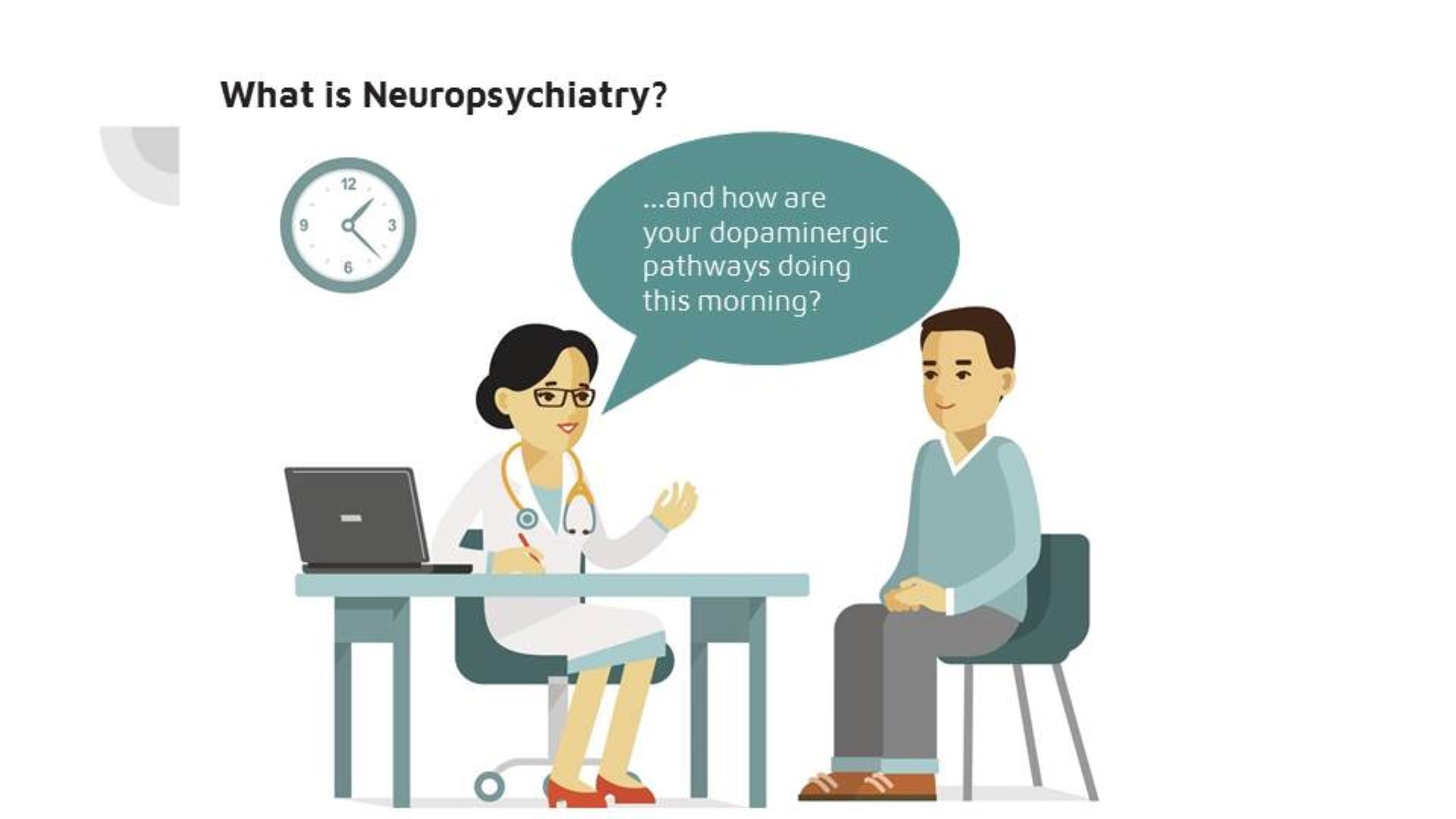
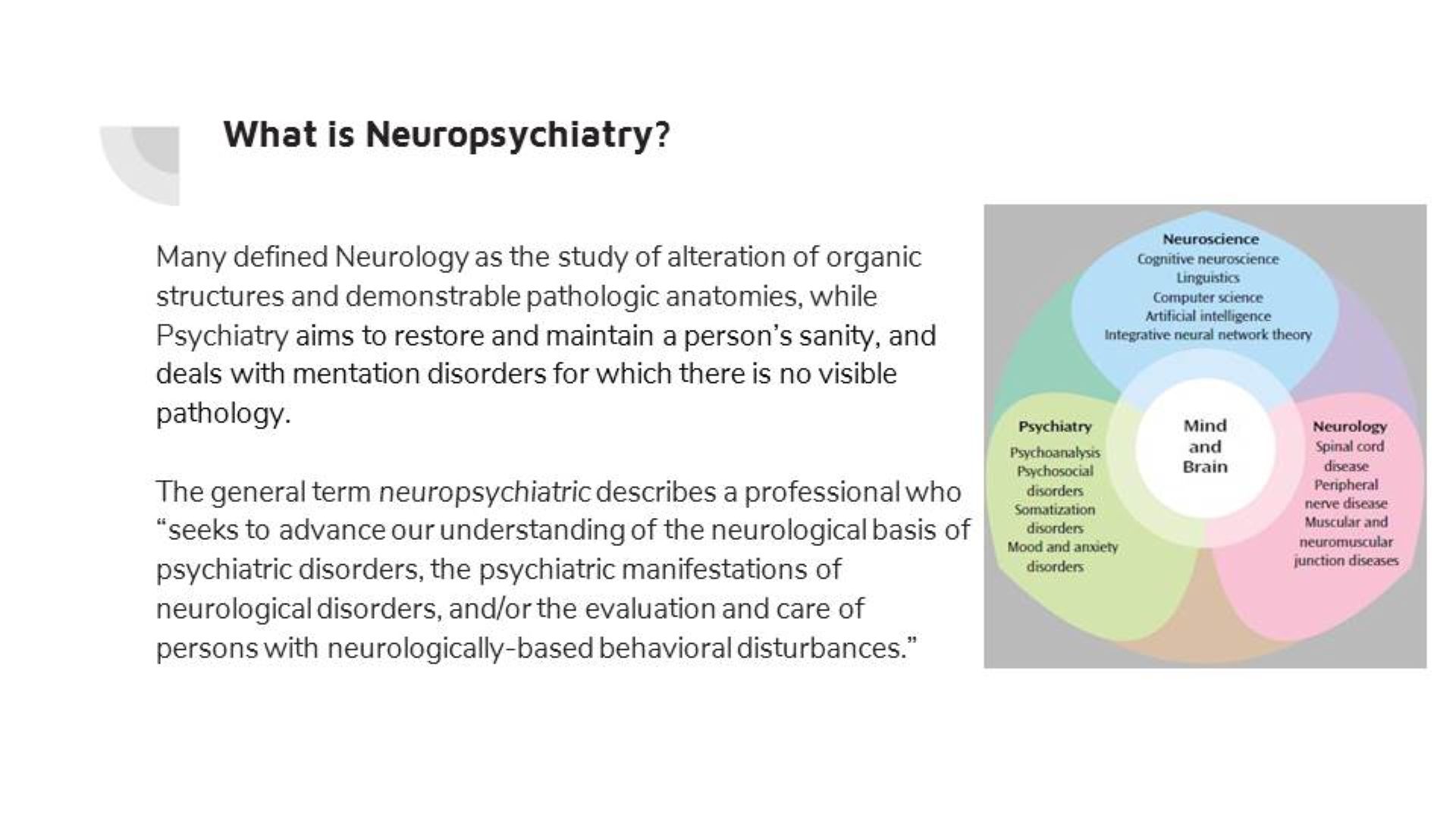
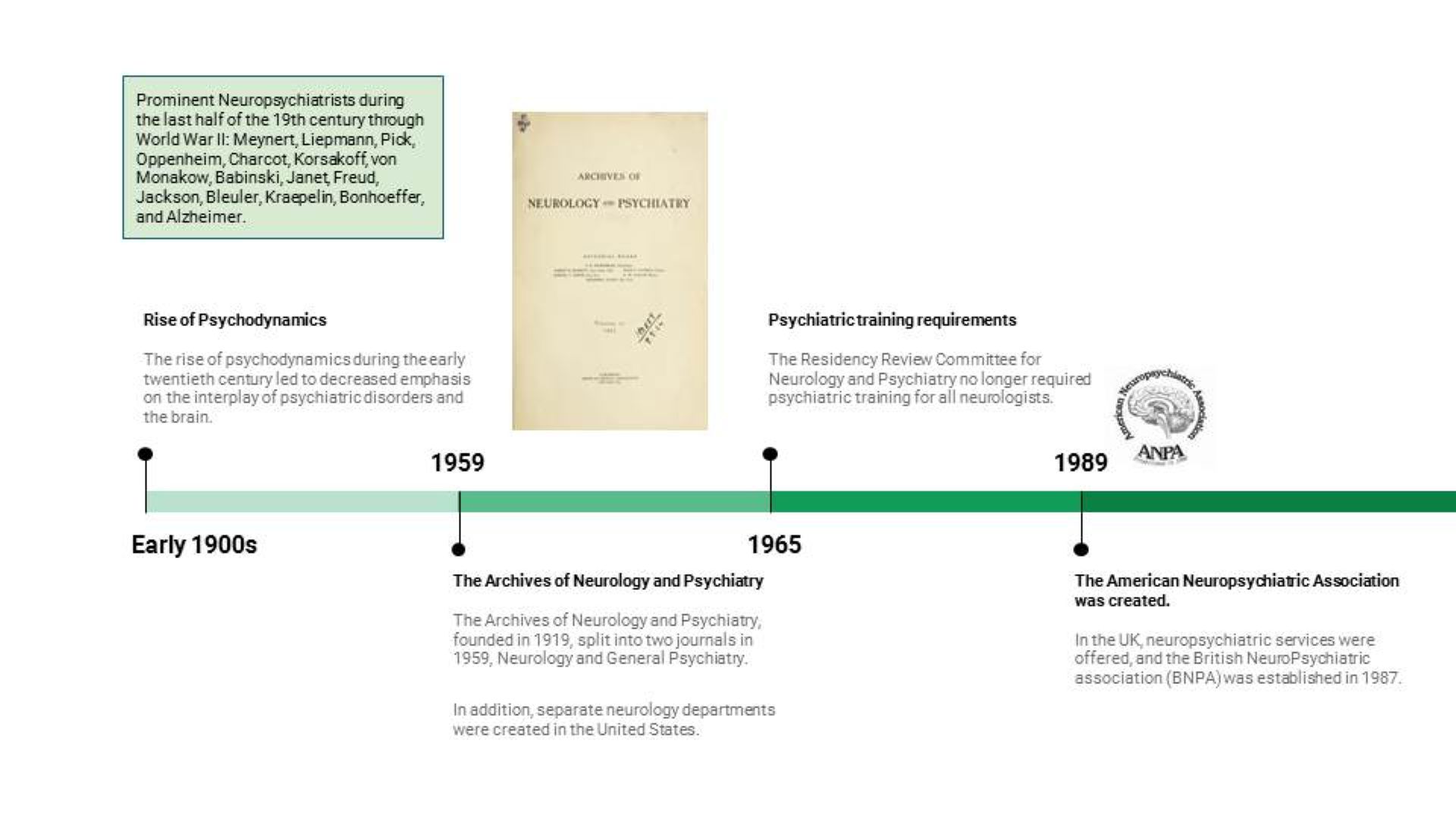
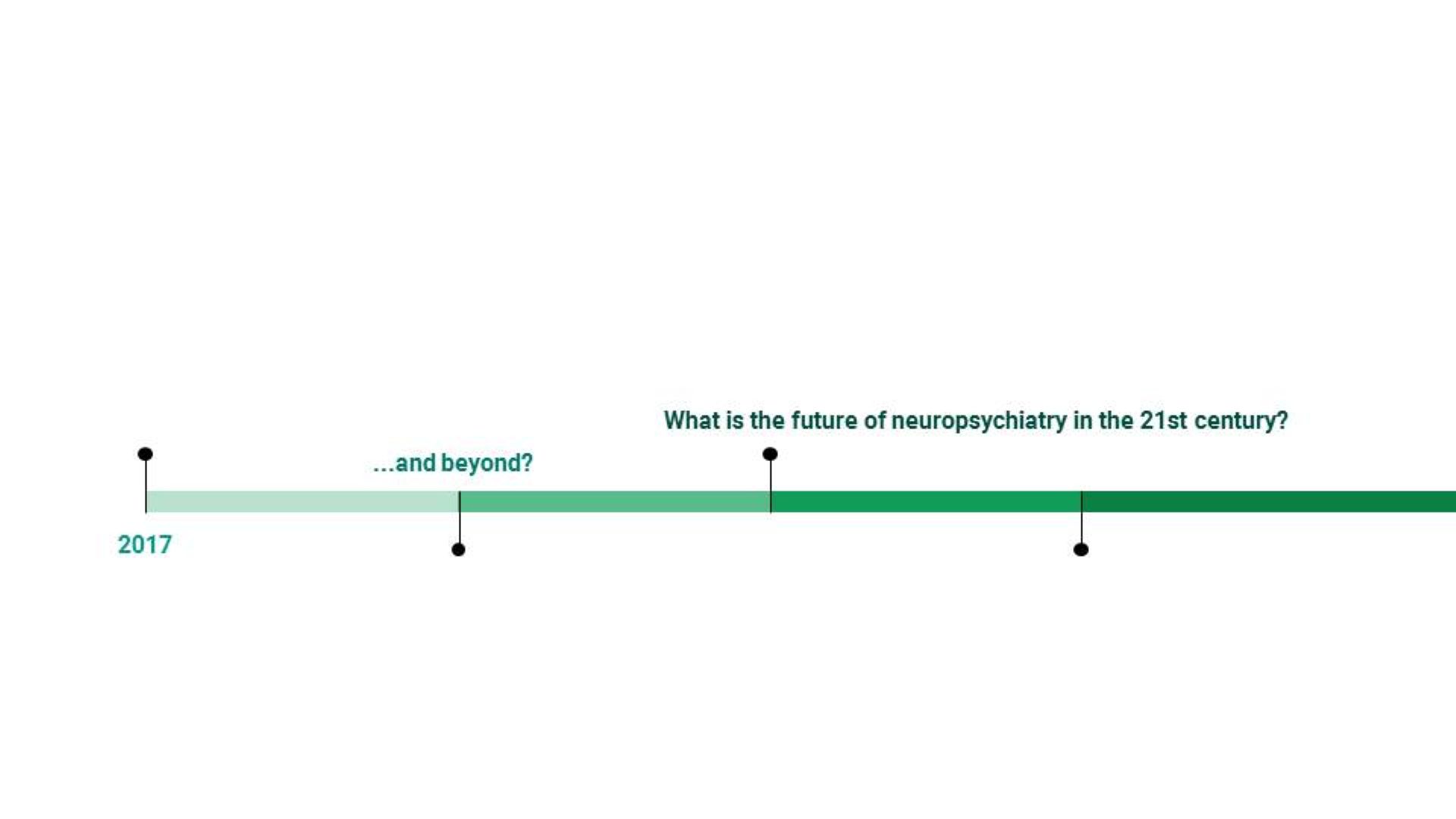
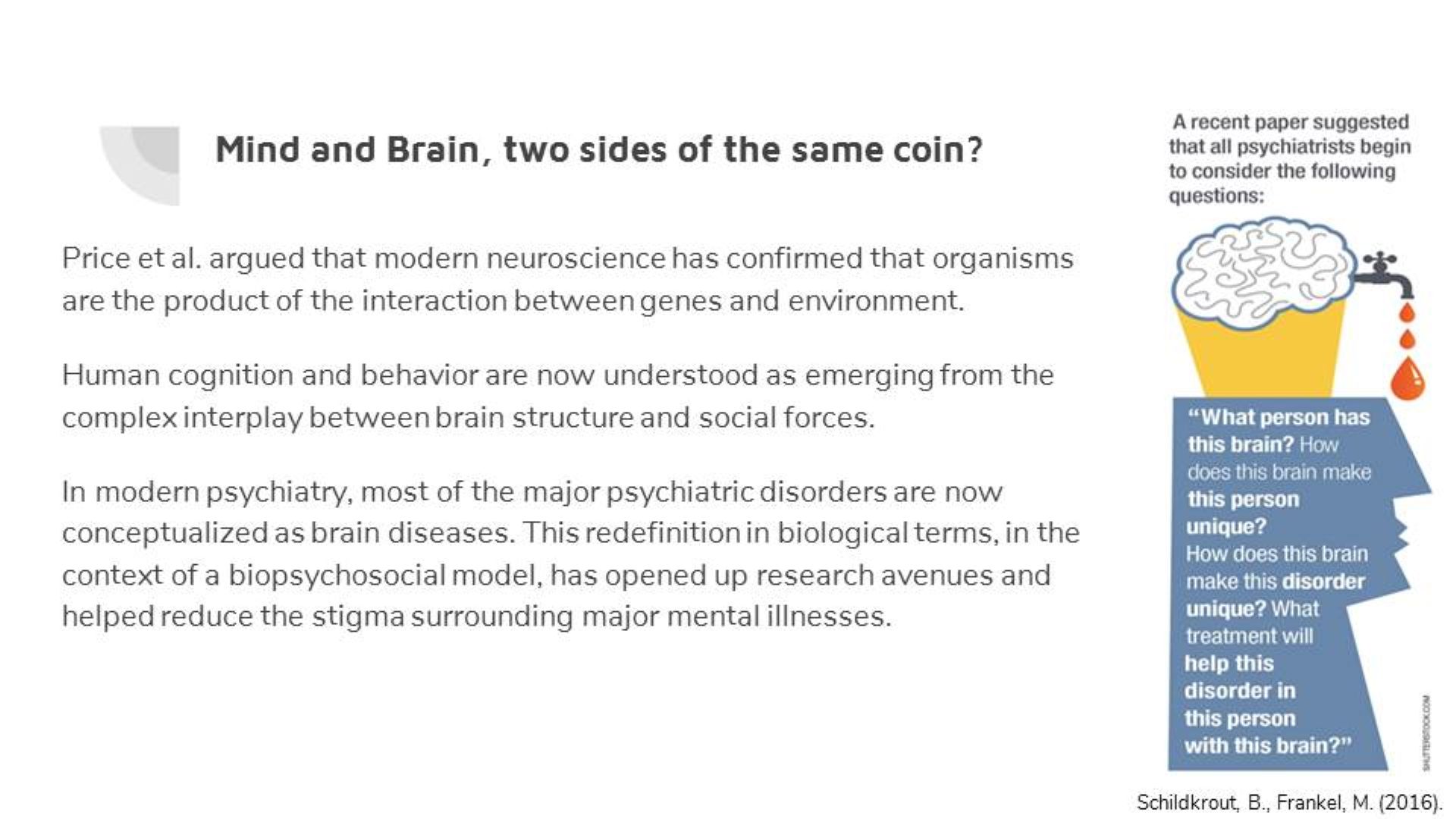
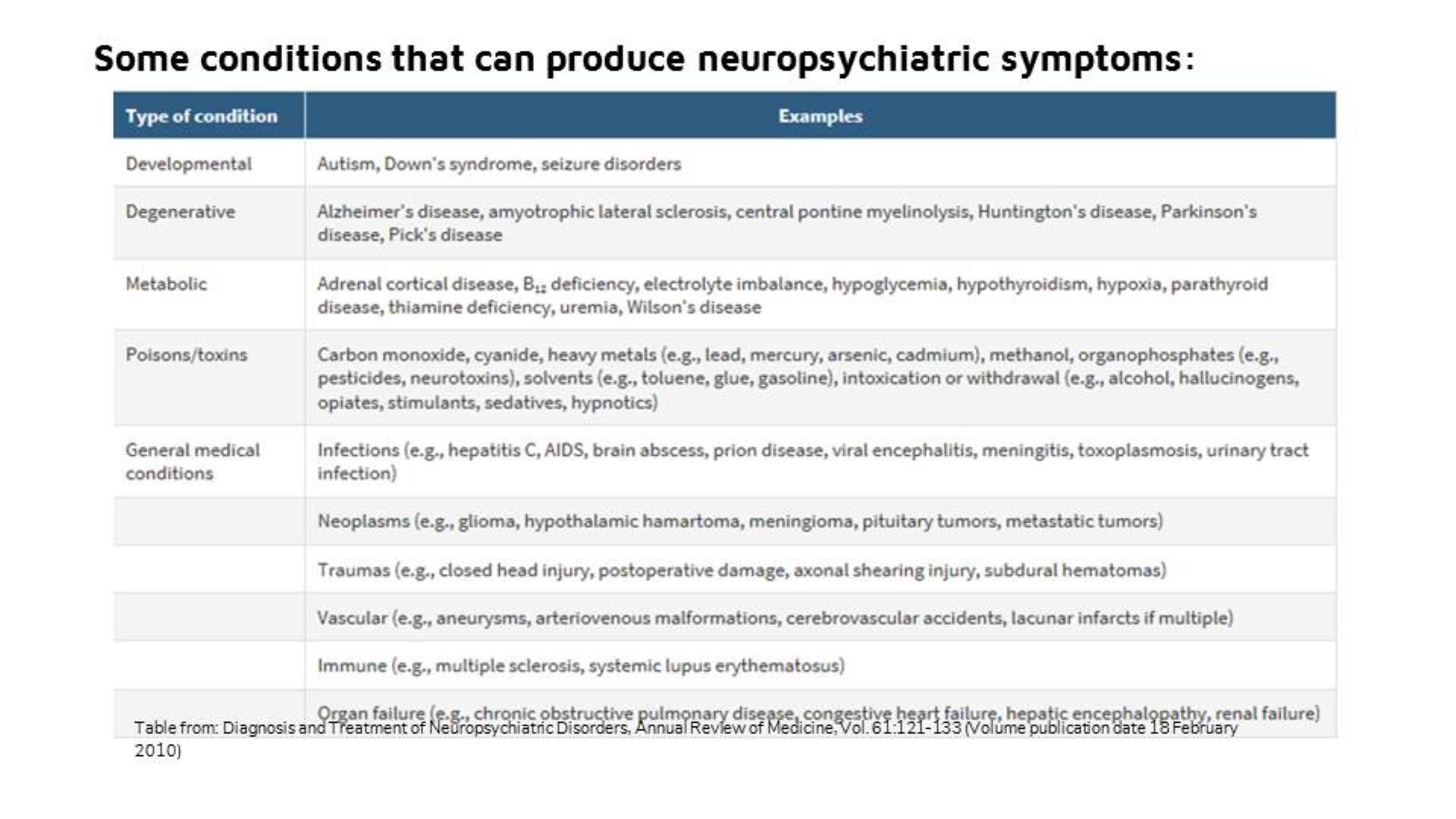
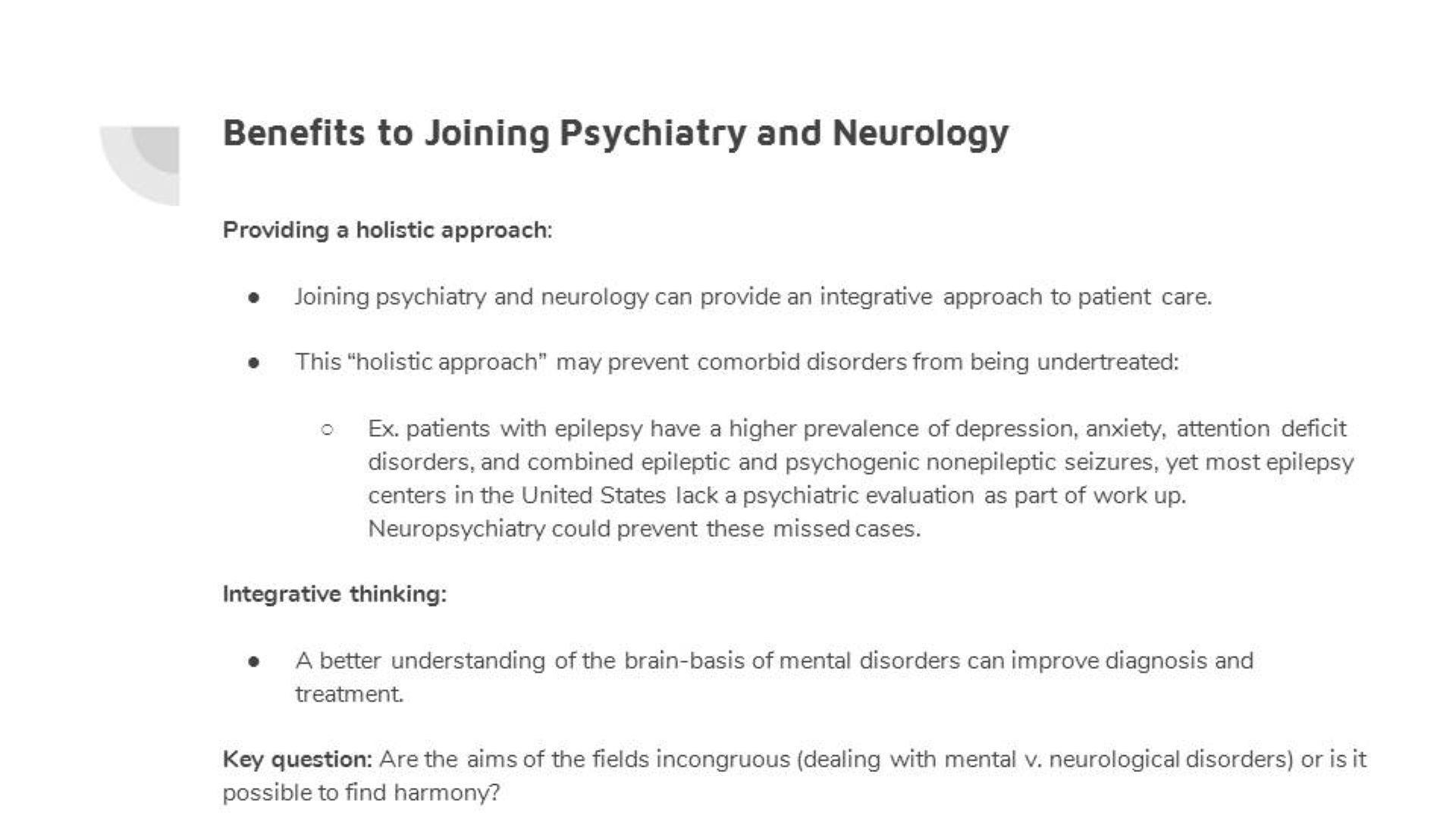
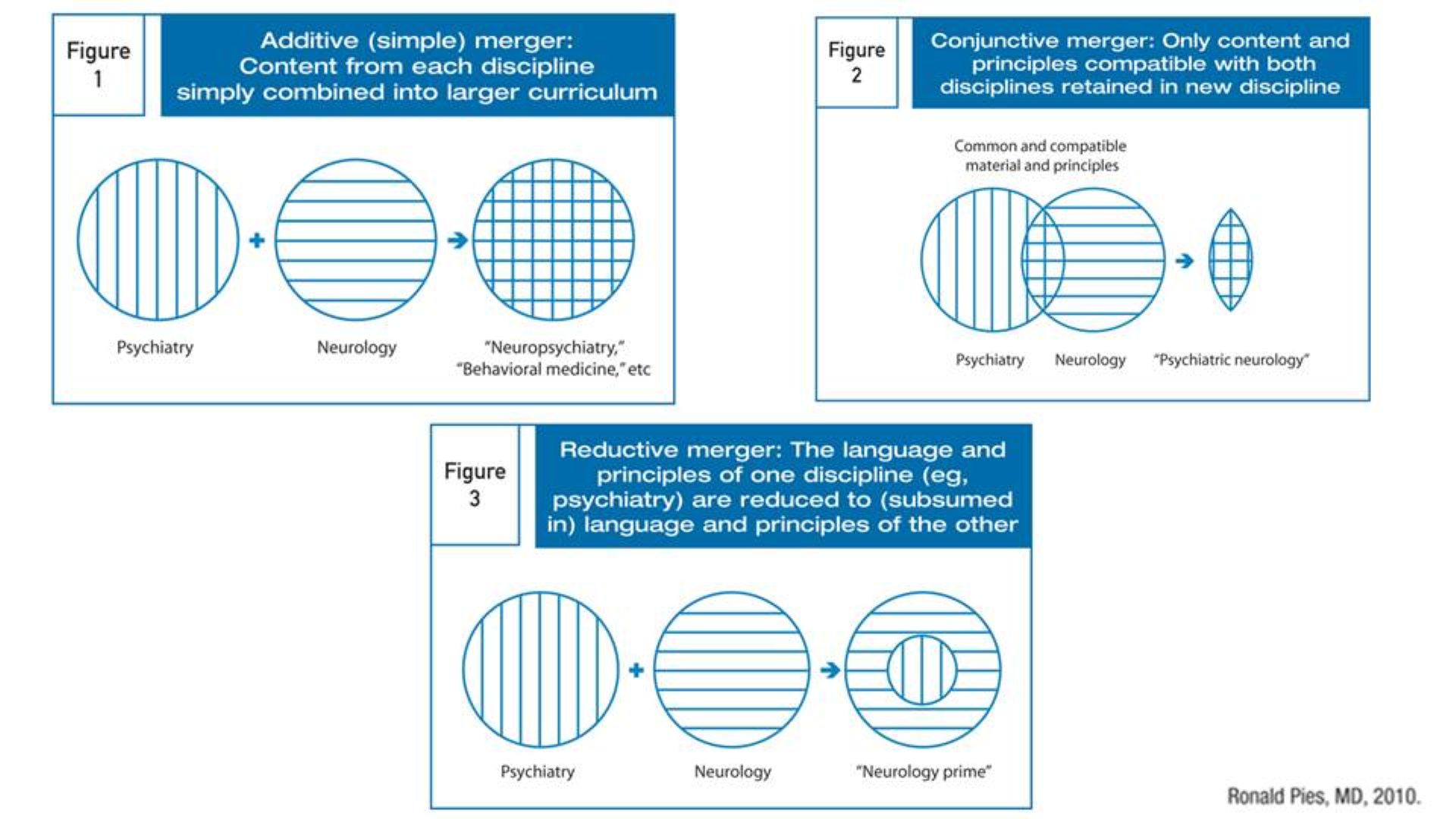
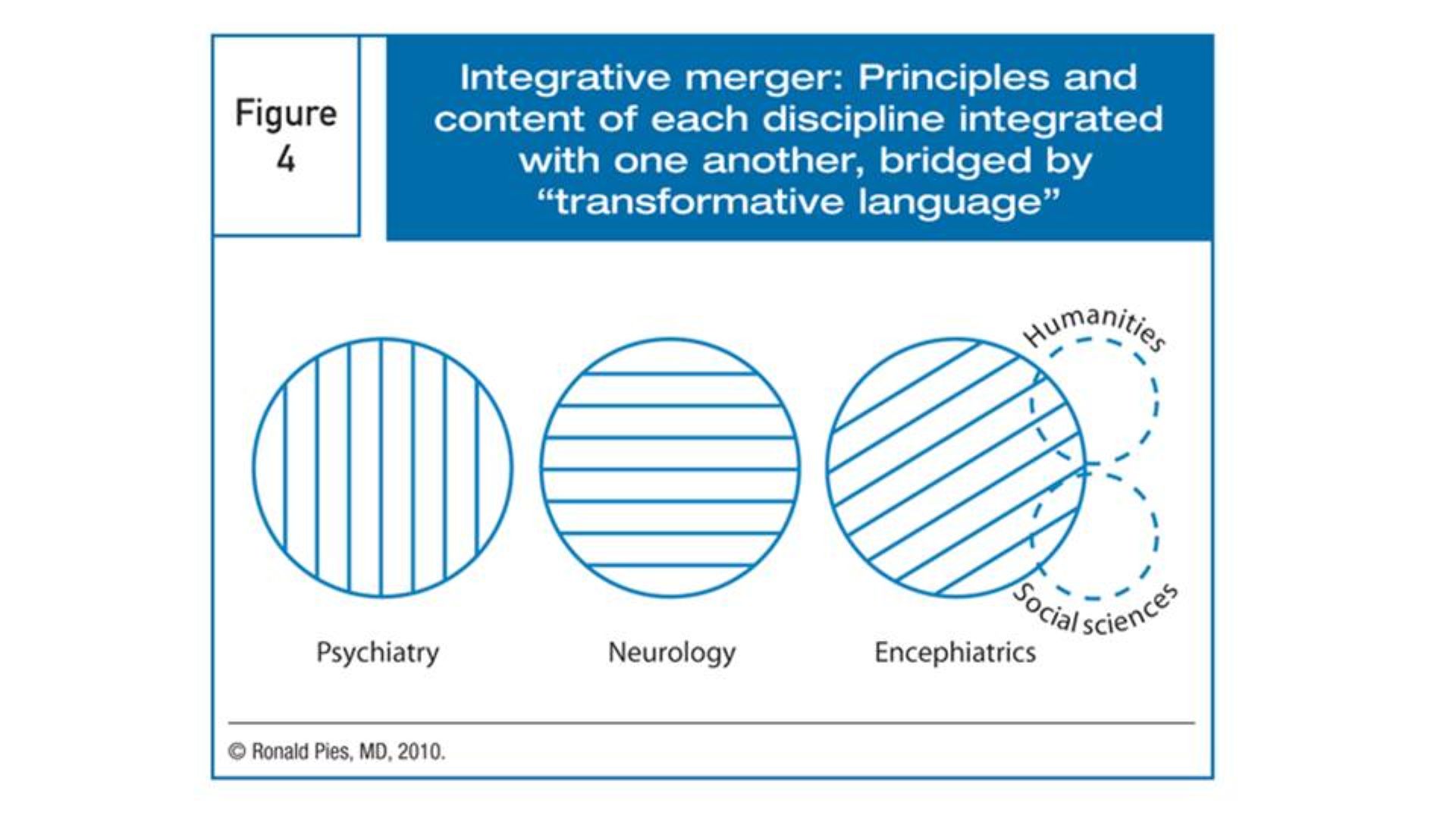
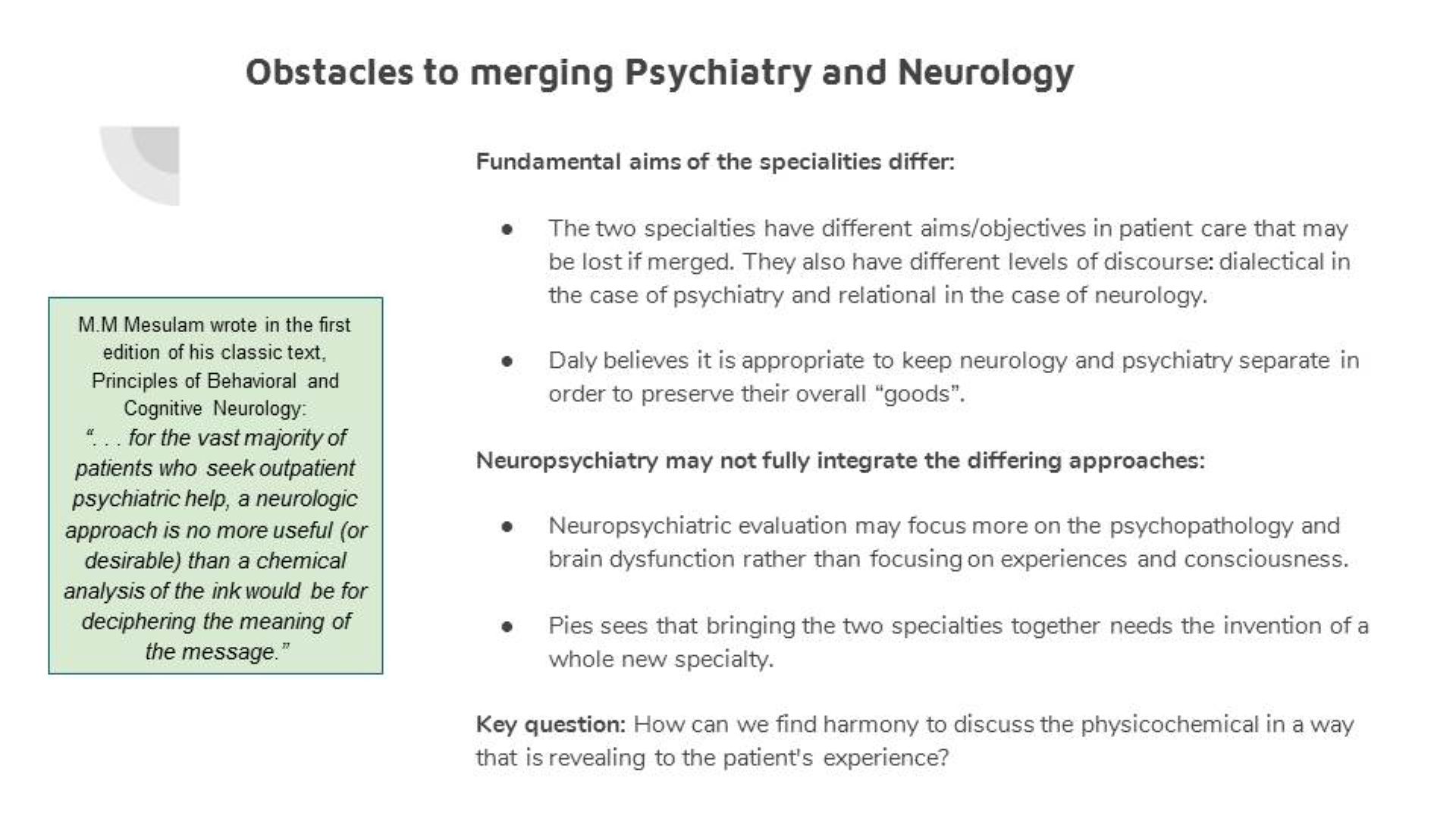
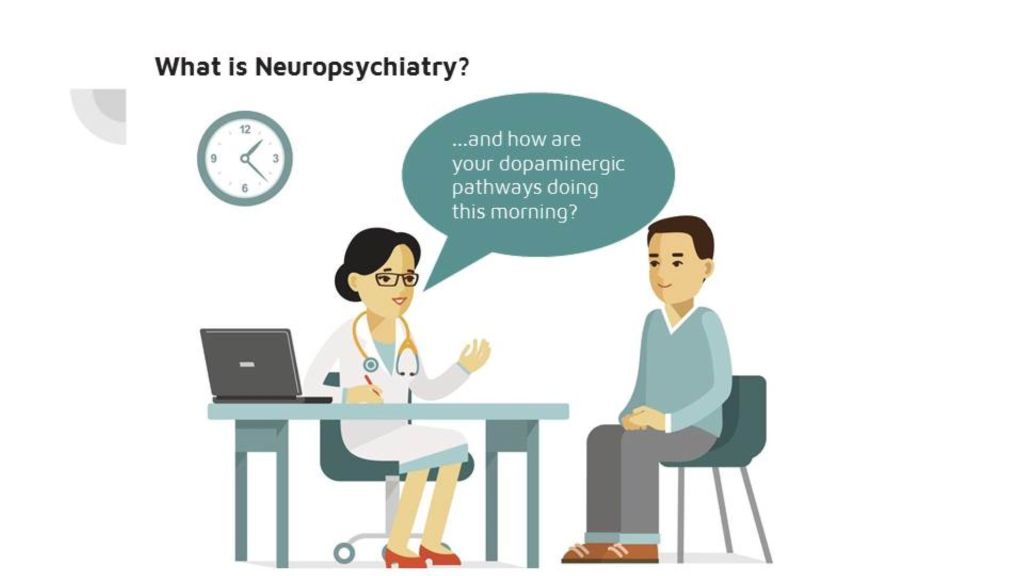
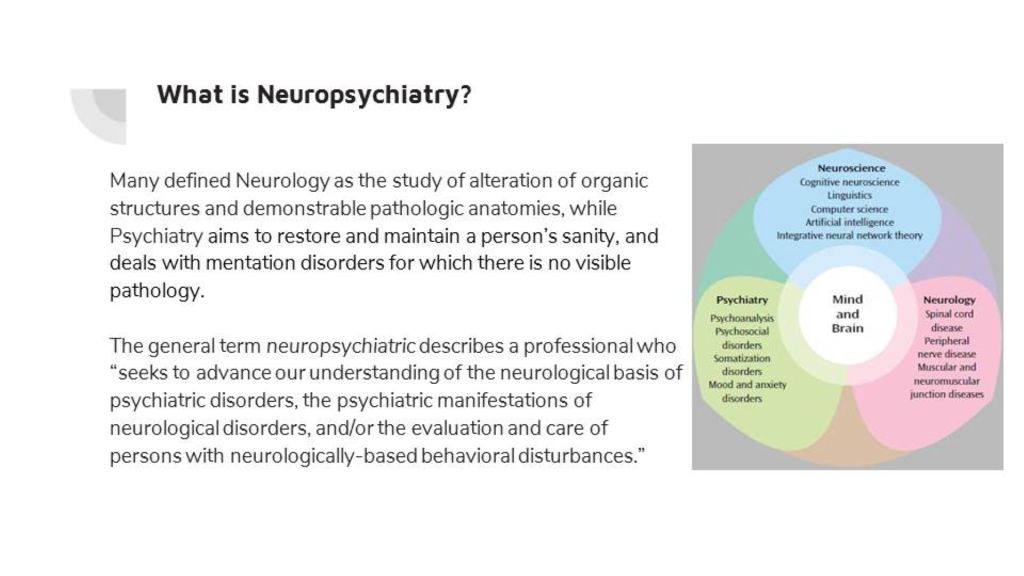
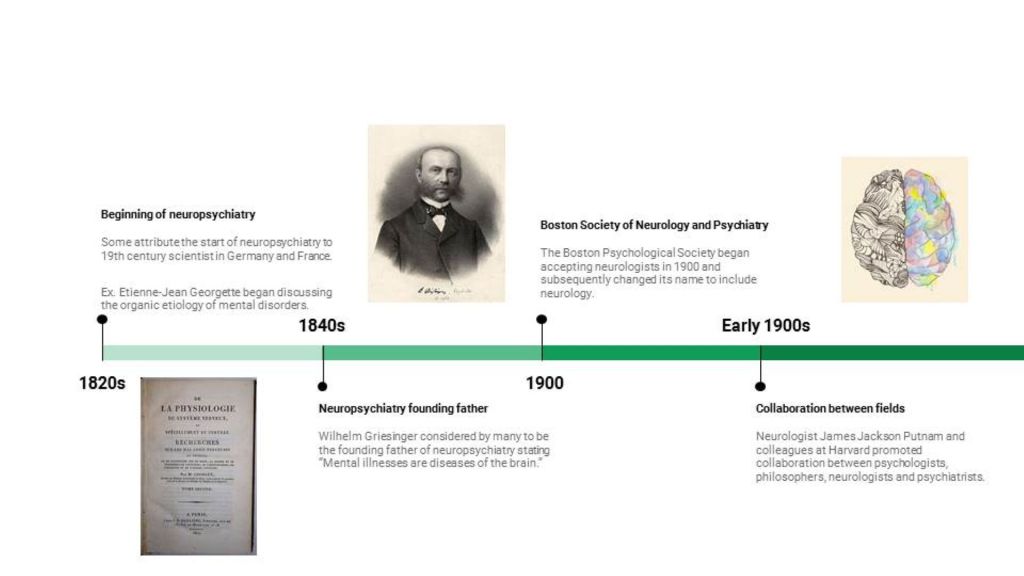
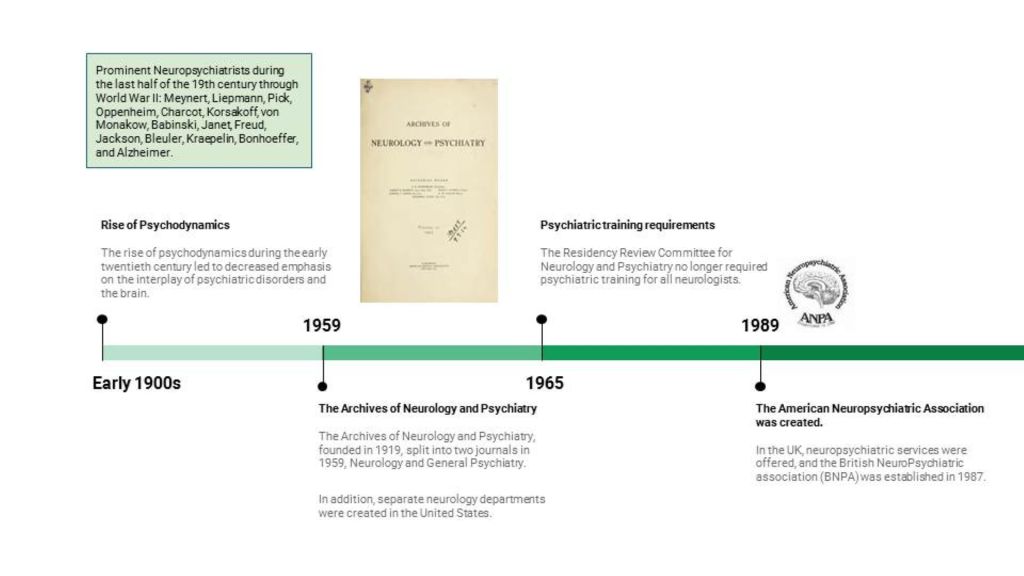
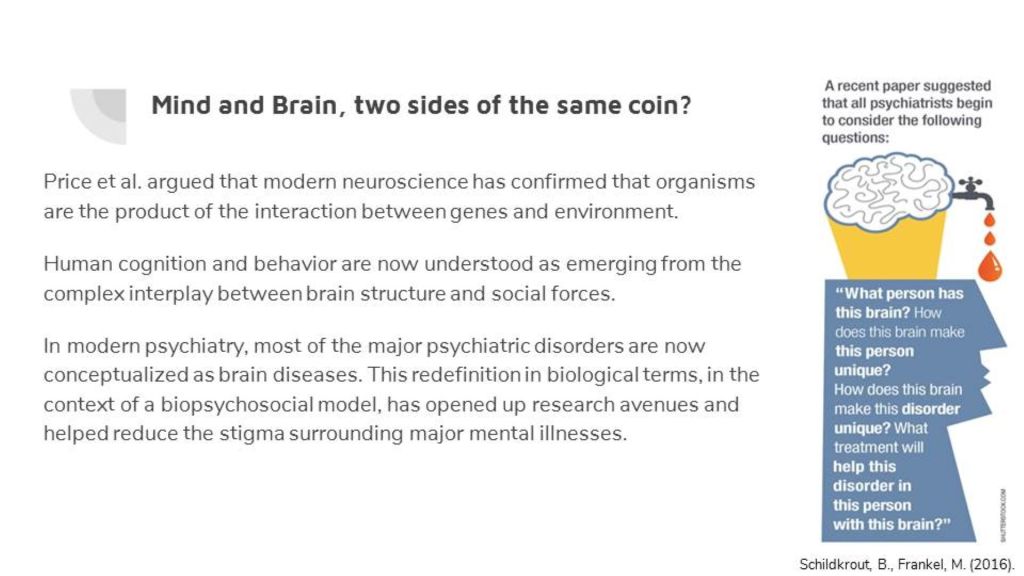
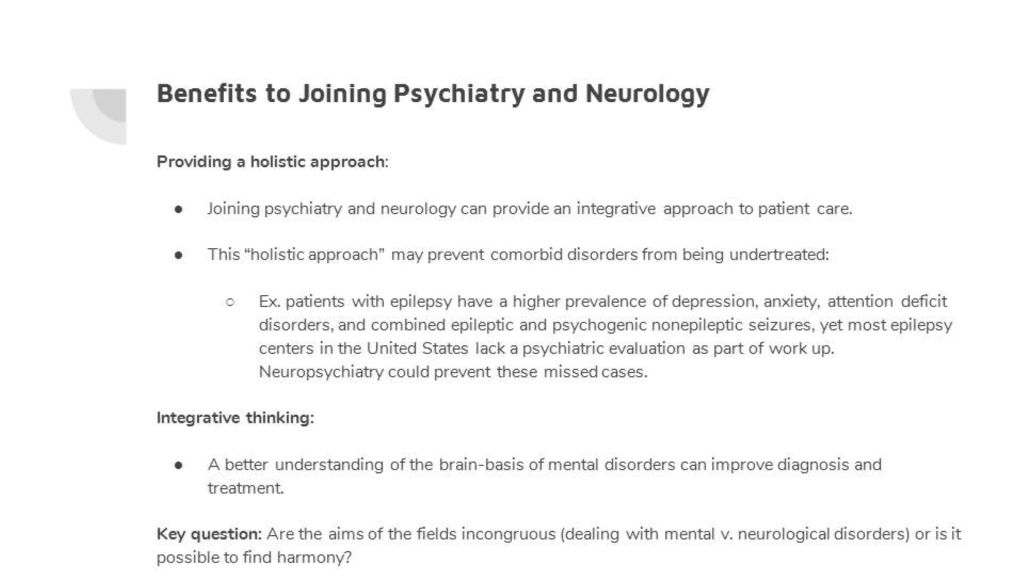
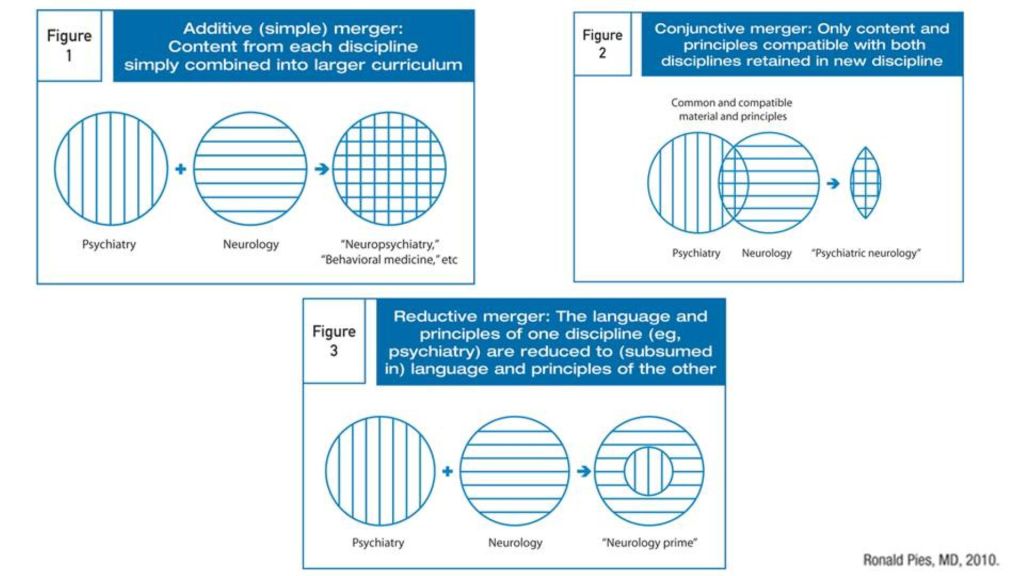
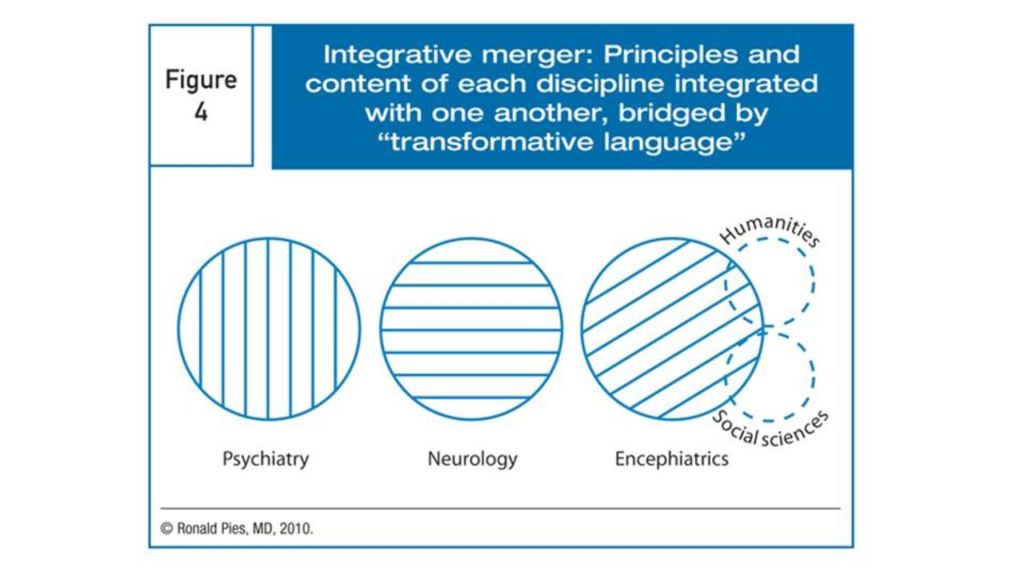
They picked a topic often about an interesting consultation case we had seen and put together a talk with a dozen slides. They gave a Dirty Dozen called: “Neurology and Psychiatry: Divided or United?” It included some of Dr. Ron Pies ideas on a subtopic of whether psychiatry and neurology can ever be combined as a discipline (three diagrams of his are in the slides). You can also see a sense of humor, especially in the first slide.
Note: Because I couldn’t locate all of the trainees to get their permission to leave their names on the title slide, I chose to identify them as “Trainees.” I’m still very proud of all of them.
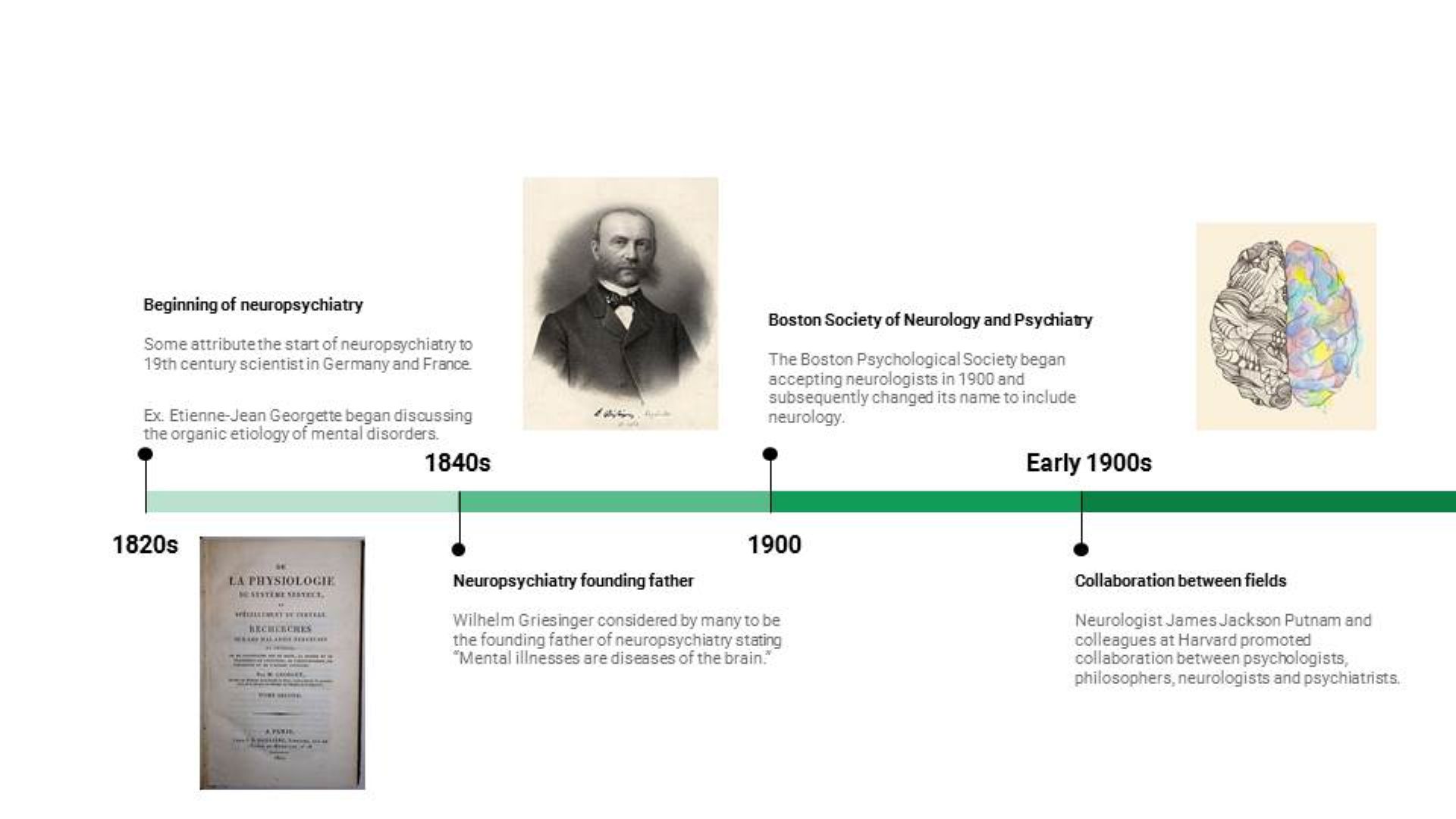
Slides from trainees on Neurology and Psychiatry: Divided or United? from UIHC Psychiatry Consultation Service, 2017. Figures included from Dr. Pies’ article in Psychiatric Times (see below):



Citations:
Arzy, S. Danziger, S. (2014).. “The Science of Neuropsychiatry: Past, Present, and Future.” The Journal of neuropsychiatry and clinical neurosciences 26.4 2014): 392-395.
Daly, R. Pies, R. (2010). Should Psychiatry and Neurology Merge as a Single Discipline? Psychiatric Times.
Fitzgerald, M. (2015). Do psychiatry and neurology need a close partnership or a merger? BJPsych Bulletin, 39(3), 105–107.
Pies, R. (2005). Why psychiatry and neurology cannot simply merge. J Neuropsychiatry Clin Neurosci; 17: 304-309.
Schildkrout, B., Frankel, M. (2016). Neuropsychiatry: Toward Solving the Mysteries That Animate Psychiatry. Psychiatric Times.
Price, BH., Adams RD., Coyle, JT. (2000). Neurology and psychiatry, closing the great divide. Neurology January 11, 2000 vol. 54 no. 18
Ronald W. Pies, M., & Robert Daly, M. (2026, January 5). Should psychiatry and neurology merge as a single discipline?. Psychiatric Times. https://www.psychiatrictimes.com/view/should-psychiatry-and-neurology-merge-single-discipline?

 Go Retire Psychiatrist