Starlings and More!

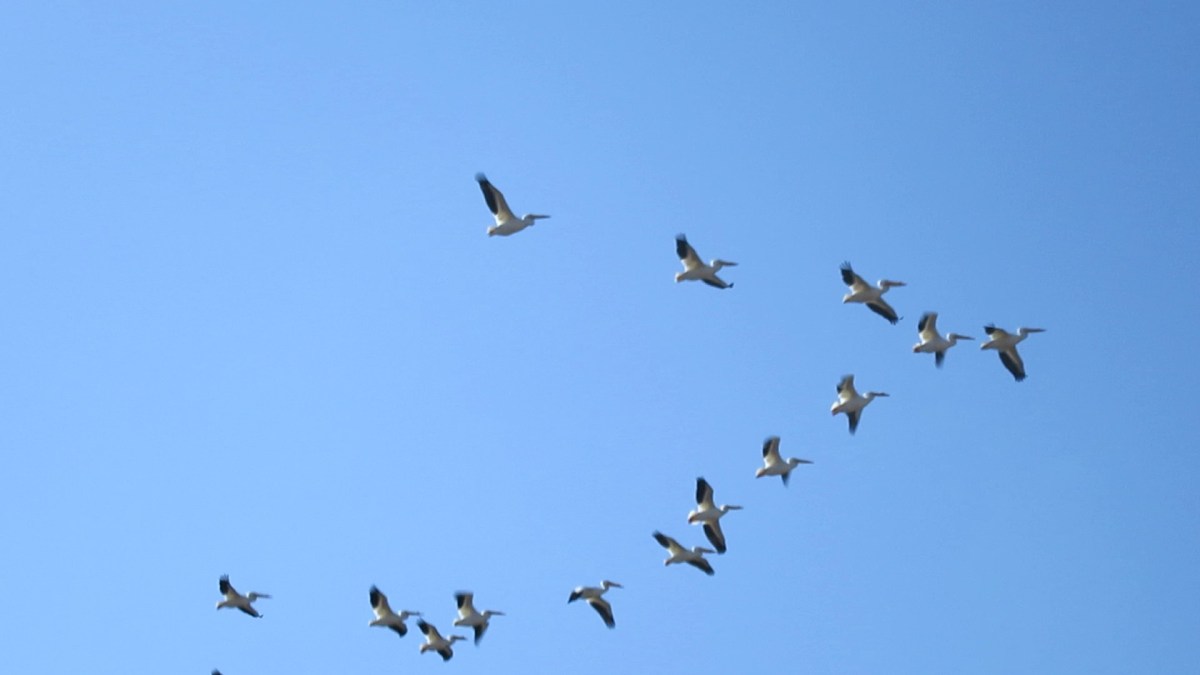
Sena got a video of a large flock of birds flying around in the outlot beyond our backyard. We thought they were all starlings, but I couldn’t focus enough on individual birds to tell for sure if there were other species mixed in with them. I couldn’t even confidently identify a starling although I’m pretty sure that’s what many of them were.

I think it’s not unusual for other small nondescript blackbirds to mingle with starlings. While we can’t make a case for the smallish flock being a murmuration, there was an impressive number of them. Trying to identify specific species by repeated attempts to focus and magnify using video editing software mostly led to my murmuring under my breath—mainly curses.

Starlings are often called pests and web sources say they are among several species of birds that spread disease. The Iowa State University Extension calls them “nuisance birds.”

My usual resource, Birds of Iowa Field Guide (2023 edition) by Stan Tekiela is a little more generous in the description of the European Starling, calling it a songbird which can mimic the songs of up to 20 species and can even imitate the sound of the human voice. Other web resources compare them to mockingbirds. Large flocks of starlings commonly mix with other blackbirds in the fall. Starlings were introduced to New York City in 1890-91 from Europe.

See if you can pick out the starlings in our video and other birds. I got mostly eyestrain from the effort.

A Flick on Fall Flickers

Today, as usual, we had to interrupt our cribbage game so Sena could capture video of all the birds in our backyard, the fall colors, and whatnot.

She caught some shots of Northern Flickers, which she has not seen before although I can remember catching them on camera years ago. They’re really strikingly colored birds and you can easily distinguish female from male birds.

The males have a black mark next to their bills which is called a mustache, which the females don’t have. They don’t migrate and you can see them all year round.

Sena was slinging the camera around and hurrying from window to window to get the best shots. She accidentally caught me on camera. I threw a still shot of it in the video just for laughs.

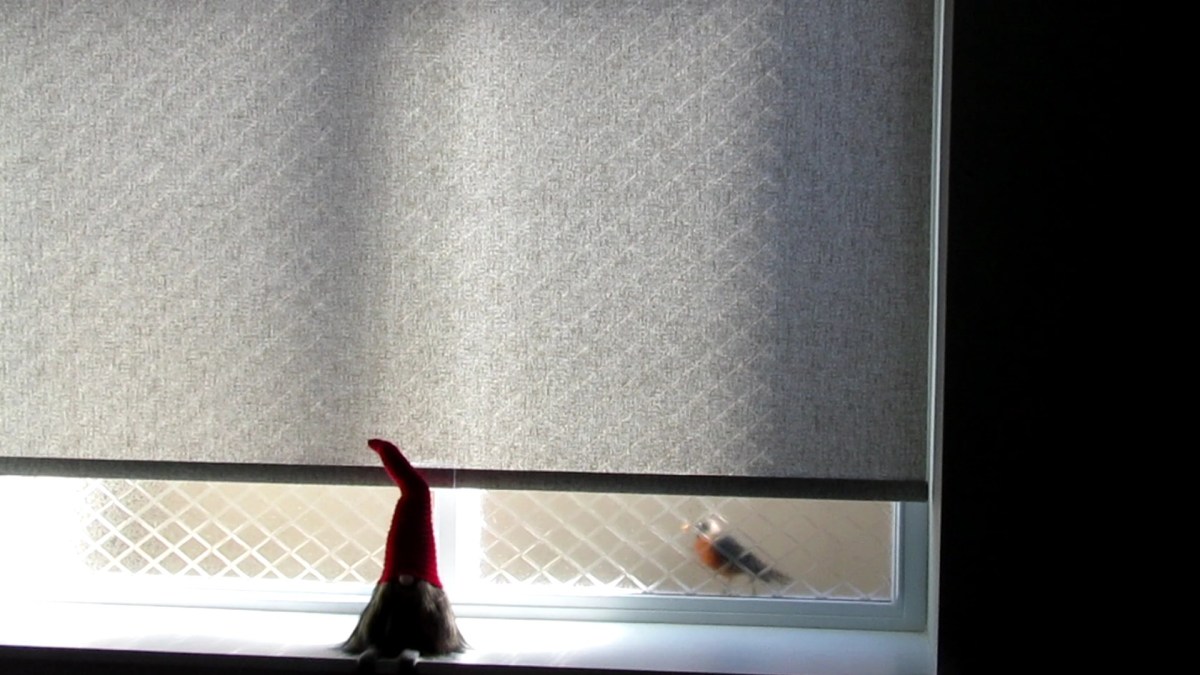
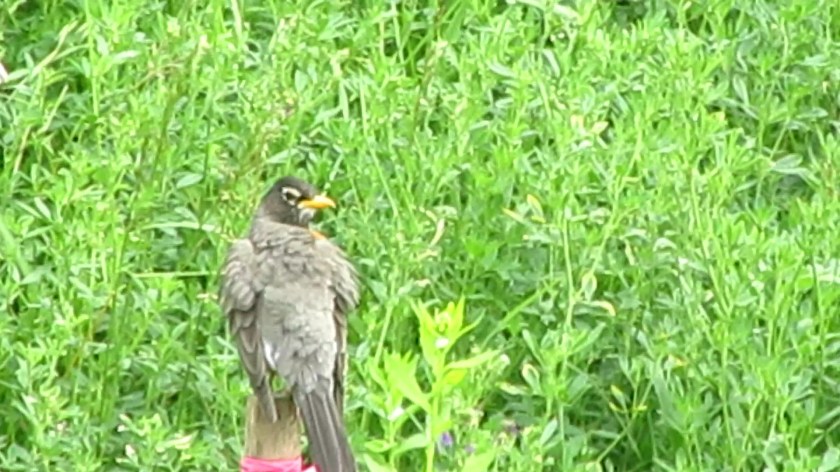
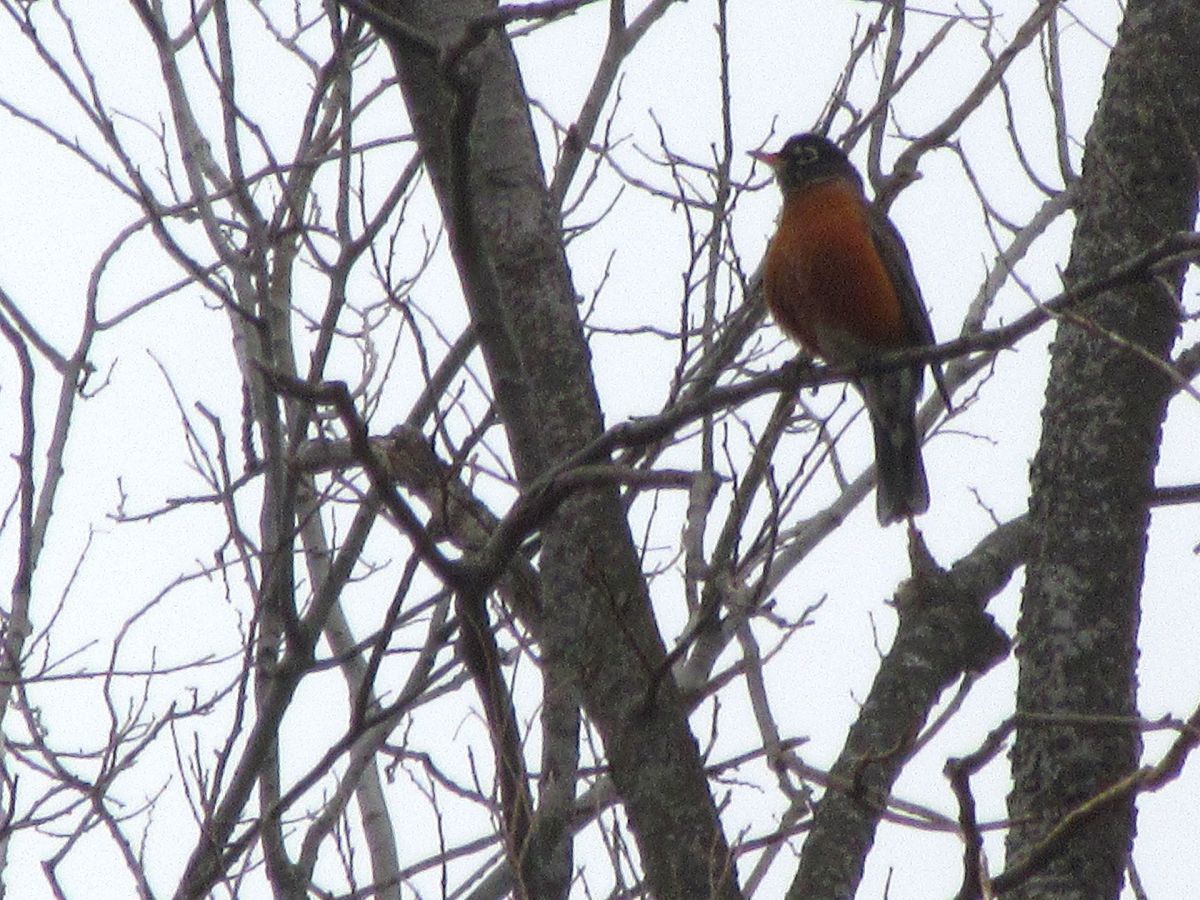
We saw a bird we didn’t recognize at first mostly because it was small and preening with its back to us. It had a red breast, so it was probably a young robin. Our luck, it’ll try to attack our windows next spring, although Sena put up some window film which may prevent that—we hope.

The fall colors are relaxing. The squirrel reminded me of Dug the dog in the Disney Pixar movie Up. I would have stuck a picture of Dug in the video but it’s copyrighted.

By the way, I won the cribbage game today. It happens.

Music Credit for YouTube video:

Carefree Melody by Twin Musicom is licensed under a Creative Commons Attribution 4.0 license. https://creativecommons.org/licenses/by/4.0/

Source: http://www.twinmusicom.org/song/302/carefree-melody

Artist: http://www.twinmusicom.org

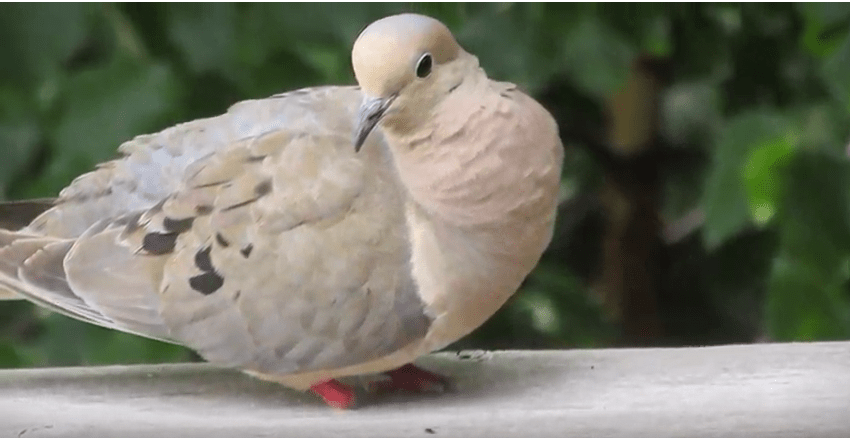
Mourning Dove Toe Deformities Revisited

I recently got my first and only comment on a blog post I posted on March 30, 2019 about toeless mourning doves which were visiting our backyard deck of a house in which we lived previously. I also found an article published about the issue later that year in December of 2019, which is about pigeons losing toes. Pigeons and mourning doves are not exactly the same (although they are relatives within the same family), but apparently pigeons are thought by the authors of the article to lose their toes because of urban pollution.

The commenter is from West Texas who has seen toe deformities, notes that it’s a new problem to him (never saw it prior to this year), remarks that the toe deformities were visible in newly hatched birds and further suspects the problem is more complicated than exposure to stringfeet or frostbite injury.

When I searched the web for more information, what appeared is my 2019 blog post at or near the top of the page and little else. There was one news item about the issue published in 2021 suggesting the problem of missing toes in doves at that time was probably due to frostbite from a winter storm in North Texas.

We haven’t seen any mourning doves lately. They don’t frequent our new property, which is actually close to the same neighborhood where we observed the toeless birds several years ago.

So, the mystery deepens. If anyone has new information, let me know.

New reference:

Frédéric Jiguet, Linda Sunnen, Anne-Caroline Prévot, Karine Princé,

Urban pigeons losing toes due to human activities,

Biological Conservation,

Volume 240,

2019,

108241,

ISSN 0006-3207,

(https://www.sciencedirect.com/science/article/pii/S0006320719306901)

Abstract: Measuring the impacts of urban pollution on biodiversity is important to identify potential adaptations and mitigations needed for preserving wildlife even in city centers. Foot deformities are ubiquitous in urban pigeons. The reasons for these mutilations have been debated, as caused by frequenting a highly zoonotic environment, by chemical or mechanistic pigeon deterrents, or by necrosis following stringfeet. The latter would mean that pigeons frequenting pavements with more strings and hairs would be more exposed so subject to mutilations. We tested these hypotheses in Paris city (France), by recording the occurrence and extent of toe mutilations on samples of urban pigeons at 46 sites. We hypothesized that mutilations would be predicted by local overall environmental conditions, potentially related to local organic, noise or air pollutions, so gathered such environmental predictors of urban pollutions. We showed that mutilations do not concern recently fledged pigeons, and that their occurrence and frequency are not related to plumage darkness, a proxy of a pigeon’s sensitivity to infectious diseases. Toe mutilation was more frequent in city blocks with a higher degree of air and noise pollution, while it tended to increase with the density of hairdressers. In addition, the number of mutilation on injured pigeons was higher in more populated blocks, and tended to decrease with increasing greenspace density, and to increase with air pollution. Pollution and land cover changes thus seem to impact pigeon health through toe deformities, and increasing green spaces might benefit bird health in cities.

One sentence summary

Toe mutilation in urban pigeons is linked to human-induced pollution.

Keywords: Columba livia; Feral pigeon; Toe mutilation; Stringfeet; Urban pollution

Mighty Hawk!

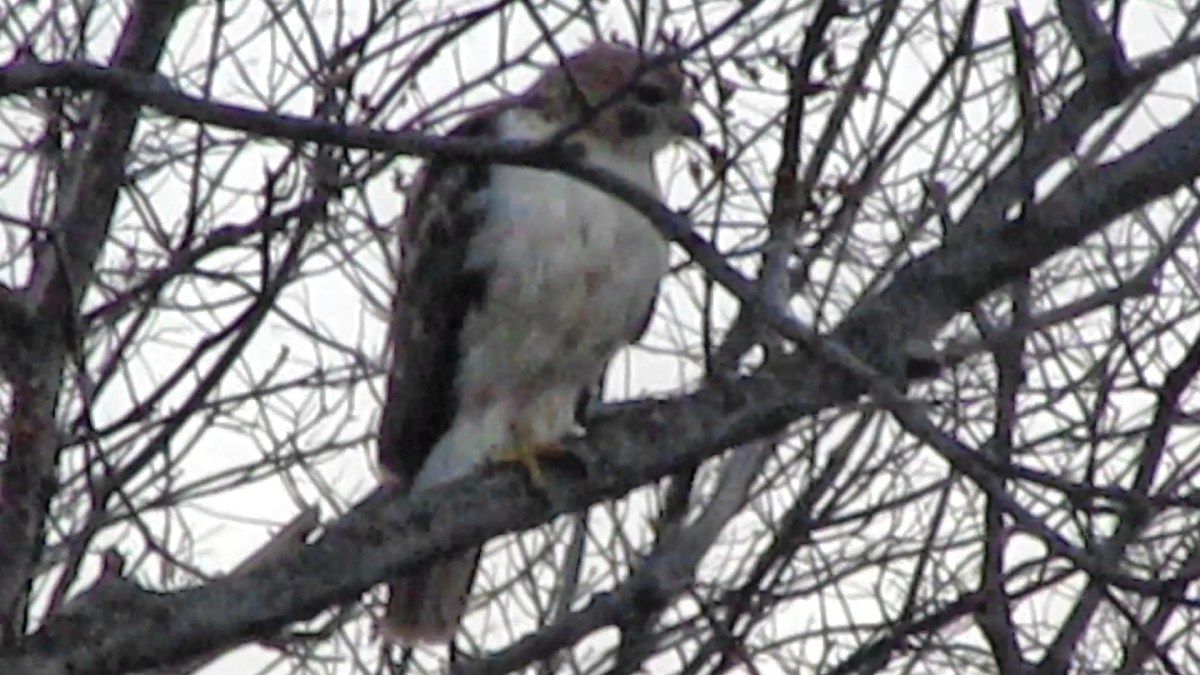
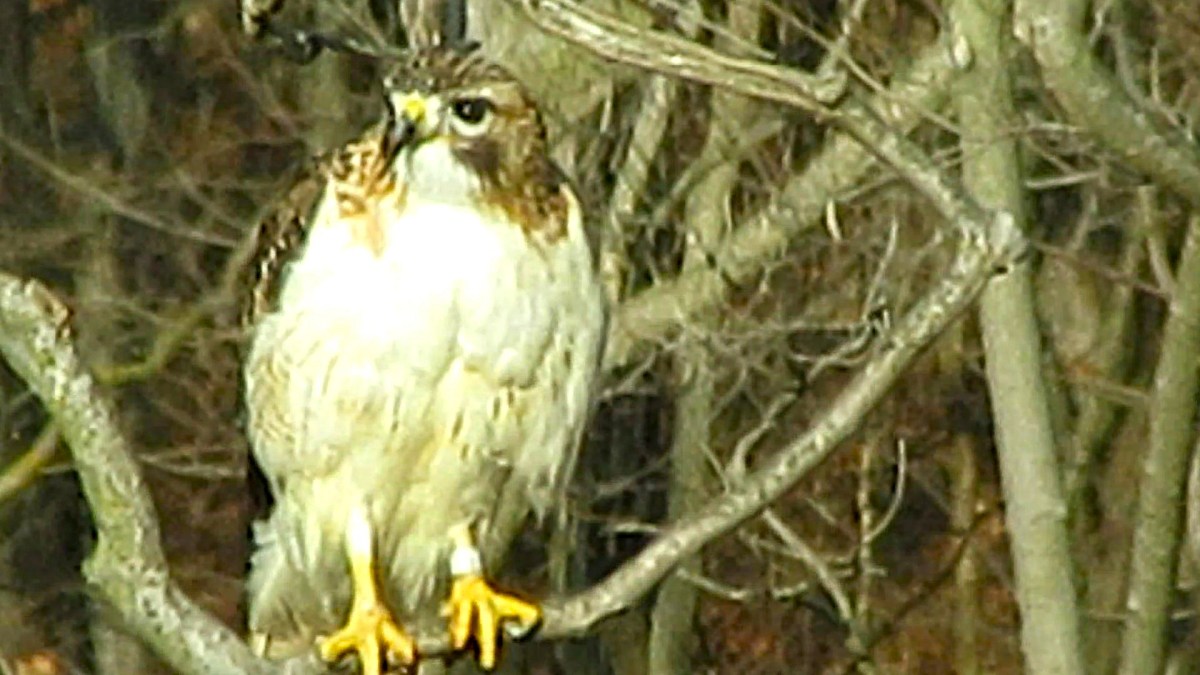
Today we saw this cool Red-Tailed Hawk on the fence—sort of, in a manner of speaking. This hawk was definitely not on the fence about getting brunch though. It would fly off the fence a few times and we expected it would come up with a mouse or squirrel or something—empty claws.

The woodchucks are too big for the hawk.

The experts say you can distinguish a male from a female Red-Tailed Hawk because the female is “25% larger.” I guess that might work if you saw them together—doing something X-rated.

On the other hand, there was a Red-Tailed Hawk named Pale Male that was famous in the New York City Central Park area. He got his name because his head was white. He took several females as mates during his life. They raised several eyasses, which was a new word for me today; it means young hawks. Mary Tyler Moore (“Oh, Rob”) participated along with other neighbors in protests about anti-pigeon spikes being removed and eventually they were replaced by “cradles.”

If you don’t remember the “Oh, Rob!” quote it was Mary Tyler Moore’s (as Laura Petrie) frequent complaint about husband Rob Petrie (Dick Van Dyke) on the Dick Van Dyke show (sitcom in the 1960s). Give yourself a gold star if you thought of the X-File episode “Arcadia” in which Agents Mulder and Scully took the names of the Petries.

Anyway, the Red-Tail Hawk is an impressive bird. It was just not a lucky day for hunting.

The Hummingbird is a Blur!

Yesterday I noticed a hummingbird hovering about the flower pots on our porch. I hurried to get my point and shoot camera and shot video, through a window as usual and it was getting a little late in the evening too, so light was low.  

Can I blame the bird for always looking like a blur—or not? Anyway, the video looks similar to others I’ve managed to capture in years past, except this one was the closest I’ve ever gotten to one. I tried messing with the clip using my video editing software, but I ended up believing it best to leave it mostly unmessed around with.

On the other hand, the one I got about 6 years ago was pretty fair for an amateur backyard birder. Same camera, same software although I was closer to the birds and I’m pretty sure I was sitting outside and very patient. They were very interested in our little feeder.

I think the hummingbirds we’ve seen are ruby-throated species partly because that’s the most common in Iowa. Typically, I think it’s just the males who have ruby-colored throats; our visitor didn’t.

I guess the usual way to attract hummingbirds is with a feeder but other people say there are other reasons hummingbirds visit us. More common to the indigenous peoples, they may be thought of as the spirits of those who recently died and are visiting those they were close to.

I don’t remember the movie “The Curious Case of Benjamin Button” so well but I’ve glanced briefly at web articles which connect it with hummingbirds, which has something to do with their ability to fly backwards or in a figure 8, maybe connecting that with reverse aging or infinity. Other symbolic connections are with joy, healing, and partnership. There are so many connections they seem to blur together—sort of like the bird itself as it hovers and flits from flower to flower.

I think this hummingbird just really liked Sena’s flowers.

After The Rain II

We were playing cribbage and Sena noticed a lot of birds out in the back yard—as well as the woodchuck again. We both grabbed the cameras and forgot about cribbage for a while.

You have to gaze at the pictures long enough to see there’s more than one or two birds perching in various places.

That juggler guy is back.

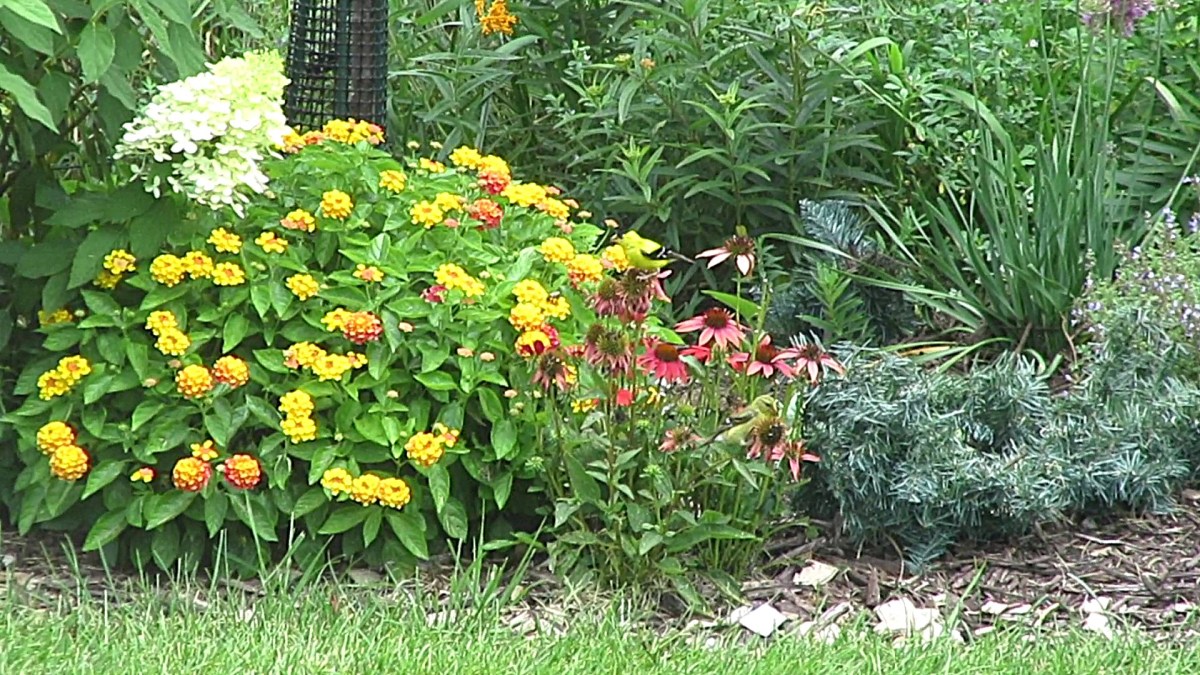
Gorging Goldfinches Distract Us from Cribbage!

We were distracted from our cribbage match today when Sena saw a couple of goldfinches out in the back yard. One of them was clearly a male, bright yellow all over except for his black wings. The other was probably a female because it was olive colored. The sunlight must have varied because at times it looked like it had colors more like the male.

At one point the male seemed to be distracted by something we couldn’t see shaking the bushes behind them. They sure were hungry. I took the video with my Canon point and shoot. Sena reminded me about the Nikon DSLR and I rushed to get it. By that time, the goldfinches were gone. I have to remember to leave both cameras out after this.

I won the cribbage game today, for a change.

Meet Mr. Slim Indigo!

Just like a few days ago, yesterday evening while we were playing cribbage, Sena spied a slim indigo bunting. This one flew right up to our window! It was probably not the same one we first saw. That guy was buff, likely because he’d been branch pressing in the gym.

This character was slim and trim and looked like a lot of other birds we saw charging at their reflections in our windows last month. He really wanted to tell that other bunting where to fly off. I think he should work out more if he’s going to strut like that.

If we’d been sitting by the window all day long with camera at the ready, we’d have been unlikely to ever catch Slim Indigo peering and posing like he was on the bird walk.

It’s a random surprise when lucky breaks like that happen. It can take your breath away. I’m not sure why we’ve been lucky enough to catch a look at Slim, especially after over 20 years since seeing the last one. One answer to that might be here. Sometimes it’s better to be lucky than good. By the way, that reminds me; Sena won the cribbage game—this time.

The one thing I couldn’t get by shooting video through a window is Slim’s voice. Clearly, you can see he was chirping at one point. So, here’s a link for that.

Indigo Bunting Spotted Today!

We were playing cribbage this afternoon and Sena spotted a blue bird perched on top of our crab apple tree in the back yard. I rushed to get the camera and got a quick video about 7 seconds long before it flew off. I pulled a few images of the back of the bird; it never turned around.  We’re both pretty sure it’s a male indigo bunting, which Sena probably spotted about a week or so ago.

Click each image and then click the little “i” icon, which will open up to instructions on how to enlarge the image.

According to my field manual, it’s actually a gray bird without actual blue pigment in the feathers. They look blue because of how they refract light, similar to blue jays. I have personally not seen an indigo bunting in over 20 years.

And I won the cribbage game, which is pretty rare because Sena will not be defeated! How much excitement in one day can I stand?