Hanging In There

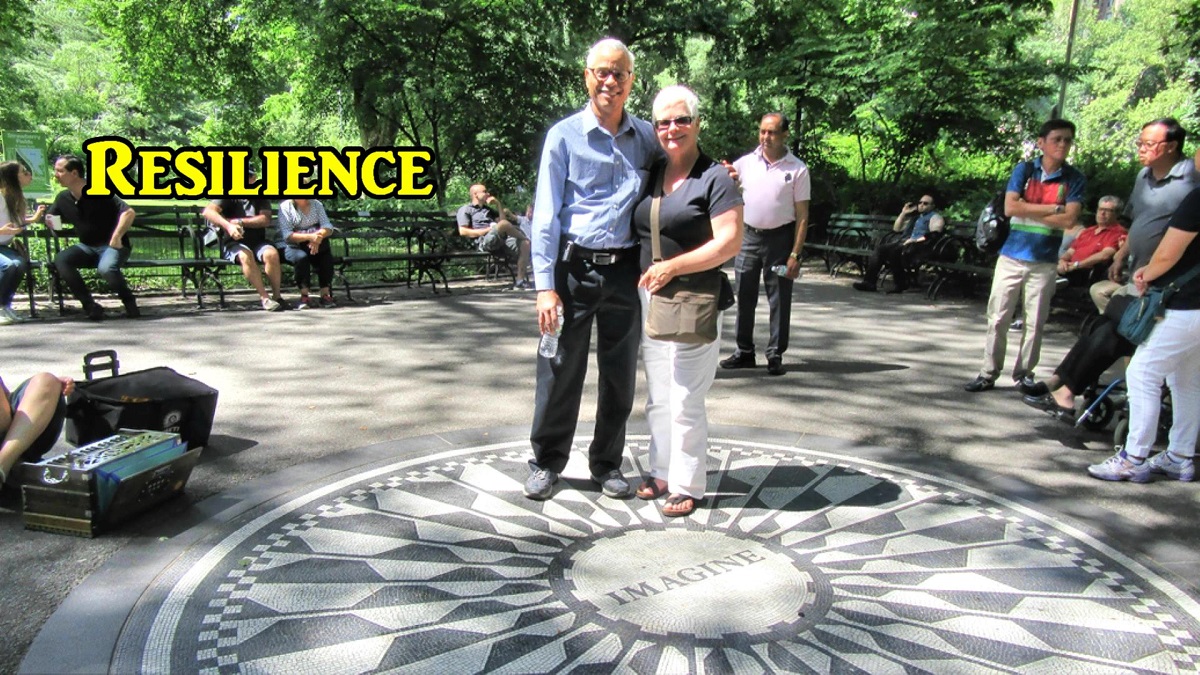
It has been a while since my last post. I’m hanging in there although sometimes it’s difficult to stay optimistic. I’m reminded of the Survivor Tree, the Callery Pear in New York City. You can easily google the story about this tree which somehow survived at Ground Zero after the 9/11 attack on America in 2001. We visited New York in the summer of 2017 and saw the Survivor Tree at the 9/11 Memorial & Museum plaza. It’s hard to believe that was 19 years ago. And now we’re dealing with the Covid-19 pandemic.

I’m still adjusting to my new identity as a retired person. I was reminded of that when I read the recent post “What is your Identity?” on 9/12/2020 by The Good Enough Psychiatrist. She’s resilient and optimistic, traits I admire. I tend to be rigid and pessimistic, especially when I have a lot of time on my hands.

I also need to get out of my head. It’s amazing how easily reminiscence can morph into rumination. Galloping all over the hospital as a psychiatric consultant distracted me from that habit. On the other hand, Sena and I reminisced the other night for quite a while. I was astonished at how much we both recalled about our 42-year long marriage and the adventures and challenges we’ve been through.

Our first house was a challenge. Shortly after we moved in, I had to try to mow the tall grass which had been neglected for a long time. I had to use either a scythe or a weed whacker. I honestly can’t recall exactly what I used but the scythe sounds more impressive, so I suspect it has crept into the story more for dramatic effect. It was a very hot day and my first encounter with my neighbor from across the street was his generous act of lending me his power lawnmower. He was a white man and, back in those days, kindness in that context was uncommon.

The only time I used a power mower other than at that house was when I went to Huston-Tillotson College in Austin, Texas. It’s now called H-T University. It was one of the historically black colleges in the country and I recall feeling a bit awkward there since I had grown up in largely white neighborhoods in the Midwest. Anyway, I helped mow the campus grounds. I guess “helped” might not be the right word, especially if you consider the perspective of the groundskeeper who was in charge of fixing the power lawnmowers I destroyed. I wrecked a few mainly because I kept running over rough, rocky ground. After I dragged the 2nd or 3rd ruined mower back to him, he stared at me and shook with rage. Mercifully, memory fails me at this point.

I’m realizing I could probably go on rambling like this for a good while. I guess that might mean I’m gradually adopting the identity of a garrulous old retired guy. I know that sounds pessimistic.

On a more positive note, Sena and I had a great time in New York City three years ago. We’re glad to have the memories. Sena is optimistic and resilient by nature. She’ll help me imagine brighter times coming in the future.
The Big Rocks

Today we went for a walk on the Terry Trueblood Trail. It’s been a while because we’ve been pretty busy doing a lot of things that take up a lot of time but are not so much fun. I had nearly forgotten how relaxing it can be to just do a simple thing like go for a walk and experience nature.

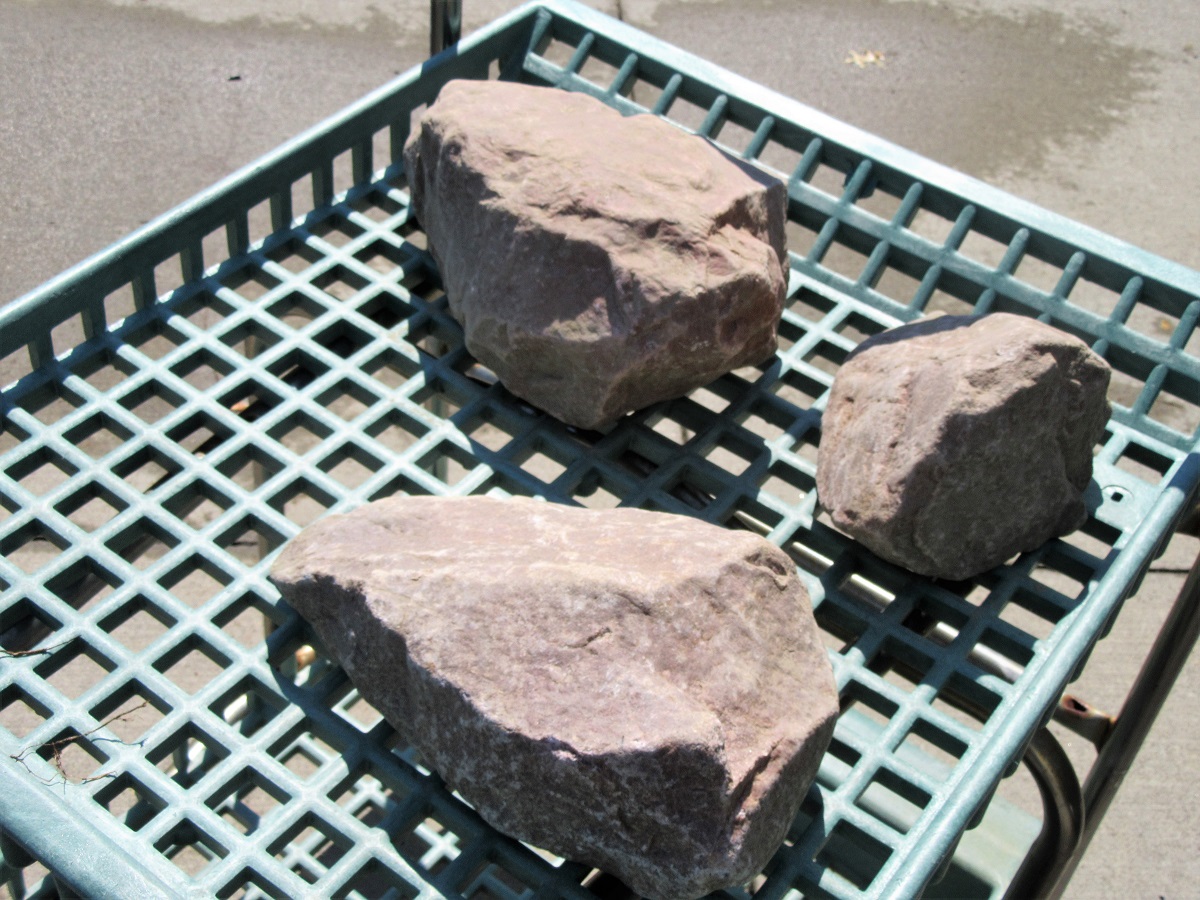
Afterward, Sena wanted to go shopping for rocks. That’s right, we paid money for rocks. They were for the garden. The whole trip today reminded me of Stephen Covey’s story about putting in the big rocks first. It’s about putting the important things first in your life. At certain stages in my life, that has been difficult. It’s a good thing we get reminders now and then to put the big rocks in first.

Bent Out of Shape

It never occurred to me that my smartphone (an iPhone 6) might be damaged. I thought the Otterbox case was just getting old and stretching out of shape. A guy asked me if my phone was bent and I told him that it was just the cover getting stretched. He looked at me with a doubtful expression.

Looking back on it, I suspect the real problem had been growing (literally) for at least several months. I noticed that the case was starting to crack, so a few days ago, I simply removed it.

The screen of my smartphone had separated along the sides by several millimeters—enough to peek inside and see a long rectangular black shape. That turned out to be the very swollen battery. I had no idea the battery was rectangular and took up much of the middle space of the inside of the phone.

In fact, it was rapidly taking up more space by the day. The long sides of the touchscreen were completely separated from the back and it was secured only by the top and bottom ends—barely. The phone worked fine, though.

I first bought the phone five years ago, at the urging of my residents. I had only just got a flip phone several years before. By the way, I just retired from my position as a consulting psychiatrist at an academic medical center.

I remember the day I got the smartphone in the store. I bought the Otterback case and clip so I could carry it on my belt and, uncharacteristically had filled out the warranty card for both. The phone has not been out of the case since then.

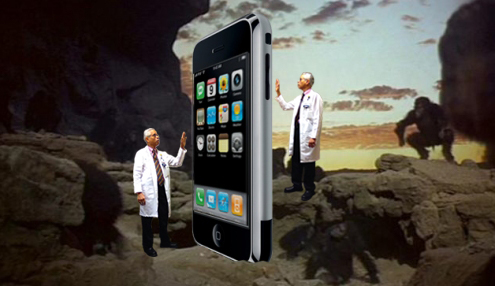
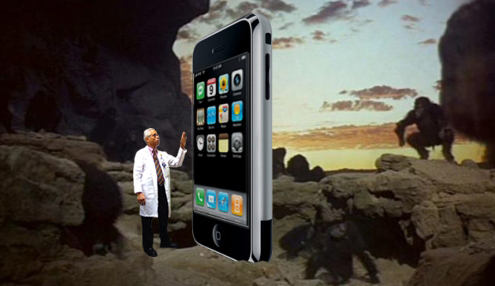
One of the residents created a picture of me and a smartphone in a setting from the movie 2001: A Space Odyssey. The point was my awkwardness with modern technology. Little did I know that the black monolith would eventually come to signify so much more later—in the form of a long black battery that would go bad, eventually warp my phone and possibly even explode. It reminds me of the bowling alley scene in Men in Black 3 in which young Agent K holds a large phone to his ear while Agent J warns “Don’t put that up to your head!”

Anyway, I took it to a cell phone store, thinking I would have to shell out hundreds of dollars for a new phone. I must have made a singular impression on the salesman. Because of the pandemic, he was wearing a mask and I was wearing a shield so he could see my facial expressions as well as my white hair as I moaned and groaned about the high cost of cell phone plans and phones. Maybe out of sympathy, but probably also partly because of a desire to get me out of the store away from listening customers, he recommended CPR. That’s not cardiopulmonary resuscitation. It’s short for Cell Phone Repair and their little shop was right around the corner within walking distance.

I wasted no time and the guys there were very helpful, quickly diagnosed the problem as a swollen black monolith battery, donned Explosive Ordnance Disposal suits, and applied the fix. They replaced the bad battery, squeezed my phone back together and it took less than an hour. They charged me $60, which was a far cry better than the $600 I had initially thought I was going to have to give up.

They also urged me to claim the warranty on my Otterbox equipment instead of charging me $50 for what they carry in their store. They assured me that Otterbox would likely honor the warranty. In fact, Otterbox charged shipping only and tracking information indicates delivery will be tomorrow.

I’m nearly bent back into shape.

ADDENDUM : Actually, Otterbox even cancelled the shipping charge. Delivered, assembled, and back on my belt before 1PM 8/7/2020. I definitely recommend Cell Phone Repair.

Homesickness After Retirement

It has been only about 3 weeks since I retired and—I am not living the dream yet. I’ve always been a worrywart and I find that I’m worrying about a lot of things: money, things to do, the future. If you just heard me say that I’m loving retirement, then you’d probably guess I’m not telling you the truth.

That was the point of starting the blog in the first place, to tell the truth about what the journey to retirement and finally getting there is really like for me.

My guess is that I’m in the early stages and the angst will probably pass. On the other hand, I have more than once considered going back to work. I could talk myself into it pretty easily. On the other hand, the pandemic and other upheavals have changed the environment where I used to work as a general hospital psychiatric consultant.

It’s not the same world. And I’m evolving too. Right now, I feel lost. It occurs to me this is a lot like homesickness.

Ironically, that’s pretty much how I felt when my wife and I first moved to Iowa City over 30 years ago so I could start medical school. Even then, I felt out of place. I’d been the proverbial older student all through undergraduate years and never felt like I quite fit in.

I nearly quit medical school in the second year. It was a struggle to stick it out. I wanted to return to what I had been so comfortable doing in the past. I worked for a consulting engineer firm as a survey crew tech and drafter. I got really comfortable in the culture, which is why I started off majoring in engineering. I let go of that pretty quickly. I got homesick. But I didn’t go back.

I came down with homesickness a couple more times after I started working as a psychiatric consultant in an academic center. Twice I left for private practice because I thought I would like working in “the real world” of medicine. I paid dearly for that. At those times, I went back home.

This anxiety, tension, and longing for the familiar now that I’m retired is a lot like homesickness. I guess part of the cure is time.

New Mailbox

Well, it has been almost two weeks since my last day of work. That was called my “termination date,” which strikes me as an ominous term. We now have a new mailbox because we moved in June. The mailbox is a sign of moving away from the old way of life and moving toward a new life as well as a new home. A new beginning follows the termination.

There’s a lot of stuff coming to the new mailbox on the curb outside. We’re getting a mix of new things in the outer mailbox—the same is happening in my inner mailbox. Sorting the mail in both is definitely a challenge right now.

I’m still working out how things will be in the new home, and in the new life stage. I’m wrestling with a lot of new goals, both practical in the outer world and psychological in the inner world.

There is good news in the mailbox, and some not so good. Retiring meant moving away from a daily work schedule which kept me occupied and focused on being a specific kind of person for a long time. I was a psychiatric consultant in an academic medical center. I played a specific role, had specific tasks and challenges which brought specific rewards and frustrations.

That mailbox was always crammed full of stuff and, while a lot of it was good news, some of it was junk mail. I was often rewarded for my work as a consultant and as a teacher. On the other hand, my focus was frequently on work, which left an imbalance elsewhere in my life. Work itself was often full of obstacles.

Now, the new mailbox is full of surprises. Many of them remind me I have a new skillset I need to develop as a retiree. The junk mail consists of things like anxiety about the change in my identity (fireman to retiree), boredom, and frustration over the need to learn how to fix a loose faucet handle instead of catatonia.

There will always be psychological junk mail. The thing about that kind of junk mail is that I can’t just toss it in the garbage. In the last month, I’ve lapsed in my mindfulness practice because of all the tasks of moving and making the transition not just to another home—but to a new identity.

I’ll be working on getting back to mindfulness, although I remember the message sent by the UIHC director of the Mindfulness Based Stress Reduction (MBSR). It was prefaced by a quote:

“I am thankful that thus far today I have not had any unkind thoughts or said any harsh words or done anything I regret. However, I need to get out of bed and so things may become more difficult.”

Sylvia Boorstein, Mindfulness teacher and author.

My mindfulness mat is rolled up in a room downstairs. My mind is also rolled up—tight around thoughts that are impossible to avoid or deny. Another quote from Sylvia about self-talk:

“Sweetheart, you are in pain. Relax, take a breath. Let’s pay attention to what is happening; then we’ll figure out what to do.”

Sylvia Boorstein, Mindfulness teacher and author.

The Firefighter Retires

I’m writing this post today because this firefighter retires tomorrow—and I’ll probably be very busy and too weary at the end of my last day on the psychiatry consult service to write. In fact, I’ve been too busy and tired to post for the last several weeks because we’ve been in the process of moving. Does that ever really end?

I can tell that what will really end at around 5:00 PM tomorrow is my career as a general hospital psychiatric consultant. It has been a long time coming. I’ve been on a 3-year phased retirement contract and going back and forth between wishing for it to end sooner and being scared to death as the final day approaches.

There are those last things: handing in the keys, the white coats, the parking hang tag and the like. I’ve cleaned out my office and somebody already wants it. I’m surprised that I’m just the tiniest bit territorial about the place, which is strange. I never spent much time in it because I was always chasing consults around the hospital.

I’ve never retired before. I wonder what the rules are. I still don’t know how to answer everybody’s question: “What are you going to do?”

There is the “new” house. It’s actually an older home, which fits my status as an older person, I guess.

The floors squeak and creak, a lot like my joints. There are little jobs and slightly bigger jobs to do for which I’m painfully aware of the need to develop a whole new skill set—or at least relearn them.

It’s about new noises and new animals. A fox trots across our yard occasionally. I’m used to deer, but we’ve never spotted a fox on our lawn. It has a rusty coat streaked with a lot of gray. It looks old. But it’s a good hunter and more than once we’ve seen it carrying a big mouthful of something that might have put up a pretty good fight.

I’m touched by the well-wishers, and those who say thanks for the memories. Just about every day of the last week, I’ve seen and done something at the hospital which makes me say, “That is what I’ll miss.”

One day to go.

Please Take Your Seat

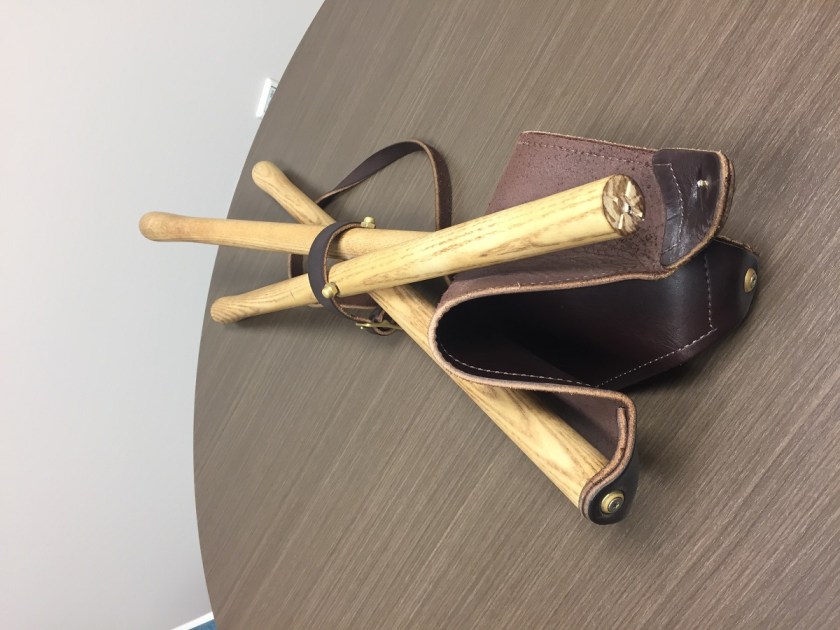
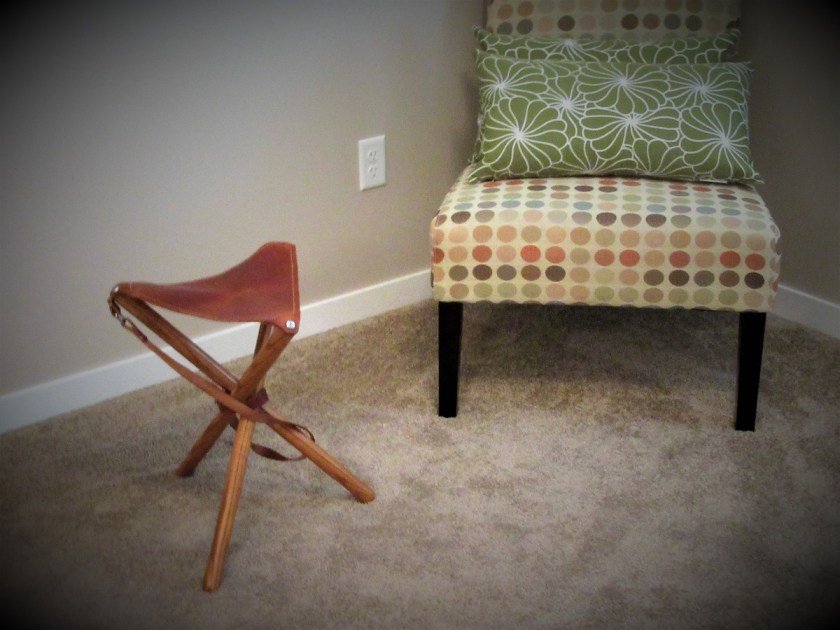
I brought my camp stool home from my office at the hospital yesterday. For the past several years and up until the time of the COVID-19 pandemic, I used it while interviewing hospitalized patients as part of my job as a consultation-liaison psychiatrist in the general hospital. I stopped only when I wondered whether carrying around an object which could be contaminated with the virus was a safe thing to do.

A colleague lent me the little chair when he and his colleagues on the Palliative Care Medicine consultation service started using them. I asked him whether he wanted it back and he graciously said I could take it with me now that I’m retiring—and use it as a camp stool (in a way, saying “Please take your seat”). For many years prior to getting the stool, I had been finding a chair or sending my trainees to find one for me. I felt more comfortable sitting eye to eye with patients and I got the impression that my patients appreciated that as well.

I got a lot of positive feedback from patients, family members, and other hospital staff about the little chair. I think it helped break the ice with patients and was a great opener, especially if they felt well enough to express a sense of humor— “Hey, doc; you don’t need nunchucks; I promise I’ll be good!”

There are a few papers in the medical literature supporting the usefulness of sitting with patients. Most authors assert that it helps build rapport and increases the patients’ perception of how interested their physicians or other health care clinicians are in their welfare (see the reference list below).

Once, when my original little chair broke beneath me during an evaluation for catatonia in one patient, the stool abruptly became a novel catatonia assessment tool.

The patient was mute but there was little evidence otherwise for catatonia, one of the chief features of which is the inability to react to any stimulus in the environment. I was seated on the chair explaining in detail the intravenous lorazepam challenge test for catatonia (which often interrupts the episode of muteness and immobility).

I was sitting in front of the patient but facing the family and the consult service trainees while expatiating on the topic. As I was droning on, I heard a sudden pop—and I fell flat on my fundament as the chair collapsed beneath me.

My audience exploded in loud laughter, and pointed at the patient. When I turned to look at him, he was convulsed with silent mirth.

I considered this a negative test for catatonia in this case, though impractical for regular use.

My colleague gave me a replacement camp stool, more securely built. However, he mentioned he might give up using his as a result of my accident which, incidentally, befell (rimshot) another doctor on his team. I’m not sure whether I’ll use the little chair. If I sit on it too long, my legs go numb. I think that’s about 10-15 minutes, about the length of time mentioned in one of the studies below. It didn’t seem to influence the positive perception of the visit—but it did make me walk funny.

I probably spend about the same time with patients now that I don’t use the little chair. But I don’t feel right about it. I’m always reminded of what Hackett said:

“As a matter of courtesy, I sit down when interviewing or visiting patients. Long accustomed to the ritual of making rounds, many physicians remain standing as a matter of course. Standing, physicians remind me of missiles about to be launched, poised to depart. Even if that is not necessarily true, they look the part. Patients sense this and it limits conversation. In addition, when standing, the physician necessarily looks down on the patient. This disparity in height is apt to encourage the attribution of arrogance. Looking down at a patient who is prone emphasizes the dependency of the position. Sitting at the bedside equalizes station. Sitting with a patient need not take longer than standing with him.”—Thomas Hackett, in MGH handbook of general hospital psychiatry, 1978.

References:

Johnson RL, Sadosty AT, Weaver AL, Goyal DG. To sit or not to sit?. Ann Emerg Med. 2008;51(2):188‐193.e1932. doi:10.1016/j.annemergmed.2007.04.024

Swayden KJ, Anderson KK, Connelly LM, Moran JS, McMahon JK, Arnold PM. Effect of sitting vs. standing on perception of provider time at bedside: a pilot study. Patient Educ Couns. 2012;86(2):166‐171. doi:10.1016/j.pec.2011.05.024

Strasser F, Palmer JL, Willey J, et al. Impact of physician sitting versus standing during inpatient oncology consultations: patients’ preference and perception of compassion and duration. A randomized controlled trial. J Pain Symptom Manage. 2005;29(5):489‐497. doi:10.1016/j.jpainsymman.2004.08.011

Orloski CJ, Tabakin ER, Shofer FS, Myers JS, Mills AM. Grab a Seat! Nudging Providers to Sit Improves the Patient Experience in the Emergency Department. J Patient Exp. 2019;6(2):110‐116. doi:10.1177/2374373518778862

Merel SE, McKinney CM, Ufkes P, Kwan AC, White AA. Sitting at patients’ bedsides may improve patients’ perceptions of physician communication skills. J Hosp Med. 2016;11(12):865‐868. doi:10.1002/jhm.2634

The Robins are Back

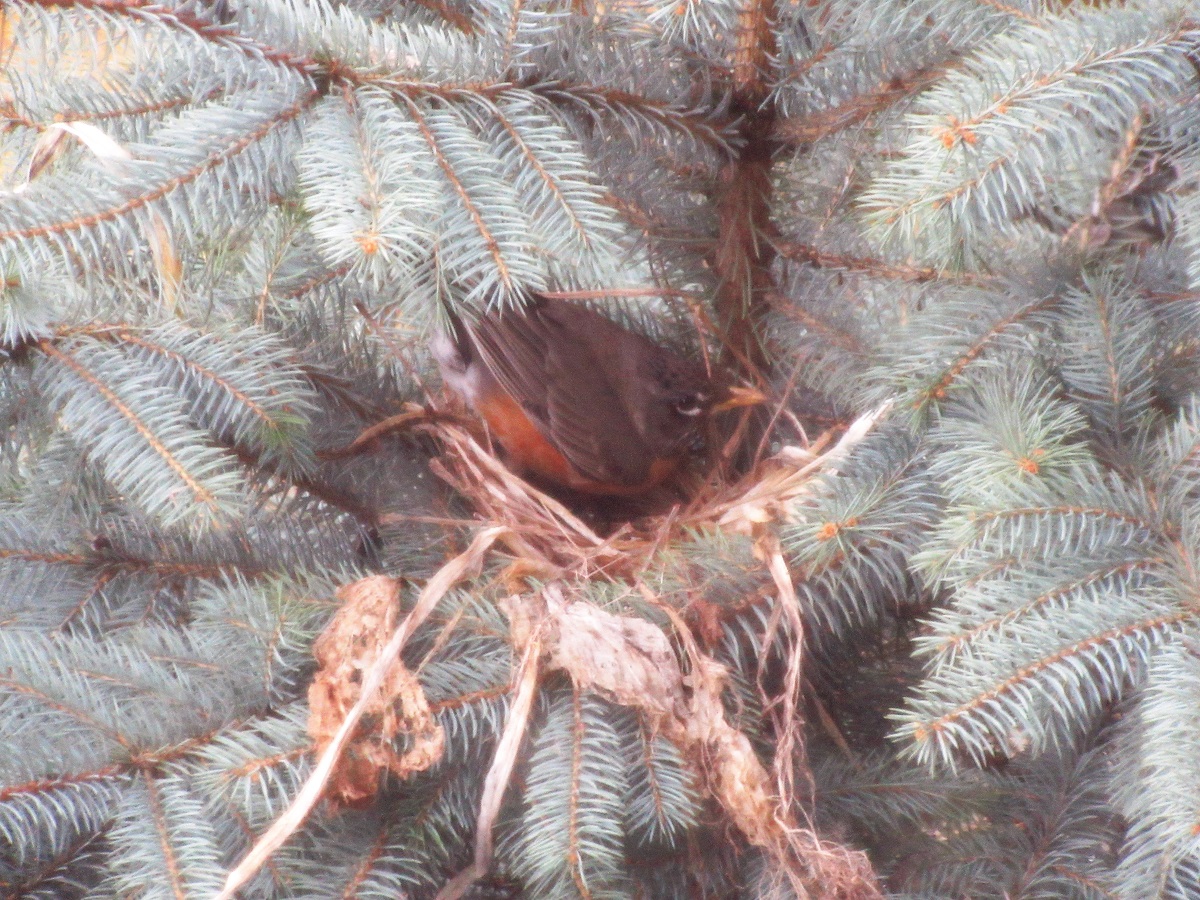
The robins are building their Hurrah’s nests in our back yard again. That’s about the only thing that has not changed. The COVID-19 (C-19) pandemic has changed just about everything else in our lives.

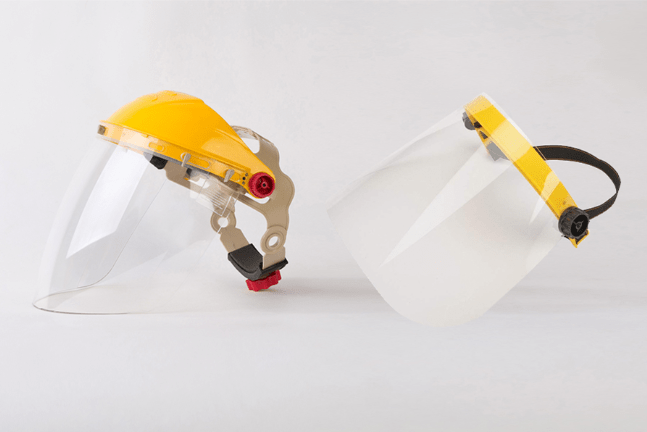
I wear a face shield now at the hospital. We’re told to wear it as much as possible, like putting on our clothes in the morning. Don’t we leave them on all day? The shield keeps you from touching your face, which is why it’s better than a face mask. However, I’ve noticed something about wearing the face shield for much of the day. Before I describe it, let me give you analogy: If you’ve ever worked detasseling corn when you were young a long time ago, you might remember what happened when you closed your eyes at night and tried to go to sleep. I saw corn fields—miles and miles of corn fields. When I opened my eyes, the vision would disappear. But as soon as I closed my eyes again, I saw the vast corn fields.

It’s crazy, but I have a similar sensory after-effect when I doff my face shield–sometimes I still feel the headband. The pressure of it is just the same as if I were still wearing it. I suppose it’s because I cinch it too tightly. But if I don’t, it slips down my brow, pushing my eyeglasses down my nose.

Another change—I’m a Consultation-Liaison (C-L) Psychiatrist, so I’m used to washing my hands in between patients in the hospital. Now, I’ve got something I’ve never had before–alligator hide patterns on the backs of my hands. They’re dry and cracked. I don’t count the number of times I wash my hands, but it’s a lot more frequent than I used to do. It’s not uncommon for health care professionals to wash hands 75-100 times a day in the C-19 era. I have to use hand cream conscientiously—something I almost never did.

I’m less comfortable being closer than several feet away from people. I tend to hug the walls and corners in stairwells, where I now encounter more people than I ever have before. I guess the message everyone hears is “Stand by me—six feet away if you please.”

I don’t shake hands anymore. The lines into the hospital sometimes lead to crowding while we wait to have our temperatures taken and answer the screening questions about whether we’ve had fever, cough, shortness of breath, etc. It’s perfunctory most of the time, because virtually always the answer is “no” and everybody is in a hurry.

I don’t carry my little camp stool with me anymore, which allowed me to sit down with patients and have face to face, eye level interaction. I’m distinctly uncomfortable standing over them because I haven’t done that in years. If there is a chair in the room, I’m hesitant to use it because, like the camp stool, I worry that it might carry C-19 virus on its surface.

I used to evaluate psychiatric patients in our emergency room by simply going there and seeing them face to face, either in their rooms or, when it was really busy (which is most of the time), in the hallways.

I just used a remote telehealth interface platform using an iPad the other day, which allows me to interview patients from my office, in order to avoid the risk of contagion. It was a little slow and awkward, and I was uncomfortable that a health care professional had to be in the emergency room to hold it up for the patient—who was covered in blood. I felt a little guilty.

I used to round with medical students and residents on our patients. We were the movable feast, a sort of MASH (Mobile Army Surgical Hospital) unit, more like Mobile Unifying Shrink Hospital (MUSH). Unifying means unifying medicine and psychiatry. The medical students are not permitted on the wards now, in order to protect them. It’s awkward rounding with only one resident at a time, although another resident can do other things like chart review and telephone relatives for collateral history. I get in the hospital earlier nowadays, and see many non-C-19 patients alone without trainees, preparing for the C-19 surge when I expect we’ll get many more consultation requests to help care for C-19 patients with delirium and depression. It’s a one-man hit-and-run psychiatry consult service and efficiency is mandatory to meet the demand.

I see patients by myself for another reason. Try as we might, C-19 positive patients will slip through the screens. Many are asymptomatic but contagious, and any test will have false negative results. The idea is to expose the least number of health care front line staff members as possible. Faculty capacity is stretched pretty thin, which is pretty much the situation everywhere. I have to choose. I’m older. I’m weeks from retirement. I’m afraid.

But robins don’t have the burden of choice. They obey their instinct every spring, just the same.

First Day Back in the Saddle

Today was my first day back on the hospital consultation-liaison service and I’m a little tired. I put about 2 miles and 22 floors on my step counter, which was a nice pace for starters. It’ll get busier as the COVID-19 surge develops over the next couple of weeks.

Being in phased retirement means I’m away for weeks, sometimes more than that. The pandemic changed many processes and policies while I was gone.

I think the biggest challenge I had this morning was just getting used to donning and doffing the face shield. I passed many people in the halls who are wearing them. My clumsiness was a little embarrassing. It took me a while just to figure out how to adjust the head band. But those who recommend them are right–they keep you from touching your face, which the masks don’t do.

You may have seen my YouTube video and the post on how to trim beards so they don’t interfere with the seal of the N95 masks. I even shaved mine off. Come to find out, I’ll probably never have to wear one given the shortages of masks generally.

I’m learning a lot of things on the fly and that includes how to use electronic gadgets to facilitate remote interviewing in order to cut down on spread of the virus.

I saw a lot more people in the stairwells and elevators were much less crowded.

It’s a different world.

Snow Today

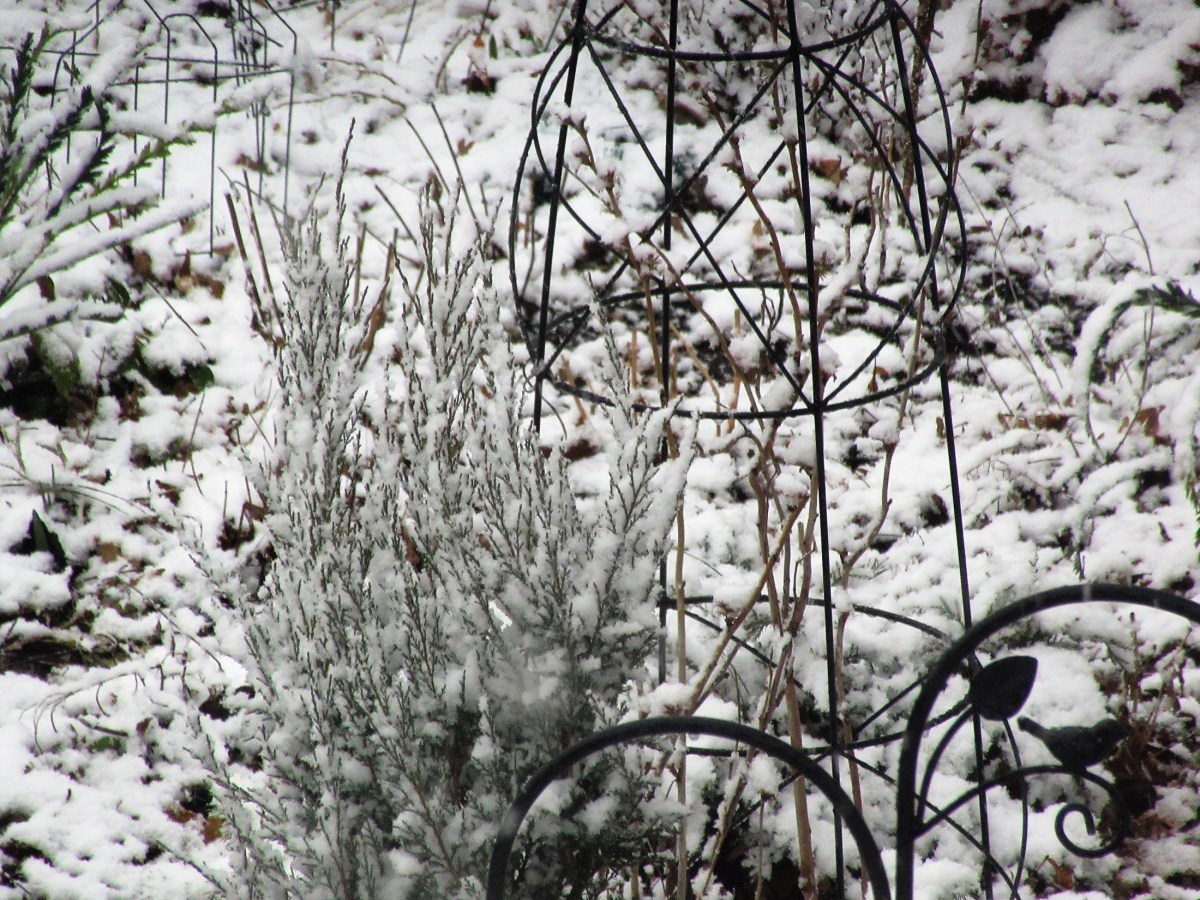
It’s snowing today, starting this afternoon. It’s not a blizzard. It comes down slowly and peacefully. Occasionally I see people and their kids and dogs out walking in it, likely grateful for the fresh air. It’s hard to be stuck indoors, self-isolating because of the COVID-19 epidemic. We play cribbage.

Sena tried the grocery pickup thing in order to avoid crowds. She ordered yesterday and picked up this afternoon. For the most part, the shoppers did OK. We noticed that as she was ordering, items would be sold out even before and sometimes after (we found out later) the ordering was done.

But we were able to get toilet paper.

This epidemic changes your life in many ways. I’m in the latter stage of phased retirement and I’ll go back on the consultation-liaison psychiatry service in April. I expect it to be busy, but I’ll likely not do as many face-to-face interviews, depending on the situations in the emergency room and the general hospital.

I probably won’t carry around my camp stool, which I use to sit with patients when I interview them. It’s just another item that the coronavirus can stick to.

We’re told not to wear neckties because they’re germy, but I gave that up a long time ago for banded collar shirts. But now I’ll have to remember to keep my arms bare up to the elbows.

We’re also reminded to avoid elevators so as to maintain social distance (6 feet or 2 meters, roughly). I’ve been taking the stairs for years. Many people avoid the stairs.

I’ve gotten used to handwashing because I’m a hospitalist. I’ll wear masks a lot more frequently as well as don and doff personal protective equipment as needed more often.

I’m older and I worry a little bit about belonging to a higher risk age group for COVID-19 and being exposed more. On the other hand, I’m pretty healthy compared to a lot of patients younger than me.

I’m glad the next generation of doctors will be taking over, though.

I usually never notice how pretty the snow is.