Time for July Psychiatry Consults

It’s getting close to the busiest time of the academic year in a teaching hospital–July. The residents have a steep learning curve during that month. Some hospitals have a sort of boot camp to get the upcoming first year internal medicine residents prepared for July.

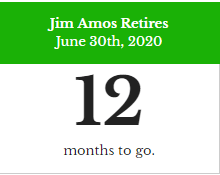
I’m looking at my retirement countdown timer and it’s showing I have 12 months to go. I’ll be back in the saddle July 1st.

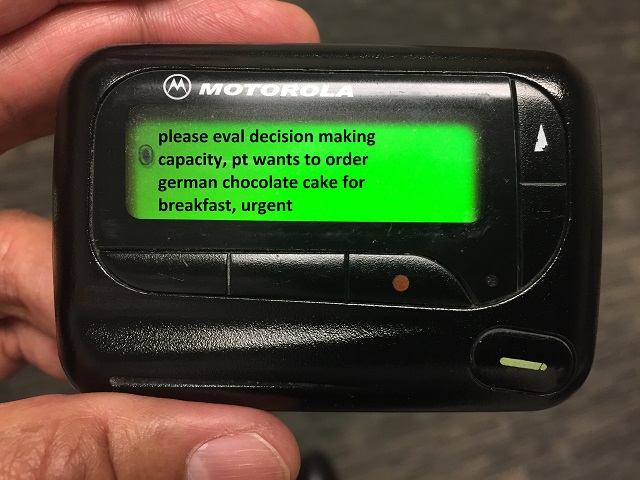
July is usually the time for the most interesting psychiatry consultation questions. Many years ago, the psychiatry residents used to keep a list of the weirdest ones. At least that’s what they claimed. Actually, I think most of them were simply made up–maybe all of them. Even though there is no way to know for sure, there is very low probability that any item on the list below could identify any patient.

We used to call it the “wailing wall” of strange and difficult to answer psychiatry consultation questions sometimes asked by our non-psychiatry colleagues from internal medicine and surgery. Questions have been and still are sometimes ambiguous (worse in July) and often need to be reframed so that the psychiatric consultant can be helpful to both customers—the patient and the consult requester. Here are some “quotes” from probably fictitious consultation requests tacked to wailing wall in the distant past, certainly embellished in some cases by frustrated psychiatry residents:

1.  “EEG shows no brain activity.”

2.  “The patient doesn’t like me.”

3.  “We want to know if the patient who believes they are Sponge Bob and wants to leave the MICU to start filming a new movie—is competent.”

4.  “I’m a humanitarian but can you transfer this patient to Mexico?”

5.  “The patient looked at me funny.”

6.  “We are wondering whether to discharge to their own apartment a patient who is oriented only to self, cannot perform activities of daily living, and is actively hallucinating?”

7.  “I prefer not to speak with my patients.”

8.  “I prefer not to speak with families.”

9.  “Patient gets irritable during “that time of the month.”

10.  “We are wondering if the patient should be taken off sedation before getting a history from them?”

11.  “Patient swallowed their narcotic sobriety pin and is upset that morphine was discontinued.”

12.  “The patient is eating their fingers off.”

13.  “Cardiac arrest.”

14.  “Consult for bilateral disorder or generalized panic disorder.”

15.  “Anxiety and agitation 5 minutes before Code Blue.”

16.  “Please evaluate for catatonia versus brain death on intubated patient.”

17.  “Patient was fine yesterday but now unresponsive. Please rule out catatonia before we work up. If catatonia ruled out, we’ll then get a head CT and labs.”

18.  “We want the consult for our own safety.”

19.  “We need psychiatry’s blessing before we can feel comfortable discharging the patient.”

20.  “Patient admitted for renal failure after being gored by a bull at a rodeo, please evaluate if this was a suicide attempt.”

Some are humorous and a few are mind-boggling. What they all speak to is the omnipresent opportunity for the C-L psychiatrist to excel as an educator. Reframing the question is a skill that requires patience, diplomacy, and credibility as an expert in this field.

What’s the question again?

What this may also indicate is the necessity to include a bit more about psychiatry in medical school clerkship programs.

Transplantation Psychiatry

Transplantation psychiatry is a special setting for consultation-liaison psychiatrists. Mainly, they work in organ transplant centers. The democratization of health care over many years, along with the relative scarcity of transplantation psychiatrists, has led to many other professionals conducting the psychosocial assessments for evaluating organ transplant candidates.

It’s a complicated field with many stakeholders. The scarcity of organs often leads to great anxiety in patients and their supporters. Anxiety can complicate the assessment phase, the waiting phase, and the post-transplant phase as well.

The most frequent question that consultees from the transplant team ask is whether the candidate is a good risk for receiving an organ that is in short supply, which therefore must be allocated carefully, and of which the candidate must be prepared to be a good steward. Psychosocial screening is a feature of most transplant programs. Rather than seeing one’s self as a gatekeeper, most experts agree that the most useful part of the psychosocial screening process is to identify psychosocial factors that would interfere with the candidate’s successful adaptation to life posttransplant, and to develop a plan for managing them using available resources.

The Medical-Psychiatry Unit

I guess I’m incorrigible; there are now 4 eggs in the robins’ nest. Progress there reminded me of another kind of progress–in integrated health care.

On that note, this is just a brief update on the Medical-Psychiatry Unit (MPU). I thought it would be a good time to do this since a hard-working Pennsylvania psychiatrist notified me of the very successful Medical Complexity Unit (MCU) in operation at Reading Hospital. See my post from May 23, 2019.

I co-attended on our MPU for 17 years before I chose to concentrate on the Consultation-Liaison Psychiatry (CLP) service. The health insurance payer system challenges have probably not changed much. I still believe that the MPU is a great place to teach trainees to appreciate the rewards and challenges of caring for patients with complex, comorbid psychiatric and medical issues.

I hope the video makes the case for that. I decided it didn’t need a voice over. I welcome any comments and questions.

Opinions on Cannabis for Neuropathic Pain

I just saw the Clinical Psychiatry News article “Evidence poor on medical marijuana for neuropathic pain,” by Andrew D. Bowen. It was published May 2019, Vol. 47, No. 5 and I couldn’t find it on line yet.

I should also hasten to add that there are a couple of other important articles on management of pain in this issue of Clinical Psychiatry News. One of them expresses a similar opinion about the lack of clear evidence pointing to a clear best choice for a medication for neuropathic pain, “No clear winner emerges for treating for chronic pain” also by Andrew D. Bosen, who interviewed a neurologist, Dr. Raymond Price, associate professor of neurology at the University of Pennsylvania, Philadelphia about his review of the evidence for treatment of neuropathic pain.

In addition, on a more hopeful note, there is good evidence for the effectiveness of cognitive behavioral therapy (CBT) for chronic pain, “In chronic pain, catastrophizing tied to disrupted circuitry,” by Kari Oakes, who interviewed Drs. Robert R. Edwards, PhD, psychologist at Brigham and Women’s Hospital/Harvard Medical School (Boston) Pain Management Center, and Vitaly Napadow, PhD. Connectivity between certain areas of the brain can lead to the perception that pain is a part of who we are. This can even interfere with the effectiveness of pain medications.

Dr. Ellie Grossman, MD, MPH said at the annual meeting of the American College of Physicians that there’s “a lot of the Wild West” in medical marijuana research regarding its use in neuropathic pain. I got the impression she was being as diplomatic as she could when she described the level of evidence as being marked by a lot of “squishiness.”

It’s a frankly cautious comment compared with the more positive opinions expressed just a month ago in Clinical Psychiatry News. Dr. Grossman is quoted, “The upshot here is that there may be some evidence for neuropathic pain, but the evidence is generally of poor quality and kind of mixed.” Dr. Grossman is an instructor at Harvard Medical School and Primary Care Lead for Behavior Health Integration, Cambridge Health Alliance, Somerville, Massachusetts.

In fact, as the author points out, the research in this area is marked by inconsistencies in the medical marijuana formulations, small numbers of patients enrolled in studies, and equivocal results from meta-analyses.

The title of the article says it all and it’s really no surprise. I have little to add except the following very short opinion based on a very superficial scan of PubMed.

First, I happened to find a couple of papers from the mid-1970s about cannabis and pain in cancer patients. They were written by Russell Noyes, MD and Art Canter, Ph.D. and colleagues. Dr. Noyes has retired for the second time from the Psychiatry Dept at University of Iowa and Dr. Canter was enjoying his retirement until his death in October, 2018; he was in his late 90s.

Even in 1975, there was very little reason for enthusiasm about the analgesic effect of cannabis in cancer patients. Admittedly, the number of subjects were low in each study but the side effects of cannabis were severe in a few cases.

The summary from the first Noyes et al paper is essentially that, why analgesic effect was demonstrable at high dose levels, so was “…substantial sedation and mental clouding…”

In the second paper by Noyes et al, the concluding remarks are telling— “Finally, particular difficulty was experienced in evaluating the pain of patients after receiving THC. In many instances they appeared exceptionally peaceful while, at the same time, reporting little pain relief. In other instances, they claimed that, though the pain was unchanged, it bothered them less.”

There seems to be nothing new under the sun in this setting although most of the studies involved patient with chronic non-cancer pain. One study found some benefit and modest tolerability—see the caveat below (Ware et al 2015).

“In conclusion, this study suggests that the AEs of medical cannabis are modest and comparable quantitatively and qualitatively with prescription cannabinoids. The results suggest that cannabis at average doses of 2.5 g/d in current cannabis users may be safe as part of a carefully monitored pain management program when conventional treatments have been considered medically inappropriate or inadequate. However, safety concerns in naive users cannot be addressed. Moreover, long-term effects on pulmonary functions and neurocognitive functions beyond 1 year cannot be determined. Further studies with systematic follow-up are required to characterize safety issues among new cannabis users and should be extended to allow estimation of longer-term risks.”

See the abstracts below. They tend to echo Dr. Grossman’s impressions. I wonder whether the quality of the research in this area will ever be strengthened.

References:

NOYES, R., et al. (1975). “Analgesic Effect of Delta‐9‐Tetrahydrocannabinol.” The Journal of Clinical Pharmacology 15(2‐3): 139-143.

Noyes, R., et al. (1975). “The analgesic properties of delta‐9‐tetrahydrocannabinol and codeine.” Clinical Pharmacology & Therapeutics 18(1): 84-89.

            The administration of single oral doses of delta‐9‐tetrahydrocannabinol (THC) to patients with cancer pain demonstrated a mild analgesic effect. At a dose of 20 mg, however, THC induced side effects that would prohibit its therapeutic use including somnolence, dizziness, ataxia, and blurred vision. Alarming adverse reactions were also observed at this dose. THC, 10 mg, was well tolerated and, despite its sedative effect, may have analgesic potential.

Ware, M. A., et al. (2015). “Cannabis for the Management of Pain: Assessment of Safety Study (COMPASS).” The Journal of Pain 16(12): 1233-1242.

            Cannabis is widely used as a self-management strategy by patients with a wide range of symptoms and diseases including chronic non-cancer pain. The safety of cannabis use for medical purposes has not been systematically evaluated. We conducted a prospective cohort study to describe safety issues among individuals with chronic non-cancer pain. A standardized herbal cannabis product (12.5% tetrahydrocannabinol) was dispensed to eligible individuals for a 1-year period; controls were individuals with chronic pain from the same clinics who were not cannabis users. The primary outcome consisted of serious adverse events and non-serious adverse events. Secondary safety outcomes included pulmonary and neurocognitive function and standard hematology, biochemistry, renal, liver, and endocrine function. Secondary efficacy parameters included pain and other symptoms, mood, and quality of life. Two hundred and fifteen individuals with chronic pain were recruited to the cannabis group (141 current users and 58 ex-users) and 216 controls (chronic pain but no current cannabis use) from 7 clinics across Canada. The median daily cannabis dose was 2.5 g/d. There was no difference in risk of serious adverse events (adjusted incidence rate ratio = 1.08, 95% confidence interval = .57–2.04) between groups. Medical cannabis users were at increased risk of non-serious adverse events (adjusted incidence rate ratio = 1.73, 95% confidence interval = 1.41–2.13); most were mild to moderate. There were no differences in secondary safety assessments. Quality-controlled herbal cannabis, when used by patients with experience of cannabis use as part of a monitored treatment program over 1 year, appears to have a reasonable safety profile. Longer-term monitoring for functional outcomes is needed. Study registration The study was registered with http://www.controlled-trials.com (ISRCTN19449752). Perspective This study evaluated the safety of cannabis use by patients with chronic pain over 1 year. The study found that there was a higher rate of adverse events among cannabis users compared with controls but not for serious adverse events at an average dose of 2.5 g herbal cannabis per day.

Andreae, M. H., et al. (2015). “Inhaled Cannabis for Chronic Neuropathic Pain: A Meta-analysis of Individual Patient Data.” The Journal of Pain 16(12): 1221-1232.

            Chronic neuropathic pain, the most frequent condition affecting the peripheral nervous system, remains underdiagnosed and difficult to treat. Inhaled cannabis may alleviate chronic neuropathic pain. Our objective was to synthesize the evidence on the use of inhaled cannabis for chronic neuropathic pain. We performed a systematic review and a meta-analysis of individual patient data. We registered our protocol with PROSPERO CRD42011001182. We searched in Cochrane Central, PubMed, EMBASE, and AMED. We considered all randomized controlled trials investigating chronic painful neuropathy and comparing inhaled cannabis with placebo. We pooled treatment effects following a hierarchical random-effects Bayesian responder model for the population-averaged subject-specific effect. Our evidence synthesis of individual patient data from 178 participants with 405 observed responses in 5 randomized controlled trials following patients for days to weeks provides evidence that inhaled cannabis results in short-term reductions in chronic neuropathic pain for 1 in every 5 to 6 patients treated (number needed to treat = 5.6 with a Bayesian 95% credible interval ranging between 3.4 and 14). Our inferences were insensitive to model assumptions, priors, and parameter choices. We caution that the small number of studies and participants, the short follow-up, shortcomings in allocation concealment, and considerable attrition limit the conclusions that can be drawn from the review. The Bayes factor is 332, corresponding to a posterior probability of effect of 99.7%. Perspective This novel Bayesian meta-analysis of individual patient data from 5 randomized trials suggests that inhaled cannabis may provide short-term relief for 1 in 5 to 6 patients with neuropathic pain. Pragmatic trials are needed to evaluate the long-term benefits and risks of this treatment.

Ashrafioun, L., et al. (2015). “Characteristics of substance use disorder treatment patients using medical cannabis for pain.” Addictive Behaviors 42: 185-188.

            Background This study was designed to assess the prevalence and correlates of self-reported medical cannabis use for pain in a substance use disorder (SUD) treatment program. Method Participants (n=433) aged 18years and older were recruited from February 2012 to July 2014 at a large residential SUD treatment program. They completed a battery of questionnaires to assess demographics, usual pain level in the past three months (using the 11-point Numeric Rating Scale for pain), depression (using the Beck Depression Inventory), previous types of pain treatments, and lifetime and past-year use of substances (using the Addiction Severity Index). Using both adjusted and unadjusted logistic regression models, we compared those who reported medical cannabis use for pain with those who did not report it. Results Overall, 15% of the sample (n=63) reported using medical cannabis for pain in the past year. After adjusting for age, medical cannabis use for pain was significantly associated with past-year use of alcohol, cocaine, heroin, other opioids, and sedatives, but was not associated with usual pain level or depression. It was also associated with past year treatment of pain using prescription pain relievers without prescriptions. Conclusions These results indicate that medical cannabis use for pain is relatively common and is associated with more extensive substance use among SUD patients. Future work is needed to develop and evaluate strategies to assess and treat individuals who report medical cannabis for pain in SUD treatment settings.

Hefner, K., et al. (2015). “Concomitant cannabis abuse/dependence in patients treated with opioids for non‐cancer pain.” The American Journal on Addictions 24(6): 538-545.

            Background and Objectives Cannabis use is common among patients taking prescription opioids, although rates of concomitant cannabis use disorder (CUD) have been largely unexamined. CUD may increase safety risks in those taking opioid pain medications but it is unknown whether cannabis and opioids function as substitutes (cannabis use is associated with less prescription opioid use), or rather as complements (cannabis is associated with increased use of prescription opioids). Methods We examined rates of CUD in a national sample of Veterans Health Administration (VHA) patients (n = 1,316,464) with non‐cancer pain diagnoses receiving opioid medications in fiscal year 2012. Using bivariate analysis to identify potentially confounding variables associated with CUD (eg, psychotropic medication, other substance use disorders) in this population, we then utilized logistic regression to examine rates of cannabis use disorder among individuals receiving different numbers of opioid prescriptions (0, 1–2, 3–10, 11–19, 20+). Results Descriptive analysis, largely confirmed by logistic regression, demonstrated that greater numbers of prescription opioid fills were associated with greater likelihood of CUD. This relationship was reduced somewhat for those receiving the most opioid prescriptions (20+) in the logistic regression, which controlled for potentially confounding variables. Discussion and Conclusions These results warrant increased attention to CUDs among patients receiving numerous opioid prescriptions. Increasing legalization of cannabis is likely to further increase use and abuse of cannabis in patients prescribed opioids. Scientific Significance These findings suggest that clinicians should be alert to concomitant CUD and prescription opioid use, as these substances appear to complement each other. (Am J Addict 2015;24:538–545)
My Perspective on FOMO

I just saw a great post on Fear of Missing Out (FOMO) on Bob Lowry’s blog, Satisfying Retirement. The link is on my home page and it’s a great read, along with many of his other posts.

FOMO for me is different because I’m not actually retired yet. Bob has been retired for a long time and knows what he’s talking about. I’m still just trying to get used to the idea of being retired for now.

Even though I’ve been in phased retirement for over two years now and this coming year is my last before full retirement (see my countdown!), I’m still coping with FOMO.

I check my email several times a day, even when I’m not on service. My position will likely be filled with my replacement well before the year is out. Occasionally I’ll find a trainee evaluation that is time sensitive that I have to complete. I updated the guide to the psychiatry consultation service and notified others about that just yesterday.

What am I going to do when I’m retired? That’s what so many ask me and which I sometimes ask myself. I’m actually having a pretty good time now that I’m finally adjusting to phased retirement. According to the 2018 Report on U.S. Physicians’ Financial Preparedness: Retired Physicians Segment, one suggestion is that physicians try to retire gradually rather than abruptly.

I agree with that and the phased retirement program I’m in has felt right for me. It hasn’t stopped me from FOMO so far, but I’m gradually getting more and more enjoyment from doing things that are not work-related—even though FOMO makes me check my email and the electronic medical record every day.

My wife and I started saving very early on in my medical training and we were fortunate enough to eliminate educational debt early. We’ve always lived simply and don’t need a lot of expensive toys.

Feed me!

I find ways to build a schedule into my day. I exercise and meditate.

I’m not much for yard work, but I try. I get a big kick out of hobbies I’ve rediscovered such as bird-watching.

I like to make silly videos as some of my medical students have noticed. One of them learned how to fold a fitted sheet from one of my YouTube videos. I really enjoy blogging and combining that with my mostly short YouTube movies. You’ll notice I do have some work-related videos, though, some of them fairly recent.

Hey, here’s how to fold a fitted sheet!

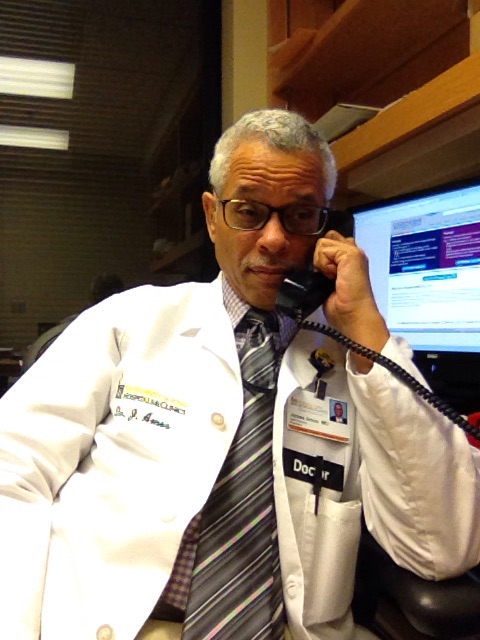
The featured image for this post was actually partly a creation of one the residents a few years ago, who by some miracle found a way to combine my photo with a picture of a smartphone. I added a little more to it to make the point about FOMO.

My FOMO nightmare, once upon a time.

I actually didn’t have a smartphone until about 4 years ago. And I still mainly use it just as a phone. I check the step counter when I’m staffing the psychiatry consultation service, but I’ll quit doing that.

In fact, the residents persuaded me to get a smartphone. I had a flip phone for a few years prior to that mainly because a snowstorm caught my wife out on the road while she was driving to the hospital to pick me up from work. I had no way of knowing where she was and was worried out of my mind. That convinced me we needed more than land lines.

I may go back to the flip phone after I fully retire.

I still use a desk phone at work. For the first time in my career, last weekend it just quit working. You can’t imagine how happy I was.

Whenever I drop my pager, I always say out loud to the trainees, “Oh my gosh, I hope it’s broken!” I’m only half-joking.

I won’t miss pagers when I retire.

I dropped most of my social media accounts over a year ago, including Facebook, LinkedIn, Twitter, and even Doximity believe it or not. I don’t miss them.

I’ll keep you posted on how my struggle with FOMO goes.

Minority Diversity in Medicine

The featured image for this post is that of a Painted Lady butterfly, one beautiful member of a hugely diverse group of such creatures. It reminded me of the state of our physician supply, which is not so very diverse when it comes to inclusion of minorities.

Even though I’m moving into the final year of my phased retirement contract in July and I’m off service—I still check my office email several times every single day. It’s a hard habit to break after 23 years, not counting 4 years each of residency and medical school. So, I get a pang every time I see a news item in my inbox about the shortage of physicians, especially the shortage of minority physicians. The challenge to increase diversity of race and ethnicity in the supply of American doctors is a big one.

The Greenville News in South Carolina posted a long article about this issue on May 13, 2019 (“Despite efforts to boost their numbers, blacks account for just 6% of doctors in SC” by Liv Osby). Even though blacks make up 13% of the U.S. population, only about 6% of the doctors in Greenville, S.C. are black. Many members of minority groups do not recall seeing a doctor who looked like them while they were growing up. Minority role models for the goal of becoming physicians have always been few and far-between.

I recall being one of a handful of minority students entering the summer enrichment program in 1988 at the University of Iowa. The summer enrichment opportunity was intended to be one way to assist minority students excel in the basic sciences courses that we would be facing in the upcoming regular academic year.

I have always appreciated that boost but not all of my peers saw it that way. One young man said simply, “I’ll see you in the fall,” evidently meaning he would not be attending the summer enrichment program. It was clear from talking with him that he thought the program sent the wrong message to the majority students—that we were getting an unfair advantage. I’m pretty sure that the summer enrichment program ended many years ago, at least in part because of that negative perception.

This reminded me of my undergraduate experience at Huston-Tillotson (H-T) College (now H-T University) when the controversy about affirmative action was prominent. I recall only one black student who was planning to go to medical school and hoped to get into the University of Texas. In fact, even though the term is no longer used, the Greenville News story mentioned that Texas Tech last year eliminated race as a consideration for admission to its Health Sciences Center. This indicates ongoing discomfort about the perception of favoritism or special treatment being given to minorities.

I still see one of my summer enrichment program professors in the hospital hallways every so often. He even remembers my name. We exchange friendly greetings.

And I’m painfully aware that there may be only one other black psychiatrist in Iowa—and I think he’s also a baby boomer.

As I head for retirement, I remember a line from one of the final scenes in the movie Men in Black, “I haven’t been training a partner; I’ve been training a replacement.” I’m not sure if there will be someone to replace me.

Are we training enough replacements?

Excellence in Clinical Coaching Award: Humble Thanks

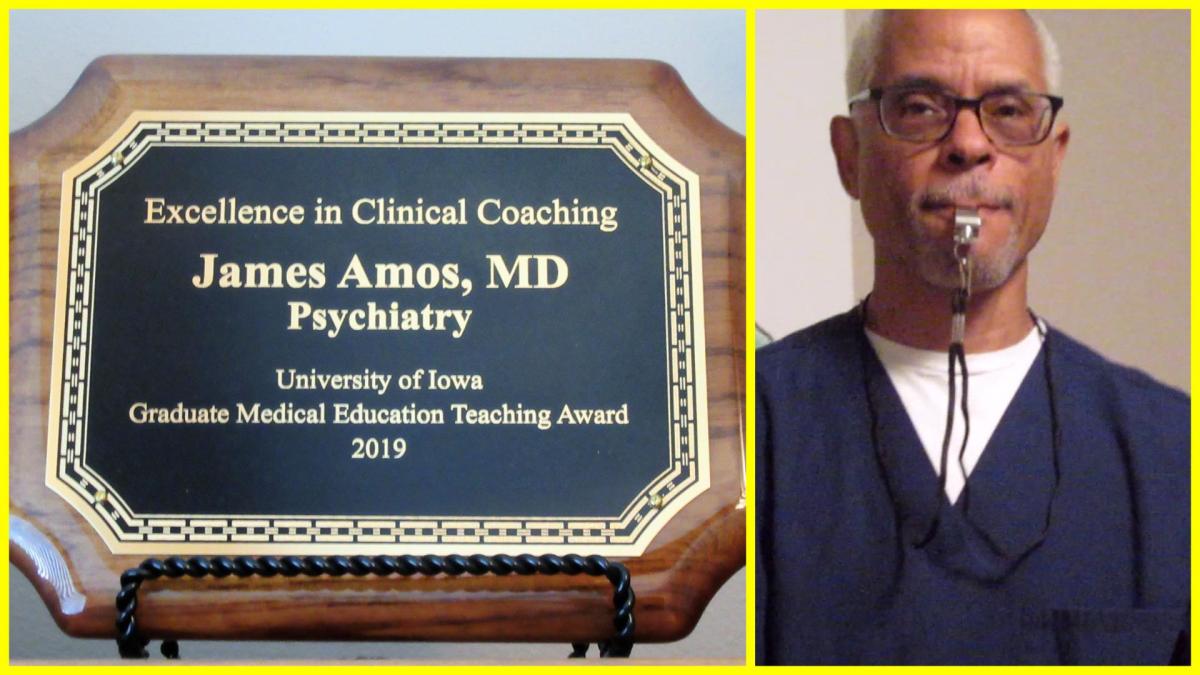
Today I want to thank everyone in my department for nominating me for the Excellence in Clinical Coaching Award . I accepted it during the Graduate Medical Education Leadership Symposium this afternoon.

For some reason, I almost wrote “Excellence in Clinical Clowning Award ” above. I guess maybe one of the reasons is that I was given an award (tongue in cheek) by the residents a few years ago when I made a pretty funny mistake giving a Grand Rounds presentation.

Much to my embarrassment, I somehow mixed up my slides so badly that many of them were out of order. I had to ad lib around that–a lot. Little wonder the residents whipped up the Improviser of the Year Award for outstanding improvisation during a Grand Rounds.

Improviser of the Year Award

Another honor I received about 8 years ago was a Feather in My Cap award after making the rank of Clinical Professor. The awardees had to come up with a favorite quote which guided them, and which was printed on the certificate. At the time, my favorite quote was:

“Vitality shows in not only the ability to persist but the ability to start over.”

F. Scott Gitzgerald
Another feather in my cap

I think I chose that because I have sort of reinvented myself over the years, including going to medical school later in adulthood, trying private practice in psychiatry, and most recently transitioning to retirement.

I’m also very fond of the Leonard Tow Humanism in Medicine Award about twelve years ago.

These days, other quotes are more important to me, like the one by Stephen Covey,

“Leadership is a choice, not a position.”

Stephen Covey

The comments praising today’s honorees, written in the the program by trainees and department colleagues, were heart warming for everyone. They brought back memories for all of us, I’m sure.

I struck up a conversation with an attendee about comparing coaches and mentors. I mentioned that in a previous post, “Spring,” on May 4, 2019. Many people tend to conflate the two roles, although I still favor the view that coaches tend to have shorter relationships that are more focused on skill building while mentors have longer term relationship more focused on career building.

However, both mentors and coaches serve as role models, something all teachers do. I have a short coaching video below for a skill I have often role-modeled for trainees–sitting with patients and listening to them for understanding.

In honor of Excellence in Clinical Coaching–and Clowning.

I’m also a big fan of a sense of humor on the Consultation-Liaison Psychiatry service, as anyone knows who has worked with me. My work-related anecdotes get more colorful, less accurate, and longer the older I get. I know when to cut them short, though–the trainees snore loudly. My hearing is still pretty good. I briefly considered getting a coach’s whistle—but thought better of it.

Let’s Promote Living Well to 100

Living Well

I get a big kick of this video every time I see it. It’s a YouTube about people who are 100 years old who are funny, wise, and talented. It’s included on the SSM Health St. Mary’s Hospital YouTube channel. St. Mary’s Hospital is in Madison, Wisconsin. I worked as a psychiatrist there very briefly a long time ago.

However, the other thing this video brings to mind is something sad. I see patients half my age (nowhere near 100) almost every day in the hospital who are delirious, sometimes for prolonged periods of time. According to the medical literature, they will be at risk for developing dementia and not infrequently do. In fact, research tends to show that for every day someone spends delirious, the risk for developing dementia goes up 35%. That makes delirium a life-limiting condition which can happen to anyone at any age.

I got delirious after a routine colonoscopy, a procedure to screen for colon cancer and other pre-cancerous tumors that used to be routinely recommended for those who reach 50. It was the worst 50th birthday present a guy could ever get.

I was delirious probably because I got sedated with a combination of Versed and Demerol. The worst part of the condition probably lasted only a couple of hours at most following the procedure. But I was sure wiped out the rest of the day.

I would have a tough time picking out the worst part of the whole process, the bowel prep (guzzling a big jug of GoLytely which should be called GoHeavily) or enduring the post-procedure delirium. It was probably the latter.

I don’t remember much. My wife tells me that I kept repeating something about not taking NSAIDs. I think there was something about that in the informed consent and education materials that got sort of stuck in one of my neurons. I kept sliding down in bed while I was in the recovery room, which I was in for a little while longer than is usually expected.

Preventing delirium is a vital job for health care professionals everywhere. We can’t prevent each and every case, but there are definitely things we can do to mitigate the problem. One of the most important goals is to try to minimize or avoid the use of certain offending drugs such as anticholinergic and sedative-hypnotic agents.

It’s also good to remember that the population at highest risk for getting delirious is the elderly and those who already may have cognitive impairment.

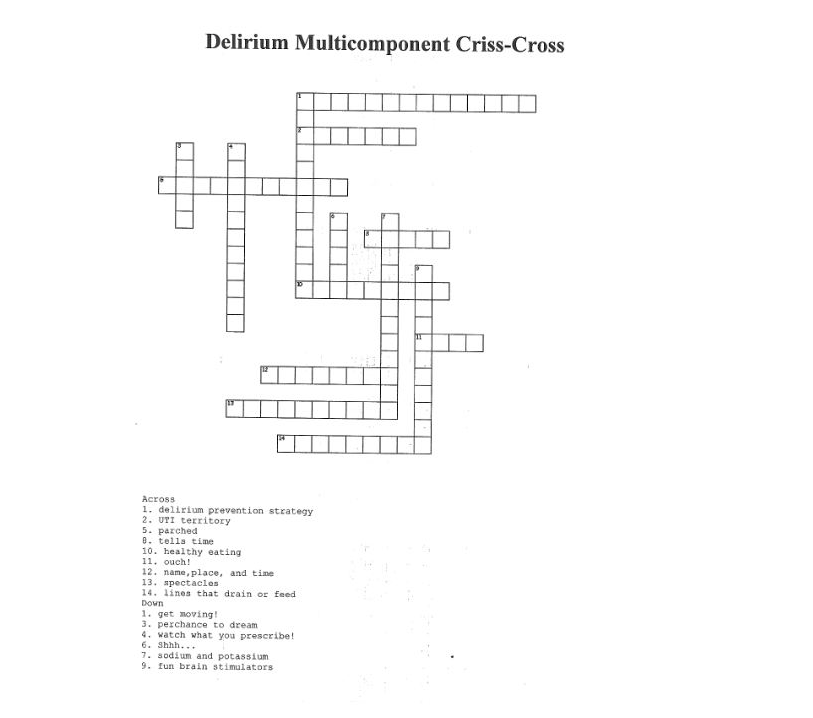
Preventing delirium, based on current literature, means first implementing non-pharmacologic multicomponent interventions. These may require a large cadre of volunteers. The best example is the Hospital Elder Life Program (HELP) at Yale, which is copyrighted by Dr. Sharon Inouye. Six of the most important features to address:

–Normalizing electrolytes such as sodium and keeping patients well-hydrated

–Mobilizing patients as much as possible, including getting immobilizing devices such as foley catheters removed as early as you can

–Making sure sensory aids such as eyeglasses and hearing aids are available

–Ensuring that medications are monitored so as to minimize exposure to drugs that are anticholinergic or sedating.

Anyway, working on preventing delirium and minimizing its impact is an ongoing challenge. Keep the goal in mind: We want as many people as possible to live well to 100.

The Groundhog Effect

Last year, we noticed a groundhog waking up and bulldozing our back yard, even though snow was forecast that day. It’s pretty good at just putting its head down and pushing through almost anything in its path including leaves, sticks, small rocks, flowers, and so on.

Their single-minded digging has helped uncover bones and pottery of old civilizations and aided medical researchers study a lot of things including the role of viral hepatitis in liver cancer.

I can compare them to those who bury themselves in the single-minded study of medicine in the transformative path to medical practice. I can recall my medical school classmates and their clicker pens taking notes in class. They weren’t called “gunners” for nothing. Call it the Groundhog Effect.

Even if you weren’t a gunner, you had to apply yourself just like a groundhog to your studies. It could lead to another characteristic common among these creatures. They tend to be loners.

The analogy is far from perfect, of course. Groundhogs aren’t lonely. People can be, which is why medical students and residents are often advised to always remember H.A.L.T.

H.A.L.T. refers to trying to avoid letting oneself get too hungry, angry, lonely, or tired. It’s probably a warning about incipient burnout, a problem that affects at least half of physicians and which is the hot topic these days.

I’m always a little puzzled that so many physician wellness programs and meetings seem to devote a lot of time trying to teach doctors how to improve their resilience. It’s as though we’re somehow to blame for getting burned out.

I’m not saying learning things like mindfulness are not important for promoting physician wellness. I have my own daily mindfulness practice and it is certainly helpful.

It would also be nice to spend more time addressing the systems issues contributing to physician burnout, such as very full clinic schedules, overly complicated electronic health records requiring hours of data input that create the need for “pajama time,” which is bringing your job home with you, board certification busywork, managed care rules that marginalize physicians, and so on.

This is a continuation of the hassle factors that can lead to physicians just learning to put their heads down and dig through the mess—sort of like the groundhog, and often in isolation from each other.

Transformative processes can also occur at the end of a physician’s career. I’ve spent a long time learning to be a physician and now that I’m in phased retirement, I’m finding out how hard that can be. It would be helpful to know that others are passing through this stage as well, and that I’m not alone.

Could it be that one way to counter the Groundhog Effect is to come together and share this retirement experience? There will always be those who work well into their nineties and that’s great. Statistically, though, most of us will retire in our mid-sixties.

The graying out of the psychiatrist population is contributing to the shortage, to be sure. But we could still be useful to the next generation of doctors acting as role models for how to navigate the other transformative process—reflecting on the task of becoming somebody other than a physician. I think it would be easier if several doctors did this.

Animals do this. I saw this several years ago when we owned a house with a fountain, which was frequented by more than a couple of species of birds, including Bluebirds. They gradually arrived but were at first tentative about immediately diving in. One would perch on the rim. Another would come along and do the same, maybe drink a little water while watching the other.

Eventually, one would dip its tail feathers in just for a moment. Pretty soon, they would make like ducks.

I guess you could call it the Bathing Bluebird Effect.

Black Psychiatrists in Iowa

It’s funny how a newspaper article can set off a series of remembrances. I read the Psychiatric News article, “Building Community in Professional Organizations: The APA and BPA,” written by Ezra E.H. Griffith, M.D. (published on line April 30, 2019).

The article is about how Black psychiatrists have struggled to become a part of mainstream psychiatry, eventually forming the separate organization Black Psychiatrists of America (BPA) in 1969.

Nowadays it’s difficult to imagine that the American Psychiatric Association (APA) discriminated against Blacks. As an aside, I’m noticing how I’m not using the usual term “African American” in this post. Instead, I’m using the term “Black,” which is what Dr. Griffith did.

This reminds me of a book review I wrote for the American Journal of Psychiatry almost 20 years ago (Amos, J. (2000). Being Black in America Today: A multi perspective review of the problem. Am J Psychiatry, 157(5), 845-846.).

The book was written by Norman Q Brill, M.D. It reminded me of my experience at Huston-Tillotson College (now Huston-Tillotson University, a private school, historically with largely Black enrollment) in Austin, Texas back in the 1970s. I wrote:

“Dr. Brill’s appraisal of many black leaders in chapters such as “Black Leaders in the Black Movement” and “Black Anti-Semitism” may be refreshingly frank in the opinion of some. He tailors his prose so as not to denounce openly those whom many would describe as demagogues. At the same time, it is apparent that his underlying message is that a substantial number of them are not only out of touch with mainstream black America but may even mislead black people into adopting ideological positions that impede rather than foster progress. Dr. Brill’s description of the issue reminded me of my own experience with this phenomenon as a freshman in the mid-1970s at a college of predominantly black enrollment in the southern United States. A guest lecturer (who, as I recall, had also written a book about being black in America) told us that the white man would never allow a black man to be a man in America. He had only three choices: he could be a clown, an athlete, or a noble savage. These corresponded to the prominent and often stereotyped roles that blacks typically held in entertainment, sports, and black churches.” 

I was taken aback by the speaker’s judgment and asked him what my choice should then be. He was equally taken aback, I suspect. He advised me to be a clown. I also remember being aware of why my department asked me to write the review. That leads me to reflect on the upcoming celebration of the 100 Year Anniversary of the Department of Psychiatry where I’ve been a faculty member. It’s in November 2019.

If you read through the web page describing the history of the department, you won’t find anything about Black psychiatrists. In fact, I could be the only Black psychiatrist who has ever been a faculty member here at The University of Iowa Hospitals and Clinics.

And if you look at The 2018 Greater Iowa African American Resource Guide available on the web, you’ll find only one other psychiatrist listed other than me. See Update below about this reference:

Update: I’ve discovered as of May 3, 2022 that the 2018 Greater Iowa African American Resource Guide cannot be found at the link above. There is a link to The 2019 Greater Iowa African American Resource Guide. I’m still listed as the only Black psychiatrist in Iowa City. There was a Black psychiatrist in Sioux City who was in the 2019 guide as well, Dr. Rodney J. Dean, MD at Dr Dean & Associates. I could not find any guides after 2019.

On the other hand, historically, some Blacks have done well in Iowa. George Washington Carver became a faculty member at Iowa State University in the 1890s. I graduated from Iowa State in the 1980s. After World War II, Black Iowans integrated The University of Iowa, Iowa State University, and Drake dormitories in 1946. Dr. Philip Hubbard was the University of Iowa’s first Black vice president.

I am not a clown, an athlete, or a noble savage. I am a man.

Addendum: I read the facts about George Washington Carver and Dr. Philip Hubbard on an Iowa Public TV web page. However, to my dismay the site is marked “Not secure” by Google. The source of the information there is from a respectable reference:

Silag, B. (2001). Outside in: African-American history in Iowa, 1838-2000. Des Moines: State Historical Society of Iowa.

Content information:

“A distinguished group of 36 writers (for no pay or royalties), including community leaders as well as academic historians, has created Outside In: African-American History in Iowa, 1838-2000, a book certain to become the standard work on the African-American experience in Iowa. Each of the book’s 20 chapters focuses on a particular aspect of that experience–legal and political rights, business and professional leadership, clubs and community organizations, churches and schools, and more–from Iowa’s territorial days to the present. Hundreds of photographs (gathered from family albums and scrapbooks, as well as historical archives) accompany the text, which is documented with extensive references. A detailed index is also included. Three themes tie together the enormous amount of historical information contained in Outside In: *The struggle of black Iowans to claim their rights as citizens; *The pursuit of individual opportunity in Iowa’s evolving economy over the years; and *The creation of community institutions to help families and individuals through good times and bad. Outside In provides the big picture and the details of this proud story of African-American initiative in Iowa, from the groundbreaking legal victories of pioneer Alexander Clark up through the present day political triumphs of Preston Daniels and LaMetta Wynn.” –Dust Cover, Front flap. Outside In is the result of a collective effort spanning five years. It is the first in-depth study of the black experience in Iowa in a half-century, and is expected to stand as the definitive work in its field for some time to come. While much of the book’s contents recall hard-fought struggles against prejudice, discrimination, and violence. Outside In also points to proud traditions of understanding and cooperation among black and white Iowans, traditions that go back to before the Civil War and remain vital to this day. –Dust Cover, Back flap.