GFCI Outlet Torture

There’s this exercise machine commercial which has actors ask “Do you want some more?” This is the usual exhortation letting you know more pain and torture is needed if you really want to get in shape.

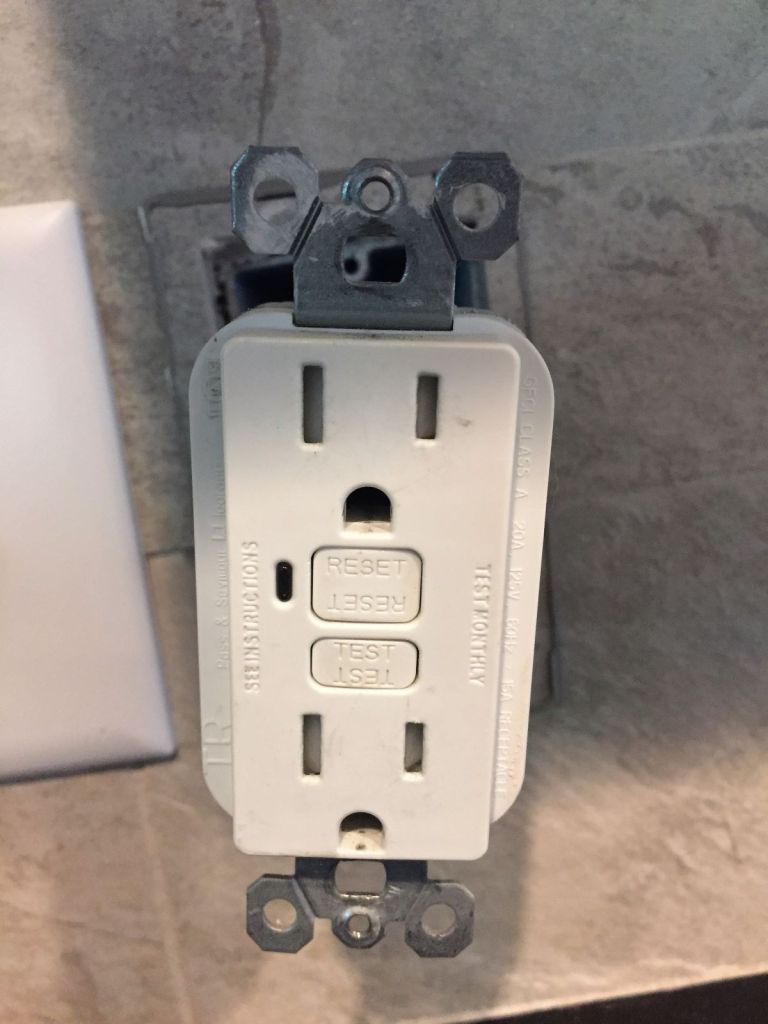
Well, replacing Ground Fault Circuit Interrupter (GFCI) outlets is one way you can get more torture—but only if you really want it.

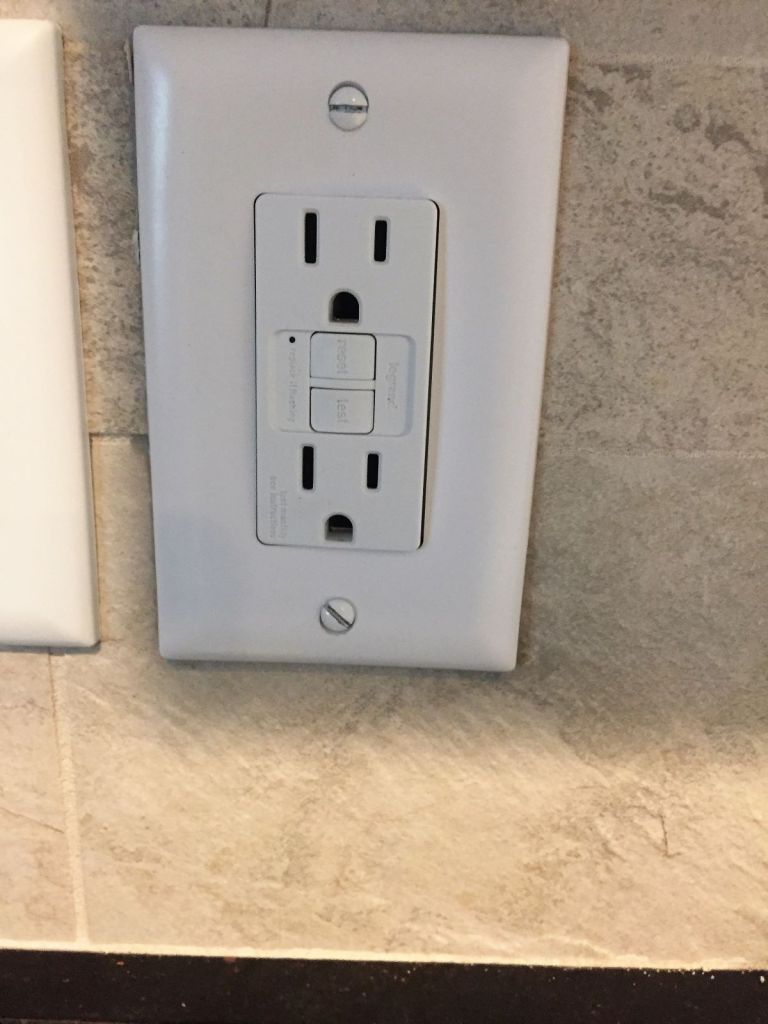
I’ve replaced GFCI outlets before in our house, but yesterday I had to replace a few more. I got charley horses in places I didn’t know I had. It also took a lot more time. It took me several hours to replace just 3 of them.

You have to know something—I’m not a natural handyman. I’m also not really a trainable handyman. I’m terminally resistant to handyman stuff of any kind.

I didn’t find out the next fact I’m going to mention until after I installed the GFCIs, but since 2015, so-called Self-Test GFCIs are available—which is what Sena bought but didn’t know it. They automatically monitor the GFCI periodically. Ours self-test every 3 seconds, which sounds impressive, until you hear the rest of the story.

I found the International Association of Electrical Inspectors (IAEI) blog post which has an interesting post about Self-Test GFCIs. First, they describe why the Self-Test GFCI was made, which is that consumers rarely, if ever, tested them once a month as recommended to ensure they work.

New requirements now ensure that power denial to the GFCI and any downstream connected devices (which is what the term LOAD refers to on the GFCI outlet) when the GFCI wears out. But there’s a special exception for the self-test:

The general requirement in the event of a test failure during the auto monitoring also requires “power denial”. However, there is a special exception for two specific failure modes that allows an audible or visual indication as an alternative. These failure modes open the trip solenoid and open the solenoid driver component and make it impossible for the device to trip with these components open. The improved functionality of the GFCI resulting from the auto monitoring will provide enhanced protection for the consumer against electrical shock hazards.

The auto monitoring or self-test feature periodically tests the electronics from the sensing toroid to the trip solenoid driver and will pick up a failure of the majority of components in the GFCI.  It cannot, however, test the trip solenoid driver, the trip solenoid itself or the contacts to see if they are welded. Testing those components can only be done by actually making the GFCI trip. It is not practical to have GFCIs randomly tripping off during self-test cycles. So, the manual test button is still provided and it should still be used periodically as recommended. The presence of the self-test function is not allowed to affect the tripping of the device within the specified trip time requirements if an actual ground fault occurs.

OK, two things to notice here. One is that if you have the self-test model which has a visual indicator (the red test light). Our GFCI indicator light would flash for this. That means you can’t plug a big night light in it, which would block your view of the test light.

The other thing to note is that you still have to periodically manually check it—even if it automatically self-tests every 3 seconds. That’s because if the GFCI actually did self-test the real-life relevant components, your hair dryer, radio, lava light or whatever would stop working at awkward moments.

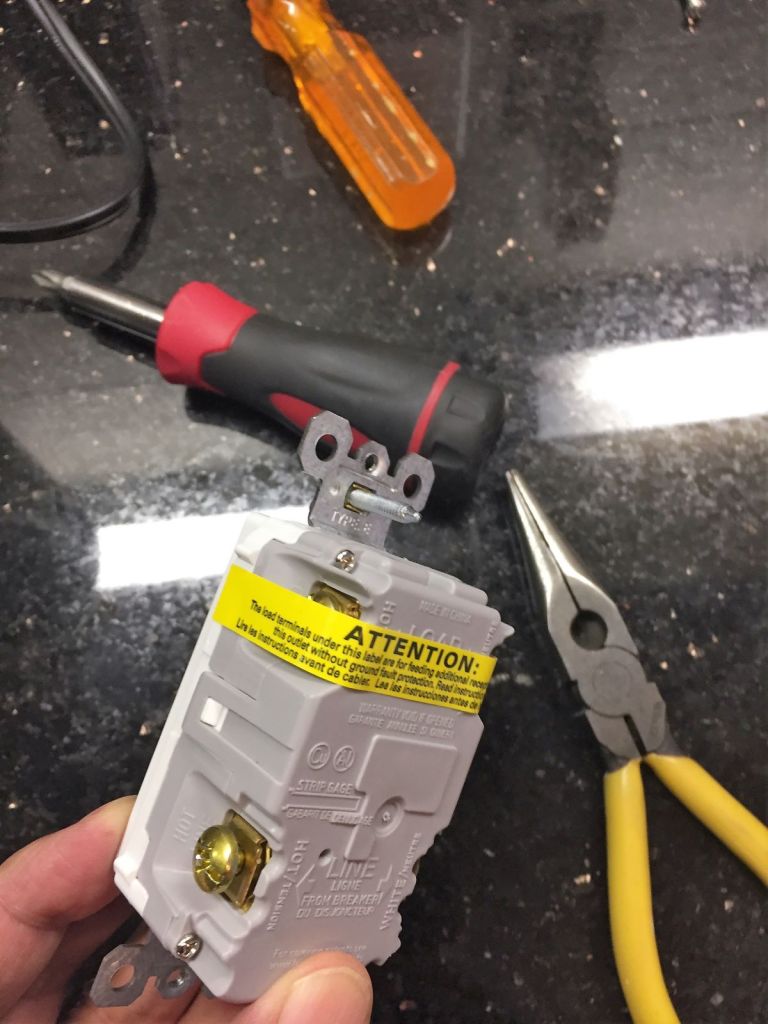
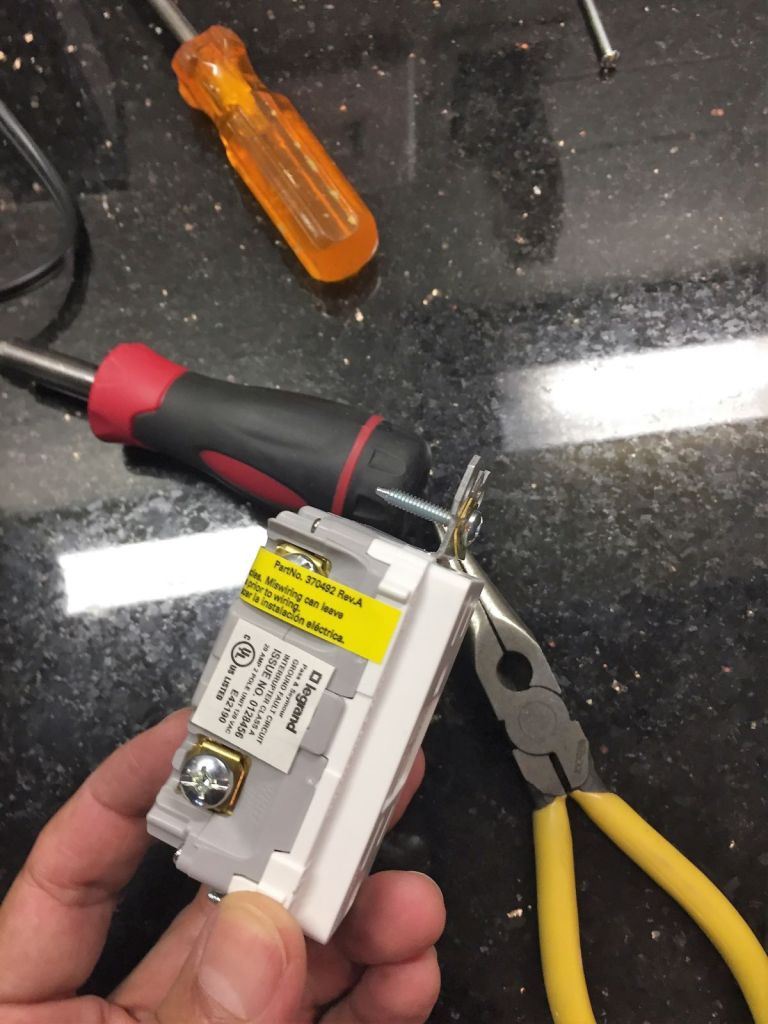
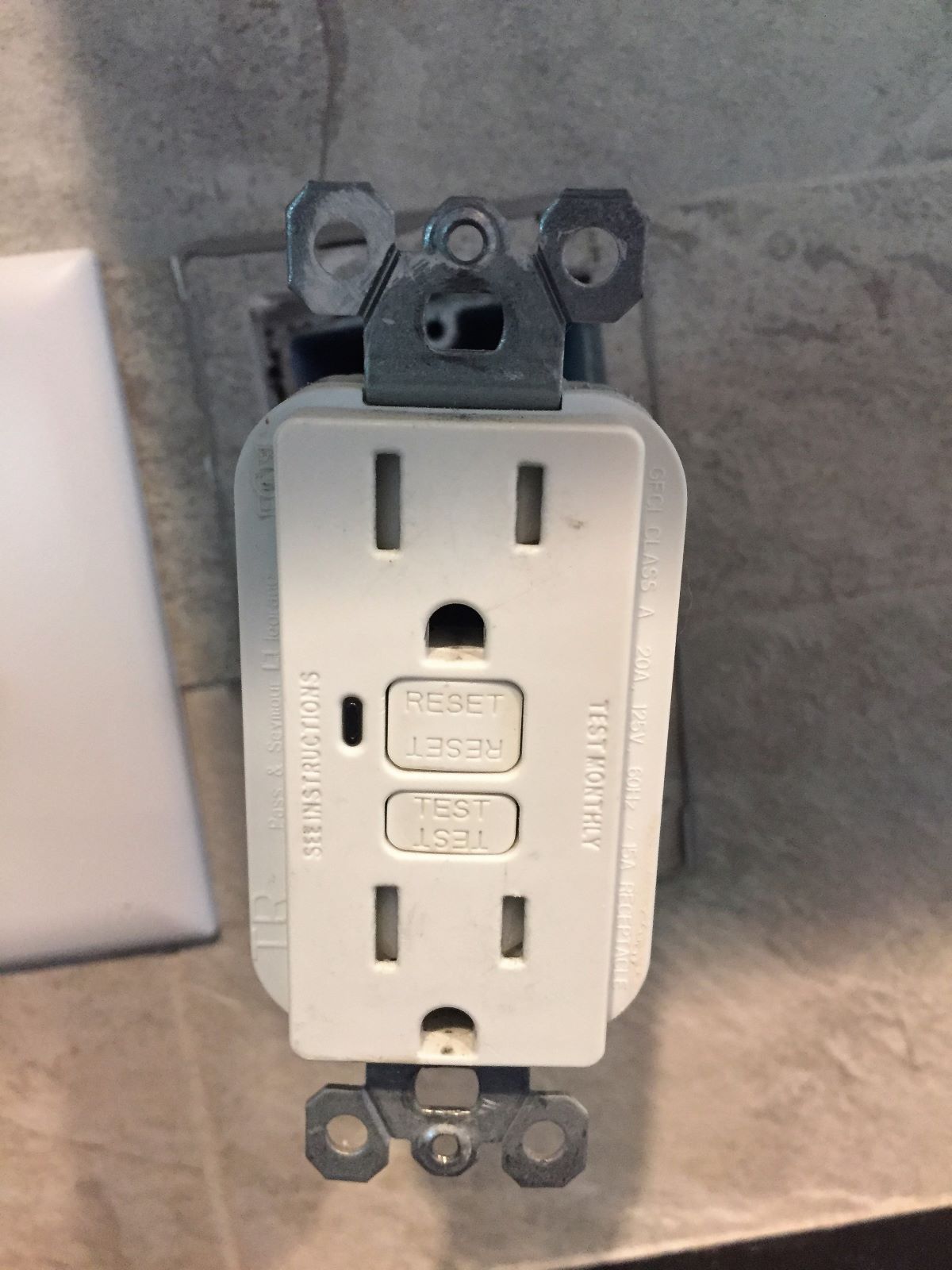
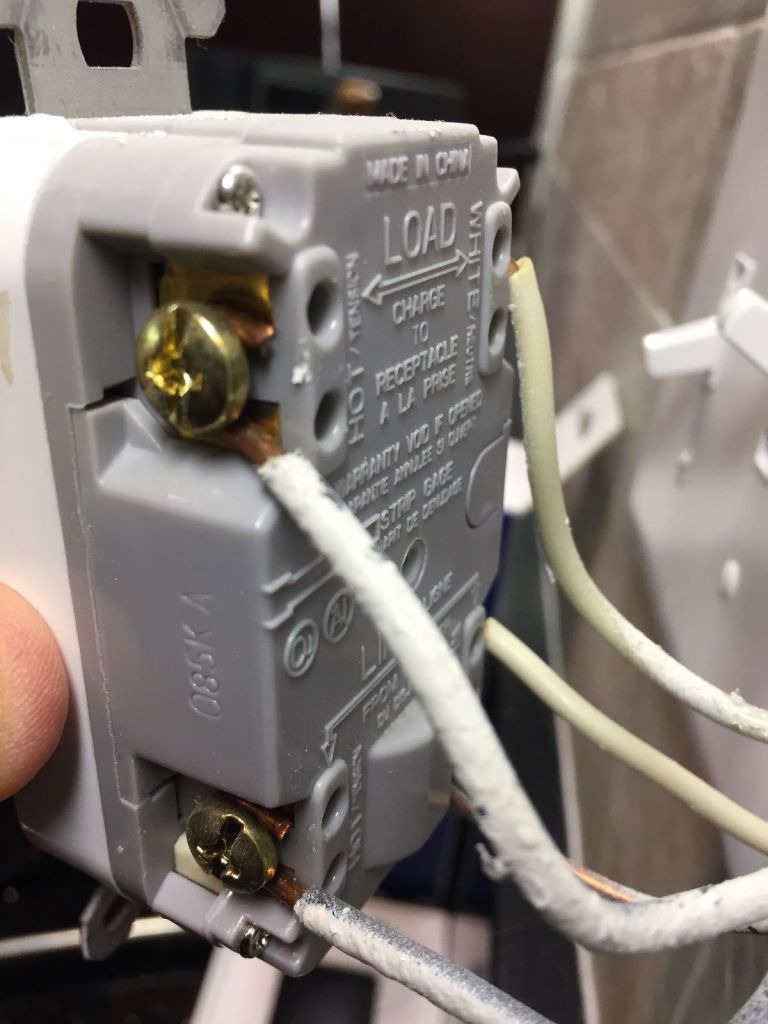
Anyway, I had a heck of a time getting the GFCI wires out from under the terminals. The procedure is not markedly different from changing an ordinary electrical outlet. You just have to make sure you get the right wires to the right terminals for LINE (in from the circuit breaker) and LOAD (out to the lava light). Changes in the design and explicit instructions are included with the product.

The hot wires are usually black (which go to the brass terminals), the white wires are usually white (which go to the silver terminals), and the ground wire is usually an orange unjacketed cooper wire. There can be as many as 4-6 wires.

Should an ordinary homeowner or an electrician replace a GFCI outlet? In fact, the included instruction sheet starts off with just this question, “Should you install it?” And yes, the word “you” is underlined. You only see it after you bought the product in the hardware store and open the package.

This does not bolster my confidence, which is already low to nonexistent.

The instructions say that you should make sure that you:

  • Understand basic wiring principles and techniques.
  • Can interpret wiring diagrams.
  • Have circuit wiring experience.
  • Are prepared to take a few minutes to test your work, making sure that you have wired the GFCI receptacle correctly.
  • Have updated your life insurance policy and your last will and testament (just kidding).

I’m not going to mention that the first 4 bullet points don’t count for ordinary consumers who are trying to save the cost of hiring an electrician to do the job for you. According to the Costimates website, this can range from $140-$310. The cost of an intensive care unit admission, funeral, etc., don’t appear anywhere on this site.

But the cost of a GFCI unit is about $20. Any questions?

I kept the instructions on the counter. I made sure I had enough lighting. We have under cabinet lighting on a separate circuit from the outlets. I shut off the relevant circuit breakers.

THESE ARE NOT INSTRUCTIONS. THIS ENTIRE POST IS AN ANECDOTE. YOU SHOULD FOLLOW THE INSTRUCTIONS INCLUDED IN THE PACKAGE OR HAVE A CUP OF COFFEE WHILE WATCHING THE ELECTRICIAN DO THE WORK (HAVE YOUR CHECKBOOK OR CREDIT CARD HANDY).

When I took the face plate off and pulled out the receptacle, I notice that most of the wires had a white coating, which a lot of wires seem to have. It’s uneven and it might be drywall spray? I can always tell which wires are white, black and ground. The ground wire is on the bottom of the receptacle, secured with a green terminal.

The hardest part was freeing the old copper posts from under the terminals and getting the news ones on. I twisted myself into a pretzel as I wrestled with the job. I was right next to the toggle switch for the overhead light and jumped every time I accidentally switched it off—which was several times.  I could have done without intermittent sudden flashes.

I followed the instructions closely, especially for testing my work. They worked. I started the job of replacing just 3 receptables about mid-morning. I finished at 2:00 PM. The average estimated time for this chore is about 15 minutes per GFCI outlet. I was sore in places I didn’t know I had.

But I saved hundreds of dollars doing it myself. Would I do it again?

Give me a little time to think it over. And remind me; how often should I manually test these things which automatically test themselves every 3 seconds?
Should We Smudge the Attic?

We never did figure out what was making the knocking noise in our attic.  I guess we’ll have to find out what to do about it. We did get the ladder and check out the attic, though.

As a general rule, animals don’t knock. They usually lack good manners, especially the Chupacabra and its cousins. And I can’t figure out what a wild creature would eat up there, unless it likes insulation.

I tossed an old fruitcake through the hatch to distract the werewolf, demon or zombie or whatever might be haunting the place. I figured that would probably kill it or at least the candied fruit would gum up his fangs so bad his jaws would stick closed.

It was pretty dark up there. We didn’t hear any knocking, but we did notice a disconnected duct. We’ve scheduled a fix with a local HVAC company.

We might have to Smudge the attic. I looked this up on the web. It’s a way to spiritually cleanse a house. You can use burnt sage or other substances which you have to light with a match or a lighter (which you could accidentally drop)—something I’m not sure I want to do in an attic when it’s hot and dry and there’s a lot of insulation and wood all over the place.

You end up with a lot of smudges that way—from a fire.

Anyway, you’re supposed to work your way around the attic from right of the entrance all the way around counterclockwise until you get the left side of the entrance.

We have attic hatch that is about 22’’ x 30.’’ It’s a long way around the attic. It’s pretty big and some things can hide under the abundant insulation—like giant pythons, which can go a long time between meals.

Snakes don’t knock; they lunge, strike, and coil. And if they’re possessed by a demon, they’re not usually impressed by how hot it can get in an attic.

This is why the HVAC repair person is waiting a while before coming out to our house. They try to avoid doing work in attics in the summer heat—not because they’re afraid of pythons. Python wrestling is just part of the job.

This gives us a little time to work out a smudge technique that doesn’t involve adding things like heat and smoke to the attic. That reminds me. You’re supposed to open up windows to let the smoke out. There aren’t any windows in our attic. Come to think of it, do any attics have windows?

It turns out there are smokeless cleansing methods—that don’t involve sprinkling Copenhagen all over the joint.

You can bang on pots and pans or ring bells. This can wake up the neighbors, who might call the police.

You can dust and vacuum and mop, but I’m not keen on cleaning up the attic. Attics are just the right places for large piles of insulation, dirt, and shadows—which can hide werewolves.

 You can make a spray out of stovetop potpourri, which might be a mistake because it could draw people from miles around who think you’re throwing a cheese and wine party.

You could open some windows to let in light but not in our attic, unless we knock out a few walls. Vampires don’t care for bright lights and might take offense.

Magical sweeping with an ordinary broom might work, but it would just make a cloud of insulation particles and make you sneeze—which could startle the werewolf, who would then rip your lungs out.

I think we’ll just stay out of the attic for now.

Final Chapter on the Pella Bottom Door Seal Saga

Today, we finally got the right bottom of the door weather seal—only not from Pella. We gave up on them after they crapped out after the third try to ship us the right seal. The third one was an even worse failure than the second. It was 51 inches long and the barbs were not spaced right.

I got transferred to a Pella Corporation supervisor who told me that the issue should have been handed to their service department long before it got so far into this circus of mistakes. So supposedly, the supervisor contacted the service department—who never contacted us. Apparently, the supervisor didn’t stay on the case to ensure we got the right item because we never heard back.

Pella just dropped us.

We finally found Hass Wholesale in South Bend, Indiana (update 3/4/2024: no longer has a website, apparently). The story is a little complicated. Evidently, Pella manufactured the bottom door seal we needed at an Ohio factory until around 2010 or so and then shut down the factory.

On the other hand, the invoice on the item we got from Cloud Brothers Wholesale LLC (evidently associated with Hass) identified it as “Pella-Pease 2/8 Bottom Sweep from (2001-2014 5/8” Kerf.” UPS delivered it.

The Pease company also makes their own door seals which would have fit our Pella door. They even call it a Pella seal. But they manufacture them and have nothing to do with Pella. They also don’t make them in the 32-inch length.

Both Pease and Hass sell Pella bottom drive on door seals just like the one we needed. I think Hass gets some of them from Pease. I don’t know what relationship they might have with Pella. Pella never commented on one of our messages indicating we were aware of Hass Wholesale inventory containing an item Pella apparently was not able to find in their own inventory.

Enough of them were available such that Hass Wholesale was able to ship us the right item 3 days after we ordered it.

Pella Corporation in Iowa fumbled the ball repeatedly for more than a month.  

We give Hass Wholesale two thumbs up for a job well done. On the other hand, Pella Corporation customer service representatives (in Pella, Iowa no less) while friendly, couldn’t get the job done at all. Pella gets two thumbs down.

Of course, we were nervous about installing the seal, but it looked almost exactly like the old one and the measurements were spot on. The barbs didn’t run the whole length of the seal, but they really didn’t need to be that long. The important thing is that they were 5/8’’ center on center wide to fit the kerfs.

We were a little hesitant about doing the job today, because there’s a Heat Advisory (temperatures up to 105 degrees) and we had to take the entry door off the hinges and air condition the garage so to speak.

There was not much effort other than I used a rubber mallet to help drive the seal securely into the kerfs. I also hammered a couple of small nails into both ends. I didn’t need to adjust the height of the threshold. The door closed securely and the seal was snug.

We had to push towels against the entry door bottom for weeks and worried about bugs and energy bills, waiting for Pella to send us the right seal. We don’t have to do that now.

I have no idea how many people actually replace their bottom of the door seals. I wish them luck if they are on Pella doors. You might want to just go with Hass Wholesale to save time.

We Are in Hot Water!

We have a new water heater today! What a relief. We spent a whole week on pins and needles waiting for the hot water to stop flowing again (maybe abruptly), and put us back on the cold shower regimen.

But the plumber was in and out in 2 hours flat. He was personable, knowledgeable, efficient, fast, and neat. He even put down drop cloths to keep the floors clean as he carted the old tank out and the new one in.

He gave us a quick rundown on the controls. They look easier to read and adjusting the temperature is simple—just turn a dial. The old one had a confusing light array. If you didn’t press them in just the right order, you could end up like a lobster being prepared for dinner.

There is an LED light on the control box and there are more than a dozen System Status Code sequences and they all mean something different. One is called “Heartbeat” (alternates bright and dim) and the control status description is “Call for Heat (no fault conditions).” I guess that means I call the plumber whenever I want hot water, which sounds a little inconvenient, but that’s how these newfangled gadgets are.

He was good with a joke, too. When we were discussing the controls and the LED indicator light, I asked him how we would know if something is wrong. On cue, he quipped, “You won’t have hot water.” I think he’s told that one about a million times. I’ll give him a call when the Heartbeat LED blinks.

Of course, we got an owner’s manual. It clearly states that the manual “must remain with water heater.” There was no manual with the old water heater when we moved in a couple of years ago.

It’s a pretty big deal to get a new water heater. If you have a young family, you generally have to give up your first born as collateral to cover the cost. That’s why you want to check your insurance coverage. In general, it’s a bad idea to try robbing banks to boost your finances.

The water heater is energy efficient, with an Energy Star label on the tank. It also has an ECO (Energy Cut Off) system that will shut off the water heater if the water temperature is too high.

There is a thorough Troubleshooting Guidelines section which includes Corrective Actions. A couple of them sound kind of Scary: “Combustion Odors,” and “Sizzling, Rumbling Noises.” Funny, I would think the Corrective Action would be to head for a hotel on the other side of town and don’t pack any bags. But it doesn’t mention that.

Anyway, we’re very pleased to be in hot water.

New Manual Dual Wheel Edger!

We were out doing yard work today. I usually do the edging with an old-fashioned manual edger to trim grass off the sidewalk to get a cleaner look. I think that’s difficult to achieve with a gas or electric powered trimmer. Sena did some extra mowing with the reel mower, which is also not a power machine—unless you count muscle power.

My edger has lasted about 12 years. I’ve used it for so long, I can’t tell what company made it anymore. The label is rubbed off. It had a 15-year guarantee, but I’m not chasing that one down. Today I noticed the job was a lot harder. I had to keep stopping because the blades kept getting stuck.

When I finally took a closer look at the tool, I noticed that the rubber was cracked and about to fall off the wheel next to the blade. I was able to finish the job, but had to run out to buy a new edger before the next time.

Menards had one. The brand was Yardworks, which I’ve never heard of. It cost about $45 with tax. I thought that was steep and can’t remember how much the old one cost. I suppose the price can go up a bunch over a couple of decades, but I wondered if I could get it cheaper at Lowes.

I drove over there only to find out that the salesmen barely knew what I was talking about. All they had were gas or electric powered models and I knew they weren’t edgers. They were trimmers.

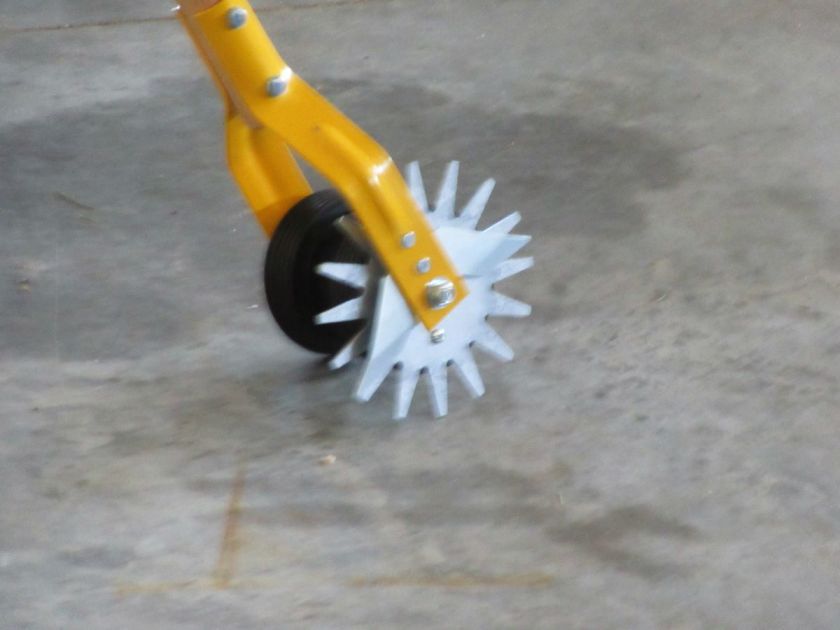
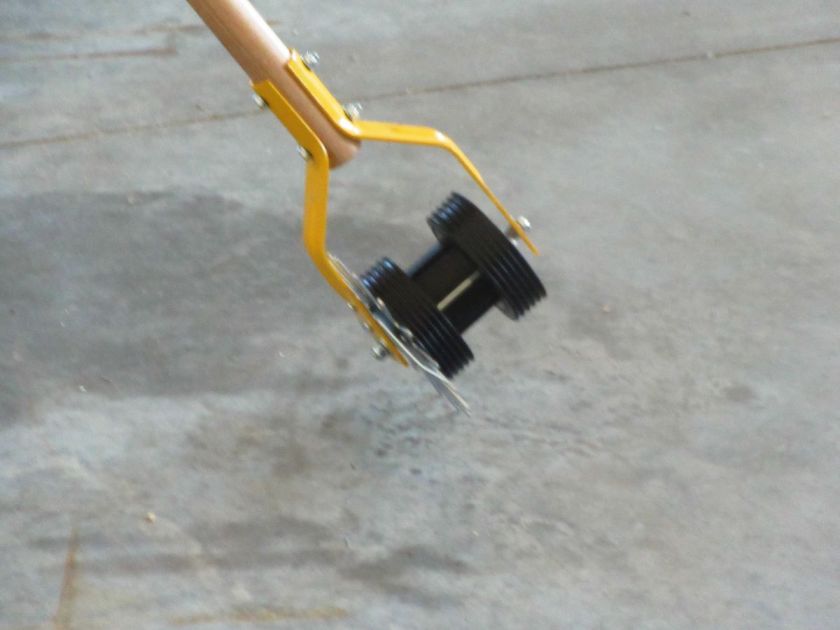
So, I had to drive back over to Menards to buy the Yardworks model. There was a half-dozen left, which tells you how unpopular they are. I noticed something wrong with the first one I picked up. The wheels wouldn’t turn. It was jammed. The second one rolled normally. That’s essential. The blades self-sharpen.

Just because they roll doesn’t mean the chore is easy, though. You know you’ve done some work after you edge around the walkways everywhere in the yard. Some people say that’s why only people with postage-stamp yards should use a manual edger.

There’s a video of how to use the Ace model, which looks exactly the same as the Yardworks edger.

The Ace guy in the video says you should edge about every couple of weeks or so to keep thing looking neat and clean. If you do that you could end up looking like I did at one time. When my quads got so huge, they were flopping over my knees which made it difficult to put my pants on, I cut back on the edging to 2 or 3 times a season.

Sena and I both worked pretty hard in the hot sun today. This is day 3 of the hot water heater failure—meaning cold showers for me. She had decided to try sponge baths until today. So, she took a cold shower instead of a sponge bath.

She’ll unthaw by tomorrow.

Hot Water Heater Out, Cold Showers In

Our hot water heater went kaput yesterday and I’ve now endured the only 2 cold showers I’ve ever taken in my life that I can recall.

Sena will be doing sponge baths, even though I’ve told her cold showers are great, easy, and healthy. Her hesitation might have something to do with my screams while I’m in the shower. The neighbors called emergency services yesterday, but now they probably know the story.

It’s strange how hot water heaters can just plain fail, especially on a Friday when the plumber is booked until late Monday afternoon. When I told the scheduler I would be more than happy to donate every single one of my cribbage awards to their company (which number exactly zero at last count), she just chuckled. When she told me our water heater was “out of warranty,” it didn’t surprise me and made me wonder if I would be taking daily cold showers until the day I die (meaning in about one week given my current level of recurrent hypothermia).

My cold shower method is the jump-in-yikes-out approach. Sena hauls me out in a wheelbarrow to unthaw me in the refrigerator—body part by body part.

In fact, there’s some evidence that cold showers are actually healthy for you, provided you don’t die of cold shock. Believe it or not, a cold shower drives blood flow from your skin to your internal organs. I don’t think that includes your brain, mainly because I don’t think you could pay me enough to stick my head into the freezing water which would turn me into a Jimbo-cickle.

On the other hand, there’s not a wealth of scientific evidence that cold showers are always good for you. On the other hand, it may be good for your immune system and circulation. Consult your doctor if you have cardiovascular disease. Cold showers can shrink your blood vessels. They can also shrink other parts of a guy’s anatomy, if you know what I mean.

Hey, did you know that Chuck Norris’ balls make cold water shrink? You get my drift.

This is not the first time we’ve had problems with a hot water heater. A few years ago, in a different house, the water heater developed a leak around the base. This is supposedly something the homeowner can deal with.

You get my drift. You might think you’re lucky this is the age of YouTube and you’d be partly right. However, I found a number of do-it-yourself videos in which different consultants had slightly nuanced approaches to checking and maintenance of hot water heaters. Watching several videos and getting the gist of the steps is what ordinary people probably do if they do this at all.

Is there only one way to check the Temperature Pressure Release (TPR) valve? Do you always have to shut off the gas line valve or can you get by with turning the thermostat knob to the pilot setting?

Should you really watch that MythBusters episode in which there is a very explosive example of how the wrong procedures in hot water heater maintenance can lead to very deadly consequences? No kidding; a couple of experts recommended it.

I gotta tell ya, I can do without the “guttural thud.”

Anyway, start to finish, the project of checking for leaks around the drain valve and the TPR valve, getting the garden hose and hooking it up to the drain valve after shutting off the cold-water valve, turning the thermostat to pilot, draining the 50 gallon tank (don’t forget to turn on your hot water faucets to help the process along!) to see tea-colored water briefly which cleared quickly, and reversing the steps, with a total time of about 2 hours including clean up and shazam—the leak was not fixed.

That’s why I call a plumber. And I’ll be keeping track of the number of cold showers I take.

Planet Pella

I thought I would bring readers up to date on what’s happening with our panel bottom of the door weatherstrip seal replacement. Notice how I’m picking up the vocabulary of Pella door and window replacement parts?

I’ve concluded that the Pella corporation I’ve been dealing with over the telephone must be another planet. It’s probably the planet Pella, in the Pella star system in the Mecetti Province of the Tapani Sector. It produced and may still be producing huge harvests of grains and vegetables annually, which makes it an important agricultural producer of the sector.

It can’t be the Pella corporation that is located in Pella, Iowa—you know, where the Pella Tulip Festival is held every year and supposedly the headquarters of the large producer and sales center for doors and windows.

I’ll tell you why I think Pella (or at least the Pella I’ve been in touch with, sort of) is another planet in a galaxy far, far away. Hang on to your tin foil hat. For about the last month, I’ve been trying to get a replacement bottom of the door weather seal for our Pella door. I’ve talked to several customer service representatives who are friendly, polite, and who have been honestly trying to be helpful.

However, something is getting lost in the communication. I suspect it’s because somehow, the telephone connection has been hijacked by a wormhole between Earth and the planet Pella in the Tapani Sector. I thought things like this happened only in novels by Douglas Adams, as in The Hitchhiker’s Guide to the Galaxy.

I think I’m being connected with the Ministry of Agriculture on the planet Pella. Agents there are getting my calls by mistake because of the wormhole vortex detour.

It started with the requirement for a serial number—any serial number. I sent pictures of the door. One of them was of a label stuck to the door indicating that it is a fire door. There is a number stamped on the top of the door which is a date: March 11, 2011. There is no serial number stamped on the top hinge—which does bear the Pella label, as do the other two hinges.

I gave them pictures of the door which has the kerfs (slots) on the door bottom where the barbs of the door seal should be driven. We took the door off the hinges and removed the old seal so that I could send pictures of the shredded seal as well as pertinent shots of the door itself.

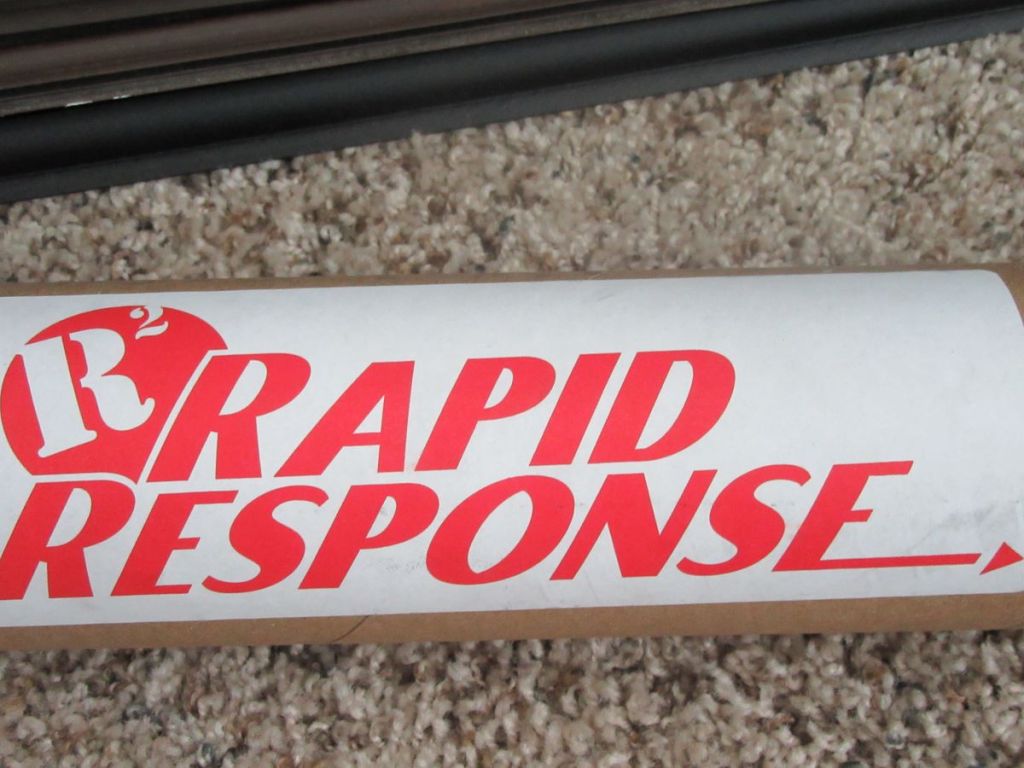
Planet Pella gave up on the serial number requirement and sent us two small weatherstrips which were obviously not meant for our door. They sent it free of charge at least. It also took a rather long time to get to us, given that we’re only about an hour and a half away—that is, if you believe the delivery was from Pella, Iowa. Despite the lengthy time to delivery, the package bore a label marked “Rapid Response” in large red letters. Sure, if it’s from the Tapani Sector.

I spent a long time on the phone with the Minister of Agriculture. It’s possible that the agent on the planet Pella who was in charge of mailing the package got hungry on the way to the post office and stopped off at the break room for microwave popcorn and a soda. The package got left in the break room, where it was found by the custodian days later. It was somehow saved from the trash compactor, stamped with “Rapid Response” and beamed down to us.

I thought we got things cleared up and Pella gave it a second try. We just got another package marked “Rapid Response” and guess what? It’s the right seal but it’s the wrong size!

Well, back to the phone and several times on hold while the Minister of Agriculture checked several times with the supervisor who had to be convinced that I didn’t want a shipment of soybeans (we’ve got plenty of that in Iowa) but the right size door seal. I sent another picture, this time of the old shredded seal next to the one they sent for comparison, which was obviously the wrong size. Come to find out they sent the seal for a patio door, not a fire door.

We’re on the third attempt for planet Pella to get it right. They assure me that they’ll get it right this time. I imagine they’ll ship it again by Rapid Response—along with a bushel of soybeans, compliments of the Prime Minister of the Tapani Sector.

Weather Sealing Your Door Jambs

The other day I mentioned that I put off replacing the weather sealing around our sun room door because of the heat. Yesterday, I did it in the morning before it got to 100 degrees, because there was another Excessive Heat Warning.

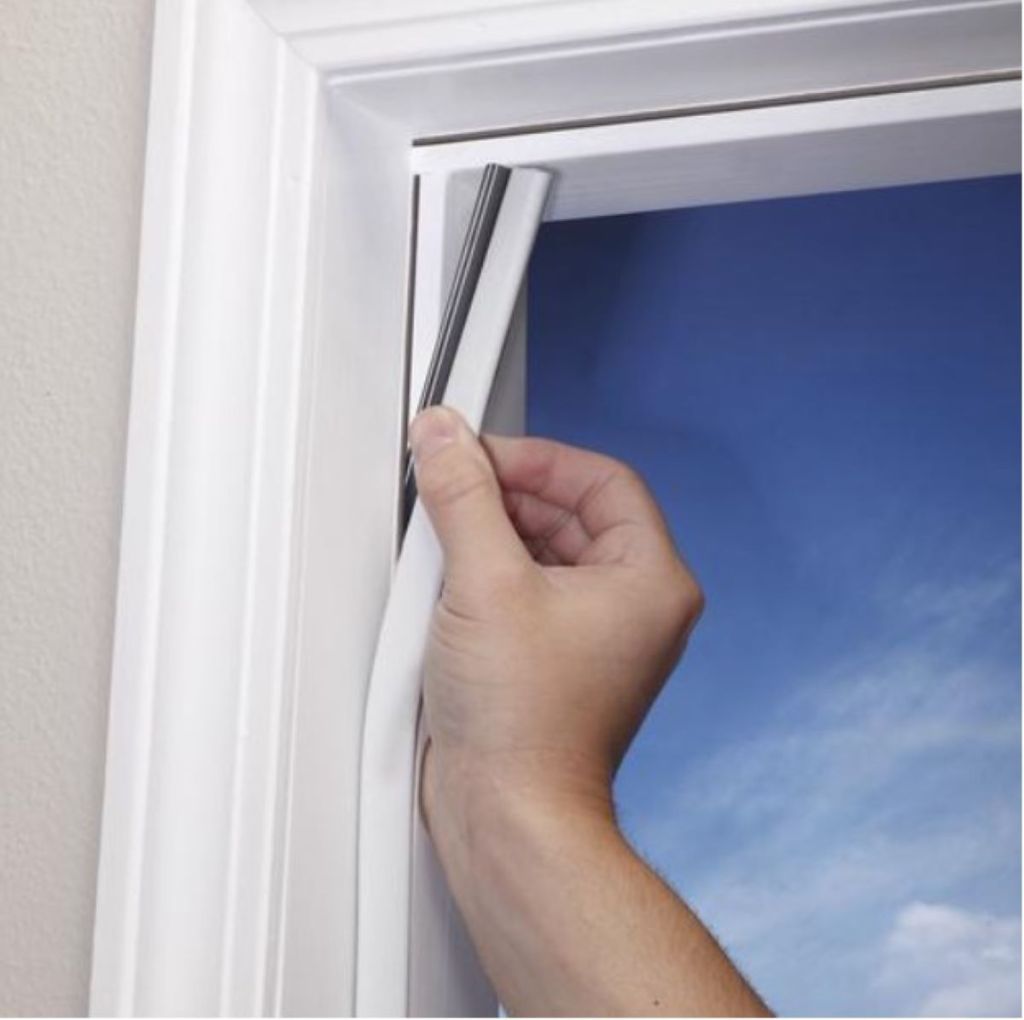
I saw a YouTube video of how to do this, and a guy was pushing the replacement strip in the kerf with a chisel. “Kerf” is a just fancy word for a slot in which you push the tab of the strip into the door jamb.

As I watched the video, I thought to myself, “I hope he doesn’t tear a hole in the strip with that chisel.” Then the guy actually warned viewers to be careful not to rip the weather seal with any sharp tool used to push the seal into the kerf.

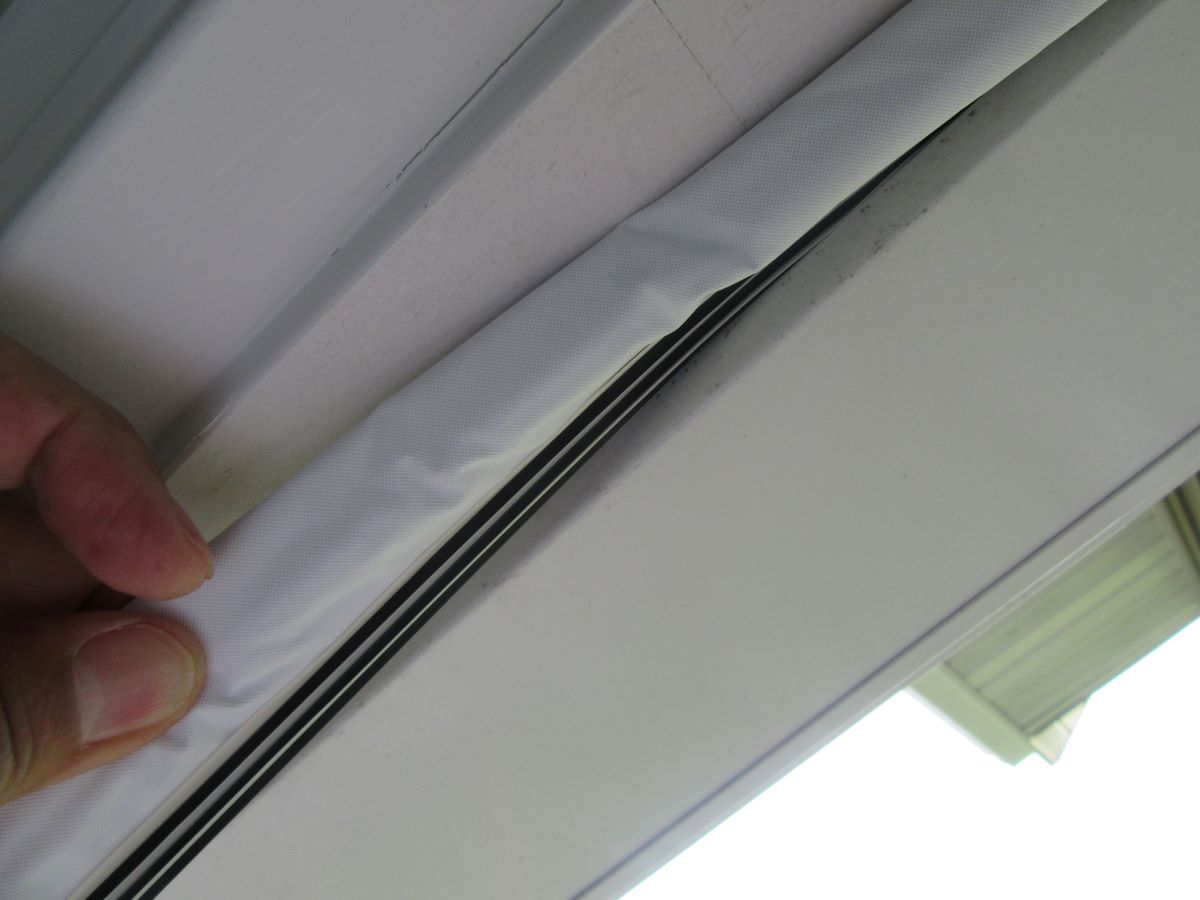
It’s actually pretty easy to push the seal into the kerf. You just press it in with your fingers. The hard part is trying to keep your hands and work area clean while you’re peeling out the old strip. You do this by gripping it with needle nose pliers and pulling it out of the kerf just to get it started. This can lead to what amounts to a mini-rock slide spilling on the floor and maybe even in your face. You might think this would make you look like you worked really hard, mitigating any fallout from the mess you made.

Of course not! That’s because it’s hard to explain to your better half why there’s a pile of dirt, pieces of old seal on the floor, and grime on the fresh, new seal (the color of which is, of course, white) in addition to the swarm of hornets and flies, sparrows, the odd skunk—which you tried to hide by wiping things off with a new sponge that is earmarked for other cleaning jobs around the house, and calling pest control.

You can either try to measure the strip first and cut it before installing it or just start pressing it in at one end and estimating where to trim it (You can easily trim with a pair of stout scissors; don’t use the pair in the kitchen) when you get to the other end.

I tried the latter and the technical term for the unfortunate resulting quarter inch piece across the top of the doorway I added to make up the shortfall is “tacky.” Because of the orientation of the kerf tab, you can’t just flip it around to make it look like there’s no gap. That trick never works, apparently.

Fortunately, I’m entitled to a limited number of tacky handy man moves. Good luck.

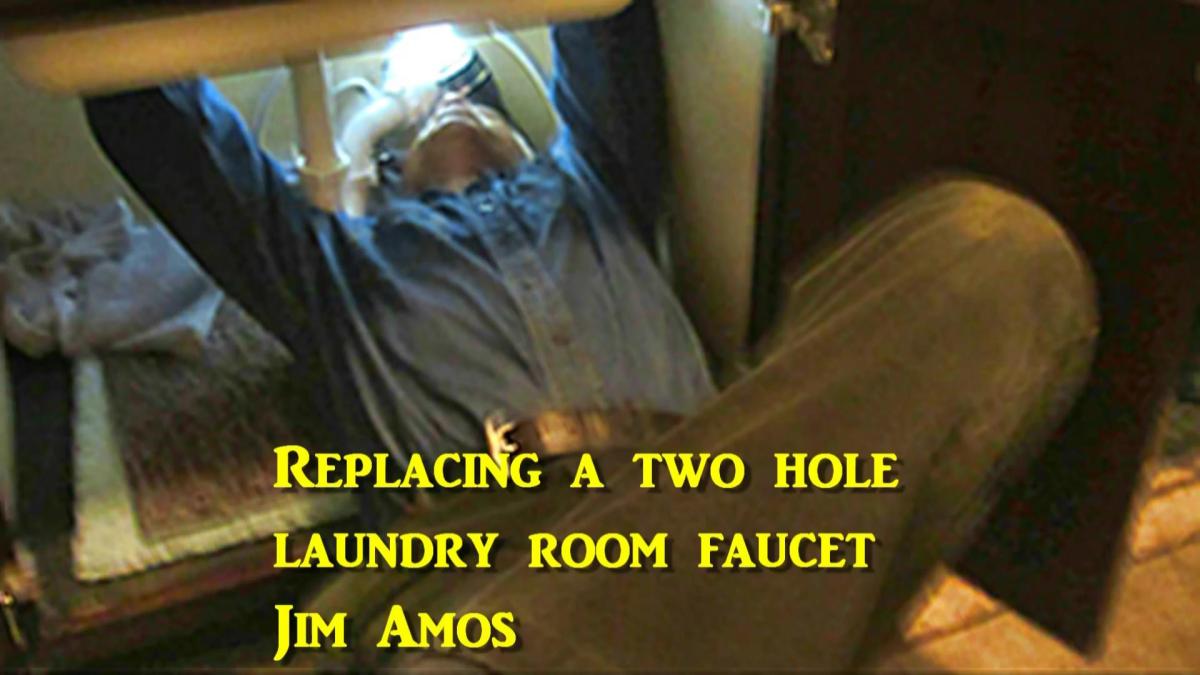
Replacing a Two-Hole Faucet

I’m the least handy person on the planet. If I can replace a two-hole faucet, then even Bigfoot can do it.

Replacing the two-hole faucet is probably one of the easiest DIY jobs you can do. That doesn’t mean I didn’t have a problem or two with it.

When you get to the step in which you flush the water lines before installing the new faucet, turn the water lines back on very slowly. If you turn them back on as fast as you turned them off, the water pressure will blast you like Niagara. Water will go everywhere.

Hey, I’m an expert. And do you know what the definition of an expert is? A retired drip under pressure.

So Much Depends Upon the Serial Number

You’ll probably think I’m nuts and you’d be right, but a problem with ordering a replacement part for something from Pella Windows and Doors Company made me think of William Carlos Williams’ poem “The Red Wheelbarrow.” The poem is in the public domain because it was published before 1927, so I guess that means I can include it in this post:

The Red Wheelbarrow

so much depends

upon

a red wheel

barrow

glazed with rain

water

beside the white

chickens

–William Carlos Williams

I’m not a poetry scholar and I have no idea what this poem written by a doctor means. One writer says that it’s probably impossible to get its meaning because it’s part of a much longer book-length work, “Spring and All” and the poem was split out of its context.

My connecting it to the Pella company has nothing to do with “Spring and All” or chickens or red wheelbarrows. It has to do with trying to order a replacement weather stripping part for a Pella door depending on having the right serial number.

It’s a bottom of door seal, made by Pella specifically for a specific Pella door on a house we moved into a couple of years ago and which was built over a decade ago. We have the size and type of the door, and the size and other important dimensions of the weather seal, which required us to take the door off the hinges in order to remove the old one and install the new one—if we can get one.

It’s a special type of bottom of door seal, which you can’t just run over to Lowes or Menards to pick up. In fact, they’ll tell you that you have to buy it direct from the Pella company.

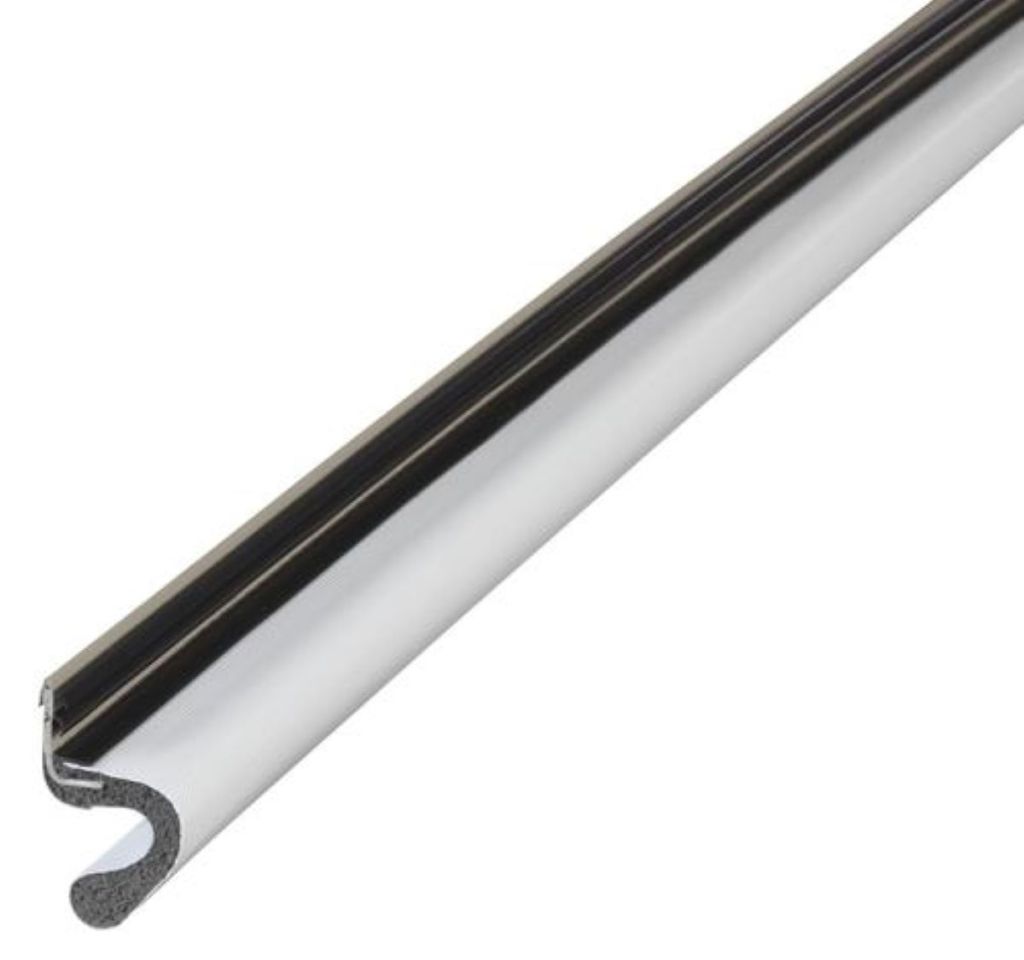
It’s a peculiar looking seal. It fits into kerfs on the bottom of the door. I didn’t even know what a kerf was until we had to get a replacement bottom of the door weather seal. It’s just a slot into which some other piece fits into. There are two raised barbs or blades which fit into slots along the bottom of the door. The blades have to be exactly 5/8 inch apart and they run the length of the seal.

It’s called either a kerf seal or a drive-on door bottom seal, I guess because you drive it into the slots. The old one was stapled at both ends of the door bottom. It was 32 inches long. It was 1 and ¾ inches wide. The blades were in the kerfs doing what blades do in kerfs, which is securing the seal to the door bottom. I pulled the old one off and would need to drive the new one on.

That is, if we can acquire a new one. It turns out the right replacement can’t be found just by knowing the exact dimensions. You have to know the serial number of the door or the serial number of the seal.

The seal is in shreds. If it ever was marked with a serial number, it was destroyed long ago.

The door, which a Pella representative will patiently tell you, should have a serial number on a label fixed to the top hinge on the door. It’s not on the middle or the lower hinge—it’s on the top hinge, which would be fine if it were but it’s not.

How long can you expect a paper label to last on a door hinge that is more than a decade old?

It doesn’t matter if the hinges are all stamped permanently with the word “Pella.” If you don’t have the serial number, you don’t have anything.

All we want to know is whether we can purchase a replacement seal. Well:

The Damned Serial Number

so much depends

upon

a multi-character

serial number

missing in

action

nowhere to be found upon the

item