Head Stall Boogie!

Remember that off the head juggle I was trying to learn way back over two years ago? The other name for it is the head stall and I could not get the hang of it. I watched video after video and the performers who could do it all did it the same way—which I could not imitate. You can see the disaster by looking at my post “Off The Head Juggle Trick So Wrong but My Way.”

It never helped that every teacher said it was an easy trick to learn.

That was over two years ago. Every time I tried it since, it was a no go. But yesterday, I found another video of a guy who does the head stall differently. I tried it last night and within minutes I was doing the head stall. This guy has the hack for the head stall juggle.

I’m pretty sure what made the difference for me is throwing one ball high with one hand, but using the other hand to place the ball on my head. Every other video shows the juggler using one hand for the throw the ball and the same hand for placing the ball on the head. At least that’s what it looks like to me. I’ve got a slow-motion clip in the YouTube video I made today showing me doing it and not only that, alternating between left and right.

The idea behind this head stall thing is the same as the one behind learning the under the leg and behind the back tricks in and out of the 3-ball cascade. You throw one ball high to allow you time enough to do the trick ball.

Now I’m doing the head stall boogie using the same method. Sena says I look sexy in the video. I think I look like I’m trying to catch my breath.

Monarch Butterfly Tagged for Life!

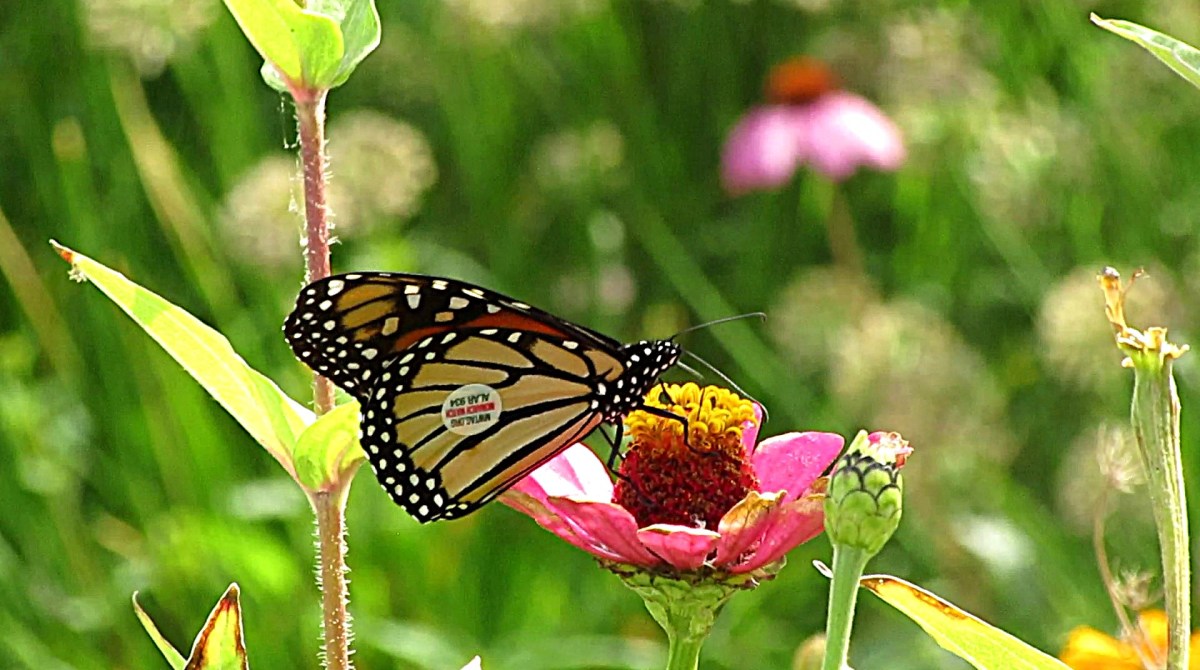
As I announced yesterday, we put together a short YouTube video on the tagged monarch butterfly we saw yesterday at Terry Trueblood Recreation Area, with the help of another guy who pointed it out to us. This was a lot of fun because we didn’t know anything about the monarch tagging project.

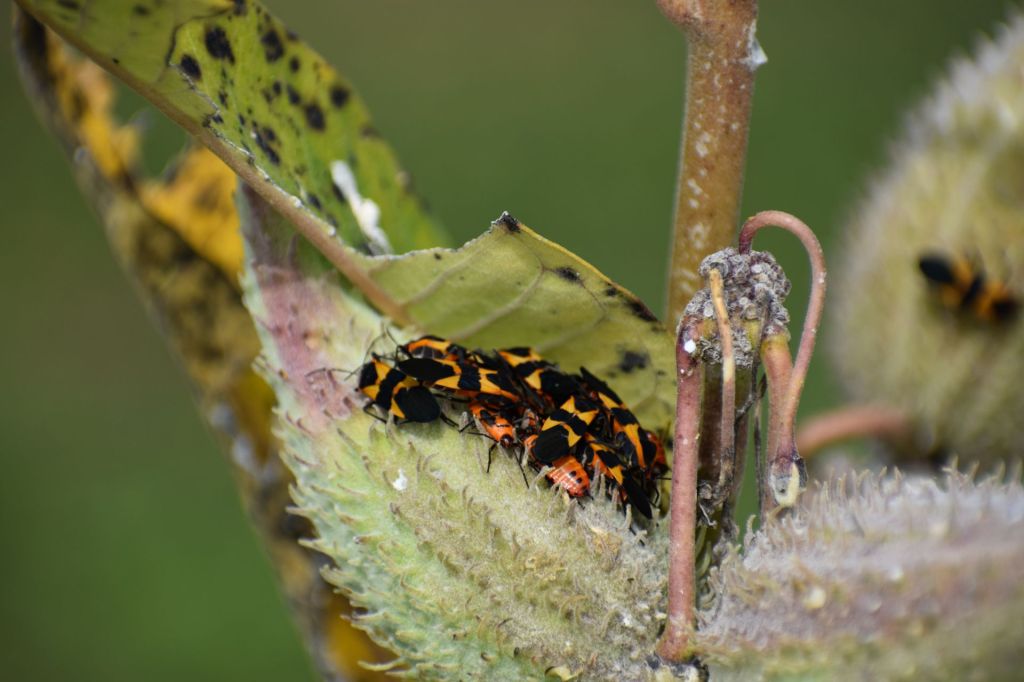
The tagging project is just one part of a comprehensive educational and research program. One interesting section on bugs that feed on milkweed talks about milkweed beetles, but I didn’t find anything about milkweed bugs until I checked another site. It sounds like splitting hairs, but they’re not the same insect although they both feed on the milkweed, which the monarch larvae eat.

I got a photo of the milkweed bugs. Although the pile of them on the milkweed look like two different insects, the smaller ones are just younger versions of the same bug. I don’t think there were milkweed beetles on the milkweed plant I saw.

The other interesting thing is how to tell male from female monarchs. I’m not confident I can do that, although there is a video I posted yesterday (made by the Monarch Watch team) which tells you how to distinguish them.

We think the tagged monarch we saw might be a male, but I wouldn’t bet on it. We saw another monarch (which is featured in the video) which could be a female.

There is a fall open house at Kansas University West Campus in Lawrence, Kansas on Saturday, September 13, 2025.

We Found a Tagged Monarch Butterfly Today!

We’re both pretty excited today because we found a tagged monarch butterfly with a guy’s help out on the Terry Trueblood Trail. We saw quite a few monarch butterflies around the flowers and saw a man spending a lot of time getting a video of one of them with his smartphone. Sena remarked about how nice all the flowers were and he pointed to the butterfly and said it was tagged.

We had no idea what he meant until after we filmed the butterfly and saw this tag with numbers and letters printed on its wing. Sena got a really good shot of it and we were able to read the code.

Then we discovered the website for tracking monarch butterflies.

You can actually report the tagged butterfly to MonarchWatch.Org.  We had never heard of the Monarch Watch Tagging Program, which got started in 1992 to track the monarch’s migration pattern.

We’re not certain of the sex of the monarch we saw today (which is part of the reporting process), but that’s OK. We can just enter “Unknown.” On the other hand, you can find instructions on line.  We plan to make a video of our walk tomorrow with the monarch as the star, but I wanted to give you a heads up about the most exciting part of it today.

See The Patio Slicer Tomatoes!

I have an update on Sena’s patio tomatoes. The last time I wrote about this, there were virtually no slicer tomatoes although there were a lot of cherry tomatoes.

There are now visible slicer tomatoes in the pot on the right, which I’m sure will make it to our dinner table soon!

Mighty Hawk!

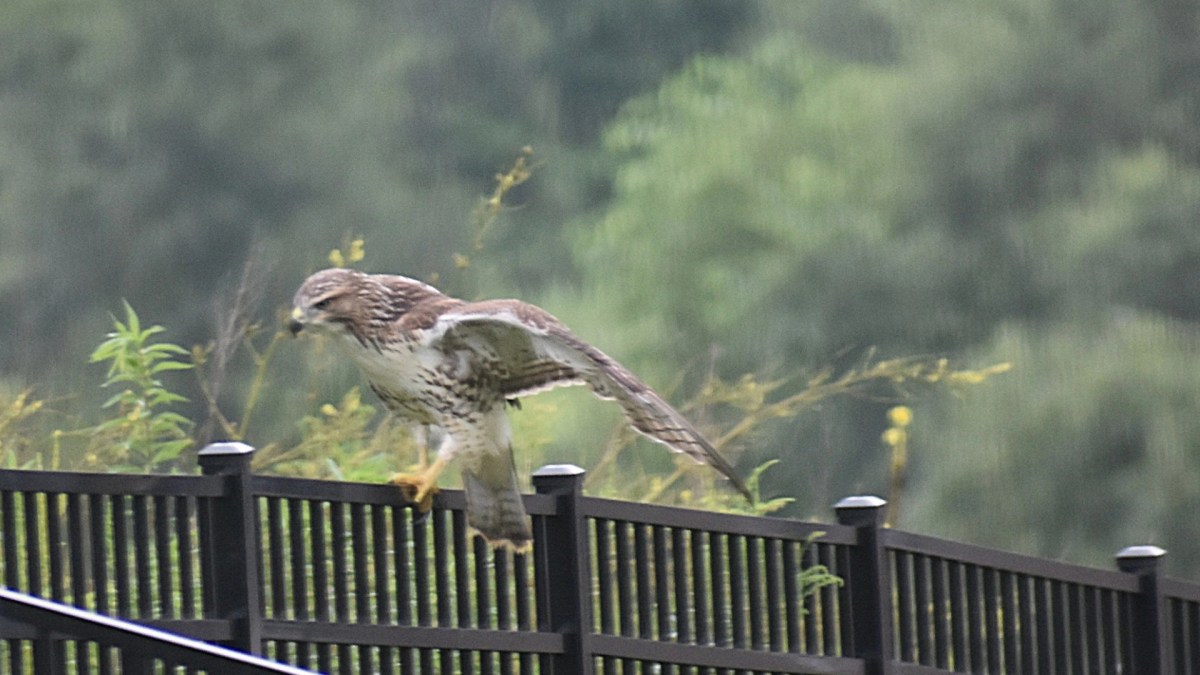
Today we saw this cool Red-Tailed Hawk on the fence—sort of, in a manner of speaking. This hawk was definitely not on the fence about getting brunch though. It would fly off the fence a few times and we expected it would come up with a mouse or squirrel or something—empty claws.

The woodchucks are too big for the hawk.

The experts say you can distinguish a male from a female Red-Tailed Hawk because the female is “25% larger.” I guess that might work if you saw them together—doing something X-rated.

On the other hand, there was a Red-Tailed Hawk named Pale Male that was famous in the New York City Central Park area. He got his name because his head was white. He took several females as mates during his life. They raised several eyasses, which was a new word for me today; it means young hawks. Mary Tyler Moore (“Oh, Rob”) participated along with other neighbors in protests about anti-pigeon spikes being removed and eventually they were replaced by “cradles.”

If you don’t remember the “Oh, Rob!” quote it was Mary Tyler Moore’s (as Laura Petrie) frequent complaint about husband Rob Petrie (Dick Van Dyke) on the Dick Van Dyke show (sitcom in the 1960s). Give yourself a gold star if you thought of the X-File episode “Arcadia” in which Agents Mulder and Scully took the names of the Petries.

Anyway, the Red-Tail Hawk is an impressive bird. It was just not a lucky day for hunting.

The Hummingbird is a Blur!

Yesterday I noticed a hummingbird hovering about the flower pots on our porch. I hurried to get my point and shoot camera and shot video, through a window as usual and it was getting a little late in the evening too, so light was low.  

Can I blame the bird for always looking like a blur—or not? Anyway, the video looks similar to others I’ve managed to capture in years past, except this one was the closest I’ve ever gotten to one. I tried messing with the clip using my video editing software, but I ended up believing it best to leave it mostly unmessed around with.

On the other hand, the one I got about 6 years ago was pretty fair for an amateur backyard birder. Same camera, same software although I was closer to the birds and I’m pretty sure I was sitting outside and very patient. They were very interested in our little feeder.

I think the hummingbirds we’ve seen are ruby-throated species partly because that’s the most common in Iowa. Typically, I think it’s just the males who have ruby-colored throats; our visitor didn’t.

I guess the usual way to attract hummingbirds is with a feeder but other people say there are other reasons hummingbirds visit us. More common to the indigenous peoples, they may be thought of as the spirits of those who recently died and are visiting those they were close to.

I don’t remember the movie “The Curious Case of Benjamin Button” so well but I’ve glanced briefly at web articles which connect it with hummingbirds, which has something to do with their ability to fly backwards or in a figure 8, maybe connecting that with reverse aging or infinity. Other symbolic connections are with joy, healing, and partnership. There are so many connections they seem to blur together—sort of like the bird itself as it hovers and flits from flower to flower.

I think this hummingbird just really liked Sena’s flowers.

The Garden After the Rain and Some Juggling

Sena got some video clips of the backyard garden. The woodchuck was out there but pretty much left her stuff alone. She caught a clip of what looks like a house finch as well.

For some reason, possibly involving extraterrestrials, there was some guy juggling out there.

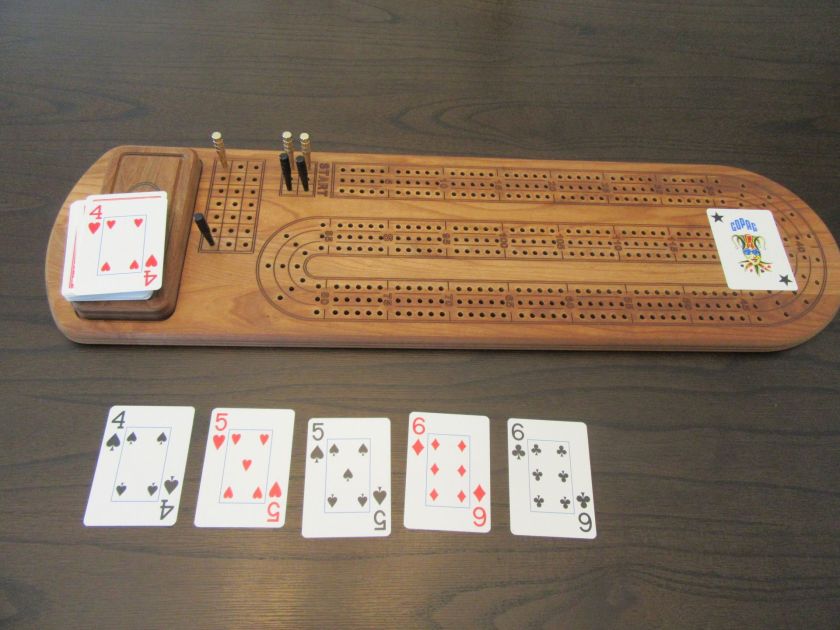
Gorging Goldfinches Distract Us from Cribbage!

We were distracted from our cribbage match today when Sena saw a couple of goldfinches out in the back yard. One of them was clearly a male, bright yellow all over except for his black wings. The other was probably a female because it was olive colored. The sunlight must have varied because at times it looked like it had colors more like the male.

At one point the male seemed to be distracted by something we couldn’t see shaking the bushes behind them. They sure were hungry. I took the video with my Canon point and shoot. Sena reminded me about the Nikon DSLR and I rushed to get it. By that time, the goldfinches were gone. I have to remember to leave both cameras out after this.

I won the cribbage game today, for a change.

Meet Mr. Slim Indigo!

Just like a few days ago, yesterday evening while we were playing cribbage, Sena spied a slim indigo bunting. This one flew right up to our window! It was probably not the same one we first saw. That guy was buff, likely because he’d been branch pressing in the gym.

This character was slim and trim and looked like a lot of other birds we saw charging at their reflections in our windows last month. He really wanted to tell that other bunting where to fly off. I think he should work out more if he’s going to strut like that.

If we’d been sitting by the window all day long with camera at the ready, we’d have been unlikely to ever catch Slim Indigo peering and posing like he was on the bird walk.

It’s a random surprise when lucky breaks like that happen. It can take your breath away. I’m not sure why we’ve been lucky enough to catch a look at Slim, especially after over 20 years since seeing the last one. One answer to that might be here. Sometimes it’s better to be lucky than good. By the way, that reminds me; Sena won the cribbage game—this time.

The one thing I couldn’t get by shooting video through a window is Slim’s voice. Clearly, you can see he was chirping at one point. So, here’s a link for that.