

The CDC has a healhcare provider toolkit available to prepare their patients for the 2023 for the fall and winter virus season. It’s up to date and comprehensive.
Category: Brief Messages or Announcements
Happy Holidays!

KCCK Big Mo Christmas Blues Show!

I heard this funny Christmas tune last night on the Big Mo Blues Show on KCCK. And if your family’s Christmas was like this-you have my sympathy.
CDC Issues Health Alert Network Announcement Recommending Vaccinations for Seasonal Respiratory Illnesses

The CDC recently issued a Health Alert Network (HAN) announcement urging physicians to recommend that patients get their influenza, Covid-19, and RSV vaccines.
CDC Weekly Update on Viral Respiratory Illness
As of December 8, 2023, the CDC reports:
- “National test positivity, emergency department visits, and hospitalizations for influenza continue to increase. Influenza A(H1N1) is the predominant influenza virus circulating although influenza A(H3N2) and influenza B viruses are also being reported.
- RSV-associated hospitalization rates remain elevated among young children and are increasing among older adults; of note, only 15.9% of adults 60+ report having received an RSV vaccine.
- National vaccination coverage for COVID-19, influenza, and RSV vaccines increased slightly for children and adults compared to the previous week and remains low for both groups.”
However, the overall respiratory illness rates have gone from “moderate” to “low” in Iowa.
This is National Influenza Vaccination Week!
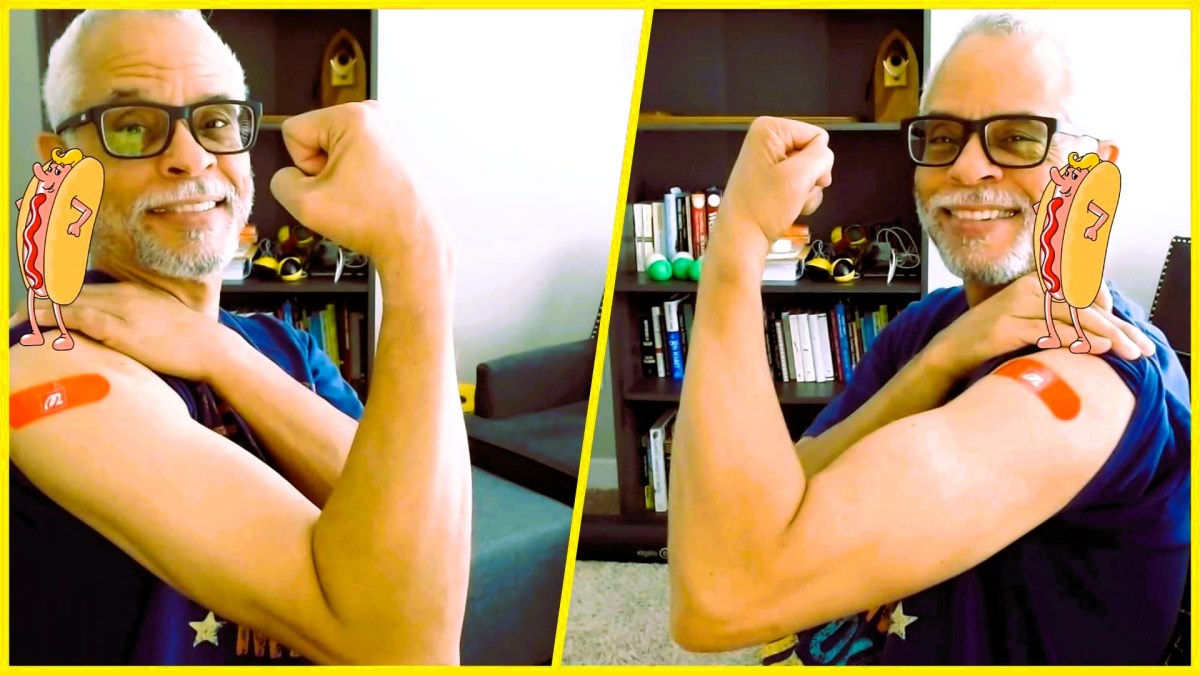
This is National Influenza Vaccination Week (Dec. 4-8, 2023) and the CDC word is:
“National Influenza Vaccination Week (NIVW) is a critical opportunity to remind everyone 6 months and older that there’s still time to protect themselves and their loved ones from flu this flu season by getting their annual flu vaccine if they have not already. CDC data shows that flu vaccination coverage was lower last season, especially among certain higher risk groups, such as pregnant people and children. When you get a flu vaccine, you reduce your risk of illness, and flu-related hospitalization if you do get sick. This week is meant to remind people that there is still time to benefit from the first and most important action in preventing flu illness and potentially serious flu complications: get a flu vaccine today. Check out CDC’s NIVW toolkit for more shareable resources and content.”
It’s also big news that a recent CDC co-authored study showed strong evidence for flu vaccine effectiveness. Among the university medical centers participating in the study was the University of Iowa Hospitals.
Watch for Jim and Sena Juggling in Santa Hats!

Announcing the upcoming not-to-be-missed, one of a kind, holiday extravaganza never before witnessed holiday extravaganza—Jim and Sena juggling in Santa Hats!
We’ve been rehearsing for this (or at least trying to) and one of the greatest challenges was laughing so hard we could barely stand up, let alone juggle.
There’s something hilarious about juggling balls colliding with each other.
Christmas Trees Up!




Moderate Respiratory Illness Activity in Iowa
The CDC tracks respiratory illness and there is moderate activity in Iowa according the data tracker.
The weekly snapshot as of December 1, 2023 shows highlights including:
- “COVID-19 test positivity (percentage of tests conducted that were positive), emergency department visits, and hospitalizations have increased nationally. A group of Omicron variants (XBB and its sublineages) are the predominant lineages detected in the U.S., with HV.1 being most common. The prevalence of another lineage, BA.2.86, is projected to account for 5-15% of currently circulating variants. CDC continues to monitor HV.1, BA.2.86, and all other lineages.
- National test positivity, emergency department visits, and hospitalizations for influenza continue to increase.
- RSV emergency department visits and hospitalizations continue to increase across the country. RSV-associated hospitalization rates remain elevated among young children and are increasing among older adults; of note, only 14.8% of adults 60+ report having received an RSV vaccine.
- National vaccination coverage for COVID-19, influenza, and RSV vaccines increased less than one percentage point for children and adults, where indicated, compared to the previous week and remains low for both groups.
- CDC has been monitoring increases in respiratory illness reported recently among children, including potential elevated rates of pediatric pneumonia in parts of the United States. These reported increases do not appear to be due to a new virus or other pathogen but to several viral or bacterial causes that we expect to see during the respiratory illness season. CDC will continue to work closely with our state and local public health partners to maintain strong situational awareness and will provide updates, as needed.”
CDC Update on Covid-19 Variant BA.2.86
I saw a news item headline which mentioned Covid-19 Variant. BA.2.86. The CDC website tracking respiratory variants has a definitive update as of November 27, 2023:
“What to know about BA.2.86
- The virus that causes COVID-19 is constantly changing over time. Sometimes these changes allow new variants to spread more quickly or effectively. If that occurs, the new variant may become more common relative to other variants that are circulating.
- Since CDC’s first post on BA.2.86 in August 2023, the proportion of infections caused by BA.2.86 has slowly increased. In the CDC Nowcast posted Nov. 27, 2023, BA.2.86 is projected to account for 5-15% of currently circulating variants.
- CDC projects BA.2.86 and its offshoots like JN.1 will continue to increase as a proportion of SARS-CoV-2 genomic sequences.
- At this time, BA.2.86 does not appear to be driving increases in infections or hospitalizations in the United States.
- CDC contributed to and agrees with the World Health Organization’s recent risk assessment about BA.2.86 suggesting that the public health risk posed by this variant is low compared with other circulating variants, based on available limited evidence.
- Updated COVID-19 vaccines are expected to increase protection against BA.2.86, as they do for other variants.
- As mentioned in previous updates, COVID-19 tests and treatments are expected to be effective against this variant, including its offshoot JN.1.
- It is not possible at this time to know whether BA.2.86 infection produces different symptoms from other variants. In general, symptoms of COVID-19 tend to be similar across variants. The types of symptoms and how severe they are usually depend more on a person’s immunity than which variant causes the infection.
- Regardless of what variants happen, CDC will continue to track them, working closely with partners around the world to understand how they are spreading and how they respond to vaccines and treatments.”
 Go Retire Psychiatrist