
I saw this great blog post about psychotherapy by Dr. George Dawson a couple of days ago and it reminded me of an academic research rounds presentation made about 15 years ago by University of Iowa Health Care Dept of Psychiatry faculty member, Dr. Bruce Pfohl, MD Professor Emeritus.
The title of his talk was “The Accidental Psychotherapist” and it was a great way to teach colleagues and learners about how to conduct psychotherapy in any context, especially on the inpatient psychiatric wards. This often felt rushed on morning rounds on the wards because the patients tended to be out and about everywhere but in their rooms.
A few words are in order about the odd-sounding title, “The Accidental Psychotherapist.” He got that from a film I never saw (and I never read the novel it was based on) that was released in 1988, “The Accidental Tourist.” Dr. Pfohl explained why he chose the title for his presentation, but I’m still not clear on it. I’m pretty sure it’s not that psychotherapy feels like it’s an accident when it’s effective.
But I did find a quote from the movie that might fit. William Hurt plays Macon Leary, who writes travel books for people who hate traveling. He advises them on how to avoid human contact, which is something I got from Roger Ebert’s review of the film, which he loved. Macon’s son gets murdered, and this makes him even more neurotic and closed off than he already was before the tragedy. I saw a quote from Macon on the IMDb movie web site:
“I’m beginning to think that maybe it’s not just how much you love someone. Maybe what matters is who you are when you’re with them.”
And maybe one of the things that matters in psychotherapy is how much space you give patients, allowing them to be who they are while, at the same time, trying to understand what makes them who they are.
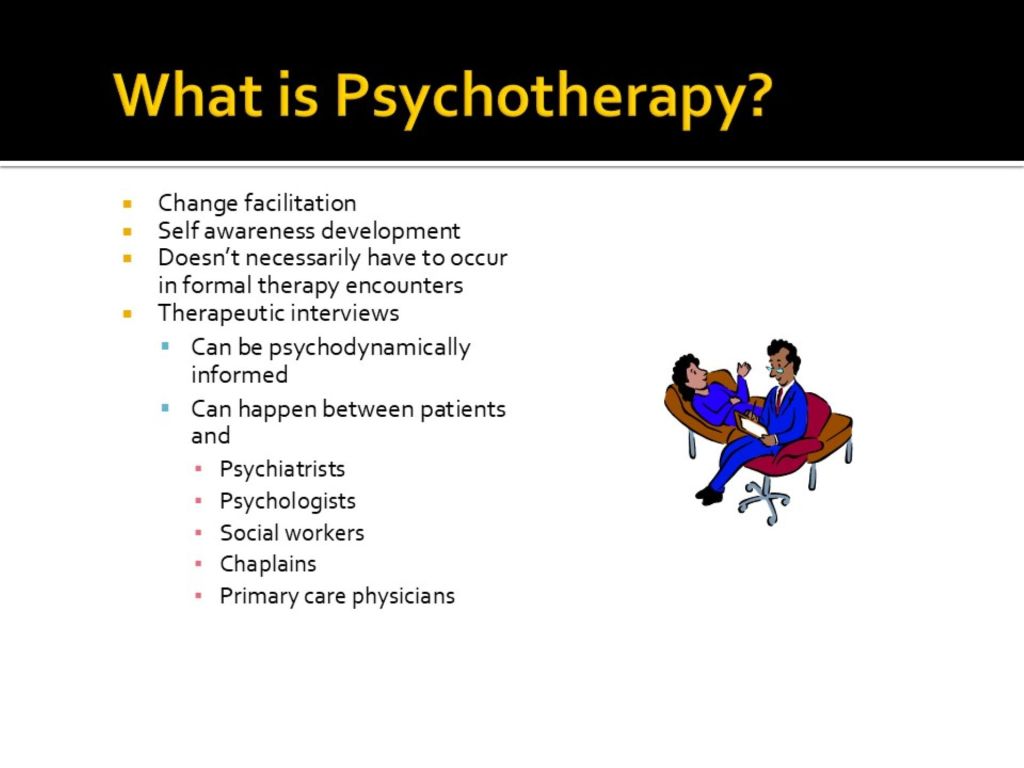
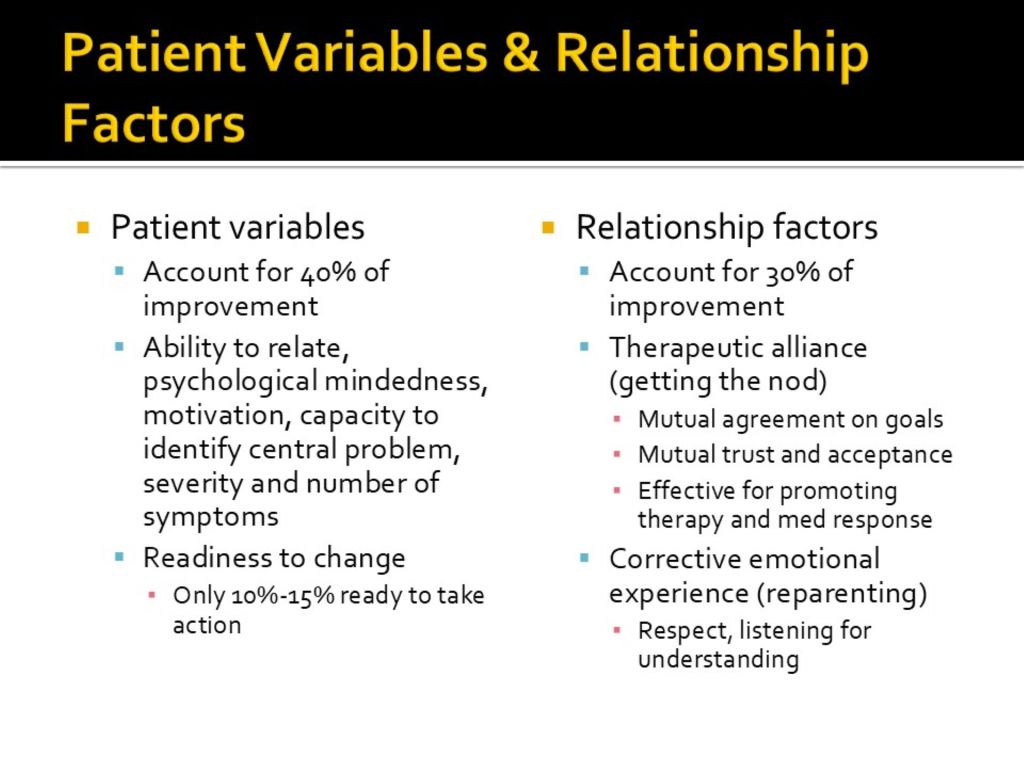
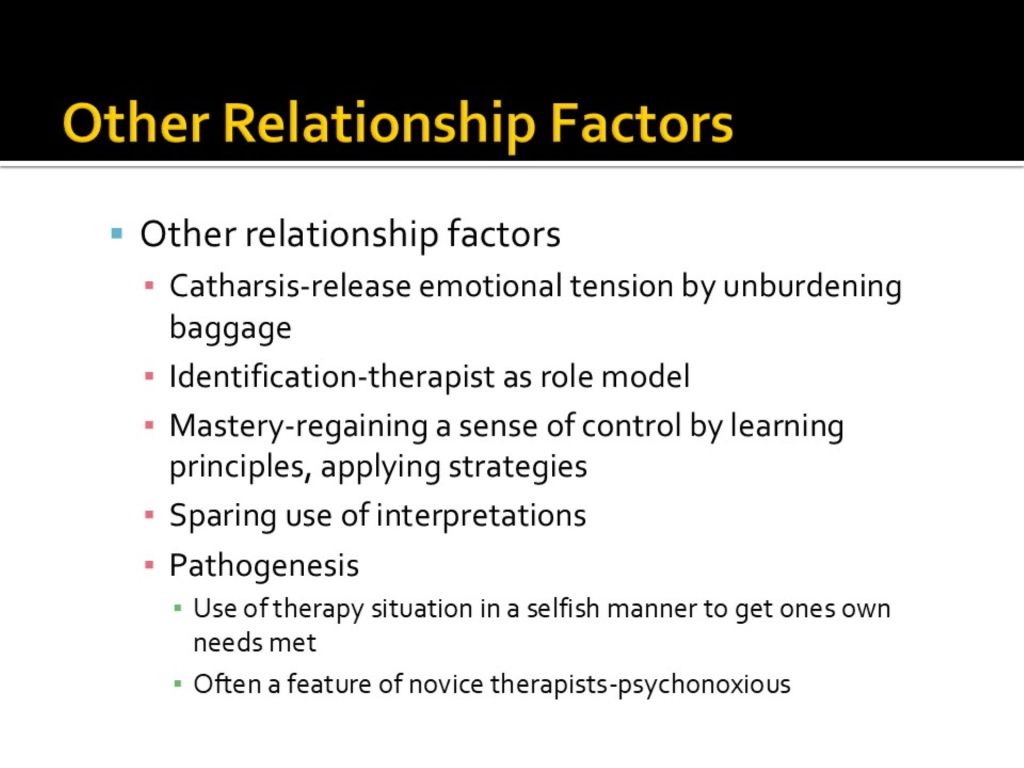
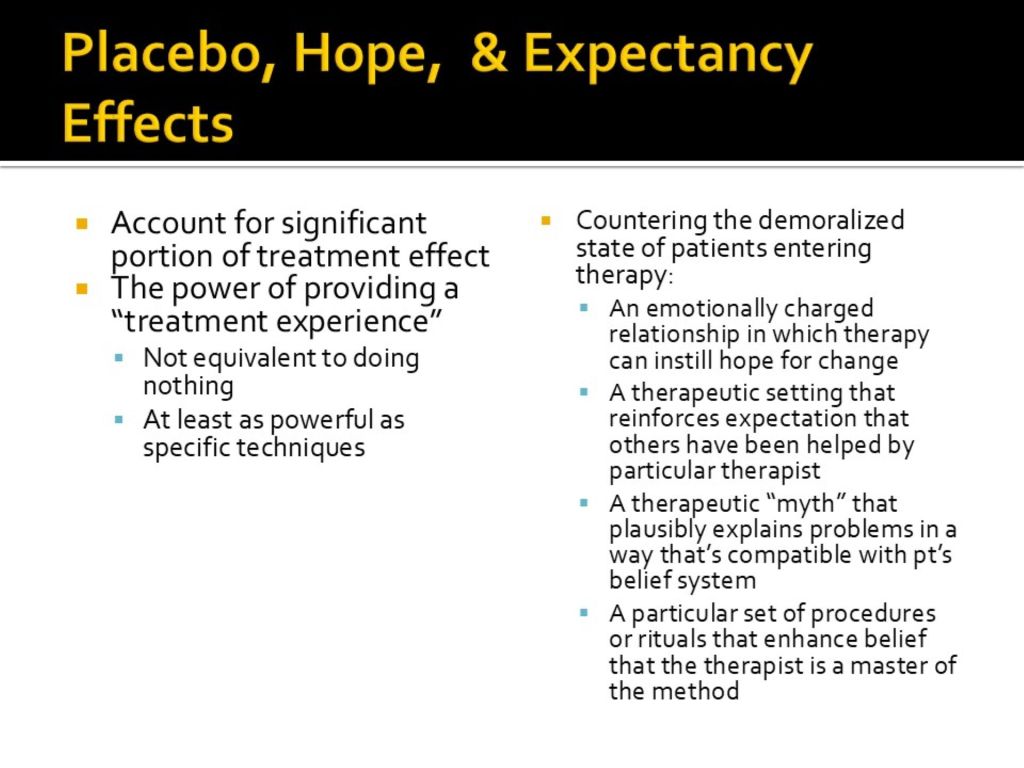
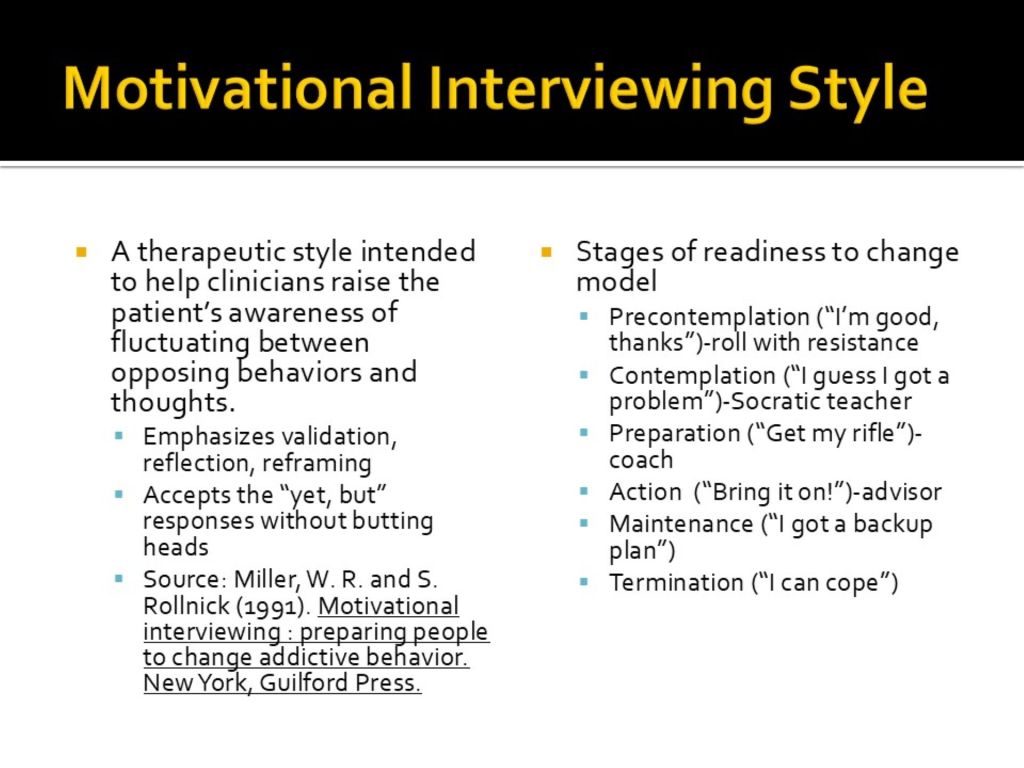
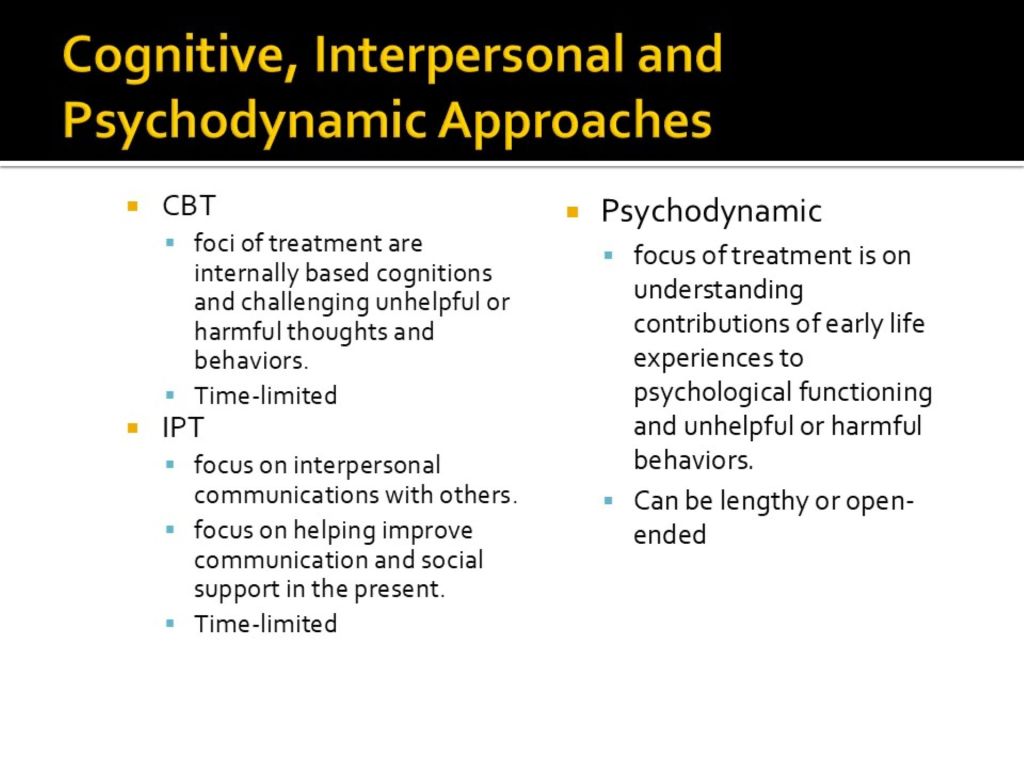
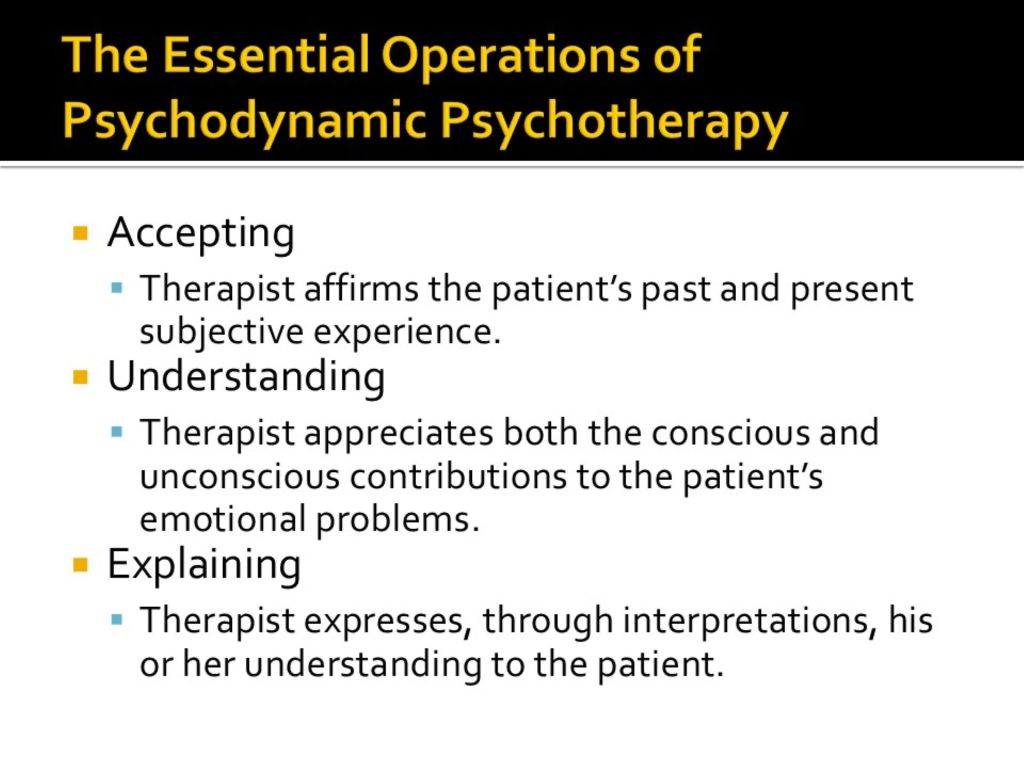
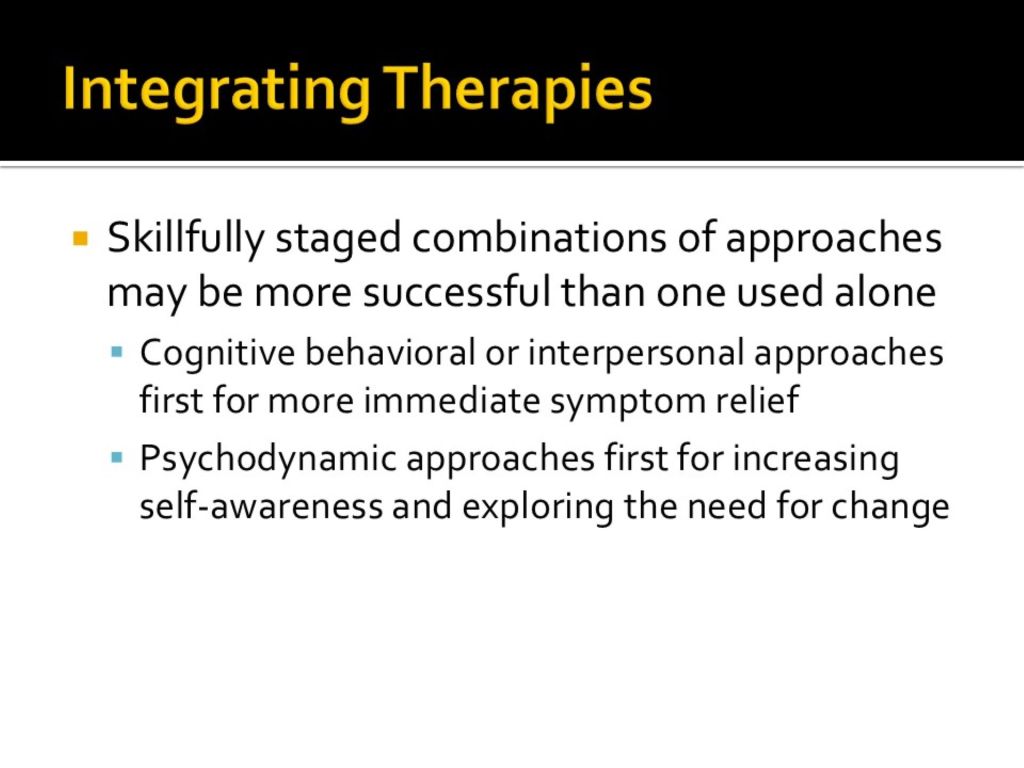
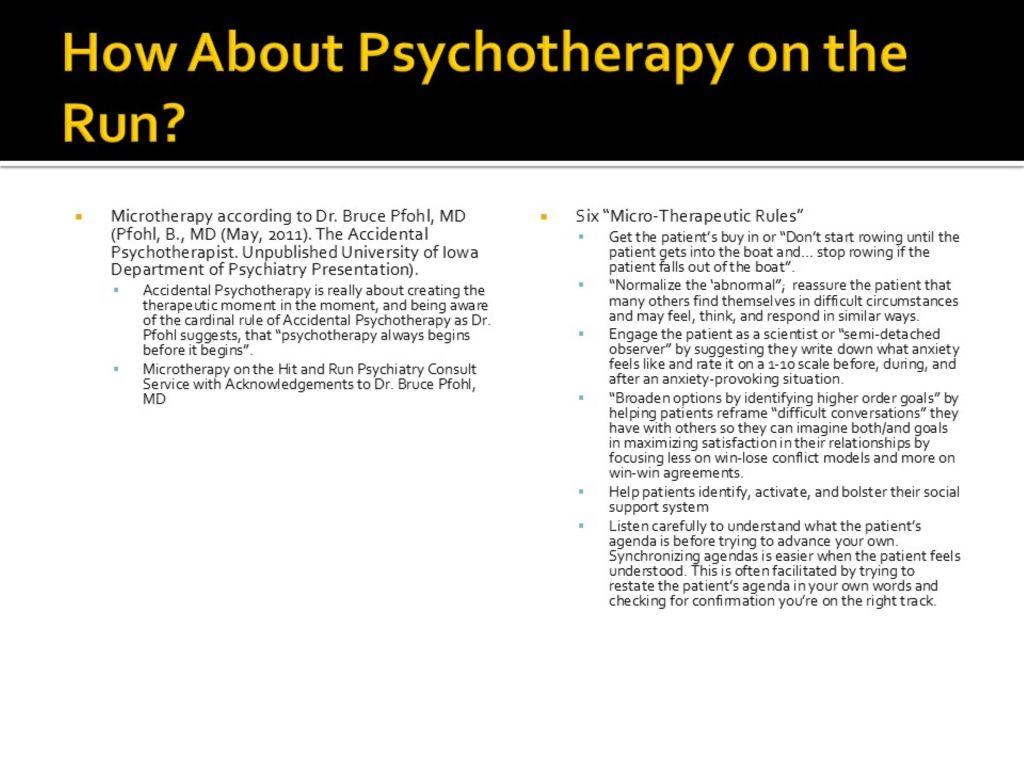
Dr. Pfohl had 31 PowerPoint slides and that’s a little big. I made a lot of what I called Dirty Dozen PowerPoint presentations on mainly consultation-liaison psychiatry and I tried to sum up in a quick and dirty way some of the main points in different kinds of psychotherapy. I included a slide on what he called the six Microtherapy Rules. An important point to remember is that “psychotherapy always begins before it begins.” This can happen even on a busy inpatient psychiatric unit when patients might prefer staying out in the dayroom for doctors’ rounds rather than heading back to their rooms. It also works pretty well on the med-surg wards.







Leave a comment