The Cat is Literally Littering the Litterbox with Her Litter

Is it OK to say that using the word “literally” for emphasis bugs me—a little? I don’t get enraged and break furniture when I hear it, but it does sound wrong. I get over it in a couple of days, literally without taking any hard drugs.

The problem is that some dictionaries say we can use “literally” as an intensifier, like “really” or even “virtually”. I won’t mention which dictionaries (MERRIAM-WEBSTER CAN YOU BELIEVE IT? GOOD GAAWD ALMIGHTEEE!).

But the on-line version of Merriam-Webster almost apologizes for the extension of the use of “literally” (they call it Sense 2): “Sense 2 is common and not at all new but has been frequently criticized as an illogical misuse. It is pure hyperbole intended to gain emphasis, but it often appears in contexts where no additional emphasis is necessary.”

It then goes on at length with examples of the so-called misuse, almost as if to justify the practice.

I admit I’m literally no angel when it comes to writing. I break all kinds of rules. I used to write “begs the question” when I actually meant “raises the question.” The whole begging the question thing actually got started with Aristotle and his thoughts on circular reasoning. He was always causing problems like that.

Anyway, people get on rants about using the word “literally” in the original sense (exact equivalence) as opposed to using in the idiotic and totally wrong way of expressing emphasis.

Throw down dude, you literally can’t use the word “literally” that way!

You can find articles on the web which literally make fun of those who use the word “literally” as though they had cat litter for brains. Some experts think they’ve trounced the “literally” lovers by saying that the use of the word for emphasis has been around since the 17th century.

Some might reply “That may be true, but you are literally barking mad!”

I literally cringe whenever I hear the word “literally” because I know it’s not going to be used in the way I expect. No kidding, if you were in the room with me whenever that word is used as an intensifier by someone, you would literally see me cringing.

I am literally done with this subject for now.
Racial Affinity Group Caucusing Separate But Not Equal to Segregation

I read the New England Journal of Medicine perspective article “Racial Affinity Group Caucusing in Medical Education—A Key Supplement to Antiracism Curricula.”

I did not see the word “segregation” anywhere in the paper, although the Daily Mail news item used it frequently in a manner that I suspect was intended to incite indignation over separating White and Black, Indigenous, People of Color (BIPOC) medical students into Racial Affinity Group Caucuses (RAGC). This was for the purpose of ultimately integrating them with the goal of defeating racism.

Words matter. The word “segregation” used in the way some news reporters did is bound to conjure up 1960s images of the effect of Jim Crow laws and remind those old to remember it the speech of Alabama governor George Wallace pledging “Segregation now, segregation tomorrow, segregation forever.”

Separating people into groups for the purpose of working out a solution to racism can be called segregation only in the strictest sense of the definition. If you can separate denotation from connotation, I think you have to question the use of the word in the news article, which was heavily freighted with negative connotations.

When I was a student at Huston-Tillotson College (now H-T University, one of the Historically Black Colleges and Universities) in the 1970s, the Greek fraternity and sorority pledges were segregated from those who chose not to pledge, including me. I was really happy to be segregated when I witnessed the hazing of the pledges.

The women and men students at H-TU who lived on campus were segregated into male and female dormitories. This did not stop certain activities like dances and fraternity events.

I recall reading news stories a year or two ago about some black college students wanting to be segregated into different dormitories at predominantly white college campuses. I don’t agree with the idea, but it sounded like some black students preferred it.

I like my socks segregated from my dress shirts. But that’s just me.

Some Product Labels Work and Some Make Me Scratch My Head

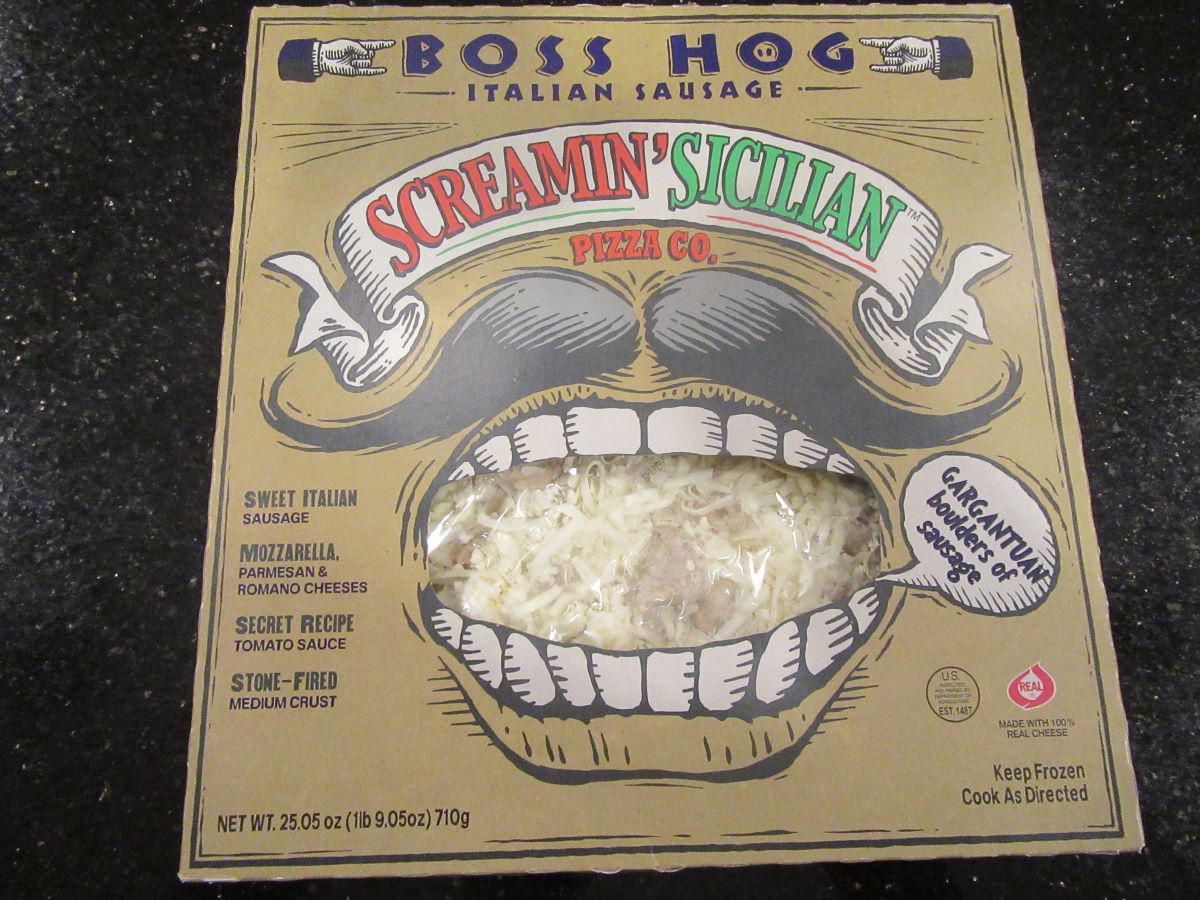
This is just a quick scratch-my-head post about product labels. The Boss Hog Italian Sausage Screamin’ Sicilian pizza is nothing to puzzle over and it tells the unvarnished, unambiguous truth. This is just our opinion, of course and you’ll have to judge yourself.

The Screamin’ Sicilian Boss Hog box says it has “boulder size” Italian sausage pieces in it. Hey, I’m fine with exaggeration. All marketers do that and it show a sense of humor. Sena and I tried it and we both gave it a thumbs up. The pizza tastes great over-all and you can actually taste the fat sausages. The product lives up to the label and doesn’t confuse us.

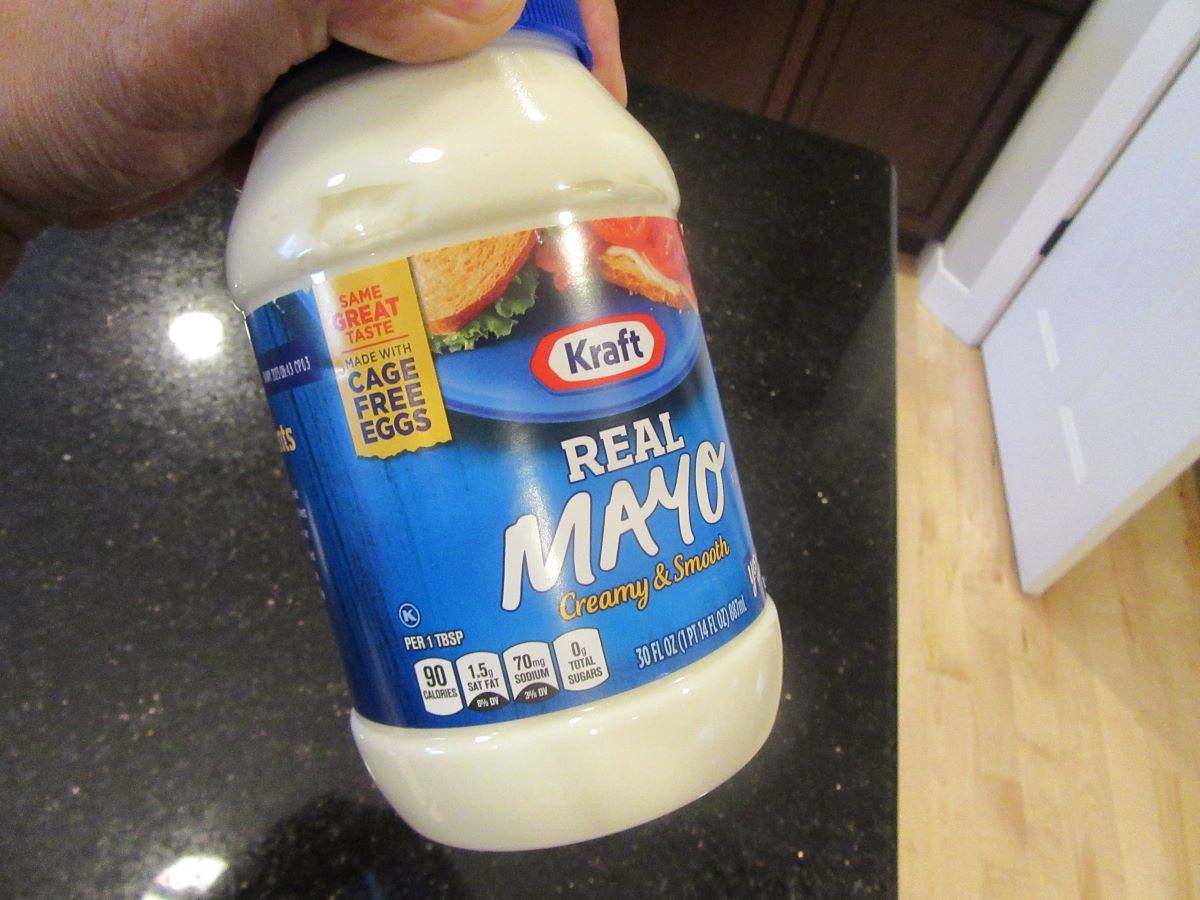
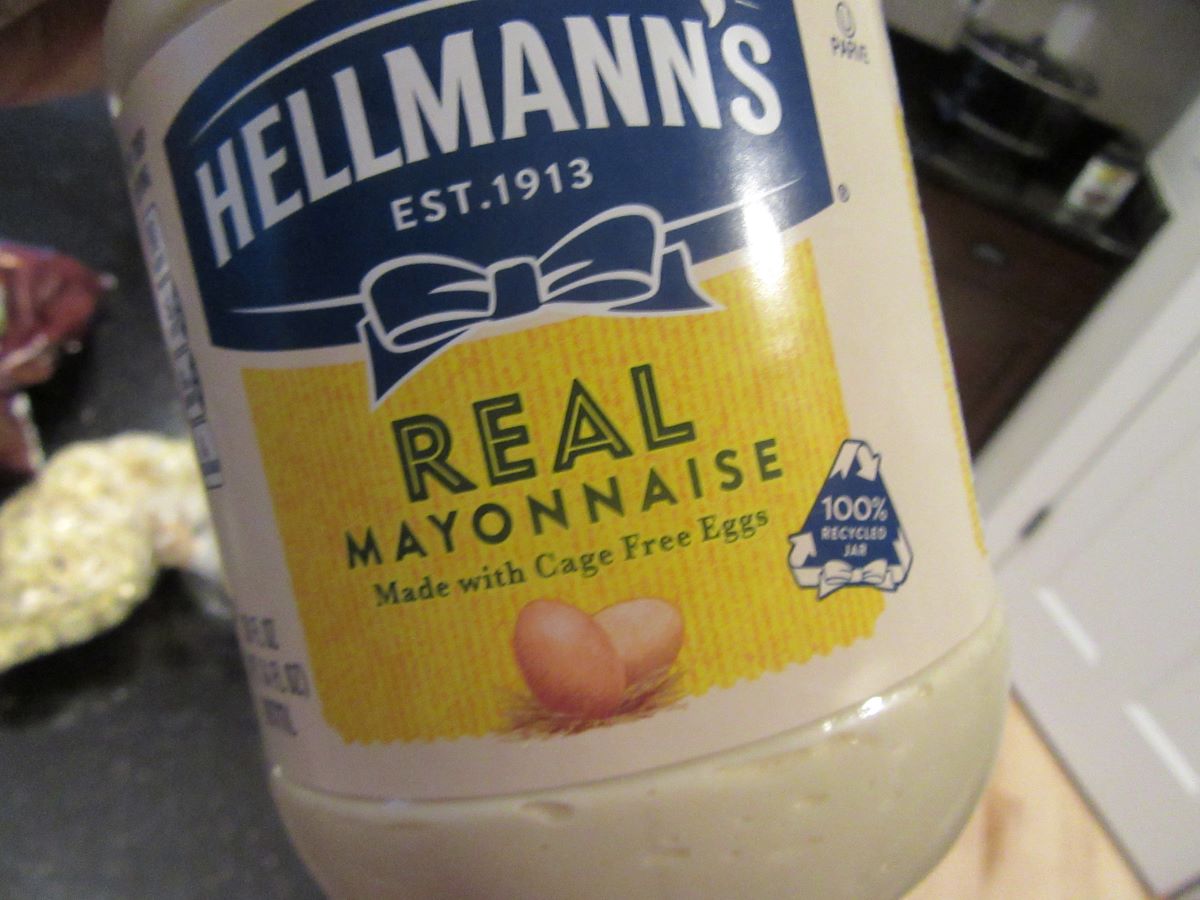
Now take mayonnaise labels. These are from Hellmann’s and Kraft. They both say their products are “Made with Cage Free Eggs.”

Okay, I’m not sure I get the “Cage Free Eggs” thing. I think labels that make me scratch my head are interesting but sometimes a little annoying. First of all, I get hung up on the idea of how an egg can be “cage free.” I know the advertisers are talking about dirt-scratching, pecking, clucking chickens—but the image of the egg takes over the message.

I had no problems when I first heard the phrase “free range chicken” even if I was not sold on all the health benefits claimed. But then, as I was doing my “research” on the internet about this, I came across the term “free range eggs.”

Sorry, but that makes no more sense to me than “cage free eggs.”

So, help me, these terms just lead to comical images of eggs rolling in a nonchalant oval way around the barnyard. It reminds me of the style of Gary Larson’s Far Side cartoons. One collection of his published cartoons is entitled, “The Chickens Are Restless.” I’m not sure, but I think I actually owned a copy years ago.

The boulder-size sausages claimed by Screamin’ Sicilian doesn’t faze me because I know it’s a joke.

But somehow, I don’t get it when the mayo people say things like “cage free eggs” or “free range eggs.” That’s because I suspect the image the terms evoke were not intended by the advertising department.

You’re welcome to share your opinion about this crucial, clucking issue of our times in the comment section.

Sometimes Names are Hard

I was listening to John Heim aka Big Mo on the Big Mo Blues Show (radio KCCK 88.3) last night and he was talking about this time of year, calling it “Indian summer.” He second-guessed himself about calling it that and even wondered aloud whether it might be “politically incorrect.” Sometimes names are hard.

All of my life I’ve know that this time of year, which can be pretty warm and dry for autumn, has been called Indian summer.

Honestly, I have never given any thought to the term “Indian summer.” I looked into it and it turns out that the term can be offensive to Native Americans (indigenous peoples). One article pointed out that the American Meteorological Society removed the phrase from its official glossary in October 2020.

That was an eye opener for me. It also jogged my memory. I remember hearing about the name for the opposite time of year in North America when I was working as a land surveyor’s assistant and drafter for consulting engineers when I was a young man. It’s called Blackberry winter. According to the Farmer’s Almanac, it’s the time of year when there is a brief period of cold weather in the late spring about the time blackberries are in bloom.

It turns out there are a few other names for the season in which certain flowers bloom during the cold snap, like Locust winter and Dogwood winter.

Alternative names for Indian summer have been proposed; one of them is simply late summer or “Second summer.”

I guess Second summer is okay, although I wonder if we could come up with something snazzier and analogous to Blackberry winter. There are some flowers that bloom during that time of year. How about?

Marigold summer

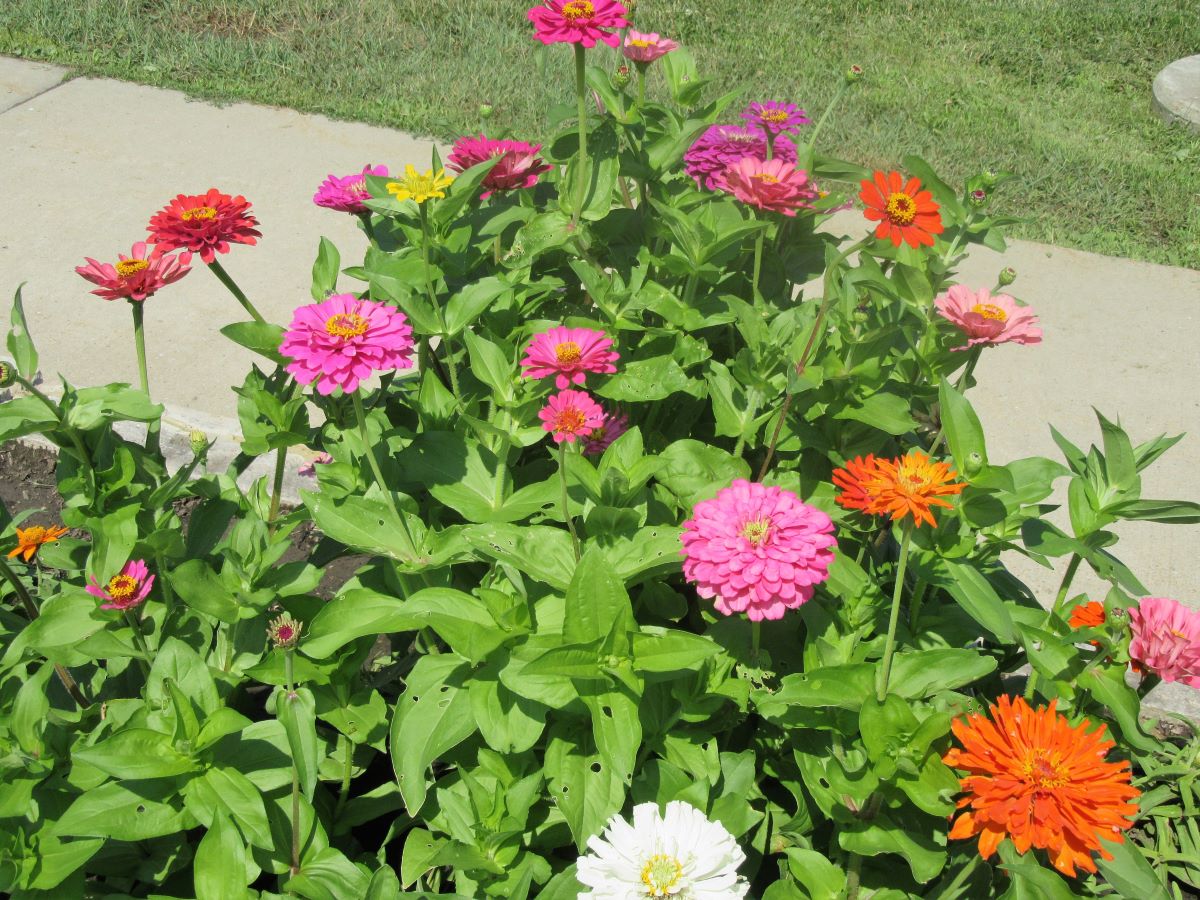
Zinnia summer

Sunflower summer

I got these ideas from a web article entitled “Indian Summer Flowers; Summer Season Flowers in India.” I realize the meaning of the word “Indian” in this article refers to the country of India, which highlights another complexity of names. On the other hand, marigolds are the flowers a lot of people plant in their gardens in North America.

I also found a web site which calls the Black-Eyed Susan, “Indian Summer Black Eyed Susan.” This one didn’t connect the flower to India. I guess you couldn’t apply the same rule above to rename it to something like Marigold Summer Black-Eyed Susan—too confusing.

So, just call it a Black-Eyed Susan and leave it at that. Sometimes names are hard—which makes us think a little harder about the names we choose.

Ever See Bigfoot Splooting?

I wonder if anyone ever got a picture of Bigfoot splooting? Why not? It’s a large furry animal which has no way of cooling off other than by panting or lying on its belly with its limbs splayed out, which is the definition of “splooting.”

I found a news item about splooting squirrels and quickly found other examples of animals who sploot including but not limited to bears, dogs, and rabbits.

The word “sploot” turns up on a web site called Language Log, devoted to people who study word etymology.

And words definitely do matter, according to the authors of an opinion piece recently published in the Annals of Clinical Psychiatry (Black DW, Balon R. Words matter. Ann Clin Psychiatry. 2022 Aug;34(3):145-147. doi: 10.12788/acp.0072. PMID: 35849767).

I agree with Drs. Black and Balon. I dislike the word “issue,” for the same reason the authors do. It’s too vague. I have the same problem with “address” which I see in many news items headlines. which doesn’t give me a clue about what kind of action is being taken to solve a problem—other than just paying attention to it.

The word “sploot” drives my spell checker crazy. It’s not in the Merriam-Webster Dictionary. Neither is it in the Scrabble Dictionary. But it’s in the Collins English Dictionary, listed as British English.

Why “sploot” is any better than “splayed” is beyond me. If you have a picture of a splooting Bigfoot, let me know.

Featured image credit: Pixydotorg.