New Compound MM-120 Related to LSD Gets FDA Nod

I saw the story in Psychiatric Times about the compound MM-120, which the FDA recently granted breakthrough designation. MM-120 is related to LSD. Breakthrough designation is defined by the FDA as, “…a process designed to expedite the development and review of drugs that are intended to treat a serious condition and preliminary clinical evidence indicates that the drug may demonstrate substantial improvement over available therapy on a clinically significant endpoint(s).”

The compound is made by the company MindMed. This is not to be confused with mind meld, a Star Trek thing related to Vulcans like Spock who can do this telepathic touch thing. The MindMed organization made MM-120 to help treat people who suffer from Generalized Anxiety Disorder. Their study shows the drug could be used as a standalone treatment for the disorder.

According to one story about it published in the December issue of Drug Discovery and Development, it’s not likely MM-120 will be stocked in pharmacies next to the antihistamines and decongestants. The authors believe it would be more likely included in a Risk Evaluation and Mitigation Strategies (REMS) program.

This brings back nightmares about the Clozapine REMS program, which many psychiatrists found almost impossible to enroll in several years ago because of glitches in the web-based application. In fact, the FDA was still not happy with it a couple of years ago, to the extent they had to “temporarily exercise enforcement discretion” over aspects of the program.

Anway, the article goes on to say that the drug has a pretty good safety profile, although concede that the study found the higher dose of MM-120 led to “…perhaps some more challenging experiences….” There were no incidents of suicidal or self-injurious behavior.

I wonder what the “challenging experiences” were, exactly. After all, MM-120 is basically LSD, which was invented in 1938 by the Swiss chemist, Albert Hofmann. He was doing research into crop fungus. He thought it could be used to treat mental illness, even after he accidentally ingested some of it and hallucinated a future in which a guy named Timothy Leary would advise everyone to “turn on, tune in, drop out.”

That whole fungus research issue reminds me of the still unsettled question of how a whole town in France got higher than a kite (leading to some deaths) back in 1951. Ergot poisoning was the initial theory, although later somebody believed it might have been perpetrated as a secret LSD experiment by the CIA. I think the mystery is still unsolved.

However, there is also the history of MK-Ultra, which apparently actually was a classified CIA project running during the Cold War which involved giving LSD to certain unlucky subjects, some of whom didn’t know they were getting it—with disastrous results in some cases.

Just to let you know, I don’t suspect there is some conspiracy between extraterrestrials and the pentagon to get the world population so confused on LSD that we start believing all those crop circles are being created by two guys using a board and a rope. Forget what Agent Mulder says.

FDA Issues Warning Not to Use Tianeptine

There have been several warnings from the FDA and others for several years (going back to at least 2014) against using tianeptine. It’s used as an antidepressant in other countries, but “FDA is warning consumers not to purchase or use any Neptune’s Fix products, or any other product with tianeptine — a potentially dangerous substance that is not FDA-approved for any medical use but is illegally sold with claims to improve brain function and treat anxiety, depression, pain, opioid use disorder and other conditions.”

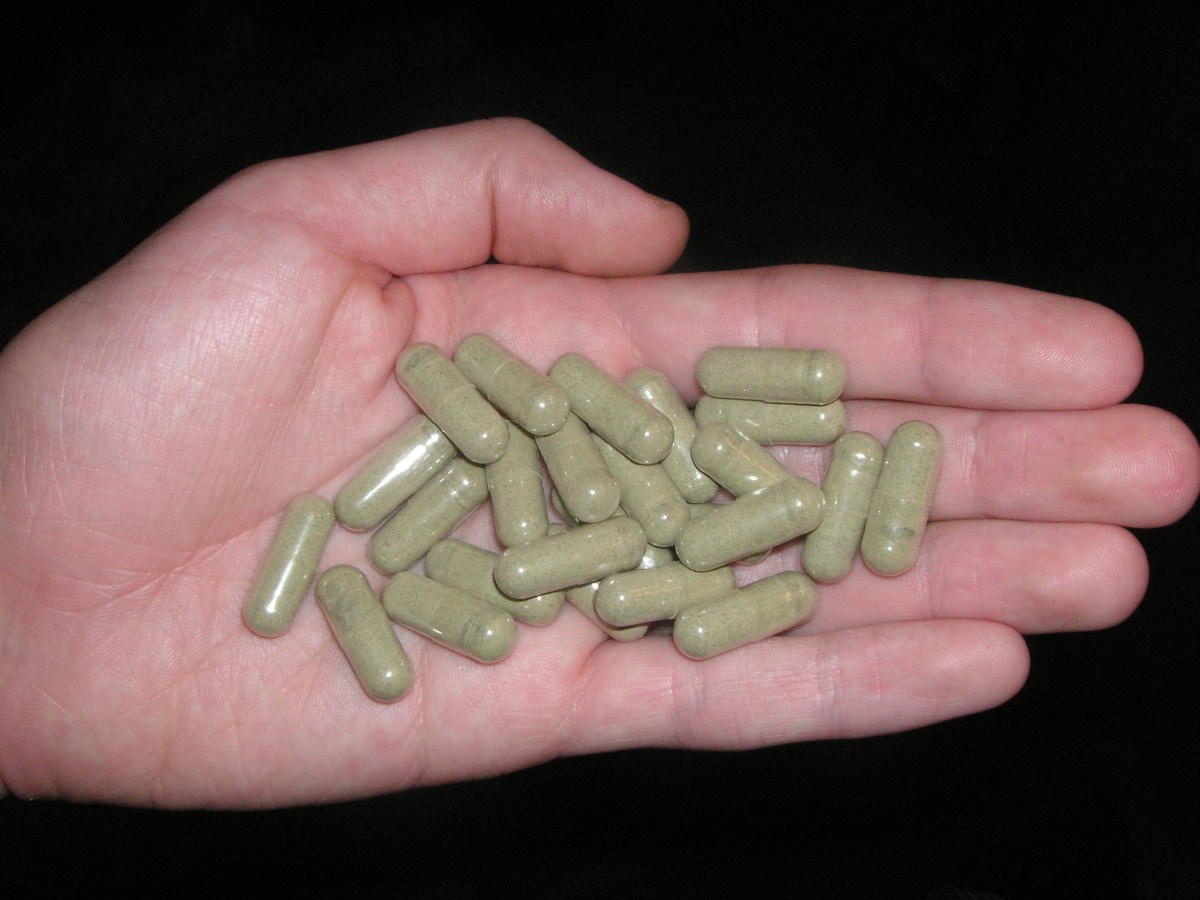
Tianeptine has been called other names including Neptune’s Fix, Zaza, Coaxil, Stablon, Tianna Red, and others.

It reportedly has been banned in several states. Southern Iowa Mental Health Center published an educational web page in 2022 indicating that a review between 2000 and 2017 found a sharp untick in tianeptine-related poisoning calls during that time period.

The web page also pointed out that “The study specifically noted that while the drug was implicated in just five poisoning calls back in 2014, that figure rose to 38 in 2015, 83 by 2016, and 81 by 2017. And most of those calls involved relatively young people, between the ages of 21 and 40.”

Phenylephrine Spelled Backwards is Enirhpelynbehp

News headlines are screaming about class action lawsuits being filed against drug companies selling the oral form of a nasal decongestant that the FDA says doesn’t work. It’s called phenylephrine. Phenylephrine has been around since the early 1970s and it’s a common ingredient in over-the-counter (OTC) cold remedies found in grocery stores in the medicine aisle.

The FDA advisory committee met on September 11-12, 2023 about phenylephrine-containing oral products and there is a clarification of the FDA committee’s decision to identify them as ineffective that was posted on September 14, 2023.

A common OTC containing the agent is Sudafed PE. The Equate version of it is Suphedrine PE, which is cheaper. The name capitalizes on its similarity to the name Sudafed, which is pseudoephedrine—which is an effective oral agent for relieving nasal congestion. The problem with it is that it’s been behind-the-counter since 2006 because it can be used in the manufacture of methamphetamine.

Sena bought a box of Suphedrine PE the other day because she caught a head cold. She thinks it’s helplful.

I took a quick look at a few of the presentations of the FDA Advisory Committee meeting. Mainly I just noted the last slide of the FDA presentation, which said that recent studies showed phenylephrine 10 mg was not significantly different from placebo.

Another presentation showed that a large consumer survey indicated that Americans rely on phenylephrine and thought it was an effective nasal decongestant.

This reminded me of Serutan, which is just Nature’s spelled backwards. Serutan was not a placebo; it was a fiber-based laxative, but a lot of people made fun of it. But that, in turn, reminded me of Geritol, which was sold as a tonic a long time ago and which, for a while, was thought by many people to help women get pregnant. Who knows? Maybe some people still believe that, although even the manufacturer disputes the claim.

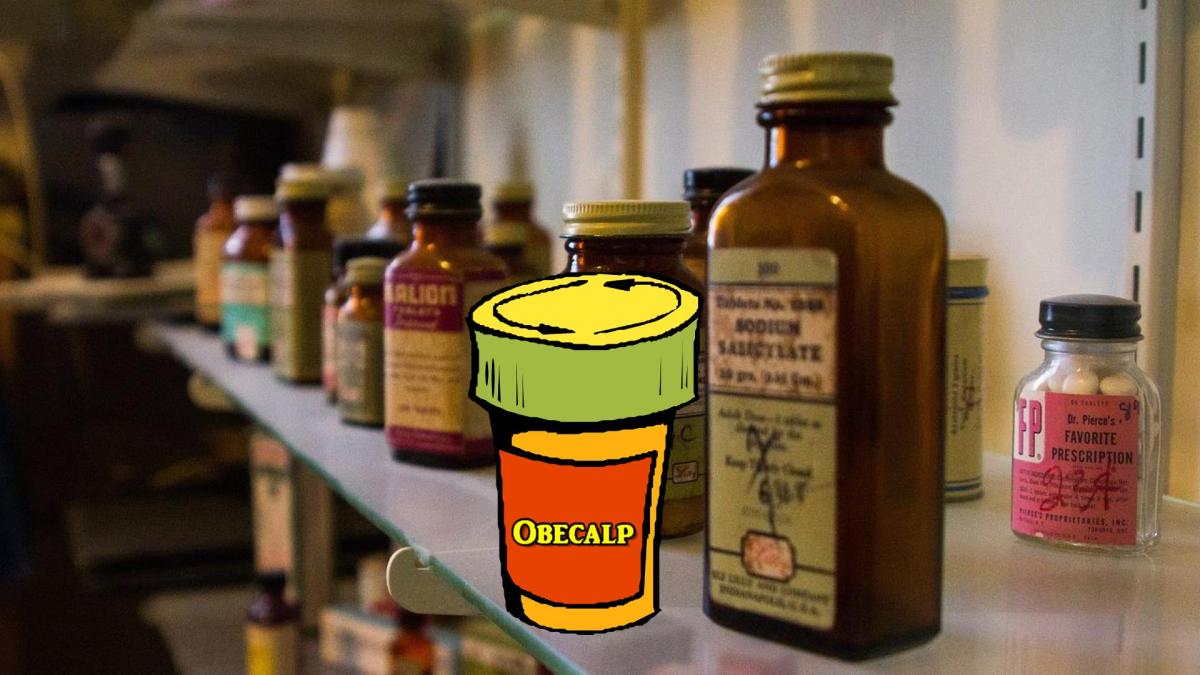
On the other hand, this in turn reminded me of a medication called Obecalp. You can find many web entries about Obecalp, which is just “placebo” spelled backwards. Some physicians may still be prescribing Obecalp (placebos don’t always have to be pills). In general, the opinion about the ethics of the practice is expressed in a recent paper (Linde K, Atmann O, Meissner K, Schneider A, Meister R, Kriston L, Werner C. How often do general practitioners use placebos and non-specific interventions? Systematic review and meta-analysis of surveys. PLoS One. 2018 Aug 24;13(8):e0202211. doi: 10.1371/journal.pone.0202211. PMID: 30142199; PMCID: PMC6108457.):

“Although the use of placebo interventions outside clinical trials without full informed consent is generally considered unethical [13], surveys in various countries show that many physicians prescribe “placebos” in routine clinical practice [47].”

There’s actually a fairly large body of research about placebo effects. One really long paper has interesting conclusions and key points (Wager TD, Atlas LY. The neuroscience of placebo effects: connecting context, learning and health. Nat Rev Neurosci. 2015 Jul;16(7):403-18. doi: 10.1038/nrn3976. PMID: 26087681; PMCID: PMC6013051.):

Conclusions:

A substantial part of the therapeutic benefit patients experience when undergoing medical treatment is caused by their brain’s response to the treatment context. Laboratory investigations of placebo effects provide a way of examining the brain mechanisms underlying these effects. Consistent findings across studies include reduced activity in brain areas associated with pain and negative emotion, and increased activity in fronto–striatal–brainstem circuits. In most cases, the creation of robust placebo effects across disorders and outcomes seems to require appropriate conceptual beliefs — maintained in prefrontal cortical networks — that are supported by experience-dependent learning in striatal and brainstem circuits. However, the critical ingredients for eliciting placebo effects, at both the psychological and brain level, are just beginning to be understood. These ingredients may differ substantially depending on whether the outcomes are symptoms, behaviours or changes in physiology. A better understanding of the neuroscience of placebo could yield rich benefits for both neuroscience and human health.

Key Points:

  • Placebo effects are effects of the context surrounding medical treatment. They can have meaningfully large impacts on clinical, physiological and brain outcomes.
  • Effects of placebo treatments are consistent across studies from different laboratories. These effects include reduced activity in brain areas associated with pain and negative emotion, and increased activity in the lateral and medial prefrontal cortex, ventral striatum and brainstem.
  • Placebo effects in pain, Parkinson disease, depression and emotion are enabled by engagement of common prefrontal–subcortical motivational systems, but the similarity across domains in the way these systems are engaged has not been directly tested.
  • Meaningfully large placebo effects are likely to require a mixture of both conceptual belief in the placebo and prior experiences of treatment benefit, which engage brain learning processes.
  • In some cases, placebo effects are self-reinforcing, suggesting that they change symptoms in a way that precludes extinction. The mechanisms that drive these effects remain to be uncovered, but doing so could have profound translational implications.

I will probably catch Sena’s head cold. By the way, Phenylephrine spelled backwards is enirhpelynehp.

What’s Up with Seasonal Vaccines This Fall?

I just read an interesting article in JAMA on this fall’s Covid-19 vaccine. Most of it is from the FDA meeting in June (Rubin R. This Fall’s COVID-19 Vaccines Will Target Omicron XBB Subvariants, but Who Needs Them Remains to Be Seen. JAMA. Published online July 05, 2023. doi:10.1001/jama.2023.10053).

One expert was quoted, indicating that there will be “…an elaborate discussion” at the CDC ACIP meeting about who should get the new monovalent XBB.1.5 vaccine. I don’t see that the meeting is scheduled yet.

There are some other interesting quotes to pass along:

“Back in March and the first half of April, XBB.1.5 represented more than 80% of circulating SARS-CoV-2 in the US, according to CDC estimates. Its dominance began to slip in late April, and as of late June, XBB.1.5 represented little more than a quarter of circulating SARS-CoV-2 variants. By then, though, XBB.1.5 and 9 other XBB subvariants together accounted for a total of 96% of circulating SARS-CoV-2 in the US. Fortunately, members of the XBB family of subvariants are antigenically similar to each other, so a vaccine against XBB.1.5 should protect against the rest of them as well, the WHO committee noted.”

“By the third quarter of 2022, an estimated 96.4% of approximately 143 000 blood donors in a nationwide, longitudinal cohort had SARS-CoV-2 antibodies from previous infection or vaccination or both, according to an analysis published in June in Morbidity and Mortality Weekly Report.

Or, as Sawyer told JAMA, “[t]he whole US has had this virus in one form or another.”

Because of the high prevalence of SARS-CoV-2 antibodies in the population, Paul Offit, MD, in an interview predicted “a focused recommendation by the CDC” regarding who should receive the XBB.1.5 vaccine.”

“Offit said he expects that the CDC will recommend the new monovalent XBB.1.5 vaccine for groups at the greatest risk for severe disease, reflected in continuing hospitalizations for COVID-19. Those groups likely would include people who are 75 years or older, people with severely compromised immune systems, and pregnant people, Offit said.”

“At least for people 60 years or older, the fall vaccine situation will be more complicated than it was a year earlier, Schaffner noted. That’s because at its regular monthly meeting in June, ACIP voted to recommend that this age group have the option of being vaccinated against respiratory syncytial virus (RSV) after consulting with their physician or pharmacist.”

That would mean that there would be 3 vaccines coming in the fall: RSV, Covid-19, and influenza. Sena and I have been doubtful about why a conversation with a physician would be necessary for the RSV vaccine. We don’t know whether that means you couldn’t get it without a physician’s order. There are also questions about coadministration of the RSV and Covid-19 vaccines.

Because the time is coming soon for seasonal vaccines, we’re hoping the questions will be answered soon.

FDA Meeting Today on Strain Selection for Periodic Covid-19 Vaccine

The FDA Vaccines and Related Biological Products Advisory Committee will meet today from 8:30 am-5:00 pm ET to discuss and make recommendations on strain selection for the periodic updated Covid-19 vaccines for the 2023-2024 vaccine campaign.

The discussion topic will be:

“Based on the evidence and other considerations presented, please
discuss selection of a specific XBB lineage (e.g., XBB.1.5 or
XBB.1.16 or XBB.2.3) for inclusion in the 2023-2024 Formula of
COVID-19 vaccines in the U.S.”

The voting question will be:

“For the 2023-2024 Formula of COVID-19 vaccines in the U.S., does the
committee recommend a periodic update of the current vaccine composition to
a monovalent XBB-lineage?”

UPDATE: The committee upvoted the question unanimously. The word “periodic” was removed from the question. A September 2023 time frame was expected for availability of the new vaccine.

FDA Update on Covid-19 Annual Vaccine Strategy

On April 18, 2023 the FDA posted an update on the Covid-19 updated bivalent vaccine and the upcoming immunization strategy for this fall. According to the announcement:

“In June, the FDA will hold a meeting of its VRBPAC to discuss the strain composition of the COVID-19 vaccines for fall of 2023. Much like the FDA does yearly with the influenza vaccines, the agency will seek input from the committee on which SARS-CoV-2 variants and lineages are most likely to circulate in the upcoming year. Once the specific strains are selected for the COVID-19 vaccines, the FDA expects manufacturers to make updated formulations of the vaccines for availability this fall.”

FDA Authorizes Bivalent Covid-19 Vaccine Booster Dose Today

The FDA announced the EUA authorization this morning of the Moderna and Pfizer-BioNTech Bivalent Omicron Covid-19 Vaccine Booster Dose.

CDC-ACIP meeting starts tomorrow for evaluation of the booster doses.

FDA Removes N95 Respirators from Shortage List

I think it’s ironic that about the same time a PLOs One study and news articles came out announcing a new method using 8-inch rubber bands for improving the fit of the surgical mask to approximate that of the N95 respirator, the FDA removed the N95 respirator from the medical device shortage list. This is relevant to help protect people from infection with Covid-19 because even vaccinated older people are getting hospitalized with the Omicron variant of the virus.

I’m not saying that the new rubber band method to tighten the fit of the surgical mask is not an improvement. It might come in handy when there is another shortage of N95 respirators.

The method mainly targets health care professionals. It would be difficult to persuade everyone in the community to adopt the technique. It’s tough enough to get people to wear masks even in crowded buildings in high transmission areas.

This is despite the CDC study showing that the elderly population continue to be at high risk for hospitalization from Covid-19 despite being vaccinated with the initial series and one or more boosters.

I think it’s hard to achieve a good fit even with the N95 respirators. The free ones distributed by the Federal government early this year were not widely available and fit poorly because the straps were elastic (similar to rubber bands, only flimsier) and loosened quickly, even after using only 2 or 3 times. At least the ones I got did. Prior to retiring, I was never able to pass a Fit test at the hospital using that type of mask.

I think my surgical masks fit better than the N95 respirators, especially after using the knot and tuck method to get a tighter seal.

Now the newer rubber band method to get a better seal uses two large 8-inch rubber bands to make the mid-face portion of the mask fit closer to your face. It looks a little easier to do than the earlier 3 rubber band technique developed a couple of years ago. That one was even tested at the University of Iowa Hospitals and Clinics by emergency room health care professionals, resulting in a small published study (the “double eights mask brace”).

All of the rubber band mask braces techniques were a response to the shortage of N95 respirators. What’s interesting to me is that, as the authors of the PLOs One study point out, there is a fair amount of variability in how well the N95 mask fits. Differences in the shape of a person’s face can account for some of this.

And there’s no shortage of N95 respirators—for now, at least according to the FDA.

If a non-health care professional wanted to use a rubber band brace, it would take some practice to get a good seal. There’s a bit of a learning curve even for a pro.

I think it would be difficult to persuade the average person to get the rubber bands and the surgical mask out of a pocket or a purse and fiddle around to achieve a good fit if you’re just going to run into Wal Mart—where I could not find that the big 8-inch rubber bands are even in stock. They’re pretty much a “3-day shipping” kind of item and could cost as much as $20 a bag.

FDA Advisory Committee Approves Adding Omicron component to the Next Covid-19 Vaccine

On June 28, 2022 the FDA Vaccine and Related Biological Products Advisory Committee came to a majority “yes” vote to the question:

“Does the committee recommend inclusion of a SARS-CoV-2 Omicron component for COVID-19 booster vaccines in the United States?”

The meeting was recorded and is available for review.